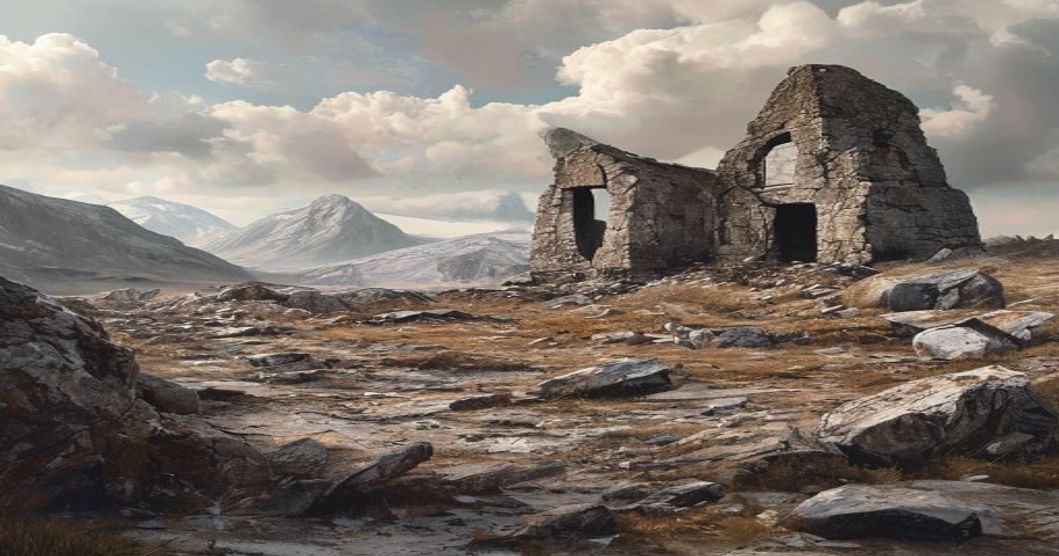
The Historical Erasure of Sámi Sacred Sites
For centuries, the Sámi people maintained a complex spiritual landscape across Fennoscandia, where natural topography served as the primary architecture for indigenous worship. Unlike classical monumental temples, Sámi sacred geography relied on natural landmarks, coastal outcrops, and ancient forest ecosystems. Colonial expansion, state-backed religious conversion campaigns, and cultural assimilation policies systematically dismantled these sites. Historical chronicles, missionary records, and modern archaeological surveys confirm that the destruction of Sámi sacred sites was not merely physical but structural, targeting the foundational elements of indigenous cosmology.
Sieidi Stones and Coastal Sanctuaries
Sieidi stones functioned as central ritual hubs for seasonal offerings, divination, and communal ceremonies. These naturally occurring or deliberately placed rock formations were strategically positioned near reindeer migration corridors, fishing grounds, and mountain passes. 17th-century missionary accounts extensively document the systematic desecration of sieidi sites through burial, burning, and forced relocation. Coastal sanctuaries, equally vital for maritime Sámi communities, faced parallel eradication as European trading outposts and naval infrastructure expanded into traditional waters. Contemporary geological mapping reveals that many destroyed sieidi formations now lie beneath reclaimed agricultural zones and early colonial settlements.
Forest Groves and Shamanic Drum Circles
Sámi spiritual practices were intrinsically linked to sacred forest ecosystems. Mature spruce and birch trees served as structural frames for noaidi (Sámi shaman) drums and housed localized spirit guardians. The rapid deforestation of old-growth woodlands during the Industrial Revolution directly obliterated many ritual groves. Missionary documentation explicitly describes “forest worship” gatherings being dispersed, with wooden drum frames confiscated or publicly burned. Ethnographic analysis demonstrates that the loss of these wooded sanctuaries fractured intergenerational knowledge transmission, forcing sacred geography into increasingly isolated highland refuges.
Colonial Policies and Cultural Suppression
Missionary Campaigns and Banned Rituals
The 18th and 19th centuries initiated an aggressive phase of religious assimilation specifically targeting indigenous spiritual infrastructure. Lutheran and Orthodox missionary orders operated with direct state authorization, establishing conversion centers adjacent to historic worship coordinates. Official edicts classified Sámi ritual practices as heretical, resulting in the legal prohibition of drum ceremonies and offering traditions. Church archives from Tromsø, Finnmark, and the Kola Peninsula document deliberate site destruction through forced confiscation and mass burning of sacred offerings. These actions constituted a coordinated theological replacement strategy rather than isolated punitive measures.
Archaeological Evidence and Modern Recognition
Excavations and Reclaimed Sacred Geography
Recent archaeological excavations across Sápmi have uncovered stratified ritual deposits, offering pits, and disturbed sieidi foundations that directly corroborate historical accounts of site destruction. Radiocarbon dating aligns peak desecration periods with intense colonial expansion eras. Contemporary indigenous land rights initiatives now prioritize the protection of remaining sacred coordinates, integrating traditional ecological knowledge with LiDAR mapping to identify historically suppressed locations. Legal frameworks in Norway, Sweden, and Finland increasingly classify these sites as protected cultural heritage, though ongoing extractive industries and infrastructure development continue to threaten vulnerable sacred landscapes.
Frequently Asked Questions
What is Sami Sacred Sites Destroyed in History?
Sami sacred sites destroyed in history refer to the numerous culturally and spiritually significant locations across Scandinavia and northern Russia that were systematically damaged, desecrated, or demolished by colonial powers, Christianization efforts, and modern development projects over centuries.
Key facts about Sami Sacred Sites Destroyed in History
Key facts include the widespread destruction of sieidis (sacred stones), the conversion of sacred groves and lakes into Christian worship sites, the impact of 19th and 20th-century assimilation policies, and the ongoing archaeological and cultural restoration efforts to preserve remaining Sami heritage.