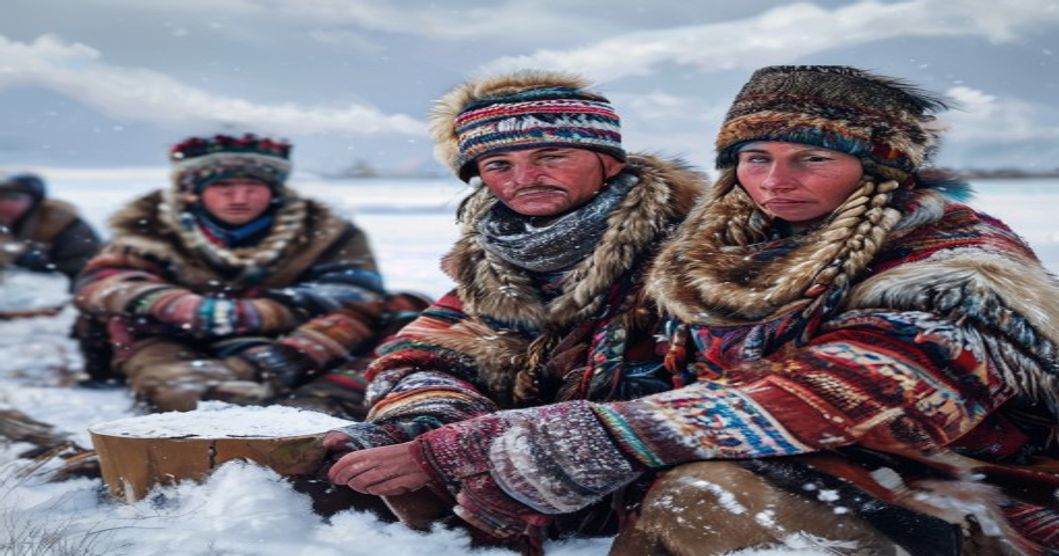
Daily Life of Modern Sami People: Core Structure and Context
The Sámi population numbers approximately 80,000 individuals across four sovereign states. Traditional kinship networks dictate resource allocation and seasonal labor distribution. Modern infrastructure overlays ancient territorial boundaries without erasing customary land rights.
Historical Migration and Ethnic Classification
Genetic markers trace Sámi ancestry to post-glacial hunter-gatherer populations arriving in Fennoscandia around 10,000 BCE. Scandinavian and Slavic authorities historically categorized the group under the outdated term Lapp. Contemporary legal frameworks recognize Sámi as a distinct indigenous nation with continuous territorial presence.
Reindeer Herding Cycles and Pasture Management
Herders follow **reindeet migration routes** between coastal winter pastures and inland summer grazing grounds. Families maintain detailed records of animal breeding and health across multiple generations. Modern tracking collars supplement traditional visual surveillance during extreme weather events.
Language Systems and Educational Frameworks
Linguistic preservation requires institutional support and digital adaptation. State funding allocates resources for textbook development and teacher certification. Media platforms broadcast content across multiple dialects to maintain grammatical consistency.
Current Status and Dialect Variation of Sami Languages
North Sámi dominates digital content and official documentation across Sápmi. Inari Sámi maintains strict grammatical rules for noun cases and verb conjugations. Kildin Sámi speakers utilize Cyrillic-derived orthography for church records. Southern Sámi faces critical endangerment with fewer than 500 fluent speakers remaining.
Bilingual School Curricula and Teacher Training
Primary education mandates Sámi-language instruction alongside national standardized testing. University programs require fluency assessments for certification candidates. Immersion kindergartens utilize play-based pedagogy to accelerate vocabulary acquisition. Mentorship systems pair novice teachers with veteran instructors in remote districts.
Digital Archives and Broadcast Media Expansion
The Sámi Language Center digitizes oral histories using high-fidelity audio recording equipment. NRK Sápmi broadcasts daily news segments in three distinct dialects. Online dictionaries integrate audio pronunciations for archaic lexical items. Social media algorithms prioritize indigenous content to counter mainstream language dominance.
Contemporary Cultural Expression and Heritage
Artistic traditions adapt ancestral motifs for modern architectural and textile applications. Festival schedules align with solstice cycles and reindeer calving seasons. Culinary practices preserve fermentation techniques and wild foraging methods.
Joik Performance and Musical Innovation
Traditional **joik** melodies replicate landscape features and animal behaviors without lyrical narration. Contemporary producers sample throat singing frequencies for electronic compositions. Festival stages require acoustic dampening to preserve vocal resonance. Copyright laws protect specific melodic structures from unauthorized commercial sampling.
Gákti Clothing Standards and Regional Symbolism
The **gákti** tunic displays district-specific embroidery patterns and metal button arrangements. Wool sourcing requires seasonal shearing followed by hand-spinning on wooden spindles. Formal wear mandates precise color coding to indicate marital status and family lineage. Modern tailoring shops utilize industrial looms while maintaining traditional weave densities.
Festival Calendar and Communal Food Practices
The **Midnight Sun Festival** attracts visitors during the summer solstice period. Winter markets feature **reindeer sausage** and **cloudberries** processed through traditional drying methods. Communal feasts require shared preparation of **fermented fish** and **milk-based flatbreads**. Dietary restrictions align with seasonal availability and hunting regulations.
Political Representation and Resource Management
Legislative bodies negotiate resource allocation and cultural preservation mandates. Land tenure disputes require judicial intervention and international arbitration. Policy advocacy operates through multinational indigenous coalitions and diplomatic channels.
Functions of Regional Sami Parliaments
The Sámi Parliaments draft legislation addressing language rights and reindeer herding quotas. Budget allocations fund cultural centers and language immersion programs. Parliamentary sessions operate alongside national legislatures to secure funding for rural infrastructure. Voting districts align with traditional siida boundaries rather than municipal borders.
Land Ownership Disputes and Mining Regulations
Copper and lithium extraction permits trigger legal challenges from herding communities. Supreme courts evaluate environmental impact assessments against customary land use rights. Mineral royalties fund compensation programs for degraded pasturelands. International arbitration panels review treaty violations involving resource extraction.
International Indigenous Rights and Policy Advocacy
The UN Declaration on the Rights of Indigenous Peoples provides legal frameworks for territorial claims. Cross-border alliances coordinate lobbying efforts across Scandinavian governments. Diplomatic missions submit annual reports to the International Labour Organization. Legal teams file lawsuits against corporations violating free, prior, and informed consent protocols.
Environmental Pressures and Demographic Shifts
Ecological changes disrupt traditional seasonal patterns and migration routes. Population centers shift toward urban hubs lacking indigenous cultural infrastructure. Policy reforms attempt to balance economic growth with long-term sustainability metrics.
Climate Change Impact on Pasture Quality and Migration Routes
Winter rain events create ice layers that block reindeer access to ground lichen. Thawing permafrost destabilizes historical migration corridors across tundra plateaus. Herders deploy thermal imaging drones to locate viable grazing zones. Insurance programs compensate losses from unpredictable weather patterns.
Urban Migration Patterns and Youth Retention Strategies
Young professionals relocate to Oslo and Helsinki for specialized employment opportunities. Municipal governments fund startup incubators to attract remote workers to northern towns. Cultural mentorship programs connect urban youth with rural elders for skill transfer. Housing subsidies reduce relocation costs for returning graduates.
Policy Reforms and Long-Term Economic Sustainability
Tax incentives reward companies hiring Sámi-certified consultants and linguists. Carbon credit markets monetize traditional land stewardship practices. Agricultural grants fund drought-resistant pasture cultivation methods. Fiscal policies prioritize circular economy models over extractive industry expansion.
Frequently Asked Questions
What is Daily Life of Modern Sami People?
The daily life of modern Sami people blends traditional reindeer herding, fishing, and crafts with contemporary education, technology, and urban living across Norway, Sweden, Finland, and Russia. Many Sami maintain cultural practices like duodji (handicrafts), joik singing, and seasonal migrations while adapting to modern economic and social systems.
Key facts about Daily Life of Modern Sami People
Key facts include: the Sami are the only indigenous people in the EU; they have their own parliaments in Norway, Sweden, and Finland; reindeer herding is central to their economy and culture; they have faced historical assimilation policies but now enjoy stronger language rights and media representation; and modern Sami communities actively preserve their heritage while engaging in contemporary professions like science, arts, and politics.