Intergenerational Knowledge Transfer in Sami Communities
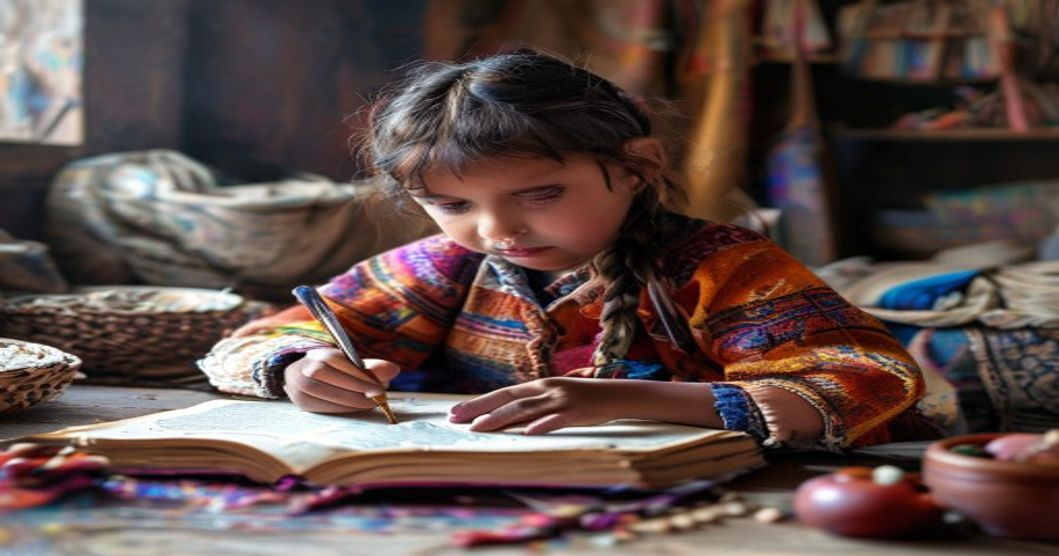
Sami children acquire traditional competencies through immersive, practice-based pedagogy rooted in familial and communal structures. Rather than formal classroom instruction, learning occurs via observational modeling, guided participation, and progressive responsibility within kinship networks. Elders serve as primary knowledge holders, transmitting ecological literacy, technical proficiency, and cultural values through direct interaction with the environment.
The Role of Elders and Family Units
Grandparents, parents, and extended clan members function as mentor figures who scaffold skill acquisition based on developmental readiness. Children begin by carrying tools, observing animal behavior, and listening to narrative frameworks that encode survival data. As cognitive and motor capacities mature, they transition from passive observation to active assistance, eventually managing independent tasks within supervised parameters.
Immersion Through Daily Routines
Daily household operations double as experiential learning modules. Meal preparation reinforces botanical identification and preservation techniques. Clothing maintenance teaches fiber processing and waterproofing methods. Each routine embeds technical knowledge within functional contexts, ensuring that skill retention aligns with immediate practical utility.
Core Traditional Skills and Learning Methodologies
The transmission of indigenous competencies follows a structured progression aligned with cultural priorities and environmental demands. Mastery requires repetitive practice, corrective feedback, and contextual application across varied terrain and weather conditions.
Reindeer Herding and Land Navigation
Children master reindeer management through incremental exposure to herd dynamics. Initial training focuses on recognizing individual animals by antler morphology, vocalizations, and movement patterns. Navigational literacy develops via map-free terrain reading, utilizing wind direction, lichen growth rates, and historical migration corridors. Adolescents learn driving techniques, veterinary interventions, and pasture rotation strategies through hands-on herding expeditions.
Textile Craftsmanship and Duodji Artistry
Duodji (traditional handicraft) instruction emphasizes material literacy and precision tool handling. Young learners begin with softwood carving and reindeer sinew threading before advancing to complex geometric patterning. Pattern memorization relies on mnemonic devices passed through generations, while colorfast dyeing techniques require controlled boiling processes and botanical extraction knowledge. Craft proficiency correlates directly with cultural identity markers.
Oral Tradition and Language Preservation
Sami linguistic acquisition operates through contextual immersion rather than grammatical instruction. Children absorb phonological structures by participating in storytelling sessions, ritual chants, and ecological terminology drills. Narrative frameworks encode historical events, resource management protocols, and ethical guidelines. Fluency development peaks during communal gatherings where multilingual code-switching reinforces semantic flexibility.
Seasonal Cycles as Educational Frameworks
The Arctic calendar dictates the temporal architecture of skill transmission. Each seasonal phase introduces specialized competencies that align with ecological availability and survival requirements.
Spring Calving and Summer Pastures
Spring calving season serves as a critical learning window for reproductive biology and neonatal care protocols. Children assist in separating newborns from the herd, monitoring umbilical cord severance, and identifying dystocia indicators. Summer pasture transitions teach forage identification, water source mapping, and parasite management through direct observation of herd movement patterns.
Autumn Branding and Winter Survival
Autumn branding operations reinforce asset tracking and legal documentation practices. Young participants learn fire management for antler marking, inventory counting systems, and trade negotiation frameworks. Winter survival training emphasizes snow shelter construction, ice thickness assessment, hypothermia prevention, and emergency sled repair techniques through controlled exposure to extreme conditions.
Modern Adaptations and Cultural Continuity
Contemporary Sami communities integrate traditional pedagogy with digital documentation and institutional partnerships to sustain knowledge transmission amid environmental and socioeconomic shifts.
Digital Documentation and Youth Engagement
Elders utilize multimedia archiving systems to record demonstration videos, audio transcripts, and spatial mapping data. Mobile applications facilitate real-time terminology lookup during herding activities. Social media platforms enable cross-regional skill exchanges between dispersed Sami youth groups, creating decentralized learning networks that supplement physical mentorship.
Formal Education Partnerships
Sami schools implement place-based curriculum modules that align academic standards with indigenous knowledge systems. Field-based assessments replace standardized testing for technical competencies. Cross-generational classroom models pair certified Sami practitioners with pedagogical staff, ensuring that skill verification meets both cultural authenticity and educational accreditation requirements.
How Sami Children Learn Traditional Skills
Intergenerational Knowledge Transfer
Sámi children absorb skills through direct observation and guided participation. Elders demonstrate techniques before assigning independent practice. Children mimic hand movements while herding or crafting. This method bypasses formal instruction in favor of embodied learning.
Daily Routines and Implicit Learning
Morning routines introduce children to **reindeer vocalization** patterns. Afternoon tasks focus on **hide preparation** and **antler polishing**. Evening gatherings feature **yoik storytelling** to reinforce ecological knowledge. Learning occurs continuously across seasonal cycles.
Duodji and Reindeer Husbandry
Children master **Duodji** tools by age eight through repetitive carving drills. Reindeer handling begins with **lariat training** on calm calves. Sled construction requires precise **wood grain alignment**. Mistakes result in immediate physical feedback rather than verbal correction.
Language and Terminology
**Dialect-specific** vocabulary expands alongside practical skill acquisition. Children learn **snow texture** classifications before winter expeditions. Herding commands use **spatial prepositions** for precision. Language retention depends on active field application.
Navigation and Environmental Reading
Young herders memorize **lichen growth** patterns for directional guidance. **Wind direction** shifts dictate daily camp relocation schedules. **River ice thickness** determines safe crossing protocols. Navigation relies on topographic memory rather than compass use.
Reindeer Handling and Migration
Calves learn **herding boundaries** through physical fence adjustments. Migration routes follow **historical grazing corridors** established over centuries. **Antler branding** techniques prevent livestock disputes. Children track **reindeer migration timing** using lunar cycles.
Tool Making and Material Sourcing
Children harvest **birch bark** during spring sap flow for container weaving. **Reindeer sinew** replaces modern thread for durable stitching. **Antler carving** requires specific knife angles to prevent fracture. Tool maintenance involves daily **oiling and sharpening** routines.
Survival Techniques in Arctic Conditions
Survivors construct **igloo** foundations using **wind-packed snow blocks**. **Reindeer fat** provides primary caloric reserves during expeditions. **Thermal layering** prevents hypothermia through strategic garment placement. **Snow cave ventilation** stops carbon monoxide buildup. Emergency signaling relies on **smoke signals** and **mirror flashes**.
Educational Frameworks and Community Structures
Family-Based Learning Models
Households function as primary training grounds. Parents assign age-appropriate herding tasks. Grandparents preserve **dialect-specific** terminology. Sibling groups compete in **craft challenges** to accelerate skill development. Evaluation occurs through practical outcomes, not written tests.
Sámi Schools and Immersion Programs
**Sámi schools** integrate **language immersion** with vocational training. Students rotate between classroom theory and **field practicum**. Curriculum aligns with **regional migration routes**. Certification requires demonstrated **camp setup** proficiency.
Mentorship from Elders and Skilled Artisans
Master craftsmen select apprentices based on **patience metrics** and **spatial reasoning**. Training spans **three to five years** before independent work. Mentors enforce **strict material waste** policies. Knowledge transfer includes **ethical harvesting** protocols. Apprenticeship concludes with a **public exhibition** of finished works.
Adapting Tradition to Modern Contexts
Digital Archives and Virtual Workshops
Institutions digitize **hand-carved patterns** using **3D scanning technology**. Virtual workshops simulate **loom tension** through haptic feedback devices. **Geolocation tagging** preserves original harvesting sites. Online databases track **material provenance**. Accessibility increases while maintaining **cultural sensitivity** protocols.
Policy Support and Cultural Revitalization
Governments allocate **land rights** for traditional grazing routes. Subsidies fund **language preservation** initiatives. Legal frameworks protect **intellectual property** of traditional designs. Municipal councils fund **youth apprenticeship** stipends. Enforcement mechanisms prevent **cultural appropriation** in commercial markets.
Youth-Led Initiatives and Cross-Generational Projects
Young herders launch **drone monitoring** programs for pasture management. Artisans collaborate with **fashion designers** to modernize **Duodji** aesthetics. Intergenerational camps pair **digital natives** with **seasonal trackers**. Social media campaigns document **unrecorded techniques**. Funding models rely on **crowdfunding** and **heritage tourism** revenue.
Frequently Asked Questions
What is How Sami Children Learn Traditional Skills?
The process refers to the intergenerational transmission of cultural knowledge, where Sami children acquire traditional reindeer herding, crafting, storytelling, and nature survival skills through hands-on participation, family mentorship, and community-based learning within the Arctic environment.
Key facts about How Sami Children Learn Traditional Skills
Learning begins in early childhood through observation and play. Elders and parents serve as primary instructors. Skills are tied to seasonal cycles and the natural landscape. Oral tradition and practical demonstration are preferred over formal schooling. Modern education increasingly integrates Sami pedagogical methods to preserve cultural heritage.