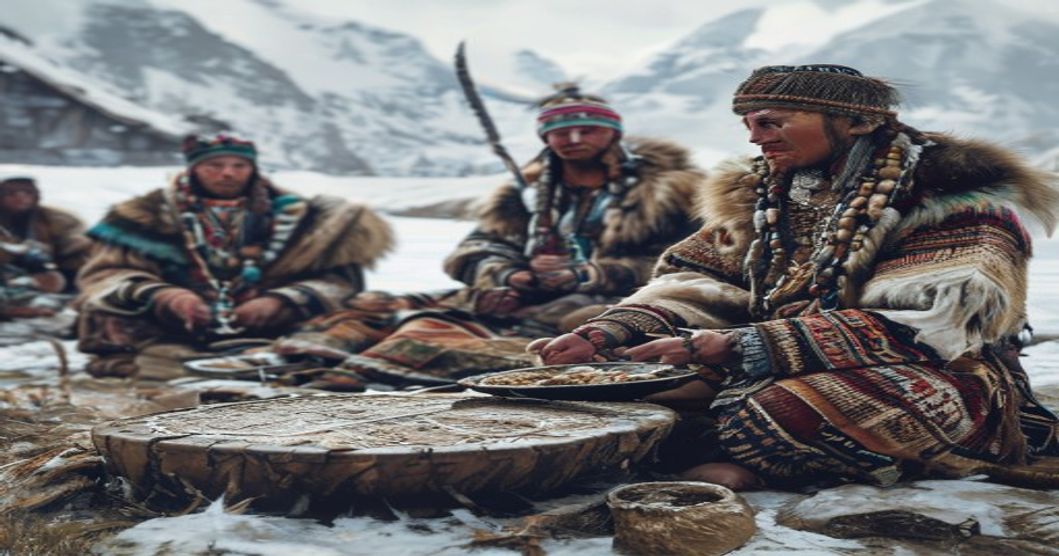
Ancient Sami Customs That Survive Today: A Complete Cultural Guide
The Sámi people have maintained a continuous cultural lineage across the Arctic regions of Norway, Sweden, Finland, and Russia for millennia. Modern preservation efforts intersect with living traditions that never fully disappeared beneath colonial pressures. Reindeer husbandry remains the economic and spiritual core of many communities, with seasonal migration routes still mapped using ancient knowledge of lichen growth patterns, snow stability, and animal behavior. Herders apply traditional methods like branding calves with distinct symbols and navigating by reading wind direction across frozen tundra, techniques refined over centuries of Arctic survival.
- Vocal music known as joik operates outside conventional Western musical frameworks. Each joik functions as a sonic portrait rather than a narrative song, often dedicated to a person, landscape, or animal. Practitioners use throat-like vocalization and circular breathing to sustain drones while improvising melodic lines that mirror natural acoustics.
- Traditional craftsmanship, called duodji, continues through guild networks and seasonal workshops. Artisans shape reindeer antler, birch bark, and wool using iron tools passed down through generations. The geometric patterns woven into belts and bags encode regional identity, with each community maintaining distinct stitch sequences that function as visual dialects.
- Seasonal observances align with ecological cycles rather than fixed calendar dates. The arrival of migratory birds triggers renewal rituals where communities perform purification ceremonies using juniper smoke and chant specific verses to honor territorial spirits. Winter solstice gatherings involve shared consumption of fermented fish and reindeer meat, followed by storytelling sessions that transmit land rights knowledge.
- Clothing traditions center on the gákti, a tailored garment constructed from reindeer hide or wool with regional color coding indicating clan affiliation, marital status, and geographic origin. Tailoring rules dictate seam placement, button arrangement, and embroidery density according to local statutes that have remained unchanged for over two hundred years.
Contemporary practitioners maintain strict adherence to ancestral production standards that prohibit synthetic substitutions in core components. Modern designers incorporate these motifs into functional objects while preserving structural integrity through documented techniques. Cultural education programs prioritize direct transmission of navigation methods, land management practices, and acoustic traditions to ensure uninterrupted continuity across generations.
The Origins and Geographic Spread of Sámi Traditions
The Sámi people represent one of the oldest indigenous cultures in Northern Europe, with archaeological and linguistic evidence tracing their presence in Fennoscandia back approximately three thousand years. Genetic studies and ancient DNA analysis confirm that Sámi populations diverged from other Eurasian groups during the late Bronze Age, establishing a distinct cultural identity through sustained adaptation to subarctic ecosystems. Their traditional territories span across the northern reaches of four sovereign states: Norway, Sweden, Finland, and Russia. This cross-border distribution emerged not from migration but from the gradual delineation of modern political boundaries in the eighteenth and nineteenth centuries, which partitioned ancestral reindeer grazing routes, fishing grounds, and seasonal hunting zones without fracturing cultural continuity.
Historically, Sámi settlements expanded across a vast ecological corridor stretching from the Kola Peninsula in the east to the Norwegian Sea in the west. Core regions such as Finnmark, Troms, Lapland (Finland), Norrbotten (Sweden), and Murmansk Oblast (Russia) functioned as interconnected cultural hubs where oral histories, joik vocal traditions, and duodji craftsmanship were systematically transmitted across generations. The geographic dispersion facilitated linguistic diversification, resulting in multiple Sámi languages including Northern Sámi, Inari Sámi, Skolt Sámi, Lule Sámi, South Sámi, Ume Sámi, and Pite Sámi. Each dialect developed distinct phonetic and lexical features corresponding to localized microclimates and subsistence strategies.
- Arctic Tundra Zones: Supported seasonal reindeer transhumance and established winter migration corridors that dictated ceremonial calendars and resource distribution patterns.
- Boreal Forest Belts: Enabled mixed economies combining fishing, berry harvesting, and small-scale husbandry, preserving distinct craft techniques adapted to dense woodland environments.
- Coastal Archipelagos: Fostered maritime adaptations where netting, boat building, and saltwater foraging shaped unique seasonal rituals and communal governance structures.
The geographic spread also influenced how Sámi traditions weathered centuries of state assimilation policies. Despite border closures and administrative restrictions, traditional ecological knowledge remained embedded in landscape terminology, place names, and land-use practices that persist across municipal registries and environmental management frameworks. Modern cultural preservation initiatives now map these historical territories using GIS technology, reinforcing the continuity between ancestral geography and contemporary Sámi institutional networks.
Joik Singing: Preserving Oral History Through Melody
The joik operates as a sonic archive, encoding centuries of Sámi ecological knowledge, kinship networks, and spiritual frameworks into repetitive melodic patterns. Unlike Western musical traditions that describe an external subject, the Sámi joik embodies the intrinsic nature of its reference point—whether a specific mountain, reindeer herd, ancestor, or seasonal landscape. This ontological approach transforms melody into a living repository where pitch modulation, vocal timbre, and rhythmic phrasing function as mnemonic devices. Elders historically deployed distinct melodic contours to mark territorial boundaries, document migration routes, and preserve genealogical lineages across generations lacking standardized written records.
Oral transmission relies on precise acoustic markers rather than lyrical syntax. Practitioners utilize extended vocal ranges, microtonal inflections, and controlled breath compression to replicate environmental sounds and emotional states. Learning occurs through immersive participation within family units and seasonal gatherings, where apprentices internalize melodic frameworks through repetition and contextual demonstration. The absence of fixed notation forces performers to adapt motifs to contemporary circumstances while maintaining structural integrity, ensuring each performance remains both historically anchored and contextually responsive.
- Mnemonic Mapping: Melodic variations correspond to specific geographic features, enabling navigational recall across vast Arctic territories without cartographic references.
- Intergenerational Pedagogy: Knowledge transfers through direct vocal imitation within domestic settings, bypassing institutional censorship during historical suppression periods.
- Acoustic Continuity: Regional dialects preserve distinct phonetic clusters that linguists use to trace pre-colonial migration patterns and cultural exchange networks.
Colonial missionary campaigns systematically suppressed joik practice during the eighteenth and nineteenth centuries, classifying it as pagan ritual rather than cultural heritage. Despite forced assimilation policies and institutional bans, remote communities preserved melodic frameworks through domestic spaces and underground seasonal transmissions. Contemporary documentation efforts map over two hundred regional variations across Finnmark, Troms, and Sápmi territories. Modern ethnomusicologists recognize these surviving variants as critical evidence of pre-colonial Sámi epistemology, demonstrating how acoustic memory outlasts written eradication campaigns.
Current preservation initiatives integrate digital archiving with community-led pedagogy. University programs in Norway, Sweden, and Finland now offer specialized courses analyzing joik phonetics, historical context, and acoustic anthropology. Festival circuits and broadcast platforms amplify regional practitioners who maintain traditional performance protocols while navigating contemporary copyright frameworks. The continued transmission of these melodic structures sustains linguistic vitality across Northern Sámi, Lule Sámi, and South Sámi dialects, proving that acoustic heritage functions as an active survival mechanism rather than a historical artifact.
Duodji Handicrafts: Functional Art Passed Through Generations
Duodji represents the foundational layer of Sámi material culture, where utility and aesthetics merge seamlessly within a single object. Every piece originates from locally sourced materials that reflect the Arctic environment. Reindeer leather undergoes traditional smoking processes to resist moisture and rot, ensuring durability in harsh climates. Birch wood is carefully selected for its flexibility, then shaped using hand-forged knives passed down through families. Antler and bone provide structural components for tools, while wool from native sheep forms intricate patterns through weaving and knitting techniques that encode regional identities.
The transmission of duodji knowledge operates outside formal institutions. Elders teach younger generations through direct observation and repetitive practice during seasonal migrations. A child learns to tan hide by working alongside adults, absorbing subtle adjustments in pressure, temperature, and timing that cannot be documented in textbooks. This apprenticeship model preserves technical precision while embedding cultural values such as sustainability, respect for the animal, and community responsibility.
Modern practitioners adapt traditional methods without compromising historical integrity. Contemporary duodji artists integrate contemporary design principles while maintaining strict adherence to ancestral techniques. Workshops in Tromsø, Kiruna, and Kautokeino now offer structured programs that bridge generational gaps. These initiatives address language erosion by coupling craft instruction with Sámi terminology, ensuring that vocabulary related to tools, materials, and processes remains active.
- Material Sourcing: Strict adherence to natural resources harvested during specific seasonal cycles guarantees structural integrity and cultural accuracy.
- Certification Systems: The official duodji trademark protects authenticity by requiring every piece to meet specific criteria regarding origin, technique, and maker status.
- Economic Integration: Certified artisans access international markets while maintaining sustainable income streams for rural communities across Scandinavia and Finland.
The survival of these crafts depends on active participation rather than passive preservation. Younger artisans combine digital documentation with hands-on apprenticeships, creating accessible resources without sacrificing the tactile transmission that defines the tradition. Each carved knife handle, stitched reindeer sash, or woven basket functions as a living archive, encoding environmental knowledge and social structures across centuries.
Reindeer Herding Cycles and Seasonal Migration Patterns
The reindeer herding calendar operates on a precise ecological rhythm that has structured Sámi life for centuries. Each phase of the annual cycle aligns with specific environmental conditions and reindeer biological needs. During spring, herders follow the animals to remote calving grounds where reduced predator pressure and nutrient-rich early vegetation support newborn survival. Summer shifts focus to highland pastures or coastal zones where cooler temperatures prevent insect harassment and lichen regeneration begins. Autumn marks the critical gathering period when scattered herds are consolidated for branding, slaughter preparation, and winter route planning. Winter grazing occurs across frozen taiga landscapes where reindeer dig through snow crusts to access ground lichen, demanding precise knowledge of wind exposure and ice formation patterns.
Migration routes follow established corridors known as johtimat, passed orally through generations and mapped against topographical landmarks rather than political boundaries. These pathways account for seasonal wind direction, permafrost thaw cycles, and historical territorial agreements between local siida communities. Modern herders still rely on drum calendars and vocal call systems to coordinate movements across vast terrains. The traditional use of specific reindeer antlers, bones, and hides in toolmaking reinforces the material culture tied directly to these movement cycles. Contemporary challenges including infrastructure development, climate-driven snow crust changes, and regulated grazing zones require adaptive strategies while preserving core migratory logic. Success depends on maintaining observational literacy—reading ice thickness, lichen recovery rates, and animal stress indicators—to adjust routes without breaking ecological continuity or cultural transmission protocols.
- Seasonal transitions require meticulous timing because delayed migrations expose calves to unseasonal frosts while early movements risk depleting critical lichen reserves before snow melt completes.
- Herders track solar angles and bird flight patterns as natural indicators for crossing river ice or shifting toward maritime pastures during extreme temperature drops.
- The annual rhythm also governs ritual timing, including autumn blessings for the upcoming slaughter and spring ceremonies honoring land spirits to maintain ecological balance.
- Digital mapping tools now overlay traditional knowledge with GIS data, creating hybrid navigation systems that respect both indigenous spatial understanding and modern land-use regulations.
Spiritual Beliefs and Sacred Sites in Contemporary Sápmi
The spiritual landscape of contemporary Sápmi remains deeply rooted in ancestral cosmology, where natural features function as active temples rather than passive scenery. Central to this worldview is the concept of sieidi—sacred rock formations, ancient pines, or isolated mountain outcrops historically regarded as dwelling places for spirits and intermediaries between human communities and the unseen world. Modern Sámi groups maintain these sites through structured ritual offerings, including reindeer antlers, tobacco, and woolen prayer threads. These practices now operate alongside indigenous-led conservation initiatives, blending spiritual protection protocols with scientific habitat monitoring to prevent ecological degradation.
Shamanic frameworks, historically directed by the noaidi, have transitioned into formalized cultural revitalization networks. Contemporary practitioners reconstruct ceremonial protocols by analyzing historical drum patterns, oral genealogies, and seasonal astronomical markers. These reconstruction efforts function as living knowledge systems rather than academic exercises. Regional cultural centers in northern Sweden, Finland, and Norway host intergenerational workshops where elders map spirit routes using both traditional landscape reading techniques and high-resolution topographic data. This dual methodology ensures that sacred coordinates remain accurate despite permafrost thaw and shifting vegetation zones.
Sacred geography extends beyond isolated markers to encompass entire watersheds, birch stands, and glacial valleys that serve as spiritual infrastructure. Modern land rights litigation explicitly incorporates these locations into legal arguments, establishing that cultural continuity requires guaranteed physical access to ancestral territories. Municipal planning committees now require Sámi advisory board approval before authorizing mining, tourism, or road development projects. Participatory GIS mapping initiatives have catalogued over four hundred active sacred zones across Fennoscandia, with real-time boundary data accessible through community-controlled digital portals.
Ritual acoustics also drive contemporary spiritual practice. The joik operates as a functional metaphysical mechanism rather than historical performance art. Practitioners utilize specific tonal progressions to invoke ancestral presence, track reindeer migration across frozen tundra, or process collective trauma from decades of forced assimilation policies. Indigenous language schools and health organizations have integrated joik pedagogy into cognitive resilience programs, demonstrating how acoustic traditions directly support psychological stability and territorial awareness.
Academic documentation continues alongside grassroots preservation, yet knowledge transmission remains strictly kinship-based. Seasonal migration routes now include designated ceremonial stops, ensuring that spiritual geography adapts to climate-induced landscape shifts without losing structural integrity. The ongoing veneration of sacred sites in Sápmi demonstrates a deliberate framework for cultural continuity, positioning ancestral cosmology as both historical archive and operational blueprint for future adaptation.
Noaidi Drum Rituals and Shamanic Heritage
The noaidi functioned as the central spiritual authority among Sami groups, channeling ecological knowledge and ancestral memory through the goavddis. This ritual drum operated as a cosmological instrument rather than entertainment equipment. Artisans constructed frames from bent birch or pine, stretched cured reindeer hide across the opening, and applied mineral-based pigments in precise geometric sequences. Each painted zone corresponded to specific divinatory outcomes during ceremonies. Practitioners placed small stones or carved wooden markers on the hide, striking designated areas with a dedicated mallet. The final resting positions of these tools revealed hunting directions, weather patterns, and communal healing requirements.
Systematic missionary campaigns in the seventeenth and eighteenth centuries fractured intergenerational transmission of these practices. Authorities confiscated thousands of drums, cataloging them as pagan relics rather than functional spiritual technology. Surviving instruments now document visual iconography within European archives, preserving pattern structures while obscuring acoustic and performative contexts. Contemporary Sami communities actively reconstruct this knowledge through cultural preservation initiatives, collaborating with elders to restore traditional crafting methods and ceremonial protocols.
- Sun symbols tracked celestial navigation and seasonal migration cycles.
- Boat motifs mapped spirit pathways connecting living communities to ancestral realms.
- Cosmic axes illustrated equilibrium between earthly survival and divine intervention.
- Concentric rings encoded generational observations of reindeer behavior and terrain shifts.
The structural logic behind goavddis designs demonstrates advanced environmental mapping techniques. Vertical divisions aligned with the world tree concept, bridging subterranean water sources, surface habitats, and atmospheric layers. Pigment combinations signaled protective deities such as Mábbláhkka and Horagallu, while specific frame shapes mirrored regional cosmological variations. Modern practitioners integrate these frameworks into educational programs and community gatherings, emphasizing ecological stewardship and linguistic continuity. The tradition persists as an active cultural system rather than a historical relic, maintaining its role in Arctic identity formation.
Rievddut Clothing: Textile Craftsmanship and Symbolism
The term Rievddut designates the primary material base of traditional Sámi garments, sourced exclusively from reindeer hide and fur. Artisans process the raw skin through controlled fermentation, mechanical stretching, and manual softening rather than chemical currying. This method preserves the natural fiber structure, producing leather that resists moisture penetration while allowing regulated airflow. Drying occurs in shaded, ventilated spaces to prevent fiber collapse, resulting in a flexible yet durable substrate capable of withstanding extreme temperature fluctuations without stiffening or tearing.
Construction relies on manual techniques refined over centuries. Bone needles, copper awls, and twisted sinew thread replace modern hardware, ensuring each seam moves with the body rather than restricting motion. Panel alignment follows biomechanical logic: shoulder gussets accommodate wide arm sweeps, back panels extend to cover lumbar support zones, and hem lines slope forward to prevent snow ingress during walking. Layering combines outer tanned hide with inner fur orientation calibrated to wind direction. Reinforcement stitching concentrates at high-friction areas, while decorative borders utilize contrasting leather strips or woven wool inserts to mark structural boundaries.
Symbols within Rievddut garments function as visual documentation rather than mere decoration. Color applications follow established regional palettes: deep blue references atmospheric layers, crimson signals metabolic warmth and seasonal return, gold denotes resource abundance, and charcoal represents geological stability. Motif placement carries specific communicative value. Concentric rings track lunar cycles relevant to hunting schedules. Mirrored diamond sequences encode topographical markers used during migrations. Zigzag edging indicates water proximity or river crossing routes. Artisans calculate motif spacing using thumb-width measurements to maintain proportional harmony across different garment sizes.
- Shoulder panel curvature matches natural scapular movement, reducing fatigue during load-bearing tasks.
- Fur nap direction follows anatomical growth patterns to channel precipitation away from the spine.
- Natural mordants include reindeer antler ash, birch bark tannins, and iron-rich soil deposits for color fixation.
- Stitch length standards vary by region, with northern groups using tighter spacing for cold exposure and southern makers opting for wider intervals to prioritize ventilation.
Contemporary preservation centers document panel cutting ratios, thread twist捻iness measurements, and dye extraction temperatures to maintain technical accuracy across generations. Workshops emphasize pattern drafting from raw hide templates rather than scaled blueprints, ensuring artisans understand material behavior before final assembly. Digital archives store high-resolution stitch density maps alongside oral histories that explain motif origins. This methodological rigor keeps Rievddut craftsmanship functional rather than performative, allowing traditional garments to operate within both ceremonial contexts and practical winter environments.
Educational Initiatives and Youth Engagement Programs
Modern educational frameworks have strategically integrated Sámi heritage into structured learning environments to counteract historical assimilation policies. Regional authorities across Norway, Sweden, and Finland now mandate Sámi language instruction in primary schools within designated revitalization zones. These programs move beyond textbook memorization by embedding traditional ecological knowledge directly into science and geography curricula. Students analyze reindeer migration patterns using both satellite tracking data and ancestral route maps, creating a bridge between empirical research and centuries-old observational practices.
Youth engagement relies heavily on intergenerational mentorship models that place adolescents in active cultural transmission roles. Local duodji master artisans conduct hands-on workshops where teenagers learn bone carving, silver wire weaving, and reindeer leather processing. Simultaneously, mobile joik preservation units travel through remote municipalities, recording elder vocalists while training younger participants to adapt melodic structures for contemporary contexts. Digital archives maintained by indigenous research institutes provide accessible repositories of historical recordings, which are now cross-referenced with university linguistics departments to develop adaptive learning modules.
- Sámi Higher Education Pathways: Specialized faculties at Sámi University of Applied Sciences offer degree programs focused on indigenous pedagogy, reindeer husbandry management, and cultural heritage documentation. Graduates return to their home municipalities as certified educators and program coordinators.
- Youth Council Integration: Municipal youth boards in Sápmi regions allocate dedicated budgets for traditional skill competitions, seasonal migration camps, and cross-border cultural exchanges that reinforce collective identity.
- Digital Archiving Projects: Collaborative initiatives between indigenous NGOs and tech developers have produced interactive 3D mapping tools that visualize historical settlement patterns, allowing students to explore ancestral territories virtually before field visits.
Assessment metrics for these programs track language fluency retention, craft proficiency levels, and community participation rates rather than standardized test scores. This competency-based evaluation ensures that pedagogical outcomes align with actual cultural continuity. Schools partnering with local herding communities implement semester-long immersion cycles where adolescents manage livestock logistics, navigate terrain using traditional weather signs, and document seasonal resource management techniques. The resulting data feeds into regional conservation strategies while simultaneously validating indigenous knowledge systems within academic institutions.
Living Heritage: How Ancient Sami Customs Adapt to the Modern World
Traditional Sami practices have not merely persisted; they actively reshape themselves to function within contemporary socioeconomic frameworks. Duodji, the ancestral craft of wood carving, bone work, and textile weaving, now operates through certified cooperatives and e-commerce platforms that connect artisans directly with global collectors. These workshops maintain strict adherence to historical techniques while integrating modern ergonomics and sustainable material sourcing, ensuring economic viability without compromising cultural integrity.
Reindeer herding, historically dictated by seasonal migration routes across Fennoscandia, now relies on GPS tracking, drone surveillance, and digital inventory systems. Younger generations combine ancestral knowledge of snow conditions and animal behavior with precision agriculture software, allowing them to negotiate grazing rights under evolving environmental regulations. This technological integration has strengthened legal claims over traditional territories, transforming pastoral practices into politically recognized land management strategies.
- Digital Language Preservation: Mobile applications and AI-driven translation tools now teach North, South, and Lule Sami dialects to diaspora communities, reversing decades of assimilation policies.
- Joik in Contemporary Media: Traditional vocal techniques appear in experimental soundscapes, documentary scores, and independent folk albums, generating international streaming revenue that funds community cultural centers.
- Eco-Tourism Partnerships: Indigenous-led experiences replace commercialized wildlife tours, directing visitor spending toward land restoration projects and youth apprenticeship programs.
Legislative shifts across Norway, Sweden, Finland, and Russia have gradually recognized Sami customary law alongside national statutes. These legal adaptations permit seasonal grazing permits to be issued through indigenous councils rather than agricultural ministries. Simultaneously, municipal education boards now mandate Sami history modules in regional curricula, ensuring that craft transmission occurs alongside formal schooling rather than outside it.
Modern infrastructure projects undergo mandatory cultural impact assessments before construction begins. This requirement forces mining companies, highway planners, and energy developers to consult traditional knowledge holders during site selection phases. The resulting compromise agreements frequently allocate compensation funds toward language immersion schools and historical archive digitization initiatives. Cross-border Sami parliaments now coordinate annual cultural exchanges, standardizing terminology across national education systems while preserving distinct regional dialects. Economic pressure thus functions as a catalyst for institutionalized cultural continuity rather than an eroding force.
Festival Celebrations and Public Cultural Expression
Modern Sámi festival landscapes operate as dynamic repositories of ancestral knowledge, transforming seasonal rituals and spiritual practices into structured public events. The annual Sámi National Day on February 6th stands as the most visible manifestation of this continuity, where communities across Fennoscandia converge to perform traditional joik songs, display handcrafted duodji items, and share historical narratives that predate modern border systems. These gatherings do not merely commemorate the past; they actively recalibrate ancient ecological calendars within contemporary civic frameworks. Reindeer racing competitions, rooted in practical herding logistics, now function as competitive spectacles that preserve animal husbandry terminology and navigation techniques passed through oral transmission. Local drum dancing ceremonies, once restricted to shamanic contexts, appear on open stages where elders demonstrate goavddis symbolism while younger participants learn rhythmic patterns that encode territorial mapping and weather prediction methods.
- Festival food distribution centers traditional preservation techniques, with bidos (fermented reindeer meat) and suovas (smoked venison) served in communal settings that reinforce seasonal resource management knowledge.
- Craft exhibitions feature duodji production methods using locally sourced birch roots, reindeer antler, and copper wire, demonstrating material science principles developed over centuries of Arctic adaptation.
- Music festivals integrate joik performance structures with contemporary instrumentation, maintaining vocal techniques that replicate wind patterns
Digital Archiving and Online Knowledge Transfer
Contemporary Sámi communities utilize specialized digital infrastructure to safeguard intangible cultural heritage against geographic isolation and linguistic erosion. The Sámi Digi Archive operates as a centralized repository applying indigenous data sovereignty protocols, ensuring that recorded joik performances, historical photographs, and oral histories remain governed by community consent frameworks rather than external institutional control. Metadata schemas incorporate traditional ecological knowledge classifications, allowing researchers to trace seasonal reindeer migration patterns (siida) through geospatial databases linked to ancestral grazing territories.
- Participatory Documentation: Field linguists and community elders co-create audio-visual archives using portable high-fidelity recording equipment, capturing dialect variations in Lule Sámi, Inari Sámi, and Skolt Sámi before generational transmission gaps widen.
- 3D Pattern Digitization: Traditional duodji craft techniques undergo photogrammetric scanning to preserve intricate silverwork motifs and reindeer leather cutting methods. Open-access repositories enable diaspora artisans to study structural geometry without physical artifact access.
- Linguistic Algorithm Training: Machine learning models are trained on verified Sámi lexical corpora to develop context-aware translation tools, reducing dependency on Finnish or Swedish linguistic frameworks in digital education platforms.
Online knowledge distribution bypasses traditional academic gatekeeping through decentralized cultural networks. YouTube channels managed by Sámi musicians and reindeer herders demonstrate seasonal processing methods, while interactive GIS portals map historical noaidi ceremonial sites against contemporary land-use regulations. Digital storytelling initiatives integrate historical audio recordings with modern environmental monitoring data, creating layered narratives that connect ancestral land management practices to current climate adaptation strategies. Community-driven platforms enforce strict access tiers, distinguishing publicly shared cultural education materials from restricted ritual knowledge protected by Sámi Parliament guidelines.
The integration of these digital preservation methods requires continuous technical maintenance and institutional funding coordination across Norway, Sweden, Finland, and Russia. Cross-border data harmonization efforts standardize archival formats while respecting jurisdictional differences in indigenous rights legislation. Educational portals now embed verified historical sources directly into university curricula, eliminating reliance on colonial-era documentation that often misinterpreted Sámi cosmological frameworks. Real-time collaboration tools enable remote dialect correction sessions between elder speakers and secondary school students, maintaining phonetic accuracy across dispersed populations.
Legal Recognition and Indigenous Rights Frameworks
The legal recognition of Sami peoples emerged through decades of coordinated advocacy, culminating in binding international instruments that fundamentally altered land tenure and cultural preservation models across northern Scandinavia. Norway’s ratification of ILO Convention No. 169 in 1990 established a precedent for indigenous land rights, explicitly acknowledging the Sámi Parliament’s statutory authority over reindeer husbandry and traditional resource management. Sweden followed with constitutional amendments in 2011, formally recognizing Sámi as an indigenous people and mandating state consultation on any administrative measures affecting their interests. Finland’s framework operates through the Sámi Language Act and the Sámi Parliamentary Council, which jointly govern cultural autonomy while navigating complex jurisdictional boundaries over forestry and mining concessions.
International mechanisms further reinforce these domestic structures. The United Nations Declaration on Indigenous Peoples provides a normative baseline for free, prior, and informed consent, directly applicable to Sami territories where renewable energy projects and infrastructure developments frequently intersect with grazing corridors. Legal scholars emphasize that recognition alone does not guarantee enforcement; however, landmark rulings by the European Court of Human Rights have consistently interpreted Article 8 and Article 14 of the European Convention on Human Rights to protect Sami livelihoods against state encroachment.
These frameworks operate through specialized institutions rather than symbolic gestures. The Norwegian Sámi Parliament controls a statutory allocation for cultural revitalization, funding language immersion programs and traditional craft apprenticeships. Swedish law mandates impact assessments that must evaluate effects on reindeer herding before approving mineral exploration permits. Finnish legislation requires bilingual administrative procedures in Sámi-inhabited municipalities, ensuring that land dispute resolutions incorporate customary ecological knowledge. The survival of ancient practices depends entirely on this legal infrastructure, which transforms historical marginalization into actionable property rights and cultural sovereignty.
The Finnish Supreme Administrative Court has repeatedly invalidated permit approvals that bypassed Sámi consultation protocols, reinforcing the principle that traditional land use constitutes a protected legal interest rather than a discretionary privilege. Cross-border cooperation through the Sámi Council facilitates harmonized policy recommendations, though enforcement remains fragmented across three sovereign jurisdictions with divergent mineral extraction policies and forestry regulations.
Tourism, Ethical Engagement, and Community-Led Experiences
The intersection of modern tourism and ancient Sami traditions requires strict operational boundaries to prevent cultural dilution. Responsible frameworks prioritize direct revenue streams to indigenous communities rather than external operators. Visitors must engage through certified programs that mandate prior consultation with local Sámi councils. These agreements establish clear parameters for site access, seasonal restrictions, and photographic consent. Communities control narrative delivery by employing indigenous guides who interpret duodji craftsmanship, joik vocal techniques, and reindeer husbandry practices from firsthand generational knowledge.
Ethical engagement operates through transparent economic models. Tour operators now implement profit-sharing percentages that fund language revitalization projects, traditional craft apprenticeships, and land stewardship initiatives. Certification bodies verify compliance with Sámi Council guidelines before issuing operational licenses. Travelers encounter structured learning environments where historical contexts are presented without romanticization or archaeological detachment. Interactive workshops require participants to follow established protocols regarding sacred object handling, seasonal hunting restrictions, and territorial boundaries.
- Community Governance: Indigenous councils dictate visitor capacity limits and designate culturally sensitive zones requiring specialized permits.
- Economic Recirculation: Booking platforms now feature direct payment routing to Sámi-owned enterprises, ensuring financial sustainability remains within traditional territories.
- Knowledge Preservation: Guide training programs integrate archival research with oral history transmission, maintaining accuracy across generational shifts.
Sustainable tourism metrics prioritize long-term ecological and cultural preservation over short-term visitor volume. Communities implement rotational access schedules that align with traditional migration patterns and reindeer calving seasons. Digital documentation projects capture vanishing dialects and tool-making techniques, creating educational resources accessible only through verified institutional partnerships. Visitor conduct agreements mandate respectful distance from sacred landscapes, prohibiting drone usage near ceremonial sites and restricting commercial photography without explicit artisan consent. These mechanisms transform tourism from extraction into reciprocal cultural exchange.
Preserving Sápmi: Actionable Steps for Cultural Sustainability
Supporting Sápmi cultural continuity requires structured interventions that address linguistic erosion, land rights, and institutional representation. Communities must prioritize immersive language immersion schools where elders teach traditional vocabulary, reindeer herding terminology, and yoik melodies alongside standard academic curricula. Curriculum developers must align seasonal learning cycles with traditional astronomical markers, ensuring agricultural and pastoral practices remain synchronized with natural rhythms. Digital documentation projects should capture oral histories through geotagged audio archives, ensuring dialectal variations remain accessible to younger generations who migrate to urban centers.
- Land Stewardship Programs: Establish community-managed grazing corridors and sacred site protection zones through legal partnerships with national environmental agencies. Traditional ecological knowledge must guide modern conservation strategies, particularly regarding lichen restoration and migratory reindeer route mapping.
- Educational Integration: Develop accredited university modules focused on Sámi law, cosmology, and craft techniques. Partner with folk high schools to offer semester-long residencies where apprentices learn duodji woodworking, boar leather crafting, and seasonal textile dyeing under master artisans.
- Digital Sovereignty Initiatives: Create open-source repositories for traditional patterns, genealogical records, and historical maps. Implement strict data governance protocols that prevent commercial exploitation while enabling academic research and cultural education worldwide.
- Economic Resilience Frameworks: Launch cooperatives that directly market authentic duodji goods through traceable supply chains. Local governments should implement procurement policies that prioritize Sámi-owned enterprises for public works, cultural events, and municipal branding projects.
Long-term preservation depends on shifting from passive documentation to active cultural transmission. Municipal planning committees should mandate Sámi spatial representation in public architecture, place naming conventions, and infrastructure development. Cross-border collaboration between Norway, Sweden, Finland, and Russia’s Kola Peninsula enables unified advocacy for indigenous rights under international frameworks like ILO Convention 169. When communities control their own narratives, economic models, and educational pathways, cultural sustainability transitions from theoretical preservation to lived practice.
Supporting Authentic Duodji Artisans and Local Cooperatives
Authentic Duodji functions as a structured economic ecosystem that directly sustains Indigenous livelihoods across the Arctic Circle. When consumers prioritize verified artisans and established cooperatives, they activate a supply chain engineered to preserve centuries-old technical knowledge while maintaining financial autonomy for remote communities. The Sámi Duodji cooperative model operates on collective bargaining, shared material procurement, and standardized quality control, ensuring that every piece meets strict cultural and technical criteria before reaching international markets. This framework prevents cultural commodification by enforcing regional manufacturing boundaries.
- Certification Verification: Legitimate Duodji carries an official “Duodji” stamp issued by national Sámi parliaments. Authentic pieces utilize regionally sourced reindeer antler, moose hide, or birch wood, processed with traditional iron tools rather than industrial machinery. Buyers must cross-reference serial numbers against the Sámi Duodji registry to confirm cooperative affiliation.
- Revenue Distribution Mechanics: Cooperative structures route ninety percent of retail revenue directly to the maker. This distribution model eliminates intermediary markups and funds intergenerational apprenticeship programs that train younger artisans in bone carving, silver smithing, and lappkniv blade forging. Local chapters also allocate surplus funds toward reindeer pasture maintenance and traditional dye extraction facilities.
- Distribution Networks: Seasonal gatherings like the Jokkmokk Market and Kárášjohka Fair operate as primary distribution hubs. Verified digital platforms now feature artisan profiles with documented lineage, material origin maps, and production timelines, allowing buyers to trace every component back to its source through blockchain-adjacent tracking systems.
Purchasing decisions carry measurable cultural consequences. Mass-produced imitations rely on synthetic resins and laser cutting, which erase regional stylistic variations that historically identified specific Sámi districts. Supporting cooperative networks strengthens rural infrastructure, finances language revitalization initiatives, and maintains the ecological balance required for sustainable reindeer herding. Consumers should request detailed provenance documentation, verify cooperative membership through official Sámi cultural registers, and recognize that premium pricing reflects material scarcity, tool maintenance costs, and decades of specialized training rather than commercial inflation. Direct engagement with workshop collectives ensures traditional techniques remain economically viable for future generations.
Learning Verified Joik Techniques and Vocal Methods
The authentic transmission of Joik relies on precise vocal mechanics rather than musical notation. Practitioners focus on breath management techniques that regulate airflow through the diaphragm and larynx, allowing sustained tonal output without fatigue. Vocalists train to manipulate microtonal intervals, shifting pitch in quarter-tone increments to mirror natural landscapes such as wind patterns, flowing water, or animal movements. This approach demands rigorous ear training and muscular control of the vocal folds. Acoustic resonance remains central, with performers adjusting oral cavity shape to amplify specific harmonic overtones.
- Diaphragmatic breathing cycles are structured to support long phrases without audible breath breaks.
- Microlaryngeal adjustments enable smooth glissando transitions between fundamental frequencies.
- Rhythmic pulse alignment follows non-metric phrasing, prioritizing natural cadence over fixed time signatures.
- Resonance placement shifts between nasal cavities and chest registers to alter timbre according to the subject being Joiked.
Contemporary learners access verified methods through documented fieldwork archives and direct instruction from recognized practitioners. Academic institutions in Northern Scandinavia have standardized pedagogical frameworks that separate vocal exercises from performance contexts, ensuring technical accuracy before cultural application. Master-apprentice relationships remain the primary transmission model, with teachers providing corrective feedback on pitch drift, breath timing, and tonal consistency.
Modern documentation includes spectrographic analysis of historical recordings, which researchers compare against current practitioners to verify structural integrity. Vocal coaches utilize formant mapping software to identify harmonic overtones that distinguish authentic Joik from contemporary adaptations. Training regimens incorporate daily vocal scaling exercises, sustained drone maintenance, and improvisational drills that develop spontaneous melodic variation without deviating from traditional modal constraints.
Visiting Sápmi with Respectful Travel Guidelines
Traveling through Sápmi requires a deliberate shift from conventional tourism to mindful engagement with Indigenous landscapes and communities. The region spans four nations, yet its cultural continuity remains deeply rooted in Sámi traditions that prioritize harmony with nature. Visitors should prioritize learning basic Sámi greetings before arrival; phrases like buoris (hello) or giitu (thank you) demonstrate genuine respect and are widely appreciated by locals. Reindeer herding operates on seasonal migration routes that cross public roads and private lands. Always observe signage near reindeer enclosures, yield to herders and their animals, and never approach calves or interfere with grazing patterns. Sacred sites such as sieidi stones or ancient burial grounds hold spiritual significance and remain off-limits to photography or casual exploration.
Sustainable travel practices form the foundation of ethical visits. Choose accommodations and tour operators owned by Sámi communities or certified through indigenous tourism frameworks. These enterprises reinvest directly into language preservation, land rights advocacy, and cultural education. When photographing people, always request explicit permission; candid shots of traditional attire or livelihoods can feel exploitative without consent. Winter visitors should understand that snowmobile trails often overlap with reindeer winter pastures. Stick to marked routes, reduce speed in herding zones, and avoid driving over thin ice near known migration corridors. Summer travelers benefit from guided walks focused on duodji (traditional handicrafts) or botanical knowledge, which reveal how Sámi ecological knowledge has shaped land management for centuries.
Local economies thrive when visitors prioritize authentic experiences over commercialized performances. Purchase crafts directly from artisans in markets across Kiruna, Inari, or Karasjok rather than importing mass-produced souvenirs. Respect quiet hours in remote settlements, minimize noise pollution near waterways used for fishing, and pack out all waste since mountain terrain limits collection services. Traveling through Sápmi is not about consuming landscapes but participating in a living cultural ecosystem where patience, observation, and humility replace the rush of conventional sightseeing.
Frequently Asked Questions
What is Ancient Sami Customs That Survive Today?
Ancient Sami customs that survive today refer to the traditional practices, spiritual beliefs, and cultural rituals of the Sámi indigenous people of northern Scandinavia and Russia that have been preserved and actively maintained by modern communities. These surviving customs include joiking (traditional oral singing), reindeer herding methodologies, duodji (handicraft) techniques, seasonal migration patterns, and a deeply rooted animistic worldview that emphasizes harmony with nature.
Key facts about Ancient Sami Customs That Survive Today
Key facts include: The Sámi are the only officially recognized indigenous people within the European Union; traditional joik music was inscribed by UNESCO in 2019 as a Masterpiece of Oral and Intangible Heritage; reindeer herding continues to be a vital economic and cultural pillar for thousands of Sámi families; contemporary Sámi communities actively revitalize their languages through immersion schools and digital media; and modern Sámi activism successfully integrates ancestral ecological knowledge with current environmental and land-rights movements.