The Sami relied heavily on the changing seasons, the migration of reindeer, and the positions of celestial bodies. Instead of watching the minutes slip away, they observed the length of daylight as it ebbed and flowed with the seasons. You know that feeling when spring arrives and everything feels alive? For the Sami, longer days signified the onset of reindeer calving season, a crucial time for their culture and livelihood.
Then there were the stars. Imagine lying under a blanket of twinkling lights, with the North Star guiding you home. Sami herders navigated vast, snowy landscapes by the constellations, marking time by when certain stars appeared or disappeared. It’s not just poetic; these celestial markers held practical significance in their migratory lifestyle.
And let’s not forget nature’s little signs—like the first crocus peeking through the snow. Each flower blossoming or animal behavior provided clues about what time of year it was. The Sami understood the forest and its inhabitants in a way we often overlook. It’s like having a built-in calendar that speaks in shifts of wind and rustling leaves.
Beyond the Hourglass: The Unique Timekeeping Traditions of the Sami People
For the Sami, time isn’t just something measured by minutes or hours. Instead, it dances in rhythm with nature. Picture this: the sun’s gentle rise and fall, the change in seasons, and the migration patterns of reindeer. This intricate tapestry guides their daily lives, weaving a narrative much deeper than the ticking hands of a clock. It’s like they have their own secret language of time—one that speaks louder than any mechanical device.
During the endless days of the Midnight Sun, the concept of time becomes almost fluid. Can you imagine living in a world where daylight stretches for hours without an end? Sami tradition embraces this phenomenon, often leading to a more communal lifestyle where the societal clock ticks harmoniously with nature’s pulse. Instead of rushing through the day, they celebrate the present, soaking in the moments like a warm embrace from an old friend.
And let’s talk about the seasons: each brings its own unique rhythm and significance. Winter’s icy grasp signals the time for gathering, storytelling, and crafting. Spring? That’s when the earth awakens, and life bursts forth in a magnificent explosion of color. The Sami people effortlessly transition through these cycles, embracing the fluidity of time, much like a river that changes course but always finds its way to the sea.
So, next time you glance at your watch, consider the Sami way of life—where time isn’t just about schedules, but about living in harmony with the world around us. Isn’t that a captivating thought?
Embracing Nature: How Sami Culture Defined Time Without Clocks
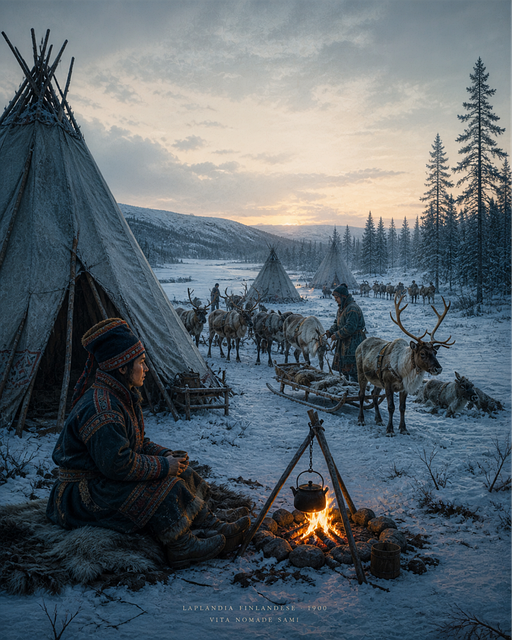
The Sami traditionally relied on the shifting seasons, the migration patterns of reindeer, and the vibrant changes in the landscape to mark time. Think about it: when the first snow falls, it’s a sign for the Sami to prepare for winter activities, like reindeer herding and gathering. Just as the trees shed their leaves, Sami life adapts to the cycles of nature, fostering a deep connection to the environment.
It’s fascinating to realize how the Sami perceive time like the ebb and flow of tides, rather than a straight line marked by hours and minutes. They gauge time through experiences—like the taste of freshly caught fish in early summer or the vibrant colors of the Northern Lights illuminating the night sky. Doesn’t that sound more poetic than constantly staring at a clock?
This connection to nature profoundly influences their way of life. For example, during the midnight sun in summer, days stretch on, inviting joy and familial gatherings. Conversely, the long, dark winters are a time for introspection and storytelling, where families bond over tales passed down through generations.
Isn’t it intriguing how a culture that flows with nature can teach us to pause and appreciate the moment? The Sami remind us that life unfolds like the seasons—sometimes fast, sometimes slow—encouraging us to embrace the beauty of the present rather than be shackled by the relentless tick-tock of modern timekeeping.
Seasons as Schedules: The Sami People’s Natural Approach to Time Measurement
Think of it this way: for the Sami, winter isn’t just a season; it’s a period of deep reflection and preparation. The long, dark nights inspire storytelling around flickering fires, while summer bursts forth with energy, igniting a flurry of activities like reindeer herding and fishing. Each season carries its own tasks and traditions, and the Sami have an innate ability to adapt their lifestyles to these changing rhythms.
What’s truly fascinating is how their understanding of time enhances their relationship with the environment. Instead of obsessing over the hours ticking away, the Sami people are immersed in the beauty of the present moment. They closely observe the subtle shifts in nature—a thawing river here, a migration of birds there—and these observations guide their daily lives. It’s as if they’re part of an intricate tapestry where each thread signifies a part of the natural cycle.
This seasonal mindset isn’t just about survival; it’s a holistic way of life that fosters respect for the land and its resources. By syncing their lives with nature, the Sami cultivate a profound sense of community and connection that many of us nowadays might find refreshing, perhaps even inspiring. After all, when was the last time you paused to truly appreciate the changing seasons?
Listening to the Land: The Sami and Their Connection to Time Without Ticking Clocks
Imagine waking up to the soft glow of dawn instead of a jarring alarm. For the Sami, the sun’s rise and fall dictate their day. Seasons shape their lives, with each transition unveiling new opportunities, like nature’s own calendar. When the reindeer roam, so do the Sami. They’re not just herders; they’re custodians of a symbiotic relationship with the earth. You see, time for them isn’t marked by minutes or hours, but by the pulse of the natural world around them.
Think about it—how often do we rush through life, glued to our schedules? The Sami embrace a different rhythm, where each moment is deeply connected to their surroundings. They listen to the land, tuning into the subtle shifts and changes. The way the snow melts, the rustling leaves, the call of wildlife—all these cues signal the right time for hunting, fishing, or gathering. It’s a dance, a celebration of life that is inherently tied to their identity.
While many of us find ourselves racing against the clock, the Sami remind us to pause and truly engage with our environment. They teach us that time can stretch and expand, like a vast landscape waiting to be explored. It’s a perspective that invites us to step back, breathe, and appreciate the world in a more profound, meaningful way. In their eyes, time isn’t lost; it’s an experience, a story woven into the fabric of life itself.
From Reindeer Migration to Midnight Sun: The Ancient Timekeeping Secrets of the Sami
Picture the awe of the midnight sun, where daylight stretches lazily across the horizon, turning night into a golden playground. For the Sami, this phenomenon marks a time of celebration and abundance, a flurry of activity as their world transforms under that endless light. While we might complain about daylight saving time, they embrace the ever-changing natural clock—a vibrant dance of life and survival in one of Earth’s most breathtaking environments.
And let’s not forget the stark, contrasting beauty of the polar night. As darkness swathes the landscape, the Sami turn inward, reflecting on the season’s lessons. It’s as if time stands still, allowing for introspection and connection… a stark contrast to our fast-paced, tech-saturated lives. You can almost hear the whispers of ancestors in the wind as the Sami recount these traditions, passed down through generations like a beloved family recipe.
So, the next time you’re glancing at your phone or stressing over deadlines, think about the Sami people and their timeless bond with nature. Their ancient secrets remind us that time isn’t just something we measure—it’s something we live, breathe, and feel. Isn’t that an inspiring thought?
Cultural Chronicles: How the Sami People Interpreted Time through Tradition and Nature
Think about the reindeer herding that forms the backbone of Sami life. Their calendar doesn’t rely on the Gregorian dates we’re used to; instead, it’s shaped by the migration patterns of these majestic animals and the changing Arctic seasons. Just as the birds know when to fly south, the Sami have learned to read the signs of nature like an open book, allowing them to synchronize their way of life with the earth itself.

Traditions play a crucial role in how the Sami interpret time. Festivals, storytelling, and rituals not only mark important events but also reinforce their connection to the land and each other. Imagine a world where each festival is not just a celebration but a living memory, connecting the past to the present—like threads in a tapestry, weaving together stories of ancestors and the natural cycles they revered.
Time in Harmony: The Sami’s Unique Perspective on Hours and Seasons
The Sami have a unique perspective on hours and seasons that starkly contrasts with our fast-paced, precision-driven lives. For them, time is woven into the landscape, deeply rooted in the natural world around them. Instead of marking time by the clock, they gauge it by changes in the land and the cycles of the animals they rely on. Picture a vast expanse of snow, which might seem static to an outsider, but to the Sami, it signifies a season of quiet introspection and renewal.
Their calendars are less about deadlines and more about events—like the arrival of migrating reindeer or the first thawing of the ice. Imagine how refreshing it must feel to live according to nature’s rhythm, embracing the ebb and flow of life rather than fighting against it. This perspective invites a sense of patience, allowing for mindfulness in each moment.
The Sami’s relationship with time extends beyond mere survival; it’s a profound respect for their environment. By observing which berries ripen when or how the first snowfall sets the stage for winter, they cultivate a deep bond with the world around them. So, the next time you glance at your watch, consider how beautiful it might be to experience time in a way that resonates with the whispers of nature, flowing through hours and seasons like a tranquil river.
Frequently Asked Questions
How Did Sami People Track Seasons and Time?
The Sami people traditionally tracked seasons and time through their deep understanding of nature, using the behavior of animals, changes in vegetation, and climatic patterns. They observed the migration of reindeer and seasonal shifts in daylight hours to guide their activities and cultural practices. This comprehensive knowledge of the environment allowed them to effectively manage their nomadic lifestyle and sustain their community.
What Natural Indicators Did Sami Use for Timekeeping?
Sami people traditionally used natural indicators such as the position of the sun, the changing colors of the landscape, and the behavior of animals to track time. Seasonal changes, particularly the migration patterns of reindeer and the blooming of specific plants, were crucial in organizing their activities and understanding the passage of time.
What Role Did Nature Play in Sami Time Measurement?
The Sami people traditionally relied on natural phenomena to measure time, observing changes in seasons, animal behaviors, and celestial movements. These observations helped them establish a rhythm for their daily activities, such as hunting, gathering, and migration, aligning their lives with the cyclical patterns of nature.
How Did Sami Clan Traditions Influence Their Understanding of Time?
The Sami clan traditions deeply shaped their perception of time, intertwining it with natural cycles and seasonal changes. Their understanding goes beyond the linear concept of time, focusing instead on the rhythms of the environment, such as migration patterns for reindeer herding. This perspective fosters a holistic view of time, emphasizing the importance of community, tradition, and adaptation to nature’s rhythms.
How Were Sami Daily Activities Aligned with Time?
The Sami people structured their daily activities around natural elements and seasonal changes. Their routines revolved primarily around reindeer herding, hunting, fishing, and gathering, with tasks scheduled according to specific times of the year. For example, during migration seasons, time was dedicated to herding and moving their reindeer, while winter months focused on hunting and fishing. This alignment of activities with time allowed the Sami to effectively use resources and adapt to their environment.