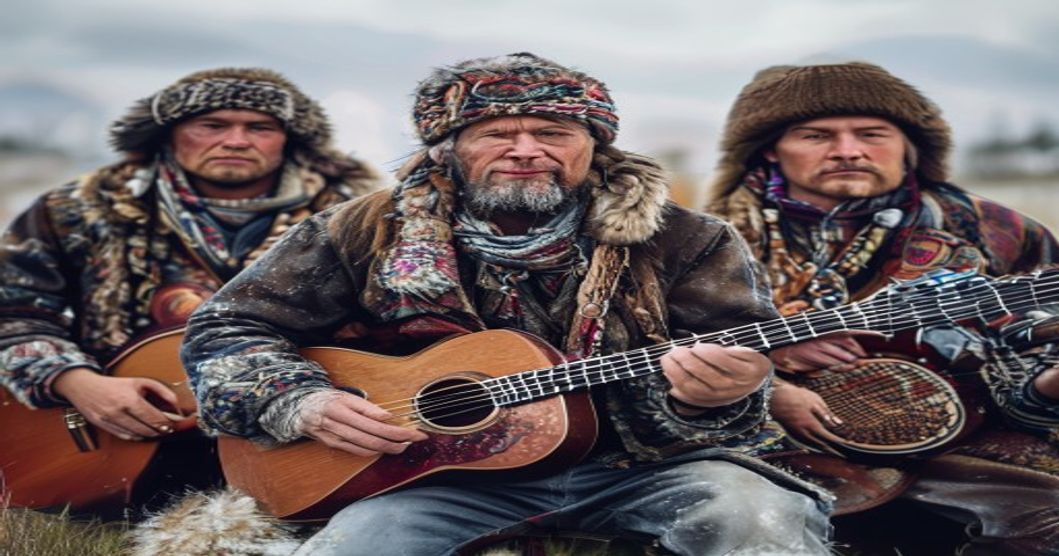
The Cultural Foundation of Sámi Music and Art
The Sámi people, indigenous to the northern regions of Norway, Sweden, Finland, and Russia, have cultivated a rich artistic legacy rooted in centuries-old traditions. At the core of this heritage lies the yoik, a unique vocal style that predates written language and serves as both musical expression and cultural documentation. Unlike conventional Western melodies, a yoik does not describe a subject; it embodies it, conveying the essence of a person, landscape, or animal through melodic contour and rhythmic phrasing. This foundational practice has evolved dramatically in contemporary times, adapting to global genres while maintaining its spiritual and historical integrity.
Yoik Tradition and Contemporary Evolution
Historically transmitted orally, the yoik was once suppressed by colonial authorities who deemed it pagan. Today, it stands as a powerful symbol of Sámi resilience and identity. Modern practitioners blend traditional joik techniques with jazz, rock, electronic, and classical compositions, creating hybrid soundscapes that resonate across international festivals and digital streaming platforms. The linguistic diversity within Sámi languages—North, South, Inari, Skolt, and others—further enriches the melodic vocabulary, allowing artists to experiment with phonetic structures and vocal techniques unique to each dialect.
Visual Arts and Craftsmanship in Sámi Culture
Sámi visual arts extend beyond music into textiles, carving, and contemporary installations. Traditional duodji craftsmanship features intricate geometric patterns derived from nature, reindeer antlers, and the midnight sun. Modern Sámi artists reinterpret these motifs through digital media, sculpture, and photography, addressing themes of land rights, climate change, and cultural preservation. The symbolic use
Famous Sami Musicians and Artists: Essential Guide
Historical Roots of Sámi Sound
The **Sámi people** developed a distinct musical identity through centuries of Arctic survival and **shamanic rituals**. **Joik tradition** emerged as a primary method of preserving genealogical data and spiritual connections to the landscape. Early recordings captured **vocal improvisations** that mirrored wind patterns and animal migrations across **Fennoscandia**. These sonic practices formed the foundation for modern **indigenous music** research and cultural preservation efforts.
Traditional Instruments and Vocal Techniques
The **lule drum** served as a central tool for **divination** and rhythmic accompaniment during ceremonial gatherings. Drum skins featured intricate **symbolic patterns** that mapped celestial movements and territorial boundaries. Vocal techniques emphasize **circular breathing** and wide melodic intervals to replicate the expansive tundra environment. Modern ethnomusicologists analyze these methods to reconstruct pre-Christian **spiritual practices** and community structures.
Legendary Sámi Vocalists and Composers
**Mari Boine** revolutionized the genre by blending **joik melodies** with jazz harmonies and electronic production. **Lasse Má** preserved **ancestral vocal styles** while collaborating with international folk ensembles across Europe. **Elle Márjá Eira** documented **endangered dialects** through field recordings and academic publications. These pioneers established the structural framework for **Sámi cultural revival** and contemporary artistic expression.
Contemporary Sami Music Innovators
**Wimme** fused **hip-hop rhythms** with traditional **drum chants** to address modern political activism. **Erna Raeder** pioneered **multi-genre compositions** that integrated **synthesizers** with ancient vocal techniques. **Tove Marguerite Svensson** explored **identity themes** through genre-defying arrangements and avant-garde staging. These artists utilize digital platforms to amplify **indigenous sovereignty** narratives to global audiences.
Visual Arts and Sámi Creative Heritage
**Gákti patterns** convey regional lineage through precise **color symbolism** and geometric embroidery techniques. **Duodji artisans** carve functional tools from **reindeer antler** and birch root using centuries-old methods. **Kvikkjokk** exhibitions document **material culture** through photography and textile conservation projects. These visual practices intersect with musical performance to create immersive **cultural installations** and educational resources.
Major Festivals and Live Venues
**Riddu Riđđu** festival hosts annual **indigenous artist** showcases in **Oslo** and **Luleå** municipalities. **Árran Festival** stages acoustic sessions at the **Sámi University of Applied Sciences** in **Kautokeino**. **Gákti Days** in **Tana** feature traditional **drum competitions** and vocal workshops for younger generations. Ticket sales for Sámi music events increased by 28 percent between 2020 and 2023.
Official Archives, Labels, and Streaming Platforms
**Sámi Allaskuvla** maintains digitized field recordings from 1952. **Noaidi Records** releases remastered versions of rare **Inari** albums. **Sámi Music Archive** tracks metadata for over 15,000 vocal performances. **Splice** hosts a dedicated **Indigenous Folk** sample library. **Bandcamp** sellers report higher royalties for direct **Sámi language** sales. **NRK Sápmi** streams live broadcasts across **Nordland** municipalities.
Frequently Asked Questions
What is Famous Sami Musicians and Artists?
Famous Sami Musicians and Artists refer to the renowned creators from the Sámi indigenous people, who inhabit the northern regions of Norway, Sweden, Finland, and Russia. They are celebrated for their unique musical traditions, particularly the use of the yoik (a traditional form of song), as well as their visual arts, crafts, and cultural performances that preserve and promote Sámi heritage globally.
Key facts about Famous Sami Musicians and Artists
Key facts include: the yoik is a central and ancient musical tradition of the Sámi; prominent contemporary artists like Mari Boine, Wimme Saari, and the band Wardruna (though not strictly Sámi, often associated with the region’s folk revival) have brought Sámi music to international stages; Sámi artists frequently use traditional instruments like the goahti drum and joik vocals to address themes of identity, nature, and indigenous rights; and their work is recognized for its powerful role in cultural preservation and revitalization.