Imagine standing in the shadow of a traditional Sami goahti, a tent-like dwelling that has withstood the test of time. It’s more than a structure; it’s a symbol of resilience and adaptation, perfectly designed to withstand the harsh Arctic climate. Each site is a treasure chest, holding the keys to the Sami way of life, their connection to nature, and their struggle for rights.
Now, picture the landscape. Mountains, rivers, and vast expanses of tundra—these aren’t just beautiful backdrops; they’re the living history of the Sami. As we face the threats of climate change and industrialization, each site risks being forgotten, overrun by modern development. Isn’t it essential to advocate for their protection?
Efforts to preserve these sites blend the past with the present. Local communities are rallying to document oral histories, engage in sustainable tourism, and educate visitors about the Sami’s unique heritage. You see, preserving Sami historical sites isn’t merely an act of nostalgia; it’s an investment in cultural identity, reflecting a tradition of harmony with the environment.
So, the next time you explore the Arctic or ponder the rich tapestries of indigenous cultures, remember the Sami. Their history isn’t just theirs; it belongs to all of us—woven into the fabric of our shared human experience.
Guardians of the Past: Efforts to Preserve Sami Heritage Amid Modern Challenges
Imagine living in a land where the sounds of nature blend harmoniously with the songs of your ancestors. That’s what life is like for the Sami, who are deeply connected to their land, languages, and traditions. However, globalization, climate change, and the encroachment of modern lifestyles threaten this connection. It’s like watching a beautiful mural fade away—a haunting sight that sparks a sense of urgency among the Sami community.
But fear not! Just as a skilled artist finds new colors to revive their canvas, Sami activists and cultural leaders are taking bold steps to safeguard their heritage. Language revitalization programs and community workshops are sprouting up like wildflowers in spring, breathing life back into the Sami languages. Schools are integrating Sami history into their curricula, ensuring that the younger generation isn’t just a spectator but an active participant in cultural preservation.
Moreover, Sami crafts and reindeer herding practices are being celebrated through festivals and markets, drawing attention from both locals and tourists. Think of it like showcasing a rare gem—when people see its beauty up close, they’re more likely to appreciate and protect it. This fusion of tradition and modernity creates a vibrant space where the past isn’t just remembered; it’s lived. Each dance, song, and story told around a campfire reminds everyone that the heartbeat of the Sami culture is alive and well, ready to tell its story for generations to come.
Echoes of the Ancestors: Sami Historical Sites at Risk of Erosion and Overdevelopment
Let’s think about it this way—when you visit a place steeped in history, it’s not just about the stones and structures; it’s about the connection to our roots. The Sami, with their deep ties to nature and the land, showcase a way of life that’s both beautiful and fragile. Their sacred sites, such as ancient fishing grounds and ritual areas, are not just landmarks but reflections of a cultural identity that has persisted through the harshest of winters.
However, the ever-encroaching wave of urbanization and climate change poses a serious threat. Imagine trying to preserve your childhood home while new neighbors build towering apartments right next door. That’s what’s happening to these Sami historical sites. Erosion eats away at the land, while development projects bulldoze through the past, disregarding the stories embedded in the earth.

It’s a clash of priorities, where the value of cultural heritage is often overshadowed by the promise of progress. Every time we turn a blind eye to these issues, we risk losing a piece of our shared human tapestry. So, how do we find balance? How do we honor these echoes of the ancestors while navigating the demands of modern life? Perhaps it starts with raising awareness, supporting sustainable tourism, and advocating for policies that respect both history and progress. The time is now to protect these sites before they become mere whispers of what once was.
Reviving the Roots: Community Initiatives for Sami Site Preservation Gain Momentum
Imagine walking through a landscape that’s been untouched for centuries, where every rock and tree whispers ancient stories. These initiatives are breathing new life into that very essence. Local communities are taking the reins, organizing events and collaborative projects that bring together people from all walks of life. They’re crafting workshops, cultural festivals, and storytelling sessions that don’t just celebrate the Sami way of life but also educate others about its significance.

Have you ever thought about how much a simple gesture can impact a whole culture? Community members are not only safeguarding physical sites but are also ensuring the stories and traditions are passed on to younger generations. They’re engaging youth with programs that foster pride in their heritage, making them the torchbearers of tomorrow. It’s like planting seeds in a garden; with care and attention, those seeds bloom into something beautiful.
Between Tradition and Change: The Story of Sami Historical Sites in a Modern World
The Sami, with their rich heritage and unique culture, have lived on these lands for thousands of years. Their historical sites are like time capsules, preserving centuries of knowledge and traditions that have shaped their identity. Imagine standing in a quaint wooden dwelling, called a “goahti,” where generations have gathered to celebrate, share stories, and pass down customs. It’s like stepping back in time while feeling the heartbeat of a living culture.
In this modern age, however, the pressure of progress looms large. Urbanization and globalization often push aside the old ways, like a wave erasing footprints in the sand. Yet, these Sami historical sites are fighting back, reminding us of the importance of heritage in our rapidly changing world. Can you believe that amidst high-tech trends, these sites are thriving as hubs for cultural rejuvenation?
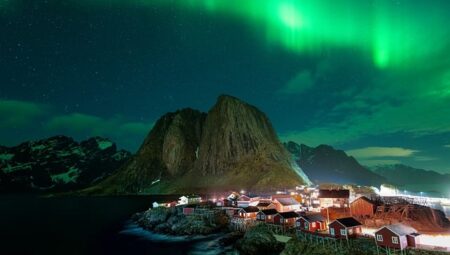
Visitors flock to experience the authenticity, connecting with the traditions of the Sami people. It’s as if each visit is a dialogue between past and present, sparking curiosity and respect. As we sip coffee in a modern cafe, just a stone’s throw from ancient rock carvings, we’re reminded that progress doesn’t have to mean abandoning tradition—it can mean blending the old with the new in a dance as intricate as the Northern Lights shimmering above.
Frequently Asked Questions
How can the public support the preservation of Sami historical sites?
The public can support the preservation of Sami historical sites by participating in local conservation efforts, raising awareness through educational campaigns, volunteering for restoration projects, and advocating for protective policies. Donations to relevant organizations and visiting historical sites can also contribute to their maintenance and sustainability.
Who is responsible for the preservation of Sami historical sites?
The responsibility for preserving Sami historical sites generally lies with a combination of local Sami communities, governmental authorities, and cultural heritage organizations. These entities work together to ensure the protection, maintenance, and promotion of these sites, reflecting the cultural significance and history of the Sami people.
What challenges do Sami historical sites face?
Sami historical sites face various challenges, including environmental degradation, climate change impacting traditional lands, urban development encroaching on sacred areas, and a lack of funding for preservation efforts. Additionally, cultural erosion and the need for better recognition of Sami heritage and rights pose significant threats to maintaining these important sites.
How are Sami historical sites being preserved today?
Efforts to preserve Sami historical sites today involve a combination of governmental support, community engagement, and the use of modern technologies. Preservation initiatives include restoring traditional structures, documenting oral histories, and utilizing digital tools for mapping and virtual reconstructions. Collaborations with Sami communities ensure that the cultural significance and traditional practices are respected and integrated into preservation efforts.
What are Sami historical sites and why are they important?
Sami historical sites are locations significant to the culture, traditions, and history of the Sami people, an indigenous group in Northern Europe. These sites include ancient dwellings, sacred areas, and artifacts that reflect their unique way of life. Understanding these sites is important for preserving Sami heritage, promoting cultural awareness, and recognizing the contributions of the Sami to the broader history of the region.