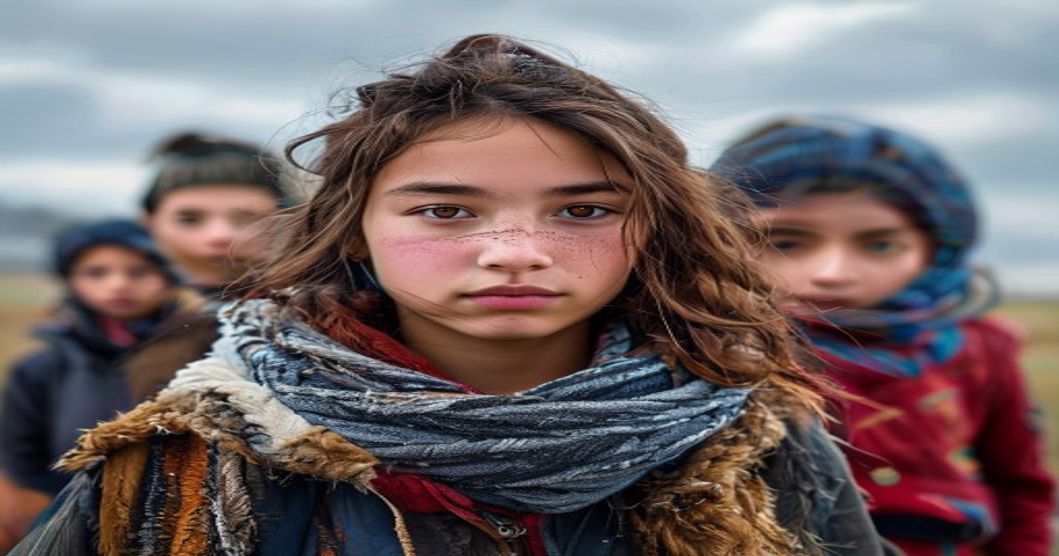
The Cultural Foundation: Sami Traditions and Heritage
The Sami people, indigenous to the northern reaches of Norway, Sweden, Finland, and Russia, maintain a distinct cultural framework deeply intertwined with nature, reindeer herding, and seasonal migration patterns. Sami youth today inherit this complex legacy while navigating rapid societal transformations. Traditional practices such as duodji (handicraft), joik (oral musical tradition), and communal decision-making continue to shape community cohesion. However, historical assimilation policies have left lasting impacts, prompting younger generations to actively reclaim and reinterpret their ancestral knowledge.
Revitalizing Indigenous Languages
Language serves as the primary vessel for cultural transmission. Sami languages, collectively recognized by UNESCO as severely endangered, are experiencing a revival driven largely by youth-led initiatives. Digital dictionaries, mobile applications, and immersive schooling programs have accelerated linguistic reclamation. Young speakers leverage social media to normalize daily usage, transforming historical marginalization into contemporary linguistic pride. This revitalization directly influences how Sami traditions are documented, taught, and experienced across generations.
Traditional Livelihoods in a Changing Landscape
Reindeer herding remains a cornerstone of Sami economic and cultural life, yet climate change, industrial expansion, and land-use conflicts threaten its viability. Sami youth are increasingly adopting hybrid livelihood models that combine traditional knowledge with modern technology. GPS tracking, satellite imagery, and sustainable grazing management systems enable more efficient herd monitoring while respecting ecological limits. These innovations demonstrate how ancestral practices can adapt without compromising their cultural essence or environmental sustainability.
Navigating Modern Identity Dynamics
Contemporary Sami youth operate at the intersection of indigenous heritage and globalized modernity. Identity formation is no longer confined to geographic boundaries; instead, it manifests through educational pursuits, professional careers, and transnational networks. The tension between cultural preservation and adaptation drives a dynamic process where tradition is not static but continuously negotiated. Modern identity dynamics among Sami communities emphasize self-determination, requiring institutional recognition alongside grassroots advocacy.
Digital Activism and Global Connectivity
Technology has revolutionized how Sami youth advocate for cultural rights and environmental protection. Online platforms enable rapid mobilization around land sovereignty issues, climate justice, and educational equity. Collaborative networks with other indigenous groups amplify shared struggles while maintaining distinct cultural narratives. Digital activism complements physical protests, creating a multi-layered advocacy ecosystem that reaches policymakers, international organizations, and global audiences simultaneously.
Education, Representation, and Institutional Support
Meaningful progress depends on systemic integration of Sami perspectives within formal education and public institutions. Curriculum reforms now include indigenous history, language instruction, and cultural competency training for educators. Media representation has improved through youth-produced documentaries, podcasts, and independent journalism that challenge stereotypical portrayals. Institutional support must evolve from symbolic inclusion to substantive resource allocation, ensuring that Sami communities control their own developmental agendas.
Bridging Heritage and Innovation
The synthesis of historical wisdom and contemporary creativity defines the current trajectory of Sami communities. Young leaders, researchers, and entrepreneurs are dismantling outdated narratives by positioning indigenous knowledge as a forward-looking resource rather than a relic of the past. This paradigm shift requires structural support in education, media representation, and policy development to ensure equitable participation in regional and national discourse.
Sustainable Development and Land Rights
Territorial sovereignty remains the most critical factor in preserving authentic cultural continuity. Sami youth are at the forefront of legal battles against mining operations, wind farm expansions, and forestry projects that encroach upon ancestral grazing lands. The concept of free, prior, and informed consent has become a standard demand in policy negotiations. Legal victories increasingly recognize indigenous land tenure as essential to cultural survival, economic independence, and ecological stewardship.
Contemporary Art, Music, and Media
Creative expression serves as both cultural preservation and political statement. Young Sami artists blend traditional motifs with contemporary design, while musicians fuse joik with electronic, jazz, and hip-hop genres to reach broader audiences. Independent film production and streaming platforms provide unprecedented opportunities to showcase authentic narratives. These creative outputs function as living archives, ensuring that Sami traditions remain relevant, accessible, and dynamically interpreted by each new generation.
Frequently Asked Questions
What is Sami Youth and Modern Identity?
Sami Youth and Modern Identity refers to the evolving cultural, social, and political expressions of young Sami people as they navigate the intersection of traditional indigenous heritage and contemporary global influences. It encompasses their efforts to preserve language, land rights, and spiritual practices while actively participating in modern education, arts, and digital activism.
Key facts about Sami Youth and Modern Identity?
Key facts include: (1) The Sami are the only indigenous people of Europe, primarily residing in Norway, Sweden, Finland, and Russia. (2) Youth-led initiatives are increasingly using digital media and contemporary art to revitalize endangered Sami languages. (3) Legal frameworks like the Sami Conventions and UNDRIP have strengthened youth advocacy for land rights and self-determination. (4) Modern Sami identity is characterized by a dynamic blend of traditional reindeer herding, cultural festivals, and active engagement in climate justice and digital innovation.