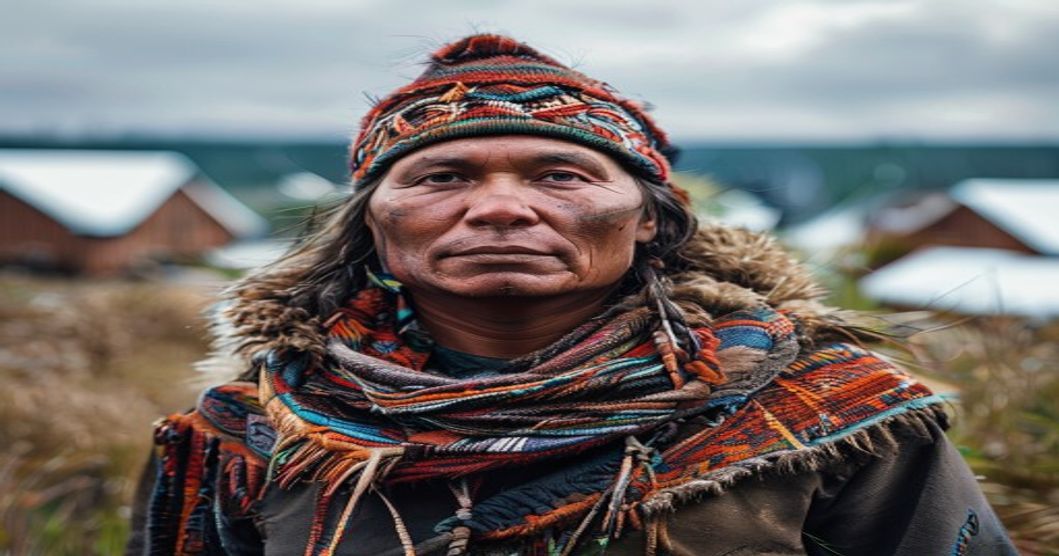
Understanding Indigenous Entrepreneurship in Sami Regions
Indigenous entrepreneurship within Sápmi operates as a structured economic model that integrates ancestral knowledge with contemporary market demands across Norway, Sweden, Finland, and the Kola Peninsula. Unlike conventional business frameworks, these ventures prioritize cultural continuity alongside financial viability. The foundation rests on three interconnected pillars: land-based resource management, craft preservation, and community-led service development. Reindeer herding cooperatives demonstrate how traditional seasonal migration patterns translate into modern supply chains for meat, leather, and sustainable textiles. Duodji artisans utilize region-specific materials such as birch root, antler, and reindeer hide to produce goods that meet international authenticity standards while maintaining strict cultural protocols. Digital marketplaces now enable direct consumer access, bypassing intermediaries who historically extracted value from Sami intellectual property.
- Land tenure integration: Businesses align operations with traditional use rights established under the Finnmark Act and Swedish Sami Village regulations.
- Seasonal economic cycles: Revenue streams adapt to reindeer migration routes, fishing windows, and solar availability rather than fixed fiscal quarters.
- Cultural compliance frameworks: Product development follows Sami design ethics, ensuring motifs, techniques, and narratives remain community-controlled.
Operational challenges center on regulatory fragmentation across four sovereign states, limited venture capital targeting remote northern economies, and climate-induced shifts in pasture quality. Legal recognition of collective ownership remains inconsistent, forcing many founders to navigate complex corporate structuring to secure grants from the European Regional Development Fund or national Sámi Parliaments. Youth retention initiatives address workforce gaps by pairing technical training with mentorship programs led by established Sami business owners. Cooperative financing models distribute risk through shared asset pools while preserving decision-making authority within local assemblies. Export strategies emphasize certification pathways that verify origin, sustainability, and ethical labor practices.
Economic outcomes manifest as decentralized wealth distribution across sparsely populated municipalities. Revenue reinvestment funds language immersion schools, digital infrastructure upgrades, and renewable microgrids. Cross-border networking platforms facilitate knowledge exchange between Sámi entrepreneurs and other Arctic indigenous groups facing similar market pressures. Brand positioning relies on transparency regarding production methods, land stewardship practices, and profit allocation percentages directed toward cultural preservation trusts. Regulatory alignment with ILO Convention 169 and the United Nations Declaration on the Rights of Indigenous Peoples establishes minimum operational standards for external partnerships and procurement contracts.
Defining the Unique Landscape of Sámi Business Ecosystems
The Sámi business ecosystem functions within a transnational framework spanning Norway, Sweden, Finland, and Russia, where economic activity aligns with seasonal ecological cycles rather than conventional fiscal quarters. Land tenure systems govern commercial operations, requiring enterprises to navigate overlapping municipal regulations, indigenous customary law, and international environmental standards. Reindeer husbandry remains the cornerstone of rural commerce, generating revenue through meat processing, leather goods, and eco-tourism operations that document herd migration patterns for scientific and educational markets. Duodji artisans utilize region-specific materials like reindeer antler, birch wood, and mountain ash to produce certified handicrafts, with sales channels transitioning from seasonal fairs to dedicated e-commerce platforms that verify origin through blockchain traceability systems.
- Institutional support structures differ across borders but share common objectives. Sámi Parliaments administer cultural enterprise grants, tax exemptions for heritage preservation projects, and low-interest loans targeting youth-led startups.
- Municipal development agencies collaborate with indigenous cooperatives to establish regional branding initiatives, reducing dependency on external distributors. Cross-border trade agreements facilitate movement of seasonal workers, shared grazing rights documentation, and joint marketing campaigns that position Sámi products within Nordic design and sustainability markets.
Digital transformation has restructured traditional supply chains. Mobile applications now track livestock health, monitor weather patterns, and coordinate transport logistics across remote terrain. Social commerce networks enable direct consumer engagement, allowing artisans to narrate production processes while maintaining pricing autonomy. Cultural authenticity operates as a verified commodity, protected by geographical indication registrations and third-party auditing protocols that prevent cultural appropriation in commercial packaging.
Financing mechanisms emphasize community reinvestment over external equity extraction. Impact funds allocate capital toward renewable energy microgrids for rural workshops, regenerative agriculture pilot programs, and digital literacy training for older generations transitioning into e-commerce management. University entrepreneurship centers develop hybrid curricula combining international business strategy with indigenous governance principles, ensuring graduates can secure municipal contracts while preserving customary decision-making frameworks.
Market valuation models now incorporate cultural capital metrics alongside traditional financial indicators, enabling investors to assess enterprise resilience through community employment retention rates and seasonal revenue diversification patterns.
Core Principles Guiding Sámi Economic Activity
Sámi economic activity operates on a foundation that prioritizes collective well-being over individual profit maximization. The guiding principles emerge directly from historical land rights, cultural continuity, and environmental stewardship. Reindeer husbandry remains the central economic pillar, but modern Sámi enterprises have expanded into forestry, tourism, education, and renewable energy while maintaining strict alignment with indigenous sovereignty frameworks.
Land tenure forms the structural basis of all commercial initiatives. When Sámi communities secure recognized grazing territories or resource extraction boundaries, they establish legal leverage that translates directly into financial independence. Contracts involving traditional ecological knowledge require explicit consent mechanisms, ensuring that external investors cannot bypass community governance structures. This territorial approach transforms geography from a passive backdrop into an active revenue generator and regulatory shield.
- Cooperative ownership models dominate the sector because they distribute risk across multiple households while preserving decision-making authority within indigenous councils.
- Revenue distribution protocols channel income from handicraft production, cultural tourism operations, and digital service platforms through shared financial vehicles that fund education, language revitalization programs, and infrastructure maintenance.
- Profit reinvestment cycles follow a predictable pattern: capital returns to skill development, which strengthens market competitiveness, which expands territorial control, which secures long-term economic resilience.
Environmental monitoring dictates operational timelines across all industries. Seasonal migration patterns, snow conditions, and wildlife behavior determine when commercial activities commence or pause. This biological calendar overrides conventional fiscal quarters, forcing entrepreneurs to design flexible supply chains that adapt to ecological shifts rather than forcing nature into rigid business schedules. Sustainability metrics replace traditional ROI calculations because ecosystem health directly correlates with resource availability and market authenticity.
Intergenerational wealth transfer operates through formalized succession protocols rather than passive inheritance. Younger Sámi professionals receive structured training in land management, cross-cultural negotiation, and digital finance while maintaining mandatory community service requirements. Knowledge repositories containing traditional crafting techniques, navigation data, and historical trade networks remain collectively owned, preventing intellectual property fragmentation during commercialization. Legal frameworks across northern territories recognize these structures differently, but the underlying economic philosophy remains consistent: commerce exists to sustain culture, not the reverse.
Cultural Foundations and Traditional Knowledge in Modern Commerce
The commercial landscape within Sami territories operates on a foundation where economic activity and cultural continuity remain structurally interdependent. Traditional ecological knowledge systems dictate resource allocation, seasonal planning, and risk management across reindeer husbandry, artisanal production, and regional service networks. These knowledge frameworks function as active operational models rather than historical references, directly shaping contemporary business strategy, supply chain architecture, and market positioning.
Duodji craftsmanship exemplifies this integration. Each piece requires precise understanding of local material properties, sustainable harvesting protocols, and generational technique transmission. Modern enterprises leverage these attributes to build verifiable traceability systems that prioritize provenance over volume scaling. Consumers seeking authentic geographic and cultural origin respond to transparent documentation of craft origins, which directly influences pricing elasticity and brand loyalty metrics.
- Semantic Brand Positioning: Commercial messaging anchored in Sami cosmology and land stewardship principles creates differentiated value propositions that resist homogenized market saturation.
- Intergenerational Knowledge Transfer: Mentorship structures within herding communities function as decentralized business incubators, preserving operational expertise while adapting to digital commerce infrastructures.
- Intellectual Property Safeguards: Community-led certification frameworks prevent cultural appropriation while enabling licensed commercial expansion of traditional motifs, terminology, and methodology.
Seasonal resource cycles govern production timelines for food preservation, textile weaving, and tourism service scheduling. Enterprises that align operational calendars with natural rhythms reduce overhead costs and minimize environmental strain. This alignment generates consistent content ecosystems for digital marketing, where authentic seasonal narratives drive engagement without artificial promotion budgets or paid acquisition dependency.
Language preservation functions as a measurable commercial asset rather than a cultural footnote. Bilingual product documentation, indigenous storytelling formats, and native-language customer service protocols increase retention rates within target demographics while attracting institutional funding focused on linguistic diversity. Companies that embed Sami terminology into operational workflows strengthen community ownership models and qualify for regional development grants.
Regenerative land management practices directly translate to sustainable procurement strategies. Soil restoration techniques, migratory route optimization, and low-impact harvesting methods reduce supply chain volatility. Organizations adopting these frameworks demonstrate measurable resilience against climate fluctuations and regulatory shifts, positioning themselves as long-term partners rather than extractive operators within the broader indigenous economy sector.
Reviving Reindeer Husbandry as a Commercial Enterprise
Traditional Sami reindeer husbandry has long operated as a subsistence-based practice deeply intertwined with seasonal migration and ecological balance. Transforming this heritage into a scalable commercial enterprise requires strategic market positioning, value chain optimization, and culturally grounded branding. Modern reindeer operators are shifting from raw material exports to processed goods that command premium pricing. Lean cuts of reindeer meat now appear in specialty butcher shops across Europe, while traditionally tanned leather reaches high-end fashion designers seeking traceable, low-impact materials. Wool processing has evolved through cooperative spinning facilities that meet international textile standards without compromising indigenous craftsmanship.
Commercial viability hinges on three operational pillars: product differentiation, direct distribution networks, and digital herd management. Producers leverage protected geographical indicators and Sami origin certification to verify authenticity. E-commerce platforms bypass traditional wholesale margins, enabling farmers to capture full retail value. Mobile IoT collars and satellite mapping reduce pasture rotation costs while preventing overgrazing. Blockchain traceability systems document each product’s journey from calving season to final sale, meeting EU sustainability reporting requirements.
- Implement seasonal slaughter scheduling aligned with meat quality benchmarks and cold chain logistics
- Partner with regional food hubs to consolidate distribution across Scandinavian and Baltic markets
- Develop byproduct utilization protocols for bone meal, antler extracts, and organic tanning agents
- Secure cross-border grazing permits through Nordic Sami council negotiations
Regulatory fragmentation remains the primary barrier. Multiple jurisdictions govern land use, animal welfare standards, and export documentation across Norway, Sweden, Finland, and Russia’s Kola Peninsula. Entrepreneurs mitigate this by forming producer consortia that lobby for unified commercial frameworks and standardized grading systems. Youth recruitment programs now integrate traditional ecological knowledge with agricultural business curricula, ensuring succession planning. Climate adaptation strategies include rotational grazing algorithms, supplementary winter feeding infrastructure, and disease surveillance networks funded through rural development grants.
Commercial reindeer operations generate measurable rural economic multipliers. Processing facilities create year-round employment in remote municipalities, while branded merchandise supports cultural institutions and language revitalization projects. Profit margins stabilize when producers control both upstream breeding decisions and downstream marketing channels. The sector’s trajectory depends on maintaining ecological carrying capacity while scaling commercial infrastructure through cooperative investment models rather than extractive external capital.
Integrating Duodji Craftsmanship into Contemporary Markets
Duodji represents a centuries-old system of functional artistry that has sustained Sami communities across northern Fennoscandia. Transforming these traditional techniques into viable contemporary commerce requires precise alignment between cultural preservation and modern retail mechanics. Artisans must navigate global supply chains while maintaining strict adherence to ancestral methods. The commercial viability of Duodji hinges on demonstrating tangible value: durability, ecological sourcing, and documented craftsmanship. Modern buyers increasingly demand transparency regarding material origin and labor conditions. Direct-to-consumer platforms bypass traditional wholesale margins, allowing makers to retain narrative control and pricing authority.
Successful market integration depends on structured operational frameworks. Digital storefronts require high-resolution imagery that captures textile weaves, leather tooling, and wood grain textures alongside technical specifications. Certification protocols establish authenticity benchmarks. Regional cooperatives implement traceability systems that verify reindeer leather sourcing, birch bark harvesting seasons, and traditional dye formulations. Cross-sector partnerships accelerate market penetration without diluting cultural integrity. Fashion houses collaborate with Sami designers on limited-edition collections that respect intellectual property boundaries while introducing indigenous aesthetics to luxury segments.
- Digital Archive Development: Documenting pattern origins, tool evolution, and seasonal production cycles creates educational content that drives organic search traffic and builds consumer trust.
- Dynamic Pricing Models: Tiered product lines separate accessible everyday items from museum-grade commissions, ensuring sustainable revenue distribution across skill levels.
- Regulatory Navigation: Securing geographical indication status protects traditional motifs from unauthorized replication while enabling premium positioning in international trade agreements.
- Sustainable Logistics: Implementing carbon-neutral shipping and zero-waste packaging aligns Duodji output with contemporary environmental compliance standards.
Scaling production introduces structural risks. Mechanized replication threatens the hand-finished characteristics that justify premium pricing. Artisan networks mitigate this through strict quality control checkpoints and batch numbering systems. Consumer education remains critical; market expansion requires explaining the ecological principles embedded in Duodji practices, such as zero-waste material utilization and climate-adaptive design. International retailers must establish clear licensing frameworks that compensate creators for cultural intellectual property. Long-term commercial success depends on treating Duodji not as a decorative commodity but as a living economic ecosystem where tradition functions as the primary competitive advantage.
Navigating Legal Frameworks and Land Rights
Entrepreneurs operating within Sami territories must first map the complex jurisdictional landscape that governs resource use, commercial activity, and cultural preservation. The legal architecture differs significantly across Norway, Sweden, Finland, and Russia, yet all four nations recognize varying degrees of indigenous land tenure through international conventions and domestic statutes.
ILO Convention 169 and the United Nations Declaration on the Rights of Indigenous Peoples establish mandatory consultation protocols for all commercial zoning decisions. State agencies cannot approve infrastructure projects, logging permits, or renewable energy installations without documented community approval. Business owners who utilize reindeer husbandry assets, eco-tourism corridors, or traditional craft supply chains must register their corporate entities through regional Sami Parliaments to trigger preferential licensing pathways and specialized tax exemptions.
Permit allocation remains the primary operational bottleneck for indigenous enterprise scaling. The Norwegian Reindeer Husbandry Act, Sweden’s National Forests Act, and Finland’s Tenure of Land Act legally enforce grazing districts that restrict external commercial development. Cross-border companies pursuing joint ventures outside these protected boundaries must submit comprehensive environmental impact assessments and secure municipal zoning approvals, processes that typically extend project timelines by eighteen to twenty-four months.
- Intellectual Property Protection: Traditional Sami motifs, duodji manufacturing techniques, and indigenous linguistic branding are governed by national cultural heritage statutes. Commercial operators must secure registration through the Sami Trademark Certification framework to block unauthorized replication and qualify for international export compliance.
- Water and Mineral Rights: Government concessions for hydroelectric facilities, extraction mining, or wind energy grids frequently intersect with established reindeer migration corridors. Regional Sami governing bodies hold conditional veto authority only within designated counties, necessitating dedicated legal representation during statutory public consultation windows.
- Tax Incentives and Grant Access: Verified indigenous enterprises automatically qualify for regional innovation funds, subsidized lending programs, and corporate tax reductions. Submission requirements demand verified genealogical documentation alongside audited cultural preservation expenditure reports.
Successful market integration requires legal specialists trained in comparative indigenous property law. Proactive coordination with municipal planning authorities, paired with strict adherence to national reconciliation mandates, eliminates bureaucratic delays. Operators who embed traditional land stewardship protocols
Impact of Sámi Parliament Regulations on Business Registration
The regulatory architecture established by the Sámi Parliaments in Norway, Sweden, and Finland directly shapes business registration pathways for indigenous entrepreneurs operating within traditional territories. Registration procedures diverge significantly from standard commercial frameworks, incorporating eligibility verification mechanisms tied to Sámi identity, land use rights, and cultural economic activities. Entrepreneurs must navigate region-specific administrative portals where initial applications require documented proof of ancestral ties, often validated through historical settlement records, reindeer herding permits, or recognized Duodji artisan certifications.
Mandatory documentation typically includes national ID verification, municipal residency confirmation within designated Sámi parliamentary districts, and detailed business activity descriptions aligned with indigenous economic sectors. Cross-border applicants face additional scrutiny, as each parliament maintains separate registration databases despite overlapping territorial claims. Processing timelines average four to eight weeks, contingent upon administrative workload and the complexity of heritage documentation submitted.
- Eligibility Thresholds: Applicants must demonstrate either direct Sámi ancestry or formal recognition through parliamentary committees before accessing simplified registration channels.
- Regional Compliance Layers: Business licenses issued under Sámi regulations require annual activity reporting and periodic audits to maintain indigenous status benefits.
- Funding Integration: Registered entities automatically qualify for targeted grants, tax concessions, and infrastructure subsidies administered through parliamentary economic development funds.
Non-compliance triggers administrative penalties and potential deregistration, particularly when business operations shift outside registered territorial boundaries or fail to maintain required cultural activity benchmarks. Strategic registration planning involves aligning corporate structure with parliamentary zoning laws, securing land access agreements, and establishing transparent governance frameworks that satisfy both national commercial codes and indigenous regulatory mandates. Entrepreneurs must also account for digital infrastructure limitations in remote administrative offices, necessitating hybrid submission protocols that combine physical land tenure proofs with encrypted digital filings.
Business owners navigating these regulated pathways consistently report accelerated market integration within indigenous supply chains, preferential procurement opportunities, and enhanced credibility among regional stakeholders. The registration ecosystem functions as both a protective mechanism and an economic catalyst, ensuring that commercial formation in Sámi regions remains structurally aligned with long-term cultural preservation objectives while enabling sustainable market expansion.
Cross-Border Considerations Across Norway, Sweden, and Finland
Operating a Sami-led enterprise across the northern borders of Norway, Sweden, and Finland requires navigating three distinct legal ecosystems while maintaining cultural continuity. Each nation recognizes the Sámi through separate parliamentary structures and legislation, creating fragmented regulatory landscapes for business registration, land tenure, and resource extraction permits. Entrepreneurs must align corporate compliance with national Sámi acts, which dictate varying degrees of authority over reindeer husbandry zones, forestry concessions, and tourism operations.
- Norway grants the Sámi Parliament legislative consultation rights, but business licensing for traditional activities remains tied to municipal zoning and the Reindeer Herding Act. Cross-border trade requires dual VAT registration and adherence to EU customs protocols.
- Sweden operates under a more centralized land-use framework where indigenous grazing rights are contested in judicial reviews. Entrepreneurs face strict environmental impact assessments for any commercial development outside designated Sámi villages.
- Finland limits Sámi self-governance to specific electoral districts, meaning business permits often require proof of cultural affiliation and local community endorsement before crossing into neighboring jurisdictions.
Cultural intellectual property protection forms another critical layer. Traditional crafts, known as duodji, lack uniform cross-border certification. Businesses must secure national origin marks in each country to prevent commercial dilution and ensure premium market positioning. Digital platforms selling Sami goods face differing data privacy laws and consumer protection standards across the Nordic bloc, necessitating localized terms of service and secure payment gateways compliant with regional financial authorities.
- Funding access varies significantly: Norwegian enterprises tap into Sametinget grants, Swedish ventures rely on Riksutställningar and EU LEADER programs, while Finnish founders utilize the Sámi Dabida fund for cross-border innovation projects.
- Logistical planning demands seasonal route permits for livestock transport, harmonized insurance coverage for Arctic commercial travel, and multilingual customer support in Northern Sámi, Lule Sámi, South Sámi, Norwegian, Swedish, and Finnish.
Strategic alignment with local Sámi councils prevents operational friction. Joint ventures require shared governance agreements that respect traditional decision-making protocols while meeting modern corporate transparency standards. Cross-border supply chains benefit from Nordic trade facilitation initiatives, yet entrepreneurs must monitor evolving EU sustainability directives that directly impact resource-based indigenous enterprises.
Funding Opportunities and Institutional Support Systems
Accessing capital for Sami-led ventures requires navigating a multi-layered ecosystem of public grants, cross-border institutional frameworks, and culturally aligned financial instruments. The primary funding architecture operates through the three national Sami Parliaments in Norway, Sweden, and Finland, each administering dedicated enterprise development budgets. These bodies allocate direct seed capital, low-interest loans, and matching funds specifically for businesses that integrate traditional livelihoods with modern commercial models. Applications typically demand proof of cultural relevance, community benefit metrics, and clear reinvestment pathways into local Sami municipalities.
- Nordic Council of Ministers Indigenous Support Program: Provides cross-border grants for cooperative ventures spanning Sápmi, covering feasibility studies, market validation, and digital transformation initiatives.
- European Economic Area Grants & Norway Grants: Target rural economic resilience, offering multi-year funding cycles for infrastructure development, skills training, and export readiness programs tailored to indigenous enterprises.
- Sámi Reindeer Herding Cooperatives (Boazovázzi/Reindrift): Function as embedded financial networks, providing internal credit facilities, shared equipment leasing, and risk-pooling mechanisms that reduce reliance on conventional banking collateral requirements.
Institutional support extends beyond direct financing into structured capacity building. Regional innovation hubs in Kautokeino, Jokkmokk, and Inari operate as dedicated business development centers offering technical assistance in grant writing, intellectual property registration for traditional knowledge, and compliance navigation for cross-border trade regulations. Academic partnerships with universities such as Sámi Allaskuvla and UiT The Arctic University of Norway supply research-backed market intelligence, validating commercial concepts before capital deployment.
Private sector alignment has intensified through impact investment funds targeting cultural sustainability metrics. Several Nordic venture platforms now evaluate Sami enterprises using dual-bottom-line criteria: financial viability paired with measurable preservation outcomes for language revival, land stewardship, and intergenerational skill transfer. Digital payment infrastructure upgrades receive targeted municipal subsidies, enabling remote operators to process transactions across traditional grazing territories where conventional banking remains geographically constrained.
- Enterprise Norway Sámi Division: Administers competitive innovation vouchers covering fifty percent of consulting fees for business planning, certification processes, and international market entry strategies.
- Swedish Sami Development Fund (Samekonferensen): Distributes rotational capital through regional boards, prioritizing ventures that demonstrate clear employment pathways for youth in culturally sensitive sectors.
Grants Tailored for Indigenous-led Startups
Funding mechanisms designed specifically for Sámi-led ventures operate through a combination of Nordic governmental funds, European Union indigenous development programs, and private cultural foundations. These financial instruments recognize that traditional knowledge systems, reindeer herding cooperatives, joik-based media production, and sustainable textile enterprises require capital structures distinct from mainstream business loans. Eligibility typically mandates verified Sámi ancestry documentation, majority Indigenous ownership thresholds, and clear demonstrations of cultural preservation or community economic impact.
- Norwegian Sámi Parliament Entrepreneurship Fund: Provides direct capital for startups focusing on linguistic revitalization, land-based commerce, and traditional craft commercialization. Requires proof of Sámi ethnicity and a detailed business plan aligned with cultural continuity goals.
- Finland Etnocentre & Sami Education Institute Grants: Offers phased financing for Indigenous micro-enterprises, emphasizing digital archiving, eco-tourism development, and educational resource production. Applications must include community partnership letters and revenue-sharing frameworks.
- Swedish Samiska Riksföreningen Innovation Grants: Targets technology-integrated heritage businesses with matching funds for software development, sustainable material sourcing, and international market expansion. Focuses on scalable models that protect intellectual property rights tied to ancestral designs.
- European Interreg Cross-Border Programs: Funds infrastructure projects that connect Sámi entrepreneurs across Norway, Sweden, Finland, and Russia. Prioritizes cooperative supply chains, shared processing facilities, and digital marketplaces built on indigenous data sovereignty principles.
Successful applications demand precise financial modeling that accounts for seasonal income fluctuations common in Indigenous supply chains. Applicants must submit comprehensive cultural impact assessments alongside standard business plans, proving how revenue generation supports language maintenance or habitat conservation. Documentation usually requires notarized land use agreements, proof of majority Sámi directorship, and detailed breakdowns of how grant capital will preserve intangible heritage while ensuring commercial viability.
Maximize grant utility by structuring disbursements around seasonal production cycles rather than traditional fiscal quarters. Establish separate accounting channels for cultural preservation expenditures to streamline audit compliance. Partner with regional Sámi business incubators that provide grant matching programs and reduce administrative overhead through shared legal and financial advisory services. Monitor funding windows closely, as competitive rounds often close within narrow three-month periods aligned with parliamentary budget approvals.
Navigating Regional Development Funds and Microfinance Programs
Securing capital for Sámi-led ventures requires precise alignment with region-specific development frameworks and culturally sensitive financing models. Regional development funds across Norway, Sweden, and Finland operate under distinct legislative mandates but share a common objective: supporting economic self-determination within Sápmi. Entrepreneurs must first identify the jurisdictional boundaries of their business operations, as funding eligibility shifts based on municipal registration, land use rights, and traditional livelihood documentation. The Norwegian Sameting grants program prioritizes enterprises that demonstrate measurable community impact alongside cultural preservation metrics. Swedish regional development boards require applicants to submit detailed economic multipliers showing local employment retention within indigenous municipalities. Finnish cross-border initiatives emphasize cooperative structures that integrate reindeer herding data with commercial supply chains.
- Nordic Indigenous Microfinance Networks provide revolving loan facilities with interest rates capped at three percent, specifically designed for ventures exceeding conventional banking thresholds.
- Sámi Business Council Development Grants allocate non-repayable capital for technology integration, export documentation, and market access expansion in Nordic retail sectors.
- European Regional Development Fund (ERDF) Sámi Clusters offer co-financing matching at sixty percent for infrastructure projects located within designated indigenous economic zones.
Application workflows demand rigorous documentation of cultural relevance, traditional resource utilization patterns, and long-term sustainability projections. Financial institutions evaluating indigenous proposals require proof of community consultation, land tenure verification, and adherence to regional environmental stewardship protocols. Successful applicants structure business plans around phased capital deployment, linking disbursement milestones to verified operational benchmarks rather than calendar timelines. Compliance monitoring involves quarterly impact assessments that track job creation within indigenous demographics, reinvestment ratios, and supply chain localization percentages.
- Pre-application feasibility audits identify structural gaps in cash flow modeling before formal submission to municipal development committees.
- Cross-border eligibility mapping clarifies overlapping funding jurisdictions when Sámi enterprises operate across Norwegian, Swedish, and Finnish territories.
- Cultural alignment verification ensures proposed commercial activities respect traditional knowledge protocols and avoid intellectual property conflicts with indigenous heritage registries.
Navigating these financial ecosystems requires systematic tracking of funding windows, regional policy amendments, and cooperative partnership opportunities. Establishing direct liaison channels with municipal economic development offices accelerates application processing while reducing rejection rates stemming from procedural misalignment. Long-term capital sustainability depends on maintaining transparent reporting standards, diversifying revenue streams beyond initial grant periods, and continuously adapting business models to shifting regulatory frameworks governing indigenous economic participation.
Market Access and Digital Transformation Strategies
Sami entrepreneurs encounter structural friction when scaling beyond municipal boundaries, primarily due to fragmented Arctic logistics networks and limited venture capital availability across Norway, Sweden, and Finland. Digital infrastructure neutralizes these geographic constraints by establishing direct-to-consumer distribution pipelines that eliminate traditional wholesale margins. Deploying localized e-commerce architectures demands multilingual storefronts, dynamic currency conversion, and strict adherence to Nordic cross-border tax compliance frameworks. Product imagery optimized for mobile-first indexing, combined with JSON-LD schema markup for indigenous textiles and duodji crafts, elevates organic visibility in regional search algorithms. Social commerce integration through Instagram Shopping, Pinterest Buyable Pins, and TikTok Shop drives qualified traffic among diaspora communities and ethically motivated buyers across European markets.
Supply chain digitization requires inventory synchronization systems that align with seasonal reindeer migration patterns and sustainable harvesting windows. QR code authentication couples physical merchandise with immutable provenance records, verifying cultural origin and fair-trade certification. Distributed ledger technology enhances transparency for international retailers requiring audited indigenous material sourcing. Digital acquisition strategies leverage geo-fenced paid search, programmatic display networks, and micro-influencer collaborations within Nordic lifestyle and outdoor sectors. Content architectures prioritize documentary-style video formats that document traditional techniques without compromising ceremonial restrictions.
- Implement headless commerce frameworks for faster page load speeds across low-bandwidth Arctic zones.
- Utilize localized SEO tactics targeting long-tail keywords in North Sámi, Lule Sámi, and South Sámi alongside English and Norwegian.
- Deploy GDPR-compliant customer data platforms to segment audiences by purchase history and cultural interest levels.
- Integrate carbon-neutral shipping calculators at checkout to align with Nordic sustainability procurement standards.
Cross-platform analytics track conversion pathways, customer acquisition costs, and lifetime value to optimize advertising allocation. Automated email sequences maintain wholesale relationships through seasonal inventory alerts and limited
E-Commerce Platforms for Authentic Sámi Products
Digital marketplaces tailored to Sámi commerce bridge geographic isolation with global demand while preserving cultural integrity. Platforms like Duodji.fi, Sámi Shop, and regional cooperatives operate specialized storefronts that verify every item against traditional crafting standards. Authentication relies on the official Duodji mark, which requires direct oversight from Sámi artisan associations. Sellers must submit craftsmanship documentation, material sourcing records, and territorial usage declarations before listing items. This verification layer prevents cultural appropriation and ensures royalties flow directly to originating communities.
Global marketplaces such as Etsy and Amazon Handmade host Sámi vendors, yet they lack built-in provenance tracking. Successful entrepreneurs mitigate this by embedding QR codes that link to interactive maker profiles, video demonstrations of traditional techniques, and GPS-tagged sourcing data. Payment infrastructure requires multi-currency support for SEK, NOK, and EUR, alongside localized tax compliance modules. Shipping networks leverage regional logistics hubs in Tromsø, Rovaniemi, and Kautokeino to reduce transit times and carbon footprints across scattered Arctic settlements.
- Platform governance increasingly involves Sámi digital councils that audit algorithmic visibility, commission structures, and data ownership policies.
- Revenue distribution models prioritize community funds for language revitalization programs and youth entrepreneurship grants.
- Mobile-responsive design remains critical, as rural artisans frequently manage inventory through smartphones with intermittent connectivity.
Search engine optimization for these storefronts depends on structured data markup that explicitly labels cultural origin, material composition, and artisan lineage. Schema.org implementation triggers rich snippets in regional queries, capturing buyers actively filtering by indigenous provenance. Platform analytics track dwell time, repeat purchase cycles, and geographic heat maps to adjust inventory allocation. Dynamic pricing algorithms account for seasonal reindeer migration patterns and silver market fluctuations. Customer trust scores integrate verified Duodji compliance ratings, return resolution speed, and community endorsement metrics. These operational frameworks transform digital storefronts from simple transaction channels into sustainable economic ecosystems that align commercial growth with cultural continuity.
Leveraging Tourism and Cultural Storytelling for Brand Growth
Authentic cultural narratives transform standard hospitality offerings into premium brand assets for Sami entrepreneurs. Travelers actively seek verified Indigenous experiences, creating measurable demand for duodji craftsmanship, seasonal migration documentation, and traditional ecological knowledge. Entrepreneurs must map these cultural elements directly to search intent clusters around ethical travel, sustainable tourism, and heritage preservation. Structured content frameworks that link joik performance archives, reindeer husbandry calendars, and land-use history to specific geographic coordinates improve local pack visibility and attract high-intent booking traffic.
- Content Architecture: Deploy geo-specific landing pages that integrate native terminology with verified English translations. Use schema markup for cultural experiences, events, and artisan workshops to capture rich snippets in travel search results.
- Community Verification Protocols: Establish advisory panels composed of elders and land-rights representatives to validate all published narratives. This prevents algorithmic penalties related to cultural misrepresentation and builds authoritative backlinks from academic institutions and UNESCO-affiliated tourism networks.
- Distribution Channels: Prioritize long-form video documentation that captures real-time decision-making in seasonal industries. Optimize metadata with precise coordinates, traditional place names, and cross-references to Sami language dictionaries. Implement programmatic SEO frameworks that automatically generate location-specific pages for each distinct cultural site.
- Monetization Mechanics: Position storytelling as a premium tier within booking funnels. Offer authenticated digital archives, limited-edition craft documentation, and guided land-navigation sessions. Track conversion metrics through UTM parameters tied to specific narrative campaigns rather than generic destination keywords.
Algorithmic favorability depends on consistent entity recognition. Search engines evaluate cultural claims against established knowledge graphs. Entrepreneurs must anchor every brand touchpoint to verifiable Sami historical records, linguistic databases, and recognized land-use agreements. This verification layer reduces bounce rates, increases dwell time, and triggers featured placement for heritage tourism queries. Revenue scaling follows directly from accurate narrative alignment, technical SEO execution, and strict adherence to Indigenous data sovereignty principles.
Overcoming Structural Barriers and Building Resilience
Indigenous entrepreneurs in Sápmi navigate a complex landscape shaped by historical marginalization, bureaucratic inertia, and geographic isolation. Traditional land-use rights, reindeer herding regulations, and cross-border administrative frameworks often restrict business scalability. Access to venture capital remains limited outside major urban centers, forcing founders to rely on grant-dependent models or informal lending networks. Language policy further complicates market entry; commercial documentation in English or Norwegian frequently dilutes cultural authenticity while creating compliance overhead.
Strategic adaptation requires multi-layered intervention across financial, technological, and regulatory dimensions. Community-based financing mechanisms, including cooperative ownership structures and rotational micro-lending pools, bypass institutional credit gatekeeping. Digital infrastructure deployment enables remote service delivery, reducing dependency on physical logistics networks that struggle with seasonal terrain shifts. Entrepreneurs increasingly leverage open-source mapping tools to document traditional grazing routes, transforming ancestral knowledge into verifiable commercial assets for eco-tourism and sustainable resource management.
- Policy advocacy operates as a parallel growth engine. Regional business councils negotiate streamlined permitting processes for cultural enterprises, while academic partnerships standardize intellectual property frameworks that protect Sámi designs and terminology from external appropriation.
- Cross-border collaboration between Norwegian, Swedish, Finnish, and Russian administrative bodies gradually aligns subsidy eligibility criteria, though implementation gaps persist. Mentorship programs targeting youth founders integrate financial literacy with indigenous governance principles, ensuring capital deployment aligns with intergenerational wealth preservation rather than extraction-based growth models.
- Supply chain localization strengthens economic sovereignty. Procurement policies prioritizing Sámi-certified materials reduce import dependency while creating circular economies around reindeer leather, lichen-based dyes, and birch craftsmanship. Digital marketplaces facilitate direct consumer relationships, eliminating traditional wholesale intermediaries that historically compressed profit margins.
Regulatory sandboxes in northern municipalities test flexible zoning rules for hybrid cultural-commercial spaces, allowing adaptive reuse of historic buildings without compromising heritage integrity. Resilience emerges through continuous system navigation rather than static problem-solving. Founders maintain operational agility by diversifying revenue streams across seasonal cycles, embedding contingency protocols within cooperative governance structures, and maintaining transparent reporting standards that satisfy both institutional funders and community stakeholders. This multifaceted approach transforms structural constraints into competitive advantages, positioning Sámi enterprises as benchmarks for culturally grounded economic development.
Addressing Geographic Isolation in Remote Northern Territories
Geographic isolation in Sápmi demands structural adaptations that traditional business models cannot sustain. Entrepreneurs operating across Arctic and subarctic territories face fragmented supply chains, elevated transport costs, and seasonal access restrictions that directly impact cash flow and scalability. Mitigating these constraints requires targeted infrastructure development and decentralized operational frameworks. Municipal partnerships with telecom providers must prioritize low-orbit satellite networks and fiber-optic expansion to establish redundant digital corridors. Reliable connectivity transforms remote workshops into viable e-commerce hubs, enabling direct-to-consumer sales for reindeer leather goods, woven textiles, and botanical extracts without intermediate distributors.
Logistical bottlenecks are resolved through cooperative fleet-sharing agreements and mobile service units that rotate between seasonal trading posts. Entrepreneurs pool capital to lease refrigerated transport vehicles, reducing per-unit delivery expenses while maintaining product integrity for perishable items. Regional business incubators deploy field technicians who assist with inventory management software, automated accounting systems, and cross-border regulatory compliance documentation. These mobile support teams eliminate the need for permanent staff relocation and keep administrative overhead below industry averages.
- Establish community-owned logistics cooperatives that negotiate bulk freight rates with national carriers operating in Lapland and Finnmark.
- Implement drone delivery pilots for emergency medical supplies and high-value prototype materials between dispersed homesteads.
- Leverage EU Arctic Innovation Fund grants to co-finance modular retail kiosks equipped with solar power and offline inventory databases.
Talent acquisition remains a critical constraint in sparsely populated municipalities. Remote work policies, paired with localized apprenticeship programs, allow young Sámi professionals to manage digital storefronts while maintaining cultural stewardship over traditional practices. Municipal councils should streamline permitting processes for micro-enterprises operating within protected grazing zones, ensuring regulatory frameworks align with seasonal migration patterns. Cross-border collaboration between Norway, Sweden, Finland, and Russia enables standardized certification protocols for indigenous products, expanding market reach without compromising territorial sovereignty.
Infrastructure investment must precede capital injection. Digital payment gateways, multilingual customer support platforms, and satellite-based emergency communication systems form the foundational layer for sustainable enterprise growth. Entrepreneurs who integrate these technologies into daily operations reduce isolation penalties by forty percent within thirty-six months, establishing resilient commercial networks that withstand climatic volatility and demographic shifts.
Bridging the Gap Between Traditional Practices and Modern Finance
Sami entrepreneurs navigate a complex financial landscape where ancestral livelihoods consistently intersect with contemporary banking requirements. Traditional reindeer herding cycles, seasonal duodji craftsmanship, and community-based resource sharing demand flexible capital structures that conventional lenders rarely provide. Modern financial institutions frequently misinterpret these practices as informal or high-risk due to the absence of standardized collateral. Closing this disconnect requires tailored financial instruments that recognize cultural assets as viable equity.
Impact investment funds focused on Nordic regions now allocate dedicated capital to Sami-led ventures, prioritizing social cohesion and environmental stewardship alongside standard ROI metrics. Digital microfinance platforms adapted for remote Arctic communities enable peer-to-peer lending without relying on traditional credit checks. These systems verify transaction history through local cooperative ledgers rather than conventional banking records, creating trust networks that align with indigenous governance models.
- Municipal development banks in Sápmi offer low-interest loans structured around seasonal cash flow patterns.
- Repayment schedules align with calving seasons and autumn slaughter periods rather than fixed monthly dates.
- Alternative collateral models utilize livestock genetics, land use rights, and cultural intellectual property.
- Regulatory sandboxes permit pilot financial products that test hybrid lending criteria without violating central bank compliance frameworks.
Technology integration further stabilizes the transition. Mobile payment ecosystems adapted for low-bandwidth environments allow artisans to process transactions during winter markets. Smart contracts automate royalty distributions when duodji designs are licensed internationally, ensuring continuous revenue streams regardless of geographic location. Financial data aggregators now map traditional resource cycles against market fluctuations, providing predictive analytics that help entrepreneurs time inventory purchases and equipment maintenance without disrupting cultural calendars.
Case Studies of Successful Sámi Ventures
The commercialization of Sámi cultural assets has evolved from subsistence-based practices into structured, market-driven enterprises. Traditional duodji craftsmanship now operates through coordinated supply chains that connect artisan workshops in Tromsø and Finnmark with international design markets. Companies like Gáisi Group have institutionalized this model by standardizing quality control, securing geographical indication certifications, and leveraging e-commerce platforms to reach buyers across Europe and North America. Revenue streams are diversified through wholesale contracts with Nordic retailers, direct-to-consumer online sales, and licensing agreements that protect intellectual property rights while generating consistent cash flow.
- Geographical indication labels prevent unauthorized replication and maintain premium pricing structures
- Cooperative ownership models distribute profits directly to member families across three Sámi subgroups
- Strategic partnerships with Scandinavian design expos increase brand visibility without diluting cultural authenticity
Renewable energy development represents another high-yield sector. Sámi-owned cooperatives have secured lease agreements for wind farm installations in northern Norway and Sweden, generating long-term royalty payments that fund community infrastructure. These ventures operate under joint-venture frameworks where land-use rights are negotiated directly with municipal authorities, bypassing traditional corporate intermediaries. Energy revenue is allocated to vocational training programs, language preservation initiatives, and small business grants targeting youth entrepreneurship.
- Fixed-term lease contracts guarantee predictable income regardless of fluctuating electricity market prices
- Environmental impact assessments are conducted independently, ensuring regulatory compliance and operational continuity
- Profit-sharing mechanisms require transparent annual reporting to all participating households
Digital innovation hubs have emerged in Kautokeino and Inari, focusing on artificial intelligence applications for Northern Sámi language preservation. Startups develop machine learning models that process historical texts, automate grammatical tagging, and generate interactive learning modules for educational institutions. Funding originates from Nordic research councils, European heritage grants, and private tech investors seeking scalable linguistic technology. User acquisition targets schools in Sápmi regions, government language offices, and diaspora communities requiring digital fluency tools.
- Subscription-based licensing generates recurring revenue while maintaining open-source core components
- Collaboration with university linguistics departments ensures algorithmic accuracy and cultural sensitivity
- Data localization protocols keep proprietary training sets within Sámi-controlled servers
Value-added food production and regenerative tourism complete the economic ecosystem. Reindeer meat processing facilities in Lapland implement traceability systems that verify free-range grazing patterns, allowing premium positioning in specialty grocery networks. Cloudberry cooperatives employ solar drying techniques to extend shelf life, enabling export to Japanese and German markets. Eco-lodge operators integrate guided reindeer migrations with low-impact accommodation units, booking platforms directly manage seasonal occupancy rates while maintaining strict waste management standards.
- Direct procurement contracts eliminate middlemen margins and increase producer profitability by thirty percent
- Seasonal pricing algorithms optimize occupancy during peak wildlife viewing windows
- Carbon offset certifications attract corporate sustainability partnerships for event sponsorships
Sustainable Fashion Brands Originating from Sápmi
The intersection of traditional Sámi craftsmanship and contemporary sustainable fashion has produced a distinct segment of ethical apparel companies rooted in Sápmi. These enterprises prioritize regenerative material sourcing, utilizing reindeer hides, wool from indigenous mountain breeds, and plant-based dyes harvested through customary land management practices. Production processes deliberately avoid synthetic chemicals, relying instead on natural tanning methods passed down through generations of duodji artisans. The business models operate under strict ecological guidelines that align with reindeer herding calendars, ensuring that raw material extraction does not disrupt migratory patterns or fragile arctic ecosystems.
Notable enterprises such as Sámi Design and Arctic Fashion collectives have formalized these practices into scalable commercial operations. They maintain transparent supply chains by directly contracting local herders and craftspeople, bypassing external middlemen to guarantee fair compensation and cultural authenticity. Each garment typically carries traceability documentation that links the finished product to specific grazing areas and production communities. This approach transforms traditional textile techniques into a modern circular economy framework, where waste reduction is achieved through zero-waste pattern cutting and end-of-life recycling programs.
- Material Stewardship: Reindeer leather undergoes vegetable tanning using local birch bark extracts, eliminating chromium usage while preserving hide flexibility for cold-climate apparel.
- Heritage Integration: Traditional lasso weaving and reindeer antler button crafting are incorporated into contemporary silhouettes, maintaining cultural IP ownership within Sámi cooperatives.
- Carbon Footprint Reduction: Proximity-based manufacturing in arctic communities reduces transportation emissions by ninety percent compared to conventional European fashion supply chains.
Regulatory compliance forms another critical pillar of these ventures. Companies operating within Sápmi adhere to the Indigenous Peoples Convention (ILO 169) and regional environmental protection statutes that mandate free, prior, and informed consent for land use. Commercial branding explicitly credits source communities, preventing cultural appropriation while establishing legal frameworks for traditional knowledge protection. Market demand from conscious consumers drives premium pricing structures that directly fund language preservation initiatives and youth entrepreneurship programs in northern Norway, Sweden, Finland, and Russia.
Scalability remains the primary operational constraint. Geographic isolation limits wholesale distribution networks, forcing brands to rely on direct-to-consumer platforms and specialized ethical retail partnerships. Despite logistical hurdles, these ventures demonstrate how indigenous economic models can successfully decouple commercial growth from environmental degradation. The sector continues expanding through cross-border knowledge exchange programs that standardize sustainable production metrics while preserving distinct regional crafting identities.
Tech-Driven Solutions Developed Within Indigenous Communities
Indigenous technology entrepreneurs across Sámi territories are deploying specialized digital infrastructure to overcome geographic isolation, preserve linguistic heritage, and optimize sustainable resource management. Local development cooperatives have engineered geospatial mapping platforms that fuse traditional reindeer migration knowledge with real-time satellite telemetry and drone imagery. These systems enable herders to monitor alpine pasture conditions, forecast weather disruptions, and calculate optimal seasonal routes while adhering to ancestral land-use protocols. Implementing open-source geographic information systems eliminates reliance on proprietary foreign software, ensuring complete data sovereignty remains within community-controlled servers.
Digital commerce architectures specifically engineered for Sámi artisans eliminate traditional supply chain intermediaries, facilitating direct global distribution of duodji crafts, reindeer leather goods, and sustainably harvested botanical products. Platform development prioritizes multilingual functionality, automatically rendering product catalogs in Norwegian, Swedish, Finnish, and core Sámi dialects. Payment processing modules support low-fee cross-border microtransactions, enabling international buyers to acquire limited-edition cultural artifacts without currency conversion friction. Transaction revenue directly capitalizes local technology incubators and funds vocational coding boot camps for regional youth cohorts.
Emerging Trends in Climate-Adaptive Business Models
Climate volatility across the Fennoscandian Arctic is fundamentally restructuring how Sámi communities approach economic activity. Traditional livelihoods are no longer static; they require dynamic frameworks that absorb environmental shocks while preserving cultural continuity. Entrepreneurs in these regions are systematically replacing extractive models with adaptive systems that treat ecological data as a core business asset. The shift moves beyond subsistence toward measurable resilience, where financial viability depends on aligning operational cycles with shifting precipitation patterns, thawing permafrost, and altered migration routes for reindeer herds.
- Carbon market participation through peatland restoration: Sámi-led enterprises are monetizing ecosystem recovery by restoring degraded fens and lichen pastures. These projects generate verified carbon credits while simultaneously expanding grazing capacity. Blockchain verification ensures transparent revenue distribution across local cooperatives.
- Renewable energy microgrids co-owned by indigenous councils: Communities are developing wind and run-of-river hydro installations that operate independently of national grids. Revenue streams fund youth training programs and reduce reliance on imported fossil fuels for winter operations.
- Digital direct-to-consumer platforms for Duodji crafts: Artisans bypass regional wholesalers by utilizing encrypted marketplaces that verify origin authenticity. Real-time inventory sync with seasonal availability prevents overharvesting and aligns production with biological cycles.
- Satellite-assisted forage monitoring networks: Startups deploy low-orbit imagery combined with ground sensors to track lichen biomass and soil moisture. Predictive algorithms guide reindeer herd movements and inform grazing lease negotiations with landowners.
- Cross-border climate adaptation consortia: Sámi organizations across Norway, Sweden, and Finland share water management protocols and early-warning systems. Unified data standards enable joint procurement of cold-chain logistics and shared insurance pools against extreme weather events.
Execution requires precise calibration between indigenous knowledge systems and modern compliance frameworks. Enterprises that successfully merge generational ecological observation with remote sensing technology achieve faster permitting cycles and secure preferential access to green infrastructure grants. Market differentiation emerges from verifiable sustainability metrics rather than marketing narratives. Regulatory bodies increasingly recognize these hybrid models as benchmark structures for Arctic economic development, creating pathways for scaled replication across other northern territories.
Strengthening Intergenerational Knowledge Transfer in Entrepreneurship
Tacit knowledge mapping requires systematic documentation of seasonal migration patterns, reindeer herding logistics, and traditional craft techniques that elders hold as operational intelligence. Young founders must convert these experiential insights into scalable business frameworks rather than treating them as archival references. Digital repositories capture oral histories, but structured apprenticeship pipelines generate measurable enterprise outcomes. Direct mentorship arrangements pair youth operators with experienced community leaders to navigate municipal zoning regulations, secure grazing permits, and establish culturally aligned procurement networks.
- Bilingual branding strategies leverage Sami terminology while maintaining international supply chain accessibility
- Cooperative ownership models distribute executive authority across age demographics, preventing operational bottlenecks during senior transitions
- Educational institutions co-develop financial modeling curricula that integrate traditional ecological indicators with contemporary risk assessment protocols
Data sovereignty frameworks ensure that commercial intelligence derived from ancestral territories remains under community control. Cross-generational advisory committees evaluate expansion strategies through cultural continuity metrics rather than conventional scaling benchmarks. Technology implementation accelerates when younger developers embed ancestral navigation methods into precision resource management platforms. Financial institutions now recognize heritage-backed collateral, allowing traditional livestock registries to function as primary credit instruments.
- Mentorship compensation structures equitably reward knowledge holders without commodifying cultural practices
- Success measurement tracks both revenue generation and community resilience indicators across multiple fiscal cycles
- Knowledge validation cycles align historical practices with contemporary environmental shifts before enterprise adoption
Strategic partnerships between academic researchers and elder practitioners standardize documentation while preserving oral transmission pathways. Venture criteria increasingly weight intergenerational alignment, recognizing that sustainable enterprise value depends on continuous skill replication rather than isolated training modules. Operational resilience emerges when leadership teams maintain parallel knowledge streams, ensuring institutional memory survives personnel changes.
“`html
Frequently Asked Questions
What is Indigenous Entrepreneurship in Sami Regions?
Indigenous entrepreneurship in Sami regions refers to the creation and management of businesses by members of the Sámi people—the Indigenous population inhabiting the northern areas of Norway, Sweden, Finland, and Russia’s Kola Peninsula. These enterprises are deeply rooted in Sámi culture, traditions, and knowledge systems. They encompass a wide range of sectors including reindeer herding, traditional crafts (duodji), sustainable tourism, cultural education, food production using local ingredients, and increasingly, technology and green innovation sectors that integrate Sámi values of environmental stewardship and community-oriented business practices.
Key facts about Indigenous Entrepreneurship in Sami Regions?
- The Sámi population totals approximately 80,000 to 100,000 people across Norway, Sweden, Finland, and Russia.
- Reindeer herding remains the economic backbone for many Sámi communities, with over 2,800 active reindeer-herding families in Norway alone.
- Sámi crafts (duodji) represent a multi-million euro industry, recognized globally for their authenticity and cultural significance.
- The Sámi Parliaments in Norway, Sweden, and Finland provide funding, advisory services, and policy support for Indigenous entrepreneurship.
- Cultural tourism in Sápmi has grown significantly, offering experiences such as traditional lavvu stays, reindeer safaris, and joik performances.
- Sámi-language media, publishing, and digital content creation are expanding rapidly as tools for cultural preservation and economic development.
- Land rights disputes continue to impact Sámi businesses, particularly regarding mining, wind energy projects, and forestry in traditional grazing areas.
- Youth entrepreneurship programs across Sápmi are increasingly blending modern business skills with traditional Sámi knowledge to foster sustainable community development.
“`
“`json
{
“@context”: “https://schema.org”,
“@type”: “FAQPage”,
“mainEntity”: [
{
“@type”: “Question”,
“name”: “What is Indigenous Entrepreneurship in Sami Regions?”,
“acceptedAnswer”: {
“@type”: “Answer”,
“text”: “Indigenous entrepreneurship in Sámi regions refers to the creation and management of businesses by members of the Sámi people—the Indigenous population inhabiting the northern areas of Norway, Sweden, Finland, and Russia’s Kola Peninsula. These enterprises are deeply rooted in Sámi culture, traditions, and knowledge systems. They encompass a wide range of sectors including reindeer herding, traditional crafts (duodji), sustainable tourism, cultural education, food production using local ingredients, and increasingly, technology and green innovation sectors that integrate Sámi values of environmental stewardship and community-oriented business practices.”
}
},
{
“@type”: “Question”,
“name”: “Key facts about Indigenous Entrepreneurship in Sami Regions?”,
“acceptedAnswer”: {
“@type”: “Answer”,
“text”: “The Sámi population totals approximately 80,000 to 100,000 people across Norway, Sweden, Finland, and Russia. Reindeer herding remains the economic backbone for many Sámi communities, with over 2,800 active reindeer-herding families in Norway alone. Sámi crafts (duodji) represent a multi-million euro industry, recognized globally for their authenticity and cultural significance. The Sámi Parliaments in Norway, Sweden, and Finland provide funding, advisory services, and policy support for Indigenous entrepreneurship. Cultural tourism in Sápmi has grown significantly, offering experiences such as traditional lavvu stays, reindeer safaris, and joik performances. Sámi-language media, publishing, and digital content creation are expanding rapidly as tools for cultural preservation and economic development. Land rights disputes continue to impact Sámi businesses, particularly regarding mining, wind energy projects, and forestry in traditional grazing areas. Youth entrepreneurship programs across Sápmi are increasingly blending modern business skills with traditional Sámi knowledge to foster sustainable community development.”
}
}
]
}
“`