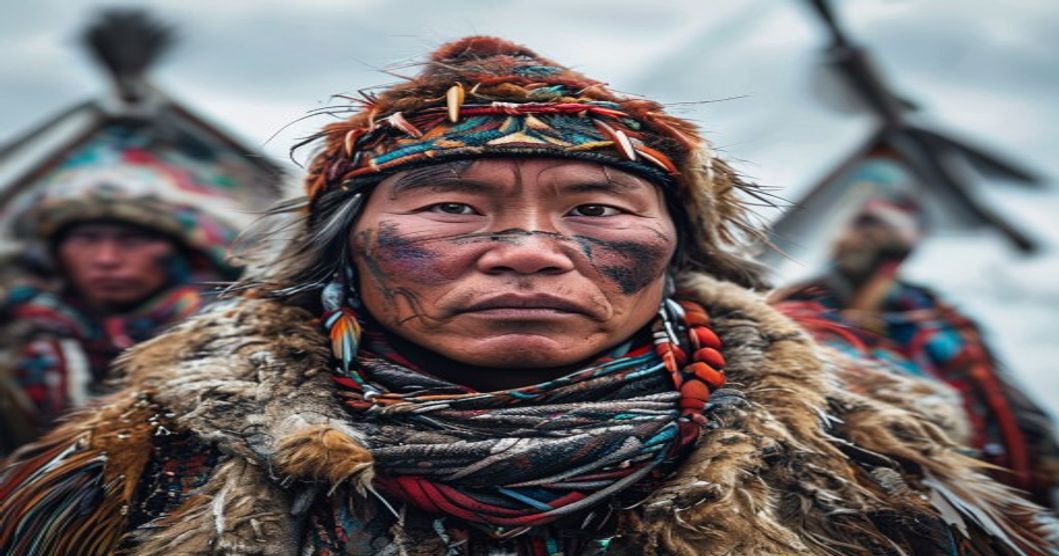
Defining Indigenous Identity in Contemporary Sami Society
Indigenous identity within the modern Sámi context operates as a dynamic framework rather than a static historical label. Contemporary Sámi communities define themselves through interconnected cultural, legal, and territorial markers that have evolved alongside state integration processes and global indigenous rights movements. Central to this definition is language vitality, where North Sámi, Lule Sámi, Southern Sámi, and other dialects function as primary vehicles for transmitting ecological knowledge, oral traditions, and communal governance structures. Language revitalization initiatives, including immersion schools and digital media production, actively reinforce collective belonging while countering centuries of forced assimilation policies.
- Territorial connection remains the foundational pillar, as Sámi identity is intrinsically tied to traditional grazing routes, fishing grounds, and sacred landscapes across Norway, Sweden, Finland, and Russia. Land rights legislation and court rulings continuously shape how communities negotiate resource extraction against customary land use.
- Self-identification criteria vary by jurisdiction, with legal frameworks often requiring documented ancestry or linguistic proficiency to establish Sámi status for political representation and cultural funding.
- Contemporary institutional structures, including the three Sámi Parliaments, translate traditional governance models into modern democratic mechanisms, enabling policy advocacy on education, healthcare, and climate adaptation.
The intersection of tradition and modernity manifests in daily practice rather than museum preservation. Urban Sámi populations maintain identity through digital networks, contemporary art, academic research, and participatory environmental monitoring. Climate change directly threatens reindeer herding patterns and coastal fishing traditions, making ecological stewardship a core component of present-day Sámi self-definition. International instruments like the United Nations Declaration on the Rights of Indigenous Peoples provide legal leverage, yet implementation gaps persist across Nordic states. Identity therefore functions as both a lived cultural continuum and a strategic political framework that adapts to legislative shifts, economic pressures, and intergenerational knowledge transfer. Contemporary expressions such as joik music, duodji craft production, and Sámi
Historical Foundations of Sami Ancestry and Territory
The archaeological record traces Sami ancestral origins to the post-glacial recolonization of Fennoscandia, beginning approximately 10,000 BCE. Early hunter-gatherer communities adapted to subarctic environments through specialized stone toolkits and seasonal mobility patterns. Genetic analyses confirm a distinct lineage that diverged from other Scandinavian populations during the Neolithic period, preserving ancient Y-chromosome haplogroups linked to northern Eurasian migration corridors.
Territorial continuity within Sápmi emerged long before modern cartographic boundaries defined the landscape. Indigenous land use operated through ecological zoning rather than fixed ownership models. Seasonal migration routes connected coastal fishing stations with inland reindeer pastures, creating a dynamic spatial network that sustained communities across extreme climatic variations.
- Archaeological Foundations: Komsa and Nøstvet cultures demonstrate early adaptation to tundra ecosystems. Reindeer domestication accelerated around 2000 BCE, transforming subsistence strategies and enabling year-round pastoral mobility across altitudinal gradients.
- Pre-Colonial Trade Networks: Sami intermediaries controlled fur, antler, and salted fish exchanges along medieval trade corridors connecting Norse settlements, Slavic territories, and Baltic markets. This economic positioning established early diplomatic protocols with southern kingdoms during the Viking Age and Hanseatic periods.
- Territorial Jurisdiction: Historical land tenure relied on clan-based resource management rights. Sacred landscapes, including sieidi formations and migration waypoints, functioned as cultural anchors that reinforced territorial claims long before state surveys attempted to partition the region.
The 1751 Tractate of Strömssund marked a decisive shift in territorial administration by imposing rigid borders across Norway and Sweden. This diplomatic agreement ignored established seasonal migration patterns and fragmented traditional grazing territories. Subsequent nation-state consolidation policies introduced taxation systems, religious conversion mandates, and forest management regulations that systematically restricted indigenous land access. The 1886 Lappalaw further formalized state control over reindeer herding, restricting pastoral zones to specific administrative districts. Despite these interventions, ancestral knowledge transmission through oral documentation, duodji craftsmanship, and joik vocal traditions maintained continuous cultural continuity across generations.
Core Cultural Markers: Language, Reindeer Herding, and Joik
The preservation of Sami identity in modern contexts relies heavily on three interconnected cultural foundations that have survived centuries of assimilation policies and geopolitical border divisions. Language serves as the primary vessel for this continuity. The Sami linguistic continuum belongs to the Uralic family and encompasses ten recognized dialects, with Northern Sami functioning as the most widely spoken standard across municipal boundaries. These languages operate through complex grammatical structures that encode precise ecological terminology, particularly regarding terrain composition, snow density, and reindeer behavioral cues. Linguistic revitalization programs now utilize algorithmic speech synthesis trained on archival field recordings, preserving phonetic nuances that standard dictionaries miss. Educational initiatives across Norway, Sweden, Finland, and Russia integrate mother-tongue instruction at all academic levels, while digital broadcasting platforms actively combat language erosion documented by UNESCO.
- Reindeer husbandry remains the economic and spiritual axis of traditional Sami livelihoods. Herding communities follow ancient transhumance routes dictated by seasonal lichen availability, freeze-thaw cycles, and predator migration patterns. Modern legal frameworks grant exclusive grazing rights in designated reindeer husbandry areas, yet industrial expansion, wind farm development, and commercial forestry operations continuously pressure these territories.
- The practice of joik functions as an acoustic archive rather than a conventional melodic composition. Traditional joiking employs vocal techniques that mimic landscape topography, animal calls, and ancestral voices without relying on linear narratives or fixed lyrical structures. Contemporary practitioners merge polyphonic harmonies with field recordings while maintaining the core principle of sonic representation over explicit storytelling.
- Cultural transmission occurs through intergenerational mentorship rather than institutional certification. Elders teach navigation techniques, animal husbandry protocols, and vocal modulation methods directly within the environment where these practices originated, ensuring contextual accuracy survives urbanization.
These markers do not operate in isolation. Language carries the technical vocabulary required for sustainable herd management, while joik encodes geographical knowledge that guides seasonal movement across fragmented landscapes. Digital cartography projects and indigenous land tribunals increasingly leverage these cultural elements to establish territorial claims against extractive industries. The resilience of Sami identity stems from treating tradition as an adaptive framework rather than a static historical exhibit.
Modern Challenges Shaping Sami Self-Perception
Climate acceleration directly disrupts traditional reindeer husbandry, the economic and cultural cornerstone of Sami communities across Fennoscandia. Erratic winter ice formation, unpredictable snowpack, and shifting vegetation patterns force herders to adapt grazing routes that no longer align with ancestral knowledge systems. This ecological disruption triggers a fundamental shift in how younger generations view their connection to land and livelihood. Self-perception moves away from static cultural preservation toward dynamic adaptation, where survival depends on integrating meteorological data, satellite mapping, and cross-border cooperation with neighboring herding districts.
Industrial expansion across northern territories introduces complex legal and spatial conflicts. Mining concessions, wind energy installations, and infrastructure projects frequently intersect with registered grazing areas and sacred landscapes. The Sami Parliament systems in Norway, Sweden, and Finland provide formal consultation mechanisms, yet practical implementation often prioritizes national economic objectives over indigenous consent. This gap between statutory recognition and territorial autonomy compels community leaders to redefine identity through legal advocacy, environmental monitoring, and transnational indigenous solidarity networks. Self-perception consequently centers on active citizenship and rights-based negotiation rather than passive cultural heritage.
Linguistic revitalization programs have expanded significantly since the late twentieth century, yet historical assimilation policies continue to influence intergenerational transmission. Urban migration has fragmented traditional dialect clusters, prompting standardized educational materials and digital language platforms to fill geographical gaps. Social media algorithms increasingly amplify Sami music, visual arts, and political commentary, creating hybrid cultural expressions that blend ancestral motifs with contemporary digital aesthetics. This digital acceleration accelerates identity fluidity, where self-perception encompasses both linguistic reclamation and global indigenous networking. Traditional boundary markers dissolve as communities navigate algorithmic visibility, copyright disputes over cultural intellectual property, and the tension between commercial representation and authentic knowledge transmission.
Psychological frameworks within Sami communities increasingly address historical trauma alongside contemporary resilience. Collective memory of forced assimilation, boarding school experiences, and land dispossession remains embedded in institutional structures. Contemporary identity formation now explicitly incorporates therapeutic education, intergenerational healing circles, and academic research led by indigenous scholars. This introspective layer transforms self-perception from reactive defense to proactive cultural sovereignty. Young adults frequently navigate dual professional trajectories, balancing corporate employment or academic careers with grassroots governance roles. The resulting identity model emphasizes adaptive continuity, where traditional ecological knowledge operates alongside contemporary policy analysis, legal strategy, and digital archiving.
Assimilation Policies and Historical Trauma Recovery
Forced assimilation campaigns across Norway, Sweden, and Finland systematically dismantled traditional Sami livelihoods through state-mandated schooling, language suppression, and land dispossession. Beginning in the late nineteenth century, institutional practices such as the Norwegian Skolebarn policy removed children from their families to boarding schools where speaking Northern Sami resulted in physical punishment and cultural erasure. These policies operated under explicit government directives that classified indigenous languages as obstacles to modernization, effectively severing intergenerational knowledge transfer.
- Language bans restricted public use of Sami dialects in administrative and judicial settings
- Livestock grazing regulations dismantled traditional reindeer husbandry networks
- Cultural institutions faced state funding withdrawal while promoting majority-normative curricula
The psychological and social aftermath established measurable patterns of intergenerational trauma, manifesting in elevated rates of substance dependency, mental health disparities, and fragmented community cohesion. Contemporary recovery frameworks prioritize structural accountability alongside grassroots revitalization. Legislative milestones including ILO Convention 161 ratification and UNDRIP implementation provided legal mechanisms for land restitution and educational sovereignty. Sami Parliaments across three nations now administer targeted funding for mother-tongue instruction, digital archiving projects, and trauma-informed counseling programs.
Community-driven initiatives demonstrate measurable progress in language acquisition metrics and cultural practice restoration. Digital platforms enable cross-border knowledge sharing while mobile applications standardize dialect documentation. Educational institutions incorporate traditional ecological knowledge into accredited curricula, bridging academic validation with indigenous epistemology. Political representation has shifted from consultative advisory roles to binding legislative authority over cultural resource allocation. Ongoing challenges include urban migration patterns diluting rural transmission networks and climate change disrupting seasonal migration routes essential to cultural continuity.
- Language immersion schools report forty percent annual growth in enrollment across Finnmark and Troms regions
- Digital archives preserve over twelve thousand hours of oral history recordings
- Youth-led media productions utilize indigenous storytelling frameworks to address intergenerational grief
Structural healing requires sustained investment in land rights adjudication, independent educational governance, and economic self-determination. Cross-border cooperation facilitates standardized trauma recovery protocols while maintaining regional cultural specificity. Research indicates that communities implementing comprehensive cultural revitalization programs demonstrate statistically significant improvements in youth wellbeing indicators and language fluency rates.
Land Rights Disputes and Resource Extraction Pressures
The Sami people’s relationship with ancestral territories forms the structural foundation of cultural continuity and economic survival. Contemporary territorial conflicts center on state-approved resource extraction initiatives that directly intersect with established reindeer migration corridors and culturally significant landscapes. Mining concessions for iron ore, nickel, and rare earth minerals in Northern Fennoscandia routinely demand extensive land clearance and heavy infrastructure development. These operations fragment critical winter pastures, forcing herders to alter traditional routes that have sustained pastoral practices for centuries. Hydroelectric dam projects across major river systems permanently modify aquatic habitats, drastically reducing salmon runs that historically provided essential protein sources and facilitated regional trade networks. State forestry concessions frequently overlap with legally demarcated grazing zones, creating jurisdictional friction that weakens indigenous land tenure protections.
- Legal Framework Implementation Gaps: While ILO Convention 169 establishes binding consultation requirements, domestic enforcement varies significantly across Norway, Sweden, and Finland. National courts routinely weigh corporate economic contributions against ancestral claims, compelling Sami communities to allocate substantial resources toward prolonged litigation while managing active herds.
- Economic Valuation Discrepancies: Corporate environmental impact assessments frequently utilize standardized monetization metrics that exclude traditional ecological knowledge and non-market pastoral values. This methodological gap systematically undervalues grazing land utility, leading to disproportionate approval rates for extractive projects.
- Cross-Border Advocacy Mechanisms: The Alta controversy legacy continues to inform modern territorial defense strategies. Indigenous coalitions now leverage transnational legal precedents and satellite monitoring data to document habitat fragmentation, directly challenging state resource allocation policies through structured co-management negotiations.
Infrastructure expansion for logging access roads and mining logistics physically divides culturally vital terrain, erasing historical markers and altering ecological baselines. These spatial disruptions correlate directly with declining herd viability, which functions as both a primary economic engine and a core cultural identifier. The ongoing tension between national resource policies and Sami territorial sovereignty drives policy adjustments focused on land stewardship frameworks that merge traditional ecological monitoring with contemporary conservation science. Legal precedents continue to shape regulatory standards, yet implementation delays perpetuate structural inequities in land governance systems across Fennoscandia.
Revitalization Strategies for Cultural Continuity
The contemporary Sami population relies on structured institutional frameworks and grassroots initiatives to maintain cultural continuity amid rapid modernization. Central to this effort is the systematic revitalization of the Sámi languages, which span across Norway, Sweden, Finland, and Russia. Community-driven language nests operate alongside formal curricula at institutions such as the Sámi University of Applied Sciences in Karasjok, ensuring that linguistic proficiency transfers directly to younger generations. These programs integrate traditional ecological knowledge, joik vocalization techniques, and duodji craftsmanship into standard academic modules, transforming theoretical study into lived practice.
- Digital preservation platforms archive historical recordings, genealogical records, and oral histories, creating accessible repositories for researchers and community members alike. Online dictionaries and mobile applications facilitate daily usage of endangered dialects, particularly North Sámi, Inari Sámi, and Skolt Sámi.
- Indigenous media networks, including Sápmi Radio and regional broadcasting cooperatives, produce programming that reflects contemporary Sami narratives while reinforcing linguistic norms. These outlets counter mainstream cultural homogenization by broadcasting news, educational segments, and artistic performances entirely in native tongues.
- Land tenure negotiations and self-governance bodies, such as the Sámediggi institutions, secure legal recognition for traditional grazing zones and reindeer herding corridors. Controlled resource management prevents environmental degradation that historically disrupted seasonal migration patterns essential to cultural transmission.
Educational partnerships between municipal schools and elder knowledge keepers establish mentorship circuits where practical skills replace passive instruction. Youth participate in cross-border workshops focused on textile weaving, boat building, and sustainable hunting practices, ensuring that technical expertise remains active rather than archival. Financial mechanisms allocated by national governments fund cultural centers that host annual gatherings, facilitating direct interaction between dispersed communities. These structured interventions collectively stabilize demographic shifts while preserving the conceptual frameworks that define Sami identity.
Continuous assessment protocols track dialect usage rates among youth demographics, enabling program adjustments before linguistic attrition accelerates. Collaborative research between anthropologists and local councils monitors shifts in traditional livelihood adoption, measuring success through participation frequency rather than attendance numbers alone. This data-driven approach ensures that revitalization efforts remain responsive to community needs while maintaining academic rigor. Infrastructure investments prioritize remote connectivity, allowing isolated settlements to access the same digital resources as urban centers. Sustainable funding models combine public grants with private cultural enterprises, reducing dependency on volatile political cycles and guaranteeing long-term operational stability.
Digital Archiving and Language Immersion Programs
Contemporary Sami communities leverage digital archiving infrastructure to safeguard oral histories, joik repertoires, and traditional ecological knowledge that faced systemic erosion during centuries of assimilation policies. Digitized manuscripts, audio recordings, and high-resolution photographs of duodji craft patterns are stored in distributed repositories governed by community consent frameworks. Metadata tagging follows standardized ontologies that distinguish dialectal variations across North Sámi, Lule Sámi, South Sámi, and Inari Sámi branches. These archives function as living databases rather than static collections, enabling researchers and cultural practitioners to trace linguistic evolution and map historical settlement patterns with geographic information systems.
Language immersion programs operate through structured pedagogical environments where digital tools replace traditional textbook dependency. Interactive applications deliver phonetic training for uvular consonants and vowel harmony rules specific to each Sámi language branch. Immersion curricula integrate multimedia storytelling, allowing elders to record instructional segments that youth can access asynchronously. Mobile learning platforms utilize spaced repetition algorithms to reinforce vocabulary retention while contextualizing terms within reindeer husbandry, seasonal migration routes, and textile dyeing techniques. Virtual classrooms connect dispersed learners across municipal boundaries, eliminating geographical barriers that historically fragmented language transmission.
- Community-controlled data governance: Indigenous protocols dictate access levels for sacred or ceremonial recordings, ensuring cultural intellectual property remains protected under national and international frameworks.
- AI-assisted dialect mapping: Machine learning models analyze acoustic features to identify regional phonetic shifts and generate corrective feedback for pronunciation practice.
- Open-source pedagogical repositories: Developers contribute modular lesson plans, audio corpora, and grammar drills to public platforms that educators customize for local classroom requirements.
Infrastructure maintenance requires sustained funding for server upgrades, hardware procurement in remote Arctic municipalities, and continuous cybersecurity audits. Language revitalization initiatives face competition from dominant national languages embedded in digital ecosystems, necessitating deliberate content localization strategies. Educational administrators monitor engagement metrics to adjust curriculum pacing, while linguists track lexical innovation among younger speakers. The convergence of archival digitization and immersive language pedagogy establishes a self-reinforcing cycle where documented knowledge fuels pedagogical innovation, and active learners generate new material for preservation.
Youth Leadership and Intergenerational Knowledge Transfer
The dynamic interplay between emerging Sámi youth leaders and established cultural custodians forms the backbone of contemporary identity preservation. Traditional transmission mechanisms, once confined to familial hearths and seasonal reindeer migration routes, now operate through structured educational frameworks and digital networks without sacrificing authenticity. Elders function as living archives, documenting nuanced practices such as duodji craftsmanship, land-based ecological literacy, and vocal traditions that require precise tonal and rhythmic precision. Younger generations do not merely receive this knowledge; they actively curate, adapt, and scale it for modern contexts.
- Institutional Mentorship Programs: Sámi universities and cultural academies pair undergraduate students with master artisans and herders. These partnerships emphasize hands-on methodology, where theoretical frameworks are validated through seasonal fieldwork and craft production cycles.
- Digital Archiving and Media Production: Youth-led collectives utilize podcasting, documentary filmmaking, and social media to record elder narratives. This approach democratizes access while establishing new leadership pathways in cultural journalism and data preservation.
- Polycentric Governance Participation: Emerging leaders integrate traditional consensus-building models into modern political advocacy. They navigate Sámi Parliament committees, land negotiation processes, and environmental policy forums by applying ancestral decision-making frameworks to contemporary legislative challenges.
This reciprocal exchange dissolves the false dichotomy between tradition and innovation. Youth entrepreneurs launch sustainable brands that commercialize duodji while maintaining strict cultural protocols, ensuring economic viability does not compromise symbolic meaning. Simultaneously, digital activism campaigns leverage algorithmic visibility to amplify land sovereignty claims, transforming localized grievances into transnational advocacy networks. The continuity of Sámi identity relies on this operational flexibility. When young leaders facilitate elder participation in policy drafting, or when elders mentor youth in navigating bureaucratic systems, the knowledge ecosystem remains resilient against cultural homogenization pressures.
Measurement of this transfer extends beyond attendance metrics. Success indicators include multigenerational collaboration in grant applications, the emergence of hybrid artistic expressions that honor structural authenticity while utilizing contemporary mediums, and the sustained linguistic revitalization within urban Sámi communities. The leadership model functions as a living contract: elders provide contextual depth and historical continuity, while youth supply strategic innovation and institutional access. This calibrated partnership ensures that cultural transmission operates as an active, forward-moving process rather than a retrospective documentation exercise.
Legal Frameworks and Political Recognition
The legal architecture governing Sami rights operates across international treaties and domestic legislation, creating a structured but uneven framework for land tenure, cultural preservation, and institutional self-governance. International instruments establish the baseline standards, though implementation varies significantly by jurisdiction. ILO Convention No. 169 remains the sole legally binding treaty explicitly recognizing indigenous land rights, ratified only by Norway in 1990. Sweden and Finland have declined formal ratification, instead aligning their domestic policies with UNDRIP principles through parliamentary resolutions and administrative guidelines. The declaration’s emphasis on free, prior, and informed consent (FPIC) sets a procedural expectation for resource development, yet its non-binding character requires national courts to interpret applicability case-by-case.
- Norway enacted the Sami Act of 1987 and later amended its constitution to protect minority language rights, while the Finnmark Act of 2005 transferred state ownership of 95% of Finnmark county to a joint management commission comprising state representatives and locally elected Sami members.
- Sweden lacks a dedicated indigenous statute, relying instead on constitutional minority protections and the Environmental Code, which mandates cultural impact assessments for forestry, mining, and infrastructure projects affecting traditional reindeer grazing areas.
- Finland’s Constitution explicitly recognizes the Sami as an indigenous people with guaranteed language rights, though legislative implementation remains constrained by parliamentary sovereignty and limited judicial precedent on historical land occupation thresholds.
Political recognition materializes through institutionalized representation mechanisms established in each Nordic state. All three countries operate a Sami parliament, yet statutory authority differs substantially. The Norwegian Sámediggi holds advisory jurisdiction over education, culture, and reindeer husbandry policy, with budget allocations subject to parliamentary approval. Sweden’s Riksdag grants comparable consultative powers, while Finland’s Sámi Parliament functions primarily as an autonomous cultural body with minimal legislative influence. These institutions lack sovereign decision-making capacity, operating instead as administrative intermediaries between state agencies and indigenous communities.
- Land rights disputes center on reindeer grazing corridors, forestry concessions, and renewable energy infrastructure, requiring judicial balancing of economic development against customary use patterns established over centuries.
- Administrative consultation processes frequently face criticism for procedural delays, insufficient integration of traditional ecological knowledge into environmental impact assessments, and inconsistent application of FPIC protocols across municipal jurisdictions.
- Norwegian courts have progressively expanded the definition of Sami customary law, particularly regarding watershed management, historical land occupation evidence, and the legal weight of oral testimony in property claims.
Contemporary legal challenges involve reconciling statutory recognition with practical enforcement. Resource extraction permits, offshore wind development, and mining applications continue to trigger litigation over jurisdictional boundaries and consent protocols. The absence of unified Nordic indigenous policy frameworks necessitates prolonged administrative appeals and strategic litigation, leaving Sami communities dependent on judicial interpretation to secure procedural safeguards and meaningful participation in territorial governance.
Sami Parliaments Across Norway, Sweden, and Finland
The institutional framework for Sami political representation emerged through distinct legislative processes in each Nordic state. Norway established its Sámi Parliament in 1989 following decades of advocacy, granting the body authority over cultural affairs, education, and reindeer husbandry. Sweden followed in 1993 with the Riksdag’s adoption of Act 1993:762, which defined electoral districts aligned with traditional Sami settlement areas. Finland’s Sámi Parliament gained statutory recognition in 1973 through parliamentary legislation, later reinforced by constitutional amendments in 1995 that explicitly acknowledge Sami status as an indigenous people. Each institution operates under different national legal frameworks, resulting in varying degrees of decision-making power and resource allocation.
Membership across all three bodies depends on strict voter eligibility criteria centered on linguistic heritage, self-identification, and professional connection to traditional livelihoods. Norway requires voters to demonstrate Sami ancestry or speak a Sami language, with additional provisions for reindeer herders. Sweden applies a residence-based system combined with proof of Sami background, while Finland mandates registration in the Sámi electoral roll alongside documented cultural ties. These eligibility mechanisms directly influence political representation and policy priorities, particularly regarding land use rights and indigenous language revitalization programs.
- Norway: Delegated budget authority for cultural initiatives and mandatory consultation on mining, forestry, and hydropower projects within Sápmi.
- Sweden: Advisory mandate focused on regional development grants, language preservation funding, and coordination with the Swedish Agency for Youth and Civil Society.
- Finland: Administrative oversight of indigenous education curricula, healthcare service delivery, and legal representation in land dispute proceedings.
Operational capacity varies significantly between jurisdictions. The Norwegian Sámediggi holds delegated authority over budget distribution for cultural projects and participates in state advisory committees on natural resource management. The Swedish Sameting functions primarily as a consultative body, lacking legislative veto power but maintaining influence through regional development partnerships. Finland’s Saamelaiskäräjät exercises broader administrative responsibilities, including oversight of indigenous education and healthcare initiatives. Despite jurisdictional fragmentation, all three parliaments coordinate through the Sámi Council, addressing transboundary issues such as cross-border reindeer migration, environmental monitoring, and digital language preservation technologies.
Modern governance structures face persistent challenges related to resource extraction, climate change impacts on pasturelands, and integration of customary law into national legal systems. Policy outcomes consistently prioritize sustainable land management, intergenerational knowledge transfer, and institutional funding stability. Recent amendments in Norway and Sweden have expanded electoral participation thresholds, while Finland continues refining constitutional safeguards for indigenous self-determination. These institutional developments directly shape contemporary Sami identity formation, economic autonomy, and diplomatic engagement within Arctic governance networks.
International Indigenous Rights Conventions and Enforcement
The legal architecture protecting indigenous populations relies primarily on two foundational instruments: International Labour Organization Convention No. 169 and the United Nations Declaration on the Rights of Indigenous Peoples. ILO 169 establishes binding obligations for ratifying states regarding land tenure, cultural preservation, and prior consultation protocols. Nordic countries have approached ratification differently, creating distinct implementation landscapes across Sápmi. UNDRIP operates as soft law but carries substantial normative weight through repeated UN General Assembly resolutions and specialized agency integration.
Enforcement mechanisms function through multiple institutional channels. Treaty monitoring bodies review periodic state reports and issue concluding observations that pressure governments to align domestic legislation with international standards. The European Court of Human Rights has increasingly interpreted Article 8 and Article 14 of the European Convention on Human Rights to protect indigenous land use and cultural practices, though jurisdictional limits remain a structural constraint. National Sámi Parliaments utilize these frameworks to draft policy recommendations and litigate resource allocation disputes through constitutional channels.
- Periodic treaty compliance reviews by UN human rights committees
- Judicial interpretation of consultation requirements in resource extraction cases
- National legislative amendments aligning domestic statutes with international obligations
- Independent monitoring reports tracking land degradation and cultural continuity metrics
Implementation gaps persist despite rigorous monitoring. Domestic courts frequently interpret consultation requirements narrowly, limiting indigenous veto power over extractive projects near traditional territories. Financial compensation models often prioritize economic development metrics over cultural continuity indicators. Independent watchdog organizations compile compliance data that tracks treaty ratification rates, judicial outcomes, and legislative amendments across Scandinavian jurisdictions. Academic institutions and legal clinics support community advocacy by translating international standards into actionable litigation strategies.
Monitoring committees emphasize sustainable development frameworks that require free, prior, and informed consent as a procedural baseline rather than an optional consultation step. Regional human rights commissions conduct field assessments documenting land degradation impacts on reindeer husbandry and fishing grounds. Legal scholars analyze comparative jurisprudence to identify successful enforcement patterns in resource governance. Parliamentary working groups draft model legislation that aligns national statutes with treaty obligations while preserving municipal autonomy.
International bodies continue refining compliance metrics through technical assistance programs and capacity building initiatives. Diplomatic channels facilitate cross-border coordination among Sámi communities regarding shared ecological management strategies. Judicial review processes increasingly recognize indigenous customary law as a valid interpretive source in environmental disputes. Institutional accountability frameworks now require transparent reporting on consultation outcomes and heritage protection measures.
Economic Integration Versus Traditional Livelihoods
The intersection of market economies and ancestral subsistence models defines the contemporary economic landscape for Sami communities across Norway, Sweden, Finland, and Russia. Traditional livelihoods such as reindeer herding, seasonal fishing, and duodji (handicraft) production have historically operated on cyclical rhythms dictated by ecology rather than financial markets. Modern integration pressures emerge from state subsidies, commercial tourism, extractive industries, and global supply chains that demand standardized production metrics incompatible with nomadic practices.
Reindeer herding remains the most visible economic anchor, yet it faces structural strain. Cross-border grazing routes have been fragmented by infrastructure development and national border regulations, forcing herders to navigate complex licensing systems and carbon offset markets that prioritize measurable output over ecological balance. Commercial tourism often commodifies Sami cultural elements without compensating knowledge holders equitably, while state agricultural grants frequently require formal business registration that conflicts with the collective siida governance model.
Adaptive strategies reveal a pragmatic synthesis rather than abandonment of tradition. Younger generations leverage digital platforms to market authentic duodji directly to international buyers, bypassing middlemen who historically captured value margins. Simultaneously, community-led cooperatives negotiate land lease agreements that integrate renewable energy development with protected grazing corridors. Legal frameworks like the Nordic Sami Conventions and domestic property rights rulings have gradually established precedent for co-management zones where economic participation does not require cultural assimilation.
- State agricultural subsidies now require proof of active herding, pushing marginal operators toward commercial consolidation.
- Tourism revenue is increasingly channeled through indigenous-owned enterprises that fund language revitalization and youth apprenticeships.
- Carbon credit programs incentivize land restoration but occasionally restrict seasonal migration patterns essential for herd health.
Economic integration functions as both leverage and constraint. Financial inclusion enables access to healthcare, education, and technology, yet market volatility directly threatens subsistence stability. The prevailing model shifts toward hybrid economies where traditional knowledge dictates resource allocation while contemporary financial instruments provide risk mitigation. Sustainable navigation of this duality depends on policy frameworks that recognize non-market values—ecological stewardship, intergenerational continuity, and cultural sovereignty—as legitimate economic assets rather than externalities.
Tourism Development and Cultural Commodification Risks
The expansion of tourism across Sápmi has generated substantial revenue streams for remote municipalities, yet it simultaneously accelerates the fragmentation of authentic Sámi cultural practices. External operators frequently package indigenous traditions into consumable experiences, stripping contextual depth from elements like duodji craftsmanship, joik vocalizations, and seasonal reindeer migration narratives. This commercialization often reduces living heritage to aesthetic motifs, where garments are sold as folkloric costumes rather than functional winter wear, and sacred landscapes are repurposed for photo opportunities without ecological or spiritual consent. Economic dependency on visitor spending creates structural vulnerabilities. When cultural expression becomes tied to market demand, communities face pressure to modify rituals, simplify ceremonies, or stage performances that align with tourist expectations rather than internal calendar systems. The commodification cycle disproportionately impacts knowledge holders, as younger generations may prioritize tourism-driven income over apprenticeship in traditional ecological knowledge or language transmission. External branding further compounds the issue; destination marketing campaigns routinely appropriate Sámi symbols without profit-sharing agreements or editorial control, effectively erasing indigenous agency from the value chain.
Strategic intervention requires institutional frameworks that center Sámi governance. Community-owned tourism enterprises demonstrate measurable success when they enforce cultural protocols, limit visitor capacity in sensitive areas, and integrate direct revenue into language revitalization programs. Certification systems that verify indigenous ownership and ethical storytelling practices help distinguish respectful engagement from extraction. Long-term cultural resilience depends on treating tourism not as a standalone industry but as a controlled extension of Sámi self-determination, where
Sustainable Enterprise Models Rooted in Sami Values
Sami communities have historically operated economic systems that prioritize ecological balance, intergenerational equity, and collective welfare over profit maximization. These traditional frameworks are now being formalized into modern sustainable enterprise models. Reindeer husbandry remains the cornerstone, but contemporary adaptations integrate cooperative ownership structures that distribute resources across family units while maintaining herd mobility across transboundary grazing lands. Digital platforms now map seasonal migration routes using geospatial data, allowing herders to negotiate land use with municipal authorities and mining corporations without compromising ecological thresholds.
Eco-tourism ventures demonstrate another adaptive pathway. Rather than extracting cultural artifacts for commercial display, Sami-owned enterprises design immersive experiences that require visitor participation in craft workshops, language immersion sessions, and guided wilderness navigation. Revenue streams are reinvested into youth training programs focused on traditional silversmithing, duodji craftsmanship, and digital documentation of oral histories. This circular approach converts cultural capital into economic resilience while preventing commodification.
- Cooperative Ownership Structures: Profit distribution mechanisms mirror historical gákti council traditions, ensuring consensus-based expansion that respects ecological carrying capacity.
- Circular Resource Management: Supply chain transparency relies on blockchain verification of raw material origins, particularly for reindeer leather and antler processing, which guarantees fair compensation at every production stage.
- Impact Financial Architecture: Community-backed lending circles and calibrated investment funds measure social and environmental returns alongside financial metrics, funding land restoration initiatives through mandatory profit-sharing protocols.
Educational partnerships between Sami academic institutions and private sector developers have birthed certification frameworks for culturally aligned business operations. These standards require mandatory inclusion of Sámi language in operational documentation, seasonal business calendar adjustments aligned with natural cycles, and youth skill transfer programs. Enterprises adhering to these parameters report higher employee retention rates and stronger community trust indices compared to conventional corporate structures operating in the region.
Future Pathways for Indigenous Resilience
The trajectory of Sami resilience hinges on systemic integration of traditional ecological knowledge with modern governance frameworks. Digital sovereignty initiatives are accelerating this shift, enabling communities to archive oral histories, map ancestral territories, and develop indigenous-language software without external dependency. When language preservation moves beyond academic archives into everyday digital infrastructure, it creates self-sustaining cultural ecosystems that adapt to technological disruption rather than fracture under it.
Land tenure reform remains the most critical economic lever for long-term stability. Contemporary Sami organizations are leveraging international legal precedents alongside domestic policy advocacy to secure co-management rights over reindeer grazing zones, mining concessions, and renewable energy corridors. Resource revenue sharing models that prioritize community-controlled trusts over state-distributed funds directly strengthen local economies while maintaining ecological balance. These financial structures fund youth entrepreneurship programs, infrastructure development, and heritage conservation without compromising traditional livelihoods or triggering external corporate dependency.
Educational transformation requires dismantling colonial curriculum frameworks and replacing them with place-based pedagogies. Schools across Sápmi are implementing dual-tracking systems where standard national requirements intersect with indigenous epistemologies. Students learn geography through seasonal migration patterns, mathematics through reindeer population dynamics, and environmental science through glacier monitoring techniques passed down through generations. This approach produces graduates equipped for both modern professional sectors and traditional community leadership roles while reducing urban migration rates among indigenous youth. Curriculum developers must align assessment metrics with community-defined success indicators rather than standardized testing benchmarks.
- Digital Infrastructure Investment: Allocate municipal and private capital toward indigenous-owned broadband networks, cloud-based language learning platforms, and open-source mapping tools that operate under strict data sovereignty protocols.
- Legal Precedent Activation: Pursue strategic litigation to establish binding co-management agreements for cross-border grazing routes and protect sacred sites from extractive industries using recognized customary law frameworks.
- Youth Entrepreneurship Funding: Establish revolving loan programs specifically designed for start-ups that merge traditional crafts, sustainable tourism, and renewable energy technologies within community-controlled economic zones.
- Intergenerational Knowledge Transfer: Formalize elder-mentorship contracts that compensate traditional practitioners for teaching land navigation, seasonal resource management, and acoustic heritage documentation to certified youth cohorts.
Climate Change Impacts on Arctic Ecosystems and Livelihoods
The Arctic region experiences warming rates approximately four times faster than the global average, directly destabilizing the ecological parameters that have governed Sami subsistence practices for centuries. Permafrost degradation alters ground stability across grazing corridors in Sápmi, while shifting precipitation patterns disrupt snowpack formation. Rain-on-snow events create dense ice layers that prevent reindeer from excavating ground lichens, triggering mass starvation events and forcing herders to relocate pastures under compressed seasonal windows.
Vegetation biome shifts compound these pressures. Shrub expansion encroaches upon open tundra zones, reducing pasture accessibility and increasing calf mortality during extreme weather. Lichen biomass decline correlates with reduced herd resilience, elevating veterinary intervention costs and fragmenting traditional family-based herding units. Seasonal migration calendars historically synchronized with lunar phases and predator activity no longer align with current environmental cues, requiring continuous recalibration of grazing routes.
- Ice Regime Instability: Delayed freeze-up and premature breakup on inland lakes and coastal fjords restrict safe winter travel. Traditional navigation relies on ice thickness indicators; rapid atmospheric shifts render historical observations unreliable for hunting and fishing expeditions.
- Precipitation Phase Changes: Increased autumn rainfall accelerates snow compaction, eliminating the insulating layer that protects ground vegetation from subzero temperatures. This reduces winter forage availability during critical metabolic periods.
- Biodiversity Redistribution: Southern bird and mammal species migrate into northern territories earlier in the annual cycle, altering predator-prey dynamics and introducing novel pathogens to reindeer populations without corresponding immune adaptation.
Economic adaptation demands capital for alternative tracking equipment, digital pasture monitoring systems, and diversified income streams. Many herding households encounter intergenerational knowledge transmission gaps when elders cannot convey location-specific environmental markers that previously remained consistent across decades. Legal instruments such as the Sámi Convention and national land rights rulings attempt to protect grazing corridors, but cross-border enforcement remains fragmented across Norwegian, Swedish, and Finnish jurisdictions.
Contemporary resilience frameworks combine indigenous monitoring networks with satellite telemetry data. Community-led early warning systems document snow crust formation and pasture degradation in real time. Policy advocacy prioritizes embedding traditional ecological knowledge into regional climate adaptation strategies, ensuring that mitigation policies recognize reindeer husbandry as a cultural infrastructure rather than a purely commercial sector.
Global Indigenous Networks and Cross-Cultural Solidarity
The Sámi people’s engagement with global indigenous networks represents a strategic alignment of cultural preservation and political advocacy on an international scale. Through structured partnerships within the Arctic Council’s Permanent Participants framework, Sámi delegates coordinate directly with Inuit, First Nations, and Aleut representatives to shape cross-border policies affecting northern territories. These alliances facilitate continuous dialogue between reindeer herding communities, forest-dwelling indigenous groups, and coastal populations, establishing unified frameworks for land sovereignty, resource governance, and environmental stewardship.
Collaborative initiatives frequently operate through multilateral platforms such as the United Nations Permanent Forum on Indigenous Issues (UNPFII) and the International Work Group for Indigenous Affairs (IWGIA). Joint advocacy efforts have successfully advanced legal precedents recognizing indigenous title over ancestral grazing routes, sacred landscapes, and traditional fishing grounds. The Sámi Parliament Council routinely exchanges policy models with the Inuit Circumpolar Council, Maori governance structures, and Native American tribal coalitions, translating shared experiences into actionable legislative strategies and standardized treaty enforcement protocols.
- Legal Advocacy Integration: Coordinated litigation support across indigenous networks strengthens claims under international frameworks like UNDRIP, particularly regarding mineral extraction permits, pipeline routing, and territorial boundary disputes.
- Eco-Cultural Knowledge Exchange: Traditional ecological knowledge systems are documented and shared through UNESCO-backed digital archives, preserving oral histories while informing modern conservation science and biodiversity monitoring.
- Youth & Digital Mobilization: Cross-continental indigenous youth coalitions leverage open-source mapping tools and encrypted communication channels to monitor infrastructure projects threatening ancestral lands and waterways.
- Climate Resilience Funding: Joint grant applications to the Green Climate Fund secure direct financing for community-led adaptation programs, reducing dependency on external development agencies and ensuring sovereign resource allocation.
These interconnected networks operate beyond symbolic representation. Strategic coalitions routinely draft position papers, coordinate witness testimonies at international tribunals, and establish mutual aid protocols during ecological emergencies. The Sámi delegation’s participation in the Indigenous Peoples’ Biocultural Climate Change Assessment Initiative directly influences regional adaptation metrics used by Nordic environmental ministries and European Union agricultural councils. Cross-cultural solidarity manifests as institutionalized knowledge sharing rather than temporary alliance-building, ensuring that indigenous governance models remain central to global sustainability agendas and legal reform processes.
Frequently Asked Questions
What is Indigenous Identity in Contemporary Sami Society?
Indigenous identity in contemporary Sami society refers to the cultural, linguistic, and ancestral connections that define the Sami people as the original inhabitants of northern Fennoscandia. It encompasses traditional livelihoods like reindeer herding, distinct spiritual beliefs, vibrant arts such as joik singing and duodji craft, and a growing political consciousness advocating for self-determination, land rights, and cultural preservation in modern Nordic nations.
Key facts about Indigenous Identity in Contemporary Sami Society
The Sami population numbers approximately 80,000 to 100,000 across Norway, Sweden, Finland, and Russia. They are recognized as indigenous peoples with distinct languages (over a dozen dialects), traditional governance structures, and legal rights under international frameworks like ILO Convention 169. Contemporary challenges include climate change impacting reindeer pastures, cultural appropriation, and efforts to revitalize endangered Sami languages in education and media.