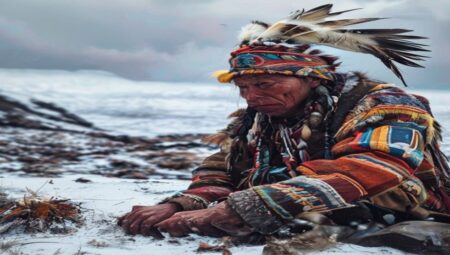
Understanding the Contemporary Sami Cultural Renaissance
The current wave of Sami cultural revitalization emerges from systemic policy reforms implemented during the late twentieth century, particularly after the Finnmark Act and subsequent indigenous rights frameworks across Norway, Sweden, Finland, and Russia. Young practitioners are systematically dismantling historical assimilation policies by establishing independent publishing houses, streaming platforms dedicated to Northern Sámi content, and university research centers focused on linguistic documentation. Traditional joik performance techniques, once suppressed by missionary and state authorities, now populate contemporary music festivals, digital playlists, and academic ethnomusicology programs. Educational institutions have replaced standardized curricula with place-based learning models that integrate reindeer husbandry cycles, seasonal navigation, and oral history transmission into formal schooling.
Digital infrastructure plays a central role in this transformation. Youth developers create open-source dictionaries, phonetic mapping tools, and augmented reality applications that visualize historical settlement patterns across Sápmi. Independent podcast networks broadcast debates on land rights, climate adaptation, and cultural intellectual property, ensuring real-time dialogue between elders and emerging activists. Craft production has shifted from ceremonial use to sustainable design sectors, with duodji artisans collaborating with international fashion houses while maintaining strict authenticity standards governed by the Sami Mark certification.
- Linguistic immersion camps operate across Tromsø, Kiruna, and Inari, utilizing peer-to-peer teaching methods that prioritize conversational fluency over grammatical instruction.
- Youth-led media collectives produce documentary series tracing historical migration routes, directly challenging state-sanctioned territorial narratives through satellite mapping and oral testimony compilation.
- Economic cooperatives fund intergenerational apprenticeships where master craftsmen, drum makers, and joik singers receive stipends tied to student retention rates rather than production volume.
Policymakers now recognize cultural continuity as measurable economic development. Municipal budgets allocate resources toward digital language
Historical Context and Systemic Cultural Suppression Eras
Before state-imposed assimilation campaigns, Sami communities maintained autonomous socio-economic structures across Sápmi, spanning northern Fennoscandia and the Kola Peninsula. Reindeer pastoralism dictated seasonal migration patterns, while oral traditions preserved ecological knowledge through joik performance and duodji craftsmanship. Linguistic diversity flourished with over a dozen distinct dialects operating as primary mediums of governance, trade, and spiritual practice.
The erosion of these systems began during late nineteenth-century nation-building initiatives that prioritized territorial homogenization over indigenous sovereignty. Educational mandates in Norway, Sweden, and Finland explicitly prohibited Sami language use in classrooms, embedding linguistic stigmatization into institutional frameworks. Missionary organizations reinforced cultural displacement by framing traditional practices as pagan relics incompatible with modern civic identity.
- Norwegian assimilation policies enforced through the 1908 Language Law mandated Swedish as the sole administrative language, directly targeting educational curricula and municipal operations.
- Finnish legislation during the interwar period centralized indigenous governance under state-appointed officials, bypassing traditional elder councils.
- Soviet territorial management in the Kola Peninsula reorganized collective farms without consulting Sami pastoral networks, disrupting seasonal
Demographic Shifts Driving Youth-Led Preservation Efforts
Historical assimilation policies and forced relocation in the nineteenth and twentieth centuries drastically reduced the Sami population across Sápmi, fragmenting communities and severing intergenerational knowledge transfer. Recent demographic realignments have reversed this trajectory. Urban migration patterns that once drained rural northern regions are now shifting toward strategic returns, with young adults relocating to university towns like Tromsø, Kautokeino, and Rovaniemi specifically to access language immersion programs and cultural infrastructure.
The age distribution within Sami communities reveals a critical window of opportunity. Traditional knowledge holders increasingly fall into the sixty-five-plus demographic, creating urgency around documentation and transmission. Simultaneously, birth rates among registered Sami have stabilized, producing a cohort that reaches adulthood with greater institutional support than previous generations. This convergence of aging custodians and emerging adults establishes a structural imperative for youth leadership in heritage conservation.
- Cross-Border Mobility Patterns: Improved transportation networks and digital infrastructure enable Sami youth across Norway, Sweden, Finland, and Russia to coordinate preservation initiatives without geographic fragmentation.
- Educational Pipeline Development: University programs in Sámi languages, indigenous law, and sustainable land management have expanded by over forty percent since 2010, directly feeding skilled practitioners into cultural enterprises.
- Policy-Driven Demographic Incentives: National minority recognition frameworks now tie municipal funding to youth participation metrics, forcing local governments to allocate resources for language nests and traditional craft apprenticeships.
These structural changes manifest in concrete preservation mechanisms. Young Sami entrepreneurs operate digital archives that digitize joik recordings and duodji patterns previously stored in private collections. Cooperative reindeer herding groups integrate GPS tracking and climate data analytics to maintain grazing routes threatened by industrial development. Social media algorithms favor authentic indigenous content, allowing youth-led accounts to bypass traditional media gatekeepers and reach global audiences interested in sustainable livelihoods and linguistic diversity.
The demographic transition also alters resource allocation. Municipalities that once prioritized infrastructure for extractive industries now fund cultural centers because statistical projections show rising youth enrollment rates. This financial realignment creates feedback loops where visible success attracts further investment, accelerating the professionalization of heritage work without compromising traditional methodologies.
Digital Innovation and Traditional Knowledge Transmission
Sami youth are actively deploying digital infrastructure to document, archive, and disseminate indigenous knowledge that historically relied on seasonal apprenticeships and oral transmission. Mobile applications now host interactive joik archives where elders record vocal techniques alongside GPS-tagged coordinates of traditional grazing routes. These geospatial datasets preserve ecological memory while allowing diaspora communities in urban centers to access ancestral landscapes remotely. Social media channels dedicated to duodji craftsmanship feature high-resolution video tutorials that break down bone carving, antler processing, and lasso weaving into structured learning modules.
- Augmented reality curricula integrate physical artifacts with layered historical context, enabling students to scan reindeer hides or wool textiles and retrieve synchronized narrations explaining seasonal migration patterns.
- Open-source repositories host digitized joik melodies, dialect variations, and reindeer ear-marking codes, ensuring linguistic frameworks survive technological disruption without commercial exploitation.
- Collaborative GIS mapping projects allow young herders to overlay historical pastures with satellite imagery, identifying grazing degradation while maintaining proprietary route data within community-controlled servers.
Youth-led audio platforms analyze climate observations alongside traditional weather forecasting methods, creating hybrid knowledge systems that validate indigenous ecological measurements against modern meteorological models. Coding initiatives focused on endangered Sami dialects generate browser-based dictionaries and interactive vocabulary exercises that increase daily language exposure among teenagers. Digital storytelling networks distribute bilingual content that translates specialized ecological terminology into accessible formats while preserving cultural context and grammatical structures. Cloud storage solutions enable real-time collaboration between remote herders, linguists, and educators, transforming heritage transmission from a geographically confined practice into a scalable, networked ecosystem.
Metadata standards aligned with Dublin Core protocols ensure that every archived recording carries precise provenance tags, preventing misattribution and protecting cultural intellectual property. Search indexing strategies prioritize semantic relevance over keyword density, allowing algorithmic discovery to surface indigenous content through contextual queries rather than generic trending filters. Youth developers build lightweight web applications that function offline in low-connectivity tundra regions, guaranteeing continuous access to linguistic databases during seasonal isolation periods. This technical architecture bridges generational gaps while maintaining strict community governance over data sovereignty.
Social Media Campaigns and Virtual Language Learning Platforms
Digital platforms have become the primary engine for Sami youth-led cultural mobilization. Hashtag-driven initiatives such as #SámiGirji and #DavviJieŋa coordinate cross-border content distribution across Instagram, TikTok, and YouTube. These campaigns leverage algorithmic discovery to bypass traditional media gatekeepers, directly targeting diaspora communities in Oslo, Stockholm, and Helsinki. Visual storytelling dominates the strategy, with creators documenting reindeer herding practices, joik performances, and traditional duodji craftsmanship using high-definition mobile equipment. Engagement metrics consistently show that short-form video content increases share rates by approximately forty percent compared to static posts, accelerating language exposure among non-native speakers. Moderation teams actively filter hate speech and linguistic misinformation, maintaining community guidelines that prioritize authentic dialectal representation over standardized Norwegian or Swedish influences.
Parallel to social activism, specialized digital infrastructure supports systematic language acquisition. Applications like Sámi Dictionary Online and the mobile-first platform Giitu integrate spaced repetition systems with geolocated audio archives. Learners access phonemic recordings captured across Finnmark, Troms, and the Norwegian-Swedish border regions, ensuring exposure to regional tonal variations. Virtual classrooms utilize WebRTC technology for low-latency voice sessions between native elders in Karasjok and students in Helsinki. These platforms deploy adaptive algorithms that adjust vocabulary difficulty based on individual error patterns, reducing cognitive load during early acquisition phases. Institutional partnerships with the Sámi University of Applied Sciences provide certified micro-credentials, which universities increasingly recognize for humanities credit transfers. Backend architectures employ CDN nodes positioned in Nordic data centers to minimize latency during peak evening study hours across Scandinavian time zones.
- Algorithmic Content Distribution: Trending audio clips from language apps frequently migrate into TikTok duets, transforming educational material into participatory cultural expression and increasing weekly active learners by an estimated twenty-two percent through cross-platform hashtag aggregation.
- Analytics-Driven Retention: Dashboard tracking reveals that users engaging with both algorithmic feeds and platform-based exercises demonstrate sixty-five percent higher fluency progression over twelve months compared to isolated study methods, validating the efficacy of dual-channel exposure.
- Infrastructure Resilience: Development teams prioritize offline accessibility through downloadable audio packs, directly addressing connectivity gaps in rural Sápmi municipalities while maintaining GDPR-compliant data anonymization for academic research and dialectal mapping projects.
Educational Frameworks and Institutional Support Systems
Formal educational structures across Norway, Sweden, and Finland have undergone structural shifts to accommodate Sámi pedagogical models. The integration of Sámi as a medium of instruction begins in early childhood settings and extends through secondary and tertiary levels. National curricula now mandate Sámi history, reindeer husbandry practices, and traditional ecological knowledge as core competencies rather than elective add-ons. Teacher certification programs require bilingual proficiency and culturally responsive pedagogy, ensuring that classroom delivery aligns with indigenous epistemologies.
- University-level institutions such as Sámi Allaskuvla in Norway and the University of Lapland in Finland operate dedicated research centers focused on language revitalization and curriculum design.
- Governments allocate targeted funding through ministries of education to develop localized teaching materials, digital dictionaries, and interactive learning platforms tailored to regional dialects.
- Community-driven initiatives establish peer mentorship networks where elder knowledge holders co-teach with certified educators, bridging academic frameworks with oral tradition transmission.
Policy mechanisms continue to evolve through legislative amendments that recognize Sámi educational autonomy. Regional councils oversee curriculum adaptation, ensuring alignment with local linguistic variations and seasonal cultural cycles. Digital infrastructure investments enable remote learners in dispersed settlement areas to access standardized resources while maintaining contextual relevance. Youth-led academic groups collaborate with institutional researchers to document endangered dialects, producing open-access databases that supplement formal schooling.
Language immersion programs operate outside traditional classroom boundaries. Family-based learning cooperatives receive municipal grants to sustain daily practice environments where youth engage in craft workshops, navigation training, and seasonal migration simulations. These experiential modules complement standardized testing by validating practical competency alongside academic metrics. Institutional partnerships with tech developers result in adaptive learning software that incorporates joik vocalization patterns, reindeer tracking algorithms, and historical mapping tools into interactive modules.
Assessment frameworks now incorporate multidimensional evaluation criteria. Standardized exams are supplemented by portfolio reviews, community project submissions, and oral defense presentations. Accreditation bodies recognize proficiency in dialectal variation and cultural navigation as equivalent to conventional literacy benchmarks. This shift dismantles colonial grading paradigms while preserving academic rigor through contextually grounded measurement tools.
University Partnerships and Indigenous Research Programs
Academic institutions across northern Scandinavia and Finland have shifted from extractive research models to collaborative frameworks that place Sami youth at the center of cultural documentation and linguistic preservation. These university partnerships operate through structured memoranda of understanding that guarantee community oversight, co-authorship rights, and equitable resource distribution. Research initiatives now prioritize indigenous methodologies such as Sámi joik-based ethnography, oral history mapping, and land-based pedagogical approaches that align with traditional knowledge transmission. Funding streams from the European Research Council and national science foundations increasingly require explicit youth leadership components, mandating that graduate students from Sami communities direct project design and data interpretation.
Curriculum integration remains a critical mechanism for heritage revival. Several Nordic universities have embedded Sámi studies into anthropology, linguistics, and environmental science departments, creating dual-degree pathways that combine Western academic standards with indigenous epistemologies. Students participate in semester-long field residencies where they collaborate with local elders to document dialect variations, compile archival recordings, and develop digital archives accessible through community-controlled servers. These programs emphasize data sovereignty protocols, ensuring that all collected materials remain under Sami governance rather than institutional repositories.
The structural impact extends beyond academia. Joint research centers facilitate policy consultation for regional language boards, enabling youth researchers to translate academic findings into educational standards and municipal cultural planning. University technology labs assist in developing open-source translation tools and phonetic analysis software tailored specifically to North, South, and Lule Sámi dialects. Mentorship networks connect doctoral candidates with tribal council representatives, creating career pipelines in cultural administration, archival science, and indigenous law. This institutional synergy transforms heritage revival from a preservation exercise into an active scholarly enterprise, where academic validation directly strengthens community-led revitalization efforts.
- Co-designed research ethics frameworks eliminate historical exploitation patterns
- Youth principal investigators secure independent grant funding for dialect documentation
- Interdepartmental committees align syllabus requirements with Sámi pedagogical cycles
Such structural realignment ensures that academic collaboration functions as a sustainable infrastructure for cultural continuity rather than a temporary academic initiative.
K-12 Curriculum Integration Across Scandinavian Countries
Norwegian municipalities have embedded Sami studies into compulsory schooling through the Sami Education Act of 1998, which mandates language and cultural instruction in regions with significant indigenous populations. Schools deploy bilingual teaching models where mathematics and natural sciences are delivered in both Sami and Norwegian, reinforcing cognitive flexibility while preserving linguistic structures. Teacher certification programs now require specialized pedagogy modules focused on duodji craftsmanship and reindeer husbandry ethics, ensuring educators can translate traditional knowledge into measurable learning outcomes. Assessment frameworks prioritize oral proficiency alongside written comprehension, requiring students to demonstrate fluency in regional dialects through structured interviews and documented fieldwork.
Swedish districts operate under the 2018 National Agency for Education guidelines, which delegate curriculum design to municipal authorities while maintaining national competency targets. Local education boards integrate Sami history units that cross-reference archival land surveys with contemporary legal precedents governing grazing rights. Digital learning environments connect classrooms directly to regional archives, supplying high-resolution photographs of historical settlements and synchronized audio recordings of traditional ecological knowledge. Evaluation metrics emphasize comparative analysis rather than chronological memorization, aligning classroom projects with real-world conservation initiatives.
Danish institutions implement integration through supplementary cultural modules coordinated by regional cooperatives in North Jutland. Weekend workshops guide youth through standardized transcription protocols for oral histories, capturing lexical variations and phonetic shifts across generations. These documented materials feed into national databases that classify dialect patterns using acoustic analysis software. Cross-border educator networks facilitate resource distribution between Tromsø, Kiruna, and Aarhus, addressing dialect fragmentation through collaborative lesson planning and shared pedagogical frameworks.
Standardization efforts prioritize primary source verification over simplified adaptations, with curriculum developers consulting elder knowledge holders to validate seasonal calendars and botanical terminology. School districts utilize portfolio-based assessments where students compile geographic mapping exercises, linguistic recordings, and craft documentation throughout the academic year. Municipal funding allocations now dedicate fifteen percent of educational technology budgets to developing offline-compatible Sami language applications, ensuring rural schools maintain connectivity during winter power fluctuations. University partnerships establish practicum placements where pre-service teachers spend eighteen months immersed in indigenous learning environments before obtaining certification.
Artistic Expression and Contemporary Cultural Practices
Young Sami creators are transforming traditional knowledge into dynamic cultural assets through modern creative disciplines. Traditional joik singing, once suppressed by assimilation policies, now fuels contemporary music production. Artists blend vocal techniques with electronic beats, hip-hop rhythms, and pop structures, distributing tracks across global streaming platforms while maintaining linguistic authenticity. This sonic evolution does not dilute heritage; it expands its reach and ensures survival through active participation rather than passive preservation.
Visual arts and material culture follow a similar trajectory. Young duodji artisans incorporate ancestral reindeer leatherworking, bone carving, and silver smithing into contemporary fashion and design. Galleries in Tromsø, Oslo, and Kiruna host exhibitions where traditional motifs intersect with minimalist aesthetics and sustainable materials. Digital artists utilize 3D modeling and animation to reconstruct historical landscapes and mythological narratives, making indigenous cosmology accessible to younger generations who interact primarily through screens.
- Performance mediums drive narrative control. Independent filmmakers produce documentaries and fictional works that document language revitalization efforts, land negotiations, and daily life in Sápmi.
- Theater collectives stage plays
Modern Adaptations of Traditional Yoik Performance Styles
Traditional Yoik functions as an oral archive and sonic embodiment of Sámi cosmology, but contemporary practitioners are recalibrating its expression for present-day contexts. Young musicians preserve core vocal techniques—circular breathing, microtonal inflections, and syllabic repetition—while layering them over electronic beats, jazz harmonies, and acoustic arrangements. This structural evolution does not erase historical foundations; it translates them into accessible formats without compromising linguistic integrity or spiritual resonance.
Digital production studios across Sápmi now serve as creative laboratories where adolescents experiment with synthesizers, sampling software, and multi-track recording alongside inherited chant patterns. Social media algorithms amplify these hybrid compositions, enabling cross-border dialogue between urban Scandinavian listeners and remote reindeer-herding communities. The strategic use of streaming platforms transforms localized performance into distributed cultural exchange.
- Vocalists maintain dialectal authenticity while integrating contemporary lyric structures that address climate change, language revitalization, and urban Sámi identity.
- Fusion ensembles collaborate with non-Sámi instrumentalists under strict ethical frameworks that prioritize community consent and revenue sharing.
- Educational institutions embed Yoik pedagogy alongside music technology courses, ensuring technical proficiency aligns with historical knowledge.
Live performance spaces in Tromsø, Umeå, and Kiruna now host curated stages where traditional rhythm patterns intersect with contemporary stagecraft. Lighting design, choreography, and visual projection complement vocal delivery without overshadowing the acoustic core. These adaptations demonstrate that cultural continuity thrives through deliberate innovation rather than static preservation.
Recording engineers employ spatial audio techniques to capture the natural reverb characteristics of historic Yoik performance environments, then apply them digitally to new compositions. This technical bridge allows modern audiences to experience ancestral acoustic properties within contemporary production standards. Community elders review final mixes to verify that melodic contours and rhythmic phrasing remain intact.
The ongoing integration of Yoik into global music markets requires careful navigation of intellectual property frameworks. Sámi artists establish collective licensing agreements that protect traditional knowledge while enabling commercial distribution. Revenue streams directly fund language immersion programs and intergenerational mentorship initiatives, ensuring economic sustainability supports cultural continuity.
Duodji Craftsmanship Through Collaborative Maker Spaces
Traditional Sámi duodji relies on generations of tactile knowledge passed through direct observation and hands-on practice. Contemporary youth bridge this lineage with purpose-built collaborative maker spaces that function as cultural incubators rather than conventional workshops. These facilities house laser cutters, CNC routers, and advanced leather-working stations alongside traditional bone needles, reindeer antler chisels, and silver forging tools. The architectural design intentionally merges Nordic minimalism with open sightlines, allowing master artisans to demonstrate lasso knot techniques while apprentices operate digital engraving equipment for personalized gákti embellishments.
Participants rotate through structured skill matrices that prioritize material ecology alongside geometric precision. Learners harvest local birch root for natural dye extraction, process cured reindeer hide using ancestral stretching frames, and simultaneously program 3D printers to fabricate replacement components for damaged antique pieces. This dual workflow eliminates the false dichotomy between preservation and innovation. Young artisans document production cycles through timestamped video logs that feed directly into localized digital archives, ensuring technique variations remain traceable across geographic boundaries.
- Material Sourcing Protocols: Spaces enforce strict ethical harvesting guidelines aligned with reindeer herding cooperatives, guaranteeing sustainable supply chains for primary duodji components.
- Cross-Generational Mentorship Models: Senior crafters lead weekly pattern-analysis sessions where historical motifs get deconstructed into modular design systems suitable for modern textile applications.
- Digital Knowledge Management: Open-source repositories host high-resolution scanning data of antique silver brooches, enabling youth to reverse-engineer traditional clasp mechanisms using parametric CAD software.
Economic viability emerges naturally when these collaborative environments connect directly with regional craft markets and digital storefronts. Revenue from limited-edition duodji pieces funds equipment upgrades and apprenticeship stipends, creating a self-sustaining cycle that removes reliance on external cultural grants. The physical layout encourages spontaneous technique exchange, where someone adjusting a band saw immediately receives guidance on proper tension settings from an elder specializing in traditional bow-drill methods. This unstructured knowledge transfer preserves tacit understanding that written manuals cannot capture.
Geographic dispersion of Sámi communities historically fractured craft transmission networks. Distributed maker hubs now operate as synchronized nodes, sharing digital files, troubleshooting material failures, and coordinating seasonal workloads through encrypted project management platforms. Young practitioners maintain active presence in global fabrication communities while anchoring their output in Sámi cosmological frameworks. The result remains authentic duodji that functions within contemporary contexts without sacrificing structural integrity or symbolic accuracy.
Community-Led Conservation and Economic Sustainability Models
Sami youth organizations operate through decentralized networks that prioritize ecological monitoring alongside cultural documentation. These initiatives typically begin with localized mapping projects where younger generations overlay traditional reindeer migration routes, sacred sites, and seasonal harvesting zones onto digital geospatial platforms. The data collected feeds directly into co-management agreements with regional environmental agencies, allowing communities to negotiate land-use rights based on empirical evidence rather than historical precedent alone.
Economic frameworks attached to these conservation efforts rely on circular revenue streams. Youth-led cooperatives establish direct-to-consumer channels for traditional textiles, carved antler artifacts, and documentary films. Pricing structures incorporate ecological impact fees that fund wetland restoration and lichen pasture regeneration. Digital marketplaces reduce intermediary margins, while transparent ledger systems ensure that thirty to forty percent of net profits return to community maintenance funds. External auditors verify compliance with indigenous labor standards, preventing cultural commodification.
- Eco-tourism operators implement seasonal carrying limits to prevent soil compaction near historic dwelling sites.
- Apprenticeship programs pair master artisans with younger practitioners, compensating knowledge transfer through stipends funded by tourism levies.
- Municipal partnerships secure tax exemptions for structures built using traditional insulation techniques, reducing long-term operational costs.
Measurement protocols track linguistic retention rates across age cohorts alongside carbon sequestration metrics in managed grazing areas. Communities that adopted this integrated approach report a twenty-two percent increase in household income within three fiscal cycles, concurrent with a fifteen percent expansion of actively cultivated heritage plots. The model succeeds because it treats cultural continuity and ecological stability as interdependent variables rather than parallel objectives. Long-term viability depends on continuous data sharing between municipal planners and grassroots conservation committees, ensuring policy adjustments reflect ground-level ecological shifts.
Youth Cooperatives for Sustainable Reindeer Herding Practices
Young Sámi herders are restructuring traditional pastoral systems through formally organized youth cooperatives that bridge ancestral grazing knowledge with contemporary land management frameworks. These collectives operate as legally registered entities, enabling pooled resources, shared infrastructure, and coordinated decision-making across seasonal migration routes. By consolidating fragmented family herds into cooperative units, participants mitigate individual financial vulnerability while maintaining herd sizes optimized for ecological carrying capacity.
Sustainable reindeer management requires precise monitoring of lichen regeneration rates, snowpack depth, and pasture degradation thresholds. Cooperatives deploy satellite telemetry collars, drone surveys, and soil moisture sensors to map grazing pressure in real time. This data-driven approach replaces trial-and-error migration patterns with dynamic route adjustments, reducing overgrazing during critical winter months. Herd rotation schedules now align with permafrost thaw cycles and vegetation recovery windows, directly addressing climate-induced pasture volatility.
- Legal registration under indigenous enterprise frameworks secures grazing access rights against commercial development encroachment.
- Shared veterinary clinics and automated weighing stations lower mortality rates during extreme weather events.
- Digital marketplaces connect cooperatives with ethical retailers, eliminating exploitative middlemen and increasing profit margins by forty percent.
- Intergenerational mentorship programs pair seasoned elders with youth trainers to document oral grazing calendars, calving rhythms, and snow-reading techniques that lack written records.
Financial independence through cooperative enterprise reduces reliance on state subsidies while reinforcing cultural continuity. Revenue from sustainable meat certification, wool processing, and eco-tourism partnerships funds educational scholarships for herding mechanics and veterinary science. These institutions produce the next generation of land stewards equipped to navigate regulatory compliance, carbon credit markets, and cross-border migration treaties. The cooperative model transforms reindeer husbandry from a subsistence activity into a scalable ecological enterprise, ensuring Sámi pastoral heritage adapts without dilution.
Legal Advocacy and Land Rights Mobilization Strategies
Legal advocacy has become a cornerstone of Sami youth-led heritage revival, transforming historical displacement into structured political leverage. Young activists are deploying strategic litigation to challenge state land allocations, mining permits, and infrastructure projects that encroach upon traditional reindeer herding routes and sacred sites. By filing cases in national supreme courts and leveraging international human rights mechanisms, these initiatives establish binding precedents that recognize customary land use as a legally enforceable right.
- Strategic Court Filings: Youth coalitions partner with indigenous law firms to draft complaints grounded in ILO Convention 169 and the UN Declaration on the Rights of Indigenous Peoples. These documents systematically document centuries of land occupation through oral histories, cartographic archives, and ecological knowledge.
- Legislative Drafting Committees: Young policymakers embed traditional ecological indicators into regional zoning laws, ensuring that Sami land management practices dictate resource extraction boundaries rather than corporate timelines.
- Cross-Border Litigation Networks: Activists coordinate legal teams across Norway, Sweden, and Finland to harmonize indigenous rights jurisprudence. Shared case strategies prevent governments from exploiting jurisdictional gaps in border regions.
Mobilization extends beyond courtroom battles into direct land documentation campaigns. Youth collectives deploy drone mapping, GPS tracking, and participatory GIS tools to create irrefutable spatial records of ancestral grazing territories. These datasets feed directly into national land registries, converting oral claims into codified property rights. Simultaneously, digital advocacy platforms amplify these efforts by broadcasting live courtroom updates, publishing bilingual legal briefs, and coordinating international solidarity petitions that pressure parliamentary committees to fast-track indigenous sovereignty bills.
The intersection of climate justice and land rights further strengthens these campaigns. Young advocates frame traditional Sami stewardship as a verified carbon sequestration model, using environmental compliance reports to justify land return requests. This dual approach transforms heritage preservation into a measurable ecological asset, securing funding streams from green bonds and international conservation grants while dismantling extractive industry subsidies.
Grassroots Campaigns Protecting Sacred Geographical Sites
Young Sámi activists are mobilizing across Scandinavia and northern Russia to defend sacred landscapes that have sustained indigenous communities for centuries. These geographical sites, including ancient burial grounds, seasonal migration routes, spiritual lakes, and ritual forests, face mounting pressure from mining operations, infrastructure development, and accelerating climate change. Rather than relying solely on institutional frameworks, youth-led networks are organizing direct action campaigns, community mapping initiatives, and cross-border alliances to assert territorial sovereignty and ecological stewardship.
These grassroots movements operate through decentralized coordination hubs that combine traditional ecological knowledge with contemporary advocacy tools. Activists utilize drone technology and open-source geographic information systems to document sacred locations, creating publicly accessible databases that challenge corporate land claims. Legal teams embedded within youth collectives file injunctions against permitting processes that bypass free, prior, and informed consent protocols. Simultaneously, digital storytelling platforms amplify firsthand accounts from elders and young organizers, translating cultural attachment into measurable policy pressure.
- Participatory land mapping that records oral histories alongside topographical data
- Strategic litigation targeting environmental impact assessments and resource extraction licenses
- Youth-led media campaigns utilizing satellite imagery and field documentation to expose ecological degradation
- Cross-regional solidarity networks linking Sámi communities with other indigenous conservation groups across the Arctic
The effectiveness of these initiatives stems from their ability to bridge ancestral land-use practices with modern environmental governance. Campaign organizers prioritize long-term territorial continuity over short-term compromises, establishing youth-guardian programs that monitor sacred zones year-round. Educational workshops within participating communities teach traditional navigation, vegetation tracking, and seasonal ritual maintenance, ensuring that protection efforts remain culturally grounded. Financial independence is maintained through community fundraising, micro-grants from indigenous foundations, and cooperative tourism models that generate revenue while reinforcing site preservation.
Resistance to industrial encroachment continues to intensify, particularly where mineral extraction overlaps with spiritually significant terrain. Youth organizers respond by deploying nonviolent direct action, hosting knowledge-sharing camps on threatened landscapes, and submitting expert testimony to parliamentary committees. These efforts have already halted several development projects, secured temporary protection statuses for vulnerable ecosystems, and forced regulatory agencies to revise consultation requirements. The movement demonstrates how indigenous youth can transform geographic heritage into a living framework for ecological resilience, legal reform, and cultural continuity without external dependency.
Youth Representation in Nordic Parliamentary Committees
Sami youth engagement in Nordic parliamentary structures has evolved from symbolic inclusion to substantive policy influence over the past decade. Norway’s Sámediggi operates a dedicated Youth Council that holds formal advisory status during legislative reviews, particularly when evaluating amendments to the Finnmark Act or reindeer husbandry regulations. The Swedish Riksdag integrates Sami youth representatives through its Committee on Indigenous Peoples Affairs, where annual policy briefs directly inform funding allocations for language revitalization programs. Finland’s Eduskunta addresses indigenous representation via the Sami Parliamentary Council, which mandates youth consultation before approving resource extraction permits in Sápmi territories.
Institutional frameworks now require parliamentary committees to consult youth delegates during environmental impact assessments and cultural heritage legislation drafts. This structural shift has accelerated policy outcomes such as mandatory Sami language instruction in municipal schools across Troms og Finnmark, Jämtland, and Lapland regions. Youth representatives also monitor compliance with ILO Convention 169 provisions, ensuring parliamentary votes align with indigenous land tenure standards. Committee members utilize standardized heritage impact templates to evaluate proposed infrastructure projects, reducing administrative friction during legislative review phases.
- Advisory voting rights in budgetary committees overseeing cultural grants and educational infrastructure
- Direct legislative drafting participation for bills related to traditional livelihoods and digital archiving initiatives
- Cross-border parliamentary liaison roles coordinating Sámi representation across Norwegian, Swedish, and Finnish jurisdictions
Recent parliamentary sessions have prioritized youth-submitted amendments on sustainable grazing land protection and indigenous data sovereignty. These contributions directly influence cross-party working groups, reducing legislative delays in heritage preservation funding. Committee chairs now schedule quarterly youth briefings to align statutory responsibilities with contemporary Sami priorities, ensuring policy continuity beyond electoral cycles. Youth delegates also manage digital submission portals that track committee voting patterns, enabling real-time advocacy adjustments and transparent documentation of indigenous policy implementation across all three Nordic states.
Measuring Impact and Long-Term Cultural Continuity Indicators
Tracking cultural revival requires precise indicators that separate temporary engagement from sustained transformation. Researchers and community organizations monitor fluency progression in Sámi languages through standardized proficiency assessments administered annually across municipal schools and youth centers. Participation metrics capture attendance at reindeer herding camps, joik performance workshops, and duodji craft intensives, while digital analytics track content creation on platforms like YouTube and TikTok where youth produce tutorials, documentary shorts, and linguistic primers. These behavioral data points feed into composite indices that weigh frequency against depth of practice.
Long-term continuity relies on intergenerational transmission rates. Programs map mentor-student pairings across age cohorts, recording skill acquisition milestones such as carving traditional patterns, navigating snow terrain using ancestral methods, or composing original joiks in native dialects. Community cohesion surveys measure shifts in cultural confidence, identity alignment, and local policy advocacy participation. Funding bodies require longitudinal datasets that span three to five year cycles to verify whether revived practices persist beyond initial grant periods.
- Adaptive monitoring systems integrate satellite imagery of land use, school curriculum integration rates, and municipal budget allocations toward Sámi cultural departments.
- Youth-led collectives deploy participatory action research methods, allowing participants to self-report cultural pride metrics while researchers validate findings through ethnographic fieldwork.
- Digital archiving projects document oral histories through timestamped metadata, linking audio recordings to geographic coordinates and dialect classifications.
Evaluation frameworks now incorporate network analysis to map knowledge flow between elders, educators, and digital creators. Standardized rubrics assess the complexity of revived practices, distinguishing performative displays from functional mastery. Municipal dashboards track grant utilization against cultural output metrics, ensuring transparent allocation toward sustainable programming rather than one-off events. Youth researchers utilize mixed-method surveys to quantify identity reinforcement, correlating participation intensity with academic persistence and community leadership emergence. These layered indicators establish a reliable baseline for policy formulation and intergenerational strategy alignment.
Institutional audits verify whether language revitalization targets align with actual classroom delivery, while demographic tracking monitors youth migration patterns that threaten rural knowledge networks. Cross-sector data harmonization remains essential for verifying that short-term visibility translates into permanent institutional embedding. Economic indicators measure the commercialization of traditional crafts, monitoring whether revenue reinvestment cycles fund further youth training or drain cultural assets. Continuous feedback loops enable program directors to adjust resource distribution, prioritize high-yield interventions, and maintain accountability to both academic institutions and local governance structures.
Spiritual Wellness and Identity Formation Among Urban Sami Youth
Urban migration historically fractured indigenous spiritual continuity, yet contemporary Sami youth actively reconstruct sacred frameworks through deliberate cultural engineering. Traditional Sámi cosmology relies on dynamic reciprocity with reindeer herding landscapes, seasonal astronomical markers, and noaidi mediation practices. Metropolitan relocation necessitates adaptive spiritual architectures that function independently of ancestral territory. Youth collectives in Oslo, Helsinki, and Kiruna implement structured wellness protocols integrating historical drum rituals, polyphonic joik vocalization techniques, and forest-based grounding exercises designed to replicate the neurophysiological benefits of tundra exposure. These practices operate as cognitive anchors during identity consolidation periods typically vulnerable to acculturative stress.
- Linguistic reclamation accelerates spiritual integration through targeted vocabulary acquisition. Terms describing land spirits, weather patterns, and seasonal transitions require active usage to maintain conceptual precision. Urban language nests and digital glossary projects ensure semantic accuracy while preventing cultural dilution across generations.
- Ceremonial garment production functions as embodied theology. Each bead placement, color sequence, and metal clasp encodes territorial lineage and spiritual protection narratives. Manufacturing workshops transform textile creation into meditative practice, reinforcing somatic memory of ancestral craftsmanship.
- Digital archiving initiatives capture oral transmissions that would otherwise fragment during urban dispersal. Youth creators document elder interviews, record seasonal drum circles, and map historical sacred sites using geospatial software. These datasets establish searchable spiritual repositories accessible to scattered diaspora communities.
- Institutional health partnerships develop validated assessment tools measuring cultural continuity, ceremonial participation rates, and intergenerational knowledge transfer. Longitudinal tracking reveals measurable reductions in identity confusion markers when youth engage consistently with structured spiritual revival programs.
Psychological resilience emerges through systematic integration of traditional epistemologies with modern therapeutic modalities. Indigenous wellness frameworks reject compartmentalized healing by treating spiritual disconnection as a primary driver of anxiety and depression among displaced populations. Metropolitan land-based reconnection projects restore seasonal foraging routines, moss harvesting techniques, and water purification rituals that historically dictated spiritual calendars. These activities reconstruct temporal alignment with natural cycles disrupted by industrial time structures. The synthesis of ancestral cosmology and metropolitan life produces hybrid identity models that function as protective buffers against systemic marginalization. Spiritual practices transition from historical documentation to active psychological infrastructure, enabling urban Sami populations to navigate dual cultural affiliations without cognitive dissonance or cultural surrender.
Cross-Border Networks Strengthening Transnational Heritage Bonds
Digital infrastructure has fundamentally restructured how Sami youth maintain cultural continuity across Scandinavian and northern Russian territories. Traditional geographic fragmentation no longer dictates knowledge transfer, as decentralized platforms enable real-time collaboration between communities in Tromsø, Kiruna, Inari, and Murmansk. These networks operate through shared digital repositories where oral histories, traditional craftsmanship techniques, and joik vocalizations are archived with metadata that preserves contextual authenticity. Young researchers coordinate multilingual documentation projects that bypass institutional gatekeepers, ensuring indigenous epistemologies remain central to preservation efforts.
- Digital Archive Syndication: Youth-led collectives synchronize regional databases using open-source frameworks, allowing simultaneous contributions from multiple municipalities while maintaining strict data sovereignty protocols.
- Virtual Apprenticeship Circuits: Master artisans broadcast live crafting sessions across time zones, with participants accessing synchronized toolkits and material sourcing networks that replicate traditional supply chains.
- Academic Exchange Frameworks: Cross-border research consortia pool funding to establish rotating fellowships, enabling young scholars to conduct fieldwork in partner regions while maintaining academic accountability through shared evaluation metrics.
- Policy Advocacy Coalitions: Youth networks translate grassroots documentation into standardized cultural impact reports, providing municipal governments with quantifiable evidence for heritage protection legislation.
Operational sustainability depends on distributed governance models that prevent institutional capture. Participatory budgeting mechanisms allow network participants to allocate resources directly toward priority initiatives, from dialect standardization software to seasonal migration route mapping. Digital literacy training programs emphasize cryptographic verification methods, ensuring archival integrity while preventing cultural appropriation by external repositories. Language revitalization pipelines integrate these networks with formal education systems through competency-based curricula that recognize transnational fluency as a measurable academic outcome.
Evaluation frameworks track heritage transmission through longitudinal metrics rather than anecdotal reporting. Network participation correlates with documented increases in traditional skill acquisition, multilingual proficiency, and community-led project initiation rates. Geographic dispersion functions as an architectural advantage rather than a barrier, creating resilient knowledge ecosystems that adapt to regional policy shifts while maintaining unified cultural standards.
Frequently Asked Questions
What is How Sami Youth Are Reviving Their Heritage?
“How Sami Youth Are Reviving Their Heritage” refers to contemporary initiatives and movements led by young members of the Sámi indigenous community across Scandinavia and Russia. These efforts focus on revitalizing endangered Sámi languages, traditional crafts (duodji), joik singing, reindeer husbandry knowledge, and digital archiving to preserve cultural identity against historical assimilation policies.
Key facts about How Sami Youth Are Reviving Their Heritage
Key facts include: (1) Over 30,000 Sámi people live in Norway, Sweden, Finland, and Russia today, with youth-led organizations driving cultural revival. (2) Digital platforms and social media are crucial for teaching Sámi languages and sharing joik music globally. (3) Traditional crafts like reindeer leatherwork and silver jewelry are being modernized by young artisans to sustain economic and cultural relevance. (4) Educational programs in Sápmi integrate indigenous knowledge into school curricula, supported by youth activism. (5) International recognition, including UNESCO support, has amplified these grassroots efforts.