Arctic Landscapes in Sami Artistic Expression: A Comprehensive Guide
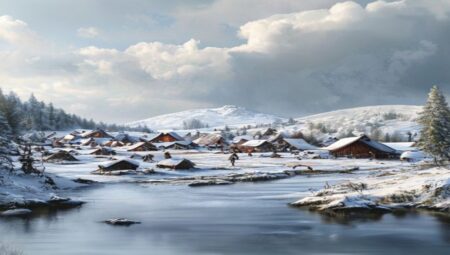
Sami artistic traditions transform the Arctic environment from mere scenery into a living, spiritual entity. The terrain functions as both subject and source of identity, shaping visual narratives across generations. Traditional duodji craftsmanship incorporates topographical patterns that mirror seasonal migration routes, while contemporary painters manipulate light and shadow to capture the extreme contrasts of polar winters and midnight sun periods. Rock carvings at Alta demonstrate how ancient communities recorded glacial formations and wildlife movements directly onto stone surfaces, establishing a visual vocabulary that persists in modern galleries.
- Topographical abstraction: Mountains, fjords, and tundra are rarely rendered photorealistically; instead, artists use geometric fragmentation to convey movement and atmospheric pressure.
- Chromatic symbolism: Deep indigo, oxidized copper green, and iron-red pigments reference soil composition, mineral deposits, and historical dye extraction methods tied to specific watersheds.
- Temporal layering: Artworks frequently juxtapose summer grazing grounds with winter ice sheets within a single composition, reflecting the Sami calendar’s cyclical nature rather than linear time.
The relationship between terrain and creativity extends beyond visual media. Joik performances function as acoustic landscapes, where vocal modulation mimics wind patterns across plateaus or water flow through frozen rivers. Modern practitioners integrate digital mapping tools to overlay ancestral migration data onto traditional painting techniques, creating hybrid works that document ecological shifts. Climate disruption has accelerated thematic evolution; contemporary exhibitions now display pieces that explicitly address permafrost degradation and shifting reindeer pastures, using fragmented canvas layers to represent environmental instability.
Regional variations remain critical to accurate analysis. Southern Sami territories emphasize forest-tundra transitions, while Northern Arctic zones prioritize ice dynamics and auroral phenomena. Museum collections across Tromsø, Kiruna, and Kautokeino preserve these distinctions through archival documentation that links material choices directly to local geography. Understanding these landscapes requires recognizing them not as passive backdrops but as active participants in cultural continuity.
Historical Evolution of Northern Terrain Depiction in Indigenous Crafts
Early Sami artistic traditions embedded topographical awareness directly into functional objects rather than treating landscape as a separate decorative motif. Pre-colonial duodji pieces relied on reindeer antler, birch root, and cured leather, materials that naturally fractured along geological lines. Artisans mapped glacial retreats, coastal inlets, and mountain ridges onto belt buckles, knife handles, and drum frames using geometric abstraction. These patterns functioned as navigational records and seasonal calendars, encoding terrain data through repetitive stitching angles and carved depth variations.
The medieval period introduced Christian iconography to northern workshops, yet terrain representation persisted beneath overt religious symbolism. Border motifs on ceremonial clothing shifted from purely symbolic animal forms to interlocking zigzag patterns that mirrored fjord topography and wind-sculpted snowdrifts. Wood carvers began incorporating subtle contour lines into tool handles, translating elevation changes into tactile ridges. Drum painters layered mineral pigments over reindeer hide to depict river networks and permafrost zones, using ochre and charcoal gradients to simulate light refraction across ice surfaces.
- Material Adaptation: Artisans selected birch root for flexibility in lowland weaving and hardened antler for high-altitude carving, directly aligning medium properties with specific terrain types.
- Symbolic Topography: River bends were rendered as continuous loops, mountain peaks as stacked triangles, and tundra plateaus as flat-hatched fields, creating a standardized visual language across regions.
- Seasonal Layering: Winter depictions emphasized sharp angular cuts and high-contrast carving, while summer works utilized softer curves and organic dye blending to reflect thawed ground and extended daylight.
During the nineteenth century, Scandinavian romanticism prompted a shift from utilitarian crafting to gallery-oriented landscape representation. Sami artists began producing larger-scale paintings and tapestries that documented glacial formations and aurora patterns with increasing cartographic precision. The transition preserved ancestral terrain knowledge while adopting Western perspective techniques. Contemporary practitioners continue this lineage, merging historical duodji methods with modern textile arts to document climate change impacts on northern ecosystems.
Symbolic Use of Glaciers, Fjords, and Tundra in Traditional Works
Traditional Sámi artistic expression rarely reproduces the Arctic environment through literal representation. Instead, glaciers, fjords, and tundra function as layered symbolic frameworks embedded in duodji craftsmanship, drum iconography, and textile weaving. Glacial forms appear primarily in bone and antler carvings where crystalline structures encode ancestral memory and temporal continuity. The slow movement of ice translates into spiral motifs that track celestial alignments and seasonal shifts, serving as visual calendars for hunting and migration cycles.
Fjord geometries emerge in coastal drum paintings and woven reindeer hides, structured as intersecting lines that map navigational routes between land and sea. These linear compositions reflect the Sámi understanding of waterways as conduits for spiritual exchange and economic survival, with depth indicated through strategic color gradations rather than perspective. The tundra landscape operates as an ecological blueprint within traditional patterning. Lichen clusters, moss beds, and dwarf shrub formations are abstracted into repetitive geometric grids that encode precise botanical knowledge and seasonal resource availability.
Symbolic weight distributes across mediums through consistent chromatic vocabulary rather than representational accuracy. The following color assignments follow established duodji conventions passed through generational apprenticeship:
- White denotes glacial purity and spiritual clarity
- Blue signals fjord connectivity and seasonal transit
- Earth tones anchor tundra motifs to terrestrial stability
Traditional belt weavers
Natural Pigments and Sustainable Materials in Landscape Artistry
Sami landscape artists historically derived their color palettes directly from the tundra, taiga, and coastal ecosystems they inhabited. Instead of synthetic compounds, craftsmen harvested lichen species such as Cetraria islandica for muted ochres, crushed crowberries and bilberries for deep purples, and iron-rich clay deposits to produce earthy reds and browns. Animal byproducts played an equally vital role; reindeer blood, when oxidized, yielded rich crimson tones, while rendered fat served as a binding medium that preserved pigment integrity across parchment and wood surfaces.
- Birch bark tar provided durable black pigments through controlled pyrolysis, creating water-resistant coatings for outdoor carvings and woven textiles.
- Copper-bearing minerals, though rare in northern latitudes, were traded along ancient routes to introduce subtle green accents in decorative boundary patterns.
- Fermented plant resins acted as fixatives, allowing layered applications without cracking during temperature fluctuations between -30°C and +15°C.
Sustainable harvesting remains embedded in traditional ecological knowledge. Artisans follow rotational foraging cycles, collecting only the upper third of lichen clusters to ensure regrowth, and avoid gathering berries before seed maturation. Modern practitioners continue these practices by partnering with local environmental cooperatives that monitor lichen recovery rates and soil pH levels. This stewardship directly influences contemporary landscape compositions, where muted gradients mimic seasonal tundra transitions rather than imposing artificial saturation.
The tactile quality of these natural materials shapes how Arctic environments are visually interpreted. Pigments ground on quartz slabs retain microscopic crystalline structures that scatter light similarly to snow crystals, producing a luminous depth unavailable in factory-mixed alternatives. When applied to reindeer hide or driftwood, the organic binders expand and contract with humidity changes, creating micro-fissures that echo permafrost thaw patterns. Contemporary Sami painters deliberately preserve these material behaviors, treating degradation not as damage but as a temporal record of climate conditions.
Core Visual Motifs and Environmental Narratives in Sami Creations
The visual language of Sami artistic expression operates as a direct transcription of Arctic ecological systems and ancestral survival strategies. Traditional duodji artisans translate environmental observation into highly codified symbolic forms, where every stitch and carving serves both utilitarian and cosmological functions. Reindeer motifs dominate textile embroidery and leatherwork, rendered through stylized antlers, hooves, and herding formations that map migration routes across tundra landscapes. These figures rarely appear in isolation; they are embedded within interlocking geometric grids that represent snowdrift patterns, glacial formations, and seasonal light shifts. The deliberate use of high-contrast color palettes—crimson, indigo, saffron, and forest green—functions as a chromatic calendar, signaling calving seasons, autumn rutting periods, and winter solstice transitions.
Environmental narratives emerge through material selection and structural adaptation. Arctic wool provides natural insulation while absorbing mineral pigments from lichen and berry extracts, creating dyes that shift subtly with temperature and humidity. Silver jewelry incorporates hammered repoussé techniques that mimic ice fracture lines and permafrost stratification, transforming geological processes into wearable topography. The circular sun symbol and crescent moon motifs appear in woven belts and drum borders, not as decorative elements but as navigational markers aligned with celestial cycles that dictate hunting windows and fishing expeditions.
- Reindeer Herding Patterns: Linear zigzags and parallel bands replicate herd movement across snowfields, encoding territorial knowledge passed through generational mapping.
- Seasonal Light Cycles: Alternating dark and light weave sections track midnight sun periods and polar night transitions, functioning as tactile chronometers.
- Flora-Based Symbolism: Rowan berry clusters, dwarf birch branches, and cloud lichen appear in cross-stitch configurations that document botanical availability and medicinal foraging routes.
These visual systems reject decorative abstraction in favor of environmental documentation. Each motif operates as a data point within a larger ecological ledger, where craftsmanship preserves climate adaptation strategies that modern Arctic communities continue to reference. The integration of spiritual cosmology into material form ensures that environmental narratives remain active rather than archival, maintaining continuous dialogue between artistic practice and landscape ecology.
Reindeer Migration Paths as Geographic and Spiritual Maps
The ancient reindeer migration routes carved through Fennoscandia’s tundra and taiga function as living cartographies that encode both ecological precision and cosmological structure. Sami artisans translate these seasonal trajectories into intricate visual and tactile systems, where every curve in a reindeer antler or geometric pattern on a traditional garment reflects centuries of territorial knowledge. These pathways follow precise altitudinal gradients, shifting from coastal winter pastures to inland summer grazing grounds, guided by subtle environmental indicators such as lichen density, wind erosion formations, and historical burial markers. Artists map these routes through symmetrical knotwork in silver jewelry, where interlocking loops represent seasonal turning points rather than decorative abstraction.
The spiritual dimension emerges through the concept of saivo—the invisible realm inhabited by ancestral forces—where migration corridors serve as transitional zones between the material landscape and sacred geography. Northern light patterns, permafrost layers, and river crossings are rendered in contemporary Sami painting not as passive scenery but as active participants in a reciprocal relationship between herd, human, and terrain. Traditional drum illustrations historically documented these paths using red ochre pigments aligned with celestial events, ensuring that navigational knowledge survived across generations without written records.
- Seasonal movement dictates the timing of artistic production, with specific motifs appearing only during lunar phases that mark calving grounds or highland crossing points.
- Modern duodji craftsmen continue this practice by selecting wood grain directionality to mirror historical trail networks, embedding geographic memory into functional objects.
- Ethnographic research confirms that migration route knowledge remains encoded in textile weaving techniques, where fiber tension and dye application correspond to elevation changes across traditional grazing territories.
This dual function—practical navigation fused with metaphysical mapping—demonstrates how Sami artistic expression operates as a decentralized archive, preserving ecological data through aesthetic form. Each carved antler segment, woven fiber interface, and painted drum surface becomes a coordinate system, translating topographical reality into cultural continuity without relying on external cartographic frameworks.
Aurora Borealis and Celestial Elements in Contemporary Compositions
Contemporary Sami artists have systematically reimagined the Aurora Borealis not as a transient meteorological event but as a continuous visual archive embedded in ancestral cosmology. Modern practitioners utilize high-gloss resin overlays, iridescent acrylic washes, and multi-layered textile weaves to replicate the chromatic shifts that historically dictated reindeer migration routes and seasonal rituals. The celestial sphere operates as both structural framework and thematic core, with lunar cycles, stellar constellations, and solar flares mapped onto traditional duodji geometry, digital embroidery, and large-scale installation formats. This deliberate visual translation bridges pre-colonial sky navigation with present-day climate advocacy, positioning atmospheric luminosity as a living repository of ecological knowledge.
Creative methodologies frequently depend on controlled light refraction techniques to simulate ionospheric particle collisions. Artists apply metallic leaf gradients, polarized glass fragments, and projected luminescent pigments to replicate the vertical movement of charged solar winds. Major exhibitions across Tromsø, Oslo, and northern Finland demonstrate how these luminous compositions intersect with Indigenous land rights discourse. The Northern Lights function as active narrative agents rather than decorative backdrops, requiring spatial immersion through directional lighting arrays and binaural audio integration.
- Spectral Frequency Mapping: Translating traditional joik vocal harmonics into precise color gradients using spectral analysis software.
- Atmospheric Data Integration: Embedding real-time magnetometer readings and auroral oval coordinates directly into canvas textures.
- Pattern Overlap Protocols: Superimposing gákti embroidery motifs with astrophysical star charts to disrupt conventional Western cartographic standards.
These structural innovations convert ephemeral sky displays into permanent archival records, ensuring that Arctic luminosity remains a foundational element of contemporary Indigenous visual culture while maintaining strict adherence to cultural provenance and scientific accuracy.
Seasonal Transitions and Ecological Rhythms in Visual Storytelling
Sami visual storytelling captures the Arctic not as a static backdrop but as a living chronometer. The annual cycle dictates composition, pigment selection, and symbolic motifs across traditional duodji carvings, contemporary paintings, and textile work. During the polar night, artists employ deep indigos, charcoal grays, and subtle violet undertones to convey the prolonged absence of solar radiation. Conversely, the midnight sun phase triggers high-contrast palettes featuring luminous ochres, stark whites, and sharp silhouettes that mirror extended daylight hours. These chromatic shifts are not merely aesthetic choices; they document ecological thresholds that dictate reindeer grazing patterns, ice stability, and plant germination cycles.
- Pigment Sourcing: Traditional artists extract iron-rich clays and lichen-derived dyes that naturally weather to match seasonal soil oxidation levels.
- Spatial Composition: Asymmetrical layouts reject western horizon lines, favoring cyclical framing that mirrors reindeer migration loops rather than linear perspective.
- Material Response: Birch bark and cured reindeer hide absorb moisture differently during thaw periods, intentionally warping to reflect environmental humidity shifts.
Traditional Sami drum paintings historically mapped celestial movements against terrain features, creating visual calendars that guided hunting routes and seasonal migrations. Modern practitioners continue this lineage by layering topographic precision with meteorological observation. The transition from spring thaw to summer growth appears in contemporary works through fractured ice geometries dissolving into fluid green washes, representing the delicate balance between frozen substrates and nutrient-rich runoff. Winter compositions often isolate reindeer antlers against blinding white expanses, emphasizing survival mechanics rather than romanticized wilderness.
Ecosystemic rhythms manifest through recurring structural elements: braided lines tracing river thaw patterns, concentric rings denoting ice thickness measurements, and animal track sequences that function as empirical records of environmental change. Artists frequently incorporate specific lichen species, snow depth variations, and wind-eroded rock formations as narrative anchors. These visual markers preserve indigenous ecological knowledge while documenting rapid climatic shifts. The deliberate pacing of seasonal depiction across a series allows viewers to experience temporal progression rather than isolated moments, reinforcing the Sami worldview where landscape, climate, and cultural practice operate as interdependent systems.
Spiritual Dimensions and Ancestral Knowledge in Arctic Imagery
Sami visual traditions do not merely depict the Arctic environment; they encode a living cosmology where landscape and spirituality are inseparable. Every mountain ridge, frozen lake, and birch grove functions as a node in a broader spiritual network. Artists historically approached natural elements not as passive scenery but as active participants in human survival and ritual practice. This perspective transforms polar imagery into a topographical map of sacred encounters.
Central to this worldview is the concept of sieidi, naturally occurring rock formations or geological features believed to house protective spirits. Depicting these sites required precise compositional restraint. Artists avoided romanticizing the terrain and instead emphasized structural continuity between stone, sky, and water. The resulting imagery reinforces reciprocity rather than domination over the environment.
- Sacred drum patterns map celestial cycles onto reindeer antler surfaces, translating astronomical observation into ritual guidance.
- Ancestral knowledge transfers through duodji craftsmanship, where tool geometry mirrors ecological adaptation strategies developed over centuries.
- Aurora imagery functions as a navigational and spiritual bridge, linking visible atmospheric phenomena with the realm of noaidi (shamanic intermediaries).
- Reindeer herding routes dictate seasonal visual motifs, embedding migration patterns into textile geometry and woodcarving sequences.
Ancestral knowledge operates through embodied practice rather than textual documentation. Contemporary Sami artists reference historical drum iconography by abstracting geometric relationships rather than copying literal symbols. This method preserves conceptual accuracy while allowing visual innovation. The Arctic becomes a repository of generational memory, where frost patterns, wind directions, and animal behavior carry encoded survival protocols. Visual art functions as an archival system, maintaining ecological literacy across environmental shifts. Ritual performance and material creation remain interconnected, ensuring that each artistic intervention continues to activate ancestral frameworks without reducing them to static historical artifacts. Pigment sourcing follows strict seasonal calendars, binding artistic output to lunar phases and reindeer calving cycles. This temporal alignment guarantees that spiritual expression remains synchronized with ecological rhythms rather than detached from them.
Sacred Geography and Mythological Landscapes in Indigenous Art
The Arctic environment operates as both physical territory and spiritual framework within Sami visual traditions. Rock paintings documented across coastal Norway, Sweden, and Finland reveal early cosmological mapping where animal figures, solar symbols, and ritualistic postures align precisely with seasonal migrations and celestial cycles. These compositions never functioned as decorative elements; they served as navigational markers for reindeer herding routes and sacred wayfinding systems that guided communities through extreme polar conditions. Contemporary practitioners continue this lineage by translating glacial valleys, permafrost plateaus, and frozen fjords into symbolic cart
Intergenerational Transmission of Environmental Wisdom Through Craft
The transfer of environmental knowledge within Sami communities relies heavily on tactile apprenticeship rather than written documentation. Artisans learn to read the landscape through material selection, understanding seasonal migration patterns, freeze-thaw cycles, and vegetation growth rhythms. When carving tools from reindeer antler or weaving baskets with birch bark, makers follow techniques refined over centuries. Each step requires precise timing dictated by natural conditions. Raw materials must be harvested during specific windows to ensure durability and cultural appropriateness. This practical education embeds ecological awareness directly into the creative process.
- Material Sourcing Protocols: Traditional gathering rules dictate which plants or animal parts are taken, how much is removed, and where harvest locations must remain undisturbed to preserve ecosystem balance.
- Seasonal Craft Cycles: Winter months focus on indoor woodworking and leatherwork, while spring and summer allow raw material collection, dye extraction from lichens, and outdoor loom setup.
- Motif Encoding: Geometric patterns in duodji often mirror topographical features, waterways, and animal tracks. These designs function as visual maps, teaching younger generations how to navigate and interpret terrain without modern instruments.
Sustainability emerges naturally from this knowledge system. Elders demonstrate how to process hides using fermented lichens, how to cure wood through smoke exposure, and how to select stones that withstand extreme temperature fluctuations. These methods prevent overharvesting and maintain long-term resource availability. Contemporary practitioners continue adapting these principles while addressing rapid climate shifts affecting Arctic flora and fauna. The continuity of craft ensures that ecological literacy remains active rather than historical. Each finished piece carries accumulated observations about weather patterns, soil composition, and wildlife behavior. This living archive supports cultural identity while reinforcing responsible land use across generations.
Global Preservation, Curation, and Sustainable Markets for Sami Arctic Art
The global conservation of Sami Arctic art requires specialized protocols that address both material degradation and cultural continuity. Traditional mediums such as reindeer hide, birch bark, and mineral-based pigments demand climate-controlled environments with strict humidity regulation to prevent fungal growth and structural collapse. Institutional archives now prioritize indigenous-led preservation frameworks, where Sami elders collaborate with conservation scientists to document ancestral techniques. These efforts extend beyond physical objects to include oral histories, seasonal mapping data, and traditional ecological knowledge that inform the artistic interpretation of Arctic landscapes.
- Ethical curation practices have shifted from static display models to collaborative exhibition strategies. Major international museums now mandate co-curatorship agreements with Sami cultural institutions before acquiring or displaying historical pieces.
- Contextual documentation accompanies every artwork, detailing the geographic origin, seasonal significance, and ritual purpose behind each landscape motif.
- Digital repatriation initiatives allow remote communities to access high-resolution archival materials while retaining physical custody in regional heritage centers.
Sustainable market development operates through transparent provenance tracking and direct economic partnerships between artists and collectors. Certification programs verify authenticity by cross-referencing traditional craftsmanship standards with contemporary production methods. Gallery networks implement revenue-sharing models that allocate a fixed percentage to language revitalization projects and land stewardship programs. Digital marketplaces now require sellers to disclose material sourcing practices and cultural permissions, reducing the circulation of appropriation-based reproductions. Auction houses have introduced ethical bidding guidelines that prioritize community consent over speculative pricing.
- Regional cooperatives establish fair pricing benchmarks by calculating labor hours, material scarcity, and cultural transmission costs.
- International art fairs now feature dedicated Sami pavilions where curators control narrative framing and visitor engagement protocols.
- Conservation grants fund artist residencies that merge traditional landscape observation with archival research techniques.
Long-term viability depends on continuous dialogue between heritage institutions, contemporary creators, and policy makers. Standardized documentation systems track artwork movement across borders while preventing unauthorized commercial exploitation. Emerging conservation technologies include multispectral imaging for pigment analysis and blockchain verification for ownership chains. Market participants must prioritize cultural sovereignty over aesthetic commodification to maintain the ecological and spiritual foundations that define Sami Arctic artistic expression.
Institutional Archiving and Digital Documentation Projects
Museum collections and university archives across Scandinavia and northern Russia have initiated comprehensive digitization campaigns to preserve Sami visual records depicting Arctic environments. These institutional efforts prioritize high-resolution photographic capture, multispectral imaging, and geospatial metadata tagging to maintain the contextual integrity of each artwork. Repositories such as the Sámi Museum Siida in Inari and the Tromsø University Museum have established centralized digital portals that aggregate sketches, photographs, textile patterns, and woodcarvings linked to seasonal migration routes and glacial topography.
Digital documentation frameworks rely on Dublin Core and CIDOC CRM standards to ensure interoperability across cross-border cultural networks. Metadata fields now capture indigenous place names, traditional ecological knowledge, and material provenance alongside standard cataloging data. This structured approach prevents the fragmentation of Sami artistic heritage within mainstream archival systems that historically prioritized Western classification models.
- High-Fidelity Scanning Protocols: Non-invasive 3D laser scanning preserves surface textures on traditional duodji artifacts and landscape-oriented paintings without degrading organic pigments or reindeer hide substrates.
- Community-Curated Databases: Collaborative digitization initiatives embed Sami knowledge keepers as metadata validators, ensuring linguistic accuracy in Ume Sámi, Inari Sámi, and North Sámi annotations.
- Open-Access Licensing Models: Creative Commons and institutional-specific usage agreements balance scholarly accessibility with cultural intellectual property rights, restricting commercial reproduction while enabling academic research.
Technological infrastructure continues to evolve through federated search architectures that link disparate archival nodes into unified discovery layers. Machine learning algorithms assist in pattern recognition across fragmented collections, identifying recurring landscape motifs such as tundra vegetation cycles, auroral phenomena, and ice fracture patterns. These computational methods accelerate cross-referencing without replacing human curatorial oversight.
Long-term preservation strategies incorporate climate-controlled digital migration cycles to counteract format obsolescence. Institutions now mandate periodic data refreshes across multiple geographic servers, aligning with international best practices for born-digital cultural assets. The convergence of archival science and indigenous knowledge systems establishes a reproducible model for safeguarding Arctic ecological narratives within Sami artistic traditions.
Ethical Exhibition Practices and Cross-Cultural Collaborations
Exhibiting Sami artistic representations of Arctic landscapes demands rigorous adherence to indigenous knowledge protocols and culturally responsive curation frameworks. Institutions must transition from extractive acquisition models to reciprocal partnership structures that center Sami agency throughout the lifecycle of a show. Free, Prior, and Informed Consent remains the foundational standard, requiring curators to negotiate usage rights directly with artist collectives, reindeer herding communities, and Sámi parliamentary cultural divisions before any artifact or digital reproduction leaves its origin context. Financial compensation must extend beyond honorariums to include long-term revenue sharing from merchandise, publishing, and licensing agreements tied to the exhibition.
Cross-cultural collaboration operates effectively only when non-Sami institutions relinquish curatorial authority over interpretation. Joint authorship models, where Sámi scholars, artists, and knowledge keepers co-design wall texts, audio guides, and spatial narratives, eliminate reductive wilderness tropes that historically marginalized indigenous presence. Exhibition designers should implement tiered access systems for culturally sensitive material, using cryptographic authentication or community-managed digital portals to regulate who views specific ritual objects or seasonal migration maps. Physical installations must avoid framing Arctic environments as untamed backdrops; instead, they should articulate the landscape as an active participant in Sami cosmology, economic systems, and linguistic structure.
- Co-curation mandates: Require minimum forty percent Sámi representation on advisory boards for any project involving traditional ecological knowledge or historical land-use documentation.
- Provenance transparency: Publish detailed chain-of-custody records for each artifact, highlighting extraction circumstances, community permissions, and repatriation pathways.
- Educational integration: Partner with Sámi universities to develop curriculum-aligned resources that accompany public programming, ensuring academic rigor replaces romanticized narratives.
Digital reproduction strategies further complicate ethical compliance. High-resolution scans of duodji craftsmanship or snow-pattern textile designs require metadata tagging that embeds traditional knowledge labels developed by the Local Contexts initiative. These standardized identifiers prevent unauthorized commercial replication and clarify usage boundaries across international platforms. When collaborating with non-indigenous photographers, painters, or multimedia artists documenting the same Arctic terrain, institutions must enforce clear contractual distinctions between homage and appropriation. Credit attribution should reference specific Sámi clans, dialect groups, and seasonal territories rather than aggregating creators under monolithic regional labels.
Sustainable exhibition ecosystems emerge when museums treat Sami artistic output as living intellectual property rather than static heritage. Regular impact assessments conducted by independent indigenous auditors track economic benefit distribution, visitor comprehension metrics, and community satisfaction scores. This accountability structure transforms temporary displays into enduring institutional commitments that respect Arctic ecological rhythms while amplifying Sámi voices on global cultural stages.
Community-Driven Education and Art Market Development Strategies
Community-led pedagogical frameworks in Sami regions prioritize intergenerational knowledge transfer over institutional standardization. Local workshops operate as living laboratories where elders demonstrate traditional carving, duodji craft techniques, and landscape mapping through oral narration. These programs integrate real-time ecological observation with artistic practice, ensuring that Arctic terrain representation remains grounded in lived experience rather than academic abstraction. Regional cooperatives coordinate curriculum development, aligning skill acquisition with contemporary market demands while preserving cultural authenticity.
- Apprenticeship Networks: Structured mentorship systems link master artisans with emerging creators across northern municipalities, establishing standardized competency benchmarks recognized by regional economic councils.
- Digital Archiving Initiatives: Community-managed repositories catalog historical landscape motifs, weathering patterns, and seasonal light conditions, providing researchers and artists with verified reference material for contemporary interpretation.
- Cross-Border Academic Partnerships: Joint programs between Sami universities and Arctic research institutes develop dual-track degrees combining ecological literacy with commercial art management, directly feeding qualified practitioners into regulated markets.
Market development strategies emerge directly from educational outcomes. Regional galleries function as sales incubators, implementing transparent pricing algorithms that factor in material sourcing costs, labor hours, and cultural significance metrics. Direct-to-collector platforms operate under community governance, eliminating intermediary markups while enforcing strict provenance documentation. Ethical licensing frameworks protect traditional Arctic composition patterns from unauthorized reproduction, with revenue streams reinvested into local training facilities.
Economic sustainability relies on three operational mechanisms:
- Cooperative Distribution Models: Artist collectives negotiate bulk exhibition contracts, shared logistics networks, and unified insurance policies, reducing individual financial exposure while expanding geographic market reach.
- Curated Cultural Tourism Integration: Guided studio visits synchronized with seasonal Arctic events create predictable demand cycles, allowing creators to forecast production schedules and maintain consistent inventory flow.
- Regulatory Compliance Infrastructure: Dedicated legal teams within community boards handle export documentation, cultural heritage assessments, and international copyright registrations, ensuring seamless cross-border transactions without compromising territorial sovereignty.
Performance tracking utilizes localized economic indicators rather than global art market indices. Success metrics include skill retention rates, local employment generation, motif innovation frequency, and revenue distribution equity. This measurement approach prevents cultural commodification while maintaining competitive positioning in premium contemporary markets. Continuous feedback loops between educators, practitioners, and regional policymakers ensure adaptive strategy refinement aligned with long-term cultural preservation objectives.
“`html
Arctic Landscapes in Sami Artistic Expression – FAQ
What is Arctic Landscapes in Sami Artistic Expression?
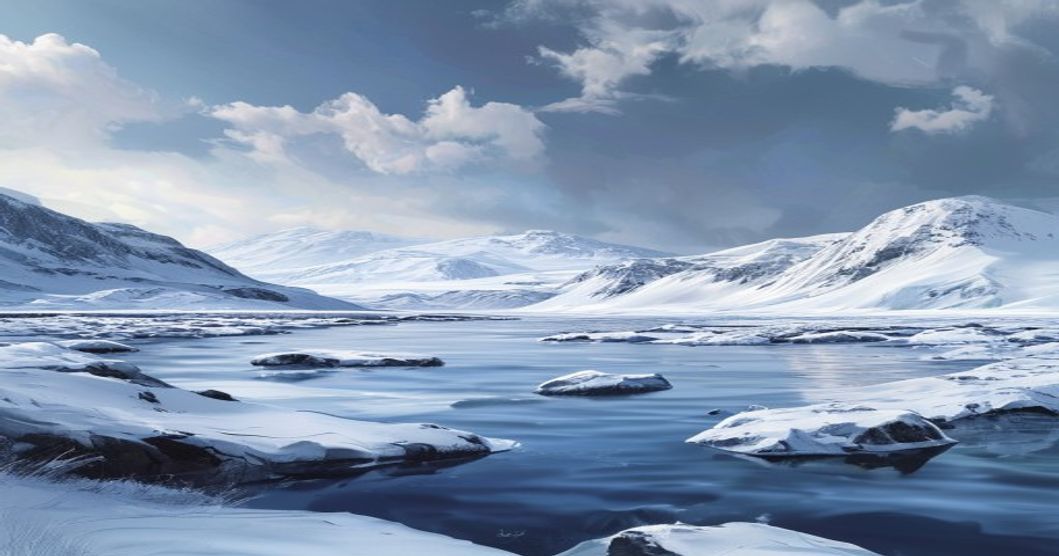
Arctic Landscapes in Sami Artistic Expression refers to the traditional and contemporary visual representation of northern environments, including vast tundra, snow-covered mountains, frozen seas, and aurora borealis, as depicted by the indigenous Sámi people. These artworks often symbolize a deep spiritual connection to nature, seasonal cycles, reindeer herding, and the resilience of Arctic life.
Key facts about Arctic Landscapes in Sami Artistic Expression.
- Sámi artists traditionally use natural pigments and materials like birch bark, reindeer antler, and wool.
- Modern Sámi art frequently blends traditional duodji (handicraft) techniques with contemporary mediums such as painting, digital media, and installation art.
- The Arctic landscape is not merely a backdrop but a central character that reflects cultural identity, ecological awareness, and historical narratives.
- UNESCO recognizes Sámi culture and its artistic expressions as vital intangible heritage of the circumpolar North.
“`