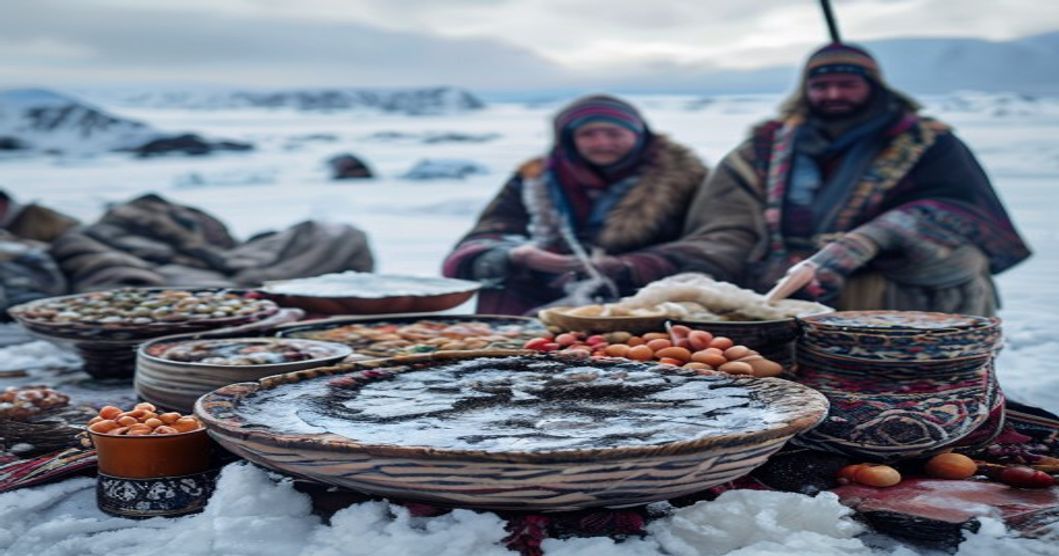
Sami Hospitality Traditions in the Arctic
The Arctic landscape demands resilience, and Sami hospitality traditions evolved as a direct response to extreme environmental conditions. For centuries, indigenous communities across Sápmi have maintained a cultural framework where welcoming strangers was not merely etiquette but a survival mechanism. Isolated settlements required mutual aid during harsh winters, sudden storms, or failed hunting expeditions. This necessity transformed into a deeply ingrained social contract that prioritized collective well-being over individual accumulation.
Generosity operates as the cornerstone of traditional Sami guest reception. Hosts routinely allocate the finest portions of reindeer meat, preserved fish, and handcrafted dairy to visitors without expectation of reciprocity. Resource distribution follows strict egalitarian principles rooted in reindeer pastoralism, where herd management requires constant collaboration across family lines. The concept of right of access to grazing lands reinforces this open-door mentality, ensuring that travelers moving between seasonal pastures receive shelter and sustenance regardless of their origin.
- Lavvu or turist accommodation: Traditional conical tents feature central hearths surrounded by layered reindeer hides, creating thermal zones for different guests based on age and status.
- Coffee ceremonies: Boiling coffee served in shared cups marks the transition from travel to rest, accompanied by storytelling sessions preserving genealogical knowledge and survival techniques.
- Gift exchange protocols: Visitors often present hand-knitted wool socks or carved wooden tools upon departure, establishing long-term relational networks that extend beyond immediate encounters.
Food preparation methods reflect deep ecological knowledge. Reindeer antler knives, bone needles, and cured meat preservation techniques enable hosts to offer nutritionally dense meals during months of complete darkness. The communal dining space eliminates hierarchical seating arrangements, reinforcing the philosophical view that all participants contribute equally to group survival. Modern archaeologists document how these practices minimized frostbite rates and starvation among traveling reindeer herders.
Contemporary Sami families actively preserve these customs through cultural centers and seasonal festivals. Educational programs teach younger generations traditional hospitality mechanics while adapting infrastructure for sustainable tourism. Digital archives record elder interviews detailing precise guest interaction sequences, ensuring that core values remain intact despite geographic displacement and climate shifts affecting northern ecosystems.
Geographical Context and Climate Influences on Guest Relations
The Arctic environment dictates every aspect of Sami hospitality, from the physical structure of guest spaces to the rhythm of social interactions. Extreme cold, prolonged darkness during winter months, and sudden weather shifts require architecture that prioritizes thermal efficiency and communal warmth. Traditional lavvu tents and modern interpretations maintain a central hearth not merely for heating but as a focal point for gathering, storytelling, and sharing meals. This geographical reality fosters a hospitality model built on mutual dependence rather than formal service protocols. Guests are integrated into survival routines, learning to navigate snow conditions, respect seasonal boundaries, and participate in reindeer herding activities that define the landscape. Climate unpredictability reinforces trust-based interactions; sudden blizzards or frozen waterways transform hospitality from a transactional exchange into a shared necessity.
Key geographical factors shaping guest relations include:
- Permafrost stability dictates foundation design and waste disposal methods, requiring visitors to follow strict environmental protocols before settling in.
- Snow depth and wind direction determine transportation modes, directly influencing itinerary flexibility and the duration of stays at remote homesteads.
- Polar night cycles shift social dynamics indoors, emphasizing communal storytelling and shared thermal spaces over outdoor demonstrations.
The short summer season concentrates social activity, leading to intense community events where food preservation techniques like drying fish or smoking meat directly influence guest menus. Modern infrastructure adapts to shifting precipitation patterns, yet the core principle remains unchanged: shelter is earned through participation, not purchased as a luxury. Understanding these environmental constraints explains why Sami guest relations emphasize patience, adaptability, and deep respect for natural cycles. Visitors who approach the experience without recognizing these geographical imperatives often miss the cultural nuances that make Arctic hospitality distinct. The landscape does not accommodate comfort on demand; it demands engagement. This reciprocal relationship between terrain and tradition shapes every interaction, from guided dog sledding routes chosen by wind patterns to evening conversations centered around firelight when daylight vanishes for weeks. Geographic isolation further strengthens these bonds, as remote settlements rely on shared resources and collective knowledge rather than commercial hospitality networks. Climate change introduces new variables, altering snow quality and wildlife migration routes, yet the foundational approach to hosting remains anchored in centuries of environmental adaptation.
Historical Roots of Northern Nomadic Welcome Practices
The historical framework of northern nomadic welcome practices emerges directly from ecological constraints and seasonal migratory patterns across Fennoscandian territories. Long before modern territorial boundaries, Sami communities structured their survival around reindeer herding routes that spanned hundreds of kilometers. Encounters between strangers in remote subarctic zones operated under strict reciprocity protocols. Archaeological evidence and early ethnographic records confirm that hospitality functioned as a logistical necessity rather than optional courtesy. When travelers reached unfamiliar camps, immediate resource allocation prevented starvation during sudden weather shifts or failed hunting expeditions.
The architectural and spatial design of the goahti dictated initial welcome procedures. Hosts directed newcomers toward the central hearth, where temperature regulation determined physical survival. Provision sequences followed predictable patterns: dried venison strips, cloudberry compote, reindeer milk curds, and bone broth. These foods were specifically selected for rapid caloric restoration and vitamin preservation during polar nights. Exchange rituals involved immediate placement of handcrafted items near the entrance. Carved antler toggles, knitted wool socks, or copper wire beads signaled peaceful intent and established baseline trust without verbal negotiation.
- Kinship verification through regional dialect markers determined hospitality priority levels
- Reindeer migration corridors operated as informal diplomatic routes for cross-clan resource sharing
- Spiritual acknowledgment rituals preceded all shared meals to honor land and animal spirits
- Seasonal assembly grounds functioned as neutral territories for dispute resolution and trade negotiations
Nineteenth-century explorers, tax collectors, and missionary chroniclers consistently documented how these welcome systems sustained extensive exchange networks across unmarked landscapes. Fur trappers, iron merchants, and displaced families navigated using established hospitality waypoints rather than modern cartography. Oral contracts replaced written agreements, enforced through reciprocal gift cycles and community memory. Breaching welcome customs resulted in immediate route exclusion, effectively serving as decentralized social regulation.
Subsequent colonial policies and commercial expansion gradually altered surface-level interactions, yet foundational operational logic persisted. Contemporary Sami hospitality institutions preserve ancestral protocols by maintaining hearth-centered gatherings, enforcing equitable resource distribution, and aligning service schedules with traditional movement calendars. The uninterrupted transmission of these practices illustrates how environmental adaptation solidified into permanent cultural infrastructure.
Core Values Governing Traditional Sámi Guest Reception
Traditional Sámi guest reception operates on a foundation of ecological harmony and communal equity rather than formalized service protocols. The landscape dictates the rhythm of hospitality, requiring hosts to prioritize survival knowledge over theatrical gestures. When travelers approach a lavvu or goahti, the primary obligation centers on resource distribution without depletion. Meat from reindeer herds, dried fish, and preserved botanicals are shared based on immediate physiological need rather than social status. This egalitarian framework eliminates hierarchical interactions and establishes mutual dependency between host and visitor.
Silence functions as a deliberate communicative tool within Sámi hospitality. Loud exclamations or excessive questioning disrupt the atmospheric balance required for safe navigation through Arctic terrain. Hosts observe guests quietly, allowing natural conversation to emerge only when warmth and food have stabilized the visitor’s physical state. This restraint reflects a broader cultural understanding that nature demands patience and measured responses. Environmental awareness directly shapes reception strategies, as weather shifts and animal migrations require constant adaptation.
Reciprocity remains the structural backbone of traditional encounters. Visitors are expected to contribute labor, practical skills, or historical accounts rather than expecting unconditional provision. The exchange creates a temporary kinship network that extends beyond the immediate shelter. Spiritual reverence for ancestral territories further shapes reception practices. Hosts guide guests through specific natural markers, explaining seasonal patterns and sacred sites without commercializing the landscape. This educational component transforms casual visits into intergenerational knowledge transfer.
- Resource Equity: Food and shelter distribute according to physiological necessity rather than economic exchange or social hierarchy.
- Environmental Attunement: Reception protocols shift instantly based on weather patterns, animal movements, and terrain conditions.
- Non-Intrusive Observation: Hosts monitor guest comfort through indirect cues, avoiding forced interaction or ceremonial displays.
- Kinship Expansion: Temporary social bonds form through shared labor, storytelling, and mutual navigation of harsh climates.
These values persist because they directly correlate with survival in extreme northern ecosystems. Modern interpretations often overlook how restraint and resource management function as active hospitality strategies rather than passive cultural remnants. The Sámi approach demonstrates that genuine guest reception requires ecological literacy, adaptive communication, and a fundamental rejection of transactional service models.
Traditional Arctic Accommodations for Visitors
Traditional Sami dwellings offer visitors a direct connection to centuries-old survival strategies and warm communal living practices adapted to extreme polar conditions. The iconic lavvu, or goahti, serves as the primary shelter across northern Fennoscandia, constructed from wooden poles, reindeer hides, and insulating moss layers that naturally regulate interior temperature. Modern cultural homestays preserve this architectural logic while integrating sustainable heating systems and weather-resistant materials that maintain historical authenticity. Guests typically experience overnight stays in these structures during winter expeditions or summer highland migrations, where hosts demonstrate traditional craft techniques alongside seasonal food preservation methods.
Arctic hospitality centers on reciprocal exchange rather than commercial transaction. Visitors participating in guided homestay programs receive personalized instruction on reindeer herding cycles, ice navigation, and wild plant foraging. Host families prepare meals using heritage ingredients such as smoked moose, lingonberry compote, and fermented salmon, served alongside hand-carved
Inside the Lavvu: Structure, Layout, and Cultural Significance
The lavvu operates as a mobile survival system engineered specifically for Arctic hospitality and extreme environmental adaptation. Its structural framework consists of flexible birch or pine poles arranged in a conical pattern, lashed together at the apex with reindeer sinew. This tension-based design allows the dwelling to flex under heavy snow loads while maintaining geometric stability. Outer walls receive multiple layers of cured reindeer hides, stitched vertically and anchored to the ground using wooden pegs and weighted stones. The entrance aperture deliberately faces eastward, capturing early solar radiation while deflecting prevailing westerly winds.
Interior spatial organization follows a precise functional hierarchy radiating outward from the central hearth. The open fire pit occupies the exact center, providing radiant warmth for temperature regulation and serving as the primary cooking apparatus. A calculated gap at the roof peak facilitates continuous smoke evacuation, preventing oxygen depletion and maintaining air quality during prolonged occupancy. Seating zones correspond directly to social function and guest status. The rear quadrant opposite the doorway remains reserved for elders and honored visitors, where thick reindeer pelts are layered over insulated wooden platforms. The middle sector accommodates active participants managing food preparation, tool maintenance, and knowledge transmission. The peripheral corridor near the entrance stays strictly clear to enable rapid movement during sudden weather changes.
- Cultural protocols dictate every interaction within this architectural space. New arrivals receive immediate hospitality through warm reindeer milk or smoked meat, establishing mutual trust before any commercial or diplomatic exchange begins.
- Cooking vessels hang from iron brackets attached to the central support pole, allowing suspended heat distribution without direct flame exposure.
- Perimeter walls feature dedicated storage compartments for preserved game, medicinal lichen, and ceremonial artifacts, keeping essential resources dry during rapid temperature fluctuations.
Daily maintenance requires occupants to rotate hide sections continuously, preventing structural sagging and extending material lifespan across decades of seasonal reindeer migration. The design inherently enforces collective responsibility, eliminating hierarchical seating arrangements and reinforcing communal survival principles that define Sami hospitality traditions.
Seasonal Shelter Adaptations Across Winter and Summer Months
Winter hospitality in the Arctic demands precise architectural responses. Sami hosts construct insulated lodges using layered reindeer hides, compacted snow blocks, and tightly woven birch poles. The central hearth operates at a calculated elevation to circulate warm air without condensation damage, while a strategically positioned smoke hole maintains oxygen flow during prolonged gatherings. Interior zoning separates the host family’s sleeping platform from guest areas, ensuring visitors receive prime seating near the heat source—a non-negotiable element of Arctic courtesy. Structural integrity relies on diagonal lashing techniques that accommodate wind shear exceeding sixty kilometers per hour, allowing rapid disassembly when migration routes shift.
- Capacity management: Winter structures scale to host twelve to fifteen travelers simultaneously through tiered sleeping platforms and modular wall extensions.
- Thermal regulation: Hosts apply reindeer fat to hide interiors to block drafts while preserving natural breathability during extended occupancy.
- Hygiene protocols: Snow-packed flooring absorbs moisture from footwear, preventing slip hazards and maintaining dry conditions for guest rest areas.
Summer operations require fundamentally different engineering priorities. Ventilation replaces insulation as the primary concern. Lightweight frameworks utilize flexible willow branches and breathable canvas stretched taut over arched supports. Hosts orient entrance flaps away from prevailing winds while positioning sleeping mats on elevated gravel beds to prevent dampness and insect infiltration. Temporary camp layouts follow water sources and reindeer grazing patterns, enabling swift relocation without compromising hospitality standards. Guests arriving during brief Arctic summers receive immediate access to cool resting spaces, prepared fish stores, and ventilation-ready arrangements that prioritize thermal comfort over retention.
- Airflow engineering: Cross-ventilation channels form naturally when host families angle support poles toward low-pressure zones, eliminating stagnant heat buildup.
- Material processing: Summer canvas undergoes boiling and stretching cycles to shrink fibers, creating tight weaves that block midges while permitting rapid drying after precipitation.
- Spatial hierarchy: Elderly travelers and young children occupy the windward side near stored provisions, while younger hosts manage perimeter tasks away from primary gathering zones.
Both seasonal models operate within strict resource allocation protocols. Host families monitor snow depth, ice thickness, and vegetation cycles to determine shelter lifespan. Materials are harvested sustainably: birch bark for roofing layers, reindeer sinew for cordage, and compacted earth for thermal mass in fixed winter sites. Hospitality extends beyond physical space; it encompasses knowledge transfer regarding navigation, weather reading, and emergency survival techniques shared around the fire. Structural adaptations directly enable these exchanges by maintaining stable microclimates that allow extended stays without exhaustion or resource depletion. Modern climate shifts have accelerated shelter rotation cycles, forcing hosts to integrate traditional ice-reading practices with real-time satellite monitoring for accurate site selection.
Culinary Customs and Shared Meals in Sámi Culture
The foundation of Sámi hospitality rests on a deep understanding of Arctic ecology and seasonal resource management. Traditional meals prioritize sustainably harvested ingredients: reindeer meat forms the dietary cornerstone, complemented by wild-caught fish such as trout and char, alongside foraged berries including cloudberries, crowberries, and bilberries. Cooking techniques evolved to preserve nutrients and withstand extreme climates. Smoking over alder or birch wood creates suovas, a cured reindeer product with distinct aromatic qualities that naturally inhibits bacterial growth. Fermentation appears in muos, a blood sausage prepared by mixing fresh reindeer or moose blood with barley flour and fat, then simmering in stomach or intestine casings. Flatbreads like leiváhtu bake directly on hot stones over open fires, yielding a dense, energy-dense staple that travels well across frozen landscapes.
- Meat Preparation: Reindeer carcasses are utilized entirely; tenderloin serves fresh preparations while tougher cuts undergo slow smoking or drying into jerky for winter stores.
- Fish Preservation: Arctic char and salmon are split, salted, and wind-dried on wooden racks, often supplemented with cold-smoking over peat fires to enhance shelf life.
- Berry Processing: Cloudberries ferment naturally in clay pots or are boiled with sugar into thick preserves that function as both dessert and medicinal tonic during long winters.
Communal dining operates through strict reciprocity protocols rather than formal etiquette. Guests occupy designated seats near the fire, reflecting status and kinship ties. Hosts serve portions sequentially, beginning with elders or visitors of honor, reinforcing social cohesion across clan networks. Refusing offered food requires contextual justification; acceptance demonstrates respect for host labor and seasonal survival efforts. Meals rarely conclude until all participants indicate satiety through deliberate pacing rather than explicit statements. The lavvu or turku dwelling structure physically centers the gathering around a smoke vented hearth, where conversation flows alongside meal service.
Seasonal shifts dictate culinary priorities without abandoning core traditions. Spring brings calving season preparations requiring rapid meat curing before spoilage risks emerge. Summer emphasizes wild herb gathering and fresh fish consumption, while autumn focuses on berry harvesting and reindeer fat rendering for winter preservation. Contemporary Sámi households maintain these practices through intergenerational knowledge transfer, adapting storage methods to modern refrigeration while preserving smoking techniques and fermentation timelines that define authentic flavor profiles.
Reindeer-Based Dishes and Traditional Preservation Methods
The reindeer occupies a central position in Sami hospitality, functioning not merely as sustenance but as a profound cultural bridge between host and guest. In Arctic communities where resources are limited and seasonal shifts dictate survival, offering reindeer-based meals signals deep respect and communal trust. Every anatomical component is utilized with precision, transforming harsh climatic conditions into culinary advantages through generations of observed ecological patterns.
Traditional Sami cuisine relies heavily on specific preparations that highlight the meat’s natural flavor while ensuring longevity across extended migrations. Suovas, a finely sliced reindeer sausage smoked over open fires fueled by birch wood or dried reindeer dung, stands as the most recognizable dish. Gierie and rihppu represent air-dried reindeer meat, cured through controlled dehydration in freezing temperatures. These methods strip moisture without compromising protein integrity, creating lightweight provisions that sustain travelers during long seasonal movements.
- Suovas Preparation: Meat is hand-cut into thin strips, lightly salted, then hung above low-temperature fires for several days to develop a distinct smoky profile and inhibit microbial activity.
- Dried Meat Processing: Slices are laid on wooden racks or spread across frozen ground during winter months. Natural winds and subzero temperatures accelerate dehydration while preserving essential nutrients.
- Blood Preservation: Fresh reindeer blood is collected immediately after slaughter, mixed with barley flour or grains, and fermented in sealed containers to produce gáhkku. Fermentation relies on lactic acid bacteria naturally present in the tissue, creating an acidic environment that prevents spoilage during prolonged storage.
Hospitality protocols dictate how these foods are presented. Guests receive suovas alongside cloudberry jam or boiled potatoes, emphasizing balance between preserved proteins and seasonal foraged ingredients. The act of sharing a single reindeer across multiple meals reinforces intergenerational knowledge transfer and ecological stewardship. Modern Sami households maintain these practices as living traditions that adapt to contemporary food safety standards while preserving ancestral techniques essential for Arctic resilience.
Wild Berries, Lichen, and Foraged Ingredients on the Guest Table
The Sami relationship with Arctic flora transforms seasonal scarcity into culinary precision. Wild berries such as cloudberries (Rubus chamaemorus), bilberries (Vaccinium myrtillus), and crowberries (Empetrum nigrum) form the foundation of traditional provisioning networks across Fennoscandian tundra regions. These fruits develop extended maturation cycles under short growing seasons, accumulating high concentrations of anthocyanins, vitamin C, and omega-3 fatty acids that historically sustained populations through harsh winters. Harvesting follows strictly observed phenological markers rather than calendar dates; foragers monitor soil temperature, daylight duration, and bird migration patterns to determine optimal picking windows. Traditional collection relies on woven willow baskets lined with birch bark, a method that prevents crushing delicate fruit skins while allowing airflow during transport.
Preservation techniques remain deeply integrated into Sami food systems. Drying occurs naturally on wooden racks positioned near hearths or exposed to consistent wind currents across open plateaus. Fermentation utilizes sealed bone containers filled with lard or reindeer fat, creating anaerobic environments that halt spoilage without refrigeration. Reindeer lichen (Cetraria islandica) undergoes repeated boiling and leaching to remove usnic acid before grinding into fine flour for flatbread preparation. Modern ecological monitoring confirms that controlled harvesting pressure actually stimulates renewed fruiting bodies in surrounding microhabitats, demonstrating an inherent understanding of sustainable yield management long before contemporary conservation frameworks emerged.
When presented to guests, these ingredients operate as both sustenance and cultural documentation. A single table setting may feature dried cloudberries rehydrated in warm reindeer milk, lichen-infused broth clarified through multiple straining stages, or crowberry compote paired with fermented fish roe. The preparation sequence follows strict generational protocols; elders verify ingredient quality by texture, aroma intensity, and natural color saturation before any cooking begins. Nutritional density remains critical in Arctic hospitality, where caloric efficiency dictates social exchange. Each foraged component carries documented medicinal properties recognized through centuries of observational tracking, including anti-inflammatory compounds in bilberries and digestive enzymes preserved during fat-sealed fermentation. The guest table functions as a living archive where ecological knowledge, survival strategy, and community reciprocity intersect without reliance on industrial supply chains.
Coffee Ceremonies and Warm Beverages as Welcoming Rituals
In the Arctic environment where temperatures plummet and daylight shifts dramatically across seasons, shared warmth operates as both a survival mechanism and a cultural cornerstone. Traditional Sámi hospitality centers on beverages that deliver immediate physiological relief while facilitating social reconnection. Historically, reindeer milk, birch sap infusions, and strong black tea formed the foundation of these practices. As trade routes expanded during the eighteenth century, roasted coffee beans entered northern communities through Scandinavian merchants. The dark roast quickly replaced cooler alternatives because its high caffeine content combats fatigue, while the thermal mass provides sustained core temperature regulation during long hunting expeditions or reindeer migrations.
Rituals, Symbolism, and Artistic Expression During Visits
The arrival of a guest within Sami hospitality frameworks initiates a structured sequence of ceremonial exchanges deeply rooted in ancestral protocols. Upon entering the lavvu, visitors encounter a meticulously arranged spatial hierarchy where seating positions reflect communal roles and seasonal cycles. The central hearth operates not merely as a heat source but as a living axis mundi, anchoring all subsequent interactions. Hosts present newly crafted duodji items typically carved reindeer antler utensils or woven wool textiles as immediate tokens of welcome. These objects carry encoded meanings; the spiral motifs represent cyclical time and migration routes, while specific knot patterns denote familial lineages and territorial stewardship.
- Ritual Cleansing and Orientation: Guests receive a ceremonial wipe with dried moss or lichen followed by directional blessings. This practice aligns the visitor with the four cardinal points, each associated with distinct seasonal activities and spiritual guardians.
- Shared Sustenance Protocols: Food distribution follows strict ancestral rules. Reindeer meat is portioned according to age and status, while fermented dairy and cloudberries are served in communal copper vessels that have been passed through generations. The first sip of reindeer blood wine symbolizes trust and vulnerability between host and guest.
- Sonic and Visual Storytelling: Artistic expression manifests through spontaneous joik performances that map personal and geographical histories onto the acoustic environment. Hand drums feature painted cosmograms illustrating migration paths, celestial navigation markers, and ancestral encounters. These visual narratives function as oral history archives during prolonged winter visits.
Artistic production within hospitality spaces operates as both preservation mechanism and pedagogical tool. Weavers demonstrate tension-weaving techniques using reindeer sinew thread, explaining how material scarcity drives aesthetic innovation. Carvers transform fallen antlers into functional art, embedding symbolic teeth marks that denote successful hunts and ecological balance. The integration of these practices during visits transforms passive observation into participatory cultural transmission. Guests frequently receive small crafted items as mnemonic anchors, ensuring the continuity of tactile heritage beyond the immediate encounter. This structured exchange maintains intergenerational knowledge flow while reinforcing territorial claims through embodied practice. The deliberate pacing of rituals prevents cultural commodification, anchoring hospitality in reciprocal obligation rather than transactional exchange. Each gesture, from the arrangement of birch branches at the entrance to the specific pitch of a concluding joik, operates as a verified marker of authentic Sami spatial governance and ecological reciprocity.
The Role of Joik in Creating a Welcoming Atmosphere
Joik functions as a foundational acoustic element within Sami hospitality frameworks, operating far beyond conventional entertainment. This traditional vocal practice employs sustained melodic lines, rhythmic breathing patterns, and phonetic structures that mirror Arctic landscapes rather than narrating them. When introduced to visitors in cultural lodges or wilderness camps, the immediate sonic environment shifts from passive listening to active spatial awareness.
The acoustic properties of Joik directly influence guest physiological responses. Lower frequency vocalizations synchronize with natural wind patterns and reindeer bell rhythms commonly present in tundra settings. This synchronization reduces cortisol levels while increasing parasympathetic nervous system activity, establishing a baseline state of receptivity. Hospitality practitioners deliberately time vocal performances around meal preparations or evening gatherings to align circadian rhythms with seasonal light cycles. The absence of Western harmonic progression forces listeners to process sound spatially rather than structurally, which accelerates cultural immersion.
- Sonic boundary dissolution: Continuous melodic loops erase architectural acoustics, making enclosed timber structures feel expansive and aligned with surrounding terrain.
- Ancestral presence simulation: Call-and-response vocal techniques generate perceived communal occupancy, transforming solitary guests into integrated participants within a living cultural continuum.
- Environmental attunement: Pitch modulation tracks real-time weather shifts, reinforcing guest awareness of microclimate changes and fostering adaptive hospitality protocols.
Modern Arctic hospitality operations integrate these vocal traditions through guided acoustic sessions rather than staged performances. Trained Sami sound practitioners adjust volume ranges based on group size, ambient temperature, and seasonal migration patterns. This precision ensures the audio environment remains restorative rather than overwhelming. Visitors experience immediate psychological safety when traditional vocal frameworks replace conventional background music systems. The practice establishes predictable auditory landmarks that reduce navigation anxiety in unfamiliar wilderness settings while simultaneously transmitting epistemological frameworks about land stewardship and communal reciprocity.
Sámi Duodji Crafts and Handmade Guest Souvenirs
The Sámi concept of Duodji transcends simple handicraft production; it represents a living continuum of Arctic survival knowledge, aesthetic philosophy, and intergenerational transmission. For hospitality guests seeking meaningful connections with Lapland’s indigenous heritage, authentic Duodji items serve as tangible records of reindeer herding cycles, seasonal migration patterns, and climate-adaptive resource management. Each piece requires months of preparation, beginning with raw material sourcing that strictly follows Sámi land-use protocols. Genuine artisans harvest birch roots during early spring when sap flow maximizes flexibility, process reindeer hides using traditional smoking techniques over peat fires, and spin wool without synthetic additives. These methods produce goods that naturally weather Arctic conditions while developing unique patinas over time.
- Regional styling variations distinguish northern Sámi motifs, which emphasize geometric symmetry and copper wire embroidery, from southern designs featuring bold floral patterns and silver button accents
- Certification remains critical in the souvenir market. The official Duodji trademark, administered by the Sámi Duodji association, guarantees direct artisan production and prohibits factory replication
- Authentic pieces display subtle irregularities in stitching tension, natural material color variations, and maker identification stamps rather than uniform machine precision
Guests acquiring handmade souvenirs should prioritize direct engagement with registered craft centers or seasonal Arctic markets where artisans demonstrate live techniques. Purchasing through certified channels ensures revenue flows directly into Sámi household economies rather than intermediate distributors. Many hospitality venues now partner with local Duodji cooperatives to curate authentic gift selections that align with sustainable tourism standards. These partnerships typically include provenance documentation detailing the creator’s region, material origin, and traditional technique employed. Digital verification systems increasingly require buyers to scan QR codes linked to artisan registries, confirming ethical sourcing and craftsmanship lineage. Maintaining these items requires minimal care; occasional brushing of wool surfaces, avoidance of direct sunlight, and proper storage prevent material degradation without compromising structural integrity.
Investing in certified Duodji crafts supports cultural preservation while providing guests with durable artifacts that reflect Arctic craftsmanship standards. The economic model surrounding these pieces demonstrates how
Narrative Traditions Passed Through Generational Campfire Tales
The preservation of Sámi ecological and cultural knowledge relies heavily on oral transmission during extended Arctic nights. Campfire gatherings function as dynamic archives where elders decode environmental signals through layered storytelling. These narratives encode precise navigational routes across frozen tundra, seasonal migration patterns for reindeer herds, and safe passage protocols around unstable ice formations. Each tale operates as a multidimensional survival manual disguised as entertainment.
The structural integrity of these stories depends on rhythmic repetition, strategic pauses, and deliberate modulation of vocal tone to match atmospheric conditions. Younger participants absorb practical meteorology through allegorical accounts of storm spirits and wind deities. Hospitality frameworks embedded in these sessions establish immediate relational boundaries between hosts and visitors. Guests receive curated narratives that map territory ownership, resource sharing agreements, and historical precedents for cross-community trade.
The campfire serves as both boundary marker and diplomatic space where outsiders learn acceptable conduct through metaphorical warning tales. Elders deliberately select story fragments based on guest background, adjusting narrative complexity to bridge cultural gaps without compromising core Sámi worldview. Audio memory techniques dominate this tradition. Joik sequences interleave with prose accounts, creating mnemonic anchors that withstand generations of linguistic evolution.
- Mnemonic Anchoring: Repetitive cadence patterns enable accurate recall across decades
- Territorial Mapping: Landscape features become permanent reference points within narrative coordinates
- Ethical Transmission: Resource boundaries and reciprocity rules embed directly into character motivations
Environmental storytelling extends beyond the fire pit. Aurora patterns, animal track formations, and glacial shifts become active narrative components during dawn recitations. These practices maintain operational continuity for reindeer husbandry while reinforcing communal responsibility networks. Modern Arctic communities preserve these frameworks through structured mentorship cycles rather than institutional archives. The transmission mechanism remains fundamentally experiential, requiring physical presence alongside seasoned practitioners to decode subtle ecological cues embedded within historical accounts.
Coastal versus Inland Hospitality Differences in Norwegian Sápmi
Coastal hospitality in Norwegian Sápmi operates around maritime infrastructure and seasonal fishing cycles. Properties typically cluster near established harbors like Tromsø, Hammerfest, or Vardø. These establishments prioritize quick access to ferry terminals and coastal cruise routes. Accommodation structures utilize reinforced timber and steel frameworks engineered to withstand salt spray and sustained wind loads. Service models adapt to early morning departure windows for whale watching expeditions and midnight sun photography tours. Culinary offerings emphasize freshly caught Atlantic cod, halibut, and traditional preservation techniques like gravlaks or stockfish aging. Staff frequently hold maritime safety certifications
Swedish Lapland and Finnish Lappi Guest Customs Compared
The hospitality frameworks of Swedish Lapland and Finnish Lappi diverge in execution while remaining anchored to core Sami principles of land-based respect and seasonal reciprocity. In Swedish territories, guest reception follows a structured yet deeply personal rhythm. Hosts typically offer a seated meal featuring smoked reindeer, lingonberry compote, and rye bread within the first hour of arrival. The cultural concept of lagom dictates measured generosity; portions are balanced, conversation remains deliberate, and silence is treated as a sign of mutual comfort rather than awkwardness. Sauna visits occur at predetermined intervals, usually after dinner, with birch whisk rituals and cold plunges into frozen rivers serving as cleansing transitions. Coffee breaks follow strict timing, often accompanied by cardamom buns and reindeer milk cheese. Guests are expected to remove boots before entering main living spaces, a practice reinforced by polished wooden floors and layered wool rugs.
Finnish Lappi approaches guest integration with greater fluidity and communal intensity. Welcome ceremonies frequently begin outdoors, where visitors assist in gathering firewood or checking reindeer enclosures before transitioning indoors. Meals lack rigid scheduling; instead, they revolve around wood stove heat and seasonal availability. Smoked moose, cloudberries, and fermented dairy dominate menus, served directly from cast iron pots. The sauna operates as a continuous social hub rather than a scheduled event, with hosts and guests alternating between warming periods and snow rolls. Gift exchange follows practical logic rather than ceremonial formality; travelers often present handmade tools or dried herbs, which hosts integrate into daily routines rather than display. Language integration remains deliberate, with Sami greetings like bures or tervuloa anchoring initial interactions before switching to Finnish or Swedish for functional dialogue.
- Meal pacing: Swedish Lapland enforces fixed dining windows aligned with reindeer herding schedules, while Finnish Lappi adapts meal timing to weather conditions and travel fatigue.
- Sauna protocols: Swedish hosts designate specific temperature zones for guests versus family members, whereas Finnish communities share continuous heat cycles with overlapping social functions.
- Nature integration: Both regions require outdoor participation, but Swedish customs emphasize silent observation, while Finnish practices encourage active collaboration during snow removal or sled preparation.
Underlying both frameworks lies the Sami concept of eadni, or reciprocal care between host and landscape. Visitors who acknowledge reindeer migration routes, avoid disrupting grazing zones, and participate in seasonal fuel collection consistently receive extended stays and access to private family archives. These customs persist regardless of national borders, functioning as living adaptations to Arctic survival rather than tourist performances.
Russian Kola Peninsula Traditions and Cross-Border Influences
The Kola Peninsula occupies a unique position at the intersection of Northern European Arctic ecosystems and indigenous cultural networks. Sami communities inhabiting this region have historically developed hospitality frameworks rooted in survival logistics, resource distribution, and ecological reciprocity. The extreme climate and limited arable land necessitated highly structured social protocols for welcoming travelers, hunters, and neighboring clans. These practices were not merely ceremonial but functioned as vital risk-mitigation strategies across vast, unpredictable territories.
Traditional Sami hospitality on the Kola Peninsula centered around three interconnected pillars: shelter provision, food sharing, and knowledge exchange. Visitors arriving at a reindeer-herding camp or fishing settlement were typically offered immediate access to heated dwellings constructed from timber, turf, or reindeer hides. Meals followed strict communal distribution rules, with priority given to elders, pregnant women, and those who had traveled the greatest distances. Dried fish, reindeer meat, birch bark containers filled with cloudberries, and fermented dairy products formed the core of these exchanges. The act of breaking bread was inseparable from mutual obligation; refusing an offered meal historically signaled a breach of trust.
Cross-border influences significantly shaped Kola Peninsula hospitality customs. Decades before modern geopolitical divisions, Sápmi extended across present-day Norway, Finland, Sweden, and Russia. Trade routes, seasonal migrations, and intermarriage facilitated continuous cultural flow. Norwegian and Finnish Sami practices introduced variations in textile weaving, silver jewelry design, and drum rituals that integrated into local Kola hospitality ceremonies. During the Soviet period, state policies restricted nomadic movements and suppressed indigenous expression, yet underground networks preserved core hospitality values through coded language and seasonal gatherings. Post-1991 border openings revived transnational exchanges, enabling joint cultural festivals, academic collaborations, and renewed emphasis on shared Arctic heritage.
- Shelter protocols: Temporary camps prepared for unexpected guests using portable frames and reindeer pelts
- Food distribution hierarchy: Elders receive first portions; travelers are served before local residents
- Knowledge transfer: Weather forecasting, trail navigation, and animal husbandry shared during extended stays
- Material exchanges: Copper wire, salt, and tea traded for reindeer hides, dried fish, and medicinal herbs
Contemporary adaptations maintain structural continuity while incorporating modern infrastructure. Digital mapping tools now assist in locating traditional hospitality sites, while climate change alters reindeer migration patterns that historically dictated seasonal guest reception schedules. Cultural preservation initiatives emphasize documenting oral histories related to hosting practices, ensuring that cross-border Sami networks retain functional relevance beyond symbolic representation.
Ethical Tourism and Modern Hospitality Practices
The foundational ethos of Sami hospitality centers on mutual respect, reciprocity, and a deep ecological awareness that has governed Arctic interactions for centuries. Modern tourism frameworks have successfully integrated these principles by prioritizing community-led experiences over commercial extraction. Operators now design itineraries that require visitors to learn established cultural protocols before entering reindeer herding territories or traditional duodji craft workshops. This approach transforms passive observation into structured cultural exchange, ensuring that guest activities align with seasonal migration patterns and land-use rights.
Financial models have shifted from transactional encounters to equitable revenue distribution networks. Indigenous cooperatives manage booking platforms, set dynamic pricing tiers, and allocate profits directly toward language revitalization programs and youth education initiatives. Travelers receive detailed pre-arrival briefings covering appropriate attire, silence during reindeer grazing periods, and photography restrictions within sacred landscapes. These guidelines are not arbitrary restrictions but operational requirements that protect both intangible heritage and fragile tundra ecosystems.
- Community governance boards approve all tourism ventures through transparent voting processes
- Guides must complete certified training in Sami history, ecological monitoring, and first aid
- Accommodation facilities utilize traditional materials like birch bark and reindeer hides for insulation
- Revenue sharing agreements guarantee minimum percentages return to local cultural preservation funds
Sustainable hospitality infrastructure now incorporates passive heating systems, waste recycling protocols, and low-impact transportation methods such as snowmobile routing that avoids sensitive calving grounds. Hotels operating under these standards undergo independent audits measuring carbon footprint, cultural authenticity metrics, and local employment ratios. Visitors seeking authentic Arctic experiences must verify operator credentials through recognized indigenous tourism certifications rather than relying on generic eco-labels. This verification process ensures that hospitality services maintain historical accuracy while adapting to contemporary safety and service expectations.
Respectful Engagement Guidelines for Arctic Visitors
Engaging with Sámi hospitality traditions requires a foundational understanding of indigenous sovereignty and historical context. The Arctic landscape represents Sápmi, a culturally distinct territory spanning four nations. Visitors must approach interactions with awareness that modern tourism exists within ongoing frameworks of land rights and cultural preservation. Recognizing the region as active indigenous homelands rather than uninhabited wilderness establishes the baseline for all subsequent conduct.
- Seek Explicit Consent Before Documentation: Photographing reindeer herds, traditional lavvu structures, or community members requires direct permission. Commercial use of images depicting Sámi culture violates intellectual property rights established under international indigenous frameworks. Maintain physical distance during wildlife observation and refrain from using drones near grazing areas.
- Prioritize Authentic Cultural Partnerships: Book experiences through Sámi-owned tour operators and hospitality providers. Verify certification through official Sámi councils to ensure revenue supports community development rather than external intermediaries. Ask about seasonal migration routes before departure, as itineraries shift according to herd movement patterns.
- Adapt Attire and Conduct to Environmental Standards: Arctic conditions demand functional outdoor gear, but cultural sites require additional discretion. Remove outer layers before entering traditional dwellings and follow designated pathways to protect fragile lichen pastures critical for reindeer survival. Carry waste management supplies and dispose of refuse in approved collection points.
- Respect Seasonal Rituals and Restricted Access Zones: Certain areas remain closed during calving seasons or sacred ceremonies. Heed local signage and verbal guidance, as unauthorized entry disrupts ecological balance and violates customary law. Maintain quiet volumes near reindeer enclosures to prevent animal stress and behavioral disruption.
- Engage with Duodji and Joik as Living Traditions: Purchase handicrafts directly from artisans who explain material sourcing and symbolic patterns. Listen to traditional vocal music with attentive silence, recognizing its function in transmitting generational knowledge rather than entertainment. Inquire about ethical sourcing before acquiring vintage or antique Sámi artifacts.
Sustainable cultural tourism operates through reciprocal exchange rather than passive observation. Visitors who educate themselves on Sámi land management practices, acknowledge historical displacement, and follow community-established protocols contribute to long-term preservation. Arctic hospitality thrives when guests recognize their role as temporary participants in a continuous cultural narrative, prioritizing ecological stewardship alongside cultural respect
Sustainable Lodge Integration and Community-Led Experiences
The convergence of Sami hospitality principles and contemporary Arctic lodge operations requires architectural and operational frameworks that enforce strict ecological boundaries while preserving cultural continuity. Modern accommodations utilize passive solar orientation, locally harvested timber framing, and phase-change thermal storage to maintain interior stability during polar nights without relying on fossil fuel heating. Water infrastructure implements closed-loop filtration systems fed by glacial meltwater, eliminating chemical treatment dependencies. Organic waste undergoes on-site aerobic composting and anaerobic digestion, producing biogas for cooking and nutrient-rich soil amendments for community greenhouses.
Programming structures transfer narrative authority directly to indigenous knowledge holders rather than external tourism operators. Guests engage in supervised reindeer migration tracking, learning seasonal grazing logic, lasso mechanics, and temporary camp assembly under herder direction. Culinary workshops focus on traditional preservation techniques including air-drying cured meat, fermenting Arctic char, and foraging for cloudberries and lingonberries within designated harvest zones. Every activity incorporates explicit consent protocols regarding sacred landscapes, restricted ethnobotanical areas, and photography permissions.
- Modular Construction: Prefabricated cabin units enable seasonal relocation without soil compaction or permafrost thermal degradation.
- Elder Compensation Structures: Fixed stipends fund knowledge transmission sessions, ensuring intergenerational economic viability alongside linguistic preservation.
- Biocultural Monitoring: Lodge operations coordinate with Sámi reindeer husbandry associations to document vegetation recovery metrics and wildlife corridor utilization.
Financial distribution models allocate sixty percent of direct reservation revenue to community cooperatives, covering land lease obligations, traditional craft manufacturing, and youth apprenticeship placements. Digital booking engines embed mandatory cultural etiquette guidelines, requiring explicit acknowledgment of seasonal grazing restrictions and equipment handling protocols before transaction completion. Independent certification audits verify compliance with UNDRIP standards, local zoning ordinances, and indigenous data sovereignty requirements.
Preserving Authenticity While Adapting to Contemporary Standards
The intersection of Sami hospitality and modern tourism demands a precise equilibrium between cultural fidelity and operational viability. Traditional Sami hosting revolves around the lavvu, a semi-permanent dwelling whose structural geometry optimizes heat retention while facilitating communal airflow. Contemporary adaptations preserve this architectural logic but integrate insulated liners, compliant ventilation systems, and standardized fire safety protocols without altering the original spatial hierarchy.
Culinary practices follow a similar trajectory. Historical food preservation methods, including air-drying reindeer meat and fermenting cloudberries in birch bark containers, remain central to guest experiences. Modern implementations now apply HACCP-aligned temperature monitoring and allergen labeling while retaining traditional smoking techniques and foraging routes. This dual approach ensures regulatory compliance without diluting flavor profiles or seasonal rhythms.
- Guided itineraries now incorporate real-time weather routing alongside ancestral migration corridors, allowing visitors to observe reindeer movements that dictate hosting schedules.
- Digital reservation platforms replace historical word-of-mouth agreements but still operate within Sami consensus frameworks, requiring multi-generational approval before accepting external groups.
- Certification programs verify cultural accuracy through community auditors rather than external tourism boards, ensuring that performance elements remain embedded in daily subsistence practices.
Educational components within contemporary hospitality settings emphasize ecological reciprocity. Guests participate in moss harvesting, lichen mapping, and snow-reading exercises that historically determined camp locations and meal timing. These activities are structured to meet modern accessibility standards while preserving the tactile transmission of knowledge between elders and younger guides.
Infrastructure upgrades follow a phased integration model. Solar arrays and battery storage systems supply base load power, reducing reliance on diesel generators that previously disrupted wildlife patterns. Water purification units operate silently and integrate with natural snowmelt filtration beds, maintaining hydrological balance critical to Sami land stewardship principles.
Language preservation remains a structural priority. All interpretive materials undergo community review cycles that eliminate tourist-centric simplifications. Glossaries of indigenous terms accompany technical descriptions, ensuring semantic accuracy rather than cultural approximation. This methodology aligns with UNESCO’s safeguarding frameworks while meeting contemporary visitor expectations for transparency and depth.
“`html
Frequently Asked Questions About Sami Hospitality Traditions in the Arctic
What is Sami Hospitality Traditions in the Arctic?
Sami hospitality traditions in the Arctic refer to the ancient customs and practices of the Sámi people—an indigenous group residing across northern parts of Norway, Sweden, Finland, and Russia’s Kola Peninsula. Central to these traditions is gámmi, a traditional Sámi dwelling where guests are welcomed with warmth, shared meals, storytelling, and music. Hospitality among the Sámi is deeply rooted in respect for nature, community solidarity, and the belief that sharing what little one has is a sacred duty. Visitors are often offered reindeer meat, fish, cloudberries, and sahti (a traditional fermented beer), all served in an atmosphere of genuine warmth and cultural exchange.
Key facts about Sami Hospitality Traditions in the Arctic
- The Sámi are one of the world’s only recognized indigenous groups with a continuous history spanning thousands of years in the Arctic region.
- Hospitality is considered a moral obligation; turning away a traveler in need was historically viewed as a serious breach of etiquette.
- Traditional Sámi dwellings such as the lavvu (tent) and gámmi (wooden house) serve as communal centers for hosting guests.
- Food sharing is symbolic—guests are served before hosts, reflecting deep respect and humility.
- Musical traditions, especially joik (a unique form of Sámi song), accompany hospitality rituals to welcome and honor visitors.
- Reindeer herding plays a central role in providing food and materials for hosting guests during the long Arctic winters.
- Modern Sámi hospitality also includes eco-cultural tourism, where visitors can experience traditional living alongside contemporary Sámi communities.
“`
“`json
{
“@context”: “https://schema.org”,
“@type”: “FAQPage”,
“mainEntity”: [
{
“@type”: “Question”,
“name”: “What is Sami Hospitality Traditions in the Arctic?”,
“acceptedAnswer”: {
“@type”: “Answer”,
“text”: “Sami hospitality traditions in the Arctic refer to the ancient customs and practices of the Sámi people—an indigenous group residing across northern parts of Norway, Sweden, Finland, and Russia’s Kola Peninsula. Central to these traditions is gámmi, a traditional Sámi dwelling where guests are welcomed with warmth, shared meals, storytelling, and music. Hospitality among the Sámi is deeply rooted in respect for nature, community solidarity, and the belief that sharing what little one has is a sacred duty. Visitors are often offered reindeer meat, fish, cloudberries, and sahti (a traditional fermented beer), all served in an atmosphere of genuine warmth and cultural exchange.”
}
},
{
“@type”: “Question”,
“name”: “Key facts about Sami Hospitality Traditions in the Arctic”,
“acceptedAnswer”: {
“@type”: “Answer”,
“text”: “The Sámi are one of the world’s only recognized indigenous groups with a continuous history spanning thousands of years in the Arctic region. Hospitality is considered a moral obligation; turning away a traveler in need was historically viewed as a serious breach of etiquette. Traditional Sámi dwellings such as the lavvu (tent) and gámmi (wooden house) serve as communal centers for hosting guests. Food sharing is symbolic—guests are served before hosts, reflecting deep respect and humility. Musical traditions, especially joik (a unique form of Sámi song), accompany hospitality rituals to welcome and honor visitors. Reindeer herding plays a central role in providing food and materials for hosting guests during the long Arctic winters. Modern Sámi hospitality also includes eco-cultural tourism, where visitors can experience traditional living alongside contemporary Sámi communities.”
}
}
]
}
“`