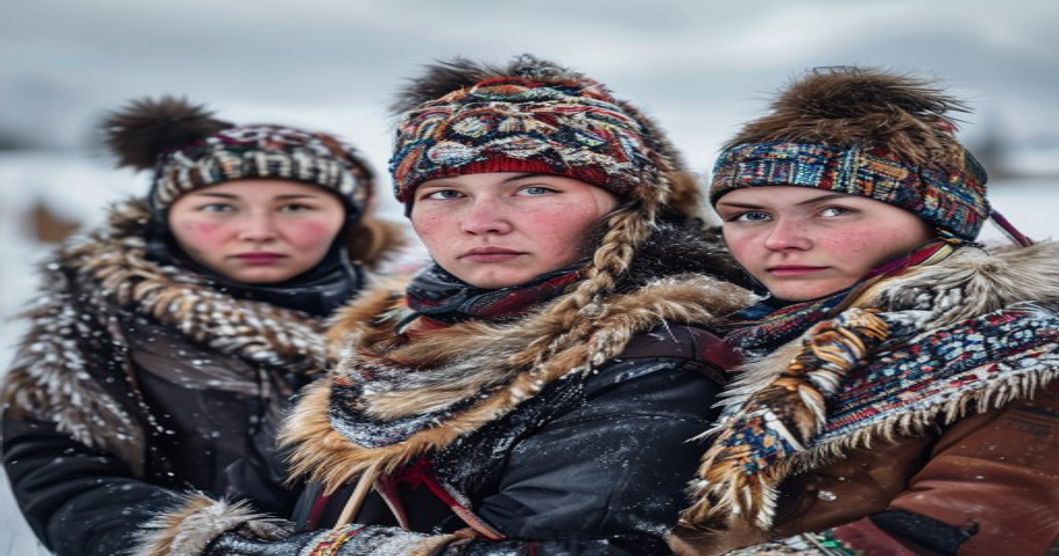
The Contemporary Resurgence of Sámi Visual and Sonic Practices
Sonic Innovation Through Traditional Joik Structures
Modern Sami artists are dismantling historical marginalization by recontextualizing the joik, a centuries-old vocal tradition, within experimental soundscapes. Musicians such as Buollo and Åsa Gaba merge rhythmic chanting with electronic production, creating auditory archives that challenge colonial frameworks of Nordic cultural ownership. This sonic revival operates as both preservation and protest, asserting Indigenous identity through frequency rather than translation. The deliberate use of dialectal variations across North, South, and Lule Sámi regions demonstrates a conscious effort to map linguistic diversity onto contemporary music platforms.
Material Culture and Contemporary Sculpture
Visual practitioners are transforming ancestral materials into critical commentary on land displacement and ecological extraction. Artists working with reindeer antler, copper wire, and raw textiles reference historical Sámi craftsmanship while subverting expectations of what constitutes fine art in Scandinavia. Installation works frequently incorporate topographical maps overlaid with traditional duodji patterns, forcing viewers to confront the intersection of Nordic culture and resource capitalism. These pieces function as spatial arguments, where tactile heritage directly opposes industrial narratives.
Literary Networks and Narrative Sovereignty
Multilingual Poetics and Oral History Integration
Contemporary Sámi writers are dismantling monolingual literary traditions by weaving oral storytelling techniques into structured prose and experimental poetry. The generational shift moves away from assimilationist language policies, embracing code-switching as a deliberate aesthetic strategy. Authors utilize fragmented syntax to mirror the dislocation experienced by displaced herding communities, while simultaneously reconstructing collective memory. This literary approach ensures that cultural identity remains dynamic, resisting static museum categorization.
Digital Archives and Community Publishing
Independent presses and digital platforms have amplified marginalized voices outside traditional academic gatekeepers. Online journals and self-published zines circulate essays on land rights, gender dynamics within Sápmi, and the psychological impact of boarding school assimilation. These decentralized networks create a continuous feedback loop between artists, elders, and youth, establishing an autonomous Indigenous knowledge system that operates parallel to mainstream Nordic literary institutions.
Political Activism Embedded in Creative Production
Art as Resistance Against Resource Extraction
Creative practice and environmental advocacy converge in works addressing mining expansion, wind farm development, and salmon farming across Sápmi. Artists document ecological degradation through performance, mapping contamination routes onto traditional grazing territories. These interventions reframe artistic labor as direct political engagement, where exhibitions become sites of testimony rather than passive observation. The resulting visual and auditory evidence strengthens legal arguments for territorial sovereignty.
Youth Collectives and Intergenerational Knowledge Transfer
Emerging collectives prioritize collaborative creation over individual authorship, mirroring traditional Sámi decision-making structures. Workshops in urban centers like Oslo, Tromsø, and Umeå facilitate skill exchange between master duodji makers and digital media producers. This pedagogical model ensures that technical proficiency in contemporary mediums never severs ties to ancestral methodologies. The resulting hybrid practices demonstrate how modern Sami artists navigate dual citizenship without compromising cultural integrity.
Institutional Shifts and Global Art Market Integration
Biennial Presence and Curatorial Reassessment
Major international exhibitions increasingly feature Sámi creators as central figures rather than
Frequently Asked Questions
What is Modern Sami Artists Changing Scandinavia?
Modern Sami artists are reshaping the cultural and artistic landscape of Scandinavia by blending traditional indigenous craftsmanship, storytelling, and joik music with contemporary mediums such as digital art, fashion, and installation. This movement challenges historical narratives, promotes Sámi sovereignty, and influences Nordic design, tourism, and cultural policy.
Key facts about Modern Sami Artists Changing Scandinavia
The Sámi are the only indigenous people in the European Union, spanning Norway, Sweden, Finland, and Russia. Contemporary Sámi artists increasingly win international awards, lead museum exhibitions, and influence Scandinavian sustainability and ethical fashion trends. Their work actively addresses land rights, climate change, and cultural preservation, making them central figures in modern Nordic identity politics and cross-cultural dialogue.