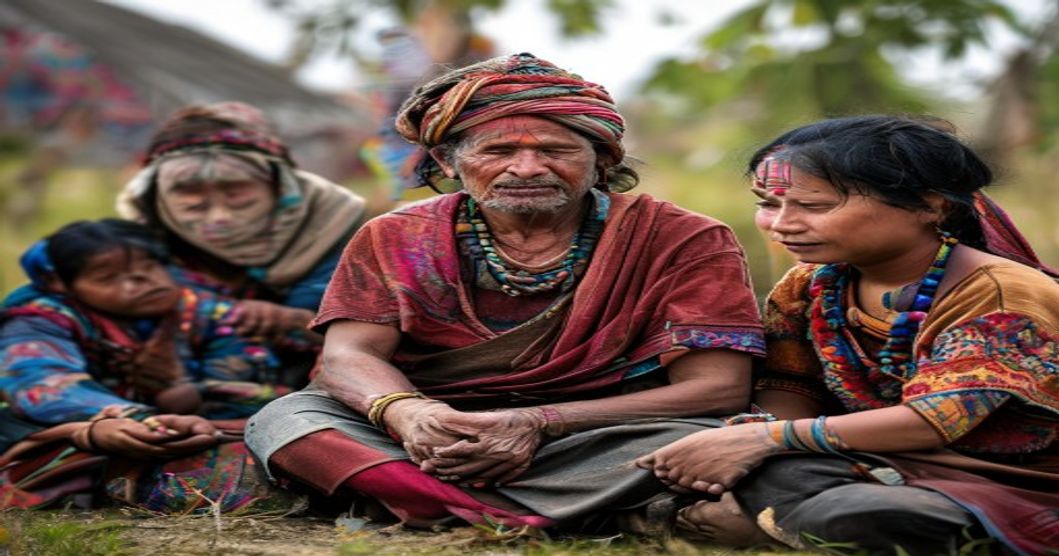
How Sami Communities Support One Another
The Sami people have historically navigated extreme Arctic environments through deeply rooted mutual aid networks that prioritize collective survival over individual accumulation. Geographic dispersion across four nations does not fragment these communities; instead, it strengthens interregional reliance. Kinship ties function as informal safety nets, ensuring that food, shelter, and transportation are distributed according to need rather than market value. Traditional ecological knowledge operates as a shared resource, with hunting grounds, fishing sites, and pasture routes maintained through consensus-based stewardship.
Economic resilience relies on cooperative structures that predate modern welfare systems. Reindeer husbandry units operate as extended family enterprises where labor, equipment, and veterinary care are pooled during calving seasons or harsh winters. When a herd suffers from predator attacks or severe weather events, neighboring herders provide draft animals, sleds, and communication networks to prevent total loss. This reciprocal exchange extends to infrastructure maintenance, with communities jointly funding snowmobile tracks, radio relays, and emergency shelters across remote fjells and tundra regions.
- Linguistic continuity programs utilize intergenerational mentorship to sustain Northern Sámi, Lule Sámi, and Southern Sámi dialects through daily practice rather than classroom instruction alone.
- Cultural revitalization initiatives coordinate joik performances, duodji craft workshops, and seasonal festivals that reinforce identity while generating sustainable tourism revenue.
- Digital knowledge archives preserve oral histories, mapping techniques, and medicinal plant usage in open-access repositories managed by community researchers rather than external institutions.
- Cross-border advocacy coalitions align legal strategies to protect grazing rights, water access, and land sovereignty against extractive industries and state zoning policies.
Contemporary support mechanisms adapt traditional reciprocity to address climate volatility and industrial encroachment. Snow condition monitoring networks share real-time data through encrypted messaging groups, enabling rapid relocation of livestock and infrastructure. Youth-led organizations document elder testimonies on land management, creating legally admissible evidence for territorial claims. Educational cooperatives establish scholarship funds sourced from community enterprises, ensuring higher education does not sever young adults from indigenous governance structures. These interventions maintain cultural cohesion while navigating modern administrative frameworks.
Historical Foundations of Indigenous Solidarity
The historical architecture of Sami solidarity rests upon the siida system, a decentralized network of kinship-based communities that governed resource allocation, labor distribution, and conflict resolution across northern Fennoscandia for centuries. Unlike centralized tribal hierarchies, the siida operated through consensus-driven decision-making where every member held recognized responsibilities tied to seasonal ecologies. This structure functioned as a built-in risk mitigation framework, ensuring that no household faced environmental volatility or economic shortfall in isolation.
- Kinship ties dictated reciprocal obligations, with food storage, tool sharing, and childcare distributed across extended family lines regardless of immediate blood relation.
- Seasonal reindeer migrations required coordinated routing, shared grazing territories, and collective defense against predators or rival groups, embedding interdependence into daily survival.
- Dispute resolution relied on elder mediation and restorative practices rather than punitive measures, preserving social cohesion during periods of scarcity or external pressure.
Cultural transmission operated as a parallel support mechanism. Duodji, the traditional craft system, functioned not merely as artistic expression but as an economic safety net where specialized skills were exchanged for necessities like furs, tools, and medicinal resources. Joik singing carried genealogical records, ecological knowledge, and historical precedents across generations, transforming oral tradition into a living archive of collective resilience.
Nineteenth and twentieth-century assimilation policies attempted to dismantle these networks through forced relocation, land confiscation, and linguistic suppression. Paradoxically, state pressure accelerated internal cohesion as communities converted public institutions into covert support channels. Secret language schools, underground craft cooperatives, and relocated herding routes maintained operational continuity while outwardly conforming to external mandates.
These historical foundations established a template for contemporary mutual aid where resource sharing, knowledge preservation, and institutional advocacy remain interwoven. The siida’s emphasis on distributed responsibility continues to inform modern Sami governance models, demonstrating how centuries-old solidarity frameworks adapt without fracturing under systemic stress.
Environmental and Geographic Drivers of Cooperation
The Sami territories span across four nations, yet the physical landscape dictates a unified approach to survival. Arctic tundra, dense boreal forests, steep mountain ranges, and fragmented fjord systems create an environment where individual autonomy is inherently limited. Harsh winters with prolonged darkness, sudden temperature drops, and unpredictable weather patterns demand coordinated responses that transcend political borders. Geographic isolation historically fostered self-reliance, but the distribution of vital resources necessitated deep interdependence.
- Reindeer migration routes cut across traditional family territories and modern administrative lines, requiring seasonal coordination between herding groups. Grazing lands shift dramatically with snow depth and wind exposure, making shared pasture management essential to prevent overgrazing and ensure herd survival.
- Communities maintain detailed oral records of ice stability on lakes and rivers, mapping safe passage corridors that change annually due to climate fluctuations. This distributed ecological knowledge operates as a geographic adaptation mechanism, allowing groups to anticipate environmental shifts before they become critical threats.
Infrastructure limitations in remote areas reinforce collective resource pooling. Winter trails require continuous grooming by multiple households, while summer boat transport depends on shared fuel reserves and coordinated scheduling. Traditional siida systems evolved directly from these spatial constraints, with each cooperative unit managing specific ecological zones while maintaining exchange relationships with neighboring groups.
- When extreme weather isolated settlements, supply networks activated automatically through established kinship ties and territorial agreements.
- Modern reindeer husbandry continues this pattern, with herders sharing satellite tracking data and localized weather
Economic Resource Sharing and Livelihood Networks
Sami communities have historically relied on intricate economic networks rooted in shared survival strategies across harsh Arctic environments. Traditional livelihoods such as reindeer husbandry, coastal fishing, and seasonal fur trading operated on cooperative models where labor, equipment, and grazing lands were distributed according to kinship ties and ecological capacity. Modern adaptations preserve these principles through formalized cooperatives like the Sami Reindeer Herders’ Associations in Norway, Sweden, and Finland. These entities manage rotational pastures, negotiate hunting quotas, and pool veterinary resources to maintain herd health during extreme weather events.
Craft economies also play a pivotal role in sustaining household income while reinforcing cultural continuity. Duodji artisans participate in regional markets such as the Sápmi Handicraft Fair in Karasjok, where collective branding reduces individual marketing costs and guarantees authentic product standards. Digital platforms have further expanded these networks, enabling Sami entrepreneurs to sell traditional textiles, silver jewelry, and wood carvings directly to international buyers without relying on external intermediaries.
- Resource Pooling Mechanisms: Communities establish shared equipment libraries for snowmobiles, helicopters, and fishing gear, drastically lowering capital expenditure for individual families.
- Intergenerational Knowledge Transfer: Elders mentor youth in sustainable land management, seasonal forecasting, and business planning to ensure economic activities remain aligned with environmental stewardship.
- Cross-Border Economic Agreements: Sami parliamentary councils facilitate resource-sharing frameworks that transcend national regulatory boundaries, particularly regarding migratory reindeer routes and shared waterways.
Financial resilience is further reinforced through community-driven microcredit systems and localized savings circles that operate outside conventional banking infrastructure. These structures provide rapid capital access for urgent veterinary interventions, vessel maintenance, or seasonal market logistics while maintaining strict accountability through peer oversight protocols. Cross-border trade initiatives enable Sami merchants to bypass traditional supply chains, directly negotiating with Scandinavian and international retailers who prioritize ethically sourced indigenous goods. This decentralized yet highly coordinated approach demonstrates how indigenous economic frameworks prioritize collective stability over individual profit maximization, creating sustainable livelihood ecosystems that adapt to both climatic shifts and global market fluctuations while preserving ancestral land-use practices.
Traditional Herding Cooperatives and Joint Ventures
Traditional herding cooperatives and joint ventures form the economic backbone of Sami pastoral life, operating on centuries-old principles of mutual aid and collective resource management. Rather than functioning as isolated family units, reindeer-herding households historically pooled livestock, grazing land, winter pastures, and specialized labor to navigate the extreme ecological constraints of northern Fennoscandia. These cooperative structures mitigate individual risk by distributing seasonal burdens across larger networks. When a single household faces sudden mortality in its herd due to ice locks or disease, neighboring families absorb the shock through shared restocking protocols and temporary livestock lending arrangements.
The operational framework relies on clearly defined roles during critical agricultural windows. Calving season requires coordinated herding teams that track migrating groups across hundreds of kilometers. Older practitioners direct route selection based on microclimate indicators and lichen growth patterns, while younger members execute physical sorting, branding, and veterinary interventions. Equipment maintenance follows a rotational schedule where sleds, snowmobiles, processing tools, and communication devices are shared rather than individually owned, drastically reducing capital expenditure for each participant.
- Livestock pooling mechanisms allow families to maintain genetically diverse herds while maintaining sustainable grazing pressure on fragile tundra ecosystems.
- Joint purchasing agreements cover veterinary supplies, fuel, replacement parts, and specialized clothing, securing bulk pricing that individual operators cannot access.
- Shared marketing channels coordinate meat distribution, skin processing, and craft sales through collective cooperatives, ensuring fair valuation and bypassing exploitative middlemen.
Governance within these ventures blends customary law with modern corporate structures. Decision-making typically occurs through consensus-based assemblies where herding rights, pasture rotation schedules, and breeding priorities are negotiated transparently. Revenue distribution follows contribution metrics rather than capital investment, prioritizing labor input and ecological stewardship over financial ownership. This model preserves traditional knowledge transmission while meeting contemporary auditing requirements for agricultural subsidies and cross-border trade compliance.
Climate volatility and shifting pasture legislation have forced adaptive restructuring, yet the cooperative foundation remains intact. Modern joint ventures now incorporate satellite tracking, digital inventory databases, and legal partnerships with regional municipalities, but they continue operating through the same reciprocal obligation system that historically prevented starvation during harsh winters. The endurance of these arrangements demonstrates how indigenous economic frameworks maintain relevance by embedding risk distribution directly into social contracts rather than treating it as a financial afterthought.
Mutual Aid Funds and Community Financial Pools
The operational core of Sami economic resilience relies on decentralized financial networks that function independently of conventional banking infrastructure. These systems emerged from historical cooperation frameworks where resource distribution was mandatory for survival in extreme Arctic conditions. Participants contribute capital, livestock assets, or seasonal labor based on individual capacity. Contributions aggregate into community-managed reserves that prioritize immediate local requirements over external market returns.
- Rapid emergency liquidity activates during reindeer herd losses, machinery breakdowns, or acute health incidents without administrative bottlenecks.
- Intergenerational resource allocation directs pooled capital toward youth education, language documentation projects, and indigenous enterprise incubation.
- Collective procurement agreements lower operational expenditures by negotiating wholesale pricing for fuel, agricultural equipment, and regional transportation services across scattered settlements.
Contemporary implementations maintain digital transparency while preserving traditional governance protocols. Financial oversight rotates among elected community representatives who validate disbursements through transparent voting procedures. This structure prevents wealth concentration and guarantees accessibility for economically vulnerable households. Cross-border coordination remains standard practice, acknowledging that reindeer migration routes and seasonal income cycles transcend national jurisdictions.
- Capital deployment follows established cultural priorities rather than speculative market indicators.
- Strategic partnerships with indigenous financial institutions expand lending capacity while safeguarding operational autonomy.
- Annual community audits verify fund integrity and adjust contribution tiers to match regional inflation or seasonal yield fluctuations.
These pooled resources operate as economic shock absorbers during climate disruptions or industrial transitions. By internalizing risk management, communities sustain traditional livelihoods when external support mechanisms degrade. The framework demonstrates how historical reciprocity systems can scale into modern financial architecture without compromising cultural sovereignty or operational accountability.
Cross-Border Exchange Systems Across Northern Regions
Reindeer herding traditions have long dictated the necessity of fluid movement across political boundaries in Fennoscandia and the Kola Peninsula. These cross-border exchange systems operate through formal agreements between state authorities and informal kinship networks that predate modern nation-states. Herders utilize seasonal grazing routes established over centuries, navigating overlapping jurisdictional zones where national veterinary regulations, land management policies, and tax frameworks often conflict. To maintain operational continuity, community leaders coordinate through joint committees that negotiate livestock counts, vaccination schedules, and pasture rotation plans. These arrangements require constant diplomatic negotiation, yet they remain essential for herd survival during harsh winter months when snow cover obscures traditional markers.
- Livestock Trading Networks: Cross-market exchanges allow herders to balance herd composition by acquiring animals from neighboring regions, mitigating genetic bottlenecks and distributing disease risk across fragmented pastures.
- Environmental Monitoring Protocols: Elder knowledge holders and younger generations share real-time data regarding ice thickness, lichen forage availability, and predator activity through localized digital networks and regional emergency radio channels.
- Duodji Artisan Cooperatives: Handicraft producers establish shared supply chains that span municipal lines, standardizing material sourcing while preserving distinct regional carving and weaving techniques within legally recognized craft guilds.
- Tourism Revenue Sharing Models: Community-managed excursion operators coordinate joint marketing initiatives, pooling resources to offer multi-country cultural itineraries that comply with each jurisdiction’s commercial licensing and environmental impact assessments.
Climate volatility has intensified the complexity of these systems. Thawing permafrost disrupts historic grazing corridors, while unpredictable freeze-thaw cycles create hazardous ice layers over reindeer forage. Communities respond by establishing adaptive monitoring groups that combine satellite imagery analysis with ground-truthing observations. Funding for these initiatives typically flows through Scandinavian research grants, European Union Interreg programs, and Nordic cultural preservation funds, which require rigorous documentation and cross-agency collaboration. The survival of these exchange mechanisms depends on continuous legal advocacy, as state-level border security measures increasingly restrict traditional mobility patterns without accounting for ecological dependencies. Municipal councils now integrate cross-border data into regional land-use planning, ensuring that historical movement rights remain embedded in contemporary spatial governance frameworks.
Social Infrastructure and Knowledge Preservation
The social architecture of Sami communities operates through tightly woven kinship networks and cooperative frameworks that function as both economic safety nets and cultural transmission channels. Reindeer husbandry associations serve as the backbone of this infrastructure, organizing seasonal migrations, sharing grazing rights, and coordinating emergency resource distribution during extreme weather events. These groups operate on consensus-based decision-making models where elders and experienced herders guide younger generations through practical fieldwork rather than formal classroom instruction.
Knowledge preservation within these networks relies heavily on embedded learning systems. Traditional ecological knowledge regarding snow conditions, animal behavior, and landscape navigation is transmitted through daily participation in herding activities, hunting expeditions, and craft production. Community archives maintained at the municipal level digitize historical maps, audio recordings of joik performances, and handwritten land-use agreements, ensuring that intangible heritage remains accessible to dispersed populations. Language revitalization initiatives integrate native speakers into school curricula, workplace training programs, and local governance meetings, creating continuous exposure rather than isolated academic exercises.
- Intergenerational mentorship structures pair experienced herders with youth through structured apprenticeship contracts that include skill assessment milestones and cultural competency benchmarks.
- Digital sovereignty platforms allow communities to control data collection, store satellite imagery of grazing lands, and manage traditional territory boundaries without external intermediaries.
- Rotating resource pools distribute equipment, veterinary supplies, and transportation assets across family groups during breeding seasons or infrastructure failures.
Conflict resolution mechanisms within this framework prioritize restorative practices over punitive measures. Disputes regarding
Intergenerational Skill Transfer and Apprenticeship Models
The foundation of Sami community resilience rests on structured knowledge transmission where elders function as living repositories of traditional ecological and technical expertise. This mentorship operates outside formal educational frameworks, relying instead on immersive, seasonal cycles that align practical training with environmental rhythms. Youth participate in daily operational tasks alongside experienced herders, artisans, and navigators, absorbing nuanced decision-making processes through direct observation and guided practice.
- Reindeer husbandry apprenticeships begin with juvenile handling techniques, progressing to migration route mapping using terrain indicators, weather patterns, and historical grazing data
- Duodji craft instruction follows a graduated curriculum where material preparation precedes tool carving, pattern drafting, and final assembly, ensuring each stage reinforces structural integrity and cultural symbolism
- Navigational training incorporates landscape literacy, teaching learners to read snow crust formations, wind direction through vegetation shifts, and celestial markers for long-distance travel across arctic terrain
Apprenticeship durations vary according to skill complexity and seasonal availability, often spanning multiple years before a practitioner achieves independent operational status. Knowledge validation occurs through community demonstration rather than written examination, requiring candidates to execute tasks under variable conditions while receiving corrective feedback from senior members. This feedback loop preserves adaptive strategies that have sustained Sami livelihoods across shifting climatic and economic landscapes. Instructors utilize progressive task decomposition, breaking complex procedures into micro-skills that build upon verified foundational competencies.
Modern adaptations integrate digital documentation alongside traditional methods, yet the core pedagogical approach remains anchored in embodied learning. Technology serves as supplementary reference material rather than a replacement for hands-on mentorship, ensuring that tactile memory and contextual judgment develop alongside theoretical understanding. Community resource centers frequently host weekend intensive workshops where displaced youth reconnect with foundational practices through supervised repetition and peer collaboration. These sessions prioritize error analysis, requiring participants to identify structural weaknesses in their own work before senior instructors provide corrective adjustments.
- Tool maintenance protocols teach metallurgical knowledge, wood seasoning requirements, and leather treatment methods specific to regional fauna
- Economic valuation frameworks within apprenticeships emphasize self-sufficiency metrics over commercial output, prioritizing skill retention across generations
- Conflict resolution during training relies on non-verbal correction cues and shared task completion rather than punitive measures, reinforcing collective responsibility
Language Revitalization Through Community Learning Circles
Sami communities deploy structured, intergenerational dialogue to reverse language attrition across Sápmi. Community learning circles operate as decentralized knowledge hubs where fluency restoration occurs through daily practice rather than formal instruction. Elders serve as linguistic anchors, transmitting dialect-specific phonetics, traditional ecological terminology, and narrative structures that standard educational frameworks typically overlook. These gatherings function outside conventional classroom models, utilizing seasonal rhythms, reindeer migration patterns, and local craft cycles to schedule sessions. Participants engage in task-oriented communication where language acquisition happens organically through shared activities like duodji production, vocal performance traditions, and land-based navigation.
The operational framework depends on three core mechanisms:
- Intergenerational pairing: Youth participants are matched with fluent elders based on dialect alignment and geographic proximity, ensuring accurate transmission of localized vocabulary and grammatical nuances.
- Immersion scheduling: Circles operate during high-engagement periods such as winter preparation months or spring calving seasons, maximizing practical application of seasonal lexicon and survival terminology.
- Documentation protocols: Each session generates audio recordings, glossary updates, and dialect variation maps that feed into regional language databases while respecting community intellectual property guidelines.
Technical implementation requires deliberate resource allocation. Communities utilize low-bandwidth recording equipment to capture oral histories in remote areas where internet connectivity remains unreliable. Mobile language nests adapt traditional circle structures for semi-urban populations, maintaining dialect integrity through weekly meetups and digital archive access. Local schools frequently collaborate with circle facilitators to align extracurricular activities with community-generated curricula, creating continuity between formal education and grassroots revitalization efforts.
Success metrics focus on functional fluency rather than standardized testing outcomes. Participants demonstrate progress through independent navigation of traditional resource management, successful transmission of family narratives, and increased usage of native terms in agricultural and craft contexts. Dialect-specific recovery rates correlate directly with circle frequency and elder participation levels. Communities that maintain consistent meeting schedules across multiple seasonal cycles report measurable improvements in youth comprehension thresholds and adult confidence during cross-regional exchanges.
Youth Mentorship and Leadership Development Programs
Traditional knowledge transmission within Sami communities operates through highly structured mentorship frameworks that bridge generational gaps while addressing contemporary challenges. These initiatives typically establish formal pairings between experienced elders, certified reindeer herders, master duodji artisans, and fluent language speakers alongside adolescents aged fourteen to twenty-four. The pedagogical model emphasizes reciprocal exchange rather than one-way instruction. Young participants contribute digital documentation skills, data collection methodologies, and cross-regional networking capabilities, while mentors provide place-based ecological literacy, ethical decision-making frameworks, and historical continuity.
Program architecture usually aligns with regional Sami parliaments, municipal youth councils, and cultural preservation institutes across Norway, Sweden, Finland, and Russia. Participants engage in intensive seasonal modules conducted on ancestral territories. Field curricula cover sustainable grazing management, traditional navigation techniques, moss harvesting protocols, and historical boundary mapping. Simultaneously, classroom components address contemporary governance structures, grant writing, public advocacy strategies, and conflict mediation tailored to indigenous rights frameworks.
- Curriculum Design: Blends oral history documentation with modern project management software training
- Skill Acquisition: Focuses on joik performance techniques, Sami parliamentary procedure, and environmental monitoring certification
- Community Integration: Requires alumni to present findings at local assemblies and develop actionable stewardship plans
Funding mechanisms derive from Nordic cultural heritage grants, indigenous development foundations, and municipal education allocations. Program sustainability relies on rigorous evaluation metrics including language fluency retention rates, documented participation in traditional practices, and subsequent civic roles held by graduates. Geographic isolation and urban migration patterns present structural challenges, which organizers mitigate through hybrid delivery models combining immersive land-based gatherings with encrypted digital collaboration spaces for remote participants.
The long-term institutional impact manifests as strengthened community resilience and accelerated policy advocacy capacity. Young leaders who complete these mentorship pathways consistently demonstrate higher proficiency in navigating municipal bureaucracy, interpreting land rights legislation, and facilitating intergenerational dialogue. This systematic knowledge transfer preserves cultural continuity while equipping emerging authorities with the diplomatic and technical competencies necessary to manage contemporary resource allocation and heritage conservation initiatives.
Institutional Frameworks and Digital Adaptation
Formal institutional structures serve as the foundational architecture for Sami community resilience, transforming historical marginalization into coordinated resource distribution and policy advocacy. Sámi Parliaments across Norway, Sweden, and Finland operate as statutory bodies with direct legislative influence, channeling municipal grants, agricultural subsidies, and cultural preservation budgets directly into grassroots initiatives. These entities establish standardized funding protocols that prioritize language immersion programs, reindeer husbandry infrastructure, and regional health services tailored to remote Arctic populations. When institutional mandates intersect with digital transformation, support mechanisms scale beyond geographic limitations.
- E-governance portals now process welfare applications, educational enrollments, and cultural enterprise registrations in real time, reducing administrative friction for dispersed communities.
- Digital adaptation extends into knowledge preservation through centralized archives hosted by national libraries and Sámi universities.
- High-resolution digitization of ancestral texts, audio recordings of Northern Sámi dialects, and 3D mappings of traditional grazing routes create interoperable databases accessible to researchers, educators, and community members simultaneously.
Technology also enables collaborative land management systems where institutional data overlays with indigenous mapping tools, strengthening legal claims under international frameworks like UNDRIP. Educational institutions have integrated remote learning modules that sync with municipal curricula, allowing youth in isolated municipalities to access advanced coursework without relocating. Financial ecosystems within Sápmi increasingly utilize blockchain-verified micro-lending platforms and digital cooperatives, ensuring transparent capital flow for small-scale enterprises rooted in traditional crafts and sustainable tourism.
Municipal cultural centers now deploy community-driven digital hubs that host localized server nodes, ensuring data sovereignty while connecting regional artisans with international markets. Cross-border coordination committees utilize encrypted communication channels and shared policy dashboards to align environmental monitoring with traditional ecological knowledge. These integrated systems reduce duplication of efforts, optimize grant utilization, and accelerate decision-making cycles. Digital literacy programs funded by statutory bodies equip older generations with technical competencies, bridging the gap between ancestral practices and modern administrative requirements. The resulting network functions as a decentralized support matrix where institutional legitimacy and technological agility operate in parallel, guaranteeing that cultural continuity remains economically viable and politically protected.
Role of Sami Governance Bodies in Resource Allocation
Sámi governance institutions operate as the central nervous system for territorial and economic stewardship across northern indigenous territories. These bodies, including regional parliaments and district councils, translate customary land rights into actionable management strategies. They oversee grazing corridors, freshwater fishing zones, timber concessions, and cultural heritage grants through structured allocation protocols. Decision-making follows a hybrid model that merges statutory law with ancestral ecological data. Herding districts submit seasonal migration plans, which undergo technical review by wildlife biologists and legal advisors before approval. This prevents overgrazing and ensures equitable access to pastures during extreme weather events.
Resource distribution relies on transparent mapping systems and community audits. Each administrative zone maintains a registry of active herders, fishers, and artisans who qualify for subsidies, equipment grants, and infrastructure development funds. Priority is given to multi-generational families and youth apprenticeship programs that sustain traditional livelihoods. Cross-border coordination mechanisms allow neighboring districts to share emergency feed reserves, veterinary services, and winter transport networks during supply chain disruptions.
- Seasonal grazing quotas adjusted through real-time satellite monitoring of vegetation recovery
- Centralized procurement pools for fuel, machinery parts, and veterinary supplies
- Revenue sharing from commercial fisheries and tourism permits directed to local cooperatives
- Cultural preservation grants funding language immersion camps and craft apprenticeships
These institutions function as mutual aid networks rather than top-down bureaucracies. When a district faces drought, flood, or market collapse, governance councils activate contingency funds and redistribute surplus resources without external bureaucratic delays. Traditional knowledge holders serve on technical committees, ensuring that ecological indicators guide financial disbursements. This decentralized approach strengthens inter-community solidarity by making resource access predictable, legally protected, and culturally aligned with Sámi values of collective responsibility.
Administrative councils also manage conflict resolution protocols when grazing boundaries overlap or when commercial developers propose projects near sacred sites. Mediation panels composed of elected representatives and elder knowledge keepers evaluate environmental impact assessments before any permit is issued. This proactive oversight prevents resource depletion and guarantees that economic development never overrides ecological carrying capacity.
Online Platforms for Service Distribution and Coordination
Digital coordination networks operate as the central nervous system for modern Sami mutual aid initiatives. Remote pastures and dispersed settlements require infrastructure that functions independently of commercial internet providers. Community developers have engineered localized mesh networks and encrypted messaging channels specifically designed for low-bandwidth environments. These systems enable real-time resource tracking across vast territories. Reindeer herders exchange veterinary contacts, equipment rental schedules, and fuel distribution maps through dedicated directories. The platforms prioritize data sovereignty by utilizing community-hosted servers rather than global cloud providers. Traditional knowledge transfer occurs through structured digital archives where elders record navigation techniques, weather reading methods, and craft specifications. Younger members contribute technical documentation that bridges generational gaps in practical skills. Emergency response coordination relies on automated alert systems that trigger when environmental thresholds are breached. When sudden temperature drops or wildfire smoke compromise visibility, platform algorithms cross-reference location data with available transport networks to deploy assistance teams.
- Bandwidth Optimization: Platform administrators compress image-heavy directories into lightweight text formats, ensuring functional access during satellite connectivity outages.
- Equipment Scheduling: Shared machinery pools utilize calendar-based booking protocols that prevent double-booking conflicts during peak migration seasons and winter maintenance windows.
- Medical Routing: Veterinary service requests route automatically to certified professionals based on geographic proximity, livestock specialization, and mobile network availability.
- Fuel Logistics: Distribution coordinates with regional suppliers using predictive consumption models derived from historical migration patterns and seasonal temperature fluctuations.
Educational resources host interactive modules teaching reindeer health monitoring, tent construction techniques, and traditional butchery standards. Cross-community verification systems validate skill certifications through peer review and documented practice hours. Infrastructure maintenance logs track generator repairs, satellite dish alignments, and server backups across dispersed nodes. Emergency supply caches maintain rotating inventories of cold-weather gear, communication batteries, and first aid materials. Platform moderators enforce community guidelines through transparent reporting mechanisms rather than automated filters. Data retention policies archive seasonal activity patterns for long-term planning while purging sensitive location coordinates after operational completion.
Cross-border coordination modules synchronize resource requests between Norwegian, Swedish, Finnish, and Russian jurisdictions using standardized API endpoints. Decentralized governance models allow neighborhood coordinators to propose platform updates through consensus voting rather than top-down directives. Transaction logs remain immutable while preserving participant privacy through cryptographic verification. Digital literacy programs continuously update user competencies, expanding technical capacity across rural settlements. These coordinated digital ecosystems transform geographic isolation into strategic advantage by standardizing resource sharing across historical territories.
Crisis Management and Emergency Response Protocols
Sami communities have historically developed highly localized crisis management frameworks that rely on interdependent social structures, geographic awareness, and generational knowledge transfer. Emergency response in these regions operates through decentralized coordination networks rather than centralized command centers. When severe weather events, infrastructure failures, or health emergencies occur, local herding camps, village councils, and indigenous organizations activate pre-established communication chains. These chains utilize satellite phones, VHF radios, and encrypted messaging applications to maintain contact across vast, sparsely populated territories where cellular coverage remains unreliable.
- Rapid Resource Mobilization: Communities maintain shared stockpiles of fuel, medical supplies, and winter gear at strategic waypoints along traditional migration routes. These depots function as automatic relief stations during blizzards or vehicle breakdowns.
- Elder-Youth Emergency Roles: Crisis protocols assign clear operational duties based on age and expertise. Elders manage situational assessment and historical
Sustaining Support Systems Amid Modern Pressures
Modern economic shifts, climate instability, and rapid digitalization have forced Sami communities to continuously adapt their mutual aid frameworks. Traditional kinship networks and seasonal gathering practices remain foundational, but structural pressures require deliberate institutional reinforcement. Reindeer herding cooperatives now integrate satellite monitoring and weather forecasting tools to protect livestock while preserving grazing routes historically managed through oral transmission. Economic cooperatives operate across municipal boundaries, pooling resources for healthcare access, housing development, and language immersion programs that directly counter urban migration trends.
Communities deploy multiple mechanisms to maintain resilience when external systems fail to recognize indigenous governance structures. Grassroots organizations establish emergency funds during drought or flood events that disrupt traditional supply chains. Youth collectives digitize elder interviews, creating searchable archives accessible to dispersed family members working in metropolitan centers. Cross-border alliances coordinate policy advocacy at the European Union level, securing funding for bilingual education and cultural infrastructure.
- Cooperative resource sharing enables small enterprises to access capital without predatory lending practices.
- Digital knowledge repositories preserve dialectal variations and craft techniques that classroom instruction alone cannot sustain.
- Mental health peer networks address isolation among relocated youth through culturally grounded counseling models.
- Youth-led media projects amplify local narratives, reducing reliance on external representation.
Language revitalization initiatives operate outside formal education mandates. Community-run radio stations broadcast in North, South, and Lule Sami simultaneously, maintaining auditory continuity for daily routines. Seasonal festivals now include skill workshops where apprentices learn snow shelter construction, boat carving, and traditional food preservation under elder supervision. These practices function as both cultural maintenance and economic training, ensuring that support systems remain self-sustaining rather than dependent on external grants.
Policy advocacy teams monitor legislative changes affecting land rights, environmental regulations, and indigenous business incentives. When municipal governments propose development projects that threaten wetlands or migration corridors, community legal clinics intervene with historical documentation and ecological impact assessments. This proactive stance prevents reactive crisis management, keeping mutual aid structures intact during periods of rapid societal change.
Climate Shifts and Their Effect on Traditional Networks
Traditional Sami social structures historically relied on interdependent kinship ties, seasonal resource sharing, and localized knowledge transmission. These networks functioned as adaptive systems that balanced ecological constraints with communal survival. Recent climate anomalies have disrupted this equilibrium. Rising temperatures across Fennoscandia alter precipitation patterns, destabilize winter ice formations, and shift vegetation zones northward. Such environmental volatility directly impacts reindeer herding routes, fishing grounds, and berry harvesting areas that sustain traditional exchange networks.
When migration corridors become unreliable due to erratic freeze-thaw cycles, herders face increased livestock mortality and fuel costs for artificial feeding. Traditional knowledge systems, which historically adjusted gradually over centuries, now struggle to keep pace with rapid ecological transformation. Elders report that ice conditions once predictable through generations of observation no longer align with current weather models. This disconnect fractures intergenerational teaching sessions and weakens the informal apprenticeship networks that preserved seasonal skills.
- Disrupted Resource Distribution: Unpredictable snowfall and thaw events damage storage structures and compromise meat preservation methods, forcing communities to rely on purchased goods rather than reciprocal sharing.
- Kinship Network Strain: Economic pressure from failed harvests or herd losses reduces the capacity for traditional mutual aid, pushing younger members toward urban employment and fragmenting rural support chains.
- Knowledge Transmission Gaps: Climate-driven changes in animal behavior and plant phenology render some historical indicators obsolete, requiring communities to develop new observational frameworks alongside existing practices.
Sami groups respond through adaptive governance models that blend Indigenous monitoring with scientific data. Collaborative weather tracking stations, community-led reindeer health registries, and digital knowledge archives preserve ecological memory while enabling real-time resource coordination. These networks now function as hybrid systems, maintaining cultural continuity while addressing environmental uncertainty. The resilience of these communities stems not from static preservation but from continuous recalibration of social contracts, ensuring mutual support remains viable despite shifting baselines.
Balancing Economic Development with Cultural Continuity
Sami communities navigate economic advancement through carefully structured collective frameworks that prioritize cultural preservation alongside financial growth. Traditional livelihoods such as reindeer husbandry face pressure from industrial expansion and climate shifts, yet community-led cooperatives have successfully modernized operations without abandoning ancestral land management practices. Digital platforms now facilitate cross-border trade for duodji artisans, connecting remote workshops with international markets while maintaining strict authenticity standards. Local governments collaborate with Sami Parliaments to establish zoning regulations that protect grazing routes and sacred sites from unchecked commercial development.
- Collective ownership models ensure profits remain within the community, funding language immersion schools and traditional craft apprenticeships.
- Sustainable tourism initiatives are designed by indigenous councils, limiting visitor numbers to prevent environmental degradation while creating guided cultural experiences that educate outsiders on Sami cosmology and seasonal migration patterns.
- Intergenerational knowledge transfer programs pair elder herders and artisans with youth entrepreneurs, blending modern business strategies with time-tested ecological observation techniques.
Financial independence does not require cultural compromise. Community financial institutions provide low-interest loans specifically for ventures that demonstrate measurable cultural impact, such as publishing Sami-language textbooks or restoring historic dwelling structures. Legal advocacy through international indigenous rights frameworks continues to secure land tenure, which remains the foundation of both economic stability and cultural identity. When resource extraction proposals emerge, organized community responses utilize data-driven assessments to negotiate binding benefit-sharing agreements rather than outright opposition. This pragmatic approach transforms potential conflicts into structured partnerships that respect ecological limits while generating sustainable revenue streams.
The integration of contemporary technology further strengthens this balance. Geographic information systems map traditional territories with precision, enabling communities to monitor environmental changes and manage resources efficiently. Blockchain verification supports transparent supply chains for Sami-made goods, protecting intellectual property from cultural appropriation. Educational curricula now incorporate financial literacy alongside joik performance and linguistic preservation, ensuring younger generations possess both economic agency and cultural grounding. Community networks operate on mutual accountability, where success is measured not solely by profit margins but by the vitality of spoken language, the continuity of seasonal ceremonies, and the resilience of shared land stewardship.
LongTerm Strategies for Community Resilience Building
Building sustained resilience within Sami communities requires systematic approaches that address cultural continuity, economic stability, and environmental adaptation. Long-term strategies begin with formalizing intergenerational knowledge transfer through structured mentorship programs that pair elder herders, artisans, and language speakers with younger generations. These initiatives must be backed by dedicated funding streams to ensure consistent implementation rather than seasonal or project-based funding cycles.
Economic diversification remains critical for reducing dependency on volatile external markets. Communities that establish cooperative enterprises focused on sustainable reindeer processing, traditional textile manufacturing, and eco-tourism develop self-sustaining revenue models. Implementing transparent governance structures within these cooperatives prevents resource consolidation and ensures equitable profit distribution across household units. Revenue reinvestment funds should mandate a minimum percentage allocation toward youth entrepreneurship grants.
- Secure land tenure through legal advocacy and mapping initiatives that document historical grazing routes and seasonal migration patterns using GIS technology.
- Integrate indigenous ecological knowledge into regional climate adaptation planning to protect reindeer pastures from industrial encroachment and permafrost degradation.
- Develop digital archives using standardized metadata protocols to preserve audio recordings, dialect variations, and craft techniques for future retrieval.
- Establish cross-regional networks that facilitate resource sharing during extreme weather events or economic downturns.
Education frameworks must evolve beyond conventional curricula to incorporate place-based pedagogy. Schools operating within Sami territories should employ bilingual instructors and develop standardized teaching materials that align with national educational standards while prioritizing indigenous epistemologies. Teacher training programs need specialized modules on culturally responsive instruction, historical context analysis, and trauma-informed practices to support student retention and academic achievement.
Legal advocacy requires coordinated policy engagement at municipal, national, and international levels. Communities that maintain dedicated legal teams or partner with indigenous rights organizations achieve stronger outcomes in land dispute resolutions and resource extraction negotiations. Regular impact assessments of proposed infrastructure projects must include mandatory cultural heritage reviews before approval, ensuring compliance with free, prior, and informed consent frameworks.
Mental health infrastructure often operates within broader community wellness initiatives. Mobile counseling units, peer support networks, and culturally grounded therapeutic practices address historical trauma while building present-day coping mechanisms. Funding these services through dedicated municipal budgets rather than temporary grants ensures continuous access for vulnerable populations. Community-led wellness programs should incorporate traditional healing methods alongside clinical psychology to maximize engagement and treatment efficacy.
“`html
Frequently Asked Questions
What is How Sami Communities Support One Another?
The phrase “How Sami Communities Support One Another” refers to the traditional and contemporary mutual aid networks, kinship ties, and cultural solidarity mechanisms that the Indigenous Sami people of northern Scandinavia rely on. These support systems include shared reindeer herding practices, community-based resource sharing, intergenerational knowledge transfer through storytelling and apprenticeships, collective decision-making via assemblies known as siida, and mutual assistance during harsh Arctic winters. Today, these networks also extend to digital platforms, Sami-language education initiatives, and cross-border cooperation among Norway, Sweden, Finland, and Russia.
Key facts about How Sami Communities Support One Another
Here are the key facts about how Sami communities support one another: (1) The siida system is a traditional cooperative unit for reindeer herding, resource management, and social welfare that dates back centuries. (2) Sami communities maintain strong oral traditions where elders pass down survival skills, ethical values, and ecological knowledge to younger generations. (3) Cross-border Sami organizations such as the Sámi Council facilitate collaboration on language preservation, land rights, and cultural revival across Norway, Sweden, Finland, and Russia. (4) Modern Sami cooperatives and enterprises promote economic self-sufficiency through reindeer products, handicrafts (duodji), eco-tourism, and media outlets like the Sami-language newspaper Sápmi. (5) Community-based conflict resolution and consensus-driven governance remain central to Sami social cohesion and collective well-being.
“`
“`json
{
“@context”: “https://schema.org”,
“@type”: “FAQPage”,
“mainEntity”: [
{
“@type”: “Question”,
“name”: “What is How Sami Communities Support One Another?”,
“acceptedAnswer”: {
“@type”: “Answer”,
“text”: “The phrase \”How Sami Communities Support One Another\” refers to the traditional and contemporary mutual aid networks, kinship ties, and cultural solidarity mechanisms that the Indigenous Sami people of northern Scandinavia rely on. These support systems include shared reindeer herding practices, community-based resource sharing, intergenerational knowledge transfer through storytelling and apprenticeships, collective decision-making via assemblies known as siida, and mutual assistance during harsh Arctic winters. Today, these networks also extend to digital platforms, Sami-language education initiatives, and cross-border cooperation among Norway, Sweden, Finland, and Russia.”
}
},
{
“@type”: “Question”,
“name”: “Key facts about How Sami Communities Support One Another”,
“acceptedAnswer”: {
“@type”: “Answer”,
“text”: “Here are the key facts about how Sami communities support one another: (1) The siida system is a traditional cooperative unit for reindeer herding, resource management, and social welfare that dates back centuries. (2) Sami communities maintain strong oral traditions where elders pass down survival skills, ethical values, and ecological knowledge to younger generations. (3) Cross-border Sami organizations such as the Sámi Council facilitate collaboration on language preservation, land rights, and cultural revival across Norway, Sweden, Finland, and Russia. (4) Modern Sami cooperatives and enterprises promote economic self-sufficiency through reindeer products, handicrafts (duodji), eco-tourism, and media outlets like the Sami-language newspaper Sápmi. (5) Community-based conflict resolution and consensus-driven governance remain central to Sami social cohesion and collective well-being.”
}
}
]
}
“`