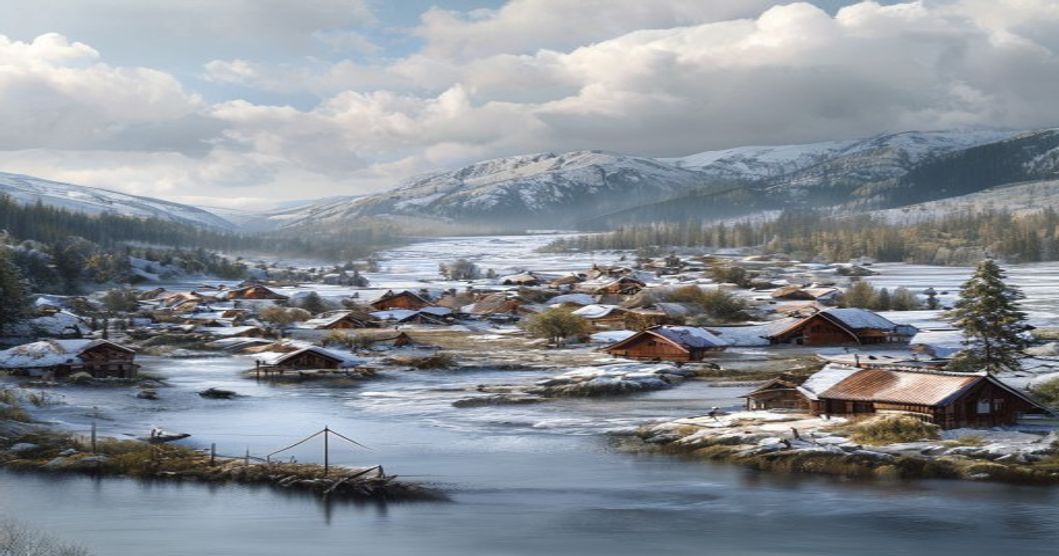
The Cultural Heart of Sápmi: Understanding Authentic Sámi Communities
The Sámi people, recognized as the indigenous population of northern Scandinavia, maintain a distinct cultural identity across the border regions of Norway, Sweden, and Finland. This ancestral territory, known as Sápmi, spans diverse ecosystems from coastal fjords to Arctic tundra, where traditional livelihoods like reindeer herding have persisted for millennia. Authentic Sámi villages are not merely tourist destinations but living communities where language, spirituality, and subsistence practices remain deeply interconnected. Visitors seeking genuine cultural immersion must look beyond standardized tour packages and focus on regions where indigenous governance and seasonal migration routes actively shape daily life.
Key Regions for Discovering Traditional Sámi Settlements
Kiruna and Gällivare in Swedish Lapland
The Kiruna-Gällivare corridor hosts some of Sweden’s most visible Sámi communities, particularly around the Saiva Sandsjon plateau. This area serves as a seasonal grazing ground where reindeer herding families manage thousands of animals across vast forested landscapes. Travelers can engage with local guides who explain duodji, the traditional Sámi handicraft system, and demonstrate how bone, antler, and wool are transformed into functional tools and ceremonial garments. The region also hosts the annual Sámi Week festival, which showcases competitive skiing, traditional music, and political advocacy for land rights.
Kautokeino and Karasjok in Norwegian Finnmark
Northern Norway’s Kautokeino municipality represents a cultural stronghold where the Sámi language remains the primary medium of communication. The community centers around the Sámi University of Applied Sciences, which actively documents oral histories and revives endangered dialects. Nearby, Karasjok houses the Norwegian Sámi Parliament and offers accredited cultural tours led by indigenous historians. Seasonal reindeer slaughter traditions and communal feasting events provide visitors with direct insight into sustainable Arctic nutrition and social cohesion.
Inari and Enontekiö in Finnish Lapland
Finnish Sápmi’s Inari region features the Siida Museum, a cornerstone for understanding both natural history and indigenous heritage. The surrounding Lake Inari watershed supports year-round settlement patterns where families maintain traditional winter camps near frozen waterways. Enontekiö’s remote villages emphasize eco-tourism partnerships that fund conservation projects while offering authentic lavvu accommodation. Guided hikes through this terrain reveal ancient petroglyphs and demonstrate how Sámi ecological knowledge informs modern wildlife management.
Seasonal Cycles and Sustainable Travel Practices
Winter Expeditions and Arctic Livelihoods
The polar night transforms Sápmi into a landscape of extreme conditions where survival depends on centuries-old adaptation strategies. Ethical winter tourism prioritizes reindeer-drawn sleigh journeys over mechanized transport to minimize environmental disruption and support herd maintenance. Visitors experience traditional ice fishing techniques, snowshoe tracking, and nighttime storytelling sessions centered around the joik vocal tradition. These practices are not entertainment but vital methods of transmitting ecological data and spiritual beliefs across generations.
Summer Migration Routes and Foraging Traditions
During the midnight sun period, Sámi communities shift focus to highland grazing zones where reindeer give birth and fatten for winter. This season offers rare opportunities to observe seasonal transhumance, a migratory pattern that has been classified as an Intangible Cultural Heritage of Humanity by UNESCO. Local foragers collect cloudberries, birch bark, and medicinal lichens, demonstrating how indigenous botany intersects with contemporary wellness industries. Travelers are encouraged to participate in guided berry-picking walks that emphasize leave-no-trace principles and respect for sacred landscapes.
Ethical Engagement and Cultural Preservation
Authentic Sámi tourism requires strict adherence to indigenous-led frameworks that prioritize community autonomy over commercial extraction. Travelers must verify that tour operators hold certifications from recognized bodies like the Sámi Tourism Association, which enforces guidelines on narrative accuracy, compensation equity, and environmental impact. Supporting indigenous-owned lodges and purchasing directly from artisan cooperatives ensures revenue circulates within local economies. Cultural protocols dictate that photography of sacred rituals or
Frequently Asked Questions about Sami Villages You Can Visit in Scandinavia
What is Sami Villages You Can Visit in Scandinavia?
Sami Villages You Can Visit in Scandinavia refer to traditional indigenous settlements and cultural centers located in the northern regions of Norway, Sweden, and Finland, where visitors can engage with authentic Sámi heritage, including reindeer herding, traditional lavvu dwellings, joik singing, and seasonal cultural festivals.
Key facts about Sami Villages You Can Visit in Scandinavia
Key facts include that the Sámi are the only officially recognized indigenous people in the European Union, their ancestral lands span across four countries, and responsible tourism at these villages emphasizes cultural preservation, indigenous-led guides, and sustainable practices that directly support local Sámi communities.