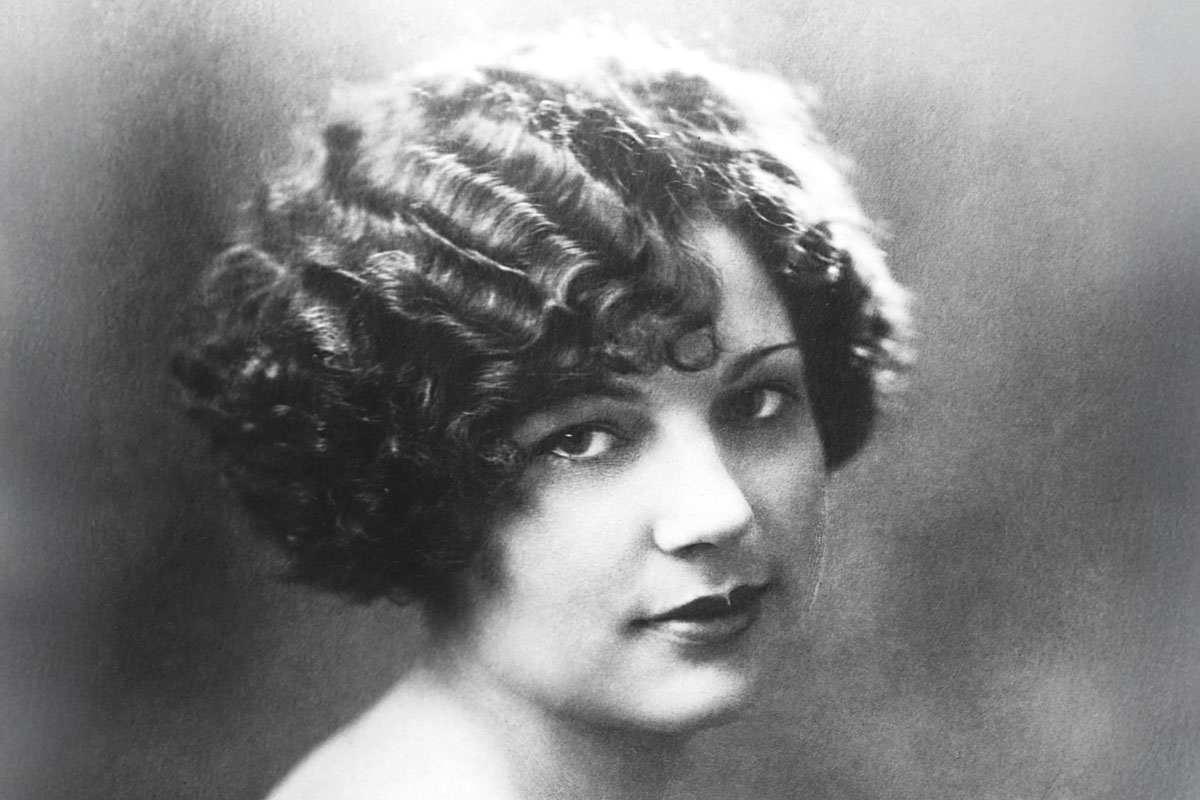
“Beauty is pain” is a familiar phrase, and one that has been taken quite literally at many points in history. People have swallowed toxins such as arsenic and restricted their bodies with corsets, all in the name of status, style, and desirability. Here are five of the most extreme examples of dangerous beauty trends from decades past.
Radium Products
In the early 20th century, radium was briefly treated like a miracle ingredient. Following its 1898 discovery, radium’s mysterious, faint luminescence made it seem almost magical; as early as 1904, products such as the topical product Ec-Zine and even drinkable radium water were being advertised as a cure-all for everything from eczema to pimples to blood poison.
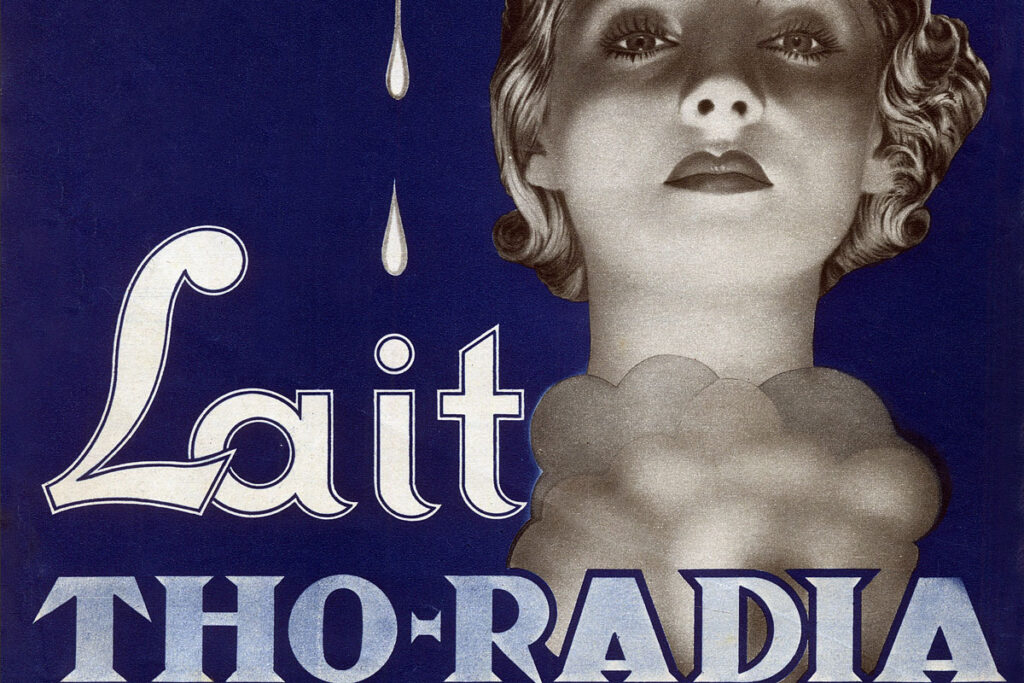
By the 1930s, beauty brands had leaned in, too. The French company Tho-Radia — so named for the elements thorium and radium — sold face creams and lipstick claiming to be a “perfect scientific method of keeping the skin of the face and neck in order.” The claims, of course, turned out to be very wrong. Long-term exposure to radium has many negative health effects, including damaging bones and increasing cancer risk. By the end of the 1930s, growing awareness of health dangers and tightening government regulations brought the use of radium in beauty and wellness products to an end.
— advertisement —

Lead-Based Face Paint
In Elizabethan England, pale skin was fashionable, seen as a sign of wealth and leisure. To achieve the look, many women turned to a popular foundation known as Venetian ceruse. Made with vinegar, water, and white lead powder, it certainly cast women in their desired pallor. But used over extended periods, it could also lead to skin discoloration and hair loss; over a long time, exposure to lead can also cause neurological damage.
Lead was present in other cosmetics at the time, too. Rouge was a common makeup often formulated from white lead with colored dyes mixed in. But Elizabethans weren’t the first to use lead in their beauty regimens: Evidence points to its use not only in ancient Roman times but also as far back as 3500 BCE in ancient Mesopotamia and 3000 BCE in ancient Egypt.
— advertisement —

Belladonna Eyes
During the Renaissance era in Europe, especially in parts of Italy, beauty ideals often emphasized large, luminous eyes. To get the desired effect, some women used eyedrops made from Atropa belladonna, a highly toxic plant also known as deadly nightshade. The plant contains atropine — the compound that, in carefully measured, sterile doses, your eye doctor might give you today to dilate your pupils.
That’s exactly what Venetian women were aiming for, too. But their doses were unregulated and applied repeatedly for the cosmetic effect of big, alluring eyes. The cost was high: Belladonna interferes with the nervous system and often causes blurred vision, extreme light sensitivity, and disorientation, with repeated use leading to long-term vision damage or blindness.
X-Ray Hair Removal
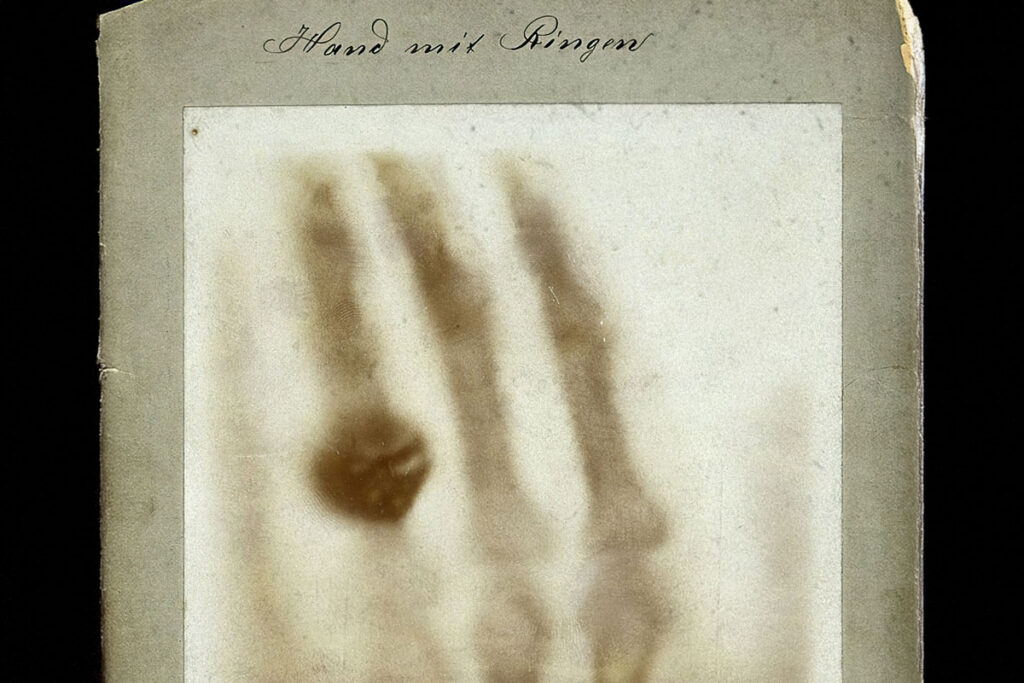
When X-rays were discovered in 1895, they quickly earned a place in the public imagination as a kind of invisible, modern force that could do just about anything. By the early 20th century, that fascination had spilled into beauty culture, and clinics throughout North American and Europe began offering X-ray hair removal as a painless, high-tech alternative to shaving or waxing unwanted facial or body hair.
The treatment worked by damaging hair follicles with radiation exposure, leading to hair loss over time. Though that was the desired effect, what was not yet understood was the cumulative harm of the technology’s radiation. Many patients developed burns, chronic skin damage, and in some cases, cancer decades later. Eventually it became clear that the medical risks outweighed the perceived aesthetic benefits, and by the late 1940s, X-ray hair removal services were no longer offered.
— advertisement —
Tapeworm Dieting
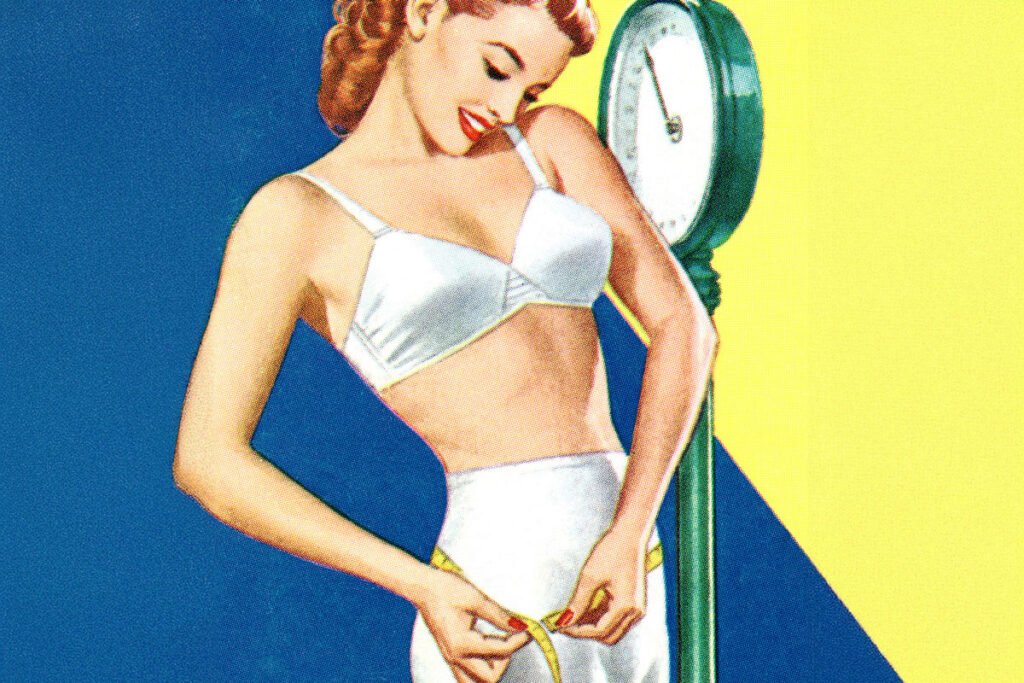
At the turn of the 20th century, weight-loss culture was already established, if much less publicly advertised than today. But it reached new levels with the emergence of tapeworm dieting. Marketed through advertisements and distributed through unregulated mail-order products, the diet promised effortless slimming by ingesting tapeworm eggs, critters dubbed “friends for a fair form.”
Once inside the body, the tapeworm would allegedly hatch and go on to absorb nutrients from food, supposedly allowing the host to eat as usual while still losing weight. When a person reached their desired weight, they were meant to take an anti-parasitic treatment to kill the tapeworm and simply pass it from the body.
In reality, tapeworms can grow up to 30 feet long and cause people to have diarrhea, vomiting, malnutrition, as well as abdominal problems and more serious health concerns; they can also cause complications upon removal. While a 19th-century patent for a tapeworm trap does exist, designed to be used after ingesting the critter for weight loss, it’s likely that many of the marketed products contained laxatives or placebos instead of actual tapeworms, and the trend was all but abandoned by the mid-20th century.