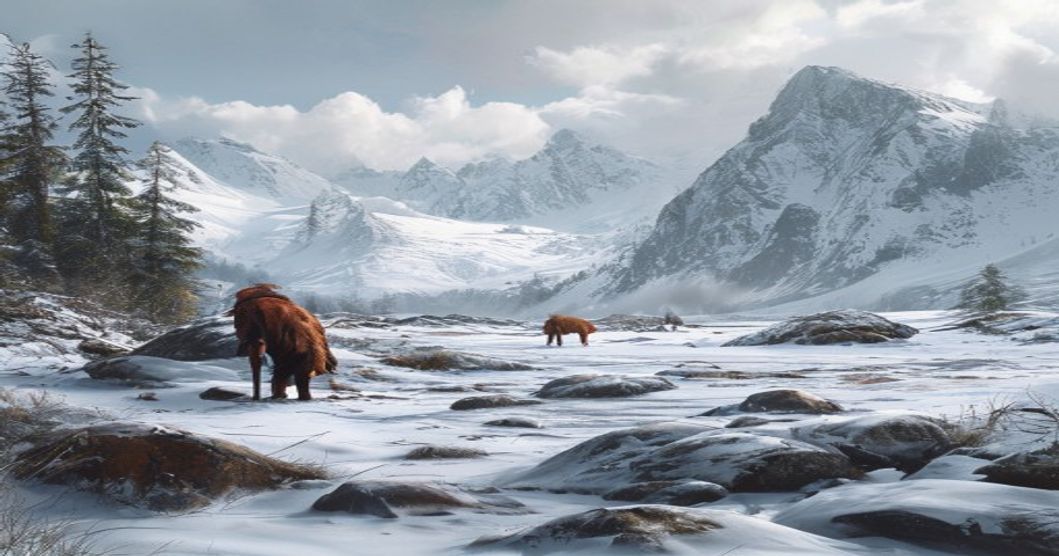
Sami Wilderness Skills and Arctic Knowledge: A Comprehensive Guide
The Sami people have cultivated an intricate system of Arctic survival over centuries, shaped by extreme cold, frozen terrain, and rapid seasonal shifts. Mastery of this environment demands precise observation and adaptive techniques rather than reliance on modern equipment. Navigation across tundra and forested fells requires reading subtle environmental cues: wind direction through snow drifts, lichen growth patterns on rocks, and the position of celestial bodies during polar twilight. Reindeer herding forms the economic and logistical backbone of Sami life, dictating migration routes that align with grazing cycles and weather windows. Each movement is calculated to preserve both animal welfare and pasture regeneration.
- Navigational Mastery: Route planning depends on tracking animal trails, ice thickness indicators, and seasonal bird migrations rather than compass bearings alone.
- Shelter Engineering: The lavvu structure utilizes naturally bent birch poles to distribute wind load efficiently. Compact snow walls block cutting gusts while retaining thermal energy.
- Fire Preparation in Damp Conditions: Tinder bundles combine dried mushroom caps, pine resin-soaked wood, and split birch bark. Ignition occurs within a windbreak trench to protect embers during blustery fronts.
Food preservation techniques prevent seasonal scarcity from becoming survival threats. Smoking, air-drying, and fermentation transform reindeer meat, fish, and berries into stable provisions. Lichens such as Cetraria islandica are processed through boiling and grinding to extract edible carbohydrates. Clothing relies on layered reindeer leather and wool, with boots featuring inward-turned toes to collect melting snow before it reaches the skin. Every tool in traditional duodji craftsmanship serves a dual purpose: daily utility and emergency readiness.
Eco logical knowledge operates on generational feedback loops. Hunters track movement patterns through fresh tracks, ice thickness indicators, and bird behavior. Foraging follows strict seasonal calendars to avoid overharvesting. Contemporary practitioners integrate GPS devices with traditional route memory, maintaining navigational accuracy while respecting land-use boundaries. This synthesis of ancestral technique and measured modern adaptation ensures resilience across changing Arctic conditions.
The Origins of Indigenous Northern Survival Techniques
Indigenous northern survival techniques emerged through centuries of continuous adaptation to extreme Arctic and sub-Arctic environments, where human existence depended entirely on precise environmental reading and resource optimization. The Sami people, occupying the Fennoscandian tundra across Norway, Sweden, Finland, and Russia, engineered a sophisticated ecological knowledge system anchored in reindeer husbandry, seasonal migration routing, and microclimate interpretation. Their survival framework operated as a dynamic feedback loop rather than a fixed set of rules, evolving through constant observation of snowpack stratification, wind channeling, animal behavior shifts, and celestial positioning.
At the core of this traditional intelligence lies seasonal resource mapping. Indigenous communities tracked polar night cycles for winter orientation, monitored lichen expansion patterns to predict reindeer grazing windows, and utilized permafrost strata as passive cold storage. Garment construction demonstrated engineered thermal management: dual-layer hide clothing incorporated hollow guard hairs that trapped convective air pockets, while leg coverings integrated moisture-transferring inner linings to maintain capillary dryness during multi-day treks.
- Snow Engineering: Builders fabricated wind-scoured snow shelters and insulated trench dwellings using compacted snow blocks, exploiting snow’s thermal resistance (approximately R-5 per inch) to sustain interior stability while external temperatures dropped below minus forty Celsius.
- Food Preservation Protocols: Practitioners deployed freeze-drying through elevated wind racks, fermented fish in sealed birch bark vessels, and buried blubber in anaerobic peat pits where oxygen depletion halted bacterial decomposition without artificial cooling.
- Environmental Sign Reading: Navigators assessed ice integrity through acoustic resonance when stepping across frozen waterways, identified structural weak points via subtle optical refraction on snow surfaces, and followed established animal corridors that naturally bypassed thin ice zones or avalanche convergence areas.
This ecological literacy transferred through immersive field instruction rather than textual records. Senior practitioners trained younger generations in route selection by analyzing avian flight altitudes, interpreting moss inclination for solar alignment, and examining snow crystal morphology to forecast pressure drops. Contemporary environmental research now corroborates these traditional methodologies, demonstrating that indigenous land stewardship preserved tundra biodiversity networks and maintained soil stability long before modern conservation science formalized similar principles.
How Traditional Ecological Knowledge Shapes Modern Conservation
Traditional Ecological Knowledge functions as a longitudinal dataset compiled through direct generational observation of arctic ecosystems. Sami reindeer herding protocols document lichen succession rates, snowpack stratification, and predator migration triggers that satellite telemetry cannot fully interpret. Conservation frameworks incorporating these observational records gain temporal depth spanning centuries rather than decades. Remote sensing identifies vegetation anomalies, yet ground-truthed indigenous tracking explains the microclimatic variables driving those shifts. Land managers map permafrost degradation through historical grazing corridors, identifying early environmental stress indicators that validate contemporary climate projections.
This integration reduces monitoring expenditures while enhancing predictive accuracy for habitat restoration initiatives. Protected area design increasingly relies on collaborative boundary mapping with Sami communities, recognizing that ancestral migratory routes frequently intersect with critical species corridors. Translating oral ecological records into standardized conservation metrics requires careful methodological alignment without stripping cultural context. Researchers cross-reference traditional phenological observations with peer-reviewed ecological datasets, establishing hybrid monitoring systems that combine GPS animal tracking with historical land-use documentation.
- Ecosystem Resilience: Traditional resource allocation naturally maintains soil integrity, suppresses pest population booms, and preserves peatland hydrology across fragmented tundra zones.
- Adaptive Co-Management: Collaborative governance demonstrates improved species recovery metrics when indigenous monitoring replaces conventional survey protocols, reducing industrial conflict over ecological carrying capacity thresholds.
- Data Validation: Long-term monitoring networks benefit from embedding traditional weather forecasting indicators alongside automated meteorological stations, creating robust climate adaptation models.
Modern reserve planning gains measurable efficiency when incorporating these spatial strategies across arctic landscapes. Strategic data sharing agreements between research institutions and Sami land-use groups ensure continuous knowledge exchange while protecting intellectual property rights. Conservation funding allocations shift toward community-led habitat restoration when pilot programs demonstrate higher survival rates for native flora and fauna. Institutional policy updates increasingly mandate indigenous consultation phases before approving infrastructure projects within sensitive polar zones.
The synthesis of ancestral tracking methodologies with contemporary conservation biology creates a scalable framework for regional stewardship globally. Management teams prioritize seasonal resource distribution maps over static boundary lines, enabling dynamic protection strategies that respond to rapid environmental volatility.
Essential Navigation and Wayfinding Methods in the Taiga and Tundra
Traditional Sami wayfinding in subarctic environments depends on layered environmental reading rather than mechanical instruments. Navigators interpret terrain gradients, wind corridors, and seasonal light shifts to maintain direction across featureless tundra or dense boreal forests.
In the taiga, canopy density obscures celestial markers. Practitioners rely on hydrological flow lines, following glacial meltwater routes that consistently drain toward lower elevations. Bark asymmetry on conifers reveals prevailing wind directions, while moss accumulation on the leeward side of trunks provides secondary orientation data. Animal trails, particularly reindeer wintering paths, form natural corridors that align with historical migration windows and safe passage zones.
- Sun compass technique: A vertical stick casts a shadow that rotates clockwise across the day. Marking the initial and final shadow endpoints creates an east-west baseline, enabling true north alignment without magnetic interference.
- Permafrost micro-terrain: Tundra landscapes exhibit ice-wedge polygons and thaw slumps. Stable travel routes follow polygon ridges where ground stability prevents snowdrift accumulation during blizzards.
- Seasonal ice routing: River and lake freeze patterns indicate safe crossing points. Ice thickness correlates with water depth, current velocity, and spring melt timing. Sami navigators read surface texture, lichen presence, and wind-scoured ridges to avoid thin zones.
Celestial navigation remains viable during polar nights through star path memorization and lunar phase tracking. The Sami used Orion’s belt as a seasonal anchor for southern routes, while Ursa minor guided northern passages across the tundra plateaus. Cloud formations also serve as indirect sun indicators; diffuse glow patterns reveal solar position when visibility drops below fifty meters. Wind roses sketched in snow or carved into wooden markers encode multi-directional route data passed through generational oral transmission.
Modern Arctic travel demands cross-referencing these natural indicators with topographic memory. Magnetic declination shifts across Fennoscandia require constant calibration between traditional landmarks and contemporary coordinates. Route planning integrates elevation profiles, avalanche terrain mapping, and thermal layer analysis to prevent disorientation during whiteout conditions. Mastery of taiga and tundra navigation rests on recognizing environmental feedback loops rather than isolated directional cues.
Reading Snow Conditions and Wind Patterns for Safe Travel
Understanding snowpack stratification and atmospheric pressure shifts forms the foundation of safe arctic movement. Fresh precipitation rarely dictates travel risk on its own; the interaction between falling flakes and existing layers determines structural integrity. When surface hoar develops beneath clear skies, it creates a persistent weak layer that fractures under minimal stress. Temperature gradients within the snowpack accelerate this process. Cold nights followed by rapid warming days generate faceted crystals that bond poorly to underlying strata. Traversing these zones without mechanical testing or experienced trail breaking increases fracture propagation probability significantly.
Wind acts as the primary sculptor of avalanche terrain and navigation hazards. Prevailing directions concentrate loose powder on windward slopes while depositing dense, cohesive slabs across leeward faces. These wind-loaded pockets often lack visible seams until a ski track or boot step triggers sudden collapse. Sastrugi formations reveal long term wind direction through their steep lee sides. Observing how drifts align with ridgelines, tree lines, and exposed rock outcrops allows travelers to anticipate load distribution before stepping onto unstable ground. Katabatic flows descending from high elevation plates intensify during night hours, packing fresh snow into hard crusts that mask underlying weaknesses.
- Snow Density Mapping: Use a probe rod at regular intervals to identify depth hoar zones and ice layers beneath wind crusts.
- Wind Direction Analysis: Note sastrugi orientation, drift boundaries, and snow plume trails above ridges to calculate prevailing exposure.
- Thermal Gradient Monitoring: Track diurnal temperature swings that accelerate crystal growth and weaken layer bonds.
- Terrain Interaction: Avoid convex rollovers, steep leeward slopes, and narrow chutes where wind slabs concentrate stress.
Route selection requires cross referencing current snowpack data with short term meteorological forecasts. Sudden pressure drops signal incoming systems that will redistribute snow within twelve to twenty four hours. Travelers should prioritize flat or gently sloping terrain during active precipitation events and reserve steeper aspects for stable high pressure windows. Consistent observation of snow surface texture, wind scoured patches, and underlying firmness builds pattern recognition over time. Reliable navigation in polar environments depends on treating snow conditions and wind behavior as interconnected variables rather than isolated weather metrics.
Using Celestial Cues and Landmarks During Polar Nights
Navigating across frozen tundra and sea ice during extended periods of darkness demands precise environmental reading rather than reliance on digital instruments. Sami herders historically tracked the midnight sun’s arc along the horizon to estimate latitude and directional bearing, a technique adapted when solar visibility drops below twenty degrees. During true polar night conditions, celestial navigation shifts toward stellar patterns and lunar phases. The Big Dipper’s pointer stars consistently align with Polaris, providing reliable north orientation even under heavy cloud cover when combined with atmospheric refraction data. Traditional Sami guides also monitor the moon’s position relative to known ice ridges and frozen fjords, adjusting routes based on tidal drift and wind-packed snow formations.
Terrestrial landmarks require constant verification because glacial movement and storm deposition alter terrain features within weeks. Reindeer migration corridors, ancient cairns constructed from layered stone, and exposed bedrock outcrops serve as fixed reference points across otherwise uniform landscapes. Wind direction becomes a critical navigational tool; prevailing westerlies carve distinct sastrugi patterns that indicate downwind travel routes toward sheltered valleys. Ice thickness variations reveal underlying water bodies through subtle color shifts in the snow cover, allowing travelers to avoid thin ice zones without acoustic testing equipment.
Modern practitioners integrate these ancestral methods with contemporary safety protocols by mapping celestial coordinates against topographical surveys before departure. Seasonal weather windows dictate when traditional route markers remain visible, requiring flexible decision-making based on real-time environmental feedback rather than fixed schedules. The cumulative knowledge of Arctic navigation emphasizes pattern recognition over memorization, transforming seasonal ice behavior and stellar movement into a dynamic compass system that has sustained indigenous communities for centuries.
- Track lunar phases against known glacial moraines to maintain bearing during overcast conditions
- Observe sastrugi alignment and wind-scoured snow drifts to identify prevailing atmospheric flow patterns
- Use stellar elevation angles combined with historical Sami route markers for latitude verification
- Monitor ice color gradients and acoustic feedback to distinguish safe travel corridors from pressure ridge zones
Reindeer Husbandry and Seasonal Migration Strategies
Sami reindeer husbandry operates as a precision-driven seasonal system, where animal movement directly mirrors Arctic ecological rhythms. The annual cycle begins in spring when herders guide the cattle toward coastal or mountainous calving grounds. These locations offer snow-free vegetation and reduced predator exposure during birth season. By summer, the herd disperses across boglands and lichen-rich plateaus to recover from winter depletion. Herders monitor rumen contents and body condition continuously, adjusting grazing pressure before forage becomes scarce.
Autumn migration marks the most complex phase of husbandry. Herds are consolidated through strategic mustering, where experienced riders use specific whistles and horse signals to direct movement across hundreds of kilometers. Navigation relies on generational terrain memory, wind direction analysis, and real-time snowpack assessment. Deep crusted snow forces herders toward sheltered valleys, while fresh powder opens access to high-altitude lichen pastures.
- Spring calving grounds require proximity to freshwater sources and natural windbreaks to protect newborn calves from hypothermia.
- Summer grazing zones depend on insect-free ridges and nutrient-dense dwarf shrub expansion patterns.
- Winter pastures are selected based on lichen layer thickness, which can only be accessed when snow depth remains below fifty centimeters.
Modern climate volatility disrupts traditional migration corridors. Thaw-freeze cycles create ice layers that seal lichen beneath, forcing herders to extend travel distances or supplement feed. Digital tracking collars now complement ancestral knowledge, allowing real-time herd dispersion monitoring across vast, roadless territories. Despite technological integration, route selection remains rooted in microclimate reading, animal stress indicators, and historical grazing memory passed through oral instruction.
The sustainability of this system hinges on spatial autonomy. Fenced infrastructure and industrial land use fragment traditional corridors, reducing seasonal flexibility. Herding communities actively negotiate land-use agreements to preserve migration rights, recognizing that rigid boundaries collapse the ecological balance required for long-term reindeer population stability.
Tracking Herd Movements Across Frozen Landscapes
Reading reindeer trails across tundra requires precise observation of snow structure and terrain interaction. Sami trackers analyze track depth relative to snow density, noting where hooves break through surface crusts versus sink into loose powder. Spacing between prints indicates movement speed, while irregular patterns signal stress or predator evasion. Wind direction dramatically alters track visibility; leeward slopes preserve impressions longer than wind-scoured ridges. Trackers examine the angle of fallen snow on either side of a print to determine travel direction, accounting for katabatic flows that shift drifts overnight.
Adapting Pasture Management to Climate Shifts
Climate volatility demands immediate recalibration of traditional grazing frameworks. Soil moisture retention has become the primary constraint, requiring land managers to prioritize cover crop integration and reduce mechanical tillage that accelerates evaporation. Shifting sward composition toward drought-resistant perennial grasses and legumes stabilizes ground cover during extended dry spells while maintaining protein levels for livestock nutrition. Root architecture improvements through managed defoliation cycles enhance deep soil water extraction capabilities.
Rotational grazing protocols must transition from fixed calendar schedules to dynamic rest periods dictated by actual pasture recovery rates. Stocking density optimization prevents overgrazing during moisture stress events, allowing swards to regenerate root systems before re-exposure. Short-duration, high-intensity grazing windows followed by extended recovery phases improve soil organic matter accumulation and increase infiltration capacity. This approach directly counters surface crusting and runoff that intensify during erratic precipitation patterns.
- Hydrological redistribution: Construct contour swales and keyline plowing to capture ephemeral rainfall events, directing water toward root zones rather than allowing rapid sheet flow.
- Forage diversification: Introduce climate-adapted botanical mixes including native bunchgrasses, deep-rooted brassicas, and stress-tolerant clovers to maintain yield stability.
- Microclimate buffering: Establish windbreak corridors and riparian buffers that reduce evapotranspiration rates and moderate soil temperature extremes during heat waves.
- Dynamic monitoring: Deploy soil moisture sensors combined with normalized difference vegetation index (NDVI) mapping to track real-time pasture stress thresholds.
Long-term resilience depends on integrating predictive climate models with localized grazing plans. Historical weather data often fails to represent emerging precipitation volatility, necessitating adaptive stocking adjustments that respond to seasonal forecast windows rather than annual averages. Soil carbon sequestration strategies directly influence water holding
Arctic Food Preservation and Foraging Traditions
The Sami people engineered highly efficient food preservation systems specifically calibrated for subarctic extremes, utilizing ambient temperature gradients instead of mechanical cooling. Drying serves as the foundational technique for extending the viability of reindeer meat, char, and waterfowl. Thinly sliced portions are suspended on weathered birch frames positioned in draft-controlled lean-tos, where consistent airflow accelerates moisture extraction. This method yields lightweight, calorie-dense provisions that remain stable for months without refrigeration.
- Smoking protocols rely on controlled combustion of juniper, birch wood, or dried reindeer dung to deposit phenolic compounds that inhibit microbial proliferation while enhancing fat stability.
- Lactic fermentation utilizes intact reindeer stomach linings as natural bioreactors. The native microbiome rapidly lowers pH levels, preserving raw meat and fish while converting complex proteins into bioavailable nutrients essential for winter survival.
- Natural subterranean vaults are excavated directly into permafrost layers or insulated earthen depressions lined with alder bark and reindeer moss. These structures maintain near-freezing temperatures during summer thaw cycles, safeguarding dairy products, rendered fat, and foraged harvests from spoilage.
Foraging operations demand precise phenological forecasting. Field knowledge aligns collection windows with the synchronized fruiting patterns of cloudberry (Arctostaphylos uva-ursi), lingonberry (Vaccinium vitis-idaea), and Sami reindeer lichen (Cetraria nivalis). Harvesters operate within compressed summer months, immediately applying dehydration or acidic brine treatment to halt enzymatic degradation. Lichen requires repeated cold-water rinsing to leach usnic acid, followed by slow drying into fine flour that supplements carbohydrate deficits during lean seasons.
Sustainable yield management remains embedded in traditional ecological practice. Foragers monitor vegetation recovery rates, rotate harvesting zones annually, and enforce strict portion limits to prevent tundra depletion. This systematic approach ensures long-term botanical resilience while maintaining the nutritional foundation required for wilderness mobility across Scandinavian Arctic landscapes.
Smoking, Drying, and Fermenting Game and Fish
Preservation of game and fish remains a cornerstone of Sami wilderness survival, engineered to withstand Arctic winters that extend beyond six months without reliable fresh provisions. Traditional cold smoking relies on slow combustion of birch wood, juniper branches, or dried reindeer dung, maintaining temperatures below eighty degrees Celsius over extended periods. This controlled thermal process draws moisture from muscle fibers while depositing phenolic compounds and organic acids that inhibit bacterial proliferation and prevent lipid oxidation. The resulting meat develops a dense cellular structure and concentrated flavor profile suitable for multi-year storage when kept in ventilated wooden caches positioned above ground level to maximize airflow.
Wind drying exploits the region’s constant polar drafts and subzero nighttime temperatures to accelerate dehydration without thermal degradation. Hunters suspend strips of reindeer flank, ptarmigan breast, or Arctic char on elevated timber racks positioned away from direct solar exposure and scavenger routes. Natural freezing during winter months creates intracellular ice crystals that rupture tissue matrices, allowing water to sublimate directly into vapor when daytime thaw cycles occur. Once fully desiccated, the biomass is packed tightly in cured reindeer stomachs or waxed canvas containers lined with birch bark, which actively regulate internal humidity and block oxidative exposure.
Fermentation operates through strictly controlled anaerobic environments where lactic acid bacteria outcompete spoilage organisms. Practitioners place cleaned fish or minced game into hollowed wooden troughs or sealed animal bladders buried in permafrost-adjacent soil. Salt concentrations typically range between two and four percent of total weight, extracting initial moisture while establishing a brine matrix that supports targeted probiotic multiplication. Temperature fluctuations are managed through precise burial depth and insulating cover materials; deeper placements maintain stable cold conditions that retard fermentation kinetics to prevent putrefaction. This biological processing preserves heat-sensitive nutrients including B vitamins, omega fatty acids, and ascorbic acid precursors that rapidly degrade during high-heat preservation methods.
- Airflow velocity must remain consistent to prevent surface mold colonization without over-drying connective tissue
- Relative humidity in storage compartments should stay below sixty percent to inhibit Clostridium development and enzymatic breakdown
- Fermentation timelines vary from fourteen days for whitefish to nine months for dense reindeer cuts depending on ambient temperature gradients
- Post-preservation inspection requires systematic checking for gas pockets, membrane discoloration, or ammonia odors that indicate anaerobic spoilage
These interconnected preservation techniques transform seasonal abundance into year-round sustenance while maintaining ecological balance through complete biomass utilization. The methodologies demonstrate precise environmental adaptation, leveraging native flora, indigenous animal materials, and predictable climatic patterns to achieve food security without modern refrigeration infrastructure.
Identifying Edible Lichens, Berries, and Medicinal Plants
Arctic foraging demands precise visual assessment and environmental awareness. Edible lichens form the backbone of winter sustenance in Sámi traditional diets, with Cetraria islandica requiring careful processing. Harvest only thick, leafy specimens from clean, unpolluted slopes. Remove the yellowish upper cortex by scraping or boiling, then leach repeatedly in cold water to eliminate usnic acid before drying or simmering into broth. Avoid Letharia vulpina, which contains potent terpenes and causes gastrointestinal distress.
- Crowberry (Empetrum nigrum): Grows in dense, low mats along tundra ridges. Identify by small, glossy evergreen leaves and dark purple berries that persist under snow until spring. Harvest when fully blackened; freeze immediately to preserve pectin and anthocyanins.
- Cloudberry (Rubus chamaemorus): Locate in acidic peat bogs near mosses like Sphagnum. Leaves exhibit a distinctive three-lobed palmate shape with reddish undersides. Berries develop from white to amber; overripe fruits ferment rapidly, so harvest during peak ripeness in late summer and store at sub-zero temperatures.
- Bilberry (Vaccinium myrtillus): Thrives in coniferous forest edges and well-drained mineral soils. Stems are slender and square-edged; leaves turn crimson before autumn drop. Berries stain fingers deep blue-black, confirming anthocyanin richness ideal for long-term drying.
Medicinal plant selection relies on morphological markers and seasonal activity cycles. Arctic willow (Salix arctica) offers high salicin content; harvest young twigs in early spring, strip bark, and dry for anti-inflammatory preparations. Drosera rotundifolia traps moisture with glandular hairs; collect leaves during flowering to maximize mucilage yield for respiratory ailments. Pine needles (Pinus sylvestris) provide concentrated vitamin C when harvested from current-year growth, avoiding older yellowed foliage that accumulates environmental toxins.
- Always verify habitat: avoid plants near grazing trails, industrial runoff, or high-traffic reindeer routes due to heavy metal accumulation.
- Practice rotational harvesting; leave one-third of each population intact to ensure mycorrhizal continuity and seed dispersal.
- Cross-reference local Sámi place names with botanical records; traditional knowledge often encodes microhabitat preferences invisible to modern field guides.
Duodji Craftsmanship and Functional Tool Making
Duodji represents a foundational pillar of Sami material culture, bridging survival necessity with aesthetic precision. Traditional tool making relies on locally sourced materials: reindeer antler, birch wood, caribou hide, and iron harvested through historical trade networks. Each material undergoes specific preparation processes that dictate the final object’s durability and function. Antlers are split, boiled, and carved to create knife handles, toggles, and weaving shuttles. Birch bark provides waterproof containers and fire-starting tinder, while sinew serves as natural cordage for lashings and stitching.
- Antler tempering requires controlled heating cycles that align with local permafrost thaw windows to prevent structural fractures during cold exposure.
- Hide curing involves enzymatic breakdown followed by stretching on wooden frames, creating a tensile matrix resistant to sub-zero flexion.
- Metal blades undergo quenching in reindeer fat or pine sap, producing a carbon distribution that maintains edge retention across repetitive hide scraping.
The crafting process demands seasonal timing; antler harvesting follows reindeer migration patterns, and wood collection occurs during dormant seasons to prevent splitting. Functional design prioritizes ergonomics adapted to cold environments. Tools feature wide grips that accommodate thick gloves, sharpened edges optimized for processing hides and fish, and balance points calculated through generations of iterative refinement. Modern practitioners maintain these techniques by combining hand-forged steel with traditional lashing methods, ensuring tools remain repairable in remote settings without synthetic fasteners.
The knowledge transfer operates through direct apprenticeship rather than written manuals, emphasizing tactile feedback and environmental observation. Each object carries functional markers: a knife’s spine thickness indicates its intended pressure tolerance, a basket’s weave pattern determines water resistance, and a sled runner’s curvature reflects snow density conditions. This craftsmanship system preserves Arctic ecological data across generations, encoding climate adaptations into physical form while maintaining cultural continuity through material practice.
- Snow knives require specific blade angles for compacting powder into ice structures, while fishing spears utilize barbed tips calibrated to local species migration depths.
- Lashing techniques vary by load distribution; parallel sinew strands handle tensile stress, whereas cross-woven patterns manage compression forces during heavy transport.
- Maintenance protocols address thermal contraction; tools develop micro-fissures when exposed to rapid temperature shifts, requiring regular oiling with rendered tallow to prevent catastrophic failure.
Design geometry responds directly to Arctic biome constraints. Grip contours match reindeer metacarpal curvature for intuitive handling without visual confirmation. Weight distribution centers near the pivot point to reduce wrist fatigue during extended skinning sessions. Surface textures incorporate micro-grooves that channel moisture away from contact zones, preventing glove saturation in wet snow conditions. The integration of functional aesthetics follows strict geometric rules derived from reindeer bone structure and wind erosion patterns in tundra landscapes. Durability testing occurs through repeated friction cycles before final finishing with rendered fat or pine resin. Contemporary workshops document these processes using tactile mapping rather than digital schematics, preserving the kinesthetic memory required for cold-weather fabrication. Every component serves a measurable purpose, eliminating decorative elements that compromise structural integrity or increase pack weight during seasonal migrations.
Working with Reindeer Hide and Wool for Extreme Cold Protection
Reindeer hide and wool represent a uniquely engineered thermal barrier developed through centuries of Arctic adaptation.
The structural composition of reindeer hair differs fundamentally from domestic sheep wool. Each hair contains a hollow core that traps air, creating a continuous micro-insulation layer without adding significant weight. When processed through traditional Sámi techniques, the outer guard hairs are retained alongside the dense underwool, producing a fabric that maintains thermal efficiency even when saturated with moisture. Modern synthetic alternatives often fail to replicate this natural vapor transmission rate, which prevents sweat accumulation against the skin during prolonged exertion in sub-zero environments.
The tanning and curing methods applied to reindeer hide further enhance its protective capacity. Traditional smoking processes introduce phenolic compounds that preserve collagen fibers while increasing water resistance. The resulting leather exhibits exceptional wind barrier properties without requiring synthetic coatings that degrade over time. Garments constructed from these materials distribute thermal load across the body more efficiently than uniform insulation layers, particularly around joint areas where heat loss accelerates.
- Fiber Density: Up to 120 hairs per square millimeter create a dense mat that blocks convective heat transfer.
- Moisture Management: Capillary channels move liquid water outward while retaining trapped air pockets for insulation.
- Durability Metrics: Properly cured hide withstands 3,000+ rub cycles before fiber breakdown occurs in field conditions.
Layering strategies utilizing reindeer components follow precise physiological principles. The inner wool layer manages moisture through capillary action, pulling perspiration away from the skin while leaving the outer hide to deflect wind and precipitation. This dual-action system eliminates the need for chemical waterproofing treatments that compromise breathability. Durability testing in operational Arctic conditions confirms that properly prepared reindeer garments withstand mechanical abrasion from snow travel and brush contact far longer than conventional textile blends. The natural lanolin content within the fibers also provides inherent antimicrobial properties, reducing odor buildup during extended expeditions without requiring frequent washing cycles that damage fiber integrity.
Carving Knives, Snow Goggles, and Winter Skis from Natural Materials
Traditional Sami craftsmanship transforms raw Arctic materials into precision survival instruments through generations of accumulated ecological knowledge.
Blade and Handle Integration Knives designed for reindeer processing and camp tasks utilize handles carved from dense moose or reindeer antler. The material is selected for its low porosity, which prevents water absorption and structural degradation during repeated exposure to snow and blood. Artisans bore the tang using bow drills and iron borers, then heat-treat the steel through controlled coal forging. Reinforcement comes from braided rawhide lacing that expands when damp, locking the handle scales together without metal fasteners.
- Snow goggles function as optical filters against ultraviolet reflection and wind abrasion.
- Plates are cut from flat antler sections or hardened birch, featuring vertically aligned viewing slots spaced precisely to force downward gaze patterns.
- Some variants incorporate smoked glass inserts or polished mica fragments to increase contrast during whiteout conditions.
Ski Construction and Kinetic Adaptation Winter skis measure between two hundred fifty and three hundred centimeters, milled from straight-grained spruce or pine. The upper surface remains smooth for glide, while the lower channel receives a deeply carved grip pattern using side-cutting knives. Steam bending techniques apply reindeer fat as a lubricant during curvature formation, preventing fiber fracture. Rawhide binding straps tighten automatically with moisture exposure, securing the foot to thick reindeer hide boots. Each component relies on seasonal harvesting windows, air-drying protocols, and friction-based tempering methods preserved through oral transmission.
These constructs demonstrate direct material-to-environment matching. Thermal expansion rates, grain orientation, and density thresholds determine functional longevity in subzero temperatures. Contemporary wilderness programs analyze these techniques to optimize load distribution, moisture displacement, and energy efficiency without synthetic polymers or industrial adhesives.
Sustainable Land Stewardship and Ecosystem Balance
Sami land stewardship operates on centuries of observed ecological feedback rather than abstract conservation models. The Arctic tundra and boreal forests respond directly to grazing pressure, snow compaction, and vegetation recovery cycles. Traditional management maps these responses into actionable rhythms. Herders track lichen regrowth rates after winter pastures. They adjust herd sizes based on moss availability and water table depth. This approach prevents overgrazing while maintaining soil aeration and seed dispersal pathways. The system relies on continuous monitoring rather than fixed boundaries.
Ecosystem balance emerges from deliberate resource rotation and spatial distribution. Reindeer movement patterns naturally aerate compacted snow, allowing spring meltwater to penetrate deeper into the substrate. This moisture retention supports early-season plant germination across wide corridors. Hunters and gatherers practice selective harvesting, removing only mature specimens to preserve genetic diversity. Fire management follows historical burn intervals rather than suppression protocols. Ash enrichment restores nutrient cycles without triggering erosion. Knowledge transfer occurs through field demonstration, not documentation alone. Elders guide younger generations in reading ice thickness, bird migration timing, and fungal fruiting patterns as ecological indicators.
- Seasonal pasture rotation prevents soil depletion and supports lichen regeneration
- Herd density adjustments align with natural forage recovery rates
- Low-impact harvesting maintains pollinator networks and seed dispersal mechanisms
- Ice and snow monitoring informs safe travel routes while protecting fragile moss layers
- Intergenerational field training preserves adaptive decision-making skills
Modern conservation frameworks increasingly recognize these practices as functional climate adaptation strategies. Remote sensing data validates traditional migration corridors as critical biodiversity hotspots. When land-use policies integrate Sami stewardship protocols, vegetation cover stabilizes faster after extreme weather events. Water retention improves across watersheds. Carbon storage in permafrost regions remains protected through reduced mechanical disturbance. The synergy between indigenous ecological literacy and contemporary environmental science creates measurable resilience. Sustainable management continues to function because it treats the landscape as a living system rather than a static resource.
Rotational Grazing and Soil Conservation Practices
Traditional Sami pastoralism operates on a finely tuned rotational grazing system that directly sustains Arctic soil integrity. Reindeer herds migrate across distinct seasonal zones, typically moving from lowland winter pastures to highland summer ranges. This movement prevents continuous trampling and overbrowsing in sensitive tundra ecosystems. When reindeer remain stationary, they strip protective lichen layers, expose bare ground to wind erosion, and compact the fragile organic soil matrix. The Sami migration calendar accounts for vegetation recovery cycles, allowing dormant mosses and dwarf shrubs to regenerate before the next grazing pressure arrives.
Spatial pasture rotation functions as a natural soil preservation mechanism. Arctic soils develop extremely slowly due to low temperatures and limited microbial activity. Organic matter accumulation depends on undisturbed ground cover. By rotating pastures, herders maintain a mosaic of grazed and resting plots. This spatial distribution encourages diverse plant communities, which in turn stabilize topsoil through extensive root networks. The practice also preserves soil moisture retention capacity during rapid spring thaws, reducing surface runoff and gully formation.
- Pasture recovery intervals align with reindeer digestive physiology, ensuring optimal lichen regrowth rates before secondary grazing cycles begin.
- Microclimate regulation occurs through maintained vegetation cover, which insulates permafrost layers and prevents rapid thermal degradation of the active soil layer.
- Nutrient cycling efficiency improves as fecal distribution across resting zones returns nitrogen and phosphorus directly to depleted soil pockets without chemical inputs.
Traditional ecological knowledge guides these rotations with precision. Herders monitor snow depth variations, track wind-scoured patches, and observe reindeer antler wear patterns to predict pasture quality. They adjust migration timings based on historical weather data passed through oral transmission, ensuring herds arrive at summer ranges before peak insect activity depletes grazing efficiency. This adaptive management maintains soil microbiome balance, preventing the nitrogen depletion that typically follows intensive continuous grazing. Modern ecological studies confirm that these traditional corridors function as natural carbon sinks, with restored tussock tundra sequestering atmospheric carbon more effectively than degraded alternatives. The integration of mobile livestock management and Arctic landscape reading remains a proven method for preserving fragile northern soil systems against climate-induced permafrost thaw and vegetation collapse.
Protecting Biodiversity Through Generational Observation
The Sami people have maintained a continuous ecological monitoring system across the Arctic for centuries, relying on direct environmental cues rather than instrumental data. Their understanding of reindeer migration patterns, lichen growth cycles, and snowpack composition emerges from decades of systematic field observation. This generational transmission operates through practical apprenticeship, where elders demonstrate reading wind direction, identifying early thaws, and tracking predator movements across frozen tundra. Such knowledge directly supports biodiversity preservation by preventing habitat degradation and maintaining ecological balance.
Traditional land management practices emphasize rotational grazing, which allows vegetation recovery periods that sustain soil microbiomes and insect populations. The Sami concept of siida organizes territory usage around ecological carrying capacity rather than maximum yield. This approach prevents overgrazing pressures that typically trigger invasive species colonization in fragile tundra ecosystems. When communities apply historical weather forecasting alongside modern satellite imagery, they detect microclimate shifts before standard monitoring networks register them. Early warnings about permafrost thaw or altered flowering seasons enable rapid adjustments to resource extraction schedules.
- Reindeer vocal patterns signal changes in herd stress levels and grazing pressure distribution.
- Fox den relocation timing indicates shifting prey availability and snow insulation quality.
- Avian nesting failures provide continuous biological indicators of broader ecosystem stress and food web disruption.
Researchers now integrate these observations into conservation frameworks because they reveal trophic cascade effects that isolated data points often miss. The integration of this living archive with scientific biodiversity databases creates a hybrid monitoring system capable of tracking species distribution shifts across vast northern latitudes. Regions where traditional land use remains active consistently demonstrate higher native plant diversity and stable predator-prey ratios compared to industrialized zones. Protecting Sami wilderness practices means safeguarding an operational conservation model that adapts through lived experience rather than theoretical modeling. Future Arctic resilience depends on documenting, validating, and legally recognizing these generational observation networks as legitimate ecological infrastructure.
Preserving Sami Wilderness Skills for Future Generations
Traditional Sámi wilderness expertise relies on centuries of environmental observation, adaptive herding strategies, and deep ecological relationships that modern industrial systems cannot replicate. Rapid climate shifts across Arctic regions disrupt established reindeer migration corridors, alter snowpack stability, and change plant flowering cycles, directly threatening the survival of these practices. Communities actively counter this erosion by establishing intergenerational mentorship programs where experienced herders teach route navigation, weather pattern reading, and emergency survival techniques to younger participants. Language retention remains central to knowledge transfer, as specialized Sámi vocabulary encodes precise distinctions about ice conditions, animal behavior, and terrain hazards that standard translations frequently lose.
Documenting these practices requires both ethnographic fieldwork and community-controlled digital infrastructure. Regional cooperatives record oral histories through audio archives, map historical grazing territories using geospatial data, and compile medicinal plant guides verified by practicing healers. Educational institutions in northern Norway, Sweden, and Finland increasingly integrate Sámi environmental literacy into biology and geography curricula, ensuring academic validation alongside cultural continuity. Youth-led initiatives combine satellite tracking with traditional land markers to monitor ecosystem changes while maintaining ancestral navigation methods.
- Community-Driven Transmission: Regular outdoor camps where elders demonstrate snow shelter construction, wildlife tracking, and sustainable foraging protocols.
- Academic Partnerships: Universities collaborating with Sámi parliaments to standardize terminology and publish peer-reviewed studies on traditional ecological management.
- Digital Preservation Networks: Open-access repositories hosting high-resolution photographs, dialect recordings, and seasonal activity calendars maintained by local knowledge keepers.
- Land Tenure Advocacy: Legal frameworks securing grazing rights and resource access to prevent industrial development from fragmenting traditional territories.
Sustainable preservation demands continuous funding streams that prioritize indigenous governance over external research agendas. When communities control data collection protocols, knowledge remains contextualized within cultural ethics rather than extracted for commercial or academic gain. Long-term viability depends on recognizing wilderness skills not as historical artifacts but as living systems capable of informing contemporary conservation strategies and climate resilience planning across northern latitudes.
Integrating Traditional Knowledge into Formal Education Systems
Formal education systems have historically operated within standardized frameworks that rarely accommodate the nuanced environmental wisdom of Arctic communities. Bridging this gap requires deliberate curriculum architecture that treats traditional wilderness competencies as academic pillars rather than extracurricular supplements. Schools can embed these practices through modular units focused on snow and ice navigation, wildlife tracking, thermal regulation techniques, and sustainable resource management. These modules align with established science, geography, and environmental studies standards while introducing learners to place-based pedagogy that roots abstract concepts in lived Arctic realities.
Effective integration demands structural adaptations beyond content substitution. Educators must transition from lecture-driven instruction to experiential learning models where classroom theory transitions directly into field application. Partnerships with indigenous knowledge holders, elder councils, and local guides create authentic mentorship pathways that validate non-formal expertise within accredited programs. Assessment frameworks also require revision. Standardized multiple-choice testing fails to measure competencies like fire-starting under extreme wind conditions or reading glacial melt patterns. Rubrics must incorporate performance-based evaluations, portfolio documentation of survival simulations, and reflective journals that capture decision-making processes in dynamic environments.
- Curriculum Mapping: Align traditional skill sets with state and national educational benchmarks to ensure credit eligibility and accreditation compliance.
- Teacher Preparation: Implement professional development workshops that equip instructors with Arctic ecological literacy, cultural competency training, and safety certification for wilderness instruction.
- Community Co-Design: Establish advisory boards comprising local practitioners to review lesson materials, verify technical accuracy, and maintain cultural integrity.
- Resource Infrastructure: Allocate funding for portable teaching kits, insulated field shelters, satellite communication devices, and climate-controlled storage for traditional tools and textiles.
The pedagogical shift yields measurable academic and psychological benefits. Students demonstrate improved spatial reasoning, adaptive problem-solving, and risk assessment capabilities when learning occurs in authentic landscapes rather than controlled indoor settings. Ecological literacy deepens as learners observe seasonal microclimates, predator-prey dynamics, and permafrost degradation firsthand. Cultural continuity strengthens as youth recognize their heritage as a living academic discipline rather than a historical footnote. Institutions that successfully operationalize this model report higher attendance rates, reduced behavioral incidents, and increased college readiness among participants from remote Arctic regions.
Implementation obstacles remain substantial but surmountable through phased scaling strategies. Initial pilot programs should focus on summer intensive camps before expanding into semester-long credit-bearing courses. Grant funding from environmental education foundations and indigenous sovereignty initiatives can offset equipment costs. District administrators must navigate state testing mandates by designing traditional knowledge modules that generate quantifiable data aligned with existing accountability metrics. Long-term sustainability depends on institutionalizing these practices within accreditation standards, ensuring that Arctic wilderness literacy becomes a permanent educational competency rather than an experimental pilot.
Documenting Oral Histories and Digital Archiving Initiatives
The transmission of Sami wilderness expertise has historically relied on intergenerational oral networks rather than written records. Elders convey precise navigation techniques, reindeer herding calendars, medicinal plant identification, and weather forecasting through structured storytelling, place-based naming systems, and yoik melodies that encode geographical data. These knowledge systems operate as living archives, where environmental observation and cultural memory intersect. Digital preservation efforts now capture these ephemeral practices through high-resolution audio recordings, video documentation of seasonal migrations, and geotagged ethnographic surveys. Metadata schemas align with Dublin Core and CIDOC CRM standards, ensuring cross-institutional interoperability while respecting Sami data sovereignty protocols.
Technical implementations prioritize long-term accessibility without compromising cultural restrictions. Archivists utilize uncompressed WAV formats for audio, 4K video with embedded EXIF metadata, and spatial layers in QGIS to map traditional land use boundaries. Machine learning models trained on Northern Sámi dialects assist in transcription and translation, though human verification remains mandatory to preserve contextual nuance and prevent algorithmic distortion. Storage architectures follow the OAIS reference model, with distributed replication across Arctic research institutions and community-controlled servers.
- Metadata standardization: Dublin Core, CIDOC CRM, and Sami-specific controlled vocabularies ensure consistent indexing across repositories.
- Consent workflows: Tiered access controls differentiate between publicly shareable materials and culturally restricted knowledge requiring community approval.
- Ethical frameworks: Documentation follows CARE principles (Collective Benefit, Authority to Control, Responsibility, Ethics) alongside FAIR data guidelines.
Institutional coordination through the Sámi University of Applied Sciences digitization program and the Nordic Sami Digital Archive aligns technical infrastructure with Indigenous governance. Youth engagement initiatives integrate digitized archives into digital literacy curricula, interactive mapping exercises, and VR-based skill simulations. These tools bridge generational gaps by allowing students to access recorded hunts, craft demonstrations, and seasonal calendars while contributing their own documentation. Community-led digital repositories now operate under dual governance structures, where technical maintenance is handled by certified archivists while content curation remains strictly overseen by Sámi councils. This model prevents extractive data practices and ensures that digital preservation directly funds language revitalization programs and traditional skill workshops.
Practical Applications and Ethical Considerations Today
The integration of Sámi wilderness skills into contemporary survival training and ecological monitoring relies on precise observation techniques passed through generations. Practitioners map reindeer migration corridors using wind patterns, snow density variations, and lichen growth indicators rather than relying solely on digital navigation tools. Traditional shelter construction with birch poles, reindeer hides, and moss insulation provides passive thermal regulation in subarctic conditions. These methods reduce carbon footprints compared to synthetic camping gear while maintaining structural integrity during rapid weather shifts. Researchers document plant foraging calendars that align with polar night cycles and midnight sun periods, enabling accurate seasonal harvesting of cloudberry, crowberry, and medicinal lichens without disrupting soil microbiomes.
- Traditional route mapping supports modern GIS projects by overlaying historical grazing paths with current permafrost degradation data
- Ice thickness assessment using wooden picks and visual layer analysis prevents accidental falls during winter transit
- Smoke curing techniques for fish and meat extend preservation windows without refrigeration or chemical additives
- Animal tracking through broken twigs, breath patterns on cold air, and paw print depth ensures ethical hunting quotas
Preserving this knowledge requires strict boundaries around cultural ownership and research collaboration. External institutions must secure free, prior, and informed consent before recording oral histories or extracting botanical samples. Bioprospecting for Arctic compounds demands benefit-sharing agreements that direct royalties toward Sámi land stewardship programs rather than corporate patent portfolios. Educational materials should credit specific duodji artisans and herding families instead of generalizing techniques as anonymous folk wisdom. Tourism operators face scrutiny when commercializing sacred sites or staging reindeer sledding that disrupts natural migration rhythms. Sustainable visitor protocols limit group sizes, enforce quiet movement zones near calving grounds, and require guides to complete certified cultural competency training.
Intergenerational transmission remains the strongest safeguard against knowledge erosion. Youth apprenticeships under master herders combine digital mapping with snow profile analysis, ensuring technical accuracy while maintaining oral tradition frameworks. Academic partnerships must prioritize data sovereignty, allowing Sámi communities to control publication timelines and restrict access to sensitive ecological coordinates. When applied responsibly, these practices strengthen climate resilience, support biodiversity monitoring, and maintain cultural continuity without commodifying living heritage.
Respecting Indigenous Intellectual Property in Arctic Research
Traditional ecological knowledge held by Sami communities represents a highly structured system of intellectual property that demands rigorous ethical frameworks during Arctic research initiatives. Academic teams frequently navigate complex challenges when documenting land management techniques, reindeer husbandry practices, and seasonal navigation methods transmitted across generations. Establishing clear ownership boundaries prevents the unauthorized commodification of cultural heritage while ensuring institutional compliance with international regulatory standards. The Nagoya Protocol on Access and Benefit-Sharing provides a foundational structure for these collaborations, mandating transparent agreements before any data collection begins. Field researchers must secure free, prior, and informed consent from local councils and recognized knowledge holders, treating oral histories and survival techniques as protected assets rather than open-access resources.
Academic publications historically overlooked the proprietary nature of place-specific wilderness intelligence. Mapping traditional migration corridors or cataloging medicinal plant usage without explicit licensing violates established research ethics. Collaborative authorship models address this structural imbalance by granting co-credit to indigenous experts who supply critical environmental data. Institutional review boards now require detailed intellectual property clauses in all fieldwork proposals, specifying how raw materials, audio recordings, and analytical findings will be stored, accessed, and utilized long-term. Data sovereignty principles dictate that communities retain absolute control over sensitive geographical coordinates and cultural artifacts shared during expeditions. Researchers must implement digital watermarking for archived datasets to track unauthorized redistribution across academic repositories.
- Licensing Mechanisms: Customary use agreements grant limited research access while preserving commercial
Participating Responsibly in Cultural Immersion Programs
Engaging with Sami wilderness traditions requires a foundational commitment to indigenous sovereignty and ecological integrity. Cultural immersion programs in Arctic regions operate within fragile biomes where human activity directly intersects with reindeer migration corridors, permafrost stability, and centuries-old pastoral practices. Participants must approach these experiences as temporary learners rather than observers or collectors of cultural artifacts. Authentic engagement begins before arrival through verified partnerships with community-led organizations that hold land-use permits and traditional ecological knowledge credentials. All program activities should align with seasonal grazing calendars, avoid sacred geographies, and prioritize direct economic benefit to local households over external intermediaries.
Practical participation hinges on strict adherence to established protocols. Guides from Sami communities dictate movement patterns during calving seasons and winter feeding periods. Visitors must maintain designated distances from livestock, refrain from altering terrain for photography, and follow waste management systems that prevent contamination of water sources. Learning wilderness survival techniques such as birch bark fire starting, snow shelter construction, or lichen processing requires explicit permission and hands-on supervision. These skills were never designed for commercial demonstration but evolved through generations of adaptation to extreme climatic shifts. Respecting their origins means acknowledging the intellectual property rights embedded in traditional knowledge systems.
- Pre-program verification: Confirm operator licenses with Sami Parliament regional offices and verify profit-sharing agreements with local families.
- Ecosystem boundaries: Respect marked reindeer corridors, nesting zones for Arctic birds, and historical burial grounds without exception.
- Knowledge exchange protocols: Request guidance before attempting traditional crafts, document only approved activities, and avoid recording sacred ceremonies.
- Resource utilization: Follow leave-no-trace standards, utilize provided biodegradable supplies, and never harvest flora without explicit landowner consent.
Sustainable immersion programs measure success through community feedback loops rather than participant satisfaction metrics. Long-term value emerges when visitors internalize the relationship between human survival and environmental stewardship inherent in Sami worldview frameworks. Future engagements should prioritize apprenticeship models that transfer skills directly to younger generations while maintaining strict boundaries around spiritual practices. Ethical participation transforms short-term cultural exposure into meaningful cross-cultural dialogue grounded in mutual respect and ecological accountability.
“`html
Frequently Asked Questions
What is Sami Wilderness Skills and Arctic Knowledge?
Sami Wilderness Skills and Arctic Knowledge refers to the traditional ecological knowledge, survival techniques, and cultural practices of the indigenous Sami people who have inhabited the Arctic regions of Norway, Sweden, Finland, and Russia for centuries. This includes reindeer herding, navigation by natural signs, fur clothing making, traditional hunting methods, and an deep understanding of arctic ecosystems.Key facts about Sami Wilderness Skills and Arctic Knowledge
Key facts include: (1) The Sami are the only indigenous people of the European Union with recognized reindeer herding rights. (2) Their traditional knowledge system spans thousands of years and includes over 300 distinct words for snow, ice, and reindeer. (3) Sami navigation relies on reading wind patterns, animal behavior, and celestial bodies without modern instruments. (4) UNESCO has recognized Sami joik singing as an Intangible Cultural Heritage of Humanity. (5) Their sustainable land management practices are increasingly studied as models for climate resilience in the Arctic.
“`