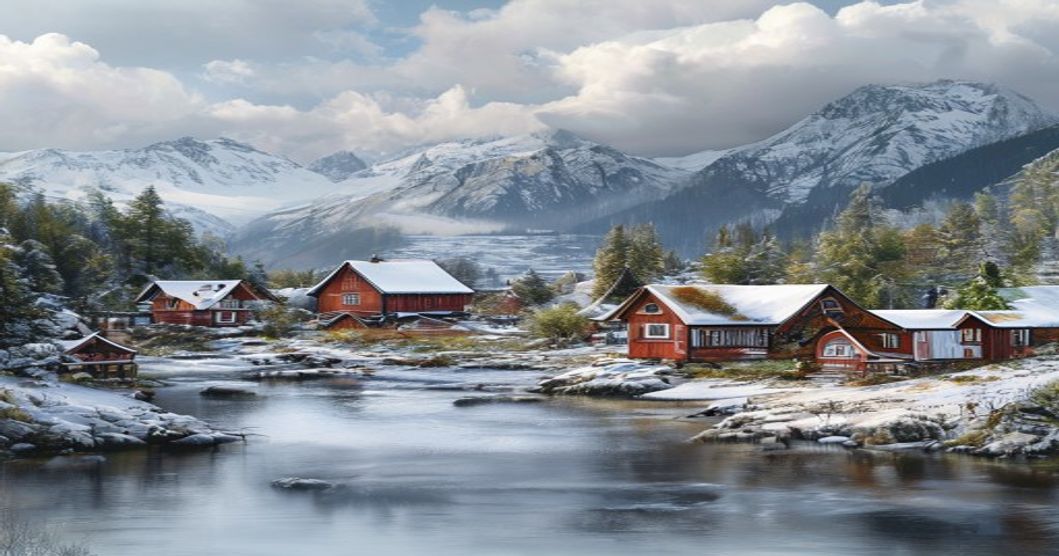
The Most Beautiful Sami Villages in Scandinavia
The Sami people have shaped the cultural and ecological landscape of northern Scandinavia for millennia, leaving behind settlements that harmonize seamlessly with Arctic environments rather than dominating them. These communities preserve ancestral knowledge through reindeer husbandry, seasonal migration patterns, and traditional architecture engineered for extreme climates. Unlike conventional tourist destinations, authentic Sami villages operate around natural rhythms—winter darkness yielding to midnight sun, tundra blooms giving way to autumn fog, and reindeer trails carving paths across frozen fjords. Visitors seeking genuine cultural immersion must look beyond commercialized centers and focus on municipalities where indigenous governance, language preservation, and land rights remain active priorities.
Several locations stand out for their historical continuity and architectural authenticity. Karasjok in Finnmark serves as the administrative heart of the Sami world, hosting the Sami Parliament building and traditional lavvu encampments during cultural festivals. Kautokeino preserves strong herding traditions and hosts the annual Jåhkåmåhkke literature festival, where oral history meets contemporary expression. Along the coastal regions, villages like Engebotn and Skibotn maintain active duodji craft networks, while the inland valleys of Tana and Nesseby feature stone turf houses that predate modern Norwegian settlement. These communities do not exist as static museums; they function as living ecosystems where language instruction, land management, and sustainable tourism intersect.
- Traditional Lavvu Structures: Cone-shaped reindeer hide tents engineered for rapid assembly, thermal efficiency, and smoke ventilation through adjustable crown vents.
- Reindeer Herding Corridors: Ancient migration routes mapped across tundra plateaus, requiring precise knowledge of lichen growth cycles and predator behavior.
- Indigenous Land Stewardship: Community-led conservation practices that prioritize soil health, bird nesting grounds, and sustainable grazing over extractive development.
- Seasonal Light Adaptation: Architectural orientation and interior design optimized for polar day cycles and prolonged winter darkness, utilizing reflective surfaces and layered wool insulation.
Evaluating these settlements requires understanding the distinction between cultural preservation sites and operational herding districts. Many villages restrict vehicle access during calving seasons to protect newborn reindeer from soil compaction and stress-induced mortality. Photography without explicit permission near active livestock operations violates both ethical guidelines and local regulations. Responsible travel in these regions depends on engaging with certified Sami guides who hold land-use permits and can explain the legal framework surrounding Sámediggi jurisdiction. The visual appeal of snow-dusted peaks, turquoise glacial rivers, and hand-forged brass jewelry stems directly from centuries of environmental adaptation rather than aesthetic staging.
Uncovering the Cultural Heritage of Sámi Communities
The cultural heritage of Sámi communities spans across the northern reaches of Norway, Sweden, Finland, and the Kola Peninsula in Russia, reflecting centuries of adaptation to Arctic environments. Central to this identity is reindeer husbandry, a practice that shapes seasonal migration patterns, economic systems, and social organization. Herding routes traverse vast wilderness areas, requiring deep ecological knowledge passed through generations. The siida, a traditional Sámi governance unit based on kinship and resource sharing, historically managed grazing lands and resolved community disputes without centralized authority.
Language preservation remains a critical focus, with four recognized Sámi languages belonging to the Uralic family. Each dialect carries distinct phonetic structures and lexical fields describing snow, ice, reindeer behavior, and terrain. Oral tradition sustains these tongues through storytelling, poetry, and pedagogical methods adapted for modern schooling. The duodji craft tradition complements linguistic preservation by embedding functional knowledge into everyday objects. Handcrafted tools, clothing, and ceremonial items utilize materials sourced directly from the landscape, with techniques like lasso weaving, bone carving, and silverwork reflecting regional aesthetics and spiritual symbolism.
Musical expression finds its foundation in the joik, a vocal form that does not merely describe but invokes the essence of a person, place, or animal. Traditional instruments such as the goavddis frame drum accompany rhythmic chanting used in rituals and seasonal celebrations. These performances historically served as navigational guides across featureless tundra and as mediums for communicating with ancestral spirits. Contemporary Sámi artists reinterpret these practices through film, literature, and digital media while maintaining structural authenticity.
Land rights negotiations continue to influence cultural continuity. Past assimilation policies attempted to suppress indigenous languages and spiritual customs, yet community-led revitalization programs have strengthened intergenerational transmission. Educational initiatives now integrate Sámi history into national curricula, while UNESCO recognition has amplified global awareness. Preservation strategies emphasize self-determination, ensuring that cultural documentation remains controlled by Sámi institutions rather than external archives.
Top Destinations for Authentic Sámi Experiences
Scandinavia’s indigenous cultural core extends across Norwegian Finnmark, Swedish Lapland, and Finnish Inari, yet genuine immersion requires targeting settlements where Sámi heritage functions as living infrastructure rather than curated performance. Karasjok serves as Norway’s administrative center for the Sámi population and hosts the Sámi Parliament alongside the Áhpečáppa Cultural Centre. Visitors access active reindeer herding camps during summer grazing cycles, participating in antler processing workshops that demonstrate historical duodji techniques used for tool-making and navigation across tundra ecosystems.
Kautokeino anchors Norway’s largest contiguous reindeer-herding territory. Authentic programming here centers on animal husbandry rather than entertainment. Local Sámi-run operators schedule daylight reindeer sledding routes that follow autumn migration corridors, while evening sessions combine husky teams with traditional snow-reading skills. The annual Kautokeino Festival preserves oral heritage through competitive joik singing and noaidi storytelling, providing documented continuity of pre-Christian Nordic linguistic roots.
- Jokkmokk in Sweden operates the oldest continuously running Sámi winter market since 1605. The event maintains direct artisan-to-buyer transactions for woven wool textiles, bone-inlay knives, and traditional duodji items, alongside cross-country trails that replicate historic fur-trade pathways.
- Inari, Finland’s primary Sámi municipality, surrounds the Siida National Museum and offers reindeer farm stays where guests practice lassoing techniques and learn lake-based subsistence methods. The Inari Lake network supports centuries-old ice-fishing protocols still managed by local families.
- Utsjoki, Norway’s northernmost Sámi settlement, specializes in border-region winter expeditions. Guided activities focus on traditional ice-hut construction, snowmobile navigation along Finnish-Russian trade routes, and celestial mapping sessions that align with ancestral star-lore used for seasonal migration planning.
Genuine access requires booking through verified Sámi-owned enterprises. Cross-reference operator credentials with the Sámi Parliament registries in Norway, Sweden, and Finland to avoid culturally extractive commercial tours that lack reindeer family consent. Seasonal windows dictate experience availability: May through July reveals calving grounds and daylight crafting sessions, while December through March opens winter route navigation and aurora-aligned cultural documentation. Proper preparation demands moisture-wicking base layers, insulated overtrousers, grip-soled boots, and adherence to marked grazing boundaries indicated by traditional cairns and wooden markers.
Karigasniemi and the Northernmost Sámi Settlements
Karigasniemi occupies the extreme northeastern terminus of Finland, functioning as the continent’s northernmost permanently inhabited Sámi community. Positioned directly along the Tana River valley and sharing a border with Norway, this settlement experiences polar night conditions from November through December and continuous daylight during June. Traditional livelihoods remain anchored in reindeer husbandry, winter fishing, and duodji artisan production rather than seasonal tourism fluctuations. Family-run homesteads maintain year-round operations using ice roads that replace standard transport networks during frozen months. The community’s geographic isolation preserves linguistic continuity, with North Sámi operating as the primary medium for household communication, local commerce, and administrative documentation.
- Arctic Infrastructure: Buildings utilize reinforced timber framing and sub-grade ventilation systems to prevent permafrost thaw beneath foundations. Waste management relies on closed-loop composting designed for low-temperature decomposition.
- Seasonal Livelihoods: Reindeer herding routes shift between summer highland pastures and winter taiga grazing zones. Salmon harvesting along the Tana River follows strict quotas established by cross-border agreements.
- Cultural Transmission: Elder residents conduct daily language workshops focused on survival vocabulary, weather prediction patterns, and traditional place names that document historical land use.
Tourism infrastructure remains deliberately constrained to maintain ecological carrying capacity. Guided expeditions require advance booking through local cooperatives that prioritize small group sizes and minimal environmental impact. Visitors navigate using established snowmobile trails during winter months and follow marked waterways when ice conditions deteriorate. Photographic documentation focuses on glacial formations, lichen-covered boulders, and seasonal migration corridors rather than staged cultural displays. Local authorities enforce strict building height restrictions to preserve unobstructed mountain vistas across generational sightlines.
Climate monitoring stations track permafrost degradation rates while traditional knowledge holders record changes in reindeer foraging behavior. Conservation partnerships protect grazing territories from industrial extraction projects through legal frameworks established by the Sámi Parliament. Winter accessibility depends on weather-dependent ferry crossings and scheduled aircraft services that operate above cloud cover thresholds. The settlement functions as a living research site where historical navigation techniques merge with modern GPS mapping to document shifting Arctic boundaries.
Kautokeino and the Heart of Finnmark Tradition
Situated in the remote northern reaches of Finnmark, Guovdageaidnu—internationally known as Kautokeino—serves as the undisputed cultural capital of the Sámi people. This municipality spans over 9,700 square kilometers of undulating tundra, jagged mountain ridges, and glacial river valleys that have shaped indigenous livelihoods for millennia. The name Guovdageaidnu translates directly to “the middle road,” a geographical reference to its historical position along ancient trade routes connecting coastal trading posts with inland herding grounds.
Reindeer husbandry remains the economic and spiritual backbone of Kautokeino. Approximately eighty percent of the local population engages in semi-nomadic herding, managing over 150,000 reindeer across seasonal migration corridors that stretch into Swedish and Finnish territories. The annual spring roundup requires coordinated movement across frozen riverbeds and mountain passes, a practice preserved through oral transmission rather than written documentation. Each herd carries distinct markings and vocal commands passed down through generations, reflecting precise ecological knowledge of Arctic forage cycles.
- The Sámi Parliament of Norway maintains its permanent office in Kautokeino, reinforcing the town’s administrative role in indigenous governance and language revitalization programs.
- Annual cultural events like the Guovdageaidnu Festival showcase traditional duodji craftsmanship, where artisans shape reindeer antler, birch root, and silver into functional art pieces that carry specific clan symbolism.
- Joik performances during Sámi National Day celebrations utilize vocal techniques that mimic wind patterns, animal movements, and topographical features rather than conventional melodic structures.
The municipality experiences extreme seasonal light variations that directly influence cultural rhythms. During the polar night period spanning late November to mid-January, communities maintain continuous activity through artificial lighting systems and traditional fat-burning lamps. Conversely, the midnight sun triggers intensive grazing management periods when reindeer require constant monitoring across exposed plateaus. Modern infrastructure including a regional airport and satellite communication networks now coexist with ancient land-use patterns, creating a unique socio-economic environment where digital mapping tools track herd movements alongside traditional place names recorded in North Sámi.
Contemporary Kautokeino operates as both a living heritage site and an active cultural hub. Traditional lavvu tents still appear during seasonal gatherings, while modern facilities host linguistic workshops, ecological research stations, and indigenous art exhibitions. The town’s educational institutions prioritize bilingual curricula that integrate Sámi history with contemporary Arctic studies, ensuring knowledge transfer remains rooted in place-based learning rather than abstract academic frameworks.
Jokkmokk and the Swedish Sámi Winter Market
Nestled within the Arctic Circle, Jokkmokk functions as the historic administrative and cultural center of Swedish Sámi communities. The municipality organizes Jåhkåmåhkke, widely recognized internationally as the Winter Market, which emerged in 1972 to reverse decades of cultural erosion caused by assimilation policies and industrial land encroachment. Originally established as a seasonal exchange point where reindeer herders traded hides, antlers, and handcrafted tools for grain, ironware, and textiles, the event now operates as a documented preservation mechanism for northern livelihoods. Stall layouts follow traditional spatial organization, with family-run booths positioned according to historical trading routes rather than commercial zoning regulations.
- Duodji Craft Showcases: Artisans demonstrate techniques for processing reindeer leather, carving birch root, and forging silver mounts, each method calibrated to subarctic material properties and passed through direct apprenticeship rather than institutional education.
- Reindeer Herding Demonstrations: Local pastoralists guide multi-generational herds across marked snow courses, illustrating navigation strategies that rely on wind patterns, lichen availability, and historical grazing boundaries established before modern property maps.
- Joik Vocal Sessions: Evening gatherings center on melodic traditions where pitch modulation mirrors topographical features of ancestral territories, with performance structures dictated by seasonal cycles rather than standardized concert formats.
The gathering occurs during the first full week of February, a timeframe selected to coincide with frozen river corridors that historically enabled safe travel between dispersed settlements. Ambient temperatures frequently remain below minus twenty degrees Celsius, requiring visitors to utilize certified thermal layering systems and monitor regional transit updates, as aviation and rail connections operate on compressed winter schedules. Municipal housing inventory remains constrained, prompting most attendees to secure accommodations through cooperative booking networks months ahead of the event date. Local governance bodies coordinate with Sámi parliamentary representatives to enforce stall placement rules, preventing commercial retailers from displacing family vendors who maintain strict material authenticity standards.
Economic tracking of the market reveals its dual operational role as both cultural continuity framework and regional revenue generator. Sales from gákti garments, traditional firearm maintenance services, and wild berry preserves generate essential seasonal income for households whose primary livelihoods depend on grazing rights allocations and eco-tourism partnerships. Revenue distribution directly funds language immersion schools, reindeer disease prevention programs, and infrastructure upgrades in northern Lapland. Analyzing Jokkmokk’s winter economy provides measurable insight into how Sámi municipalities balance territorial sovereignty, linguistic preservation, and modern commercial demands across Scandinavian jurisdictions.
Abisko and the Lapland Wilderness Gateway
Abisko operates as the primary ecological and logistical corridor into Swedish Lapland, positioning itself as an indispensable entry point for travelers seeking authentic Sami cultural landscapes. Nestled at the edge of the Torneträsk lake basin, this remote settlement functions under a subarctic climate that directly dictates traditional reindeer herding calendars and seasonal migration patterns observed across the broader Sápmi region. The area’s topography—characterized by steep fell ranges, alpine tundra, and ancient permafrost remnants—creates natural grazing corridors that have sustained duodji artisans and siida community networks for centuries.
Accessibility to Abisko relies primarily on the railway junction at nearby Kiruna, where frequent regional trains connect the settlement to major Scandinavian transit hubs. Once arrived, visitors navigate a network of marked wilderness trails, snowmobile routes, and boat passages that bypass modern infrastructure while preserving ancestral land-use rights. The Abisko Scientific Research Station, established in 1902, provides continuous environmental data that informs contemporary conservation frameworks protecting both biodiversity and indigenous grazing territories.
- Cultural Access Points: Guided crossings into traditional siida districts require coordination with local Sami associations operating under the Sámediggi regulatory framework.
- Seasonal Navigation: Winter months demand ice-road proficiency and aurora forecasting tools, while summer access utilizes fjord waterways and highland footpaths.
- Ecological Markers: Lichen-dominated pastures and willow scrub zones indicate historical reindeer movement routes still monitored by pastoral communities.
Strategic placement along the 68th parallel generates prolonged atmospheric conditions ideal for observing nocturnal sky phenomena, which historically guided Sami navigational practices across unmarked terrain. Modern visitors utilize satellite imagery and ground-penetrating radar surveys to locate ancient dwelling foundations and stone cairns scattered throughout the fell systems. Sustainable tourism operators implement strict group size limitations and noise-dampening protocols to prevent disturbance of calving seasons and duodji material harvesting periods. The region’s administrative boundaries overlap with municipal conservation zones that prioritize indigenous land claims, ensuring that infrastructure development remains secondary to cultural preservation mandates.
Best Seasons to Visit Sámi Villages in Scandinavia
Winter establishes the optimal window for observing indigenous reindeer herding practices and experiencing extreme northern climates. From December through February, ambient temperatures regularly fall below minus fifteen degrees Celsius, demanding professional-grade thermal gear, windproof outer layers, and insulated footwear. The Sámi Grand Prix in Kautokeino combines competitive snowmobile racing with authentic cultural exhibitions, while guided dog-sledding routes operate across Finnmark and Tromsø counties under strict safety protocols. Extended darkness maximizes aurora borealis visibility, though daylight hours shrink to merely four to six hours daily, restricting outdoor exploration to early morning or late afternoon periods. Local operators provide certified equipment, emergency communication devices, and detailed ice-safety briefings before departure.
Spring emerges in March and April, offering stabilized snow conditions and gradually expanding daylight for photography and hiking. The Jokkmokk Winter Market transitions into seasonal festivals, while reindeer herders initiate spring migrations toward coastal grazing lands. Wildlife activity intensifies, making this period ideal for tracking reindeer calves, Arctic foxes, and migrating waterfowl. Travelers must monitor road networks closely, as thawing ground creates treacherous slush conditions that frequently close gravel routes without four-wheel-drive capability. Accommodation in remote settlements requires advance reservations, as local guesthouses operate on limited capacity during equinox celebrations.
Summer delivers continuous daylight across northern latitudes, creating favorable conditions for kayaking, trail running, and attending open-air cultural gatherings. The Duottar Spirits Festival in Luleå features joik vocal performances, traditional drum workshops, and artisan markets showcasing reindeer leather craftsmanship and silver jewelry techniques. Coastal temperatures range between twelve and eighteen degrees Celsius, though rapid weather shifts demand waterproof outer layers and moisture-wicking base garments. Ferry services to isolated islands run on fixed schedules, requiring ticket purchases weeks ahead. Guided nature walks focus on medicinal plant identification, historical trading routes, and sustainable fishing practices maintained by local communities.
Autumn spans September through November, presenting golden tundra landscapes and reduced tourist density. The Røros Sami Festival highlights traditional handicrafts, meat preservation techniques, and reindeer milk processing demonstrations. Wildlife photography opportunities peak during the moose rutting season and initial snowfall periods. Daylight decreases rapidly after mid-October, necessitating reliable headlamps, layered clothing, and backup power sources for electronic devices. Many rural guesthouses close for winter maintenance, requiring travelers to verify operational status before booking. Local transport depends on scheduled buses and private transfers, with fuel stations becoming sparse beyond established municipalities.
- Winter (Dec-Feb): Aurora viewing, snowmobile racing, reindeer herding observation, minimal daylight hours.
- Spring (Mar-Apr): Stabilized snowpack, seasonal migrations, wildlife tracking, thaw-related road restrictions.
- Summer (May-Aug): Midnight sun, continuous daylight, cultural festivals, extended ferry schedules.
- Autumn (Sep-Nov): Golden tundra photography, reduced crowds, moose rutting, rapid daylight decline.
Navigating Remote Regions and Local Transportation
Traveling to Sami settlements across northern Scandinavia demands careful logistical planning due to expansive wilderness, unpredictable weather patterns, and sparse infrastructure. The region spans Finnmark, Troms, Nordland in Norway, Lapland in Finland, and Norrbotten in Sweden, where distances between villages often exceed fifty kilometers. Public transit networks exist but operate on fixed schedules that rarely align with spontaneous exploration. Regional buses run by Fylkesbuss and Vy Bussexpress connect major hubs like Tromsø, Alta, and Rovaniemi to smaller municipalities, yet frequency drops dramatically outside summer months. Winter service reductions are standard procedure rather than exceptional delays.
Self-driving offers flexibility but requires strict adherence to local road regulations. Four-wheel-drive vehicles equipped with studded tires become mandatory from November through April on Class 2 and Class 3 roads. Snow chains must remain accessible even in mild winters, as sudden blizzards can close mountain passes within hours. Rental agencies in southern Norway or northern Sweden often impose geographical restrictions; travelers must verify cross-border allowances and Arctic insurance coverage before departure. Fuel stations disappear beyond established towns, making fuel management a daily requirement rather than a casual task.
- Verify road conditions through Vegvesen (Norway), Liikennevirasto (Finland), or Trafikverket (Sweden) before each journey.
- Book winter driving courses if unfamiliar with ice handling, as black ice forms rapidly on shaded gravel roads.
- Carry emergency supplies including thermal blankets, high-calorie rations, a satellite communicator, and physical maps when venturing beyond cell coverage.
- Schedule ferry crossings between coastal islands and mainland routes during daylight hours to navigate unlit harbors safely.
Local transport operators based in Sami communities provide reliable alternatives for reaching culturally significant sites. Reindeer sleigh tours, snowmobile convoys, and dog-sledding expeditions operate under traditional knowledge that commercial fleets cannot replicate. These services often require advance coordination through community centers or certified tourism boards. Many villages lack paved access roads entirely, making seasonal track routing the only viable method during deep winter months. Confirming operational status directly with village elders or local tourism offices prevents wasted travel time and ensures compliance with reindeer migration corridors regulated by Sami parliaments.
Traditional Duodji Crafts and Indigenous Artisans
Duodji represents far more than regional handicrafts; it functions as a tangible archive of Sami survival strategies, environmental knowledge, and spiritual connection to the Arctic landscape. Artisans across Sápmi extract raw materials directly from their surroundings, transforming reindeer antler, birch root, moose hide, and locally sourced silver into objects that balance utility with deep symbolic meaning. Each piece carries centuries of accumulated wisdom regarding weather patterns, animal migration routes, and sustainable harvesting practices.
Knitting techniques like lusefiile utilize twisted wool strips to produce exceptionally durable textiles designed for extreme cold. Traditional knife handles feature intricate carvings that denote family lineage and regional origin. Silverwork dominates ceremonial jewelry, with the iconic Sami cross and layered pendants serving as both wealth preservation and protective talismans. Weavers employ natural dyes derived from lichens, birch bark, and cloudberry leaves to create patterns that map constellations and reindeer trails.
- Knowledge transfer occurs through direct mentorship rather than formal instruction
- Sustainable harvesting protocols ensure raw material regeneration across generations
- Cross-regional style variations reflect distinct clan territories and historical trade routes
- Modern cooperatives maintain strict authenticity standards while facilitating international distribution
Contemporary indigenous artisans navigate a delicate equilibrium between cultural preservation and economic viability. Many operate through village-based workshops where master craftsmen guide apprentices in selecting materials, heat-treating metals, and applying geometric patterns tied to seasonal rituals. These enterprises inject vital revenue into remote settlements while reinforcing community identity. Regional guilds actively monitor production quality, ensuring every piece meets historical specifications before reaching collectors. Visitors encountering Duodji in markets or cultural centers witness a living tradition that refuses commodification, instead adapting organically to contemporary life without sacrificing ancestral methodologies.
Joik Music and Oral History Preservation
The joik functions as a living acoustic archive, encoding centuries of Sami ecological knowledge, genealogical records, and territorial boundaries into melodic structures that resist conventional Western notation. Unlike performance-driven song traditions, traditional joiking operates as an act of sonic representation rather than lyrical storytelling. Practitioners historically channeled the essence of a specific landscape, reindeer herd, or ancestor through vocal techniques that emphasize microtonal shifts, breath control, and rhythmic repetition. Scandinavian Sami villages have maintained this practice by embedding joik transmission within seasonal migration routes and community gatherings. Elders guide younger generations through direct auditory imitation, ensuring that dialect variations and regional melodic patterns remain intact across geographically isolated settlements.
- Acoustic mapping of ancestral territories preserves precise geographical markers through sustained vocal tones
- Reindeer-herding cycles dictate performance contexts, linking musical practice to ecological calendars
- Intergenerational apprenticeship models replace written documentation, maintaining linguistic authenticity
- Contemporary digital archiving initiatives collaborate with village councils to catalog endangered regional dialects
Modern preservation frameworks operate through community-led recording projects and academic partnerships that prioritize indigenous data sovereignty. Scandinavian municipalities recognize joik as a critical component of cultural continuity, funding youth vocal workshops and supporting elder-led documentation campaigns. The integration of traditional melodic structures into contemporary education curricula ensures that linguistic nuances survive demographic shifts. Researchers analyzing acoustic patterns in northern Norwegian, Swedish, and Finnish Sami settlements document how environmental acoustics directly influence vocal techniques. Snow density, wind patterns, and forest topography historically shaped projection methods, creating distinct regional signatures. Current preservation strategies emphasize decentralized stewardship, allowing each village to control access to sensitive ancestral recordings while maintaining open educational resources for linguistic documentation.
Landscape memory remains the core mechanism sustaining oral history. Vocalists historically mapped invisible ecological boundaries through pitch modulation and rhythmic pacing, creating auditory GPS coordinates that guided reindeer movements across tundra and boreal zones. Contemporary cultural preservation networks digitize these acoustic blueprints while respecting traditional protocols around sacred melodies. Village archives now store field recordings alongside environmental data, linking melodic variations to climate shifts and grazing patterns. Educational programs in Scandinavian Sami regions teach vocal techniques alongside historical geography, ensuring that students comprehend the ecological context behind each phrase. This integrated approach prevents cultural extraction while establishing resilient frameworks for long-term heritage maintenance.
Reindeer Herding Practices and Ethical Encounters
The traditional Sami reindeer herding system relies on centuries-old transhumance cycles that synchronize animal movement with seasonal vegetation patterns across Norway, Sweden, and Finland. Each siida, a cooperative herding community, manages distinct grazing territories where migration routes are carefully mapped through generations of ecological observation. Herders monitor lichen growth, snow depth, and predator activity to adjust herd sizes and pasturing schedules, ensuring both animal welfare and landscape sustainability.
Modern reindeer husbandry operates under complex legal frameworks that balance indigenous land rights with state regulations. In Norway, the Finnmark Act recognizes collective ownership of approximately 95 percent of county lands, while Sweden and Finland utilize grazing districts governed by national agricultural ministries. Climate variability directly impacts pasture quality, prompting herders to adopt adaptive strategies such as supplemental feeding during extreme winters and digital mapping tools for tracking herd locations. Regulatory bodies periodically adjust allowable herd numbers to prevent overgrazing and maintain ecological equilibrium.
- Consent-driven interactions: Always request permission before photographing herders, livestock, or traditional camps. Many communities operate guided experiences specifically designed for respectful cultural exchange rather than passive observation.
- Sustainable tourism models: Prioritize locally owned lodges, restaurants, and activity providers who reinvest profits into community infrastructure and language preservation programs.
- Landscape respect protocols: Avoid traversing marked grazing corridors or sacred sites. Follow designated trails, minimize off-road vehicle use, and adhere to seasonal access restrictions that protect calving grounds.
Ethical engagement extends beyond visitor behavior to encompass broader industry practices. Reputable tour operators collaborate directly with Sami herding families to co-design itineraries that align with migration schedules and labor cycles. This approach prevents cultural commodification while generating transparent revenue streams for indigenous households. Travelers who engage with verified educational resources, participate in guided foraging or craft workshops led by local artisans, and advocate for land-use policies supporting traditional livelihoods contribute to long-term cultural resilience.
Photography Guidelines for Respectful Documentation
Documenting Sami settlements requires a deliberate shift from conventional tourism photography to ethically grounded visual storytelling. Every frame must align with the principles of self-determination and cultural sovereignty that guide contemporary indigenous media practices.
- Secure informed consent: Approach residents directly before raising your camera. Explain the intended use of each image, whether for editorial publication, personal archives, or commercial licensing. Regional governance frameworks emphasize that visual representation cannot be separated from land rights and linguistic preservation.
- Eliminate exotic framing: Reject compositions that isolate subjects against staged backdrops or reduce complex cultures to static traditions. Contemporary Sami life integrates renewable energy installations, digital infrastructure, and multilingual education alongside reindeer husbandry. Authentic documentation captures this synthesis without romanticization.
- Observe ecological and spiritual boundaries: Certain valleys function as seasonal migration corridors, while specific rock formations hold ancestral significance. Consult local land stewards regarding calving periods, berry harvesting windows, and areas designated for winter camping. Disturbing these rhythms compromises both wildlife survival and cultural continuity.
The integration of tourism into Sámi territories demands strict operational boundaries to prevent commodification of living traditions. Community-controlled enterprises dictate visitor capacity, seasonal access routes, and activity types, ensuring that reindeer migration corridors remain undisturbed and sacred sites stay protected. Local cooperatives manage accommodation networks, guide services, and craft workshops, directing revenue toward language revitalization programs and elder knowledge archives. Infrastructure development follows minimal-impact engineering standards, utilizing modular structures that leave no permanent ecological footprint. Waste management protocols require zero-trace practices, while energy consumption in visitor centers relies exclusively on renewable microgrids connected to regional hydroelectric or wind networks.
- Economic Autonomy: Profit-sharing agreements mandate that a fixed percentage of tourism income funds indigenous education, healthcare, and land stewardship initiatives.
- Knowledge Transfer: Structured apprenticeships pair younger generations with master herders, artisans, and joik practitioners, ensuring intergenerational continuity without performance dilution.
- Territorial Governance: Co
Where to Stay in Traditional Lavvu and Modern Lodges
Travelers seeking authentic immersion in Sami heritage will find accommodation options that bridge centuries of nomadic tradition with contemporary comfort. The lavvu, a conical tent historically crafted from pine poles and reindeer hides, remains the cornerstone of traditional stays. Modern versions retain this architectural silhouette while incorporating insulated walls, wood-burning stoves, and proper bedding. Staying in a lavvu requires embracing minimalism; guests sleep on raised platforms or thick fur rugs, prepare meals over controlled fires under supervision, and experience complete darkness ideal for aurora viewing. Reservations typically open six to eight months ahead during peak winter months, with summer offerings focusing on shorter daylight experiences and reindeer herding activities.
Contemporary lodges near established Sami villages follow a different design philosophy. These structures utilize local timber, reclaimed steel, and floor-to-ceiling glazing to frame forest or tundra landscapes without disrupting the visual horizon. Many properties operate under Sámi-owned management, ensuring a portion of revenue supports language preservation programs and reindeer pasture conservation. Standard amenities include heated floors, saunas built from traditional birch wood, and kitchens stocked with locally foraged ingredients like cloudberries, juniper berries, and smoked reindeer meat. Guided excursions frequently accompany bookings, offering participants hands-on experience with duodji (handicrafts), ice fishing through frozen lakes, and tracking wildlife across snow-covered plateaus.
- Booking Windows: Secure accommodations eight to ten months in advance for December through February. Summer reservations typically require only two to three months notice.
- Cultural Protocols: Properties mandate pre-arrival orientation covering sacred site etiquette, reindeer interaction guidelines, and zero-waste camping expectations.
- Sustainability Standards: Verify Sámi ownership documentation, solar heating integration, and local hiring ratios to support indigenous economic development.
Seasonal availability dramatically influences the accommodation landscape. Winter months demand early planning due to limited inventory and extreme weather protocols. Properties maintain backup generators, reinforced insulation rated for minus thirty degrees Celsius, and dedicated snow removal crews. Summer stays shift focus toward midnight sun navigation, river crossings, and bird migration observation. Accommodation providers increasingly mandate cultural orientation sessions before arrival, covering appropriate conduct near sacred sites, reindeer interaction guidelines, and waste management expectations in fragile Arctic ecosystems. Booking platforms specializing in indigenous tourism often provide direct communication channels with property owners, enabling customized itineraries that align with specific learning objectives or photography requirements.
Guided Tours vs Independent Exploration in Lapland
Navigating Lapland requires careful consideration of terrain, seasonal conditions, and cultural access. The region spans over 100 kilometers of untamed wilderness where weather shifts rapidly and road networks thin significantly outside established towns. Travelers must weigh structured itineraries against self-directed routes to match their capabilities and objectives.
Professional guides bring measurable advantages when visiting remote Sami settlements. Licensed operators maintain direct relationships with local reindeer herding families, securing access to traditional yoik performances and historical duodji workshops that remain closed to casual visitors. Their vehicles are equipped with studded tires, snow chains, and emergency communication devices tailored for subarctic conditions. Guided programs typically include certified interpretation of indigenous land management practices, satellite weather monitoring, and pre-planned evacuation protocols.
- Verified cultural access through community partnerships
- Professional navigation across ice roads and frozen fells
- Comprehensive safety equipment and emergency response training
- Scheduled coordination with seasonal wildlife migration patterns
Autonomous travel demands different preparation but offers distinct operational advantages. Self-driving travelers control daily pacing, adjust routes based on real-time light conditions, and bypass commercial tour bottlenecks. Renting a 4×4 vehicle with winter tires requires advance booking during peak months, yet provides unrestricted access to lesser-known village peripheries and traditional camping grounds. Independent visitors must independently verify road status via local traffic authorities, monitor aurora forecasts, and carry manual navigation tools alongside GPS devices.
- Complete itinerary customization without fixed departure times
- Lower operational costs for groups exceeding four passengers
- Uninterrupted photography windows during extended twilight hours
- Direct engagement with non-commercialized settlement outskirts
Selection depends on three variables: travel season, prior subarctic experience, and cultural priority. Winter months demand professional support due to whiteout conditions and limited daylight. Summer allows autonomous navigation but requires insect protection and river crossing assessments. Travelers prioritizing authentic indigenous interaction benefit from licensed operators, while those seeking geographical isolation should verify fuel station spacing and satellite connectivity before departure. Mapping alternative routes beyond E85 corridors prevents unexpected detours during snowpack instability.
Aurora Viewing and Winter Light Phenomena
The Arctic sky above Sami territories transforms into a dynamic canvas during the winter months, drawing visitors to remote settlements where darkness and magnetic activity converge. These communities sit within prime auroral oval regions, typically between latitudes 60 and 75 degrees north, placing them directly beneath the most frequent geomagnetic disturbances. Solar wind particles collide with atmospheric gases at altitudes ranging from eighty to three hundred kilometers, producing vivid green, purple, and occasionally red emissions. The absence of artificial illumination in traditional homesteads ensures unobstructed visibility, allowing observers to track subtle coronal structures that often go unnoticed in brighter locations. Local guides frequently reference historical reindeer herding routes to identify clear sightlines away from mountain ridges that block low-angle solar activity.
Winter light extends far beyond the aurora itself. The polar night period, lasting several weeks in northern Finnmark, Tromsø, and Sápmi regions, creates extended twilight windows where the sun remains below the horizon but refracts light through atmospheric layers. This phenomenon generates a prolonged blue hour that lasts up to four hours daily, casting a diffuse glow across snowfields and frozen fjords. Photographers exploit this soft illumination to capture landscape compositions without artificial lighting. Additional optical effects include parhelia, commonly known as sun dogs, which appear as bright spots flanking the sun during high-altitude ice crystal conditions. Snow reflection amplifies ground-level brightness, creating a unique luminous environment that differs markedly from standard winter daylight.
Optimal Observation Strategies
- Monitor Kp indices daily and verify real-time space weather updates through official geomagnetic institutes.
- Allow twenty minutes for complete dark adaptation before scanning the northern horizon for faint arc formations.
- Utilize red-filtered eyewear to preserve rod cell sensitivity while navigating snowy terrain after midnight hours.
- Cross-reference traditional cloud pattern knowledge with modern satellite imagery to identify clear viewing corridors.
Tracking geomagnetic forecasts requires patience and systematic data collection rather than relying on seasonal assumptions. Peak activity typically coincides with solar maximum phases, but moderate displays remain frequent throughout the core winter season. Traditional Sami knowledge often complements scientific monitoring by interpreting wind shifts and atmospheric pressure changes that indicate stable viewing conditions. Combining technical preparation with respectful cultural awareness ensures consistent experiences across these pristine Arctic landscapes.
Spring Thaw and Summer Midnight Sun Experiences
The transition from winter to spring in the northernmost reaches of Scandinavia triggers a dramatic ecological shift that reshapes the landscape around traditional Sámi settlements. As temperatures cross the freezing threshold, frozen rivers fracture into massive ice plates that drift downstream, creating natural waterways that guide reindeer herds toward summer pastures. This period requires precise knowledge of ice thickness and weather patterns, knowledge passed down through generations of Sámi families who monitor subtle changes in wind direction and snow density. Local guides lead visitors along established thaw routes where sled dogs run alongside reindeer teams, demonstrating how mobility adapts to shifting terrain. The melting snow also reveals hidden archaeological sites and traditional duodji materials like birch bark and wild nettles, which artisans process using techniques unchanged for centuries.
Spring activities in Sámi communities revolve around resource management and seasonal preparation. Hunters track animal migrations across thawing bogs, while weavers collect fresh willow twigs for basketry before the growing season fully begins. Many villages host informal gatherings where elders demonstrate ice fishing methods on residual frozen patches, explaining how historical survival strategies directly inform modern land stewardship practices.
- Travelers must follow strict wildlife buffer zones and respect grazing rights established under Norwegian, Swedish, and Finnish reindeer herding laws.
- The brief window between snowmelt and summer greenery offers optimal conditions for tracking animal prints and photographing the first wildflowers emerging from wet tundra soil.
When the midnight sun arrives in June and July, daylight extends beyond twenty hours across the Arctic Circle, fundamentally altering daily rhythms in Sámi villages. Cattle and reindeer adjust their grazing patterns to avoid midday heat, while families schedule household tasks during cooler early morning and late evening hours. The extended illumination creates exceptional conditions for landscape photography, particularly along coastal fjords where water reflects uninterrupted golden light until dusk. Hiking trails that remain snowbound in winter become accessible routes through blooming mountain heath and wild berry patches.
- Visitors should note that constant daylight disrupts natural sleep cycles; many accommodations provide blackout curtains and recommend melatonin supplementation during the first few nights.
- The phenomenon supports traditional activities like midnight swimming in geothermal pools and extended fishing expeditions along northern waterways.
Respecting Sámi Land Rights and Sacred Sites
The Sámi people have inhabited northern Fennoscandia for millennia, maintaining a continuous spiritual and legal connection to their ancestral territories. Recognizing these rights is fundamental for anyone visiting Sámi villages across Norway, Sweden, and Finland. Indigenous land claims rest on centuries-old reindeer herding practices, traditional fishing grounds, and seasonal migration routes that predate modern national borders. International frameworks like the United Nations Declaration on the Rights of Indigenous Peoples and ILO Convention 169 provide legal backing, yet implementation varies significantly across Scandinavian jurisdictions. Local grazing rights remain protected under national reindeer husbandry acts, which restrict external development in designated core areas and require rigorous environmental impact assessments before any infrastructure expansion.
Sacred landscapes hold profound cultural significance beyond recreational value. Mountains marked with ancient petroglyphs, specific lakes used for seasonal gatherings, and forest groves containing traditional offering stones require careful navigation. Many locations function as active ritual sites rather than historical monuments or public parks. Visitors must understand that certain terrains are legally protected under Sámi self-governance councils, not merely national park regulations. Unauthorized camping near these zones often violates both local ordinances and indigenous sovereignty agreements, triggering immediate intervention by land stewards.
- Legal Boundaries: Maintain a strict distance from marked reindeer corrals and seasonal migration corridors, which are protected under regional grazing laws rather than general tourism permits.
- Sacred Site Protocols: Avoid drone photography near ancient rock carvings, noaidi shrines, and burial grounds, as aerial surveillance disrupts both wildlife patterns and cultural sanctity.
- Economic Alignment: Direct tourism revenue toward Sámi-owned duodji cooperatives and Sametinget-certified guides, ensuring financial resources fund land monitoring and heritage preservation programs.
Contemporary pressures from mining concessions, wind farm expansions, and unregulated tourism demand vigilant advocacy. Many communities have established independent monitoring networks to track environmental degradation and cultural site erosion. Engaging respectfully means acknowledging that landscape appreciation does not equate to unrestricted access. Prioritizing locally guided tours, adhering to Leave No Trace principles adapted for pastoral zones, and supporting indigenous land trusts transforms casual visits into sustainable cultural exchange.
Frequently Asked Questions
What is The Most Beautiful Sami Villages in Scandinavia?
The Most Beautiful Sami Villages in Scandinavia refers to the traditional, culturally rich settlements of the indigenous Sami people located across northern Norway, Sweden, and Finland. These villages are renowned for their authentic turf-roofed houses, reindeer herding traditions, vibrant duodji handicrafts, and deep connection to the Arctic landscape.
Key facts about The Most Beautiful Sami Villages in Scandinavia
- Located primarily in Finnmark (Norway), Lapland (Sweden), and Lapland (Finland)
- Home to approximately 80,000 Sami people across three countries
- Famous for reindeer herding, joik folk music, and the annual Sami Parliament elections
- Many villages offer cultural experiences like husky safaris, traditional lavvu camping, and artisan workshops
- Recognized by UNESCO and Scandinavian tourism boards as living cultural heritage sites