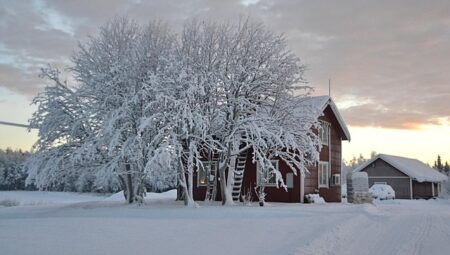


Imagine navigating through the shimmering ice without a map—sounds daunting, right? That’s where Indigenous people come in. They’ve mastered the art of reading the land and weather patterns like most of us read a book. From recognizing subtle changes in the ice to predicting storms before they roll in, their insights are invaluable. This knowledge isn’t just handed down; it’s a rich tapestry woven from generations of experience, connecting the past with the present.
You see, traveling in the Arctic isn’t just about fighting the cold; it’s about understanding the environment and respecting the creatures and plants that inhabit it. Think of it as being on a first-name basis with nature. Have you ever stood in the middle of a beautiful, yet silent, snow-covered landscape? That’s not just silence; it’s a story waiting to be told, and Indigenous guides are the narrators.
Navigating the Frozen Frontier: The Vital Role of Indigenous Knowledge in Arctic Exploration
Indigenous communities have thrived in these harsh conditions for thousands of years, adapting and evolving in sync with the rhythms of nature. Their understanding of the land, animals, and weather patterns forms a rich tapestry of knowledge that has been passed down through generations. Think of it like an intricate map that shows not only where to go but also how to live in harmony with this pristine wilderness.
Let’s break it down: when scientists and explorers rely solely on modern techniques and gadgets, they sometimes miss the subtle cues that Indigenous peoples have come to master. For instance, the observed behavior of animals can forecast weather changes, something that’s often overlooked by tech but keenly understood by local hunters. It’s like having a seasoned guide who knows the nooks and crannies of an uncharted territory.
Beyond the Ice: Indigenous Wisdom in Sustainable Arctic Travel Practices
You see, Indigenous wisdom isn’t just about survival; it’s a treasure trove of sustainable practices that honor the land and its resources. For instance, take a moment to think about the traditional methods of hunting or gathering that have been passed down through generations. These practices are not only efficient but also rooted in respect for the ecosystem. When you travel in the Arctic, why not embrace these principles? It’s like swapping your run-of-the-mill travel map for a rich tapestry of stories that connects you to the natural world.

Have you ever considered how local knowledge might change your experience? Picture this: instead of driving snowmobiles all over fragile terrain, you join Indigenous guides who lead you on snowshoes through untouched wilderness. Each step tells a story, reminding you that the beauty of the Arctic is more than just a glimpse of the Northern Lights; it’s an invitation to reconnect with the land.
Voices from the North: Indigenous Experts Share Secrets of Arctic Survival and Navigation
Imagine standing on an endless blanket of white, the landscape as stark as a blank canvas. Every step you take could lead to a hidden danger—or a new discovery. Indigenous navigators have learned to read the land, sky, and ice like a seasoned chef reads a recipe. These experts, much like experienced sailors with a compass, use natural cues—like the position of the sun, the patterns of animal tracks, and even the flow of rivers—to chart their way through this frigid environment.
But it’s not just about finding your way. Survival in the Arctic requires an intricate dance with nature itself. You need to know when the ice is safe to tread or when it’s whispering warnings of danger. It’s like playing a game where the rules change with every gust of wind. Indigenous wisdom teaches respect for the land, making it crucial for survival. It’s an age-old relationship that underscores the harmony between human beings and their environment.
So, what’s the secret sauce to thriving here? It’s all about resourcefulness and adaptability, things that Indigenous communities have honed over centuries. Whether it’s hunting techniques or crafting tools from local materials, each skill is a thread in the vibrant tapestry of Arctic life. As these voices share their stories and insights, they offer us a unique lens into resilience and innovation amidst one of the planet’s most challenging arenas.
Reclaiming the Arctic: How Indigenous Guides Are Transforming Adventure Travel in the North
Imagine trekking alongside someone who knows every nook and cranny of the land, every whisper of the wind telling stories that span centuries. Indigenous guides offer more than just a travel itinerary; they provide deep cultural insights and an understanding of the land that you simply can’t find in a guidebook. They weave together the threads of tradition and modernity, taking travelers beyond the usual paths and into an authentic Arctic experience.
But why is this transformation so important? Well, think of it as breathing life back into a narrative that’s often left out in nature documentaries and travel blogs. It’s about empowerment—giving Indigenous communities a platform to share their stories and wisdom. By choosing local guides, travelers not only support the economy but also honor the connection these communities have with the land. It’s like pouring fertilizer into the soil of tourism, allowing it to flourish in a manner that respects nature’s balance.
Cultural Compass: The Importance of Indigenous Perspectives in Arctic Travel Experiences
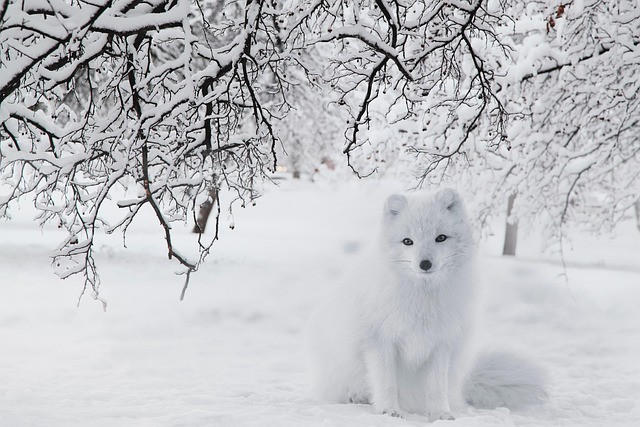

Imagine walking through a landscape filled with ancient stories woven into the very fabric of the earth. Indigenous cultures, rich with wisdom and connection to the land, offer insights that go way beyond just the stunning scenery. They invite you to look beyond the surface—to hear the whispers of the wind and the tales of the ice. These perspectives reveal not only the beauty of the Arctic but also the intricate relationships that Indigenous peoples have maintained with this environment for centuries.
When you engage with local Indigenous communities, you tap into a treasure trove of knowledge. Picture sitting around a warm fire, sharing stories and traditions, maybe even learning how to build an igloo! This kind of immersion transforms your travel experience from mere sightseeing to a profound engagement with the history and culture of the area. It’s like wearing a pair of glasses that enable you to see the Arctic in vivid, multi-dimensional detail.
Frequently Asked Questions
What should travelers know about respecting Indigenous cultures in the Arctic?
Travelers in the Arctic should prioritize understanding and respecting the customs, traditions, and rights of Indigenous cultures. This includes gaining permission before photographing community members, participating in cultural activities, and using appropriate language when referring to Indigenous peoples. Being mindful of local practices and fostering positive interactions while visiting help preserve the heritage and dignity of these communities.
How can Indigenous knowledge enhance Arctic exploration?
Indigenous knowledge offers invaluable insights into the Arctic environment, derived from centuries of experience and observation. It includes understanding weather patterns, animal behaviors, and sustainable resource management. Integrating this knowledge can improve safety, decision-making, and ecological conservation during Arctic exploration by fostering a deeper connection to the land and its ecosystems.
How do Indigenous practices promote sustainability in Arctic tourism?
Indigenous practices in Arctic tourism enhance sustainability by integrating traditional knowledge and cultural values into tourism activities. These practices prioritize environmental stewardship, respect for local ecosystems, and community involvement, ensuring that tourism benefits local populations while preserving their heritage and the natural landscape.
What are the benefits of traveling with Indigenous guides in the Arctic?
Traveling with Indigenous guides in the Arctic offers invaluable insights into local culture, history, and ecology. These guides provide authentic experiences and a deeper understanding of the landscape, wildlife, and traditional practices. Engaging with Indigenous communities fosters respect for their knowledge and promotes sustainable tourism, benefiting both travelers and local populations.
What is Indigenous expertise in Arctic travel?
Indigenous expertise in Arctic travel encompasses the traditional knowledge, skills, and practices of Indigenous peoples who have lived in the Arctic regions for generations. This expertise includes navigation techniques, understanding local ecosystems, weather patterns, and survival strategies, all tailored to the unique challenges of Arctic environments. It provides invaluable insights for safe and sustainable travel, enhancing cultural appreciation and environmental stewardship.