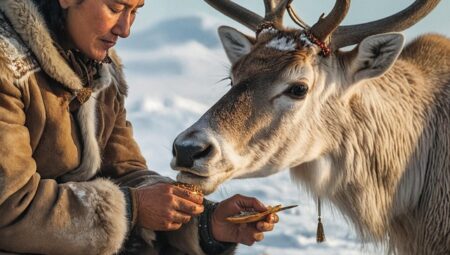
Historically, the Sami people thrived on their rich connection to the land, practicing reindeer herding, fishing, and gathering. But when colonizers arrived, they didn’t just take the land; they disrupted the very essence of Sami culture and livelihood. It’s like trying to plant flowers in a garden where the soil has been stripped away – the roots just can’t grow.
Many Sami lands were appropriated for agriculture and mining, leading to a loss of not only land but also their identity. You see, land for the Sami isn’t just a place to live; it’s a sacred space intertwined with their history and spirituality. As colonizers imposed new boundaries, it’s as if they drew lines through the Sami’s heart.
Legal rights? A distant dream. For decades, Sami voices were drowned out by those in power, erasing their claims to the lands they had nurtured for centuries. It’s a bit like a storyteller being silenced before sharing their tale. Though modern movements have sought to reclaim some rights, the road to recognition is long and winding, littered with challenges that echo the past.
From Indigenous Sovereignty to Subjugation: The Impact of Colonization on Sami Territories
Colonization in the Sami territories wasn’t just about land; it was an all-out assault on their identity, spirituality, and economic independence. When outsiders set foot in the frosty expanses of northern Scandinavia, they didn’t just take over the land—they also undermined the Sami’s unique relationship with nature, which had been built over thousands of years. Picture a vast, pristine wilderness where the Sami thrived, living in harmony with the reindeer and the rhythms of the seasons. Then, imagine that same wilderness being divided into parcels, exploited for resources, and trampled by foreign interests.
The impact of this colonization has been profound. Instead of thriving communities with shared customs and languages, the Sami have had to fight to keep their culture alive amid pressures to conform to the dominant society. It’s like attempting to dance in a swirling storm; every step forward is met with resistance, making it incredibly challenging to preserve their heritage.
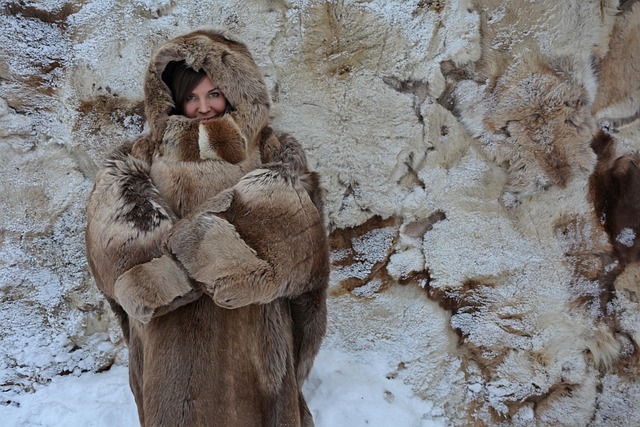
Economic subsistence that once relied on reindeer herding and fishing has been compromised, forcing many to seek work in industries that don’t respect their traditions. The emotional toll of losing both land and culture creates a dissonance that reverberates through generations, leaving some wondering if the richness of their past can survive in a world that seems intent on erasing it.
Erasing Heritage: The Fight for Sami Lands Amidst Colonial Policies
Colonialism is like a slow-moving tide, gradually washing away the foundations of Indigenous cultures. The Sami people, with their vibrant traditions, unique languages, and deep-rooted connection to the land, are fighting back against this relentless tide. Their lands are not just swathes of wilderness; they are sacred spaces that resonate with stories and traditions passed down through generations. Yet, governments continue to prioritize resource extraction and economic gain, viewing these lands as empty spaces ripe for exploitation.
As you peel back the layers of this struggle, you see the resilience of the Sami in the face of systemic injustices. They’re not just fighting to reclaim land; they are fighting to preserve their identity. The sheer audacity of their fight reminds us of a David vs. Goliath scenario, where the underdog is standing up against powerful forces intent on erasing their heritage.
Every protest, every song sung in their native tongue, is a testament to their undying spirit. And let’s be honest—when was the last time we thought about the struggle of Indigenous peoples in our everyday lives? It’s easy to overlook, but recognizing their fight is essential to understanding our own history. The battle for Sami lands isn’t just a local issue; it’s a global call to action, urging us all to reflect on the legacies of colonialism and the importance of preserving Indigenous cultures for future generations.
Colonial Legacy: How Sami Rights and Cultures Were Threatened by Expansion
As territories expanded, so did the incursions into Sami lands. Imagine a patchwork quilt, each unique piece representing Sami culture, being torn apart stitch by stitch. The rise of industries such as mining and logging not only altered the landscape but also threatened the fundamental rights of the Sami people. These advancements can seem like progress on paper, but at what cost? Sami reindeer herders, whose livelihoods depend heavily on the land, found themselves battling for their existence. It’s like being asked to build a house on sand – no matter how hard you try, stability is hard to come by.
Cultural erasure ran rampant, too. Traditional practices and language began to fade as the world around them shifted. Have you ever tried to hold onto a dream that’s slipping away? That’s the daily reality for many Sami, as they fight not only to preserve their customs but also to reclaim their rights. Indigenous knowledge, cultivated over generations, became overshadowed by Western practices, leaving the Sami grappling with their identity.
Even today, the scars of colonialism are evident. There’s a growing awareness of the need to amplify Sami voices and rights, serving as a stark reminder that acknowledging history is crucial in forging a path toward healing. So, what can we do? Educate ourselves and support initiatives that uplift the Sami narrative. After all, history isn’t just about remembering; it’s about making sure the future honors those who’ve endured.
Reclaiming the Past: Sami Resilience in the Face of Colonization
Imagine standing on snow-covered lands that have cradled your ancestors for centuries, only to see those same grounds claimed by outsiders. The Sami have not just survived colonization; they’ve fought back through their cultural practices and community solidarity. The reawakening of traditional reindeer herding, vibrant folk music, and the revival of languages that were once suppressed are more than mere activities; they are bold statements of identity. Isn’t it inspiring to witness how they’ve transformed pain into power?
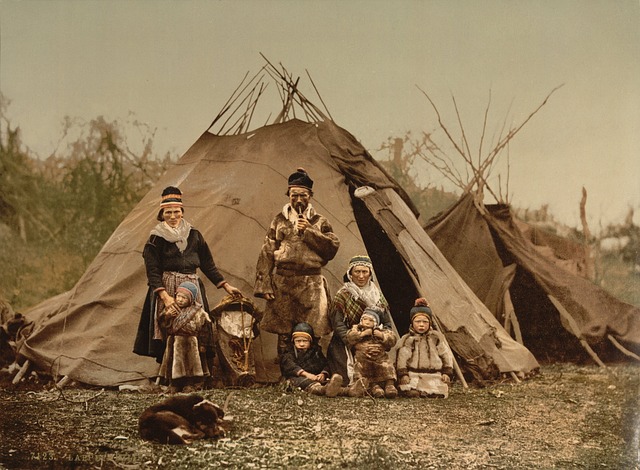
Today, Sami artists and activists are reclaiming their stories and illuminating their struggles. Through film, literature, and art, they’re shedding light on issues like climate change, which disproportionately affects their communities and ancestral lands. In this way, their resilience resonates beyond their borders; it connects with global movements advocating for indigenous rights and environmental justice.
A Hidden History: The Colonization of Sami Lands and Its Lasting Effects
So, what really happened? For centuries, the Sami people thrived in the Arctic regions of Norway, Sweden, Finland, and Russia. However, European expansion swept through these lands like a relentless tide in the 16th and 17th centuries, leading to the imposition of foreign governance and cultural values. Imagine being told that the way you’ve lived for generations is now irrelevant. That’s exactly what many Sami faced. They saw their lands appropriated for mining, forestry, and agriculture, dramatically altering their relationship with nature.
The effects of this colonization still echo through time. It’s not just about the loss of land; it’s about the erosion of identity, language, and traditions. Each Sami community carries the weight of these historical injustices, like a shadow lurking behind the sunlight. The impact has been so profound that many young Sami are now reclaiming their heritage, striving to revive their languages and customs as acts of defiance against a painful past.
Isn’t it incredible how history shapes our present? Today, the Sami are gaining recognition and fighting for their rights, turning what once felt like a lost battle into a powerful movement. The resilience of this community showcases the strength of cultural identity in the face of oppression, reminding us that the past doesn’t have to dictate the future.
Frequently Asked Questions
How Did Colonization Change Sami Economic Activities?
Colonization significantly altered the Sami’s traditional economic activities by imposing new land use practices and resource management systems. The introduction of agriculture, mining, and forestry disrupted their nomadic herding and fishing practices. This led to restricted access to natural resources and a shift from self-sustaining economies to dependence on wage labor and external markets, fundamentally changing their socioeconomic structures.
What Efforts Are Being Made to Address Sami Rights Today?
Various initiatives are underway to enhance the rights of the Sami people, focusing on legal recognition, cultural preservation, and land rights. These efforts include policy reforms, increased representation in governmental discussions, and collaborative projects between Sami communities and national governments aimed at ensuring sustainable development and respect for traditional practices.
How Did Colonization Affect Sami Cultural Practices?
Colonization significantly impacted Sami cultural practices by disrupting traditional livelihoods, such as reindeer herding and fishing, and imposing outside political and economic systems. This led to the erosion of language, customs, and social structures. Over time, there has been a resurgence in Sami identity and efforts to revitalize their cultural heritage.
What Were the Key Impacts of Colonization on Sami Territories?
Colonization significantly altered the Sami way of life, leading to cultural assimilation, loss of land and resources, and disruptions in traditional practices. The imposition of new governance structures and economic models marginalized the Sami, affecting their social structures and identity. Over time, these changes resulted in a decline in the use of the Sami language and traditional livelihoods, such as reindeer herding and fishing.
What Legal Rights Do Sami People Have Post-Colonization?
The Sami people, an indigenous group in northern Europe, possess specific legal rights that aim to protect their culture, land, and livelihoods following colonization. These rights include recognition of their traditional territories, the ability to govern their own communities, and access to resources such as reindeer herding and fishing. Various national and international laws, including the United Nations Declaration on the Rights of Indigenous Peoples, support their rights and promote their self-determination and cultural preservation.