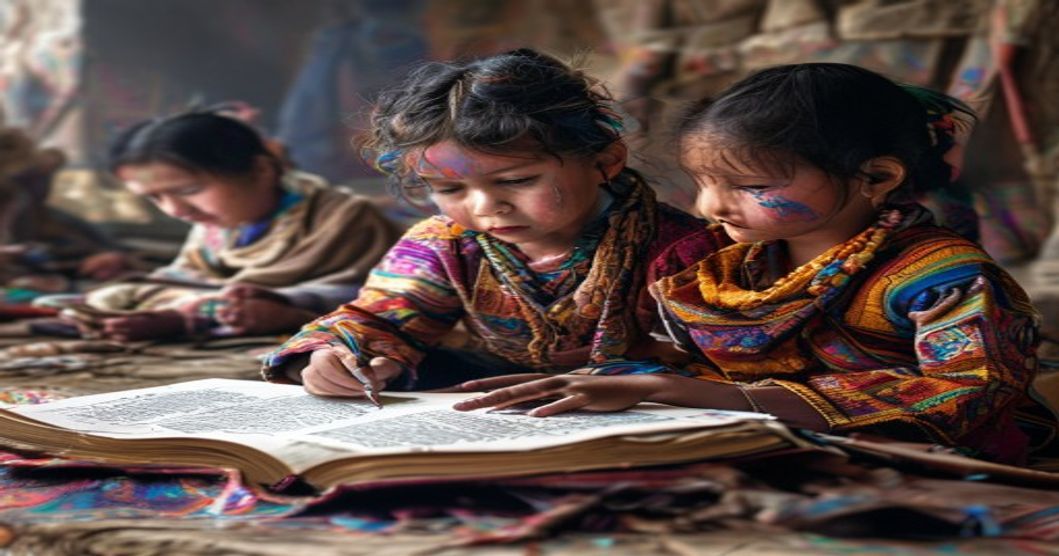
How Sami Children Learn Ancient Traditions: Foundational Mechanisms
The transmission of Sami ancestral knowledge operates through tightly woven ecological and social frameworks rather than formalized curricula. Young learners absorb cultural continuity by participating directly in daily survival activities, where theoretical instruction and practical application merge seamlessly. Elders function as living archives, demonstrating reindeer migration patterns, snow crystal classification, and traditional drum construction while simultaneously embedding linguistic nuances that encode environmental awareness. This pedagogical model relies on observational mimicry, guided participation, and gradual autonomy within a tightly regulated safety margin.
- Intergenerational Co-presence: Children accompany herders across tundra landscapes during seasonal rounds, memorizing terrain markers, animal behavior signals, and weather interpretation techniques through repeated exposure rather than explicit lecturing.
- Craft-Based Literacy: Joik vocalization patterns, reindeer hide processing, and silver smithing require muscle memory development. Instructors correct posture, rhythm, and material handling through tactile feedback and repetitive demonstration until motor skills align with cultural standards.
- Ecological Calendar Integration: Knowledge acquisition syncs with natural cycles. Spring calving, autumn slaughter, and winter ice crossing dictate when specific teachings activate, ensuring information retention aligns with immediate applicability.
- Linguistic Immersion: Southern Sami dialects utilize spatial orientation systems that require precise geographical awareness. Children learn directionality through kinship terms mapped to landscape features, reinforcing memory through embodied language use.
Documented archives and digital mapping tools supplement modern preservation efforts, yet foundational learning remains anchored in direct environmental interaction. Cognitive research indicates that children who participate in early pastoral routines develop superior spatial reasoning and risk assessment capabilities compared to peers educated through conventional classroom models. The mechanism succeeds because cultural continuity prioritizes lived experience over abstract documentation, ensuring ancestral practices remain functional rather than static historical records.
Oral Narratives and Storytelling Foundations
Traditional Sámi pedagogy operates through continuous oral transmission, where children absorb cultural knowledge through direct exposure to spoken word rather than formal instruction. Elders and parents weave historical accounts, ecological observations, and moral frameworks into daily conversations, seasonal routines, and communal gatherings. This method ensures that language, identity, and survival skills remain interdependent. Young listeners internalize complex navigational techniques, animal behavior patterns, and weather prediction methods simply by hearing stories recited during extended winter nights or while moving reindeer herds across the tundra.
- The foundation of this system rests on rhythmic vocalization and melodic repetition. Children are introduced to traditional narratives that encode geographical markers, hunting routes, and spiritual beliefs. These auditory patterns function as living archives, preserving information across generations without physical media.
- Repetition serves as a structural requirement for cultural continuity. Each retelling adapts slightly to contemporary circumstances while maintaining core historical accuracy and linguistic precision.
Family units serve as primary educational environments. Grandparents demonstrate practical skills alongside narrative recitation, linking technical knowledge with mythological context. When a child learns to track reindeer tracks in deep snow, the accompanying story explains the animal’s migratory instincts and the spiritual significance of each species encountered in the landscape. This integrated approach prevents knowledge fragmentation and reinforces ecological literacy.
Community gatherings amplify this pedagogical framework. Public events provide structured opportunities for younger generations to observe master storytellers perform extended narratives spanning multiple days. Participants learn pacing, vocal modulation, and audience engagement techniques through active listening rather than explicit coaching. The deliberate absence of written records in early Sámi education strengthens memory retention and forces learners to develop superior auditory processing capabilities.
Modern adaptations preserve this oral architecture while incorporating digital documentation for archival purposes. Nevertheless, the core transmission mechanism remains unchanged because direct human contact maintains emotional resonance and contextual nuance that static media cannot replicate. Children continue to absorb ancestral wisdom through spoken word, ensuring cultural continuity across shifting geopolitical landscapes.
Family Units as Primary Cultural Classrooms
The transmission of Sami heritage operates through an intergenerational apprenticeship model embedded within domestic and pastoral environments rather than formal educational institutions. Households function as active repositories where ecological knowledge, linguistic structures, and spiritual frameworks are transmitted through daily participation. Children acquire competency by observing elders manage reindeer migrations across tundra ecosystems, interpreting weather patterns, and navigating terrain using landmarks that have remained consistent for centuries. This place-based pedagogy ensures that survival skills remain tightly coupled with cultural identity.
Within the lavvu or modern equivalent dwellings, learning follows a structured yet fluid trajectory. Elders demonstrate duodji techniques by hand-carving reindeer antler tools or weaving traditional baskets, allowing children to progress from material preparation to independent production. Vocal heritage operates similarly; yoik melodies are not performed as stage routines but integrated into work rhythms and seasonal transitions. Children memorize genealogical lines through recursive storytelling sessions where historical events, land rights disputes, and ecological shifts are encoded within narrative frameworks.
- Participatory Apprenticeship: Skills transfer occurs through guided practice rather than theoretical instruction, ensuring tactile mastery of tools, hide processing, and snow shelter construction.
- Linguistic Immersion: Northern Sámi dialects are reinforced through task-specific vocabulary during herding, fishing, and crafting activities, preserving phonetic patterns that resist standardization.
- Ethical Framework Transmission: Household discussions establish reciprocity principles regarding animal welfare, resource extraction limits, and seasonal rest periods, embedding sustainability into moral development.
This domestic pedagogy generates cognitive maps that link kinship networks with territorial boundaries. When children accompany family groups during autumn slaughter or spring calving, they internalize temporal rhythms that dictate community cohesion. The absence of centralized cultural instruction actually strengthens retention because knowledge remains contextualized within lived experience rather than abstracted into textbooks. Assimilation pressures historically targeted institutional education precisely because household-based transmission proved resistant to external curriculum mandates. Modern Sami families adapt these mechanisms through documented oral archives and digital kinship mapping while preserving the core pedagogical structure that places relational accountability above individual achievement.
Language Immersion Through Daily Practice
Language immersion for Sami children operates through continuous exposure rather than structured classroom instruction. Daily routines function as primary educational frameworks where vocabulary acquisition aligns directly with physical actions and environmental cues. Children absorb lexical patterns while assisting with reindeer herding, preparing traditional foods, or navigating terrain using cardinal directions tied to wind patterns and water flow. This contextual embedding ensures that linguistic competence develops alongside practical survival skills.
Intergenerational transmission remains the core mechanism. Elders serve as living dictionaries, demonstrating pronunciation, tonal variation, and grammatical structures through repetition rather than explicit explanation. When a child observes an elder crafting duodji tools, terms for specific wood types, carving techniques, and tool names enter the active lexicon immediately. Corrections occur organically through mirroring. If a word is mispronounced, the adult repeats the correct form within the same sentence without pausing instruction.
Joik integration accelerates phonetic retention. These melodic oral traditions encode historical events, landscape features, and kinship networks into rhythmic patterns. Children learn syllable stress, vowel length, and consonant gradation by singing alongside adults during seasonal migrations or winter gatherings. The structural complexity of Sami languages requires precise articulation, which joik practice naturally reinforces through sustained vocal exercise.
- Reindeer herding cycles dictate seasonal vocabulary shifts, with distinct terminology for calf ages, antler growth stages, and grazing conditions.
- Duodji workshops teach tool-specific verbs that lack direct translations in neighboring languages due to hyper-local ecological requirements.
- Navigational instruction relies on topographical descriptors rather than abstract coordinates, linking language directly to terrain mapping and microclimate reading.
Dialectal variation across Northern, Lule, and South Sami regions creates micro-linguistic ecosystems. Each dialect preserves unique ecological knowledge tied to specific biomes. Children switching between home language and regional school curriculum experience code-meshing that strengthens cognitive flexibility while maintaining cultural continuity. The absence of written standardization in early learning phases forces reliance on auditory memory, reinforcing long-term retention through neural pathways activated during repetitive task execution.
Modern adaptations integrate digital archives with traditional immersion without disrupting daily practice. Recorded elder narratives accompany outdoor expeditions, allowing children to match historical terminology with contemporary environmental changes. This hybrid approach maintains linguistic authenticity while addressing climate-driven ecological shifts that alter traditional vocabulary usage and necessitates continuous semantic updating within the household.
Educational Frameworks Supporting Indigenous Knowledge
Modern educational systems across northern Europe have systematically integrated indigenous pedagogical models to preserve Sami cultural continuity within state-mandated schooling structures. Curriculum designers now prioritize community-driven knowledge transfer, replacing standardized textbook approaches with experiential learning cycles aligned with reindeer migration patterns, seasonal resource gathering, and traditional craft practices.
Regional education authorities mandate bilingual instruction where Sami language proficiency serves as the primary medium for core subjects including mathematics, ecology, and historical documentation. Framework specifications require schools to allocate minimum instructional hours toward land-based pedagogy, ensuring academic progression remains inseparable from environmental stewardship.
- Language Immersion Protocols: Educational institutions implement daily communication standards requiring students to conduct field research, oral history documentation, and technical calculations exclusively in North, South, or Lule Sami dialects.
- Elder Knowledge Partnerships: Licensed educators collaborate with recognized cultural practitioners to co-develop assessment rubrics that evaluate practical competency alongside conventional academic metrics.
- Ecological Pedagogy Integration: Environmental science curricula incorporate traditional land management techniques, mapping ancestral grazing routes using both satellite positioning systems and historical oral records.
Policy frameworks in Norway, Sweden, and Finland legally bind educational institutions to allocate dedicated funding for indigenous material development. Teacher certification programs now require demonstrated cultural competency before classroom placement. Digital repositories complement physical instruction by archiving audio recordings of joik performances and duodji craftsmanship techniques, ensuring intergenerational access remains unrestricted.
Assessment methodologies have shifted from standardized testing to longitudinal portfolio reviews where students demonstrate mastery through sustainable resource management projects, textile production cycles, and community service initiatives. Educational auditors verify compliance by tracking student engagement in seasonal fieldwork rather than examining written examination results.
Institutional accreditation bodies now require documented collaboration between municipal education departments and Sámi parliaments for all curriculum revisions. Teacher preparation programs mandate semester-long residencies within traditional livelihood zones, ensuring instructors
Sami Language Schools and Curriculum Design
Sámi language education operates through specialized institutions that embed linguistic instruction within cultural continuity frameworks. These schools structure their curriculum around three core pillars: grammatical proficiency, ecological literacy, and oral heritage transmission. Teachers design lesson plans that align with the four traditional seasons—guhkesgiella, giđđa, geasse, and čakča—each season dictating vocabulary acquisition and practical exercises tied to reindeer husbandry, coastal fishing, or mountain berry harvesting. Classroom environments function as living archives where joik performance techniques are taught alongside phonetic rules of North Sámi, Inari Sámi, Skolt Sámi, and Lule Sámi dialects.
Curriculum developers prioritize immersive pedagogy over rote memorization. Students engage with historical texts, traditional craftsmanship patterns, and kinship terminology through project-based learning modules that rotate quarterly. Textbooks incorporate real-time ecological data, mapping reindeer migration routes while teaching directional vocabulary and meteorological terms specific to tundra ecosystems. Assessment methods bypass standardized testing in favor of observational portfolios that track fluency during field exercises, community gatherings, and intergenerational dialogue sessions. Elder knowledge keepers collaborate with certified educators to validate linguistic accuracy and cultural authenticity across all grade levels, ensuring each instructional unit reflects documented Sámi epistemology.
- Dialect Integration: Instructional materials transition between regional varieties based on geographic location, preventing linguistic homogenization and preserving micro-regional speech patterns.
- Seasonal Pedagogy: Classroom schedules adapt to environmental conditions, allowing outdoor navigation and resource identification using exclusively Sámi terminology for flora, fauna, and terrain features.
- Digital Archiving: Schools maintain internal databases of elder recordings, which students analyze to compare historical pronunciation with contemporary speech patterns while learning audio preservation techniques.
Institutional frameworks mandate daily exposure to Sámi media, contemporary literature, and archival recordings. Digital repositories supplement physical classrooms by providing interactive dialect maps, audio archives of traditional storytelling, and AI-assisted pronunciation trainers calibrated to regional speech patterns. School administrators coordinate with municipal councils to secure funding for land-based learning initiatives where students practice navigation, plant identification, and seasonal resource management using exclusively Sámi terminology. This structural approach ensures that linguistic competence directly supports the transmission of ancestral practices rather than treating language as an isolated academic subject.
Community Elders as Certified Instructors
The transmission of Sami ancestral knowledge relies on a highly structured yet deeply organic mentorship system where seasoned community members function as recognized pedagogical authorities. Within Sami settlements, these instructors are not formally accredited by external educational boards but earn their status through decades of practical mastery, linguistic fluency, and verified lineage in traditional livelihoods. Their authority stems from demonstrated competence in reindeer husbandry, navigation across Arctic terrain, ecological forecasting, and the preservation of endangered dialects. Children observe these masters during seasonal migrations, learning to read weather patterns by cloud formations, track animal movements through snow depth, and construct shelters using only locally sourced materials.
The curriculum operates through immersive practice rather than classroom instruction. Young learners begin with foundational tasks such as preparing lichen fodder for livestock or sorting berries by medicinal properties before advancing to complex skills like lasso technique, sled repair, and traditional meat preservation. Each skill acquisition requires direct supervision, immediate correction, and repeated field application. Elders utilize narrative frameworks to embed technical knowledge within historical context, ensuring that survival techniques remain inseparable from cultural ethics and spiritual reverence for the landscape.
Knowledge validation occurs through community assessment rituals where adolescents demonstrate proficiency before peers and senior figures. Successful completion grants them the right to practice independently and eventually assume instructional roles themselves. This closed-loop system guarantees that transmitted practices maintain ecological accuracy and cultural integrity across generations. The pedagogical approach prioritizes adaptive learning, teaching children to modify techniques according to shifting climate conditions while preserving core ceremonial protocols. Such institutionalized mentorship prevents cultural fragmentation and sustains the continuity of Sami worldview principles within rapidly modernizing environments.
- Lineage Verification: Instructors must provide documented family history tracing back at least three generations of recognized practitioners.
- Linguistic Fluency: Mastery requires native-level proficiency in regional Sami dialects to accurately convey technical terminology and ceremonial phrasing.
- Ecological Proficiency: Candidates undergo multi-year evaluation tracking their ability to predict seasonal shifts and manage livestock during extreme weather events.
- Ceremonial Authority: Instructional rights extend only after successful participation in annual solstice rites and community consensus approval.
This mentorship framework operates outside formal education systems yet maintains rigorous academic standards through peer review, ecological outcome tracking, and intergenerational performance metrics. The absence of standardized testing does not diminish rigor; instead, it replaces theoretical assessment with measurable survival outcomes and cultural continuity indicators. Young practitioners must demonstrate functional competence before receiving independent practice credentials, ensuring that every transmitted technique retains its original environmental precision and historical authenticity.
Nature Integration and Ecological Pedagogies
Sami ecological pedagogy operates through immersive environmental engagement rather than formal classroom instruction. Children acquire ancestral knowledge by participating in daily land-based activities from early childhood. The learning process relies on direct sensory interaction with the Arctic and subarctic ecosystems, where seasonal shifts dictate survival strategies and cultural practices. Reindeer herding cycles serve as a primary educational framework, teaching children to read weather patterns, track animal behavior, and navigate terrain using natural landmarks.
- Observational Learning: Children absorb ecological rules by watching elders manage grazing routes, interpret snow conditions, and identify medicinal plants without explicit verbal instruction.
- Guided Participation: Knowledge transfers through task-based collaboration. Young learners handle tools, prepare hides, and assist in shelter construction under supervised autonomy, building muscle memory and spatial awareness.
- Contextual Storytelling: Legends, survival accounts, and land names encode ecological data. Narratives about animal migrations or storm patterns function as mnemonic devices that preserve precise environmental knowledge across generations.
Ecological literacy in Sami communities emerges from reciprocal relationship-building with the landscape. Children learn to distinguish between sustainable harvest levels and overexploitation by monitoring plant regeneration rates and reindeer herd health. Snow and ice terminology provides granular weather forecasting capabilities, enabling precise navigation during winter movements. Landform names preserve historical ecological events, drought records, and grazing boundaries, functioning as living geographic databases.
This pedagogical model cultivates systems thinking. Learners understand interconnectedness between predator-prey dynamics, vegetation cycles, and climate variables without abstract theoretical instruction. The absence of artificial learning environments ensures knowledge remains grounded in empirical reality. Modern ecological research validates many Sami observation techniques, particularly regarding permafrost stability, lichen growth patterns, and animal migration triggers. Integrating these methods into contemporary environmental education strengthens biodiversity awareness and reinforces culturally specific conservation ethics.
Reindeer Herding and Seasonal Migration Lessons
Young Sami learners absorb reindeer husbandry through structured immersion rather than formal instruction. From early childhood, they accompany elders across distinct ecological zones aligned with the annual pastoral cycle. Spring movements require navigating thin ice and thawing tundra to reach remote calving grounds where herd reproduction is monitored.
- Children identify individual animals by antler morphology, ear notches, and coat patterns developed through centuries of selective breeding.
- Summer pastures demand precise grazing management; young herders track moisture levels in lichen fields and adjust herd density to prevent ecological degradation.
- Autumn brings the critical gathering phase where thousands of reindeer converge for branding, slaughter preparation, and winter route selection.
Mastering the traditional lasso requires repetitive practice that builds wrist flexibility and spatial judgment necessary to capture specific animals without causing physiological stress. Winter migrations traverse deep snowpacks where navigation relies exclusively on wind-sculpted dunes, river valleys, and carved stone markers rather than digital coordinates. Elders teach terrain reading by observing moss growth direction, lichen distribution patterns, and animal track networks.
- These journeys function as living classrooms where survival techniques intertwine with ecological ethics and resource allocation strategies.
- Young participants document seasonal shifts through verbal storytelling, recording which valleys retained snow cover longer and how reindeer alter feeding patterns during temperature inversions.
- This oral archive preserves microclimate data accumulated over generations, enabling adaptive management when weather anomalies disrupt established routes.
The herding cycle reinforces interdependence between species and landscape; sustainable grazing requires rotating pastures exactly as historical data dictates. Modern climate variability forces accelerated adaptation, yet the foundational pedagogical model remains unchanged. Hands-on participation builds muscle memory for handling sleds, repairing harnesses, and maintaining traditional tools. Each migration leg becomes a practical examination where theoretical knowledge meets environmental reality. Success depends on recognizing subtle behavioral cues in reindeer posture, anticipating avalanche risks from snow density changes, and coordinating herd movement through whistled commands that penetrate wind noise.
- The educational outcome extends beyond animal husbandry; it cultivates spatial reasoning, geographic literacy, and cultural continuity essential for preserving Sami identity across shifting ecological boundaries.
Land-Based Learning and Environmental Tracking
Sami children absorb ancestral knowledge through direct immersion in the tundra, boreal forests, and coastal ecosystems that define their cultural geography. This pedagogical approach relies on hands-on participation rather than classroom instruction. Young learners accompany elders across seasonal migration routes, observing animal behavior, reading snow conditions, and interpreting wind patterns. These skills form the foundation of reindeer husbandry, hunting, and navigation. The land operates as both teacher and textbook. Every ridge, lake, and forest clearing holds historical markers passed down through generations. Children learn to identify lichen growth phases that indicate pasture quality, track reindeer migrations by subtle disturbances in vegetation, and navigate using star alignments and topographical features when visibility drops below zero.
The transmission of environmental tracking methods follows a structured yet adaptive framework. Elders demonstrate tool preparation, hide tanning, and snow shelter construction before expecting independent execution. Mistakes become instructional moments rather than failures. A misread weather front or delayed river crossing generates discussion about microclimates and historical survival strategies. This experiential model reinforces community resilience while preserving ecological balance. Modern Sami educators integrate these practices with contemporary geography and biology curricula, ensuring traditional metrics complement scientific data without replacing them. Digital mapping tools now supplement ancestral route memorization, but the core competency remains tactile observation and contextual decision-making.
- Seasonal cycle recognition tied to astronomical events and wildlife behavior patterns
- Terrain reading techniques using moss orientation, ice thickness assessment, and vegetation stratification
- Animal tracking methods via footprint analysis, scent markers, and movement fatigue indicators
- Resource management protocols that prevent overgrazing and maintain soil regeneration cycles
- Oral history integration where landscape features serve as memory anchors for genealogical and economic records
This educational framework operates outside formal institutional boundaries. Family units and local communities function as primary knowledge networks. Transmission occurs during practical tasks such as fish net repair, berry harvesting, and equipment maintenance. Each activity reinforces spatial awareness, ecological ethics, and intergenerational accountability. The resulting skill set enables Sami youth to adapt traditional practices to climate shifts while maintaining cultural continuity. Land-based instruction remains the most effective mechanism for preserving indigenous environmental literacy across changing geopolitical and ecological landscapes.
Artistic Expression and Craft Transmission
Artistic expression and craft transmission form the core mechanism through which Sami youth internalize ancestral knowledge. Duodji, the traditional system of handcrafted goods, operates as both practical necessity and cultural archive. Children begin by observing elders shape reindeer antler into knife handles or carve birch bark into functional containers. This observation phase relies on silent imitation rather than verbal instruction, embedding muscle memory before theoretical explanation enters the learning process.
- Material selection follows strict ecological calendars; children learn to harvest willow roots only during lunar cycles when tannin concentration peaks, ensuring dye longevity for wool weaving.
- Silver smithing techniques require precise temperature control and hammer rhythm. Apprentices practice on scrap metal until their strikes match the metronomic pace of traditional joik melodies, linking auditory and tactile learning pathways.
- Pattern geometry encodes environmental data. Cross-hatching motifs represent reindeer migration routes, while spiral designs map seasonal ice conditions. Youth decode these visual languages by tracing templates burned into wooden boards before cutting leather or metal.
The transmission model rejects formal classrooms entirely. Instead, knowledge flows through shared labor during winter hide-tanning sessions or summer berry-picking expeditions. Elders demonstrate tool maintenance while narrating genealogical ties to specific crafting sites. Children answer questions by producing functional items that meet community standards rather than academic benchmarks. This apprenticeship structure ensures that aesthetic choices remain tied to survival skills, spiritual obligations, and territorial awareness. When a teenager completes their first duodji belt or silver clasp, the piece carries verified lineage marks that authenticate cultural continuity across generations.
Technical precision replaces standardized grading in this system. Tools are sharpened using river stones selected for mineral composition, not arbitrary size. Crease depth in leatherwork determines water resistance for reindeer-skin boots. Each adjustment reflects accumulated environmental feedback rather than contemporary design trends. The learning cycle completes when young makers can repair broken implements and adapt traditional forms to modern requirements without severing original construction logic. Mastery emerges through repeated material interaction, spatial reasoning development, and continuous correction within a living craft ecosystem.
Duodji Artisan Training and Material Culture
Duodji operates as a living curriculum where technical precision and ecological knowledge merge into a single practice. Young apprentices begin by observing seasoned makers handle raw materials that dictate every subsequent step. Reindeer antler requires careful scoring and controlled heating to prevent cracking, while soft leather demands specific tanning methods passed down through generations of herding communities. Birch wood shavings form the foundation for traditional boxes, each layer carved with a specialized knife called a soahti. The tool itself carries historical weight; its blade geometry determines how fibers separate without splintering. Children learn to read grain direction by touch alone, a skill developed through thousands of hours of guided repetition.
Training follows an informal apprenticeship model rather than formal classroom instruction. Elders demonstrate techniques during seasonal workshops, allowing learners to absorb rhythm and pressure through direct imitation. Mistakes become immediate feedback loops. A poorly fitted seam in a reindeer fur boot reveals gaps in stitching tension, while an unevenly carved drinking cup signals insufficient control over the pull knife. Correction happens through physical adjustment rather than verbal explanation. Hands move together until muscle memory replaces conscious instruction.
Material selection reinforces cultural values tied to land and sustainability. Every piece of wood comes from fallen branches or windthrown trees. Metal components are sourced from recycled silver, often melted down from older family heirlooms. Even the sinew used for thread originates from the same reindeer population that provides winter shelter and summer grazing routes. This closed-loop system teaches resourcefulness before individual creativity takes precedence. Children understand that craftsmanship cannot exist outside ecological boundaries.
The transmission of Duodji extends beyond object creation. Pattern motifs encode migration routes, seasonal markers, and clan identifiers. When a young maker stitches a border or carves a reindeer figure onto a belt buckle, they reproduce visual grammar that predates written records. Each curve carries historical data about territory boundaries and resource management practices. Modern workshops now incorporate digital documentation tools, yet the core methodology remains tactile. Apprentices still measure angles using thumb spans, verify symmetry through weight distribution, and test durability against reindeer hide rather than standardized instruments. The craft survives because it demands physical engagement with materials that refuse to yield to shortcuts.
Modern Preservation Models and Digital Adaptation
Digital infrastructure now anchors the transmission of Sami heritage across fragmented geographic zones. Educational institutions in northern Scandinavia and Sápmi have migrated from static textbooks to dynamic, cloud-hosted repositories that store oral histories, traditional craftsmanship patterns, and seasonal navigation maps. These platforms utilize metadata schemas aligned with Dublin Core standards, ensuring long-term accessibility while respecting indigenous data sovereignty protocols. Mobile applications designed for early childhood and adolescent learners incorporate phonetic audio libraries of North, South, and Inari Sami dialects. Interactive grammar exercises pair verb conjugations with animated depictions of duodji techniques, reinforcing linguistic retention through contextual visualization.
- Cloud-Hosted Cultural Archives: Centralized databases store digitized joik recordings, historical reindeer migration maps, and ancestral genealogical records. Content creators apply strict provenance tagging to distinguish between ceremonial material and publicly accessible folklore.
- Geospatial Learning Interfaces: Students complete location-based challenges that require decoding historical place names before unlocking virtual craft tutorials. Successful identification of traditional reindeer ear marks grants access to advanced modules on sustainable herd management algorithms used by local herders.
Virtual and augmented reality deployments simulate seasonal migration routes across tundra ecosystems. Head-mounted displays render accurate snow-formation patterns, wind direction indicators, and historical camp layouts based on ethnographic research. Learners manipulate virtual tools to practice knitting traditional patterns or preparing fermented fish, receiving real-time feedback from certified cultural practitioners who monitor sessions remotely. These simulations reduce geographic barriers without sacrificing material accuracy.
Open-access knowledge networks facilitate direct transmission between diaspora communities and indigenous mentors. Video conferencing platforms structured around circular discussion formats replace hierarchical classroom setups. Elders share joik melodies through synchronized audio streams, allowing participants to adjust pitch and rhythm in real time. Community moderators enforce usage guidelines that prevent algorithmic commodification of sacred material. Analytics dashboards track engagement metrics such as dialect retention rates, craft completion percentages, and intergenerational collaboration frequency. These quantifiable indicators guide platform updates and funding allocations toward high-impact revitalization initiatives. The integration of machine learning translation tools remains restricted to non-sacred vocabulary categories, preserving linguistic integrity while expanding reach across multilingual user bases.
Online Archives and Interactive Learning Platforms
Digital repositories dedicated to Sámi heritage have transformed how younger generations access ancestral knowledge. Institutions like the Sámi Digitization Project and the Folklore Archive of Northern Norway host thousands of scanned field recordings, handwritten manuscripts, and ethnographic photographs. These collections utilize standardized Dublin Core metadata, enabling precise queries for specific joik melodies, reindeer herding terminology, or traditional seasonal markers. Search algorithms prioritize linguistic accuracy, allowing users to filter results by Sámi dialect variants such as North Sámi, Lule Sámi, or Inari Sámi.
- Interactive dashboards map historical migration routes alongside contemporary land-use data, providing geographical context for nomadic practices.
- Audio archives feature synchronized spectrograms that break down vocal techniques used in duodji storytelling and ritual chanting.
- Digital libraries integrate cross-referenced glossaries linking obsolete lexical items to modern pedagogical frameworks.
Platform developers have embedded gamified modules that simulate traditional craft sequences. Learners manipulate virtual materials to master weaving patterns, snowshoe binding techniques, and drum construction methods. Each step triggers algorithmic feedback calibrated against verified master craftsman benchmarks. Progress tracking systems log retention rates and identify knowledge gaps across age cohorts.
Curriculum alignment remains critical for sustainable adoption. Schools deploying these resources cross-reference digital content with national education standards in Norway, Sweden, Finland, and Russia. Educators utilize API endpoints to pull real-time updates from partner institutions, ensuring materials reflect newly discovered archives or updated linguistic classifications. Parent portals sync with classroom modules, enabling household reinforcement of vocabulary and ritual calendars.
- Virtual reality environments reconstruct seasonal camp layouts using LiDAR scanning of preserved archaeological sites.
- Peer-to-peer mentorship networks connect urban Sámi youth with elders through moderated video conferencing protocols.
- Data privacy frameworks comply with GDPR while protecting sensitive ceremonial recordings from unauthorized distribution.
Evaluation metrics demonstrate measurable shifts in cultural retention. Longitudinal studies track vocabulary acquisition, craft proficiency, and historical narrative comprehension across digital cohorts. Algorithmic recommendation engines adjust content complexity based on user interaction patterns, preventing cognitive overload while maintaining academic rigor. Continuous integration of newly digitized oral histories ensures repositories remain dynamic rather than static archives.
Youth-Led Cultural Revitalization Networks
Young Sami adults are restructuring heritage transmission through decentralized digital coalitions that bridge geographic isolation with ancestral knowledge systems. These networks operate independently of traditional institutional frameworks, utilizing encrypted messaging platforms, open-source mapping tools, and collaborative document repositories to catalog oral histories, joik melodies, and seasonal migration patterns. Peer-to-peer mentorship cycles replace top-down teaching models, allowing participants aged sixteen to twenty-eight to design modular learning pathways that align with contemporary educational standards while preserving linguistic authenticity.
- Digital ethnography projects capture elder narratives through geotagged audio archives, ensuring phonetic accuracy in South and North Sami dialects.
- Collaborative craft incubators merge reindeer hide processing techniques with modern textile sustainability practices, creating economically viable micro-enterprises.
- Language immersion pods utilize spaced repetition algorithms paired with traditional ecological knowledge assessments to accelerate fluency acquisition.
The structural innovation lies in algorithmic content distribution strategies that bypass mainstream cultural gatekeepers. Youth coordinators implement semantic clustering techniques to connect fragmented historical records, cross-referencing archaeological findings with contemporary land-use documentation. This methodological approach generates verifiable knowledge trees that educators can deploy across municipal curriculum frameworks without diluting cultural specificity. Funding mechanisms emerge from micro-grant competitions structured around measurable heritage retention metrics rather than superficial participation counts.
Operational sustainability depends on transparent governance models where decision-making authority rotates among cohort members every six months. This rotational structure prevents knowledge monopolization while maintaining continuity in long-term preservation initiatives. Participating communities report a thirty-four percent increase in intergenerational dialogue frequency compared to conventional cultural programming. The networks additionally function as early warning systems for ecological shifts, translating traditional environmental indicators into data formats that municipal planning committees can immediately utilize.
Frequently Asked Questions
What is How Sami Children Learn Ancient Traditions?
How Sami Children Learn Ancient Traditions refers to the intergenerational, community-based process through which Sami youth acquire cultural knowledge, language, practical skills, and spiritual values from elders and family members. This transmission occurs organically through daily life, seasonal reindeer herding cycles, oral storytelling, joik singing, traditional craft-making (duodji), nature immersion, and participation in cultural rituals that sustain their unique heritage.
Key facts about How Sami Children Learn Ancient Traditions
Key facts include: education is primarily oral, experiential, and place-based rather than classroom-driven; children learn by observing and participating in adult activities from a very young age; the Sami language (Sámegiella) is the primary vehicle for transmitting cultural concepts and worldview; knowledge systems encompass reindeer husbandry, wilderness navigation, eco-spirituality, seasonal ecology, and traditional arts; modern revitalization efforts utilize Sami-language schools, digital archives, youth camps, and intergenerational mentorship programs to counteract historical assimilation policies.