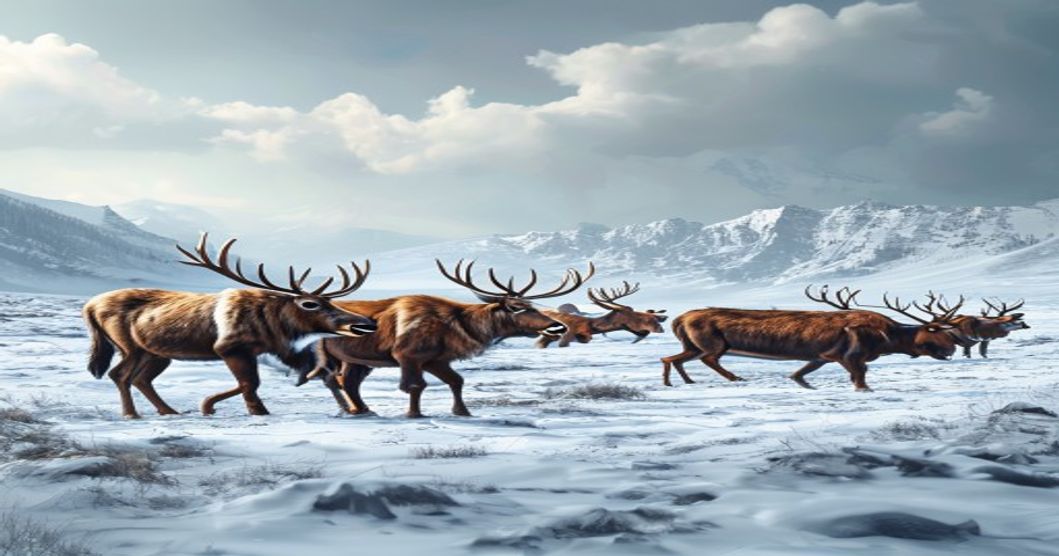
The Accelerating Climate Shift in Sápmi
The Arctic is warming at three times the global average, fundamentally destabilizing the ecological balance of Sápmi across Norway, Sweden, and Finland. Rising temperatures are not statistical anomalies but direct drivers of environmental transformation that threaten indigenous settlement patterns and traditional movement routes. Scientists document a consistent decline in snow cover duration, with winter seasons shortening by up to four weeks per decade. This rapid climatic shift disrupts the frozen ground infrastructure critical to Sami habitation and forces ecological migration toward lower latitudes.
Temperature Rise and Permafrost Degradation
Permafrost thawing threatens both natural landscapes and human infrastructure. Ground instability compromises grazing corridors, forces reindeer herds into suboptimal territories, and accelerates soil erosion. Remote sensing data confirms that active layer thickness has increased by up to 30% in lowland Sápmi regions since the 1980s. These changes directly impact Sami migration patterns, as historical seasonal routes become ecologically unviable for pastoral activities.
Altered Precipitation Patterns and Seasonal Disruption
Precipitation in northern Scandinavia has shifted from consistent snowfall to frequent rain-on-snow events. When rain freezes into an impenetrable ice crust over pastures, reindeer cannot access lichen, leading to mass starvation. Meteorological records indicate that ice-lock events have increased by 40% over the past two decades. These disruptions force herders to abandon traditional migration cycles, accelerating involuntary displacement and urban migration among younger Sami populations.
Direct Threats to Sami Livelihoods and Culture
The climate crisis operates as a multidimensional threat multiplier for indigenous communities. Economic vulnerability intersects with cultural erosion, creating compounding pressures on Sami identity and autonomy.
Reindeer Herding Under Ecological Stress
Reindeer herding remains the economic and cultural cornerstone of Sami life, yet it faces unprecedented ecological strain. Changing vegetation zones push lichen growth upward in elevation, fragmenting grazing lands. Climate models project that suitable reindeer pasture area could decline by up to 50% across southern Sápmi by 2050. Herders report increased livestock mortality, higher veterinary costs, and unpredictable calving seasons. These pressures directly trigger migration, as families relocate to urban centers where economic survival becomes prioritized over pastoral continuity.
Loss of Traditional Knowledge and Land Rights
Traditional ecological knowledge relies on predictable environmental cycles. When weather patterns become volatile, intergenerational knowledge transmission breaks down. Indigenous land tenure systems struggle to adapt to rapidly shifting resource availability. Legal frameworks in Norway, Sweden, and Finland recognize Sami grazing rights but fail to address climate-induced land degradation. Court rulings repeatedly highlight the gap between statutory recognition and practical enforcement, leaving communities exposed to corporate land use and infrastructure development.
Hard Facts and Documented Impacts
Quantifiable data underscores the severity of climate-driven displacement among Sami populations. Empirical studies provide concrete evidence of ecological and socioeconomic disruption.
Statistical Evidence from Northern Scandinavia
Longitudinal studies across Sápmi reveal that over 60% of active reindeer herding families have modified or abandoned seasonal migration routes since 2000. Satellite imagery confirms forest encroachment into tundra zones at an accelerated rate, reducing open grazing corridors by approximately 15%. Demographic surveys indicate a measurable increase in rural-to-urban migration among Sami youth, with unemployment and climate stress cited as primary drivers. Climate projections from the Nordic Council estimate that winter tourism infrastructure will face 30% operational disruption by 2040 due to inconsistent snowfall.
Economic and Infrastructure Vulnerability
Infrastructure built for historical climate baselines now fails under current conditions. Roads, bridges, and energy grids designed for stable permafrost experience premature degradation. Insurance premiums for pastoral livelihoods have risen by over 25% in vulnerable counties. Municipal budgets struggle to fund adaptation measures, while compensation programs rarely account for cumulative climate losses. The economic burden falls disproportionately on indigenous households, reinforcing cycles of displacement and marginalization.
Adaptive Strategies and Policy Gaps
While systemic challenges persist, targeted interventions demonstrate measurable resilience. Community-led adaptation provides a framework for mitigating displacement risks.
Community-Led Resilience Initiatives
Sami organizations have pioneered climate monitoring networks that integrate indigenous observation with scientific data. Early warning systems track ice formation, vegetation shifts, and animal health indicators in real time. Cooperative grazing management reduces herd vulnerability by distributing livestock across diversified pastures. Youth education programs focus on climate adaptation alongside cultural preservation, ensuring knowledge continuity despite environmental volatility.
Legal and Institutional Challenges
Policy
Frequently Asked Questions
What is Sami Reindeer Migration and Climate Change?
The Sami reindeer migration refers to the ancient seasonal movements of reindeer herds by the Indigenous Sami people across northern Scandinavia. Climate change impacts this tradition by altering snow conditions, thawing permafrost, and shifting vegetation patterns, which disrupt migration routes, reduce grazing availability, and threaten the cultural and economic survival of Sami herders.
Key facts about Sami Reindeer Migration and Climate Change
– Arctic warming occurs at twice the global average, heavily affecting northern grazing lands.
– Rain-on-snow events create ice layers that block reindeer from accessing lichen, leading to mass starvation.
– Shorter winters and unpredictable weather force herders to adjust traditional migration calendars.
– Climate-induced vegetation changes reduce lichen availability, a primary winter food source for reindeer.
– The Sami reindeer herding system is recognized by UNESCO as an Intangible Cultural Heritage, now under severe climate threat.