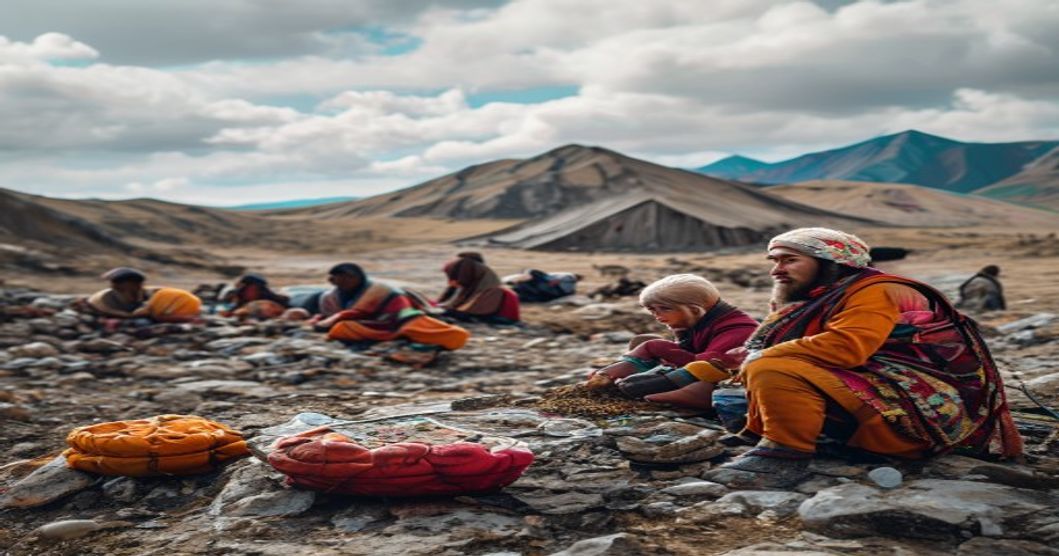
Sami Tourism Problems and Cultural Preservation: Core Challenges and Regional Context
The convergence of tourism expansion and Sámi cultural preservation generates structural friction across the Arctic territories spanning Norway, Sweden, Finland, and Russia. Commercial operators routinely package indigenous heritage as a consumable spectacle, extracting traditional practices from their spiritual and ecological foundations. This commodification accelerates cultural dilution while diverting economic benefits away from source communities. Visitor infrastructure directly competes with reindeer migration corridors, fragmenting seasonal pastures and disrupting livelihood patterns that have sustained Sámi populations for centuries. Waste accumulation, trail erosion, and acoustic pollution degrade fragile tundra ecosystems that support both wildlife populations and traditional hunting grounds. Seasonal tourism peaks frequently coincide with critical calving periods and autumn roundups, intensifying human-wildlife conflict and imposing unnecessary stress on reindeer herds.
- Commodification and Narrative Control: External tourism enterprises frequently appropriate cultural symbols, language motifs, and craft techniques without consent or fair compensation. Intellectual property frameworks remain inadequate for protecting intangible heritage, enabling mass-produced replicas to dilute the authenticity of traditional duodji artistry. Unregulated souvenir markets bypass indigenous artisans, channeling profits toward foreign distributors while eroding intergenerational skill transmission.
- Infrastructure Fragmentation: Fences, roads, and winter tracks block historical passage routes, forcing herders to negotiate costly permits or reroute animals through suboptimal terrain that degrades lichen regeneration cycles.
- Standardization Pressures: Tourism supply chains demand uniform reindeer meat grades and leather products, clashing with seasonal weight fluctuations and natural breeding cycles that dictate traditional slaughter timing.
- Licensing Bottlenecks: Government quotas limit herd expansion to protect grazing land, yet tourism development continues consuming viable pastures, creating a mathematical impossibility for sustainable herd maintenance under current regulations.
- Economic Prioritization: Hospitality employers mandate English or regional lingua francas for customer service, systematically reducing opportunities to practice native vocabulary in professional settings.
- Digital Media Saturation: Tourist-heavy zones experience constant exposure to foreign entertainment, algorithm-driven content, and promotional materials that overshadow local linguistic traditions.
- Educational Diversion: Families redirect children toward language courses aligned with tourism employment prospects, leaving traditional oral history transmission without structured institutional support.
- Performative Authenticity: Cultural presentations often translate indigenous phrases into easily digestible formats for visitors, stripping linguistic terms of their original context and grammatical complexity.
- Carrying capacity thresholds remain undefined in most destination management plans, allowing unregulated tour operators to bid on permits without ecological or cultural impact studies.
- Permafrost thawing accelerates when heavy vehicles traverse frozen ground during short summer windows, creating sinkholes that damage utility lines and transport routes.
- Seasonal labor shortages force communities to hire external contractors unfamiliar with reindeer husbandry protocols, increasing accidental livestock interference and cultural friction.
- Capacity Building: Structured training programs must combine modern hospitality management with traditional ecological knowledge. Certification systems should validate guides who demonstrate proficiency in historical context, environmental ethics, and respectful visitor engagement protocols.
- Monitoring Mechanisms: Quantitative indicators require qualitative feedback loops. Visitor behavior metrics, seasonal carrying capacity limits, and cultural sensitivity scores must be tracked annually to prevent commodification and habitat disruption.
- Cross-Border Coordination: Unified standards across Norway, Sweden, Finland, and Russia prevent regulatory arbitrage while maintaining consistent cultural protection protocols for transnational migratory routes.
- Quota allocation follows a dynamic distribution model that
Revenue Redistribution Mechanisms for Local Artisan Cooperatives
Tourism revenue frequently bypasses indigenous communities through external tour operators, centralized booking platforms, and imported merchandise supply chains. Establishing direct financial pathways to Sami artisan cooperatives requires structural interventions that prioritize transparent profit allocation over traditional commission models. Cooperative frameworks must operate under legally recognized entities that enforce mandatory revenue sharing protocols. These mechanisms typically allocate a fixed percentage of gross tourism income—ranging from twelve to twenty percent—directly into community-managed funds. The distribution follows weighted criteria that evaluate both economic participation and cultural authenticity verification.
Implementing digital payment gateways tailored for rural cooperatives eliminates intermediary extraction while accelerating capital circulation within indigenous economies. Smart contract infrastructure enables automated disbursement schedules tied to verified sales transactions, production hours, and knowledge transfer metrics. Artisans receive tiered compensation based on traditional technique certification rather than market volume alone. This structure prevents cultural commodification by rewarding craftsmanship density instead of mass reproduction. Cooperatives also establish regional rotation systems where surplus funds finance apprenticeship programs, material sourcing initiatives, and heritage documentation archives.
- Transparent Ledger Systems: Blockchain-verified accounting platforms provide real-time visibility into revenue flows, ensuring external stakeholders cannot manipulate allocation percentages or obscure profit margins.
- Cultural Contribution Indexing: Compensation models incorporate verified traditional knowledge credits, allowing artisans to earn additional dividends for teaching workshops, producing historically accurate regalia, and maintaining authentic dyeing methods.
- Community Governance Committees: Elected representatives from each cooperative district vote annually on fund deployment priorities, balancing immediate economic relief with long-term preservation projects like reindeer pasture access negotiations or language revitalization grants.
Sustainable redistribution requires continuous monitoring of leakage points across the tourism value chain. Cooperatives must negotiate direct procurement contracts with regional hospitality providers, bypassing metropolitan wholesalers who historically dictated unfavorable terms. Standardized artisan pricing guidelines prevent undercutting while maintaining fair wage benchmarks. When revenue flows directly to verified cultural practitioners, communities regain autonomy over narrative control, material sourcing, and seasonal production cycles. This financial sovereignty reduces dependency on volatile external tourism markets and strengthens intergenerational knowledge transfer. Cooperatives that institutionalize these mechanisms consistently demonstrate higher retention rates among younger craft practitioners and measurable improvements in traditional technique documentation across surveyed Sami municipalities.
Policy Enforcement and Cross-Border Collaboration in Sami Tourism Problems and Cultural Preservation
Effective tourism governance within Sámi territories demands coordinated regulatory frameworks that transcend national borders. The Sámi homeland spans Norway, Sweden, Finland, and Russia, each operating under distinct legal systems yet sharing overlapping cultural landscapes. Fragmented enforcement structures routinely create compliance gaps, allowing commercial operators to exploit jurisdictional ambiguities. Standardized licensing protocols must mandate baseline cultural competency training, seasonal activity restrictions during reindeer migration corridors, and mandatory revenue allocation percentages directly to Sámi municipal councils. Cross-border data sharing platforms enable real-time monitoring of visitor impact metrics, reducing environmental degradation and preventing unauthorized access to sacred sites.
Institutional alignment remains critical for sustainable implementation. The Sámi Council and Nordic Cooperation frameworks provide foundational guidelines, yet operational execution often stalls due to inconsistent funding distributions and delayed policy ratification. Joint task forces comprising indigenous representatives, tourism regulators, and academic researchers establish standardized impact assessment templates. These templates require commercial operators to submit baseline cultural mapping reports before receiving operating permits. Continuous compliance audits utilize satellite imagery, visitor tracking systems, and local ranger networks to verify adherence to zoning regulations. Revenue streams from eco-certified tour packages directly fund language revitalization programs and traditional craft preservation initiatives, creating a self-sustaining economic model that aligns commercial activity with cultural stewardship.
- Unified Licensing Registries: Cross-border digital databases track operator certifications, ensuring consistent standards across all four nations and preventing regulatory arbitrage.
- Dynamic Zoning Protocols: Seasonal restrictions adapt to reindeer herding calendars and botanical blooming periods, preventing ecosystem disruption and protecting grazing rights.
- Transparent Revenue Allocation: Mandatory percentages from ticket sales and accommodation fees fund indigenous language schools, heritage documentation projects, and community-led tourism cooperatives.
Digital governance tools accelerate enforcement efficiency. Blockchain-verified licensing registries track operator compliance across jurisdictions, while sentiment analysis monitors public feedback for early warning signs of cultural misrepresentation. Municipal authorities collaborate through shared procurement contracts to standardize guide certification requirements, eliminating redundant administrative processes. International tourism boards integrate Sámi heritage impact indicators into destination rating systems, compelling external investors to prioritize culturally compliant development models. Strategic enforcement relies on transparent reporting mechanisms that publish quarterly compliance scores, enabling communities to make informed decisions regarding partnership approvals and infrastructure investments.
Legal Protections for Sacred Sites and Seasonal Migration Routes
Legal frameworks governing sacred sites and seasonal migration corridors operate at the intersection of international human rights instruments and national land-use legislation. International conventions such as ILO Convention 169 and the United Nations Declaration on the Rights of Indigenous Peoples establish binding standards requiring state recognition of indigenous territorial claims. These documents mandate that governments identify, demarcate, and legally safeguard areas of spiritual significance before authorizing commercial tourism development or infrastructure projects. National implementations vary significantly. Norway’s Finnmark Act transferred ownership of approximately 95 percent of county land to a regional assembly, enabling direct negotiation over tourism concessions. Sweden’s Reindeer Husbandry Act legally recognizes winter pastures and migration pathways as exclusive economic zones, limiting construction permits within designated grazing districts. Finland incorporates sacred natural sites into its Nature Conservation Act, requiring municipal zoning plans to exclude commercial facilities from geographically defined cultural landscapes.
Protection mechanisms rely heavily on spatial planning tools and mandatory consultation protocols. Environmental impact assessments now routinely include cultural heritage chapters that map seasonal movement patterns against proposed tourism infrastructure. Free, prior, and informed consent procedures require developers to submit route deviations or seasonal access restrictions before receiving operational licenses. Co-management agreements between indigenous councils and tourism authorities establish joint monitoring committees that evaluate visitor capacity, noise thresholds, and waste management compliance near ritual gathering points. Legal precedents increasingly recognize traditional ecological knowledge as admissible evidence in land dispute hearings, allowing community elders to present oral histories alongside satellite tracking data.
- Territorial Demarcation: Official mapping of sacred groves, burial grounds, and seasonal waypoints into national heritage registries prevents unauthorized commercial zoning.
- Impact Assessment Mandates: Cultural heritage clauses require developers to fund independent archaeologists and indigenous researchers before approving trail expansions or lodging permits.
- Conflict Resolution Mechanisms: Specialized land tribunals prioritize customary law precedents over generic property claims when tourism operators challenge restricted access zones.
- Cross-Border Coordination: Bilateral agreements between Scandinavian states standardize migration corridor protections, ensuring seasonal routes remain uninterrupted across national boundaries.
Enforcement gaps persist despite robust statutory language. Bureaucratic delays in heritage registration often allow construction permits to issue before legal challenges materialize. Tourism operators frequently exploit jurisdictional ambiguities between municipal planning departments and indigenous governance bodies, resulting in fragmented oversight. Monitoring programs lack standardized metrics for cultural degradation, making it difficult to prove harm in litigation. Communities increasingly utilize digital land registries and GPS-tracked movement data to strengthen legal claims, while advocacy groups file strategic lawsuits targeting tourism licensing boards that bypass consultation requirements. Adaptive management frameworks now integrate
Unified Certification Standards for Culturally Competent Tour Operators
Establishing unified certification standards for culturally competent tour operators addresses the fragmented oversight currently plaguing Sámi tourism. Without a centralized framework, operators frequently adopt superficial cultural elements, reducing living traditions to performative spectacles. A standardized accreditation system eliminates this ambiguity by defining measurable competencies across four core domains: historical accuracy, community consent protocols, environmental stewardship aligned with traditional land use, and fair economic distribution mechanisms. Certification bodies must require documented partnerships with Sámi advisory councils, ensuring that content development undergoes rigorous review by indigenous knowledge holders rather than relying on external interpretations. Operators seeking accreditation will demonstrate compliance through audited supply chains, verified guide training hours focused on indigenous epistemologies, and transparent revenue-sharing agreements tied to cultural education initiatives.
Implementing these standards requires coordination between national tourism authorities, Sámi parliaments, and independent auditing firms. The framework should mandate annual reassessments rather than static licensing, preventing stagnation as cultural contexts evolve. Financial incentives, including reduced permit fees and targeted marketing support, can accelerate adoption among independent operators. Conversely, non-compliant entities face progressive penalties, including removal from official tourism directories and exclusion from public procurement contracts for guided experiences. Tourists benefit from predictable quality markers, while Sámi communities gain structural leverage to protect sacred sites, regulate group sizes in sensitive areas, and control narrative ownership. The certification process also generates standardized data on visitor behavior patterns, enabling adaptive management strategies that balance economic opportunity with intergenerational cultural continuity.
Digital compliance tracking portals will monitor real-time adherence, requiring operators to submit incident reports and community feedback logs through encrypted platforms. Audit trails must remain publicly accessible, fostering accountability while deterring greenwashing or culture-washing practices. Regulatory bodies should integrate these standards into national tourism licensing prerequisites, making certification a non-negotiable condition for operating in protected Sámi territories.
Key operational requirements include:
- Mandatory indigenous liaison officers embedded within tour company leadership
- Documented consent protocols for visiting culturally significant locations
- Guide training exceeding forty hours annually in Sámi linguistic and historical frameworks
- Revenue allocation clauses directing a minimum percentage toward youth language revitalization programs
- Third-party cultural impact assessments conducted biennially by accredited ethnographic institutes
Standardized certification transforms cultural competence from a marketing claim into an auditable operational baseline. This structural alignment ensures tourism revenue reinforces rather than extracts from Sámi heritage systems, creating a replicable model for indigenous tourism governance globally.
Real-Time Monitoring of Ecological Footprints
Real-time ecological footprint tracking in Sami tourism regions relies on distributed sensor networks that capture environmental degradation metrics at six-hour intervals. IoT-enabled soil moisture probes, GPS-collared reindeer herds, and multispectral drone surveys feed continuous streams into centralized GIS platforms. These systems quantify vegetation cover loss, trail erosion rates, and carbon output from transport corridors crossing traditional grazing lands. When visitor density exceeds threshold values in sensitive lichen beds, automated alerts trigger route diversions and temporary access restrictions.
- Satellite-derived NDVI indices detect vegetation stress before visible damage occurs, allowing preemptive zoning adjustments.
- Acoustic sensors monitor noise pollution levels that interfere with reindeer navigation and seasonal migration patterns essential to Sami cultural practices.
- Waste accumulation algorithms calculate per-visitor waste generation against local processing capacity, preventing overflow in remote waste management facilities.
Data integration bridges ecological monitoring with cultural preservation protocols. Park authorities cross-reference trail usage heatmaps with historical reindeer migration corridors mapped through indigenous knowledge databases. When algorithmic models predict soil compaction risks near sacred sites or traditional fishing grounds, management teams deploy temporary barriers and redistribute visitor flow using dynamic signage. Predictive analytics also factor in seasonal weather patterns, accelerating degradation timelines during thaw periods when tundra soils lose structural integrity.
Implementing these systems requires standardized API endpoints that sync municipal tourism boards, indigenous land councils, and environmental agencies. Real-time dashboards display carrying capacity utilization percentages, enabling instant policy adjustments without bureaucratic delays. The infrastructure reduces reactive remediation costs by identifying degradation vectors within forty-eight hours of initial impact. Continuous monitoring transforms static conservation plans into adaptive frameworks that maintain ecological balance while preserving Sami tourism authenticity.
Frequently Asked Questions
What is Sami Tourism Problems and Cultural Preservation?
It refers to the challenges and initiatives surrounding tourism in Sápmi (the traditional region of the Sámi people across Norway, Sweden, Finland, and Russia), focusing on balancing economic benefits with the protection of indigenous Sámi culture, language, reindeer herding traditions, and sacred sites from over-commercialization and cultural appropriation.
Key facts about Sami Tourism Problems and Cultural Preservation
Key facts include: tourism can provide economic opportunities but often leads to cultural commodification; many Sámi communities advocate for community-led tourism models; reindeer herding routes are frequently disrupted by tourist activities; there is a growing push for authentic cultural experiences managed directly by Sámi organizations; and sustainable tourism frameworks are being developed to protect both the environment and intangible heritage.
Commercialization Pressures on Traditional Reindeer Husbandry Practices
The expansion of tourism infrastructure across northern Scandinavia has fundamentally altered the ecological and economic landscape of Sami reindeer husbandry. Commercial resorts, ski slopes, and transportation networks require extensive land clearance, directly fragmenting critical seasonal migration corridors. These artificial barriers force herds to expend disproportionate energy navigating restricted zones, reducing fat reserves essential for winter survival and calf reproduction rates. The traditional model relies on finely tuned ecological knowledge passed through generations, where herd size, grazing patterns, and movement schedules adapt dynamically to snow conditions, lichen availability, and predator presence.
Market-driven tourism economies prioritize predictable visitor experiences over biological variability. This creates direct conflict with pastoral requirements. Commercial operators frequently secure long-term land leases from state authorities, bypassing customary rights recognized in indigenous legal frameworks. The resulting pressure accelerates the transition from subsistence-based herding to commercial meat production, where reindeer are managed as livestock units rather than ecological participants. Younger community members increasingly abandon complex husbandry techniques for stable tourism employment, triggering a measurable decline in traditional knowledge transfer.
Adaptive management strategies historically enabled Sami communities to maintain ecological balance during climate fluctuations and resource scarcity. Commercial integration replaces this flexibility with rigid economic schedules aligned with tourist seasons rather than biological imperatives. The commodification of reindeer culture further exacerbates the issue, reducing pastoral practices to staged performances for visitor consumption. Sustainable herding requires uninterrupted access to expansive territories, predictable grazing windows, and intergenerational knowledge continuity—conditions systematically undermined by profit-driven development models that treat land as a revenue stream rather than a living ecosystem.
Erosion of Indigenous Language in Commercial Tour Environments
Commercial tourism operations fundamentally restructure local communication patterns by prioritizing visitor convenience over linguistic heritage. When destinations transition into highly commercialized zones, service workers adopt dominant global languages to maximize economic returns. This shift creates a direct pressure on indigenous communities to abandon mother tongues in public-facing roles. Younger generations observe that fluency in widely spoken languages yields immediate financial stability, while native dialects hold minimal market value. The resulting linguistic displacement accelerates rapidly through daily commercial interactions and standardized hospitality training protocols.
The decline of native speech patterns carries measurable consequences beyond vocabulary loss. Indigenous languages encode specialized ecological knowledge, including plant identification, seasonal navigation, and sustainable resource management techniques. When these linguistic frameworks disappear, communities lose access to centuries of environmental adaptation strategies. Intergenerational communication fractures as elders struggle to transmit cultural narratives to grandchildren who respond primarily in commercialized dialects. Local governance systems also weaken because traditional dispute resolution methods rely on precise native terminology that lacks direct equivalents in dominant languages.
Commercial tourism infrastructure amplifies this displacement through standardized service models and global franchise operations. Property management companies implement uniform training manuals that exclude regional linguistic requirements. Marketing campaigns frequently replace indigenous place names with phonetically simplified alternatives, erasing historical references embedded in original nomenclature. Street vendors, tour operators, and transportation providers uniformly switch to visitor-friendly communication styles, further marginalizing native speakers within their own geographic boundaries.
Preservation efforts require structural interventions rather than superficial language programs. Municipal tourism authorities must implement certification standards that reward businesses maintaining bilingual service capabilities. Educational institutions should integrate indigenous dialect instruction into vocational training pathways connected to the hospitality sector. Digital documentation projects need sustained funding to archive native narratives, ensuring linguistic data survives beyond tourist season cycles. Communities advocating for linguistic sovereignty gain measurable benefits when tourism revenue directly funds native language immersion schools and localized content creation initiatives.
Seasonal Overcrowding and Infrastructure Strain in Arctic Destinations
The annual influx of visitors to Arctic regions peaks sharply during the midnight sun months and winter aurora seasons, creating concentrated pressure on remote communities that historically operate with minimal seasonal staff. Municipal systems across Sápmi, Finnmark, and Lapland were engineered for resident populations, not transient crowds exceeding local capacity by three hundred percent. Waste processing facilities, medical clinics, and emergency response units face immediate bottlenecks when visitor numbers double or triple within forty-eight hours. Roads constructed for light agricultural traffic cannot sustain continuous heavy vehicle movement without rapid degradation, while ferry schedules and regional airports frequently miss connection windows due to weather volatility compounded by high demand.
Infrastructure deficits directly intersect with indigenous livelihoods. Reindeer migration corridors experience repeated disruption from tour buses, snowmobile convoys, and unauthorized off-trail vehicles during calving seasons. Noise pollution alters predator-prey dynamics, while temporary accommodations often encroach on grazing land without ecological impact assessments. Local waste management systems collapse under organic and plastic load, requiring external hauling that increases carbon output and operational costs. Healthcare facilities divert resources from residents to treat altitude sickness, hypothermia cases, and travel-related injuries, straining volunteer-based rural medical networks.
Sustainable mitigation requires destination governance aligned with Sámi land-use mapping and traditional seasonal routing. Timed entry systems reduce peak-hour congestion while distributing economic benefits across longer operational windows. Infrastructure upgrades must prioritize modular waste treatment, reinforced permafrost-compatible road foundations, and community-controlled transport shuttles that eliminate private vehicle dependency. Tourism revenue allocation should mandate direct funding for cultural preservation initiatives, reindeer welfare monitoring, and youth training programs that maintain linguistic continuity alongside environmental stewardship.
Strategic Frameworks for Sami Tourism Problems and Cultural Preservation
Effective strategic frameworks must bridge the gap between commercial tourism development and indigenous self-determination. Community-based governance models serve as the foundation. These frameworks require legal recognition of Sami land rights, ensuring that tourism revenue flows directly into local cooperatives rather than external operators. Policy integration involves embedding cultural impact assessments into regional tourism planning. Municipal authorities need mandatory consultation protocols with Sami councils before approving infrastructure projects near reindeer grazing routes or sacred sites.
Economic leakage remains a critical vulnerability. Frameworks should enforce local procurement standards, requiring tour operators to hire certified Sami guides, purchase supplies from indigenous-owned businesses, and invest in multilingual educational materials developed by cultural experts. Digital mapping initiatives can document intangible heritage, including joik singing traditions, duodji craftsmanship techniques, and seasonal migration patterns. These datasets must remain under community control, with strict licensing agreements governing commercial use.
Collaborative governance structures benefit from tripartite agreements involving indigenous representatives, regional tourism boards, and conservation agencies. These entities should establish joint steering committees with veto power over development proposals that threaten cultural integrity or ecological balance. Funding models must prioritize long-term preservation over short-term profitability, allocating a fixed percentage of tourist taxes to heritage restoration projects and youth apprenticeship programs in traditional crafts and reindeer husbandry.
Community-Governed Visitor Access and Permit Systems
Community-governed visitor access frameworks operate through localized regulatory bodies that directly manage tourism inflow into Sami territories. These systems replace top-down municipal controls with indigenous councils, reindeer herding cooperatives, and cultural heritage boards responsible for issuing time-bound permits. Each application requires applicants to specify travel routes, group size, duration of stay, and intended activities. The approval process cross-references real-time ecological data, seasonal migration patterns, and sacred site calendars maintained by local elders. Permits are frequently tiered, granting priority to educational institutions, accredited researchers, and visitors participating in certified cultural exchange programs. Unregistered commercial operators face restricted access to high-value zones, effectively deterring mass tourism from degrading fragile tundra ecosystems and traditional grazing corridors.