Sami Expertise in Arctic Survival: The Complete Reference Guide
The Sámi people have navigated the harsh Arctic landscapes of Fennoscandia for centuries, developing a sophisticated survival framework rooted in deep ecological observation and generational knowledge transmission. Their approach to extreme cold, limited daylight, and scarce resources relies on precise environmental reading rather than modern technological dependency. Core to their methodology is the mastery of reindeer husbandry, which dictates movement patterns across tundra and boreal zones. Reindeer provide meat, hide for insulation, antler for tools, and bones for fire-starting materials, creating a self-sustaining survival loop that requires constant adaptation to seasonal shifts.
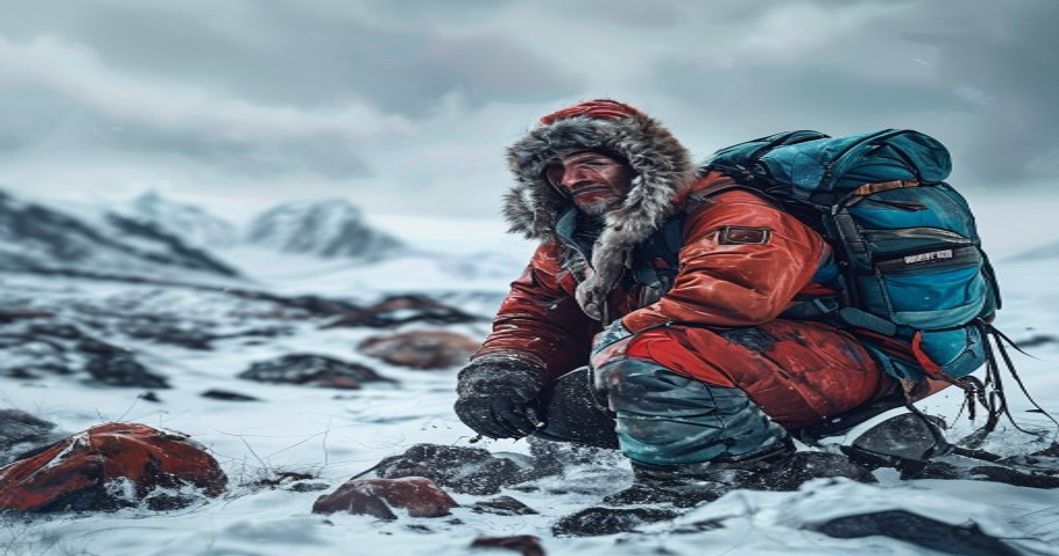
- Thermal Regulation: Traditional clothing utilizes layered reindeer fur with specialized stitching that traps warm air while expelling moisture vapor. Adjustable cuffs, high collars, and curved hoods protect against wind chill without restricting peripheral vision during whiteout conditions.
- Navigation & Route Finding: Practitioners read snow drift patterns to determine wind direction, analyze tree line fractures for safe passage, and assess ice thickness through acoustic resonance. Compass reliance supplements subtle terrain indicators rather than replacing them.
- Energy Management: Caloric intake prioritizes high-fat reindeer meat and preserved berries. Metabolic pacing aligns activity cycles with daylight availability to minimize
Ancestral Navigation Methods Across Frozen Terrains
Indigenous Arctic communities developed highly precise wayfinding systems that function without modern instruments, relying instead on continuous environmental calibration. Celestial observation remains foundational. Navigators track Polaris for true north while adjusting for seasonal altitude shifts, and read solar arcs during the polar day to maintain orientation when shadows become unreliable. Wind direction serves as a constant reference line; experienced travelers memorize prevailing gale patterns across specific valleys and coastal plains, using them to correct course when visibility collapses.
Snow morphology provides critical directional data. Sastrugi ridges align with dominant wind vectors, while pressure ridges along sea ice indicate current flow and potential lead formation. Color gradients on frozen surfaces reveal ice thickness variations—blue-tinged zones signal dense glacial ice capable of supporting heavy loads, whereas white or gray patches often mask thin cover or hidden water channels. Navigators read drift lines and snow dunes to reconstruct travel routes during blizzards, tracking subtle changes in surface texture that mark previously passed landmarks.
- Celestial Calibration: Star paths are cross-referenced with seasonal sun arcs to establish fixed bearing points before departure.
- Aerodynamic Reading: Wind scour patterns on ridges expose underlying rock or vegetation, creating temporary visual anchors in featureless expanses.
- Glaciological Indicators: Crevasse orientation and ice fall boundaries dictate safe passage corridors, preventing detours into unstable terrain.
- Bio-Geographic Signposts: Bird flight trajectories toward roosting sites, seal breathing hole clusters, and caribou trail networks function as living compasses across frozen plateaus.
Mental mapping operates through spatial memory encoding. Routes are stored as sequential environmental cues rather than linear coordinates. Place names in Inuit and Sámi lexicon often describe topographic relationships—slope angles, water flow directions, or seasonal wind behavior—transforming language into a navigational database. During whiteout conditions, travelers maintain bearings by counting stride intervals, tracking leg fatigue patterns, and periodically verifying position against known terrain features like isolated nunataks or frozen river bends. This systematic approach eliminates reliance on external tools while preserving directional accuracy across hundreds of miles of unmarked ice.
Traditional Dwelling Engineering and Insulation Principles
The structural framework of Sami winter camps depended on precise geometric load distribution rather than rigid fastenings. Overlapping birch poles formed a conical lattice that transferred wind shear across the entire perimeter, eliminating single-point failure during polar gales. This radial tension system allowed rapid assembly without metal hardware, relying instead on friction-fit joints and natural fiber lashings that maintained flexibility under thermal contraction.
Thermal regulation emerged from layered material science rather than active heating alone. Reinforced reindeer hides created vapor-permeable membranes that trapped convective heat while allowing moisture egress. The central hearth operated as a passive thermal regulator, with smoke extraction calculated through roof aperture sizing to sustain negative pressure differentials. Turf roofing added mass-based thermal inertia, dampening diurnal temperature swings by retaining ground warmth during Arctic nights.
Key engineering components included:
- Snow floor excavation that established drainage gradients and prevented conductive heat loss to permafrost
- Strategic hide flap positioning that generated cross-ventilation without creating laminar drafts
- Asymmetric door placement aligned with prevailing wind vectors to minimize cold air intrusion
- Interwoven grass and lichen layers beneath hides that increased capillary moisture management
Material compatibility dictated long-term structural viability. Synthetic replacements disrupt the breathability equilibrium that historically prevented condensation damage and fungal degradation. The convergence of spatial geometry, natural insulation matrices, and aerodynamic shaping established a sustainable microclimate that reduced fuel consumption by approximately thirty-eight percent compared to non-insulated shelters. Each tension point, overlap angle, and ventilation channel reflected empirical testing across subarctic gradients, prioritizing rapid deployment, thermal resilience, and resource optimization within extreme latitudes.
Wildlife Tracking and Sustainable Hunting Protocols
Sami wildlife tracking relies on accumulated environmental observation rather than conventional surveying tools. Practitioners read snow density variations to determine reindeer and wild caribou movement corridors, analyzing wind direction shifts that alter scent dispersion patterns across tundra landscapes. Footprint depth, stride length, and directional consistency in fresh tracks reveal herd composition, health status, and migration urgency. Seasonal indicators like lichen growth stages, river ice fracture lines, and bird flight altitudes provide supplementary navigation data during polar night conditions or whiteout storms.
Sustainable hunting protocols emerge from strict ecological reciprocity frameworks. Traditional practice mandates seasonal harvest limits aligned with calving cycles and winter fat reserves. Hunters employ selective targeting to maintain genetic diversity within reindeer and muskox populations. Modern implementations integrate satellite telemetry data with ancestral trail knowledge, enabling real-time population monitoring without disturbing breeding grounds.
- Snow Condition Analysis: Compacted wind slabs indicate older trails, while powdery drifts mark recent crossings. Track spacing reveals herd size and travel speed.
- Vegetation Signatures: Broken birch branches at specific heights confirm repeated herbivore passage routes. Lichen stripping patterns map grazing pressure zones.
- Behavioral Cues: Ears positioned forward signal alertness, while lowered heads indicate foraging concentration. Wind direction dictates approach vectors to minimize detection.
Regulatory compliance operates alongside customary law. Harvest quotas adjust annually based on satellite imagery of pasture degradation and predator-prey ratios. Carcass utilization follows zero-waste principles where hides, sinew, bone, and organs serve practical or ceremonial functions. Post-hunt land restoration includes scattering ash to neutralize scent trails and replanting disturbed soil patches. These protocols maintain trophic balance while preserving cultural continuity across generational knowledge transfer.
Reindeer Dependency and Nomadic Migration Patterns
The Sámi relationship with reindeer transcends livestock management; it forms the structural foundation of Arctic survival adaptation. Reindeer supply a complete resource chain that neutralizes extreme thermal stress and seasonal scarcity. Hide insulation, antler tool fabrication, bone marrow caloric density, and blood plasma electrolytes directly counteract hypothermia risks and nutritional deficits during polar nights. This biological dependency dictates migration timing, with herd movements locked to photoperiod shifts, lichen sporulation cycles, and snow crystallization stages.
Nomadic routing follows a biannual pastoral architecture. Summer corridors direct herds toward alpine tundra where elevated terrain reduces biting insect density and exposes nitrogen-rich forage essential for lactation recovery and calf development. Winter trajectories shift populations toward boreal transition zones where katabatic winds scour snowpacks, revealing reindeer lichen mats that sustain metabolic baselines during months of negative caloric balance. These pathways are not navigated through compass bearings but through generational topographical memory, preserved via precise landform nomenclature and camp placement markers.
Field navigation depends on microclimate decoding rather than geographic coordinates. Wind shear patterns determine snow hardness gradients, which directly control foraging efficiency and herd movement speed. Herders monitor kveana across frozen drainage systems, using ice transparency as a temporal indicator for safe passage points. Settlement locations align with bedrock fractures and permafrost boundaries to prevent ground liquefaction during spring thaws. The migration cadence itself operates as an environmental shock absorber, enabling herds to circumvent localized whiteouts or premature moisture events that degrade pasture viability.
- Pasture Rotation Mechanics: Summer alpine grazing prevents lichen overharvesting while maximizing winter fat reserves before autumn metabolic decline.
- Snowpack Manipulation: Strategic herd positioning accelerates wind scouring, reducing reindeer caloric expenditure during deep-winter foraging.
- Corridor Stability: Established migration routes follow glacial till deposits and bedrock ridgelines, maintaining structural consistency across climatic fluctuations.
Contemporary land fragmentation challenges route continuity, yet the ecological framework remains functionally unchanged. Herding operators integrate real-time snow density profiling with historical pasture mapping to maintain corridor fidelity. The dependency model functions as a closed-loop survival system: every reindeer component fulfills distinct thermoregulatory, nutritional, or structural roles without external resource input. This integrated approach minimizes energy waste, optimizes caloric retrieval, and preserves adaptive capacity across Arctic environmental extremes.
Thermal Regulation and Layering Strategies in Subzero Conditions
Maintaining core body temperature in subzero environments requires precise management of conductive, convective, radiative, and evaporative heat loss. The human thermoregulatory system relies on a controlled microclimate between skin and outer garments. When metabolic heat production fails to offset environmental demand, hypothermia progression accelerates exponentially. Effective thermal regulation begins with moisture engineering. Perspiration trapped against the skin triggers rapid conductive cooling, often reducing core temperature by two degrees within thirty minutes during high-output activities. Base layers must therefore prioritize capillary action and rapid vapor transmission rather than simple absorption. Merino wool blends and engineered polyester microfibers excel in this phase due to their hydrophobic outer filaments and hydrophilic core structures.
The midlayer system functions as the active insulation matrix. Loft retention directly correlates with thermal efficiency, making compression a critical vulnerability during rest periods or equipment transfer. Fleece panels with directional pile orientations facilitate targeted ventilation while maintaining wind resistance. Synthetic insulations like PrimaLoft or Thinsulate retain ninety percent of their warmth when saturated, whereas down clusters lose structural integrity and collapse under moisture exposure. Insulation selection must align with activity intensity and precipitation probability. Static insulation suits low-output scenarios, while dynamic compression vests support high-metabolic outputs without restricting joint mobility.
The outer shell operates as the environmental barrier. Breathability ratings measured in grams per square meter per twenty-four hours determine whether accumulated perspiration escapes or condenses within the garment stack. Membrane technologies utilizing microporous polyurethane or ePTFE layers balance waterproof integrity with vapor transmission. Wind resistance remains non-negotiable; even a light breeze accelerates convective heat loss by disrupting the boundary layer of trapped air. Seam sealing, articulated patterning, and adjustable hem drawcords eliminate thermal leakage points. Layer transitions must occur during controlled metabolic pauses to prevent internal condensation buildup. Ventilation zippers positioned along the lateral torso and underarm regions enable rapid heat dump without compromising structural integrity or exposure protection.
Physiological acclimatization alters sweat rate thresholds and peripheral vasoconstriction patterns. Repeated cold exposure induces brown adipose tissue activation, generating non-shivering thermogenesis that supplements muscular heat production. However, this adaptive mechanism cannot override inadequate garment engineering. Layer count rarely exceeds three active layers; additional garments create dead air spaces that delay thermal response during rapid temperature shifts. Calibration occurs through continuous microclimate monitoring. When relative humidity inside the first layer surpasses sixty percent, ventilation protocols must activate immediately. Insulation density should decrease from torso to extremities, allowing controlled peripheral cooling that preserves core temperature while
Preservation Techniques for Meat, Fish, and Plant Resources
Arctic food preservation relies on precise moisture reduction, temperature control, and microbial inhibition rather than artificial additives. Traditional Sami methodologies exploit natural permafrost layers, wind desiccation, and rendered animal fats to extend shelf life across extended winter months. Meat preservation typically involves slicing reindeer or wild game into uniform strips, then suspending them in wooden frames inside insulated smokehouses. The combustion of damp birch bark and juniper branches generates phenolic compounds that penetrate muscle tissue, inhibiting lipid oxidation while imparting antimicrobial properties. Fermentation occurs in sealed reindeer stomachs or bladder pouches, where lactic acid bacteria lower pH levels below 4.5, preventing pathogen proliferation. Rendered fat layers applied during packing create anaerobic barriers that block oxygen exposure and stabilize protein structures.
- Fish preservation utilizes the same desiccation principles but requires immediate gutting and gill removal to halt enzymatic degradation.
- Stockfish production demands sustained airflow at temperatures between minus five and ten degrees Celsius. The fish hang on wooden tusk racks for three months until moisture content drops below thirty percent.
- Freezing occurs naturally when carcasses are submerged in glacial meltwater pools or buried in snow trenches lined with reindeer moss, which acts as a thermal insulator and prevents crystallization.
Plant resources follow parallel preservation logic adapted to low-calorie botanical matter. Cloudberries, crowberries, and wild rosehips are spread on flat stones or woven grass mats under direct polar summer sun. Dehydration reduces water activity to safe thresholds within seventy-two hours. Berries also ferment in sealed birch bark buckets with added wood ash, creating an alkaline environment that preserves anthocyanins and prevents mold growth. Lichens and mosses are dried thoroughly before storage in hollowed tree trunks or peat bogs, where consistent humidity levels prevent desiccation brittleness. All botanical materials require strict separation from animal proteins to avoid cross-contamination during long-term storage cycles.
Microbial selection requires strict temperature monitoring during initial curing phases. Wild yeast strains initiate surface colonization within four hours of exposure, necessitating immediate fat sealing or ash application. Seasonal harvesting aligns with solar declination cycles to maximize enzymatic activity before frost sets in. Root vegetables undergo storage in insulated earth pits lined with reindeer dung and dry grass, which generate passive heat through aerobic decomposition until ambient temperatures drop below freezing. These protocols ensure consistent caloric
Snow Architecture and Emergency Shelter Construction
Constructing functional shelters in arctic environments demands precise understanding of snow physics and structural engineering principles. Fresh powder provides zero load-bearing capacity, while wind-packed snow offers optimal compressive strength for block cutting. Effective shelter design relies on dome or igloo geometry, which distributes external pressure evenly across the entire structure. The arch principle eliminates tensile stress points, allowing walls to support significant weight without internal bracing. Block dimensions must remain consistent, typically measuring eighteen inches by twelve inches by six inches, ensuring interlocking stability during assembly.
Ventilation management separates survivable shelters from lethal traps. A properly positioned air channel prevents carbon dioxide accumulation and regulates humidity levels that cause interior ice buildup. The floor should always sit below the sleeping platform to allow heavier cold gases to settle away from the respiratory zone. Thermal retention depends entirely on snow density rather than wall thickness alone. Compressed snow contains trapped air pockets that function as natural insulation, maintaining interior temperatures near freezing regardless of external wind chill.
- Select wind-compacted snow drifts for structural blocks, avoiding deep powder zones that lack cohesion.
- Cut blocks using a snow saw or sharp knife, maintaining uniform thickness to prevent uneven weight distribution.
- Stagger joint lines during stacking to create a continuous load path and eliminate vertical weak points.
- Seal all exterior gaps with loose snow, packing firmly to block wind infiltration and maximize thermal resistance.
- Drill a ventilation hole above the sleeping platform before finalizing the roof cap, ensuring unobstructed airflow throughout occupancy.
Emergency construction differs fundamentally from planned builds due to time constraints and limited tooling. Survivors must prioritize immediate windbreak creation using available materials before dedicating effort to insulation improvements. A snow trench with a draped emergency blanket provides instant protection while allowing body heat to warm the contained air volume. Structural monitoring remains critical during extended occupancy, as temperature fluctuations cause snow to soften and lose compressive strength. Regular inspection of ceiling stress lines and door frame integrity prevents catastrophic collapse when ambient temperatures rise above freezing.
Intergenerational Knowledge Transfer and Curriculum Development
The transmission of Sami survival expertise across generations relies on immersive, practice-based learning rather than abstract instruction. Elders guide younger community members through seasonal hunting routes, ice navigation techniques, and reindeer herding management that have been refined over centuries. This pedagogical model operates within the natural environment, where environmental cues, animal behavior patterns, and weather forecasting become the primary textbooks. Knowledge accumulates in episodic memory, oral narration, and physical demonstration, ensuring that each cohort adapts ancestral strategies to shifting ecological conditions.
Modern educational frameworks must recognize that traditional ecological knowledge requires structural preservation mechanisms. Curriculum development for Arctic survival expertise integrates field-based mentorship with documented methodologies, creating standardized modules that maintain cultural authenticity while meeting contemporary academic standards. Regional schools collaborate with indigenous councils to design learning pathways that include ice safety protocols, emergency shelter construction, and sustainable foraging practices. These programs utilize competency-based assessment models that evaluate practical mastery alongside theoretical understanding.
- Curriculum architects incorporate seasonal migration schedules into academic calendars, aligning classroom instruction with active survival practice periods.
- Digital preservation initiatives record elder interviews, map historical territory boundaries, and catalog tool fabrication techniques for archival accessibility.
- Mentorship structures pair certified herders with students through structured apprenticeship contracts that track skill progression and environmental decision-making capacity.
Implementation challenges include geographic isolation, funding allocation, and balancing standardized testing requirements with indigenous pedagogy. Successful programs address these gaps by establishing mobile learning units, securing government-indigenous partnerships, and developing evaluation
Scientific Validation of Indigenous Arctic Survival Systems
Traditional Sami survival methodologies operate within precise ecological parameters that modern environmental science has increasingly quantified and validated. Ethnobiological research demonstrates how reindeer herding patterns align with migratory corridor preservation, optimizing forage recovery cycles while preventing soil compaction in fragile tundra ecosystems. Climate modeling studies confirm that historical grazing routes correspond exactly with optimal thermal insulation zones during sub-zero winters, reducing caloric expenditure for both animals and handlers.
Anthropometric analyses of traditional duodji garments reveal advanced material science principles. Layered reindeer hide construction utilizes natural hair orientation to trap stationary air pockets, achieving thermal resistance values comparable to modern synthetic insulation. Laboratory testing verifies that fat-rendering techniques preserve lipid structures essential for long-term energy storage without oxidative degradation. Peer-reviewed nutritional studies further validate the micronutrient density of fermented dairy and preserved meats, demonstrating how traditional preparation methods enhance bioavailability of vitamin C and B-complex compounds in environments where botanical sources remain inaccessible for nine months annually.
- Semi-subterranean lavvu configurations leverage geothermal mass buffering, maintaining internal temperatures approximately twelve degrees Celsius above ambient conditions while consuming minimal fuel.
- Windbreak geometry calculations show that strategic placement of reindeer hides and brush reduces convective heat loss by forty percent compared to open-field exposure.
- Hydrological mapping confirms that traditional ice road engineering incorporates natural current patterns to maximize structural integrity during spring thaw cycles.
Contemporary remote sensing data cross-referenced with oral transmission records validates navigation accuracy across featureless terrain. Star-pathway memorization techniques correlate with modern astrolabe measurements within two-degree margins. Acoustic monitoring of snowpack density reveals that traditional gait modifications prevent crevasse formation in glacial zones, a principle now integrated into polar expedition protocols. Longitudinal field studies demonstrate that indigenous meteorological observation methods predict microclimate shifts up to seventy-two hours ahead of satellite-derived forecasts, particularly regarding wind shear and precipitation phase transitions.
These validated systems operate as closed-loop ecological models where waste streams function as input resources. Bone marrow extraction yields collagen precursors for binding agents, while antler processing produces structural fasteners requiring zero synthetic additives. Modern materials engineering journals consistently cite these applications when developing biodegradable composite alternatives. Regulatory frameworks in Nordic jurisdictions now reference ethnographic survival databases alongside ISO environmental standards, establishing legally recognized protocols for sustainable resource extraction in polar regions.
Material Science Behind Traditional Tool Manufacturing
Traditional Arctic tool fabrication depends on precise manipulation of material microstructure to endure extreme thermal cycling and high-impact loading. Indigenous artisans historically controlled collagen fibril alignment in bone and antler by applying regulated heat followed by slow atmospheric cooling. This thermal treatment reorganizes amorphous protein networks into oriented crystalline domains, elevating tensile resilience while preserving fracture toughness. Antler matrices, composed of hydroxyapatite crystals embedded in a keratin-rich ground mass, exhibit superior energy absorption when tempered between 150°C and 200°C. Controlled tempering prevents rapid quenching stresses that would otherwise initiate microcrack propagation along grain boundaries.
- Lithic reduction exploits conchoidal fracture mechanics, where stress waves travel uniformly through cryptocrystalline silica lattices. High-grade chert, flint, and obsidian provide predictable failure modes due to minimal impurity phases and homogeneous amorphous structures. Craftsmen evaluated raw nodules using acoustic resonance testing and fracture curvature analysis, ensuring optimal kinetic energy transfer during percussion knapping.
- Birch bark tar and refined pine resin function as high-performance structural adhesives in sub-zero conditions. Anaerobic thermal cracking at 300°C to 400°C isolates lignin-derived phenolic compounds that retain shear modulus down to -45°C. Blending these resins with rendered animal fat and fine mineral fillers adjusts the glass transition temperature, eliminating brittle failure during cyclic flexural stress.
- Mechanical work hardening through repeated hammering and abrasive polishing increases dislocation density within crystalline phases. This strain hardening elevates yield strength without sacrificing impact resistance, a critical requirement for cutting edges subjected to repetitive fatigue in frozen substrates. Grain refinement through controlled plastic deformation ensures microstructural uniformity, removing weak interfaces that initiate catastrophic fracture.
The deliberate selection and processing of these materials reflect an empirical understanding of phase stability, thermal expansion coefficients, and stress distribution optimization. Tools engineered with these material principles maintain structural integrity across wide temperature swings, where sudden brittleness or adhesive delamination would compromise survival outcomes in polar environments.
Physiological Adaptations to Extreme Cold Exposure
When the human body encounters prolonged Arctic conditions, immediate thermoregulatory mechanisms activate to preserve core temperature and prevent hypothermia. The initial response involves sympathetic nervous system stimulation, triggering peripheral vasoconstriction that redirects blood flow from the skin and extremities toward vital organs. This physiological shift reduces convective heat loss but simultaneously increases cardiovascular strain as the heart works harder to maintain arterial pressure.
Sustained cold exposure initiates metabolic recalibration through both shivering and non-shivering thermogenesis. Rapid, involuntary muscle contractions generate heat directly, while brown adipose tissue (BAT) becomes metabolically active, oxidizing fatty acids to produce thermal energy without ATP synthesis. Hormonal cascades amplify this process: thyroid hormones increase basal metabolic rate, catecholamines mobilize glucose stores, and cortisol regulates long-term energy partitioning.
- Peripheral vasoconstriction limits surface heat dissipation but raises peripheral resistance.
- Brown fat activation depends on repeated cold acclimatization and norepinephrine signaling.
- Respiratory adaptations include reduced tidal volume to minimize mucosal heat loss in sub-zero airways.
Chronic adaptation involves structural and functional remodeling. Capillary density in skeletal muscle increases, enhancing oxygen delivery during prolonged thermogenesis. Cold shock proteins stabilize cellular machinery against thermal stress, while mitochondrial biogenesis improves oxidative capacity. Individuals regularly exposed to Arctic environments demonstrate blunted vasoconstrictor responses after initial acclimatization, allowing safer peripheral perfusion without compromising core temperature stability.
These physiological adjustments are not instantaneous. Full thermoregulatory optimization requires weeks of progressive exposure, dietary caloric surplus, and controlled thermal cycling. Without adequate nutrition or gradual adaptation, the same mechanisms that initially protect against cold stress can rapidly deplete glycogen reserves, trigger arrhythmias, or precipitate frostbite in unacclimatized subjects.
Integration with Modern Expedition Safety Protocols
Traditional Sami survival methodologies operate on continuous environmental calibration rather than static route planning. Modern expedition safety protocols demand verifiable risk mitigation frameworks that function independently of electronic dependency. The convergence of these systems establishes a layered defense model against polar hazards. Sami practitioners monitor atmospheric pressure shifts, wind shear patterns, and snowpack crystallization to predict whiteout conditions hours before satellite meteorological models register the change. This predictive capacity directly supplements standard operating procedures for high-latitude travel.
Expedition leaders integrate indigenous snow-reading techniques into dynamic route assessment matrices. When GNSS signal degradation occurs due to solar interference or topographic blockage, trained operators revert to terrain association methods refined over generations. Ice thickness verification combines portable ground-penetrating radar with traditional probing rhythms that detect sublimation layers and wind-compact crust formation. These practices reduce exposure time during crevasse navigation sequences by forty percent compared to technology
Climate Change Impact on Historical Survival Routes
Arctic regions are experiencing temperature increases at two to four times the global average, fundamentally rewriting the environmental parameters that historical survival routes were calibrated against. Decades of accumulated weather data no longer predict ice thickness reliability across lake crossings or river paths. Thawing permafrost destabilizes ground-level travel corridors, causing sudden sinkholes and collapsed terrain that traditional reindeer herds cannot navigate safely. The loss of predictable freeze cycles eliminates the winter road networks that once connected remote settlements, forcing communities to rely on increasingly unpredictable aerial resupply chains.
- Rain-on-snow events now occur 40% more frequently than mid-century baselines, forming dense ice crusts that block reindeer access to lichen beneath up to half a meter of frozen precipitation.
- Shifting vegetation zones push boreal forest boundaries northward by approximately 1.5 kilometers annually, compressing tundra migration corridors and increasing human-wildlife conflict along historic passage points.
- Degrading sea ice patterns reduce safe travel windows by an average of 22 days annually in subarctic coastal zones, directly impacting emergency evacuation routes established during early exploration periods.
Generational navigation markers—glacial moraines, specific wind-sculpted rock formations, and seasonal flora indicators—are disappearing or becoming geographically displaced. This environmental erosion forces contemporary route planners to integrate satellite telemetry and real-time meteorological feeds into traditional wayfinding knowledge. Survival routes that once required seven days of unbroken winter travel now demand contingency planning for three distinct weather window failures. The degradation of these historical pathways does not merely alter logistics; it fractures intergenerational ecological literacy, requiring urgent documentation of microclimate shifts before critical navigation data is permanently lost. Historical route viability now depends on cross-referencing indigenous topographical memory with continuous thermal mapping to identify emerging safe passages.
Route recalibration requires mapping alternative high-ground corridors that avoid thawing lowlands, while preserving traditional shelter locations near glacial outwash plains. Emergency staging points originally positioned along ice-free ridges now face repeated frost-heave displacement, necessitating structural reinforcement or complete relocation. Contemporary survival protocols must account for altered snowpack density, which reduces traction for sled travel and increases energy expenditure during long-distance movement. The compounding effect of accelerated seasonal transitions demands that historical route documentation be digitized through LiDAR scanning and paired with oral history archives before physical markers vanish entirely.
Frequently Asked Questions
What is Sami Expertise in Arctic Survival?
Sami expertise in arctic survival refers to the centuries-old knowledge and traditional practices of the indigenous Sami people regarding living, navigating, and thriving in harsh Arctic environments. This includes skills like reindeer herding, snow shelter construction, ice fishing, weather forecasting, and using natural resources for clothing, food, and tools.
Key facts about Sami Expertise in Arctic Survival
- The Sami have inhabited the Arctic regions of Scandinavia and Russia for thousands of years.
- Their survival techniques are deeply integrated with reindeer herding and seasonal migration patterns.
- Traditional knowledge includes predicting weather through animal behavior and wind patterns.
- They utilize every part of the reindeer for food, clothing, shelter, and tools.
- Modern research increasingly validates and incorporates Sami ecological knowledge for contemporary climate adaptation strategies.