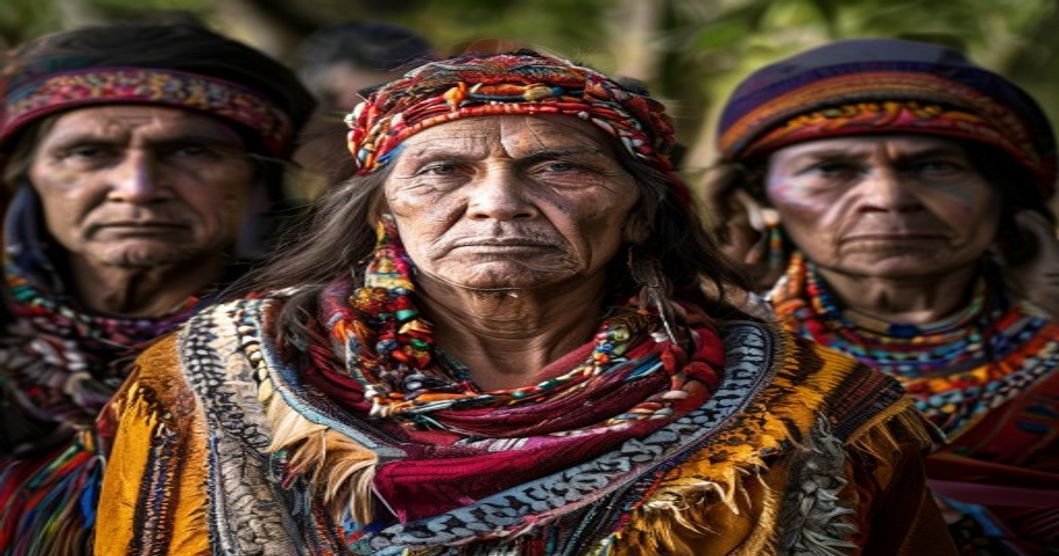
How Sami Culture Shapes Identity Across Generations
The formation of Sami identity operates through a continuous loop of intergenerational knowledge transfer, where ancestral practices serve as the primary framework for personal and communal belonging. Unlike assimilated populations whose cultural markers often fragment under external pressure, the Sami maintain a cohesive identity architecture rooted in land, language, and lived tradition. Children absorb this framework not through formal education alone but through immersive participation in seasonal rhythms, family-based decision-making, and oral transmission of ecological memory.
Central to this process is the deliberate preservation of Sámi languages, which function as both communicative tools and cognitive vessels for cultural worldview. Each dialect encodes specific taxonomies of reindeer behavior, weather patterns, and terrain navigation that cannot be fully translated into dominant national languages. When elders teach youth how to read snow drifts or identify lichen species by taste, they are not merely imparting survival skills; they are embedding a relational ontology where human existence is defined through reciprocity rather than extraction.
- Reindeer husbandry remains the most visible anchor of intergenerational continuity, requiring coordinated knowledge across age groups regarding migration routes, calving grounds, and veterinary care.
- The joik tradition operates as an auditory archive, where vocal techniques preserve historical narratives, geographical landmarks, and emotional states without linear storytelling structures.
- Traditional craft practices like duodji transform functional objects into identity markers, with patterns and materials signaling clan lineage, marital status, and regional origin.
Historical suppression policies in Norway, Sweden, and Finland deliberately fractured this transmission chain by removing children from homesteads and banning indigenous languages in schools. The resulting generational trauma manifested as linguistic loss and cultural disconnection, yet it also catalyzed a deliberate revival movement. Contemporary Sami communities now employ digital archives, language nests, and land rights litigation to rebuild what was systematically dismantled. Young adults increasingly navigate between urban professional environments and ancestral territories, forging hybrid identities that honor historical continuity while adapting to modern socioeconomic realities.
This adaptive resilience demonstrates why Sami identity cannot be reduced to static folklore. It functions as a dynamic system where each generation renegotiates the relationship between tradition and innovation. The persistence of cultural markers across centuries proves that identity formation thrives not through isolation but through strategic engagement with external forces while maintaining core epistemological boundaries.
Ancestral Landscapes and Indigenous Worldviews
The foundational pillar of Sami identity rests upon an unbroken relationship with Sápmi, the transnational territory spanning northern Norway, Sweden, Finland, and the Kola Peninsula. This landscape functions as a living archive where topography, climate patterns, and ecological cycles dictate cultural rhythm rather than serving as passive scenery. Indigenous epistemologies within Sami communities prioritize relational ecology over human-centric resource extraction. Knowledge transmission occurs through direct engagement with terrain features, seasonal indicators, and animal behavior rather than formalized documentation.
- Reindeer herding operates as both economic practice and epistemological framework, requiring precise navigation of invisible boundary markers established centuries ago.
- Seasonal transhumance routes encode historical memory, with migration corridors preserving linguistic place names that describe micro-ecological conditions impossible to translate literally.
- Spiritual practices remain geographically tethered to specific rock formations, water bodies, and forest clearings where ancestral presence is actively maintained through ritual repetition rather than historical commemoration.
Intergenerational continuity emerges from this spatial-temporal alignment. Elders transmit topographical literacy through joint herding expeditions, where navigation relies on understanding snow density, lichen growth patterns, and wind direction rather than modern cartography. This embodied knowledge system creates cognitive frameworks that prioritize cyclical time over linear progress. Younger generations internalize identity through participation in duodji craft production, which requires sourcing materials according to traditional ecological calendars rather than commercial availability.
Contemporary land rights struggles directly impact cultural reproduction. When grazing territories face industrial development or administrative fragmentation, linguistic erosion accelerates because place-based vocabulary loses functional context. Conversely, communities maintaining territorial integrity demonstrate measurable resilience in joik preservation and native language fluency rates. The landscape itself functions as a pedagogical instrument, ensuring that identity formation remains anchored to lived environmental interaction rather than abstract cultural performance. This geographic anchoring explains why Sami youth organizations increasingly prioritize land-based education models over conventional classroom instruction.
Reindeer Herding Cycles and Ecological Knowledge
The seasonal rhythms governing reindeer herding form the structural foundation of Sami pastoral life, embedding ecological awareness directly into cultural identity. Herders navigate a continuous annual cycle dictated by animal physiology, terrain conditions, and forage availability rather than fixed calendar dates. Spring initiates calving season, where families disperse across open tundra to protect newborns from predators and unpredictable weather fronts. During summer, herds migrate to highland pastures rich in nutritious grasses and willow shoots, allowing reindeer to recover from winter energy depletion while avoiding severe insect harassment.
Autumn marks the critical gathering phase, where scattered groups converge for branding, sorting, and selective slaughter. This period demands precise coordination across vast landscapes, requiring herders to read wind direction, snow depth, and animal movement patterns simultaneously. Winter pastures rely heavily on accessible lichen grounds, often revealed through controlled digging techniques that preserve root systems for regrowth. The entire system operates on continuous feedback loops between human decision-making and environmental signals.
- Snow crust thickness determines travel routes and energy expenditure for both herders and reindeer
- Lichen growth rates indicate pasture recovery capacity and inform rotational grazing schedules
- Vegetation phenology serves as a natural calendar for migration timing
- Animal vocalizations and herd cohesion levels signal stress, illness, or impending weather shifts
Ecological literacy is transmitted through immersive apprenticeship rather than formal instruction. Young herders learn by tracking hoof prints, interpreting bird behavior as weather predictors, and mastering the subtle variations in reindeer vocal tones that indicate age, sex, and social hierarchy. Elders demonstrate how to assess pasture health without modern tools, relying on moss coloration, wind direction, and historical memory of landscape changes. This knowledge system functions as a living archive, where each generation adapts ancestral practices to shifting environmental baselines while preserving core ethical frameworks around resource stewardship.
Modern pressures including climate instability, land-use conflicts, and regulatory restrictions challenge these cycles. Yet the persistence of reindeer herding across generations demonstrates remarkable adaptive resilience. Herders integrate satellite data and weather forecasting with traditional indicators, creating hybrid decision-making models that honor historical continuity while responding to contemporary ecological shifts. This ongoing negotiation between ancestral wisdom and environmental reality reinforces cultural cohesion, proving that identity in Sami communities remains intrinsically tied to the land and the animals sustained by it.
Sami Language Dialects and Oral Tradition Preservation
The linguistic landscape of the Sami people spans a vast geographic area from northern Fennoscandia to the Kola Peninsula, resulting in a complex tapestry of dialects that serve as direct markers of regional identity. Southern Sami, Lule Sami, and Northern Sami each exhibit distinct phonological structures, grammatical nuances, and lexical variations rooted in centuries of localized reindeer herding patterns, coastal fishing practices, and inland hunting traditions. These dialectal differences function as living archives of ecological knowledge and historical migration routes.
Oral transmission mechanisms remain the cornerstone of linguistic continuity. The yoik, a traditional vocal style predating written literature, encodes ancestral narratives, spiritual connections to landscapes, and clan lineages. Unlike conventional songs, yoiks are performed in specific dialects, ensuring that linguistic uniqueness survives alongside musical heritage. Contemporary revitalization initiatives have implemented immersion preschools and digital archiving projects to document endangered dialect forms before intergenerational breakage accelerates.
Community-led language nests pair elder knowledge keepers with youth participants, creating structured environments where vocabulary related to snow conditions, reindeer husbandry, and seasonal navigation is actively practiced. Digital platforms now host interactive maps of dialect boundaries, allowing diaspora communities to access region-specific audio recordings and grammar guides. Linguistic vitality correlates directly with cultural resilience; when dialects decline, localized ecological wisdom and traditional governance models often follow.
- Academic classification identifies ten recognized Sami languages, with Western and Eastern branches displaying significant divergence in case systems and verb conjugations.
- Educational frameworks across Norway, Sweden, and Finland mandate dialect-specific curriculum modules, shifting away from standardized orthography that historically suppressed regional variations.
- Universities collaborate with indigenous research centers to develop phonetic training programs that capture subtle vowel harmonies often lost in conventional transcription.
- Youth-led digital storytelling campaigns leverage podcast networks and social media algorithms to distribute oral histories beyond geographic boundaries without diluting dialectal authenticity.
- Preservation funding increasingly targets mobile language applications utilizing spaced repetition techniques tailored to each dialect’s morphological complexity.
Modern documentation strategies prioritize speaker-led metadata, ensuring that linguistic data remains controlled by Sami institutions rather than external academic entities. This grassroots approach maintains the authentic context of oral expressions while adapting preservation techniques to smartphone-based recording tools and AI-assisted transcription workflows designed with indigenous data sovereignty protocols.
Intergenerational Transmission Mechanisms
Sami identity persists through precise cultural transmission channels that operate within family units and broader community networks. Oral storytelling serves as the primary vector for passing down ecological knowledge, kinship structures, and spiritual frameworks. Elders encode survival strategies, reindeer herding cycles, and seasonal migration routes into narratives that younger members internalize through repeated exposure. These stories function as cognitive maps that align individual behavior with collective memory.
Linguistic acquisition operates as a critical transmission mechanism. Sami languages utilize grammatical structures and lexical fields uniquely adapted to tundra ecosystems, documenting reindeer anatomy, weather patterns, and territorial boundaries. When children acquire these linguistic markers through daily interaction, they absorb environmental cognition alongside syntax. Educational programs that integrate bilingual curricula demonstrate measurable outcomes in cultural retention, whereas language displacement correlates with accelerated identity fragmentation.
Practical apprenticeship reinforces theoretical knowledge. Youth participate in reindeer corralling, duodji production, and joik performance under direct supervision. These activities require tactile feedback, rhythmic coordination, and situational judgment that cannot be replicated through textual instruction. Transmission relies on embodied learning, where muscle memory and auditory patterns become inseparable from cultural affiliation.
- Kinship-based mentorship: Older relatives assume pedagogical roles during seasonal work cycles, ensuring skill transfer aligns with ecological calendars.
- Ritual participation: Seasonal festivals and migration ceremonies create structured opportunities for role assignment, status recognition, and value reinforcement.
- Digital archiving: Community-led documentation projects preserve transmission data against demographic shifts while maintaining relational accountability.
These mechanisms function as interdependent systems rather than isolated practices. The continuity of Sami identity depends on the synchronization between ecological practice, linguistic precision, and communal verification. When transmission pathways remain intact, cultural frameworks stabilize across decades. Disruption in any channel produces measurable gaps in intergenerational alignment.
Elder Mentorship and Practical Skill Transfer
The transmission of traditional Sami knowledge operates through direct, hands-on instruction from elders to younger generations, embedding cultural values, ecological awareness, and community ethics into daily practice. When an elder demonstrates how to carve reindeer antlers, stitch a regional gákti pattern, or read weather shifts through snow texture, they are simultaneously transmitting identity markers that distinguish specific Sami communities. These practical skills function as living archives, preserving linguistic nuances and historical land-use strategies that written records cannot capture.
Core transmission mechanisms rely on observation, repetition, and guided correction rather than formal curricula. Young learners spend seasons accompanying their grandparents on seasonal migrations, learning to track reindeer across vast landscapes, prepare hides without modern tools, or construct lavvu shelters using locally sourced materials. Each task requires precise timing tied to natural cycles, reinforcing a worldview where human activity remains interdependent with environmental rhythms.
- Spatial navigation: Reading terrain features, wind patterns, and glacial melt indicators to maintain safe travel routes during reindeer roundups.
- Material processing: Tanning hides, splitting wood for tool handles, and weaving grass mats using techniques optimized for subarctic durability.
- Social coordination: Assigning labor roles based on kinship networks, resolving resource disputes through customary mediation, and maintaining camp logistics during long migrations.
This intergenerational transfer sustains cultural continuity despite external pressures such as industrialization, land restrictions, and historical assimilation policies. Communities that prioritize direct skill transmission report stronger youth engagement in traditional livelihoods and higher retention of indigenous terminology. The knowledge gap emerges when mentorship is interrupted, leading to fragmented understanding of landscape management and weakened social cohesion.
Linguistic preservation remains tightly coupled with practical instruction, as specialized vocabulary for snow conditions, animal behavior, and craft techniques is embedded within instructional dialogue. Elders use narrative structures during demonstrations, linking technical steps to ancestral stories and territorial boundaries. This method ensures that learners acquire both the mechanical ability and the cultural context necessary to practice traditions authentically. Consequently, identity formation in Sami communities remains anchored in lived experience rather than abstract instruction, allowing each generation to reinterpret heritage while maintaining core ecological and social principles.
Juoy Music and Contemporary Folk Revival
The traditional Sami vocal practice known as juoy operates far beyond conventional musical frameworks. Rather than telling a story or describing an external subject, each melody functions as an acoustic signature of a specific person, landscape, or reindeer herd. This conceptual shift requires listeners to engage with the music through sensory memory and ancestral connection instead of lyrical narrative. Younger generations encounter this framework not as a historical artifact but as a living diagnostic tool for cultural continuity. Elders transmit melodic patterns through direct vocal coaching, emphasizing breath control, microtonal shifts, and rhythmic repetition that mirrors natural phenomena like wind patterns or animal movement.
- Traditional juoy structures rely on circular phrasing rather than verse-chorus progression
- Vocal timbre carries generational markers through regional dialect variations
- Improvisation remains central, allowing performers to adapt melodies to current emotional states
- Non-verbal resonance techniques replace instrumental accompaniment in authentic contexts
Contemporary folk revivalists have systematically documented these vocal architectures and integrated them into modern arrangements. Artists employ field recordings of fjord environments, reindeer bells, and seasonal wind patterns alongside acoustic guitars, mandolins, and subtle electronic processing. This hybridization does not dilute the original practice; it creates a parallel transmission channel for youth audiences who process cultural information through multimedia frameworks. The revival movement explicitly rejects nostalgic museum curation in favor of active reinterpretation. Songwriters extract microtonal intervals from archival recordings and map them onto contemporary folk progressions, generating harmonic tension that mirrors historical displacement while affirming territorial belonging. Production techniques emphasize raw vocal proximity to the microphone, stripping away studio reverb to preserve the intimate spatial characteristics of traditional performance settings.
Educational institutions across Sápmi now incorporate juoy methodology into secondary music curricula. Students analyze spectral frequency patterns to understand how vocal placement affects emotional transmission. Digital archives hosted by regional cultural centers allow remote learners to compare generational performance techniques side-by-side. This technological infrastructure enables diaspora youth to participate in cultural maintenance without geographic proximity to ancestral territories. The resulting output demonstrates that identity formation operates through continuous acoustic negotiation rather than static heritage preservation. Collaborative workshops between master singers and independent producers generate adaptive notations that capture improvisational boundaries without freezing the tradition into rigid notation.
Urban Integration and Diaspora Identity Formation
Urban migration has fundamentally altered how Sami communities maintain cultural continuity when displaced from traditional reindeer herding territories and northern homelands. Younger generations relocating to metropolitan centers like Tromsø, Oslo, or Helsinki navigate dual pressures: assimilation into dominant national frameworks and the deliberate preservation of indigenous heritage. This geographic displacement triggers a complex identity negotiation process where language fluency, customary ecological knowledge, and symbolic practices adapt rather than dissolve. Digital infrastructure now serves as critical support for dispersed Sami populations, enabling coordinated efforts in language documentation, contemporary joik composition, and cross-border advocacy campaigns.
Metropolitan cultural hubs operate independently of state-administered institutions, allowing grassroots collectives to design youth initiatives that prioritize oral history transmission, duodji craftsmanship workshops, and land-based ecological literacy. Intergenerational knowledge transfer has shifted from localized family units to structured mentorship networks spanning multiple countries. National funding mechanisms for indigenous education provide essential resources, yet administrative requirements frequently categorize living traditions into static formats that risk flattening regional distinctions. Urban Sami communities counteract homogenization by embedding cultural markers into everyday routines—traditional garment production, seasonal food preservation techniques, and community-led language immersion programs remain visible anchors of belonging.
The diaspora experience simultaneously strengthens pan-indigenous alliances, linking Sami organizers with Inuit, Sámi, and other northern groups confronting comparable territorial and linguistic pressures. Academic institutions in capital cities increasingly integrate indigenous epistemologies into research frameworks, though implementation remains inconsistent between legislative commitments and pedagogical practice. Rather than fragmenting cultural cohesion, urban integration generates adaptive strategies where ancestral practices merge with contemporary urban life, creating resilient identity architectures that evolve through continuous negotiation.
Digital archives, social media collectives, and transnational conferences now function as primary
City Living vs Traditional Camp Dynamics
Urban Sámi communities navigate a complex ecosystem where institutional support intersects with historical displacement. Cities like Tromsø, Oslo, and Kiruna host Sámi parliaments, language nests, and cultural centers that actively counteract assimilation pressures. These urban hubs function as archival repositories and pedagogical engines, translating centuries-old herding knowledge into structured curricula and digital archives. Younger generations access this material through satellite programs, enabling them to study reindeer management, joik vocal techniques, and duodji craftsmanship without permanent relocation. The spatial shift from seasonal camp mobility to fixed residential structures demands adaptive identity strategies. Urban Sámi often maintain dual engagement: participating in municipal cultural committees while preserving seasonal ties to ancestral grazing lands through extended family networks.
Traditional camp dynamics operate on ecological reciprocity rather than administrative convenience. Camp life enforces strict temporal rhythms dictated by calving seasons, migration routes, and weather patterns. Knowledge transmission occurs through embodied practice—children learn snow reading, lasso handling, and hide preparation by direct observation alongside elder herders. This hands-on pedagogy builds resilience and spatial awareness that classroom instruction cannot replicate. When youth migrate to urban centers for higher education, they frequently encounter cultural friction. The contrast between camp-based collective decision-making and individualistic urban career pathways forces continuous negotiation of belonging. Many respondents in recent demographic studies describe identity as a calibrated balance: wearing gákti during official ceremonies while adopting contemporary professional attire in municipal workplaces.
- Urban institutions provide standardized language immersion that standardizes dialectal variations historically preserved through isolated camps
- Camp mobility restricts access to specialized healthcare and tertiary education, prompting intergenerational compromises in family settlement patterns
- Digital mapping tools now allow urban Sámi to monitor grazing boundaries remotely, merging satellite technology with ancestral route knowledge
- Intergenerational trauma from historical boarding school policies manifests differently in cities, where community-led counseling programs actively address linguistic loss
The resulting identity architecture transcends binary classifications. Contemporary Sámi individuals construct layered affiliations that reference both municipal civic participation and camp-derived ecological ethics. Policy frameworks recognizing Sápmi as a transnational cultural territory rather than a fixed geographic zone directly influence how younger cohorts conceptualize heritage. Educational subsidies for urban Sámi families who maintain seasonal camp attendance demonstrate that cultural continuity depends on institutional flexibility. The tension between permanent settlement and cyclical migration ultimately generates innovation in cultural preservation, proving that identity adaptation does not equate to erosion.
Digital Platforms for Cultural Documentation
Digital repositories have fundamentally altered how indigenous knowledge survives technological disruption. Sami communities now deploy specialized databases to archive joik recordings, traditional duodji textile patterns, and historical reindeer herding calendars. These platforms operate through decentralized networks that prioritize community governance over commercial algorithmic curation. Data sovereignty remains a structural requirement rather than an optional feature. Contributors verify archival accuracy through intergenerational validation protocols instead of relying on automated moderation systems that frequently misinterpret contextual symbolism.
Field applications enable researchers to tag linguistic variations in real time during seasonal migrations. Voice recognition models trained specifically on Northern and Lulean Sami dialects improve transcription precision while preserving phonetic nuances that standard speech-to-text engines consistently distort. Geographic information systems map historical settlement boundaries alongside contemporary land-use patterns, creating layered spatial datasets that directly inform both academic publications and standardized educational curricula. Cross-platform synchronization ensures that field recordings, linguistic dictionaries, and historical maps update simultaneously across regional servers, eliminating version fragmentation that historically weakened archival reliability.
- Metadata Standardization: Archives follow the CIDOC-CRM framework to ensure seamless interoperability across global cultural heritage networks.
- Access Tiering: Protocols differentiate between publicly available folktales and restricted ceremonial recordings requiring elder authorization.
- Verification Chains: Persistent identifiers like DOIs link digitized artifacts to peer-reviewed analyses, establishing traceable citation pathways that strengthen academic credibility.
Search engine optimization for indigenous archives requires structured data markup that aligns with schema.org vocabulary while respecting cultural protocols. JSON-LD implementations map geographic coordinates, creator attribution, and historical context to improve indexation accuracy without exposing restricted metadata. Semantic clustering algorithms group related artifacts by linguistic region, craft technique, and ceremonial function, enabling precise retrieval patterns that academic researchers and community educators rely upon.
Blockchain-based provenance tracking introduces immutable audit trails for artifact digitization processes. Each upload receives cryptographic verification that documents preservation conditions, translation methodologies, and editorial oversight. This transparency establishes trust across institutional partnerships and prevents unauthorized repurposing of culturally sensitive materials. The combination of distributed ledger technology and community-led curation creates a resilient infrastructure capable of sustaining cultural memory through subsequent technological shifts.
Youth Activism and Political Representation
Contemporary Sámi youth are redefining indigenous political engagement by merging ancestral land stewardship with contemporary advocacy frameworks. Rather than operating within established governmental channels alone, this demographic leverages digital platforms, international human rights mechanisms, and cross-border alliances to amplify demands for territorial sovereignty and linguistic preservation. The establishment of transnational networks across Norway, Sweden, Finland, and Russia has enabled younger generations to bypass historical marginalization in national legislatures, creating parallel structures that directly influence policy formulation.
Political representation now extends beyond traditional Sámi parliamentary elections. Young activists frequently utilize constitutional litigation, environmental impact assessments, and UNESCO cultural heritage protocols to challenge extractive industries operating on reindeer grazing corridors. They coordinate direct actions targeting pipeline expansions, ski resort developments, and mining permits that fragment migratory routes. These strategies are backed by rigorous documentation of historical land use, ensuring that legal arguments rest on verifiable indigenous tenure rather than abstract cultural claims.
The transmission of political acumen occurs through structured mentorship programs where elders share treaty negotiation experiences while youth introduce data visualization and open-source mapping tools. This synergy has accelerated the professionalization of Sámi advocacy, resulting in increased youth appointments to regional planning committees, environmental boards, and cultural heritage councils. Legislative bodies are increasingly required to implement free, prior, and informed consent protocols, a shift directly attributed to sustained youth-led monitoring campaigns that track compliance gaps and publish auditable reports.
Electoral participation rates among Sámi under thirty have risen steadily as campaign strategies incorporate multilingual digital outreach and community-based polling. Young representatives now dominate municipal agricultural boards, education curriculum committees, and renewable energy cooperatives, ensuring that infrastructure projects align with seasonal grazing calendars and cultural site protection zones. This institutional penetration transforms identity from a symbolic heritage marker into an operational governance framework, guaranteeing that policy decisions reflect lived ecological knowledge rather than administrative convenience.
Educational Frameworks and Institutional Support
The evolution of Sámi education reflects a deliberate transition from assimilation-driven policies to culturally responsive pedagogical models. Early twentieth-century schooling systems deliberately suppressed indigenous languages, enforcing state monolingual curricula that fractured intergenerational knowledge transfer. Contemporary frameworks now prioritize bilingual instruction, integrating Sámi duodji (handicrafts), joik (traditional vocal music), and reindeer husbandry ecology into standardized learning modules. Municipalities across Finnmark, Troms, and Trøndelag have implemented Sámi-medium kindergarten through upper secondary pathways, ensuring linguistic continuity aligns with cognitive development stages.
Curriculum architects embed Sámi epistemologies rather than treating indigenous knowledge as supplementary content. Lesson plans incorporate land-based learning, where students navigate seasonal migration routes, document lichen species for grazing management, and record oral histories using digital archiving tools. Teacher certification programs now mandate fluency in at least one Sámi dialect, alongside training in culturally grounded assessment methods that value communal participation over standardized testing. Digital platforms like Sámi Allaskuvla deliver remote masterclasses on reindeer genetics, Arctic navigation, and traditional textile dyeing, expanding access beyond urban centers.
- Municipal Curriculum Boards coordinate with the Norwegian Sámi Parliament to align local syllabi with national indigenous education mandates.
- National Funding Mechanisms allocate targeted grants for teacher training, classroom materials, and infrastructure upgrades in remote learning zones.
- Cross-Border Academic Networks synchronize accreditation standards between Sweden, Norway, Finland, and Russia to facilitate educator mobility.
- Community-Led Advisory Panels review pedagogical content annually to ensure cultural accuracy and eliminate historical misrepresentations.
Governmental and non-governmental entities coordinate multi-sectoral support to sustain these frameworks. The Swedish National Agency for Education provides structural subsidies for Sámi language immersion schools, while Finland’s Ministry of Education funds Sámi teacher training institutions in Inari, producing educators equipped to navigate cross-border pedagogical standards. International organizations, including UNESCO and the Nordic Council of Ministers, supply technical assistance for digital repository creation and intergenerational mentorship programs that pair elders with youth cohorts.
Institutional backing directly strengthens cultural continuity by legitimizing Sámi worldviews within formal education. Students exposed to dialect-specific literacy materials demonstrate stronger ethnic affirmation, reduced assimilation pressure, and higher engagement in community-led conservation initiatives. Nevertheless, systemic gaps persist. Teacher shortages in remote regions, inconsistent funding across municipal boundaries, and limited recognition of Sámi credentials in higher education pipelines constrain scalability. Future frameworks must standardize cross-border accreditation, expand digital infrastructure in sparsely populated territories, and embed Sámi knowledge systems into national STEM and humanities curricula to secure long-term identity transmission.
Sami Language Immersion Schools and Curriculum Design
The educational framework surrounding Sami language immersion programs operates through a carefully structured pedagogical model that prioritizes linguistic continuity and cultural transmission. These institutions do not merely teach vocabulary; they embed grammar, oral traditions, and ecological knowledge within daily academic routines. Curriculum designers integrate traditional reindeer herding terminology, seasonal migration patterns, and yoik melodies into core subjects like mathematics, geography, and environmental science. This interdisciplinary approach ensures that language acquisition occurs alongside practical application.
Core pedagogical components include:
- Dialogic instruction methods that replace rote memorization with contextual dialogue
- Elder knowledge integration protocols for historical accuracy and cultural authenticity
- Seasonal fieldwork modules aligned with migration cycles and ecological shifts
- Digital repository development featuring augmented reality mapping and oral archives
Assessment methods diverge from standardized testing, favoring portfolio reviews, oral presentations, and collaborative documentation of ancestral practices. Curriculum architects establish multi-tiered proficiency pathways that align with European language frameworks while respecting indigenous epistemologies. Teacher certification mandates fluency across multiple Sami dialects alongside documented experience in intercultural facilitation. School governance structures incorporate family councils and reindeer herding cooperatives into academic planning committees, ensuring pedagogical relevance to local livelihoods. Longitudinal tracking monitors student proficiency through annual oral assessments, cultural project portfolios, and post-secondary enrollment rates in indigenous studies programs. Resource allocation prioritizes mobile learning units that traverse remote winter pastures, enabling continuous instruction regardless of seasonal displacement. Community archiv
University Research and Indigenous Knowledge Systems
Academic institutions increasingly recognize that conventional Western research frameworks often fragment or misrepresent Sámi worldviews. Contemporary university programs dedicated to Sámi studies systematically integrate traditional ecological knowledge with modern scientific methodologies. Researchers collaborate directly with reindeer herders, joik practitioners, and language keepers to document practices that have sustained Arctic communities for centuries. This collaborative approach shifts academic work from historical extraction to active co-creation. Institutional partnerships prioritize data sovereignty, ensuring that original audio recordings, oral histories, and seasonal migration maps remain under Sámi administrative control.
Several Nordic universities operate specialized centers focused on Sámi heritage preservation. These facilities develop curricula that blend archival science with community-led documentation techniques. Students learn to record joik performances using spatial audio mapping while adhering to strict cultural protocols regarding sacred knowledge. Fieldwork guidelines require explicit consent from local elders and reindeer management districts before any data collection begins. Academic publications now routinely credit indigenous collaborators as equal authors rather than anonymous sources.
The integration of Sámi epistemology into higher education addresses historical gaps in northern European scholarship. Traditional land navigation techniques, seasonal migration patterns, and animal husbandry practices provide valuable insights into climate adaptation and biodiversity management. University laboratories analyze these methods alongside peer-reviewed ecological studies to validate indigenous observations. Funding bodies mandate community advisory boards that review research proposals and monitor ongoing projects. Digital archives store genealogical records, dialect variations, and craft techniques in formats accessible only to designated Sámi institutions.
- Methodological Alignment: Researchers adapt qualitative frameworks to accommodate circular storytelling patterns rather than rigid linear academic structures.
- Data Governance: Institutions implement the CARE principles for indigenous data, emphasizing collective benefit and cultural integrity over unrestricted open-access mandates.
- Intergenerational Transfer: Academic programs facilitate mentorship pathways where university graduates return to their home communities as certified researchers and educators.
Ethical research protocols now require bilingual documentation in Sámi languages alongside English or Nordic academic standards. Universities fund translation initiatives that convert centuries-old field notes into contemporary pedagogical materials. This systematic integration strengthens cultural continuity while advancing scientific understanding of sustainable land management practices across vulnerable Arctic ecosystems.
Cultural Competency Training for Public Institutions
Public institutions operating within Fennoscandia face direct operational and legal obligations when interacting with Sami communities. Cultural competency training for these organizations must move beyond surface-level awareness to address structural integration, historical context, and ongoing self-determination frameworks. Effective programs begin with a rigorous examination of the Sami Parliament’s mandate, the Finnmark Act, and the ILO Convention 169 provisions that legally bind state agencies to consult indigenous populations before implementing policy changes affecting land use, resource management, or administrative boundaries.
Curriculum development requires collaboration with Sami educators, linguists, and community elders. Training modules must cover historical marginalization policies, language revitalization efforts for North, South, Lule, Inari, and Skolt Sami dialects, and the legal recognition of traditional livelihoods such as reindeer husbandry. Institutions fail when training remains theoretical. Practical application demands scenario-based instruction: how municipal planners conduct impact assessments that respect duodji craftsmanship territories, how healthcare providers adapt clinical communication to account for historical distrust stemming from forced assimilation programs, and how educators integrate Sami pedagogical methods into public school frameworks without appropriating sacred knowledge.
- Historical & Legal Frameworks: Mandatory study of 19th-century assimilation policies, the 2005 Finnmark Act transfer mechanisms, and ongoing Nordic indigenous rights jurisprudence.
- Language Protocol Implementation: Standardized procedures for official document translation, interpreter certification requirements, and digital accessibility standards for low-resource Sami dialects.
- Intergenerational Identity Mapping: Training staff to recognize how language loss, land displacement, and educational policy directly fracture cultural transmission across Sami families.
- Operational Compliance Metrics: Quarterly audits of institutional decision-making processes, community consultation documentation, and measurable improvements in service utilization rates among indigenous populations.
Sustained competency requires continuous evaluation rather than one-time workshops. Institutions must establish permanent advisory councils composed of verified Sami representatives to review policy drafts, monitor training effectiveness, and adjust curricula based on emerging legal precedents. Funding allocation should prioritize long-term partnerships with Sami higher education institutions like Sámi allaskuvla, ensuring that institutional capacity building directly supports indigenous-led knowledge preservation. When public agencies properly integrate these frameworks, administrative efficiency improves, legal liability decreases, and service delivery aligns with the lived reality of communities whose identity remains actively shaped by ancestral continuity rather than static historical narratives.
Legal Rights, Land Claims, and Cultural Sovereignty
The intersection of indigenous land rights and cultural survival defines the contemporary Sami legal landscape. For centuries, state borders carved through Sápmi without recognizing traditional territorial boundaries, fracturing reindeer herding routes and sacred sites. Modern sovereignty movements now operate through layered legal mechanisms. International instruments like the United Nations Declaration on the Rights of Indigenous Peoples (UNDRIP) and ILO Convention 169 provide foundational frameworks, yet implementation varies drastically across Norway, Sweden, and Finland.
- National Jurisdictional Conflicts: State resource extraction permits frequently clash with Sami customary law. Courts must balance economic development priorities against historical land use records and constitutional protections for grazing rights.
- Reindeer Husbandry as Legal Test Case: Herding rights dictate seasonal migration corridors, waterway access, and seasonal pastures. Energy corporations securing wind park or mining licenses without free, prior, and informed consent trigger injunctions rooted in traditional ecological knowledge.
- Sámi Parliament Authority: Legislative bodies in Oslo, Stockholm, and Helsinki exercise consultative power over language policy, education, and cultural funding. While lacking absolute veto authority, these institutions institutionalize Sami perspectives within national governance structures.
Cultural sovereignty extends beyond territorial boundaries into legislative autonomy. Legal victories during the 1980s and 1990s established grazing boards with co-management responsibilities, gradually shifting state policy from assimilation to recognition. Contemporary advocacy targets digital data sovereignty, genetic research consent, and intellectual property protection for traditional knowledge. Younger generations leverage international human rights litigation while documenting oral histories that establish continuous land occupation. Each court ruling or legislative amendment reshapes how Sami communities articulate collective memory, transmit ecological knowledge, and negotiate political representation. The ongoing recalibration of legal frameworks directly influences intergenerational identity formation, embedding indigenous law into modern civic structures.
Sami Parliaments and Cross-Border Governance
The establishment of the Sámediggi institutions in Norway, Sweden, and Finland marks a structural shift in indigenous self-governance. Each parliament operates under distinct national legal frameworks yet shares a unified mandate: safeguarding Sami language, culture, and traditional livelihoods like reindeer husbandry. These bodies hold advisory status within their respective governments, meaning legislative decisions ultimately rest with state authorities. Despite this limitation, they wield significant influence over regional planning, education funding, and cultural heritage protection.
- Advisory capacity requires continuous lobbying to align national legislation with indigenous rights frameworks.
- Land use disputes frequently trigger parliamentary intervention in forestry, mining, and renewable energy projects.
- Financial autonomy remains restricted by state budget allocations, forcing reliance on European structural funds.
Cross-border coordination remains a persistent challenge. The historical Sápmi region spans Norway, Sweden, Finland, and Russia without recognizing political boundaries. Reindeer herding routes traverse multiple jurisdictions, requiring continuous negotiation between local grazing districts and national agencies. The three parliaments maintain a joint cooperation council that facilitates knowledge exchange and harmonizes policy recommendations. International frameworks like the ILO Convention 169 provide legal leverage, though implementation varies drastically across borders. Norway and Sweden have integrated Sami representation into land and water court systems, while Finland relies more heavily on municipal-level consultations.
Political engagement directly shapes generational identity formation. Younger Sami increasingly utilize digital platforms to document oral histories, advocate for land rights, and participate in parliamentary elections. Educational initiatives funded by Sámediggi institutions prioritize bilingual curricula and traditional ecological knowledge transmission. Despite progress, structural barriers persist. Resource extraction projects often bypass meaningful consultation, climate shifts disrupt seasonal migration patterns, and funding allocations fluctuate with national political priorities. The parliaments continue to navigate sovereignty tensions while strengthening transnational indigenous networks through the Nordic Sami Council and Arctic cooperation forums.
Natural Resource Extraction and Heritage Protection
The intersection of industrial resource extraction and Sami cultural continuity represents one of the most complex challenges facing indigenous communities across Fennoscandia. Mining operations targeting nickel, copper, cobalt, and rare earth elements routinely span traditional winter grazing lands in northern Norway, Sweden, and Finland. These projects disrupt seasonal migration corridors essential for reindeer husbandry, a practice that functions not merely as an economic activity but as the primary vehicle for transmitting linguistic nuance, ecological knowledge, and clan-based social structures to younger generations.
- Territorial Fragmentation: Infrastructure required for extraction—access roads, high-voltage power lines, and processing facilities—splits herd territories, forcing reindeer into unfamiliar terrain and increasing calving mortality rates. This physical disruption directly weakens the intergenerational transfer of herding expertise.
- Sacred Site Degradation: Geological surveys and blasting activities frequently intersect with sieidi sites and ancient burial grounds. The loss of these landmarks severs spiritual ties to ancestral landscapes, undermining the cosmological framework that historically organized community governance and resource sharing.
- Hydrological Alteration: Tailings ponds and dewatering operations drain wetlands and alter river flows, compromising fish spawning grounds and berry harvest zones. These ecological shifts remove critical seasonal food sources that anchor youth engagement with traditional land-use cycles.
Legal frameworks attempting to balance development and preservation remain unevenly enforced. While the International Labour Organization Convention 169 mandates free, prior, and informed consent for projects affecting indigenous territories, corporate compliance often relies on superficial consultation rather than substantive power-sharing. Recent court decisions in Norway and Finland have begun recognizing bálggát (reindeer herding districts) as protected cultural landscapes, yet enforcement delays allow extraction timelines to proceed uninterrupted.
Communities respond through adaptive heritage strategies that reinforce identity across age groups. Digital mapping initiatives document traditional place names and seasonal usage patterns, creating legally defensible records against encroachment. Youth-led environmental monitoring programs combine satellite telemetry data with elder knowledge, producing hybrid research models that validate indigenous expertise in academic and policy arenas. Educational curricula increasingly incorporate land-based pedagogy, ensuring that linguistic preservation remains tied to active ecological engagement rather than classroom abstraction.
Long-term cultural resilience depends on restructuring resource governance to prioritize intergenerational equity. Co-management boards with binding oversight over exploration permits, combined with revenue-sharing mechanisms directed toward language revitalization and land restoration, demonstrate viable pathways. When extraction projects align with seasonal ecological calendars and respect territorial boundaries, they can fund heritage infrastructure without fragmenting social cohesion. The sustainability of Sami identity ultimately hinges on treating the landscape not as a commodity to be optimized, but as a living archive that requires active stewardship by successive generations.
International Indigenous Law and Policy Implementation
International legal instruments establish the foundational architecture for indigenous rights, yet their operationalization within sovereign states demands intricate jurisdictional navigation. The United Nations Declaration on the Rights of Indigenous Peoples (UNDRIP) and International Labour Organization Convention No. 169 provide binding frameworks that mandate state recognition of self-determination, territorial sovereignty, and cultural continuity. For the Sami communities spanning Norway, Sweden, Finland, and Russia, these instruments translate into concrete policy mechanisms that directly influence intergenerational identity transmission. National legal systems interpret these obligations through specialized legislation governing reindeer husbandry, land use permits,
Ethical Tourism Models and Economic Autonomy
Community-driven tourism frameworks across indigenous northern territories prioritize direct revenue retention within local households while maintaining strict control over cultural representation. Operators must navigate permit systems tied to traditional land-use rights, ensuring that visitor access aligns with seasonal migration patterns and ecological carrying capacity. Cooperative enterprises structure profit distribution through transparent accounting, funding language revitalization programs and youth apprenticeships in reindeer husbandry. Certification protocols require third-party audits verifying fair compensation, environmental compliance, and community consent at every operational tier. Economic independence reduces reliance on external tour operators who historically extracted cultural narratives without reciprocal investment.
When tourism revenue funds infrastructure like digital archives or mobile classrooms, younger generations gain tangible resources to sustain ancestral practices. Sustainable models explicitly prohibit commodified performances, replacing them with guided ecological walks, traditional craft workshops, and documented storytelling sessions led by herders. Revenue-sharing agreements often include clauses preventing mass visitor influxes, prioritizing low-impact, high-value interactions that respect seasonal rest periods for livestock. Digital platforms managed by indigenous councils regulate booking schedules, dynamic pricing, and content approval workflows.
Economic autonomy directly correlates with cultural continuity. Communities controlling tourism narratives experience lower youth migration rates to urban centers and higher participation in land stewardship initiatives. Operators adopting these frameworks report increased visitor retention and measurable improvements in local employment metrics. The economic architecture ultimately functions as a preservation mechanism, transforming passive observation into active participation while maintaining strict boundaries around sacred sites and breeding grounds.
- Land-use zoning protocols restrict tourism expansion to designated corridors, protecting calving grounds and lichen pastures from compaction damage.
- Multi-generational skill transfer programs allocate twenty percent of gross receipts to mentorship stipends, bridging practical knowledge gaps between elder herders and digital-native youth.
- Independent legal advisors review all partnership contracts, ensuring alignment with international indigenous rights legislation before operational launch.
Climate Adaptation Strategies for Traditional Livelihoods
The Arctic environment undergoes rapid transformation, directly impacting the Sami people’s ancestral practices. Reindeer herding, a cornerstone of cultural continuity, faces unprecedented disruptions from erratic freeze-thaw cycles, reduced snow cover, and shifting vegetation patterns. These environmental shifts compromise grazing routes and increase livestock mortality rates during extreme weather events. Traditional ecological knowledge, accumulated over centuries, provides a foundational framework for navigating these challenges. Elders document historical migration paths and observe subtle changes in animal behavior, wind patterns, and ice stability.
Communities integrate this generational wisdom with contemporary tools to maintain operational viability. GPS collars on reindeer herds enable real-time tracking during sudden storms or pasture degradation. Digital weather forecasting platforms supplement manual observations, allowing herders to adjust movement schedules proactively. Satellite imagery helps identify lichen coverage and soil moisture levels across vast territories. Younger generations participate in joint field surveys with older herders, ensuring knowledge transfer remains dynamic rather than static. This collaborative approach strengthens community cohesion while preserving cultural practices.
- Adaptive Grazing Management: Rotating pastures based on real-time environmental data prevents overgrazing and allows vegetation recovery periods.
- Infrastructure Modifications: Constructing windbreaks and insulated feeding stations reduces livestock stress during unseasonal temperature drops.
- Diversified Resource Utilization: Combining reindeer husbandry with seasonal fishing, berry harvesting, and small-scale craftsmanship buffers economic vulnerability.
Municipal and national policies increasingly recognize these localized adaptation models. Funding supports community-led monitoring programs that track permafrost thaw and wetland expansion. Land-use agreements now incorporate Sami advisory boards to ensure development projects align with ecological carrying capacity. Educational institutions embed traditional climate literacy into regional curricula, preparing future leaders to manage complex environmental systems. The continuity of Sami identity relies on this active negotiation between inherited wisdom and contemporary scientific methods.
Global Indigenous Networks and Cross-Cultural Exchange
The interconnected web of global indigenous organizations has fundamentally altered how Sámi communities preserve and transmit cultural identity across generations. Platforms like the Sámi Council and structured participation in the United Nations Permanent Forum on Indigenous Issues create institutional channels where traditional ecological knowledge, linguistic practices, and governance models are systematically documented and shared. These frameworks operate beyond geographic boundaries, enabling elders to mentor youth through formalized exchange programs while maintaining strict protocols around sacred knowledge and intellectual property rights.
Digital infrastructure now serves as a critical conduit for cross-cultural dialogue. Indigenous data sovereignty initiatives prioritize community-controlled archives where Sámi joik recordings, duodji craftsmanship techniques, and seasonal migration patterns are cataloged with granular metadata. Social media campaigns coordinated through networks like the Global Indigenous Media Network amplify grassroots storytelling, allowing diaspora youth to engage with ancestral territories through collaborative podcast series produced in multiple Sámi languages and virtual land-mapping projects that overlay historical place names onto contemporary satellite imagery.
- Institutional advocacy frameworks establish legal precedents that recognize indigenous knowledge systems as dynamic rather than static heritage, directly influencing educational curricula across Nordic countries and shaping policy regarding bilingual schooling mandates.
- Digital collaboration hubs enable real-time translation workshops where computational linguists partner with fluent speakers to develop open-source dictionaries and voice recognition algorithms trained specifically on Sámi phonetic structures and tonal variations.
- Youth exchange programs facilitate immersive learning experiences that combine traditional reindeer husbandry practices with contemporary sustainability science, reinforcing adaptive identity formation among participants aged sixteen to twenty-five through structured mentorship cycles.
Cross-cultural partnerships operate through reciprocal knowledge transfer rather than extraction. Academic institutions increasingly adopt co-authorship protocols that attribute indigenous contributors as equal research partners, while cultural exchange festivals rotate hosting duties between Sápmi regions and global indigenous territories. This structural equity ensures that identity preservation remains community-directed, with external collaborators serving as technical facilitators rather than content curators. The resulting ecosystem strengthens intergenerational continuity by embedding traditional epistemologies within modern governance, technology development, and educational frameworks.
Frequently Asked Questions
What is How Sami Culture Shapes Identity Across Generations?
“How Sami Culture Shapes Identity Across Generations” refers to the study and exploration of how traditional Sami customs, language, reindeer herding, duodji (handicrafts), joik (traditional singing), and spiritual beliefs are passed down and adapted to influence the personal and collective identity of Sami people over time. It examines both historical continuity and contemporary adaptations within the Arctic indigenous community.
Key facts about How Sami Culture Shapes Identity Across Generations
Key facts include: (1) Language preservation is central to maintaining cultural identity, with multiple Sami dialects actively revitalized today. (2) Traditional livelihoods like reindeer herding are not just economic but deeply tied to spiritual and social structures. (3) Intergenerational transmission occurs through family storytelling, education programs, and cultural institutions. (4) Modern challenges such as climate change and land rights impact cultural continuity, prompting youth-led cultural revival movements. (5) Sami art, music, and political activism serve as powerful tools for identity affirmation across generations.