When you look at the Sami, think of them as guardians of an ancient way of life, closely tied to nature and her rhythms. Yet, urbanization poses a challenge like a double-edged sword. On one side, it offers new opportunities—jobs, education, and technology that can amplify their voices and stories. On the other, it threatens to drown out the very essence of what makes them Sami. Picture this: the reindeer herding, vital to their culture, is increasingly in conflict with urban expansion. As cities spread, so does the struggle to maintain a lifestyle that has thrived for centuries.
But let’s not lose hope. The power of cultural revival is incredible. The Sami are adapting, weaving their traditions into the modern fabric. Young Sami individuals are using social media platforms like a brush on a canvas, painting their heritage vibrantly for the world to see. By sharing their tales, music, and art online, they’re not just preserving their culture; they’re breathing life into it in a whole new way.

Isn’t it inspiring to think about the resilience of the Sami people? As they navigate this tightrope of tradition and urban life, they remind us all of the importance of rootedness in a rapidly changing world. They’ll continue to thrive, perhaps evolving like a river, adapting yet unwavering in their journey forward.
From Reindeer to Rooftops: How Urbanization Challenges Traditional Sami Lifestyles
Urbanization is like a double-edged sword. On one side, it brings progress and modern conveniences—think of all those dazzling amenities we take for granted. But on the flip side, it bulldozes over the landscapes that cradle the Sami culture. Traditional grazing lands for reindeer are being snatched away, replaced by highways and shopping centers. Can you fathom the loss? It’s like taking the ocean away from a sailor. The Sami rely on these lands not just for their reindeer herding, but for their very identity.
The encroaching urban landscape also affects their seasonal rhythms and cultural practices. In cities, the hustle and bustle often drown out the quiet whispers of nature—no longer can Arctic winds carry the stories of ancestors. And let’s not forget about community; as more Sami find themselves in urban settings, maintaining the close-knit connections that define their culture becomes a Herculean task.

As we rush towards modernization, we must pause and consider: Are we willing to sacrifice the rich tapestry of Sami culture for the sake of convenience? After all, every time we choose to pave over that land, we aren’t just paving over ground; we’re walking over a legacy. Understanding this delicate relationship between Sami traditions and the encroaching urban life is crucial for preserving their unique way of living.
Facing the Urban Tide: The Sami Culture’s Fight for Survival in Modern Society
The Sami culture is like a beautiful tapestry, woven from traditions, language, and a deep connection to nature. Yet, as urbanization stretches its arms, that tapestry risks fraying at the seams. It’s not just about land and resources; it’s about identity. Have you ever felt that tightness in your chest when something you cherish seems to be slipping away? That’s precisely what many Sami experience as their language fades and traditional practices are overshadowed by modern trends.
Their fight isn’t just a personal journey; it’s a communal struggle. Imagine you’re part of a massive team, working together to keep your home intact. The Sami are doing just that, advocating for their rights and seeking recognition and respect in a society that often overlooks them. Whether it’s through art, music, or storytelling, they’re raising their voices, reminding the world of their existence and the richness they bring to the cultural landscape.
Cultural Resilience: Sami Communities Adapt to Urban Growth and Change
Think about it: cities expanding like a wildflower garden, bustling with people and technology, while the Sami way of life is often like a gently flowing river, rich in history and customs. Yet, how do they balance this urban hustle with their cultural identity? It’s nothing short of inspiring. Many Sami have become masters of adaptation, blending their rich heritage with contemporary life. Take for instance how they utilize social media to amplify their voices and showcase traditional arts. It’s like a modern-day drum circle, connecting individuals not just within their communities but with the world beyond.
Moreover, Sami communities are reclaiming urban spaces by creating cultural hubs that feature traditional crafts, music, and storytelling. Picture a cozy café where you can sip coffee while listening to beautiful joik – the traditional Sami singing – echoing in the background. This isn’t just about preserving the past; it’s about thriving in the present and future too.
Education plays a crucial role as well. Sami youth are engaging with their culture through innovative programs that bridge traditional teachings with modern skills. It’s akin to planting seeds in a garden – the roots may be ancient, but the branches are reaching out to embrace the sky. With each passing day, these communities redefine what it means to be Sami in an urbanized world, proving that while change is inevitable, cultural resilience is their unbreakable anchor.
Urbanization and Identity: Preserving Sami Heritage in a Changing World
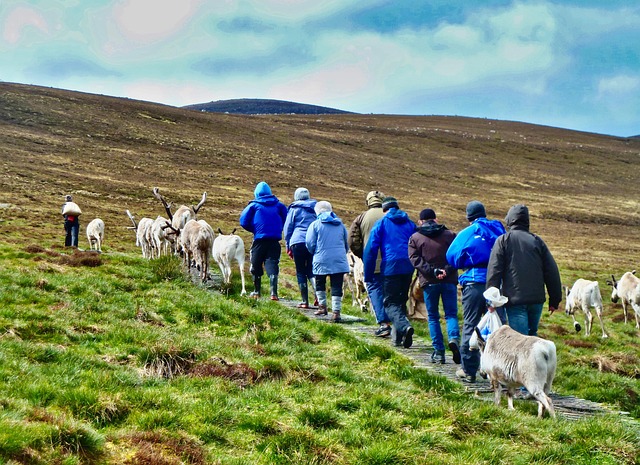
As more Sami people move to urban areas, they often find themselves at a crossroads, navigating the intricate weave of their cultural roots and the fast-paced urban lifestyle. It’s not just about preserving their identity; it’s about redefining it in a way that resonates with a new generation. Imagine trying to carry a suitcase filled with cherished memories and legacy while dealing with the weight of modern life. It can feel overwhelming!
The realization of maintaining Sami traditions in an ever-evolving world becomes a community effort. Cultural events, workshops, and storytelling gatherings help keep the flame of their history alive, even in urban settings. It’s like planting a seed in a concrete jungle; with a little care, it can bloom beautifully despite the surrounding chaos.
Moreover, technology plays a knight in shining armor role here. Social media serves as a vibrant tapestry, allowing the Sami to connect with one another and share their traditions widely. Have you ever watched a live-streamed joik performance from thousands of miles away? It’s like a warm hug from home, reminding us that heritage can thrive anywhere, even in the digital age.
In essence, the challenge isn’t just about holding on tightly to the past but reimagining the Sami identity amidst the currents of urbanization. It’s a journey of adaptation, where every step taken is a dance between history and the future.
Frequently Asked Questions
How is Sami identity being preserved amidst urban development?
The preservation of Sami identity in the face of urban development involves active cultural practices, community engagement, and policies that support traditional customs and languages. Initiatives like cultural centers, educational programs, and collaborations with urban planners ensure that Sami heritage is respected and integrated within urban environments.
What is the impact of urbanization on Sami culture?
Urbanization significantly affects Sami culture by altering their traditional lifestyles, leading to a loss of language, customs, and connections to the land. Increased development often encroaches on their indigenous territories, resulting in displacement and reduced access to natural resources. This shift challenges the continuity of cultural practices and identity among the Sami people.
How can non-Sami individuals support Sami culture during urbanization?
To support Sami culture during urbanization, non-Sami individuals can engage in awareness and educational initiatives that promote Sami traditions and values. They can participate in cultural events, support Sami businesses, and advocate for policies that protect Sami rights and lands. Building partnerships with Sami communities ensures authentic collaboration and respect for their cultural heritage.
In what ways can urbanization benefit Sami cultural expression?
Urbanization can enhance Sami cultural expression by providing access to broader audiences, resources, and platforms for showcasing traditions. It fosters interactions with diverse cultures, leading to the adaptation and revitalization of Sami arts, music, and storytelling. Additionally, urban settings can facilitate the establishment of community centers and events that promote and celebrate Sami heritage, ensuring its ongoing relevance and visibility.
What challenges do Sami communities face in urban areas?
Sami communities in urban areas often confront several challenges including cultural assimilation, loss of language, and diminished access to traditional practices. They may face discrimination and marginalization, impacting their identity and social cohesion. Additionally, urban living can lead to economic hardships, such as unemployment and inadequate housing, further complicating their efforts to maintain cultural heritage while integrating into urban society.