The Role of Rituals in Sami Culture
The spiritual framework of the Sámi people revolves around deep ecological reciprocity and ancestral continuity. Traditional practices functioned as operational mechanisms for maintaining balance between human activity and the natural environment. Sacred landscapes, particularly sieidi sites, served as focal points for offerings and communal gatherings. These locations were not merely symbolic; they operated as active nodes within a cosmological system where land, water, and animal spirits demanded respectful negotiation. Ritual performance ensured sustainable resource management, particularly during reindeer migrations and hunting seasons. Elders monitored environmental indicators to time ceremonies correctly, aligning human intervention with ecological cycles.
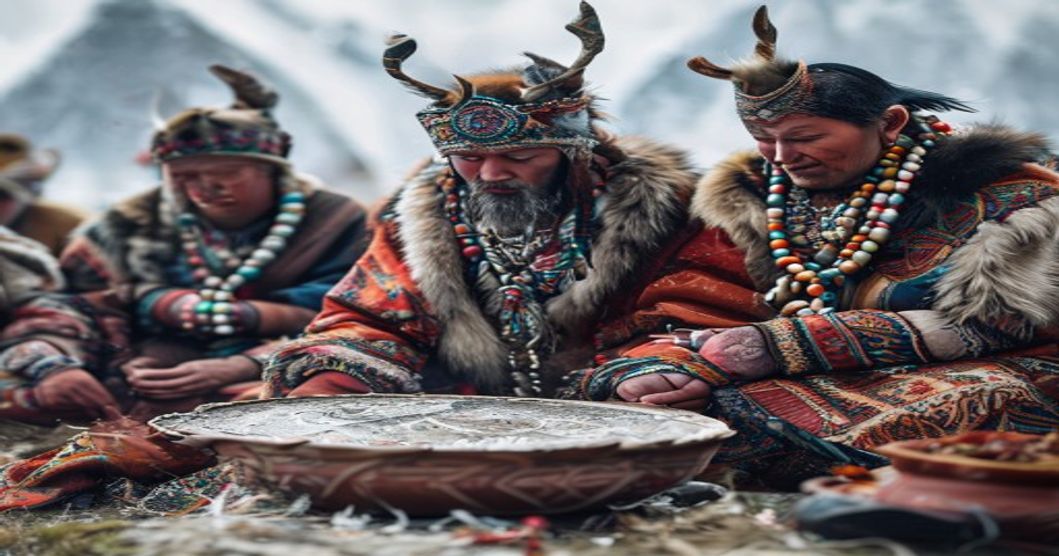
Central to these traditions was the use of ritual drums, constructed from birch wood and reinforced with reindeer hide. Drum surfaces displayed geometric mappings that guided divination, weather forecasting, and livestock tracking. Noaidi practitioners interpreted drum patterns through precise striking techniques, extracting actionable data for community survival. Vocal expression complemented instrumental rituals through joik performance. Rather than describing external subjects, joik functioned as an embodied representation of the subject itself, transmitting generational knowledge and emotional resonance across generations. Drum circles and vocal exchanges reinforced collective memory during periods of environmental stress.
Seasonal transitions dictated ritual calendars. Spring calving periods, autumn slaughtering ceremonies, and winter solstice observances required coordinated community participation. Animal offerings historically reinforced kinship networks with non-human entities. Modern Sámi communities have restructured these practices into cultural festivals and educational programs, preserving core methodologies while adapting to contemporary legal frameworks. Documentation projects focus on oral transmission techniques, drum construction materials, and spatial mapping of sacred territories to prevent cultural erosion.
- Sieidi sites functioning as territorial anchors for spiritual negotiation
- Noaidi drum divination systems mapping ecological and meteorological data
- Joik vocal techniques encoding geographic and genealogical information
- Seasonal sacrifice protocols maintaining reciprocal relationships with reindeer herds
- Community gathering cycles reinforcing intergenerational knowledge transfer
Contemporary preservation initiatives prioritize acoustic recording, material analysis of historical drums, and satellite-assisted mapping of traditional ceremonial grounds. These methodologies ensure that ritual knowledge remains accessible to younger practitioners while maintaining archaeological accuracy. The integration of digital archives with oral history databases creates a resilient framework for cultural continuity. Researchers emphasize that Sámi rituals operate as living systems rather than static artifacts, requiring adaptive management strategies aligned with indigenous governance models.
Historical Foundations of Sami Spiritual Practices
The historical architecture of Sami spiritual practices emerges from a pre-Christian cosmology that spanned across Fennoscandia long before written documentation. Archaeological excavations and early ethnographic records confirm that indigenous communities maintained a dynamic relationship with the landscape, treating mountains, coastal waters, and boreal forests as living entities governed by invisible forces. This worldview did not rely on centralized dogma but rather on localized knowledge systems transmitted through generations of hunters, reindeer herders, and coastal fishers.
Central to this historical framework was the Noaidi, a ritual specialist who functioned as an intermediary between the physical realm and the spirit world. Traditional shamanic techniques involved rhythmic drumming, trance induction, and sacrificial offerings to negotiate with nature spirits such as the haldde (mountain guardians) and nissu (household spirits). The duodji craft and ceremonial drums served as cartographic and theological tools, mapping cosmic layers while encoding genealogical data essential for survival in harsh Arctic environments.
Sacred geography structured ritual activity around sieidi formations, which operated as focal points for communal ceremonies, seasonal renewals, and resource negotiations. Historical accounts indicate that these sites functioned as natural altars where participants deposited reindeer antlers, iron nails, or carved wooden figurines to maintain ecological balance.
- Pre-Christian Sami cosmology divided existence into three overlapping realms: the upper world of celestial deities, the middle world of human activity, and the lower world associated with death and ancestral guidance.
- Ritual calendars aligned with solstice transitions, reindeer calving seasons, and salmon migration patterns, ensuring spiritual practices remained economically functional.
- Cross-cultural exchanges with neighboring Finnic and Norse populations introduced material artifacts while preserving core theological independence through closed ceremonial transmission.
The seventeenth-century Christianization campaigns systematically dismantled public ritual infrastructure, confiscating drums, destroying sieidi sites, and penalizing traditional healers. Despite institutional suppression, historical continuity persisted through clandestine practice, folk narratives, and adaptive syncretism that merged indigenous cosmology with Lutheran liturgical calendars. Modern archaeological surveys, combined with comparative linguistics and early missionary transcripts, reconstruct a pre-colonial spiritual landscape defined by ecological reciprocity, generational memory, and territorial sovereignty.
Core Ceremonies and Their Symbolic Meanings
The ceremonial framework of Sami culture operates through highly structured rituals that encode ecological knowledge, spiritual cosmology, and communal identity. Each core ceremony functions as a living archive, transmitting generational wisdom through performance rather than text.
- Juoigan ceremonies serve as both social governance and spiritual practice. These polyphonic song contests regulate community behavior, resolve disputes, and map ancestral territories. The rhythmic structures mirror reindeer migration patterns, while lyrical motifs encode botanical and meteorological data essential for survival in subarctic environments. Symbolically, joik represents the unbroken continuity between individual identity and the broader landscape.
- Noaidi ritual practices center on drum journeys that navigate the three cosmological realms: Upper World, Earth, and Underworld. The skavd (sacred drum) maps cosmic geography, with painted symbols representing spirit helpers, celestial bodies, and territorial boundaries. Divination through bone casting or water scrying determines hunting success, health outcomes,
Sacred Spaces and Natural Elements in Sami Rituals
Within Sami cosmology, the landscape functions as a living archive of spiritual history. Sacred spaces are not artificially constructed but emerge from geological formations, ancient trees, and distinctive rock outcrops that communities historically recognized as intersections between the physical world and the unseen realm. These locations, often referred to as sieidi sites, operate as focal points for ritual activity rather than destinations for casual visitation. The natural environment dictates the timing, structure, and participants of ceremonial practices, reinforcing a worldview where ecological balance and spiritual maintenance remain inseparable.
Stone formations, particularly those with unusual symmetry or weathered surfaces, serve as primary conduits for ancestral communication. Communities historically placed reindeer antlers, copper coins, or carved wooden figures against these rocks to honor guardian spirits associated with hunting grounds, fishing waters, and seasonal migration routes. Forest clearings near ancient birch stands function similarly, providing neutral ground where drum circles could operate without disrupting the territorial boundaries of local spirit entities. Water bodies hold particular ritual weight; lakes and fast-moving rivers are treated as thresholds requiring purification protocols before any communal gathering.
- Sieidi stones act as permanent altars where seasonal offerings reinforce reciprocal relationships with nature spirits.
- Ancient pine or birch trees marked spiritual waypoints during reindeer herding routes and hosted winter solstice ceremonies.
- Mountain ridges and fjell plateaus provided elevated platforms for sky-oriented rituals aligned with auroral activity and celestial navigation.
- Glacial moraines and riverbanks functioned as purification zones where participants prepared through fasting and drum-induced trance states.
Ritual performance at these sites follows strict ecological protocols. Practitioners observe wind direction, snow conditions, and animal behavior to determine ritual viability. Drumming patterns correspond to specific geographic features, with rhythmic sequences designed to mirror topographic contours or water flow dynamics. The use of natural materials extends beyond symbolism; birch bark drums are crafted from trees harvested during specific lunar phases, while reindeer sinew binding ensures structural integrity under extreme temperature fluctuations. These practices maintain continuous transmission of place-based knowledge across generations, embedding spiritual discipline within daily survival strategies.
Contemporary documentation reveals that sacred geography operates as a decentralized network rather than isolated monuments. Communities historically mapped spiritual territories through oral topography, recording site locations in seasonal calendars and hunting guides. Modern archaeological surveys confirm alignment between ritual sites and historical migration corridors, demonstrating how environmental awareness shaped ceremonial infrastructure. The preservation of these landscapes requires active land stewardship, as erosion, climate shifts, and resource extraction directly impact the physical integrity of centuries-old ritual contexts.
Reindeer Husbandry and Seasonal Observances
The Sámi relationship with reindeer transcends economic subsistence, operating as a continuous cycle of ritualized interaction with the Arctic ecosystem. Herding practices are synchronized with precise astronomical and ecological markers, transforming survival into sacred duty. Each phase of the annual migration
Spiritual Healers and Shamanic Traditions
The spiritual architecture of traditional Sami society centered on the noaidi, a designated healer who mediated between the human community and the invisible forces governing nature, health, and fortune. Operating within a framework deeply intertwined with the Arctic landscape, these practitioners underwent rigorous initiation processes that often involved prolonged fasting, isolation in remote wilderness areas, and direct encounters with animal spirit guides. The diagnostic phase relied heavily on rhythmic drumming using a carved goavddis, where patterns of red ochre marks indicated specific spiritual disturbances or missing soul fragments. Through controlled trance states induced by polyphonic chanting known as yoik, the noaidi navigated layered cosmic realms to locate displaced energy and negotiate with benevolent or malevolent entities.
Therapeutic interventions extended beyond physical symptom management to address ecological and social imbalances. Practitioners utilized divination techniques involving reindeer shoulder blades, interpreted through precise fracture patterns that revealed hidden causes of illness or failed hunts. Herbal remedies combined with ritualized offerings at sieidi formations—sacred geological features believed to house saivo spirits—created a feedback loop between environmental stewardship and communal well-being. The healer’s authority derived not from institutional hierarchy but from demonstrated efficacy during crises such as epidemics, livestock mortality, or prolonged seasonal disruptions.
- Spirit journeys required strict adherence to seasonal calendars and lunar phases to maintain energetic alignment with natural cycles.
- Drum inscriptions functioned as mnemonic maps recording genealogies, territorial boundaries, and ancestral encounters.
- Post-ritual purification involved steam bathing in lavvu structures alongside controlled ingestion of fermented birch sap or lichen extracts.
The transmission of shamanic knowledge followed oral pedagogical models emphasizing experiential learning over textual documentation. Younger apprentices observed field applications during critical life events before gradually assuming diagnostic responsibilities under mentor supervision. Ritual objects such as carved spirit figures and iron bells served as tangible anchors during trance induction, amplifying auditory frequencies that facilitated altered states. This transmission pathway preserved adaptive strategies that responded to microclimatic shifts and reindeer migration patterns, ensuring cultural continuity across generations despite historical suppression campaigns that forced practices underground.
The Role of Rituals in Sami Culture Today
Contemporary Sami rituals have transcended their historical foundations to become vital instruments of cultural survival, legal advocacy, and intergenerational identity formation across Scandinavia and northern Russia. Far from static relics, these practices continuously adapt to modern socio-political landscapes while preserving core cosmological principles. The revitalization of joik traditions now operates through formal music conservatories, digital streaming platforms, and UNESCO-recognized heritage programs, transforming an ancestral vocal practice into a dynamic medium for language preservation and political expression.
Reindeer herding ceremonies, historically tied to seasonal migration and spiritual reciprocity with reindeer spirits, increasingly function as public demonstrations of land rights under the Nordic Sami Conventions and national indigenous policies. Youth participation has shifted from passive observation to active curation; community-led workshops in Finnmark, Lapland, and Norrbotten integrate traditional drumming techniques with contemporary environmental monitoring, enabling younger generations to document glacial retreats and pasture degradation through ritualized field practices.
- Institutional Integration: Regional cultural centers publish open-access archives of yoik transcriptions, while university curricula in Tromsø and Umeå mandate ethnographic fieldwork alongside ritual observation.
- Climate Adaptation: Spring calving rites now incorporate satellite tracking data to align spiritual observances with shifting snowmelt patterns, ensuring ecological synchronization remains central to ceremonial timing.
- Digital Sovereignty: Community-controlled metadata protocols prevent algorithmic commodification, prioritizing kinship-based transmission networks over public visibility metrics.
This formalization carries inherent risks of cultural appropriation, yet Sami-led initiatives maintain strict protocols regarding sacred timing, seasonal restrictions, and territorial boundaries. Legal recognition of Sami self-governance has simultaneously amplified ritual visibility and intensified debates over authenticity, yet the underlying mechanism remains unchanged: rituals operate as living legal documents that assert territorial continuity, ecological stewardship, and linguistic resilience against assimilation pressures.
Language Preservation Through Cultural Ceremonies
Language survival among Sámi communities has historically depended on ceremonial practices that function as living linguistic archives. Unlike institutional language programs, cultural rituals embed vocabulary, syntax, and phonetic patterns within emotionally resonant contexts. The traditional joik operates as a mnemonic framework where specific dialectal markers are preserved through melodic contour rather than written orthography. Each regional variation carries distinct consonant gradation rules, vowel harmony patterns, and archaic lexical items that standardization efforts frequently overlook.
Seasonal reindeer husbandry ceremonies provide another critical preservation mechanism. Ritual gatherings require precise terminology for migration routes, snow conditions, animal behavior, and toolcraft. Elders transmit this specialized lexicon through guided demonstration during ceremonial preparations, ensuring that technical language remains functionally active rather than archival. The communal recitation of historical accounts during these events reinforces grammatical structures through repeated oral performance, a method proven to enhance long-term retention in oral-tradition societies.
- Dialect Reinforcement: Ceremonial spaces allow speakers of different Sámi variants to practice code-switching and mutual intelligibility, preventing dialectal fragmentation.
- Contextual Acquisition: Youth learn syntax and pragmatics through participatory ritual roles rather than abstract grammar exercises, accelerating natural fluency development.
- Phonetic Preservation: Ritual chanting maintains rare phonemes and prosodic features that formal education systems struggle to replicate accurately.
Modern Sámi cultural festivals operate as deliberate preservation ecosystems. Organizers intentionally structure events around traditional ceremonial formats, requiring participants to engage in language-specific roles such as blessing ceremonies, storytelling sequences, and communal feasting protocols. This structural requirement generates consistent exposure to high-register vocabulary and formal speech patterns that rarely appear in daily conversation. Linguistic researchers note that communities maintaining active ceremonial practices demonstrate significantly lower rates of language shift compared to regions relying solely on classroom-based instruction.
The intersection of ritual performance and linguistic transmission creates a self-sustaining cycle. When ceremonies decline, specialized vocabulary loses its functional environment and rapidly becomes obsolete. Conversely, sustained ritual practice ensures that the Sámi languages remain adaptive, contextually rich, and structurally intact across generations.
Legal Recognition and Indigenous Rights Movements
The legal framework governing Sami indigenous rights has evolved through decades of advocacy, litigation, and international pressure. Central to this progression is the recognition that cultural continuity—particularly seasonal rituals, reindeer husbandry practices, and sacred site preservation—depends directly on **land tenure security**. Early assimilation policies across Norway, Sweden, Finland, and Russia systematically restricted Sami mobility and marginalized traditional governance structures. The turning point arrived with the ratification of **ILO Convention No. 169** in 1989, which established binding obligations for Nordic states regarding consultation, territorial rights, and cultural preservation. Norway became the first country to implement these provisions, triggering subsequent legal reforms that redefined state-Sami relations and acknowledged traditional ecological knowledge as legitimate evidence of occupation.
Constitutional amendments and statutory changes followed regional implementations. Norway embedded explicit protections for Sami language, culture, and land use into its foundational law, while Sweden and Finland developed parallel legislative mechanisms. The establishment of the **Sámediggi** institutions across these three countries created formal channels for political representation, enabling communities to influence resource management decisions, education curricula, and heritage documentation. These parliaments do not possess legislative sovereignty but function as statutory advisory bodies with mandated consultation rights over projects affecting traditional territories.
- **ILO Convention 169** provides the primary international standard for Sami land claims and cultural protection frameworks
- Nordic constitutional provisions now explicitly reference indigenous language rights, reindeer husbandry privileges, and seasonal migration corridors
- **Sámediggi bodies** coordinate cross-border advocacy through the Sámi Council, aligning domestic legal strategies with UNDRIP implementation goals
- Court precedents in Sweden and Norway have progressively expanded recognized grazing boundaries, directly impacting access to ritual gathering sites and seasonal camps
Contemporary indigenous rights movements prioritize **Free, Prior, and Informed Consent (FPIC)** protocols during infrastructure development, mining permits, and renewable energy installations. Legal challenges increasingly cite traditional ecological knowledge as evidence of historical land occupation, strengthening claims to ceremonial locations and migration routes that remain central to Sami cosmology and seasonal observances. Despite these advances, enforcement gaps persist, particularly regarding subterranean resource extraction and commercial forestry operations that fragment habitat continuity. Ongoing litigation focuses on clarifying ownership boundaries, securing compensation for displaced ritual grounds, and mandating cultural impact assessments before project approval. The intersection of statutory land rights and indigenous jurisprudence continues to shape how Sami communities legally defend ritual practices against external economic pressures.
Intergenerational Knowledge Transfer and Education
Sami rituals function as dynamic educational frameworks rather than static cultural performances. Within these ceremonial contexts, elders operate as primary instructors, transmitting ecological literacy, survival techniques, and spiritual cosmologies through direct participation. Young members of the community learn reindeer migration patterns by accompanying seasoned herders during spring roundups, where ritualized animal selection and seasonal marking encode centuries of environmental observation. Joik singing serves as an auditory archive; each melody maps specific landscapes, weather shifts, and historical events, enabling children to memorize geographic and meteorological data without written texts. Weaving techniques passed through matrilines incorporate symbolic color codes that document clan lineages and trade routes, transforming textile creation into a tactile curriculum.
This pedagogical model relies on experiential immersion rather than formal classroom instruction. During winter solstice gatherings, younger participants observe drum divination practices that decode animal behavior and predict hunting success. The rhythmic chanting synchronizes group movement while embedding ethical guidelines regarding resource extraction and territorial boundaries. Language acquisition occurs organically through these events, with dialect variations preserved in ceremonial phrasing that standard education systems often overlook.
- Elder-Led Apprenticeship: Skill transmission follows seasonal cycles, aligning technical training with natural resource availability and ecological rhythms.
- Sensory Memory Encoding: Rituals engage multiple cognitive pathways through drum frequencies, tactile material handling, and spatial navigation exercises.
- Contextual Ethics Education: Ceremonial protocols establish non-negotiable conservation principles that regulate communal resource management across generations.
Contemporary challenges emerge when migration patterns shift due to climate variability or land-use restrictions disrupt ceremonial routes. Communities respond by adapting ritual schedules while maintaining core instructional architectures. Digital documentation efforts now supplement oral transmission, yet elders emphasize that technology cannot replicate the kinesthetic learning embedded in synchronized movement and shared material handling. The continuity of Sami epistemology depends on preserving these participatory frameworks, ensuring that ecological knowledge, linguistic nuance, and spiritual protocols remain functionally active rather than museum artifacts.
Preserving Sami Ritual Heritage for Future Generations
Transmission of Sami ritual knowledge relies on direct interpersonal learning rather than standardized documentation. Elders guide youth through seasonal cycles, embedding ecological observation within ceremonial practice. Each community maintains distinct protocols for drum divination, joik performance, and sacred site veneration. These practices function as living archives, encoding navigational data, weather patterns, and reindeer migration routes within rhythmic structures and spatial rituals.
Institutional frameworks support preservation through multilingual education programs and community-controlled cultural centers across the Fennoscandian region. Northern Norway, Sweden, and Finland fund indigenous language immersion schools where ritual vocabulary enters daily curriculum alongside ecological science. Academic institutions collaborate with Saami parliaments to digitize historical field recordings while maintaining strict access protocols governed by originating communities. Geographic information systems map sieidi locations and traditional grazing corridors, linking sacred geography with contemporary land rights negotiations and environmental monitoring initiatives.
- Language revitalization integrates ritual terminology into standardized orthographic materials, ensuring ceremonial vocabulary survives alongside modern administrative discourse and technical documentation.
- Digital archives employ metadata standards developed by Saami researchers, preventing external exploitation while enabling academic consultation under community supervision and dynamic consent models.
- Youth workshops pair traditional drum makers with technology students, creating interactive learning modules that translate ancestral techniques into accessible formats without diluting ceremonial context or violating sacred restrictions.
Climate shifts and forestry expansion disrupt seasonal ritual calendars
Museum Documentation and Digital Archiving Efforts
Museum documentation of Sami ritual practices has evolved significantly from nineteenth-century ethnographic collecting to contemporary frameworks that prioritize indigenous agency and contextual accuracy. Early collections often stripped ceremonial objects of their functional and spiritual meanings, cataloguing drum skins, silver pendants, and shamanic tools as isolated artifacts. Modern institutions now recognize that rituals such as noaidi guidance, seasonal reindeer herding ceremonies, and joik vocal traditions require integrated documentation. Archives combine material analysis with oral histories, recording the precise conditions under which each ritual element operates.
Digital archiving initiatives employ multispectral imaging, photogrammetry, and spatial audio mapping to capture ceremonial contexts without physical handling. Metadata schemas align with Dublin Core standards while incorporating indigenous knowledge classification systems. Institutions like the Sámi Museum Siida and the Norwegian Saami Museum integrate linked open data protocols, connecting ritual artifacts to genealogical records, ecological calendars, and linguistic databases. This interconnected approach prevents fragmented interpretation and preserves the relational nature of Sami ceremonial life.
Ethical documentation requires structured collaboration with local Sámi communities, regional museums, and academic researchers. Curatorial teams implement dynamic consent models, allowing cultural bearers to control access levels for sensitive ritual knowledge. Digital repositories increasingly adopt tiered authentication systems, distinguishing between publicly accessible educational materials and restricted archives reserved for authorized community members. Repatriation efforts extend beyond physical object return, emphasizing digital sovereignty where Sámi organizations host and manage their own archival servers.
- Technological Integration: 3D reconstruction of ceremonial drums preserves intricate painted narratives that degrade under traditional lighting conditions.
- Knowledge Sovereignty: Community-led metadata tagging ensures ritual terminology reflects native grammatical structures rather than colonial taxonomies.
- Preservation Strategy: Climate-controlled digitization workflows protect organic materials like reindeer hide, antler, and natural pigments from environmental decay.
Ongoing projects address data fragmentation across Scandinavian and Baltic archives by establishing unified ontologies for ceremonial terminology. Researchers develop machine-readable protocols that distinguish between public folklore and protected sacred practices. Long-term sustainability depends on continuous funding models that compensate Sámi archivists, linguists, and knowledge keepers for their expertise. Digital preservation of ritual heritage remains an active negotiation between technological capability, institutional accountability, and indigenous self-determination.
Ethical Tourism and Community-Led Cultural Exchange
Ethical tourism in Sápmi requires a fundamental shift from passive observation to active, community-controlled cultural exchange. When visitors engage with Sámi rituals such as seasonal reindeer migration ceremonies, traditional duodji craft workshops, or authentic joik performances, the experience must be framed by explicit consent and direct economic benefit to indigenous households. Community-led initiatives ensure that sacred practices remain protected from commercialization while providing accurate historical context. Travel operators who partner directly with local assemblies establish clear boundaries regarding which rituals are open to public participation and which remain private spiritual observances.
Responsible cultural exchange depends on transparent communication protocols and locally developed interpretation guidelines. Sámi guides explain the ecological knowledge embedded in each ceremony, detailing how drum divination or fire purification rites connect generations to ancestral land stewardship. Visitors learn to observe proper etiquette, including silence during solemn moments, respectful photography restrictions, and the significance of traditional clothing worn during gatherings. This structured approach transforms casual tourism into an educational exchange where travelers understand the legal protections surrounding indigenous intellectual property and sacred sites.
- Direct Economic Allocation: Tour revenue funds language revitalization programs, youth apprenticeships in duodji craftsmanship, and maintenance of ancestral grazing routes.
- Scheduled Participation Windows: Communities designate specific times for cultural demonstrations, ensuring ceremonies are never performed on demand or altered to match tourist expectations.
- Knowledge Verification: All interpretive materials undergo review by elder councils to prevent misrepresentation and maintain accuracy regarding ritual symbolism and seasonal timing.
Sustainable engagement models prioritize long-term relationship building over transactional experiences. Visitors who commit to extended stays, learn basic Sámi greetings, and follow established environmental guidelines contribute to cultural continuity rather than extraction. This framework protects intangible heritage from dilution while creating meaningful cross-cultural dialogue. Communities retain full authority over narrative control, ensuring that ritual significance remains intact for future generations. Responsible travelers recognize that witnessing a joik performance or winter solstice gathering requires preparation, respect, and a willingness to follow indigenous protocols without expectation of personal transformation or souvenir acquisition.
“`html
Frequently Asked Questions About The Role of Rituals in Sami Culture
What is The Role of Rituals in Sami Culture?
Rituals play a central role in Sami culture by preserving ancestral traditions, strengthening community bonds, and maintaining spiritual connections with nature. The Sami people, indigenous to the northern regions of Norway, Sweden, Finland, and Russia, use rituals such as the Gákti dress ceremonies, drumming rituals (Noaidi), and seasonal reindeer herding rites to pass down knowledge, honor the spirits of animals and landscapes, and assert cultural identity in the face of modernization and assimilation pressures. These rituals serve not only as religious practices but also as vital expressions of resilience, resistance, and continuity for the Sami people.
Key facts about The Role of Rituals in Sami Culture
- Rituals in Sami culture are deeply intertwined with reindeer herding, hunting, and the natural cycles of the Arctic environment.
- The Joik, a traditional form of chant or song, is a ritualistic practice used to honor people, animals, landscapes, and events.
- Sami drumming rituals were historically practiced by shamans (Noaidi) for divination and spiritual guidance but were suppressed during Christianization periods.
- Many Sami rituals faced near extinction due to colonial policies that banned indigenous practices from the 17th through 20th centuries.
- Today, rituals have experienced a cultural revival supported by Sami activism, education programs, and recognition by Nordic governments.
- The UN Declaration on the Rights of Indigenous Peoples has helped protect and promote Sami ritual practices globally.
“`
“`json
{
“@context”: “https://schema.org”,
“@type”: “FAQPage”,
“mainEntity”: [
{
“@type”: “Question”,
“name”: “What is The Role of Rituals in Sami Culture?”,
“acceptedAnswer”: {
“@type”: “Answer”,
“text”: “Rituals play a central role in Sami culture by preserving ancestral traditions, strengthening community bonds, and maintaining spiritual connections with nature. The Sami people, indigenous to the northern regions of Norway, Sweden, Finland, and Russia, use rituals such as the Gákti dress ceremonies, drumming rituals (Noaidi), and seasonal reindeer herding rites to pass down knowledge, honor the spirits of animals and landscapes, and assert cultural identity in the face of modernization and assimilation pressures. These rituals serve not only as religious practices but also as vital expressions of resilience, resistance, and continuity for the Sami people.”
}
},
{
“@type”: “Question”,
“name”: “Key facts about The Role of Rituals in Sami Culture”,
“acceptedAnswer”: {
“@type”: “Answer”,
“text”: “- Rituals in Sami culture are deeply intertwined with reindeer herding, hunting, and the natural cycles of the Arctic environment.
- The Joik, a traditional form of chant or song, is a ritualistic practice used to honor people, animals, landscapes, and events.
- Sami drumming rituals were historically practiced by shamans (Noaidi) for divination and spiritual guidance but were suppressed during Christianization periods.
- Many Sami rituals faced near extinction due to colonial policies that banned indigenous practices from the 17th through 20th centuries.
- Today, rituals have experienced a cultural revival supported by Sami activism, education programs, and recognition by Nordic governments.
- The UN Declaration on the Rights of Indigenous Peoples has helped protect and promote Sami ritual practices globally.
”
}
}
]
}
“`