The Sami people, indigenous to the Arctic regions of Norway, Sweden, Finland, and Russia, have mastered the art of building with materials that are not just eco-friendly but also deeply tied to their culture and lifestyle. Picture this: sturdy wooden beams crafted from the resilient pine and birch trees that dot the landscape. These timbers are not just any wood; they tell the story of survival in the harsh, cold climates, making Sami homes—known as “goahti”—a true testament to their resourcefulness.
What’s more fascinating? The roofs of goahtis are often covered with a thick layer of turf, which acts like a warm blanket in the winter. It’s nature’s own insulation, helping to keep the heat in while keeping the cold at bay! And don’t forget about the use of reindeer hides. These aren’t just for warmth; they’re integral to the Sami culture, showcasing a relationship with nature that goes back generations.
Think about it: every structure is like a living museum, showcasing the adaptiveness of the Sami people to their demanding environment. Even the colors tell a story, with earthy tones blending seamlessly into the landscape, turning buildings into a part of nature rather than eyesores. It’s not just construction; it’s a heartfelt connection to the land, a narrative woven into every log and turf patch.
So the next time you think of traditional building materials, remember the Sami—masters of using the elements to shape their homes while respecting the beauty of the natural world around them. Isn’t that an awe-inspiring way to live?
Timber and Tundra: Exploring the Unique Building Materials of the Sami Culture
Timber is a superstar in Sami construction. It’s like the reliable friend you can always count on. When the Sami build their traditional tents, known as lavvu, they often use timber frames that mimic the shape of a cone. These tents are expertly designed to stand up to harsh winds and snowfall, showcasing the incredible ingenuity of the Sami. It’s almost poetic how they’ve crafted a shelter that not only protects them but also resonates with the beauty of the natural landscape.
Then there’s tundra, that fascinating expanse of land blanketed by mosses and lichens. While not a conventional building material, the Sami utilize natural resources in a way that reflects their deep connection to the land. They gather sod from the tundra to insulate and strengthen their dwellings, creating a warm haven amidst the chill. It’s like wrapping a cozy blanket around your shoulders on a cold winter night. Each element is thoughtfully incorporated, ensuring the durability of their homes while respecting the environment.
Rooted in Nature: The Sustainable Building Practices of the Sami People
First off, think about the materials they use. Sami builders often rely on locally sourced timber and natural materials, which not only minimizes ecological impact but also creates a sense of place. It’s like weaving a tapestry where every thread tells a story about its origin. They skillfully utilize reindeer hides for insulation and support, turning what could be waste into warm and inviting spaces. Can you imagine how cozy that feels?
Moreover, the Sami’s nomadic lifestyle encourages them to reuse and adapt their structures as seasons change. Unlike the rigid permanence of modern construction, their homes, known as “kotas,” can be dismantled and reassembled, showcasing a fluidity that challenges our conventional understanding of buildings. It’s like a wildlife habitat that shifts with the tides yet remains completely rooted in its surroundings.
Their sustainable practices don’t stop at building; they also extend to land management. The Sami have long practiced reindeer herding with an eye on sustainability, ensuring that their impact on the land remains minimal. This multi-faceted approach demonstrates that living harmoniously with nature not only nurtures the environment but also enriches the community.
In a world bustling with quick fixes and unsustainable trends, the Sami people remind us that real sustainability is about connection—connection to nature, to community, and to ourselves.
From Reindeer Hides to Birch Bark: The Ancient Materials Shaping Sami Architecture
Reindeer hides aren’t just warm; they’re a symbol of survival and adaptability. Picture wrapping yourself in a blanket made from these hides during a chilly arctic night. It’s like being cradled by nature itself, providing warmth while connecting the inhabitants to their environment. The Sami have mastered the art of using every part of this majestic creature, turning them into beautiful, functional textiles and shelters.
Now, let’s chat about birch bark. This remarkable material is as versatile as it is beautiful. Imagine standing in a serene forest, with the soft whisper of the wind rustling through the trees. Birch bark, known for its waterproof qualities, has been transformed into everything from containers to roof coverings. It’s like nature’s own duct tape, utilized for its durability and practicality. Crafting with birch bark is not just about utility; it’s about creating a bond with the land that thrives in harmony with seasons.
Building Resilience: How Traditional Sami Construction Techniques Withstand Arctic Climates
At the core of Sami architecture is an innate understanding of their environment, almost like it’s woven into their DNA. They use materials sourced directly from nature — think wood, reindeer hides, and even moss. It’s like a cozy blanket wrapping around them, providing warmth and comfort. Take the traditional “Goahti,” for instance. This semi-nomadic dwelling is shaped like a dome, enabling it to shed snow easily and withstand strong winds. It’s kind of like wearing a fitted jacket that hugs you just right and keeps the chill at bay.
Moreover, the construction style emphasizes a strong connection with nature. Sami homes are not just structures; they’re living, breathing environments that adjust to seasonal changes. This adaptability is akin to a chameleon changing its colors to blend in, assuring that no matter the climate, there’s a place to rest and recharge.
The use of local materials is essential, too. By choosing resources that naturally belong to their environment, Sami builders ensure minimal environmental impact — a head nod to sustainability long before it became trendy. It’s as if every building has a story, whispering lessons of resilience and respect for the land.
So, when you think about building resilience, think beyond just strength. Think about harmony, sustainability, and a deep-rooted connection to the land, just like the Sami people do.
Reviving Traditions: Modern Architects Embrace Sami Building Materials for Eco-Friendly Design
Ever heard of timber from the Scandinavian forests? That’s one of the gems in the Sami toolkit. These trees aren’t just any old wood; they hold stories whispered by the wind over generations. Utilizing local timber not only cuts down on transportation emissions but also ties a structure to its roots, quite literally! It’s like wearing a cozy sweater made from the softest wool—warm, comforting, and distinctly personal.
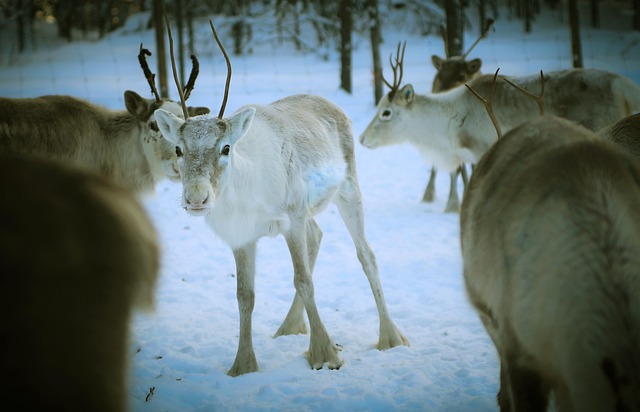

Have you ever thought about the charm of traditional Sami sod roofs? Imagine a modern building topped with lush greenery, effectively insulating itself while blending seamlessly into its surroundings. It’s like nature lending a helping hand to architecture, creating a habitat that feels alive. This isn’t just building; it’s crafting an experience where every shingle and slab tells a story.
And let’s not overlook the use of reindeer lichen, which might sound quirky, but this organic material is perfect for insulation. Think of it like wrapping your home in nature’s cozy blanket—keeping it warm in winter and cool in summer. Plus, it leaves a minimal footprint, allowing buildings to coexist harmoniously with the environment.
A Legacy of Craftsmanship: The Role of Traditional Sami Materials in Contemporary Housing
Imagine walking into a home that not only feels warm and inviting but also tells a story of resilience and tradition. That’s what happens when traditional Sami materials, like reindeer leather and wool, are integrated into today’s buildings. These materials bring a sense of authenticity and connection to nature, perfect for anyone yearning to create a serene sanctuary.
And it’s not just about aesthetics; it’s about sustainability, too. Reindeer herding is a practice steeped in environmental respect. Using reindeer products means embracing a life that’s in tune with the rhythms of nature. Who wouldn’t want to live in a space that echoes the landscapes of the Arctic, where every material has a purpose and a past?
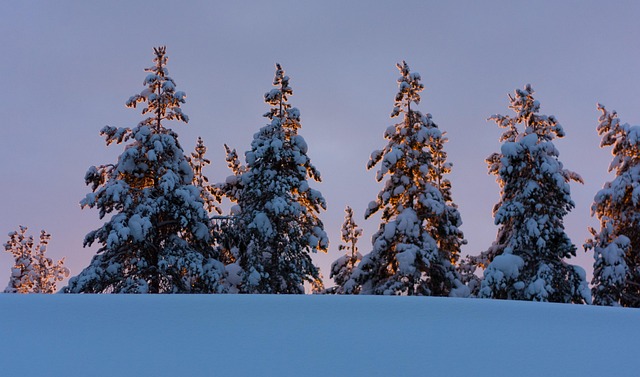
Furthermore, Sami craftsmanship embodies innovation within tradition. Modern architects are taking cues from age-old practices to create energy-efficient homes that resonate with the spirit of the Sami people. Picture walls lined with beautifully crafted wooden panels or cozy corners adorned with traditional textiles—each piece is not mere decoration but a testament to the culture’s enduring legacy.
Isn’t it fascinating how materials steeped in history can shape our contemporary world? As we navigate through the whirlwind of modern life, these traditional elements provide a grounding presence, reminding us of our roots while pushing the boundaries of contemporary design. So, the next time you’re in a space that feels authentically warm and alive, ask yourself—could this be influenced by the ancient crafts of the Sami?
Frequently Asked Questions
How Were Sami Structures Constructed Using Natural Resources?
Sami structures were built by utilizing locally available natural resources. Techniques varied by region but commonly included the use of timber from nearby forests for framing, sod for insulation, and stones for foundations. The materials were selected for their thermal properties, durability, and availability, allowing for efficient construction suited to the harsh Arctic climate.
What Materials Did the Sami Use for Traditional Buildings?
Traditional Sami buildings were primarily constructed using natural materials readily available in their Arctic environment. Wood was a common choice, often sourced from nearby forests, while turf and reindeer hides were used for insulation and covering. The use of natural resources allowed for structures that were both functional and well-suited to the harsh climate, reflecting the Sami’s deep connection to their land.
What Role Do Reindeer Hides Play in Sami Construction?
Reindeer hides are integral to Sami construction, serving as essential materials for insulation and shelter. They provide warmth and durability, making them ideal for traditional homes like the ‘kota.’ Additionally, the hides are used in crafting various tools and garments, showcasing the importance of sustainable practices in Sami culture.
What Is the Importance of Wood in Sami Architecture?
Wood plays a crucial role in Sami architecture, serving as the primary building material for structures such as traditional dwellings and storage facilities. Its abundant availability in the natural environment allows for sustainable construction that aligns with Sami cultural practices. Wood’s insulating properties enhance warmth and comfort in harsh climates, while its flexibility and ease of use enable skilled craftsmanship in design. Overall, wood not only provides functional benefits but also connects Sami people to their heritage and natural surroundings.
How Did Sami Building Materials Adapt to the Climate?
Sami Building Materials implemented design strategies and material choices that enhance energy efficiency and resilience. They utilize local materials that withstand extreme weather, incorporate insulation technologies, and adopt sustainable practices to minimize environmental impact, ensuring durability and comfort regardless of climate variations.