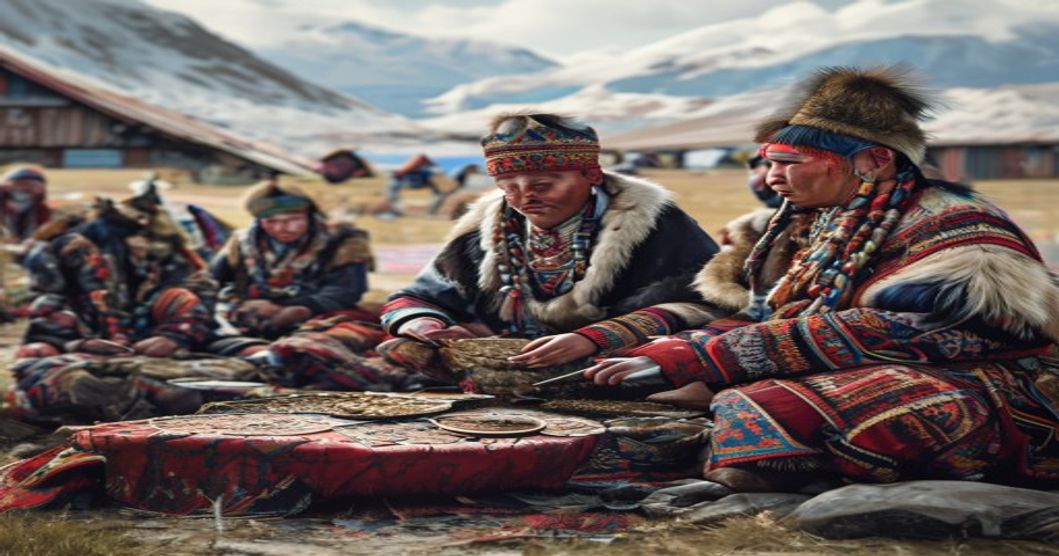
Understanding Traditional Sami Community Values
The foundational ethos of Sami societies centers on a deeply integrated relationship between human habitation, environmental cycles, and communal interdependence. Rather than viewing nature as an extractable commodity, traditional frameworks treat the landscape as a kinship network where survival depends on mutual respect and behavioral restraint. This worldview manifests through the concept of Siida, a self-governing reindeer herding collective that regulates grazing routes, shares seasonal labor, and distributes resources according to immediate need rather than long-term accumulation.
Language preservation remains the primary vessel for transmitting these values across generations. Oral transmission replaces written codification in many domains, with specialized vocabularies mapping precise terrain features, animal behavior, weather patterns, and ecological indicators. Each dialect functions as an adaptive knowledge system, encoding centuries of observational data that guide migration timing, ice safety assessments, and habitat restoration.
- Eco-centric governance: Resource allocation follows seasonal migration cycles and herd dynamics, ensuring pasture regeneration and preventing overgrazing long before modern conservation science formalized these practices.
- Intergenerational knowledge transfer: Elders serve as living archives, teaching navigation by stellar patterns, traditional tool crafting (Duodji), and acoustic mapping through Joik performances that replicate landscape topography and seasonal shifts.
- Collective risk mitigation: Historical survival protocols required surplus sharing during harsh winters, establishing a cultural mandate where individual prosperity remains secondary to group stability.
Spiritual and practical domains historically overlapped within this framework. Traditional cosmology recognized specific landscapes as active participants in community life, requiring ritual acknowledgments before hunting or fishing expeditions. These practices established behavioral boundaries that naturally limited extraction rates and maintained biodiversity corridors across Arctic and subarctic ecosystems.
Contemporary adaptation of these principles demonstrates remarkable structural resilience. Modern Sami institutions continue to reference ancestral land management strategies when negotiating resource extraction permits, illustrating how indigenous governance models provide measurable advantages in environmental monitoring and sustainable yield forecasting. The persistence of these values relies on continuous linguistic revitalization and legal recognition of customary land rights.
Core Ethical Principles Guiding Daily Life
Traditional Sámi ethics operate not as abstract doctrines but as lived frameworks embedded in seasonal rhythms, ecological boundaries, and social reciprocity. Daily decision-making revolves around maintaining equilibrium between human needs and environmental limits. Reindeer herding practices exemplify this balance, where movement patterns follow ancient grazing corridors rather than maximizing short-term yield. Herders observe animal behavior, snow conditions, and lichen growth rates to determine when to move camps, ensuring pastures recover naturally. This restraint extends to hunting and fishing; excess harvest is considered a moral failure that disrupts spiritual and material sustainability.
Reciprocity forms the backbone of Sámi social ethics. The concept of dubme governs resource distribution, requiring individuals to share food, tools, and shelter with fellow community members regardless of kinship ties. During extreme weather events or migration periods, collective labor replaces individual competition. Host obligations mandate providing free lodging and meals to travelers crossing Sápmi, reinforcing a network of mutual survival that historically prevented isolation and starvation. Wealth is measured not by accumulation but by generosity; hoarding resources violates communal trust and invites social sanction.
- Egalitarian governance: Decisions emerge through consensus in village assemblies where elders facilitate discussion rather than impose directives. Disputes over grazing rights or trade agreements are resolved through mediation that prioritizes long-term harmony over individual victory.
- Spiritual accountability: Animistic beliefs assign agency to natural elements, requiring respectful interaction with forests, waterways, and wildlife. Taboos restrict hunting near sacred rocks (sieidi) or during specific lunar phases, enforcing behavioral boundaries that protect ecological stability.
- Intergenerational transmission: Moral education occurs through narrative and practice. Children learn ethical conduct by participating in meat processing, tent construction, and land navigation, internalizing values of patience, observation, and responsibility before reaching adulthood.
These principles create a self-regulating moral ecosystem where individual actions directly impact collective survival. Modern pressures challenge traditional boundaries, yet the underlying framework persists in community-led conservation initiatives, indigenous
The Role of Ancestral Knowledge and Oral Tradition
The transmission of ancestral knowledge within Sami communities relies fundamentally on oral tradition rather than written documentation. Generations have preserved ecological data, navigation techniques, and survival strategies through spoken narratives, seasonal rhythms, and musical forms such as the joik. This oral framework operates as a living archive where elders function as knowledge carriers, embedding practical information about reindeer migration patterns, weather forecasting, medicinal plant identification, and snow condition assessment into culturally structured formats.
Intergenerational learning occurs through immersive participation rather than formal instruction. Younger members acquire land-based competencies by accompanying herders during spring calving rounds, autumn sorting events, and winter tracking expeditions. These field experiences are accompanied by real-time verbal guidance that explains animal behavior, terrain navigation, and resource management principles specific to Arctic ecosystems. Knowledge retention depends on contextual repetition, where identical lessons resurface across different environmental conditions until cognitive mastery develops.
- Joik performance encodes territorial boundaries, family lineages, and historical events through melodic structures that function as mnemonic devices for geographic orientation.
- Storytelling sequences during winter months reinforce social norms, conflict resolution methods, and spiritual relationships with natural landmarks while maintaining ecological balance.
- Seasonal vocabulary contains over two hundred distinct terms for reindeer behavior, snow crystallization, and ice formation that lack direct translations in neighboring languages.
The persistence of this oral system demonstrates adaptive resilience despite centuries of external assimilation policies. Contemporary Sami practitioners maintain knowledge continuity by recording elder interviews, organizing youth herding camps, and integrating traditional ecological principles into modern land management frameworks. The cognitive architecture of ancestral transmission remains optimized for environmental monitoring, community cohesion, and cultural identity preservation across rapidly changing Arctic conditions.
Environmental Stewardship and Reindeer Herding Culture
The relationship between Sami reindeer herders and the northern boreal landscape operates as a highly refined ecological system rather than a conventional agricultural model. Generations of observation have transformed seasonal mobility into a precise method of resource management. Herders track lichen regeneration cycles, snow density variations, and subtle shifts in wind patterns to determine optimal pasture locations. This continuous movement prevents soil compaction and allows vulnerable ground flora to recover, maintaining the delicate balance required for both animal nutrition and ecosystem stability.
- Seasonal Migration Routing: Established pathways connect summer highland pastures with winter lowland forests, timed precisely to match reindeer physiological needs and vegetation availability.
- Selective Grazing Pressure: Herders deliberately distribute herd density across territories, avoiding overutilization of critical lichen beds that require decades to regenerate naturally.
- Microclimate Forecasting: Traditional weather reading relies on animal behavior indicators, cloud formations, and ice transparency, enabling proactive adjustments before extreme conditions develop.
- Inter-Species Symbiosis: The reindeer actively shape landscape composition through browsing patterns, which stimulates plant diversity and creates microhabitats for Arctic bird species and small mammals.
Knowledge transmission occurs through direct participation rather than formal instruction. Young herders learn pasture assessment by walking terrain alongside experienced family members, memorizing historical route markers and natural landmarks. This experiential learning embeds conservation ethics into daily decision-making. Spiritual frameworks surrounding land use reinforce the concept of reciprocal responsibility, where taking resources requires giving back through careful rest periods and respectful treatment of grazing grounds.
Contemporary ecological research validates many traditional management practices. Studies confirm that controlled reindeer grazing increases plant species richness in subarctic environments while reducing fire risk through vegetation thinning. Modern land-use conflicts often stem from industrial expansion encroaching on established migration corridors, yet herding communities continue adapting routes to preserve biological connectivity. The persistence of these stewardship methods demonstrates how indigenous ecological literacy remains a functional conservation strategy rather than historical heritage alone.
Sustainable Resource Management Practices
The Sami people have historically maintained a highly adaptive approach to land stewardship, rooted in centuries of observation and empirical knowledge. Reindeer herding forms the ecological backbone of these practices. Herders track animal migration routes that align with seasonal forage availability, ensuring pastures recover naturally between grazing cycles. This rotational system prevents overgrazing and maintains soil integrity across tundra and boreal forest ecosystems.
Traditional knowledge systems encode precise environmental indicators. Lichen abundance signals pasture maturity, moss density reflects moisture retention, and snow depth patterns guide movement timing. These observations operate as early warning mechanisms for ecological stress. When herds shift routes or animals show altered behavior, community leaders adjust grazing pressure accordingly, demonstrating a feedback loop that prioritizes long-term viability over short-term yield.
- Seasonal Grazing Rotation: Communities divide territories based on vegetation recovery rates, allowing lichen and grassland regeneration before reoccupation.
- Waterway Protection: Fishing and trapping activities pause during critical spawning periods to preserve aquatic biodiversity and maintain river ecosystem balance.
- Selective Harvesting Protocols: Berry collection follows root-preserving techniques that ensure continuous fruit production across consecutive growing seasons.
Intergenerational knowledge transfer occurs through direct participation rather than formal instruction. Younger members learn pasture assessment by accompanying elders on land walks, studying animal tracking patterns, and participating in seasonal processing camps. This experiential learning embeds ecological responsibility into daily routines. Modern land-use conflicts require continuous adaptation, yet the foundational principle remains unchanged: resource extraction must never outpace natural regeneration rates. The system operates as a closed-loop model where every harvesting decision accounts for recovery timelines, habitat connectivity, and biodiversity preservation across generational timeframes.
Seasonal Migration Patterns and Ecological Balance
The traditional Sami relationship with reindeer herding operates on a finely tuned transhumance system that directly sustains northern boreal and subarctic ecosystems. Herding groups follow established migration corridors between winter forest pastures and summer coastal or mountain meadows. These movements are not arbitrary; they rely on generational knowledge of snowpack density, wind exposure, and lichen (Cladonia spp.) regeneration cycles. Reindeer naturally regulate vegetation growth through targeted grazing, which prevents shrub encroachment, maintains open tundra structures, and supports biodiversity for ground-nesting birds and insects.
- Winter Pasture Utilization: Herds remain within dense boreal forests where wind-scoured snow exposes reindeer lichens. The animals’ specialized hooves break ice crusts, allowing access to primary winter forage while minimizing soil disturbance in fragile permafrost-adjacent zones.
- Summer Grazing Rotation: Movement to higher elevations and coastal areas coincides with birch leaf-out and insect hatches. Controlled grazing pressure during this period accelerates nutrient cycling, as manure distribution naturally fertilizes recovering plant communities without requiring artificial inputs.
- Ecosystem Monitoring Indicators: Herders track phenological shifts through moss moisture levels, caribou migration timing, and lichen biomass recovery rates. These traditional ecological indicators function as real-time environmental sensors, guiding pasture allocation before visible degradation occurs.
This rotational grazing model inherently prevents overgrazing by enforcing natural rest periods for vegetation. When herds vacate a sector, plant communities undergo structural recovery, allowing mycorrhizal networks to reestablish and soil microbiomes to stabilize. The resulting landscape mosaic supports distinct ecological niches that would otherwise collapse under continuous grazing pressure or complete abandonment. Contemporary land management frameworks increasingly recognize these historical patterns as functional equivalents to modern rotational conservation protocols, validating indigenous knowledge systems as precise environmental stewardship mechanisms rather than cultural artifacts.
Modern climate shifts disrupt traditional calendar markers, forcing herders to adapt migration timelines while preserving core ecological principles. Adjustments now include supplementary snow monitoring, satellite-assisted pasture mapping, and cross-generational data logging to maintain herd mobility without compromising soil integrity or plant regeneration windows. The persistence of these practices demonstrates how indigenous ecological frameworks operate as dynamic management systems, continuously calibrated to environmental feedback loops rather than static historical templates.
Kinship Networks and Collective Decision Making
The social architecture of traditional Sami communities rests upon tightly woven kinship networks that function as both economic safety nets and cultural transmission channels. Extended family units, often structured around reindeer herding cycles, operate through reciprocal obligations where labor, grazing rights, and winter quarters are shared across generations. Marriage alliances historically bridged distinct ecological zones, enabling seasonal mobility between coastal fishing grounds, inland forests, and alpine pastures while reinforcing interclan solidarity. These bonds dictate resource allocation, conflict resolution, and ceremonial participation without written contracts or formal institutions.
- Mutual Aid Frameworks: Resource pooling during calving seasons or harsh winters ensured survival without reliance on external markets. Tools, sledges, and reindeer herds were managed collectively, with usage rights governed by seniority and demonstrated stewardship.
- Elder-Led Consensus Models: Community directives emerged through structured dialogues where elders evaluated ecological indicators, livestock health, and seasonal forecasts before reaching agreements. Disputes were resolved through mediation rather than punitive measures, prioritizing group cohesion over individual claims.
- Intergenerational Knowledge Transfer: Oral genealogies mapped land use patterns, migration corridors, and medicinal plant locations across decades of observation. Younger members learned seasonal rhythms through apprenticeship, embedding ecological literacy within kinship bonds.
Collective governance operated without centralized authority, relying instead on distributed responsibility and real-time environmental feedback loops. When herding parties dispersed across vast territories, communication occurred via relay signals, drummed messages, or seasonal meetings at designated crossroads. Decisions regarding pasture rotation, hunting grounds, or intercommunity trade required unanimous alignment, preventing resource depletion and maintaining long-term ecological balance. This decentralized structure adapted dynamically to climatic shifts while preserving cultural continuity through shared accountability.
Kinship ties also regulated land stewardship through the siida system, a territorial group defined by blood relations rather than administrative borders. Within each siida, leadership rotated based on practical expertise, with senior herders directing migration routes and younger members managing infrastructure or trade negotiations. Authority remained situational, dissolving once objectives were met. This fluid hierarchy prevented power concentration while ensuring that every ecological decision reflected collective memory and immediate environmental conditions.
Clan Structures and Intercommunity Cooperation
Kinship networks formed the foundational framework of traditional Sami social organization, operating as both economic and cultural units across Arctic landscapes. Extended families maintained strict genealogical records that dictated land rights, grazing territories, and seasonal migration patterns. These lineages functioned autonomously yet remained deeply interconnected through negotiated resource-sharing agreements. When reindeer herds crossed natural boundaries, communities relied on established protocols rather than territorial disputes to manage livestock movement.
Intercommunity cooperation emerged as a survival mechanism in one of Earth’s most demanding environments. Groups coordinated seasonal pastures, shared hunting grounds, and pooled labor during critical periods like calving season or winter fishing expeditions. Decision-making followed consensus-driven processes led by experienced elders who interpreted ecological signals and historical precedents. This decentralized governance model prevented resource depletion while maintaining social equilibrium across dispersed populations.
- Resource Management: Unwritten ecological knowledge governed grazing rotations, water access, and forest foraging rights. Communities monitored vegetation recovery rates and adjusted migration timelines accordingly to preserve delicate tundra ecosystems.
- Cultural Reinforcement: Joint ceremonies, duodji craft exchanges, and communal feasts strengthened alliances beyond direct kinship ties. These gatherings facilitated trade negotiations, conflict mediation, and the transmission of oral histories across generations.
- Adaptive Alliances: Marriages between distant clans created reciprocal obligations that expanded economic networks. Families maintained backup grazing routes and shared emergency supplies during extreme weather events or livestock diseases.
The effectiveness of these cooperative systems relied on mutual accountability rather than formal institutions. Breaches of trust triggered restorative practices focused on compensation and relationship repair instead of punitive measures. Historical accounts document how temporary conflicts dissolved through mediated dialogue and shared resource reallocation. Modern preservation efforts continue drawing from these historical frameworks, recognizing that sustainable land stewardship requires the same collaborative principles that sustained Sami communities for centuries across challenging Arctic conditions.
Conflict Resolution Through Consensus Building
The traditional Sámi approach to dispute management operated through structured communal dialogue rather than adversarial legal frameworks, a system deeply synchronized with seasonal migration cycles and reindeer husbandry logistics. When territorial boundaries, resource allocation, or interpersonal grievances emerged within the siida—the foundational economic and social unit—conflicts were addressed through mediated gatherings positioned in neutral grazing corridors or near established meeting grounds. Experienced herders and family heads functioned as facilitators who directed participants through sequential verbal exchanges, prioritizing relational restoration over individual victory. The protocol required all parties to present their perspectives while others listened without interruption, a practice reinforced by cultural expectations that valued collective survival above personal assertion.
- Resolutions typically materialized during multi-siida assemblies where external observers validated agreements and documented verbal contracts through symbolic exchange of reindeer antlers or woven rope markers.
- Economic restitution frequently involved temporary livestock transfers, joint labor deployment for shelter construction, or seasonal grazing priority adjustments rather than financial penalties.
- Emotional polarization was systematically reduced through controlled breathing techniques, traditional narrative recitation, and deliberate pauses that prevented reactive statements from escalating into permanent divisions that could destabilize multi-generational grazing rights.
This consensus architecture minimized factional fragmentation by embedding settlements within existing kinship obligations and ecological timelines. Compliance remained voluntary but culturally enforced because violating an agreement jeopardized participation in calving season coordination, winter hunting parties, and emergency shelter maintenance. Historical ethnographic accounts demonstrate that unresolved disputes directly triggered migration route alterations or temporary trade embargoes, illustrating how conflict management functioned as a survival mechanism rather than a mere social custom. Contemporary Sámi organizations still integrate these oral mediation frameworks when addressing modern land claims and resource extraction negotiations, adapting ancestral dialogue structures to formal institutional settings while preserving the foundational requirement that durable decisions emerge from unified agreement instead of external coercion. Legal historians note that this oral framework established precedent through repeated application rather than written codification, creating a living archive of communal norms.
Linguistic Heritage and Cultural Expression
The Sámi linguistic landscape encompasses seven distinct languages belonging to the Uralic family, each functioning as a vital repository of Arctic ecological knowledge and ancestral worldview. North Sámi, Inari Sámi, Skolt Sámi, Lule Sámi, and South Sámi operate alongside two extinct varieties, yet their survival hinges on continuous community-driven transmission. These languages do not merely describe the environment; they encode precise classifications of reindeer behavior, snow conditions, and botanical cycles that modern taxonomy often overlooks. Toponymic data across Sápmi reveals centuries of migratory patterns, hunting grounds, and seasonal camps, preserving geographic memory long before state-mapped borders existed.
Oral traditions form the structural backbone of this linguistic heritage. The joik, traditionally misunderstood as a simple song, operates as a phonetic representation of people, places, or animals, functioning as an acoustic fingerprint rather than a narrative composition. Storytelling cycles transmit ethical frameworks, survival techniques, and kinship obligations through rhythmic repetition and contextual variation. Duodji artisans utilize specialized lexicons to distinguish leather tanning methods, reindeer antler carving grades, and textile dyeing processes tied to specific regions. This granular vocabulary ensures that craft knowledge remains intact across generations without written documentation.
- Linguistic revitalization programs integrate Sámi languages into municipal services, healthcare navigation, and primary education curricula across Norway, Sweden, Finland, and Russia.
- Digital archives now host thousands of hours of recorded elder interviews, weather prediction metaphors, and traditional navigation terminology accessible through open-source platforms.
- Youth-led media projects produce podcasts, music albums, and documentary films entirely in Sámi, normalizing contemporary usage alongside historical forms.
Contemporary cultural expression extends beyond preservation into active adaptation. Writers publish poetry and novels that merge classical syntax with modern themes, while legal scholars translate indigenous land rights terminology into national court systems. Language nests establish immersive environments where children acquire grammatical structures through play, ritual, and seasonal activities rather than classroom instruction. These initiatives directly counter language shift pressures caused by historical assimilation policies and demonstrate how linguistic continuity sustains community resilience.
Preservation of Sami Dialects and Storytelling Arts
The preservation of Sámi dialects and storytelling arts functions as the foundational framework for maintaining indigenous identity across Sápmi. Linguistic diversity within the Sámi language family encompasses over a dozen distinct variants, each calibrated to specific ecological zones and traditional livelihoods such as reindeer husbandry, coastal fishing, and inland hunting. These dialects are not merely communication tools but complex systems encoding generations of environmental observation, seasonal navigation, and spiritual cosmology.
Oral transmission remains the primary mechanism for cultural continuity. Elders utilize structured narrative forms to convey practical knowledge alongside ethical guidelines governing resource management and community relations. The joik tradition operates simultaneously as musical expression and mnemonic device, embedding historical events, familial lineages, and territorial boundaries within melodic structures that resist written transcription.
- Community-driven language immersion programs establish intergenerational transmission channels outside formal educational systems.
- Digital archiving initiatives prioritize phonetic accuracy and contextual documentation of rare dialectal variations.
- Indigenous-led curriculum development integrates narrative pedagogy into regional schooling frameworks.
Historical suppression policies deliberately fragmented linguistic continuity, yet contemporary revitalization strategies leverage both grassroots activism and institutional recognition. UNESCO classifications and national minority protections provide structural support, while mobile applications, podcast networks, and community radio stations amplify everyday usage among younger demographics. The integration of traditional storytelling into modern media formats demonstrates adaptive resilience rather than cultural stagnation.
Sustaining these practices requires continuous resource allocation toward native speaker mentorship, academic collaboration on dialect documentation, and legal frameworks protecting linguistic rights in public administration. When communities actively maintain their narrative ecosystems, they preserve not only vocabulary but the underlying epistemological structures that guide sustainable coexistence with northern environments.
Rituals, Music, and Spiritual Connection to Land
Core to Sami cultural continuity lies in continuous interaction with the Arctic environment, where landscape features operate as active participants rather than passive resources. Traditional rituals revolve around seasonal transitions, reindeer migration cycles, and ecological markers that dictate resource availability. Each phase requires specific preparatory rites to maintain equilibrium between human activity and natural systems. The concept of luonddu underscores this reciprocal relationship, framing nature as a living entity requiring consistent respect rather than mechanical extraction. Territorial boundaries function as spiritual contracts, binding generations through shared stewardship obligations.
Musical expression within these communities follows distinct acoustic patterns that function as historical records and spiritual conduits. The practice known as joik
Impact of Modernization on Indigenous Practices
Modern infrastructure, industrial development, and digital connectivity have fundamentally altered the landscape of Sami cultural continuity. Reindeer herding, historically governed by seasonal migration routes tied to natural pastures, now faces fragmentation from mining concessions, wind farms, and highway expansions. These developments disrupt calving grounds and force herders to adopt motorized equipment, shifting traditional knowledge transmission toward mechanized logistics. Land use conflicts require continuous legal navigation through parliamentary Sami assemblies and national resource authorities.
- Linguistic preservation efforts rely heavily on digital archives, mobile language applications, and immersion schools, yet daily fluency among youth continues to decline in urbanized regions where institutional support remains inconsistent.
- Craft traditions like duodji face dual pressures: mass production of replica items dilutes artisanal techniques passed through family lineages, while international intellectual property frameworks occasionally misappropriate indigenous designs without establishing transparent benefit-sharing agreements.
- Spiritual relationships with sacred sites (*sieidi*) are increasingly mediated through statutory environmental impact assessments rather than ancestral ritual practice, altering the temporal rhythm of ceremonial obligations.
Educational systems have integrated Sami history into national curricula, but pedagogical approaches often prioritize academic documentation over lived experience. Climate change compounds these shifts, accelerating permafrost thaw and altering lichen availability critical to reindeer nutrition. Community-led cooperatives now manage tourism operations, balancing economic necessity with cultural preservation protocols that restrict access to sensitive areas. Legal frameworks in Norway, Sweden, and Finland grant varying degrees of land rights, yet implementation gaps persist between statutory recognition and on-ground autonomy.
Digital mapping projects enable the Sami to document traditional territories independently, creating counter-narratives to state-controlled geographic databases. The integration of renewable energy infrastructure into traditional grazing corridors requires negotiated co-management models that respect both ecological sustainability and cultural sovereignty. Intergenerational knowledge transfer now operates through hybrid structures combining elder-led workshops with digital documentation protocols.
Grassroots Initiatives Safeguarding Traditional Knowledge
Community-driven preservation mechanisms function through decentralized networks that prioritize collective stewardship over institutional control. Sami elders coordinate seasonal assemblies where reindeer husbandry techniques, snow reading protocols, and sustainable grazing patterns transmit directly to younger generations. These localized frameworks reject top-down cultural management in favor of autonomous decision-making rooted in historical land rights and mutual aid traditions.
- Intergenerational mentorship programs pair experienced herders with youth participants, establishing structured learning cycles that align with migratory routes and ecological calendars.
- Legal Frameworks Supporting Sami Self-Governance
The legal architecture governing Sámi self-governance operates through a combination of international instruments and domestic legislation across Norway, Sweden, and Finland. At the international level, ILO Convention No. 169 concerning Indigenous and Tribal Peoples remains the most binding treaty ratified by Norway, establishing explicit rights to land, culture, and participation in decision-making processes that affect Sámi communities. The United Nations Declaration on the Rights of Indigenous Peoples further reinforces these protections, particularly regarding free, prior, and informed consent for resource extraction projects on traditional territories.
Domestic statutes translate these principles into actionable governance structures. Norway’s Finnmark Act transfers ownership of approximately ninety-five percent of Finnmark County to the Finnmark Estate, mandating joint management between state authorities and Sámi representatives. Sweden’s Sámi Parliament Act establishes statutory advisory powers over education, language policy, and cultural preservation. Finland’s corresponding legislation grants elected Sámi representatives consultation authority on reindeer herding regulations and land-use planning under the Reindeer Herding Act.
Resource management frameworks directly intersect with self-governance mandates. Norway’s Mining Act requires comprehensive impact assessments that explicitly evaluate traditional livelihoods, while Sweden’s Environmental
“`html
Frequently Asked Questions
What is Traditional Sami Community Values?
Traditional Sami community values are the core cultural principles and social practices that have guided the indigenous Sámi people of northern Scandinavia (Sápmi) for centuries. These values emphasize a deep spiritual connection to nature, reindeer herding as a way of life, strong communal bonds, oral storytelling traditions, respect for elders, sustainable resource use, and the preservation of language and craftsmanship. The Sami worldview is holistic, seeing humans as part of the natural environment rather than separate from it, and community decisions are often made collectively with consensus in mind.
Key facts about Traditional Sami Community Values
- The Sámi are the only indigenous people of the European Union, primarily inhabiting regions across Norway, Sweden, Finland, and Russia’s Kola Peninsula.
- Reindeer herding is central to traditional Sami life, not only as an economic activity but as a cultural identity and spiritual practice passed down through generations.
- Sami communities rely on oral tradition—known as “joik” (a unique form of song) and storytelling—to preserve history, knowledge, and values since they historically lacked a written language.
- The concept of “dualism” is fundamental: Sami traditional beliefs recognize a balance between the visible and invisible worlds, with nature spirits and ancestral figures playing active roles in daily life.
- Community governance traditionally operates through consensus-based decision-making in local assemblies called “siida,” which functioned as both economic and social units.
- Respect for elders is paramount; knowledge about navigation, animal husbandry, medicine, and survival skills is transmitted from older to younger generations.
- Sustainable living is a cornerstone of Sami values—the concept of using only what is needed from nature reflects an ethic of environmental stewardship that predates modern sustainability movements.
- The Sámi Parliament, established in the 1980s, represents efforts to protect and revitalize traditional community values in the face of historical assimilation policies.
“`