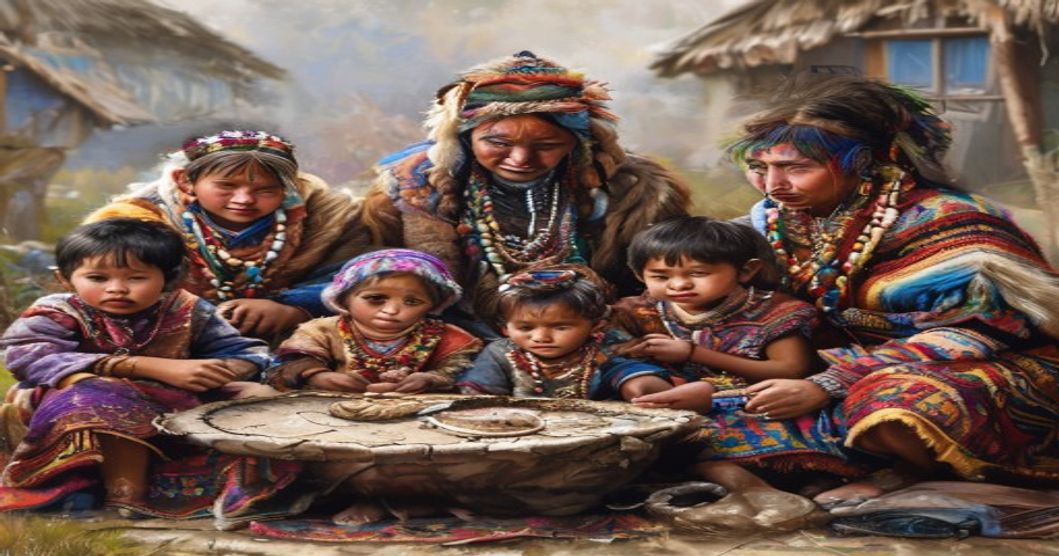
Historical Foundations of Sami Family Structures
The traditional Sami family culture evolved over centuries around seasonal migration and sustainable resource management across Fennoscandia. At the core of this system was the siida, a cooperative kinship unit that functioned as both an economic entity and a social framework. Families shared grazing rights, coordinated reindeer movements, and distributed labor according to age and expertise. This collective approach ensured resilience in harsh Arctic environments while fostering deep interdependence among household members.
The Siida System and Kinship Networks
Kinship ties dictated membership within the siida, with lineage determining access to traditional pastures and hunting grounds. Decision-making relied on consensus rather than hierarchical authority, allowing elders to guide younger generations through practical experience. Extended families often maintained multiple homesteads across different ecological zones, enabling adaptive strategies during winter storms or summer calving seasons.
Core Values and Social Organization
Social cohesion within Sami community life remains anchored in mutual aid, environmental stewardship, and cultural continuity. These values manifest through structured roles, ceremonial practices, and educational methods passed down orally.
Gender Roles and Familial Responsibilities
Historically, gender divisions were functional rather than restrictive. Men typically managed long-distance reindeer drives and trapline maintenance, while women oversaw household logistics, textile production, and dietary preparation. Both genders participated equally in spiritual rituals and resource negotiations. Modern adaptations have expanded these boundaries, yet the underlying principle of complementary contributions persists within contemporary Sami family culture.
Intergenerational Knowledge Transfer
Education occurred through immersion rather than formal instruction. Children learned animal tracking, weather prediction, and craft techniques by assisting during daily routines. The joik, a traditional vocal genre, served as both mnemonic device and historical record, encoding migration routes, ecological knowledge, and clan histories within melodic frameworks.
Economic Life and Sustainable Practices
The economic foundation of Sami family culture historically revolved around mixed subsistence strategies adapted to subarctic conditions. Today, these practices intersect with regulatory frameworks and market demands while retaining core ecological principles.
Reindeer Herding as a Family Enterprise
Reindeer husbandry operates as an integrated family business where labor rotates across seasons. Calving periods require round-the-clock monitoring, while autumn rounding involves coordinated mustering across vast territories. Financial stability depends on herd size, meat quality, and sustainable grazing management. Climate shifts and land-use conflicts now challenge traditional profitability, prompting families to diversify income streams without abandoning core herding practices.
Artisanal Crafts and Local Markets
Duodji, the Sami term for traditional handicrafts, transforms raw materials into functional art. Antler carving, leather tool-making, and woven wool textiles carry symbolic patterns denoting regional identity and family lineage. Contemporary artisans navigate global markets while adhering to ethical sourcing standards. Certified duodji labels protect against mass production, preserving the cultural integrity of Sami community life.
Contemporary Community Dynamics
Nation-state borders historically fragmented Sami territories, yet modern connectivity has strengthened cross-regional solidarity. Institutional support and grassroots initiatives now drive cultural preservation alongside economic development.
Cross-Border Collaboration and Cultural Revival
The four Sami Parliaments (Norway, Sweden, Finland, and Russia) coordinate language documentation, educational curricula, and land rights advocacy. Youth programs emphasize bilingual schooling in Northern Sami, Lule Sami, and Southern Sami dialects. Digital archives store historical photographs, audio recordings, and migration maps, ensuring that Sami family culture remains accessible to diaspora members and younger generations.
Navigating Modernity While Preserving Heritage
Urbanization has shifted demographic patterns, with increasing numbers of Sami residents in metropolitan centers. Despite geographic dispersion, community hubs maintain cultural continuity through seasonal festivals, traditional food workshops, and collaborative art exhibitions. Climate change threatens reindeer grazing cycles and alters forest ecosystems, prompting families to adopt adaptive management strategies while advocating for indigenous-led environmental policy. Technological innovation, including GPS herd monitoring and online language platforms, complements rather than replaces ancestral knowledge systems.
Frequently Asked Questions
What is Sami Family Culture and Community Life?
Sami family culture and community life revolve around traditional pastoralism, particularly reindeer herding, which shapes their social structures, seasonal migrations, and deep connection to the natural environment of Sápmi (the Arctic region spanning Norway, Sweden, Finland, and Russia). Family ties are central, with extended kin networks providing mutual support, while community life is enriched by indigenous governance, traditional crafts, and vibrant cultural expressions like joik singing and duodji craftsmanship.
Key facts about Sami Family Culture and Community Life
Key facts include the matriarchal and patriarchal balance in family roles, the critical importance of reindeer herding for both sustenance and identity, the preservation of the Sami languages as a core community value, seasonal transhumance patterns that dictate social gatherings, and the ongoing efforts to protect indigenous land rights and cultural heritage against modernization pressures.