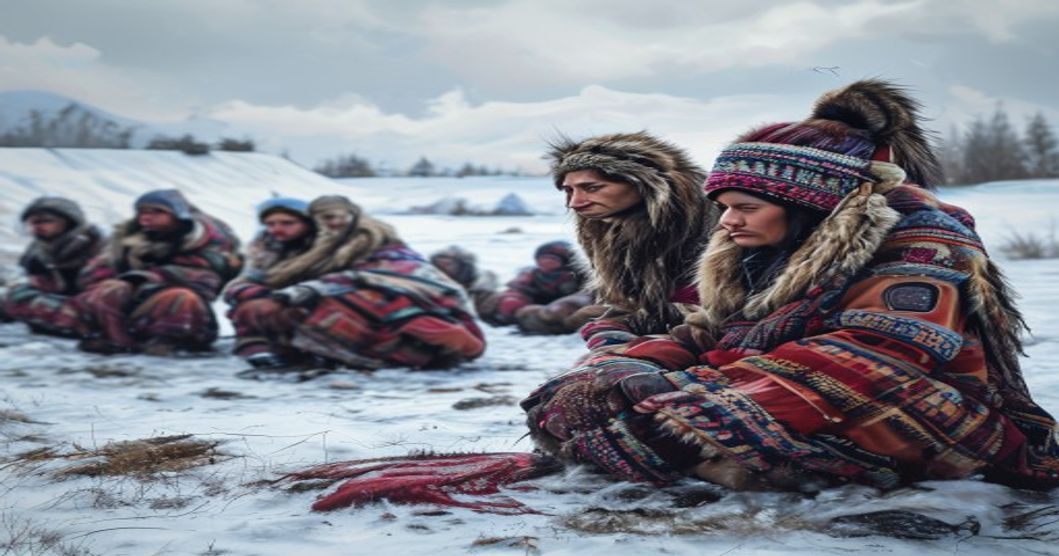
Assimilation Policies Against Sámi Communities: Historical and Legal Frameworks
State-building projects in Scandinavia targeted indigenous populations to secure territorial sovereignty. Governments implemented systematic erasure campaigns through legislation and forced relocation programs. The **Lapp Codicil** originally protected grazing rights but was gradually dismantled by nationalistic statutes. Administrative boundaries ignored traditional migration patterns, fragmenting communal land ownership structures.
Historical Context and Root Causes
Colonial expansion prioritized resource extraction over indigenous autonomy in northern territories. Military conscription and taxation policies forced Sámi families into urban labor markets. Educational mandates prohibited native language use within school environments and public institutions. Administrative surveys reclassified communal territories as state-owned forest reserves and agricultural zones.
Legal Foundations of Displacement
Legislative frameworks established **cadastral surveys** to redefine property boundaries according to state interests. Taxation statutes penalized traditional pastoral practices and commercialized licensed trade networks. Criminal codes classified customary land use as trespassing and unauthorized resource harvesting. Constitutional amendments centralized administrative control while marginalizing indigenous governance structures.
Erosion of Sámi Identity and Cultural Structures
Systemic policies dismantled intergenerational knowledge transfer through institutionalized segregation. Language suppression campaigns eliminated vernacular usage in schools and official documentation. Religious conversion initiatives replaced traditional animist practices with state-sanctioned denominations. Administrative records systematically erased indigenous names from maps and public registries.
Language Suppression and Educational Erasure
State curricula mandated national language instruction while prohibiting Sámi communication within classrooms. Textbooks and official materials depicted indigenous populations as primitive relics requiring civilizing. Teacher training programs excluded native pedagogical methods and historical indigenous contributions. Examination systems penalized vernacular literacy and enforced linguistic conformity across all grades.
Religious Conversion and Spiritual Suppression
Missionary institutions constructed churches directly atop traditional worship sites and sacred landscapes. Clergy documented and condemned shamanic rituals as pagan deviations requiring eradication. Baptismal records replaced indigenous naming conventions with European equivalents across parish archives. Religious taxation funded institutional expansion while defunding traditional community gathering spaces.
Land Dispossession and Economic Marginalization
Forestry concessions granted logging rights over ancestral reindeer pastures and hunting grounds. Mining licenses authorized extraction operations without consulting local communities or assessing ecological damage. Agricultural settlement programs allocated fertile valleys to immigrant farmers while displacing pastoral families. Commercial fishing regulations restricted indigenous access to coastal waters and river systems.
Disruption of Traditional Livelihoods
Reindeer herding routes intersected with state forestry concessions and mining licenses. Fishing permits required commercial licensing that excluded subsistence operators. Tourism development zones restricted access to sacred landscape features. Economic dependency shifted from pastoral autonomy to wage labor in urban centers.
Sámi Resistance and Policy Reversals
Organized opposition emerged through legal challenges and cross-border coalition building. Activists documented policy violations and presented evidence to international tribunals. Political parties secured parliamentary representation to amend discriminatory statutes. Public awareness campaigns shifted national narratives from assimilation to coexistence.
Grassroots Movements and Political Advocacy
The **Alta Dam protests** mobilized thousands across Scandinavian borders in the 1970s. Sámi councils established parallel governance structures outside state jurisdiction. Indigenous journalists founded independent publications to bypass editorial censorship. Legal aid networks funded litigation against unconstitutional land seizures.
International Recognition and Legal Milestones
**ILO Convention 169** established binding consultation requirements for resource projects. **UNDRIP declarations** affirmed indigenous self-determination and territorial sovereignty. European Court rulings mandated compensation for historical property dispossession. Constitutional amendments in Norway and Sweden recognized Sámi parliamentary assemblies.
Contemporary Implications and Current Status
Policy implementation gaps persist despite legislative reforms and international commitments. Resource extraction permits continue to override traditional land use agreements. Educational curricula incorporate Sámi history but lack indigenous pedagogical frameworks. Demographic recovery remains uneven across municipal jurisdictions.
Ongoing Land Conflicts and Resource Extraction
Wind farm installations disrupt reindeer calving grounds and migration corridors. Mining corporations secure exploration licenses without **free prior informed consent**. Hydropower dams alter river ecosystems essential for salmon fishing and drinking water. Municipal zoning laws classify indigenous territories as development zones rather than heritage sites.
Language Revitalization and Educational Reforms
Immersion schools utilize elder mentorship to reconstruct endangered dialects. Digital archives preserve audio recordings and handwritten grammatical records. Teacher certification programs require fluency in **Sámi pedagogy** and historical context. University departments establish indigenous research ethics boards to govern academic access.
How to Support Sámi Rights and Cultural Preservation
External intervention must prioritize indigenous leadership and avoid extractive research practices. Funding mechanisms should bypass intermediaries and direct resources to Sámi-controlled institutions. Academic partnerships require co-authorship and data sovereignty agreements. Advocacy efforts focus on legislative pressure rather than symbolic gestures.
Ethical Research and Academic Collaboration
Researchers must obtain institutional review board approval alongside **Sámi council consent**. Data collection protocols prohibit unauthorized sampling of sacred sites or burial grounds. Publication agreements grant indigenous communities veto power over sensitive cultural information. Funding allocations cover community-led archival projects rather than external fieldwork.
Advocacy Channels and Verified Organizations
**Sámi Parliament websites** publish policy briefs and legislative tracking updates. International indigenous networks coordinate cross-border legal campaigns and diplomatic pressure. Verified funding portals direct donations to Sámi cultural foundations and language institutes. Consumer boycotts target corporations violating free prior informed consent standards.
Frequently Asked Questions
What is Assimilation Policies Against Sami Communities?
Assimilation policies against Sami communities refer to historical and contemporary governmental measures implemented primarily by Norway, Sweden, and Finland to force the indigenous Sami people to abandon their language, culture, and traditional livelihoods in favor of the dominant national cultures. These policies, most active from the late 19th century through the mid-20th century, included banning Sami languages in schools, restricting reindeer herding, and relocating communities to settle in state-designated zones.
Key facts about Assimilation Policies Against Sami Communities
Key facts include the establishment of state-sponsored boarding schools where Sami children were punished for speaking their native tongue, the legal restrictions placed on traditional reindeer herding practices to enforce sedentary farming, the eventual official apologies and reparations offered by Nordic governments in the late 20th and early 21st centuries, and the ongoing legal and political efforts by the Sami to reclaim land rights, linguistic preservation, and cultural autonomy today.