For starters, Joik isn’t about words in the traditional sense. It’s more like a melodic conversation, a way to connect with nature and the spirits surrounding you. Imagine the wind whispering through ancient trees or the Northern Lights dancing above—the melodies evoke these vivid images, painting a picture without ever picking up a paintbrush. Each Joik tells a story, whether it’s celebrating a loved one, recalling a memory, or honoring the land itself. This storytelling aspect creates an intimate bond between the singer and the listener.
Another fascinating angle is the improvisational nature of Joik. Unlike many Western music forms that stick to a set structure, Joik allows for personal expression. It’s almost like jazz, where the artist can let loose and go wherever the music takes them. This freedom makes every performance a fresh experience; no two Joiks are ever quite the same!
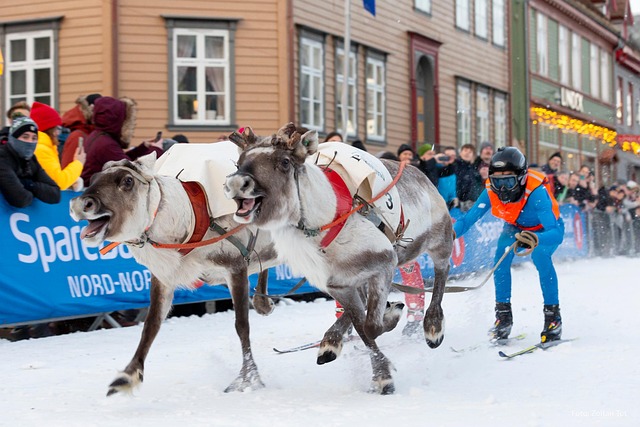
And let’s not forget about the deep-rooted connection with the Sami way of life. Joik is intertwined with nature, reflecting the Sami’s respect for the environment and their ancestral ties. Imagine being in the midst of the vast tundra, surrounded by reindeer and the midnight sun, and feeling the raw emotion behind each note. This synergy is what makes Sami music not just unique but profoundly moving.
So, the next time you hear Joik, close your eyes and let the sounds transport you. Feel the stories unfold and the landscapes come alive; that’s the true essence of this remarkable musical tradition.
Echoes of the North: Discovering the Unique Soul of Sami Joik
The beauty of joik lies in its rawness. Unlike structured songs with set lyrics, a joik can be an improvisational burst of emotion, evoking the spirit of a person, animal, or place. Ever heard someone pour their heart out in a melody? That’s the magic of joik. It’s a heartfelt expression that swells and ebbs like the very landscape it originates from. As you listen, you might feel as if you’re being transported to the heart of a Sami village, surrounded by freezing winds and the warmth of communal fires.

What’s striking is that joik isn’t just for entertainment; it serves spiritual and emotional purposes. Practitioners often say that every joik has its own soul. Just think of it as painting with sound, where each note brushes a vivid picture of the landscapes and lives intertwined with Sami culture. And while the traditional styles have deep roots, modern artists are putting their own spin on the form, blending ancient sounds with contemporary beats, making it a living, breathing entity.
From Tradition to Contemporary: The Evolution of Sami Joik
Originally, Joik was much more than just entertainment; it was a way of communicating with both the spiritual and natural worlds. Picture it as a deeply personal expression, where each note and refrain are tied to a specific person, animal, or place. It’s more than music; it’s a living narrative wrapped in vocals that transport listeners straight to the heart of Sami heritage.
Fast forward to today, and you’ll find Sami Joik thriving within modern genres. Artists are blending traditional Joik styles with everything from pop to electronic, creating a soundscape that resonates with both old souls and fresh ears. Have you ever listened to how a familiar melody can feel vibrant yet nostalgic all at once? That’s the magic of contemporary Joik—it holds onto its roots while boldly stepping into the future.
With contemporary musicians breathing new life into Joik, it serves as a bridge connecting generations. The heart of age-old traditions beats alongside modern rhythms, proving that heritage isn’t just preserved; it’s alive and evolving. So next time you hear that unique blend of voice and nature in a contemporary track, remember the journey it’s taken—from the icy winds of Lapland to the global stage, Sami Joik isn’t just music; it’s a cultural renaissance waiting to be explored.
Harmony of Heritage: How Joik Captures the Spirit of the Sami People
When you listen to a Joik, you can almost feel the rugged mountains, the vast tundra, and the pristine fjords come alive. Each melody tells a story, giving voice to everything from the beauty of reindeer to the changing seasons. It’s like an audio postcard from the Arctic, where every song is a pulse of the land and its spirits. You might wonder, how can mere sound encapsulate such deep emotion? The secret lies in the way Joik doesn’t aim to describe a subject but instead evokes feelings associated with it.
Think of it like painting a picture with sound. Instead of using a brush, the Sami use their voices, creating vivid images that dance in your imagination. Listening to a Joik can feel like standing in a vast, echoing landscape, where you become one with the essence of nature and the Sami way of life. It’s a celebration of community too; often sung in gatherings, Joik reinforces connections, pulling people closer, just like around a warm fire after a day out in the wilderness.
Beyond Melody: The Cultural Significance of Sami Joik in Modern Society
At its core, joik embodies the essence of the Sami identity. It’s not merely performed; it’s a heartfelt storytelling tradition that transcends generations. Each joik carries a personal touch, evoking memories of family, nature, and the spirit of the land. Can you imagine a better way to connect with your roots than through the magic of song? For many Sami, joik is like a musical ancestor, whispering tales of their forebears while grounding them in their present.
In modern society, the significance of joik has amplified dramatically. As the world becomes increasingly globalized, the Sami’s attempts to preserve their culture gain urgency. Joik serves as a bridge, educating outsiders about Sami customs and beliefs, and providing a platform for social activism. Isn’t it incredible how one form of art can foster understanding and discuss vital issues like climate change and indigenous rights?
Moreover, contemporary artists are remixing traditional joik styles, blending them with modern genres like pop and electronic music. This fusion not only keeps the art form alive but also attracts younger audiences who might not have connected with their heritage otherwise. Think of it like adding a splash of color to a classic painting; it breathes new life into something timeless while respecting its roots.
So, the next time you hear a joik, let it wash over you like a gentle breeze, and remember, it’s more than music—it’s a profound expression of a culture that continues to thrive.
Frequently Asked Questions
What Defines the Unique Sound of Sami Joik?
This vocal tradition is characterized by its throat singing style, distinctive melodies, and deep connection to nature and Sami culture. It often incorporates improvisation and reflects personal emotions, stories, or landscapes, making each performance unique and resonant.
Why Is Joik Important to Sami Identity?
Joik is a traditional form of non-lyrical singing that holds significant cultural relevance for the Sami people. It serves as a vital expression of identity, connection to nature, and ancestral heritage. Through joik, individuals convey personal experiences, emotions, and stories, fostering a sense of community and continuity within Sami culture. Its preservation is crucial for maintaining Sami traditions and promoting cultural pride.
What Are the Key Characteristics of Joik?
Joik is a traditional form of singing originating from the Sámi people of Northern Europe. It is characterized by its unique vocal techniques, often performed without instrumental accompaniment. Joik typically expresses emotions, tells stories, or reflects on nature, identity, and cultural heritage. The style is distinct for its improvisational nature and the emphasis on personal expression, making each performance a unique experience.
How Has Joik Evolved Over Time?
Joik has undergone significant transformation, evolving from traditional Sami chanting into a contemporary musical genre. Over time, it has integrated modern influences while maintaining its cultural roots, allowing artists to express personal and collective experiences through a blend of vocal improvisation and instrumentation.
How Do Cultural Influences Shape Sami Music?
Cultural influences significantly shape Sami music by integrating traditional elements, language, and storytelling that reflect the Sami people’s lifestyle and environment. The use of indigenous instruments, vocal techniques, and themes related to nature and ancestral history resonates in the music, fostering a unique sound that represents Sami identity and heritage.