The Urban Migration of Sami Communities
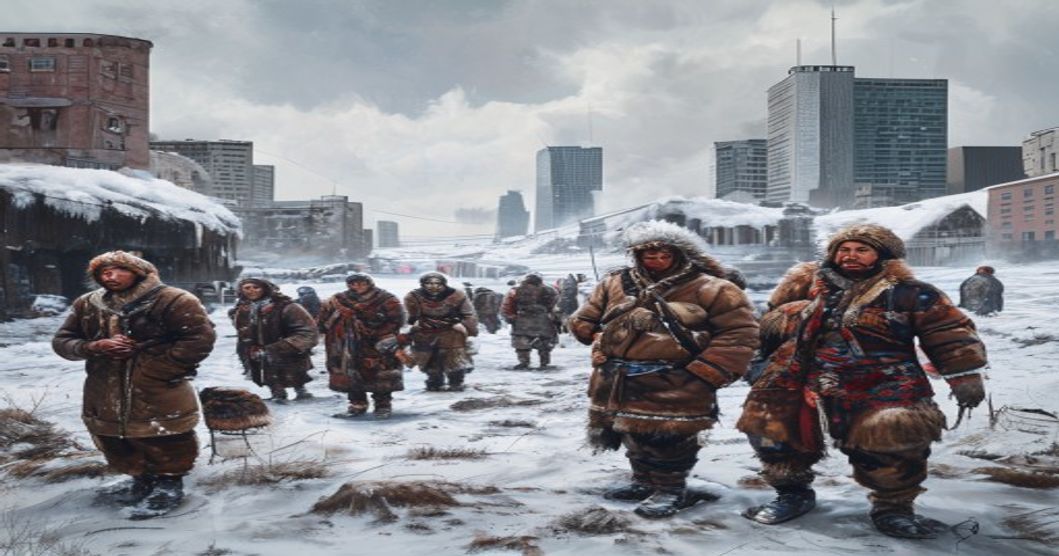
For centuries, Sami culture was intrinsically linked to the Arctic and subarctic landscapes of Sápmi, where seasonal reindeer herding, fishing, and hunting dictated social organization. The late twentieth century triggered a profound demographic shift as indigenous Sami populations migrated to metropolitan centers in Norway, Sweden, Finland, and Russia. Economic modernization, centralized education systems, and healthcare infrastructure attracted younger generations to urban hubs like Tromsø, Trondheim, Kiruna, Rovaniemi, and Helsinki. This urban transition did not erase cultural identity; instead, it catalyzed the development of urban Sami networks that actively negotiate tradition within contemporary socioeconomic frameworks.
Language Revitalization in Metropolitan Environments
The preservation of Sami languages—spanning Northern, Lule, Southern, Inari, Skolt, and Kildin dialects—relies heavily on urban institutional support. Municipalities have integrated Sami into public signage, municipal administration, and primary education through specialized language nests (giellaeatnu). Digital pedagogy has accelerated this movement, with streaming platforms, mobile applications, and online dictionaries providing unprecedented access to linguistic resources. Urban universities collaborate with indigenous research centers to publish academic literature in Sami, ensuring that language revitalization remains academically rigorous and socially visible.
Digital Pedagogy and Intergenerational Transmission
Metropolitan libraries and cultural institutes now host virtual storytelling sessions, podcasting networks, and interactive grammar modules designed for diaspora youth. These digital ecosystems bridge geographic fragmentation, allowing urban Sami to maintain linguistic fluency without relying solely on rural family structures. The strategic deployment of technology in heritage conservation has transformed language from a declining dialect into a dynamic, code-switched urban vernacular.
Traditional Crafts and Contemporary Art Markets
Duodji, the Sami traditional craft system, has undergone remarkable commercial and artistic adaptation in city environments. Urban artisans merge ancestral woodworking, metalworking, and textile techniques with sustainable design principles to meet global market demands. Reindeer leather, moose antler, and silver have been recontextualized into contemporary jewelry, architectural elements, and fashion collections that explicitly acknowledge indigenous authorship. Cultural branding initiatives ensure that traditional craftsmanship retains economic viability while resisting cultural appropriation through certified origin labeling and cooperative manufacturing models.
Artistic Activism and Cultural Symbolism
Urban galleries and biennales increasingly feature Sami visual artists who employ duodji motifs to critique colonial land policies and climate disruption. These exhibitions function as both cultural archives and political statements, reinforcing the Sami aesthetic identity within contemporary art discourse. Municipal arts councils fund residencies that pair elder craftspeople with urban designers, fostering cross-generational innovation.
Reindeer Herding and Urban Land Use Conflicts
Despite urbanization, reindeer herking remains the economic and spiritual cornerstone of many Sami households. Modern cities encroach upon traditional migratory corridors through highway expansion, wind farm installations, and telecommunications infrastructure. These developments fragment grazing territories, disrupt seasonal movement patterns, and threaten ecological sustainability. Legal frameworks such as the Indigenous Peoples’ Rights Convention and national grazing laws attempt to mediate these conflicts, yet implementation gaps persist. Urban planning committees now incorporate indigenous spatial mapping tools to negotiate co-management agreements with municipal governments.
Climate Impact and Infrastructure Negotiation
Rising temperatures alter snow crust formation, forcing herders to adapt traditional knowledge with GPS tracking and satellite imagery. Metropolitan municipalities are increasingly required to conduct cultural impact assessments before approving large-scale developments. These procedures acknowledge that urban expansion must coexist with indigenous livelihoods, transforming city governance from exclusionary to collaborative.
Community Networks and Cultural Institutions in Cities
Urban
Frequently Asked Questions
What is Sami People in Modern Cities?
The Sami People in Modern Cities refers to the contemporary Sami communities who have migrated to urban centers across the Nordic countries (Norway, Sweden, Finland, and Russia) while actively preserving their cultural identity, indigenous languages, and traditional livelihoods such as reindeer herding, despite navigating the complexities of modernization, education, and professional integration.
Key facts about Sami People in Modern Cities
Key facts include: The Sami are the only officially recognized indigenous people within the European Union; they speak languages belonging to the Uralic family; urban Sami maintain strong cultural networks through festivals, radio, literature, and political advocacy; they continue to face ongoing challenges related to land and water rights, language revitalization, and balancing traditional reindeer herding practices with modern economic and social systems.