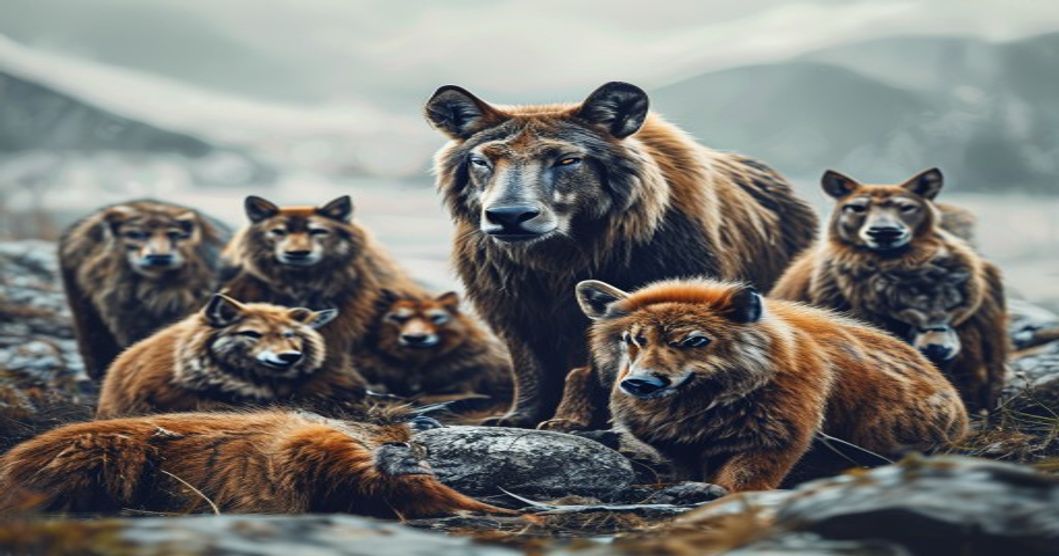
The Central Role of Animals in Sámi Cosmology
In traditional Sámi spirituality, animals are not merely resources but sacred intermediaries between the human realm and the spirit world. The Sámi worldview recognizes a layered cosmos where every creature carries distinct spiritual essence, guiding migration patterns, hunting success, and community well-being. This animistic framework predates Christianization and remains embedded in contemporary cultural memory.
Reindeer as Lifeblood and Spiritual Companion
The reindeer (boazu) occupies the undisputed center of Sámi material and spiritual existence. Beyond sustenance, reindeer are viewed as ancestral allies whose migrations mirror celestial cycles. Historically, Sámi herders performed animal blessing rituals before spring calving seasons, offering prayers to Boazovárri, the reindeer mountain spirit. Drum symbols depicting reindeer antlers functioned as navigational maps for both physical journeys and shamanic voyages into the upper world.
The Bear: Reverence, Rituals, and Taboos
Known in various Sámi dialects as ovllis or bierkka, the bear is treated with profound ritual respect rather than direct naming. Indigenous Sámi communities historically observed the Bear Feast, a complex ceremony honoring the animal’s soul after a hunt. Participants adhered to strict dietary taboos, avoided aggressive language, and recited ritual joiks to ensure the bear’s spirit returned to its divine origin. Violating these protocols was believed to disrupt ecological balance and invite communal misfortune.
Birds of Prey and Water Spirits in Shamanic Practice
Certain avian species, particularly the eagle (gáhkkor) and raven (rávvi), served as messengers between earthly and celestial domains. Sámi shamans, or noaidi, interpreted bird flight patterns to forecast weather, locate game, and diagnose spiritual illness. Water-dwelling animals like otters and salmon were associated with vuokŋa, the spirit of lakes and rivers. Ritual deposits of copper coins, dried fish, or woven wool at sacred waterways maintained reciprocal relationships with these aquatic guardians.
Sacred Animal Rituals and Noaidi Traditions
The practice of Sámi shamanism centered on mediated communication with animal spirits through specialized ceremonial tools and structured rites. These traditions required years of apprenticeship under an experienced noaidi, who mastered both ecological knowledge and metaphysical protocols.
Drum Circles and Animal Spirit Journeys
The Sámi drum (goavddis), typically crafted from reindeer hide stretched over a wooden frame, functioned as a cosmic map rather than a musical instrument. Painted symbols represented animal guides, hunting grounds, and ancestral lineages. During trance states induced by rhythmic drumming and vocalization, the noaidi would navigate the drum’s surface to locate lost souls, identify broken taboos, or negotiate with animal spirit hosts. Specific drum sections corresponded to terrestrial, aquatic, and aerial realms, each governed by distinct faunal deities.
Offerings, Feasting, and Seasonal Ceremonies
Sámi spiritual calendars aligned with animal migration cycles and reproductive periods. Major ceremonies occurred during the spring equinox, when reindeer returned from winter pastures, and in late autumn, marking the conclusion of hunting seasons. Participants prepared ritual meals using traditional ingredients like cloudberry, dried venison, and fermented milk.
Sacred Animals in Sami Culture: Spiritual Foundations
The Sámi worldview treats nature as an active network of spirits. Animals occupy central positions within this cosmology. They function as mediators between the human and spiritual realms. Understanding these relationships requires examining specific species and their ritual roles.
Reindeer: Sustenance and Sacred Kinship
Reindeer herding defines Sámi economic and spiritual life. Each animal carries a unique soul name and birth designation. These names establish a reciprocal bond between herder and herd. Sacrificial offerings often include reindeer fat and antler shavings to appease land spirits.
Modern herders still track migration corridors mapped over centuries. These routes align with ancient sacred sites and seasonal sun cycles. Ecological knowledge ensures sustainable pasture rotation. Herd health directly reflects landscape vitality.
Bear Rituals: Taboos, Blessings, and Return Ceremonies
The bear holds the title of Forest King across Sámi territories. Hunters avoid speaking its true name to prevent spiritual backlash. Instead, they use circumlocutions like the old one or the hunter. Post-hunt ceremonies involve bone alignment and ritual washing.
These acts guide the bear’s spirit back to the spirit world. Communities share bear feasts to reinforce social cohesion and ecological balance. Ritual specialists monitor participant behavior for spiritual warnings. Violating feast protocols traditionally triggers communal misfortune.
Wolves, Ravens, and Forest Omens in Daily Life
Wolves represent territorial guardians and clan lineage. Their howls signal seasonal shifts and warn of approaching dangers. Ravens serve as messengers of fate and psychopomps. Sámi shepherds interpret raven flight patterns to predict weather changes.
Forest omens dictate hunting boundaries and sacred grove access. Violating these natural signals traditionally brings sacred pollution and failed hunts. Tracking methods rely on subtle snow disturbances. These practices maintain strict ecological boundaries.
Shamanic Practices and Animal Symbolism
Sámi spirituality operates through direct interaction with animal spirits. Ritual specialists channel these forces to diagnose illness and locate prey. Symbolism remains embedded in everyday tools and ceremonial objects. Communication relies on established ritual protocols.
The Noaidi’s Role in Animal Communication
The Noaidi functions as the primary bridge between communities and animal spirits. Drumming induces trance states for spirit journeying. The Noaidi negotiates with master animals who control wildlife populations. Successful negotiations require offerings of tobacco and personal hair clippings.
Historical records show Noaidi advising chieftains on herd movement and conflict resolution. Their authority derived from proven spiritual accuracy rather than hereditary status. Training involves decades of mentorship and isolation. Modern practitioners still undergo rigorous apprenticeship.
Sámi Drums and Creature-Based Prophecy
Sámi drums, known as goavddis, map cosmological realms through carved symbols. Each region utilizes distinct symbolic vocabularies for divination. The drum rim represents the boundary between physical and spiritual zones. Copper pendants mark spirit guides and ominous creatures.
Practitioners read cracks and pendant positions to decode animal omens. These artifacts function as portable oracles for decision-making. Drum construction requires specific birch and reindeer materials. Preservation demands strict climate control and handling protocols.
Preserving Sacred Animal Traditions Today
Modern pressures threaten traditional Sámi animal knowledge. Legal frameworks and grassroots initiatives actively combat cultural erosion. Documentation efforts prioritize authentic community voices. Future survival depends on systematic intervention.
Legal Recognition and Land Rights
Scandinavian governments formally recognize reindeer husbandry as a protected cultural right. Land use disputes frequently center on mining and wind farm expansions. Courts increasingly require free, prior, and informed consent for development projects. Sámi parliaments monitor legislative compliance across borders.
Indigenous law firms specialize in cross-border Sámi rights litigation. These cases establish precedents for habitat protection. Community patrols document illegal encroachments on sacred sites. Legal victories secure critical grazing corridors.
Community-Led Education and Knowledge Transfer
Sámi schools integrate traditional animal lore into core curricula. Elders mentor youth in seasonal tracking and spirit etiquette. Digital archives preserve audio recordings of ritual chants and drum patterns. Educational programs emphasize practical application over theoretical study.
Language revitalization efforts directly support ecological terminology. Young herders use mobile apps to log migration data and sacred site coordinates. These tools bridge generational knowledge gaps. Mentorship ensures accurate transmission of complex ritual protocols.
Ecological Impact of Sacred Belief Systems
Sámi spiritual practices enforce strict sustainable harvesting limits. Taboos prevent overhunting during critical breeding seasons. Sacred groves function as de facto biodiversity hotspots. These zones maintain soil integrity and support rare flora.
Traditional fire management techniques reduce catastrophic wildfire risks. Controlled burns restore nutrient cycling and pasture quality. Community governance structures regulate resource extraction. This model offers viable alternatives to industrial extraction.
Conclusion: Enduring Wisdom for Modern Conservation
Sámi sacred animal traditions offer critical insights for contemporary ecological challenges. The integration of spirituality and resource management creates resilient systems. Modern conservation strategies increasingly adopt these indigenous frameworks. Preservation efforts require sustained funding and political will.
Integrating Indigenous Knowledge with Contemporary Ecology
Scientific researchers collaborate with Sámi herders to validate traditional migration data. This partnership improves climate adaptation models for northern ecosystems. Policy makers utilize Sámi land management precedents for protected area design. Academic journals regularly publish peer-reviewed findings from these collaborations.
International bodies recognize Sámi practices as best practices for biodiversity conservation. Funding streams now support community-led monitoring programs. These initiatives track predator-prey dynamics and pasture regeneration. Success metrics focus on ecological indicators rather than economic output.
The Future of Sámi Animal Heritage
Future generations must inherit both practical herding skills and spiritual protocols. Youth programs emphasize intergenerational dialogue and land-based learning. Digital storytelling platforms amplify Sámi voices globally. These initiatives combat cultural homogenization and misinformation.
Legal protections continue to expand across Scandinavia and beyond. International treaties now explicitly safeguard indigenous ecological knowledge. Research funding prioritizes community-led projects. This trajectory ensures the survival of sacred animal traditions.
Sacred Animals in Sami Culture: Frequently Asked Questions
What is Sacred Animals in Sami Culture?
Sacred animals in Sami culture refer to specific creatures, such as bears, reindeer, and the fox, that hold deep spiritual, mythological, and practical significance within traditional Sámi beliefs. These animals are often viewed as messengers of the gods, ancestors, or beings with whom shamans (noaidi) communicated through rituals and drumming.
Key facts about Sacred Animals in Sami Culture
Key facts include: reindeer are central to Sámi survival and are revered as gifts from the goddess Milla; bears are considered sacred and were honored with elaborate burial rites due to their spiritual power; the fox appears frequently in Sámi folklore as a clever trickster or guide; and many sacred animals were believed to inhabit the upper and lower worlds, acting as bridges between the human and spirit realms.