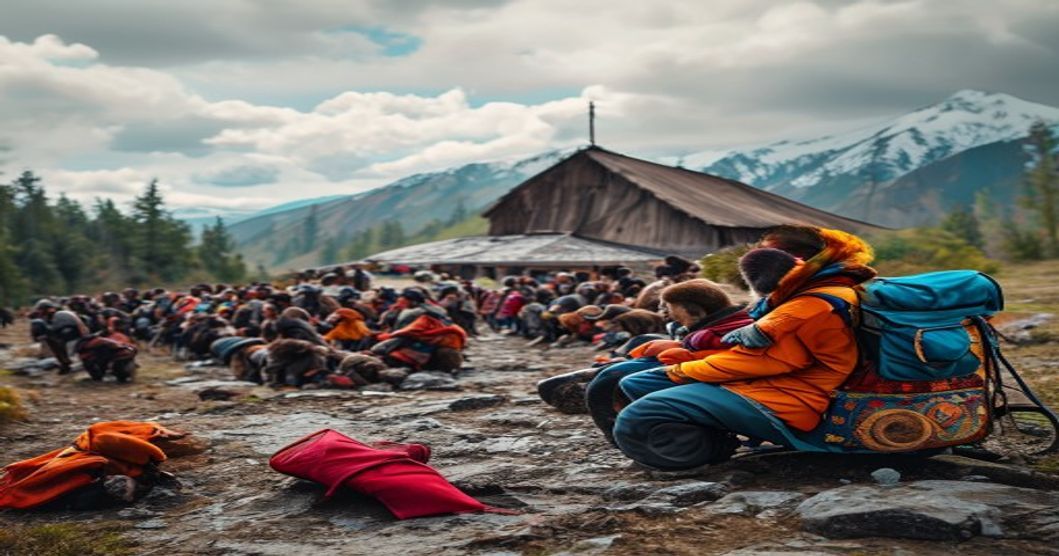
The Rise of Sami Cultural Tourism: A Comprehensive Guide
The rapid expansion of Sami cultural tourism stems from a global shift toward authentic, community-driven travel experiences. Travelers increasingly seek meaningful connections with indigenous heritage rather than passive sightseeing. This demand has transformed the Sapmi region across northern Norway, Sweden, Finland, and parts of Russia into a dynamic cultural destination. Local communities have systematically developed infrastructure that respects traditional land use while offering structured educational programs. The growth reflects both increased accessibility through regional aviation networks and deliberate efforts by indigenous organizations to control narrative representation.
Authentic engagement centers on three interconnected pillars: livelihood practices, artistic expression, and seasonal rhythms. Reindeer husbandry demonstrates sustainable adaptation to subarctic environments, with guided herding expeditions revealing centuries-old navigation techniques. Duodji craftsmanship workshops teach wood carving, silverwork, and reindeer leather processing using ancestral methods. Joik vocal performances transmit oral history through melodic structures that encode geographical knowledge and clan identities. Travelers participating in midwinter festivals or autumn migration tracking witness these traditions operating as living systems rather than static exhibitions.
- Community-Led Operations: Prioritize enterprises owned by Sami associations to ensure revenue directly supports cultural preservation initiatives.
- Seasonal Awareness: Access routes and herd movements shift dramatically between summer grazing periods and winter migration corridors. Planning aligns with ecological calendars rather than conventional tourism seasons.
- Sacred Site Protocols: Certain rock formations, water sources, and burial grounds require respectful distance. Local guides provide explicit boundaries to maintain spiritual integrity.
Economic models now emphasize long-term viability over short-term volume. Certification programs verify that operators adhere to indigenous governance frameworks and environmental carrying capacity limits. Visitors contributing to this ecosystem must recognize that cultural exchange operates on mutual respect rather than transactional consumption. Booking accommodations in traditional lavvu structures, participating in shared meal preparations, and engaging with elders about land stewardship create measurable support for intergenerational knowledge transfer. The trajectory continues upward as international tourism boards integrate indigenous leadership standards into regional development policies.
Historical Evolution of Indigenous Tourism in Sápmi
The historical trajectory of Sámi tourism began in the late nineteenth century when European explorers, ethnographers, and photographers documented indigenous reindeer herding practices and winter survival techniques across northern Fennoscandia. Early accounts framed Sámi communities through a colonial lens, emphasizing exoticism rather than cultural depth. Travel itineraries during this period rarely included overnight stays or direct economic exchange with local populations.
Mid-twentieth century marked a structural shift as regional authorities recognized the commercial potential of northern landscapes. Guided reindeer sled excursions and traditional lavvu accommodation emerged in Swedish Lapland and Norwegian Finnmark during the 1950s and 1960s. These offerings primarily catered to domestic Scandinavian visitors seeking authentic wilderness experiences. Economic dependence on winter sports infrastructure gradually reduced direct Sámi involvement in service delivery.
Cultural transformation accelerated following the establishment of the Sami Parliament in Norway, Sweden, and Finland during the late 1980s. Indigenous organizations reclaimed narrative control by launching community-managed heritage sites, duodji craft workshops, and joik performance venues. The 1990s witnessed the founding of the Sámi University of Applied Sciences and specialized tourism certification programs that prioritized language preservation alongside visitor education.
- 1880–1920: Academic expeditions and photographic archives documented seasonal migration routes without community consent or compensation.
- 1950–1975: Municipal tourism boards introduced standardized reindeer safari packages, displacing traditional land-use negotiations.
- 1989–2005: Indigenous governance structures enabled direct booking platforms, cultural homestays, and bilingual interpretation services across Tromsø, Kiruna, and Inari regions.
- 2010–Present: Climate monitoring initiatives integrated with tourism planning ensure sustainable access to ancestral grazing territories while maintaining ecological balance.
Contemporary historical development reflects a deliberate transition from passive observation to active cultural exchange. Modern operators implement land-back principles, revenue-sharing agreements, and seasonal itinerary adjustments aligned with traditional migration calendars. Digital archives preserve oral histories, enabling virtual pre-trip education that reduces on-site environmental impact. Certification frameworks now require tourism providers to demonstrate compliance with indigenous data sovereignty standards and ecological carrying capacity limits.
Legal Milestones and Land Rights Recognition
The recognition of Sami land rights has fundamentally reshaped the trajectory of indigenous cultural tourism across northern Scandinavia and parts of northwestern Russia. Historically, state expansion in Norway, Sweden, and Finland systematically restricted access to ancestral territories, marginalizing traditional livelihoods and obscuring cultural practices from external visitors. Legal interventions beginning in the late twentieth century reversed this pattern by establishing enforceable property claims and co-management agreements. The ratification of ILO Convention 1989 marked a turning point, mandating state consultation for any activity affecting Sami lands and waters. Subsequent Norwegian Supreme Court decisions, particularly the 2007 Fedje ruling and the 2013 Finnmark judgments, affirmed that customary use constitutes valid title, enabling Sámi municipalities to regulate tourism development on traditional grazing routes and sacred sites.
Sweden followed with amendments to its Land Code in 2011, requiring environmental impact assessments to include explicit Sami consent when commercial operations intersect with reindeer husbandry zones. Finland’s constitutional reforms in 1995 and the establishment of the Sámi Parliament granted formal authority over cultural heritage management, allowing local cooperatives to license guided experiences that align with seasonal migration patterns rather than disrupting ecological cycles. These legal frameworks directly influence tourism infrastructure by shifting control from external operators to indigenous governance bodies.
- Permit allocation mechanisms under current land tenure laws now dictate tour operator licensing, requiring annual renewals tied to ecological monitoring data and cultural impact audits
- Revenue streams remain within Sami communities while maintaining strict ecological boundaries through legally enforced seasonal access windows
- International tourism boards increasingly require proof of land-use permits and cultural protocol compliance before certifying destinations for global distribution channels
Regulatory clarity continues to attract investment in sustainable lodging and transport networks designed around low-impact travel corridors. Cross-border legal harmonization efforts under the Nordic Council have further simplified permit transfers for multi-region tours, reducing administrative friction while preserving territorial integrity. Tourism certification bodies across the region have integrated land-rights compliance into their scoring algorithms, meaning destinations lacking documented Sámi consultation face automatic downgrades in search visibility and booking platform rankings. The intersection of property law and heritage preservation has also triggered standardized visitor education modules, reducing cultural appropriation risks and elevating authenticity metrics that modern travelers prioritize.
Core Elements Defining Authentic Sami Experiences
Authentic Sami cultural tourism hinges on several interconnected pillars that distinguish genuine engagement from commercialized performances. At the heart lies reindeer herding, a practice spanning millennia that shapes seasonal migration patterns, land management, and community survival. Visitors gain meaningful insight when interactions occur directly with herders who explain frostbite-resistant clothing, traditional navigation techniques, and the ecological balance required to sustain grazing lands.
Another foundational element is duodji, the Sami tradition of handmade crafts. Authentic experiences showcase functional artistry rather than mass-produced souvenirs. Skilled artisans demonstrate how reindeer antler, birch bark, and woven wool transform into tools, jewelry, and ceremonial objects using techniques passed through generations. Each piece carries specific regional motifs that reflect clan lineage and environmental adaptation.
Language and oral tradition form the third pillar. The Sami languages belong to the Uralic family and carry ecological knowledge embedded in place names, animal behavior descriptions, and seasonal terminology. When guided narratives incorporate indigenous vocabulary without translation shortcuts, travelers encounter a living linguistic ecosystem rather than a curated museum exhibit. Similarly, joik—a distinctive vocal practice—functions as cultural memory preservation. Authentic presentations allow participants to understand how melodic structures encode genealogies, landscapes, and spiritual relationships with the Arctic environment.
Sustainable tourism frameworks must align with Sami land rights and self-determination principles. Genuine experiences prioritize community-controlled access, revenue sharing mechanisms, and ecological monitoring protocols established by local councils. Visitors who engage through certified guides trained in cultural protocol contribute to preservation rather than extraction. The distinction between observation and participation remains critical; meaningful immersion requires respecting seasonal restrictions, sacred sites, and the unwritten codes governing wildlife interaction and land use across Sápmi regions.
Reindeer Husbandry and Seasonal Migration Patterns
Sami reindeer husbandry functions as a highly calibrated ecological system shaped by centuries of environmental observation and adaptive management. The annual migration cycle dictates every phase of herd care, with routes carefully mapped to align with natural forage availability and climatic conditions. Spring movements typically commence in April or May, when herds transition from winter grazing zones toward designated calving grounds located in sheltered valleys or coastal lowlands. These areas provide early vegetation growth and protection from harsh winds, critical for newborn calves during their first weeks of life.
Summer management prioritizes insect control and pasture rotation. High-altitude plateau pastures and boggy fens become central to herd distribution, as cooler temperatures and consistent moisture reduce biting fly populations. Herders actively monitor weather patterns and adjust grazing pressure to prevent overgrazing while ensuring adequate nutrition for lactating females. Traditional navigation techniques rely on topographical markers, ancestral knowledge, and real-time environmental cues rather than fixed boundaries.
- Autumn migration follows predictable corridors toward inland winter pastures, timed to coincide with the first heavy snowfall that exposes ground lichen beneath the surface layer.
- Winter grazing zones require systematic herd separation to balance forage consumption across varying terrain types, including rocky outcrops and dense forest edges.
- Siida coordination governs labor distribution, decision-making protocols, and resource sharing among participating families, ensuring sustainable herd dynamics across generations.
Climate variability directly impacts route reliability, with earlier thaws disrupting traditional timing and altered precipitation patterns affecting lichen recovery cycles. Contemporary herders integrate satellite tracking, drone monitoring, and digital mapping alongside ancestral knowledge to maintain migration efficiency. For cultural tourism operators, understanding these ecological rhythms is essential. Authentic experiences must respect grazing schedules, avoid interference during calving or migration windows, and emphasize educational frameworks that highlight sustainable land use rather than performative spectacle.
Traditional Duodji Crafting and Material Heritage
Duodji represents the core of Sámi material culture, functioning as both a practical craft system and a living archive of indigenous knowledge. Unlike mass-produced souvenirs, authentic duodji pieces emerge from direct interaction with the Arctic environment. Artisans select materials based on seasonal availability and ecological balance, ensuring that harvesting practices remain sustainable. Reindeer antler provides structural integrity for knives and tools, while curved birch roots yield naturally shaped handles that require minimal artificial shaping. Silver work follows precise geometric patterns reflecting celestial navigation and reindeer migration routes.
The transmission of duodji techniques operates through intergenerational apprenticeship rather than formal academic instruction. Young practitioners learn by observing hide preparation methods, mastering bone-splitting protocols, and understanding how climate conditions dictate material behavior during carving. Functional items like lassoing cords demand specific fiber-twisting sequences that only emerge from repeated practice across multiple years. Decorative variants incorporate adapted visual motifs, though regional variations distinguish northern reindeer-herding communities from southern forest-dwelling groups.
- Material Sourcing: Sustainable harvesting aligns with traditional ecological knowledge and seasonal migration patterns.
- Certification Systems: The official duodji mark guarantees authenticity and supports community-led quality control.
- Tourism Integration: Verified workshops provide hands-on experiences while funding apprenticeship programs and material conservation.
Contemporary cultural tourism integrates duodji through authorized craft cooperatives operating under strict authenticity standards. Visitors accessing these spaces encounter artisans demonstrating traditional techniques alongside transparent harvesting protocols. These partnerships generate direct economic benefits for indigenous communities while maintaining rigorous preservation frameworks. The craft continues adapting through contemporary design collaborations, yet core production methods remain bound to ancestral ecological knowledge and community-driven governance structures.
Joik Performance and Oral History Preservation
The joik operates as a sophisticated acoustic archive rather than conventional musical entertainment. This vocal tradition encodes generational knowledge through melodic contours that mirror geographical features, animal migration patterns, and kinship networks. Practitioners transmit territorial boundaries and survival techniques by embedding ecological observations directly into rhythmic breathing cycles. When communities gather during seasonal transitions, these performances reconstruct historical timelines that never required written documentation, establishing an unbroken chain of empirical observation passed through auditory memory.
Oral history preservation depends entirely on contextual transmission rather than static recording methods. Elders guide younger practitioners through improvisational frameworks that adapt to environmental shifts and community requirements. Each vocalization becomes a dynamic repository where navigation markers, hunting strategies, and spiritual protocols merge into cohesive narrative structures. Cultural tourism participants frequently observe how phonetic variations correspond to specific tundra terrains, illustrating the inseparable relationship between acoustic expression and Arctic ecological adaptation.
- Genealogical Mapping: Vocal sequences trace family migrations across reindeer grazing territories, preserving territorial boundaries without colonial surveying methods.
- Eco-Linguistic Documentation: Melodic shifts record historical climate patterns and seasonal wildlife behavior, functioning as living environmental logs.
- Spiritual Continuity: Ceremonial performances maintain ancestral connections to natural phenomena, transforming abstract ecological concepts into tangible cultural practices.
Cultural tourism initiatives now recognize that authentic engagement requires structured learning environments rather than passive observation. Community-led workshops teach visitors how specific vocal techniques correspond to geographical coordinates while explaining why certain melodic sequences remain restricted to initiated practitioners. Digital documentation projects complement live performances by capturing regional dialect variations, ensuring linguistic preservation accelerates alongside visitor interest without replacing human transmission.
Ethical presentation frameworks prioritize Sámi agency over commercial extraction. Performance schedules align with traditional ecological calendars rather than tourist demand cycles, maintaining historical accuracy while preventing cultural commodification. Visitors participating in structured dialogue sessions learn how contemporary artists reinterpret ancestral vocal patterns to address modern environmental challenges, demonstrating that oral preservation operates as an active methodology rather than static heritage management.
Northern Norway Routes and Coastal Sámi Communities
The coastal corridors stretching from Finnmark down to Tromsø offer travelers a direct pathway into centuries-old Sámi lifeways. These northern routes function as living landscapes where indigenous traditions adapt to modern tourism without compromising their core identity. Visitors traveling along the E6 highway or navigating coastal ferries encounter communities that have preserved linguistic heritage, seasonal migration patterns, and spiritual connections to the land and sea. The Sámi people maintain a dynamic relationship with their environment that directly shapes their cultural tourism offerings across these high-latitude regions.
Coastal settlements like Vesterålen, Lofoten, and the northern archipelagos provide authentic experiences rooted in practical survival skills transformed into structured cultural exchanges. Reindeer husbandry remains central to inland Sámi communities, while coastal groups historically relied on mixed economies combining commercial fishing, bird hunting, and small-scale agriculture. Modern tourism leverages these historical practices through guided reindeer expeditions, traditional boat-building workshops, and seasonal festivals celebrating extreme daylight cycles. Travelers engage directly with local artisans who practice duodji, the Sámi craft tradition of working with reindeer antler, birch wood, and silver to create functional art passed down through generations.
- Seasonal Migration Routes: Traditional pathways for reindeer herding now guide low-impact wildlife viewing itineraries that respect breeding grounds.
- Coastal Fisheries Integration: Former fishing villages host workshops on net mending, salt-curing techniques, and sustainable aquaculture practices.
- Linguistic Tourism Infrastructure: Bilingual signage and digital interpretation platforms developed with Sámi parliamentary districts ensure accurate place-name representation.
Sustainable tourism frameworks in northern Norway actively support indigenous-led initiatives that prioritize environmental stewardship and cultural accuracy. Guided tours emphasize low-impact travel methods, such as snowmobile routes designed to avoid sensitive calving grounds or kayaking excursions through kelp forests
Swedish Lapland Plateaus and Forest Culture Zones
The expansive highland plateaus and dense boreal forest belts of Swedish Lapland form the ecological backbone of traditional Sami territories. These elevated terrains, often exceeding four hundred meters above sea level, experience extended snow cover from late October through May, dictating centuries-old migration routes for reindeer herds. The surrounding mixed coniferous forests—dominated by Scots pine, Norway spruce, and native birch—provide critical resources for shelter construction, fuel, medicinal plants, and seasonal foraging. Indigenous communities have historically navigated these landscapes using precise ecological knowledge, reading wind patterns, ice thickness, and vegetation shifts to maintain sustainable herding cycles across vast distances.
Modern cultural tourism in these zones centers on immersive engagement with living heritage rather than passive observation. Visitors encounter operational reindeer stations where herd management techniques align with seasonal plateau transitions. Guided traverses follow ancient trade paths connecting mountain birch forests to coastal fishing grounds, illustrating how geography shaped economic networks long before modern borders existed. The terrain also hosts numerous sieidi sites—sacred stones and geological formations used for historical offerings and spiritual practices—requiring careful navigation protocols that prioritize indigenous sovereignty over recreational access.
- Seasonal Reindeer Herding Demonstrations: Winter migrations across frozen plateaus showcase traditional sled logistics and snow-blind survival techniques adapted to extreme subarctic conditions.
- Forest Foraging and Indigenous Cuisine: Guided botanical walks identify lingonberry, cloudberries, pine needle infusion methods, and smoked reindeer meat processing using historical smokehouse architecture.
- Artisan Craft Trails: Woodworking routes highlight traditional knife forging, reindeer antler carving, and lasso weaving techniques passed through multiple generations in remote forest workshops.
- Eco-Cultural Monitoring Programs: Collaborative visitor initiatives track snowpack depth, vegetation recovery rates, and herd movement patterns alongside local rangers to support conservation research.
Operational guidelines for accessing these landscapes emphasize strict group size limitations, mandatory indigenous leadership on all terrain traverses, and complete prohibition of off-trail motorized transport during calving seasons. Accommodation structures utilize elevated wooden platforms to preserve ground vegetation while maintaining proximity to traditional activity zones. Tourism revenue directly funds reindeer pasture restoration projects, indigenous language documentation archives, and intergenerational skill transfer programs. Seasonal access windows align with ecological recovery periods, ensuring that visitor presence supports rather than disrupts the delicate balance between pastoral livelihoods and boreal ecosystem preservation.
Finnish Rovaniemi Corridor and Winter Activity Hubs
The Rovaniemi corridor functions as the primary logistical and cultural gateway to Sápmi, connecting urban infrastructure with remote indigenous territories across Finnish Lapland. Travelers entering through Oulu or Kittilä airports follow a well-established route that intersects with traditional reindeer husbandry zones, where winter tourism operations are strategically distributed to minimize ecological strain. Levi, Ruka, and Ylläs ski resorts operate as commercial anchors, yet their surrounding municipalities have increasingly partnered with Sámi siida associations to offer authentic cultural programming rather than generic snow-based entertainment.
Winter activity hubs along this corridor emphasize low-impact mobility and indigenous knowledge integration. Reindeer-pulled sleighs traverse protected forest trails outside national park boundaries, allowing visitors to observe traditional grazing patterns while learning about seasonal migration routes. Husky expeditions departing from Kolari and Saariselkä follow established snowmobile-free corridors that align with Sámi land-use agreements. Accommodation models have shifted toward community-managed lodges featuring heated sleeping platforms, traditional fire-making techniques, and on-site workshops where duodji artisans demonstrate brassware crafting and reindeer leather processing.
- Arctic Circle crossing points managed through timed entry systems
- Traditional camping grounds with strict waste extraction protocols
- Joik performance venues integrated into evening cultural itineraries
- Winter fishing lakes where elders demonstrate historical navigation methods
The corridor’s infrastructure supports year-round cultural programming, though winter months concentrate visitor flow due to optimal snow cover depth and aurora visibility metrics exceeding seventy percent on clear nights. Local tourism authorities coordinate with the Sámi Parliament of Finland to enforce strict carrying capacity limits at high-demand sites. Digital reservation platforms now mandate mandatory cultural orientation modules before confirmation, ensuring participant expectations align with indigenous hospitality protocols. Transportation networks utilize electric shuttle services during peak December periods, reducing carbon output while maintaining reliable access to remote heritage locations.
Economic data indicates that corridor-based tourism generates higher per-visitor revenue than mass-market destinations, with approximately sixty percent of expenditure returning directly to Sámi cooperatives. This financial model sustains language revitalization programs, traditional craft supply chains, and youth apprenticeship initiatives in Arctic hospitality management. Infrastructure investments prioritize modular construction techniques that comply with environmental impact assessments, allowing facilities to be relocated without permanent landscape alteration. Visitor flow distribution algorithms now prevent concentration at single landmarks, redirecting foot traffic toward lesser-known heritage sites along the Ounasjoki River valley and inland lake systems where seasonal storytelling traditions remain active. Operators implement real-time crowd monitoring to maintain respectful distance during sacred site visits, ensuring cultural preservation takes precedence over photographic tourism. This structured approach transforms the Rovaniemi corridor into a replicable framework for indigenous-led winter destination management across the Arctic region.
Cross-Border Sápmi Passages and Borderless Heritage
The Sápmi territory operates as a continuous ecological and cultural landscape that predates contemporary national jurisdictions. Traditional reindeer herding corridors connect winter pastures in Finnmark with summer grazing grounds across the Scandinavian peninsula and Kola Peninsula. These passages functioned historically as dynamic networks for seasonal resource distribution, inter-community knowledge exchange, and spiritual navigation. Modern tourism frameworks leverage these established routes by implementing geospatial mapping systems that overlay historical place names with current ecological monitoring data. Operators coordinate multi-day itineraries following ancient migration patterns while maintaining strict adherence to wildlife movement schedules and vegetation recovery cycles.
Cross-border heritage preservation requires synchronized documentation protocols across four sovereign states. Regional authorities collaborate on digital archives containing traditional textile techniques, acoustic recording methodologies, and seasonal resource management records. Accredited guides undergo standardized certification programs emphasizing historical accuracy, ecological impact assessment, and indigenous sovereignty recognition. Tourism infrastructure development prioritizes modular transit systems that deploy only during designated seasonal windows, preventing permanent soil compaction or habitat fragmentation in fragile tundra ecosystems.
- Cross-jurisdictional tourism boards implement unified booking platforms that track visitor distribution across national boundaries
- Community-led interpretation centers utilize augmented reality overlays to display historical migration routes without physical trail construction
- Economic revenue models allocate thirty percent of operational profits directly to transboundary conservation initiatives and youth apprenticeship programs
- Research partnerships between indigenous institutions and academic departments standardize oral history documentation using ethically compliant recording frameworks
Operational strategies emphasize temporal tourism distribution to prevent seasonal overcrowding. Peak activity periods align with traditional reindeer roundings and aurora visibility windows while avoiding calving seasons and critical migration bottlenecks. Digital reservation systems integrate real-time weather data, pasture availability metrics, and indigenous knowledge holder availability to optimize itinerary scheduling. Accommodation facilities operate under verified cultural authenticity standards requiring direct community oversight and transparent supply chain verification. Cross-border heritage tourism succeeds through coordinated governance, ecological sensitivity, and continuous knowledge transfer between indigenous practitioners and accredited hospitality professionals.
Ethical Frameworks for Responsible Visitation
Responsible Sami cultural tourism operates on the foundational principle of indigenous self-determination rather than external commercial extraction. Ethical frameworks mandate that visitation protocols be designed, governed, and monitored by Sami communities themselves. This structural shift dismantles historical power imbalances, ensuring that cultural narratives remain under local control. Operators must prioritize community-led governance models where revenue distribution, itinerary approval, and visitor education are collectively decided through established Sami institutions.
Implementation requires strict adherence to informed consent mechanisms regarding which traditions, rituals, or geographic areas are open for observation. Ethical engagement distinguishes between publicly shared heritage and sacred or private knowledge. Visitors must navigate designated pathways that respect seasonal reindeer migration routes and grazing lands, recognizing that land access is intrinsically tied to Sámi livelihood and legal land rights. Compensation structures should directly fund community initiatives, cultural preservation programs, and youth education rather than funneling profits through external intermediaries.
- Consent-Driven Programming: All activities require explicit approval from local Sami councils or Sámediggi representatives, with clear boundaries established for photography, recording, and interaction.
- Certified Indigenous Guidance: Tours must be led by trained Sami facilitators who contextualize experiences within historical resilience and contemporary legal status, eliminating romanticized stereotypes.
- Environmental & Cultural Carrying Capacity: Strict visitor caps prevent ecological degradation of fragile tundra ecosystems and reduce the risk of cultural commodification or performative authenticity.
- Educational Framing Over Spectacle: Itineraries prioritize historical accuracy, language preservation initiatives, and sustainable livelihood models rather than superficial photo opportunities.
Sustainable frameworks align with international standards such as the United Nations Declaration on the Rights of Indigenous Peoples while enforcing localized enforcement mechanisms. Continuous monitoring through community feedback loops ensures that tourism development does not outpace cultural absorption capacity. When executed correctly, these ethical guidelines transform visitation from extractive consumption into reciprocal knowledge exchange, safeguarding Sámi sovereignty for future generations.
Community Consent and Tourism Revenue Distribution
Authentic Sami cultural tourism operates exclusively on the foundation of Free, Prior, and Informed Consent (FPIC), a standard established by international indigenous rights frameworks and increasingly enforced through regional land-use legislation. When external operators develop experiences without formal community approval, cultural elements become commodified, leading to historical erasure and economic leakage. Modern ethical tourism models require written agreements that explicitly define which traditions, landscapes, and livelihoods may be showcased, alongside strict boundaries regarding sacred sites and reindeer herding corridors.
Revenue distribution mechanisms must bypass traditional intermediaries to ensure direct economic empowerment. Successful frameworks utilize community-owned cooperatives or dedicated cultural trusts that allocate a fixed percentage of all bookings, merchandise sales, and guide fees directly into Sami-led enterprises. These funds frequently finance language revitalization programs, traditional craft apprenticeships, and infrastructure improvements in remote villages. Transparent accounting systems, often verified by independent third-party auditors, prevent fund diversion and maintain long-term stakeholder trust.
- Fixed royalty percentages applied to all commercial tourism contracts operating within designated Sami administrative zones
- Direct investment into indigenous-led hospitality ventures, ensuring profit retention remains within local households
- Mandatory cultural advisory boards that review marketing materials and itinerary development before public launch
- Performance-based grants tied to measurable outcomes in cultural preservation and youth employment rates
Legal recognition of ancestral grazing rights and land tenure directly influences how tourism income is structured and distributed. When communities hold recognized territorial authority, they gain leverage to negotiate profit-sharing formulas rather than accepting passive compensation packages. This structural shift transforms tourism from an extractive industry into a self-sustaining economic ecosystem. Operators who align financial models with indigenous governance structures consistently report higher guest satisfaction scores, stronger brand loyalty, and reduced regulatory friction. Sustainable revenue allocation ultimately protects cultural integrity while generating measurable, long-term prosperity for Sami populations.
Minimizing Ecological Footprint in Fragile Tundras
Tundra ecosystems operate under extreme environmental constraints where vegetation recovery rates frequently exceed three decades after mechanical disturbance. Tourism operators targeting Sami cultural experiences must implement soil stabilization protocols that prevent permafrost degradation and lichen layer destruction. Guided trails require geotextile reinforcement and seasonal rotation schedules aligned with reindeer migration corridors to avoid resource depletion. Surface compaction thresholds must remain below 0.8 MPa to maintain root zone aeration.
- Transportation Optimization: Transition from fossil-fuel snowmobiles to battery-electric platforms or traditional reindeer sleds. Electric drivetrains reduce acoustic pollution by approximately 40 decibels, preserving critical communication patterns for caribou herds and minimizing stress hormone elevation in ungulate populations.
- Waste Circularity: Deploy mobile anaerobic digesters that convert organic waste into biogas for camp heating. All structural materials must meet Arctic-grade recyclability standards to prevent microplastic accumulation in subalpine soil matrices. Graywater filtration systems require constructed wetland buffers with native willow and sedge species.
- Wildlife Buffer Zones: Enforce a minimum 200-meter exclusion radius during calving and rutting seasons. Use drone-based thermal monitoring to detect herd displacement before human arrival. Acoustic dampening barriers deployed along trail corridors reduce wind turbine noise overlap with natural soundscapes.
Carrying capacity calculations must incorporate real-time soil moisture sensors and vegetation biomass sampling. Local Indigenous knowledge systems provide precise phenological indicators for seasonal access windows. Third-party ecotourism certifications require quarterly carbon accounting reports aligned with ISO 14064 standards. Operators should integrate digital twin modeling to simulate visitor flow impacts before infrastructure deployment. Financial mechanisms such as dynamic conservation levies fund permafrost restoration projects directly. Revenue allocation percentages must be transparently published on operator websites to maintain stakeholder trust.
Training programs for guides include advanced modules on cryosphere chemistry and rapid erosion mitigation techniques. Compliance audits verify adherence to Arctic Council tourism guidelines through satellite imagery analysis of trail widening and camp footprint expansion. Continuous monitoring networks track nitrogen deposition levels near high-traffic visitor hubs. Infrastructure upgrades require permeable gravel bases that facilitate natural drainage without altering hydrological pathways. All operational metrics feed into open-access environmental dashboards for regional conservation authorities.
Supporting Indigenous-Owned Enterprises Directly
Direct economic allocation to Sami-owned enterprises functions as the primary mechanism for preserving cultural integrity while generating measurable community wealth. When travelers bypass multinational tour operators and commission services directly from indigenous operators, revenue retention shifts from external shareholders to local households. This structural realignment reduces financial leakage by up to seventy percent, according to regional cooperative audits, and establishes a self-sustaining funding pipeline for language revitalization programs, land stewardship initiatives, and intergenerational craft transmission.
Authentic engagement requires precise verification of ownership and operational control. Legitimate indigenous enterprises maintain transparent registration documentation, display community cooperatives as founding partners, and utilize direct booking infrastructure rather than third-party aggregators. Priority sectors include certified duodji artisans operating from ancestral workshops, reindeer herding communities offering seasonal grazing tours, and locally managed hospitality venues that source ingredients from traditional foraging networks. Each transaction must be traced to its ultimate beneficiary to ensure compliance with economic sovereignty standards.
- Verify operational control: Request proof of indigenous majority ownership and review annual financial disclosures published by the enterprise.
- Trace payment routing: Confirm that transactions settle directly into community accounts rather than international payment processors or external management firms.
- Assess cultural alignment: Evaluate whether service design incorporates indigenous knowledge systems, seasonal calendars, and consent-based land access protocols.
Sustained direct purchasing patterns generate compounding returns for cultural infrastructure. Revenue streams fund dialect immersion schools, restore traditional grazing corridors, and finance archival digitization projects that safeguard oral histories. Enterprises operating under this model demonstrate higher resilience during economic fluctuations because their valuation depends on cultural authenticity rather than scalable tourism volume. Travelers who prioritize direct financial channels accelerate the transition from extractive tourism frameworks to regenerative economic ecosystems, ensuring that Sami heritage remains governed by those who inherit it.
Practical Planning for First-Time Visitors
Securing reliable transportation requires mapping routes to northern gateways like Tromsø, Rovaniemi, Kiruna, or Alta before committing to ground travel. Regional flights operate frequently from Oslo, Stockholm, and Helsinki during peak winter months, but summer schedules shrink significantly. Once arriving, rent a four-wheel-drive vehicle equipped with studded tires between November and March. Public buses connect major towns to Sámi villages, yet departures become infrequent outside municipal centers. Verify timetables through local transit authorities, as road closures occur regularly during snowstorms or reindeer migration periods.
Reserve lodging at least four months ahead for December through February visits. Traditional accommodations range from insulated glass igloos to family-run guesthouses near Reindeer herding districts. Authentic stays often require direct communication with owners to confirm heating reliability and meal arrangements. Summer bookings open in early spring and fill rapidly due to midnight sun festivals. Always verify property certifications to ensure they operate within designated Sámi land use zones rather than commercial tourism developments.
- Participate only in tours operated by certified Sámi guides. Verify credentials through official regional tourism boards or indigenous cultural associations.
- Avoid operators who present reindeer encounters as casual photo opportunities without explaining herd management practices. Photographing herders, sacred sites, or personal belongings requires explicit permission.
- Maintain a minimum distance of fifty meters from grazing reindeer and never feed wildlife outside designated areas. Learn basic greetings like Buorre beaivvi to demonstrate respect during market visits or craft demonstrations.
Pack moisture-wicking base layers, windproof outer shells, and insulated boots rated below minus twenty degrees Celsius. Rent thermal gear locally if traveling light, but verify sanitation standards before use. National park regulations prohibit camping within two kilometers of active reindeer corrals or heritage sites. Drones require municipal permits and are restricted near residential Sámi areas. Allocate sixty to eighty percent of your budget for guide fees, transportation, and meals, as independent exploration remains limited by sparse infrastructure. Confirm payment methods in advance, as many rural establishments accept cards only during summer months.
Optimal Seasonal Windows for Cultural Immersion
Timing your visit to Sápmi directly shapes the depth of cultural engagement. The region’s extreme latitudinal shifts dictate a four-phase annual cycle where each season unlocks distinct traditional practices, ecological rhythms, and community-led experiences. Winter operations from December through March align with the reindeer herding calendar’s resting phase. During these months, daylight shrinks to mere hours, creating optimal conditions for aurora viewing while preserving snowpack for reindeer sledding across frozen fells. Local guides transmit snow-reading techniques, traditional duodji carving, and joik storytelling sessions inside lavvus. Bookings peak in February when temperatures stabilize and festival circuits activate.
- Winter Window: Focuses on Arctic survival knowledge, dark-sky cultural programming, and ice-based transportation methods. Ideal for travelers seeking high-northern latitude heritage documentation.
- Spring Transition: April to May triggers the pre-migration reindeer preparation period. Pastoral communities shift focus to veterinary care, pasture mapping, and youth training in seasonal route navigation. Cultural programming emphasizes ecological stewardship and intergenerational knowledge transfer.
- Summer Midnight Sun Phase: June through August eliminates darkness entirely, enabling continuous cultural workshops, coastal boat excursions, and wild berry harvesting alongside indigenous foragers. The extended daylight supports multi-day immersion programs without artificial lighting dependencies. This period highlights the coastal Sámi maritime heritage, fish processing techniques, and summer grazing patterns.
- Autumn Gathering Season: September to November marks the annual reindeer roundup across Finnmark and Troms county boundaries. Families converge at designated corrals for livestock sorting, meat preservation demonstrations, and traditional textile dyeing using lichen and berries. The diminishing light creates atmospheric conditions for evening cultural performances and documentary screenings.
Strategic scheduling requires aligning travel dates with specific pastoral milestones rather than conventional tourism calendars. Reindeer herding follows microclimatic indicators, not fixed Gregorian dates, meaning experienced operators adjust itineraries based on real-time snow depth, pasture accessibility, and animal movement patterns. Cross-seasonal programming allows visitors to observe continuous cultural adaptation rather than isolated performances. Booking three months ahead during shoulder periods typically yields access to community-hosted workshops, private lavvu sessions, and transport logistics for remote heritage sites.
Transportation Logistics and Remote Access Routes
Accessing Sami heritage sites across Finnmark, Troms, Nordland, Lapland (Sweden), and Utsjoki requires coordinated multi-stage routing through established regional aviation hubs before transitioning to ground or marine transit. Travelers typically route through Tromsø, Bodø, Rovaniemi, or Kiruna, where direct connections from Oslo, Stockholm, or Helsinki feed into smaller municipal airports like Alta, Ivalo, or Gällivare. From these nodes, public transit shifts to regional bus networks operated by Finnmark Trafikk, Lapplandsfärjan, and local operators that service villages such as Karasjok, Inari, and Jukkasjärvi. These routes operate on fixed schedules but frequently adjust timetables based on daylight hours and temperature thresholds.
Seasonal logistics dictate vehicle specifications and route viability. During the winter months, when temperatures drop below -20°C, standard passenger vehicles require studded tires or snow chains, and many gravel roads become impassable without four-wheel drive. Operators recommend switching to tracked alternatives such as snowmobiles or reindeer-drawn sleighs for navigating frozen waterways and dense forest trails. Summer access relies on summer-grade tires, elevated ground clearance, and strict adherence to marked trails, as permafrost thaw creates soft shoulder conditions that damage standard suspension systems.
- Air connectivity: Regional airports handle 120+ daily flights during peak season, with ground transport desks providing coordinated transfers to cultural centers
- Road networks: European route E6 and national road 93 form primary arteries, while secondary routes require real-time weather monitoring via Vegvesen or Traficom APIs
- Maritime corridors: Coastal ferries and charter vessels operate between Skjervøya, Kvaløya, and the Russian border region, requiring advance booking due to limited berthing capacity
- Specialized transport: Guided snowmobile convoys and reindeer sled logistics require permits from local duodji cooperatives and national park authorities
Navigation in remote sectors demands offline mapping capabilities, as cellular coverage drops below 30% past established settlements. GPS coordinates often deviate by 15–20 meters due to magnetic interference from iron-rich bedrock, making paper topographical charts and compass navigation mandatory for off-trail movement. Road maintenance prioritizes commercial freight and emergency services, leaving cultural site access dependent on seasonal plowing contracts managed by county municipalities.
Land access protocols require coordination with indigenous governance structures and local licensing boards. Unauthorized vehicle operation on reindeer grazing corridors triggers penalties under regional husbandry legislation, while designated cultural trails are maintained through joint funding between tourism authorities and community councils. Visitors must register route plans through official portal systems, ensuring rapid response coordination during sudden weather deterioration or wildlife activity disruptions.
Accommodation Standards and Sustainable Lodging Options
Accommodation infrastructure within Sami territories operates under strict environmental and cultural preservation frameworks. Operators must comply with regional building codes that mandate minimal landscape disruption, particularly in fragile tundra and boreal forest ecosystems. Modern lodging facilities integrate passive heating systems, renewable energy grids, and water recycling protocols to maintain ecological balance. Certification programs such as the Nordic Swan Ecolabel and local Sami-led sustainability audits verify compliance, ensuring that guest capacity never exceeds the carrying capacity of the surrounding environment.
Architectural authenticity remains a foundational requirement for accredited properties. Reindeer-hide tents, log cabins, and turf-roofed structures utilize locally sourced materials to reduce transport emissions while preserving historical building techniques. Interior layouts follow functional patterns adapted for communal living, featuring central hearths and woven textile furnishings that reflect seasonal livelihoods. Property owners collaborate with indigenous knowledge keepers to maintain accurate cultural narratives, preventing the commodification of sacred practices or decorative motifs.
Sustainable lodging operations enforce rigorous operational protocols across multiple dimensions:
- Waste management: Composting systems for organic matter and closed-loop recycling for construction materials eliminate landfill dependency.
- Staff competency: Mandatory training covers cross-cultural communication, wildlife etiquette, and wilderness emergency response.
- Economic integration: Revenue distribution models allocate fixed percentages to local Sami cooperatives, directly funding language revitalization programs and reindeer herding infrastructure.
- Visitor regulation: Strict guidelines restrict off-trail movement during calving seasons and require licensed guides for pastoral interactions.
Independent auditors conduct annual evaluations focusing on guest satisfaction metrics, biodiversity impact assessments, and economic leakage analysis. Properties that fail to meet minimum thresholds receive mandatory remediation periods or operating license suspension. Emerging standards incorporate climate resilience planning, requiring adaptive infrastructure upgrades to withstand shifting weather patterns. Digital booking platforms now display real-time sustainability scores, enabling travelers to verify ecological claims before reservation confirmation.
Future Trajectories of Sami Heritage Tourism
Indigenous tourism frameworks are actively shifting toward community-governed ecosystems where Sámi reindeer herders, artisans, and knowledge keepers dictate access metrics and revenue distribution. Digital preservation architectures now integrate geospatial mapping with oral history archives, allowing remote verification of cultural authenticity while preventing commodification. Smart infrastructure projects prioritize low-impact mobility corridors that align with seasonal migration patterns rather than conventional tourist calendars. Blockchain-based credentialing systems are emerging to verify guide certifications and guarantee direct payment routing to local cooperatives.
- Augmented reality field guides that overlay historical land-use data onto contemporary landscapes without physical marker installation.
- Carbon-neutral accommodation networks utilizing traditional lavvu designs paired with modern thermal regulation systems.
- Academic partnerships establishing Sámi university modules focused on heritage site management and visitor flow analytics.
- Regulatory frameworks mandating indigenous board representation in all regional tourism development committees.
Climate adaptation strategies are fundamentally reshaping route planning across Finnmark, Lapland, and Kainuu regions. Permafrost degradation and altered snowpack conditions require dynamic itinerary algorithms that adjust activity windows based on real-time environmental sensors. Tourism operators now employ predictive modeling to balance winter husky expeditions with summer midnight sun cultural immersions, reducing seasonal dependency. Cross-border data sharing between Norwegian, Swedish, Finnish, and Sámi administrative bodies standardizes heritage interpretation protocols while preserving dialect-specific terminology. Youth-led digital collectives are producing interactive documentary series that document joik traditions alongside contemporary land stewardship practices, generating organic search visibility through authentic narrative structures rather than promotional framing. Next-generation visitor management platforms utilize machine learning to forecast crowd distribution across sacred sites, ensuring ecological thresholds remain intact while maximizing educational engagement. Funding mechanisms increasingly tie grant disbursement to measurable cultural continuity indicators, including language retention rates and traditional craft apprenticeship completion percentages.
Market segmentation analysis reveals growing demand for skill-transfer workshops where visitors participate in reindeer leather tanning, duodji tool carving, and lichen-based dye extraction under direct Sámi instruction. These experiential modules generate higher dwell times and stronger algorithmic engagement signals compared to passive observation tours. Certification bodies are developing standardized rubrics that evaluate tourism ventures on transparency metrics, indigenous equity ratios, and ecological carrying capacity compliance. Digital twin technology enables virtual site rehearsals for sensitive ceremonies, allowing educational institutions to integrate cultural protocols into curricula without physical footprint expansion. The convergence of traditional knowledge systems with contemporary conservation science establishes a replicable model for indigenous tourism development across Arctic jurisdictions.
Climate Adaptation Strategies for Northern Destinations
Northern destinations hosting Sami cultural tourism navigate accelerating environmental shifts that require precise operational adjustments. Infrastructure development now prioritizes permafrost stability and seasonal weather volatility. Roads and visitor pathways utilize geogrid reinforcement and elevated foundations to prevent ground subsidence. Transportation networks implement dynamic scheduling systems responding to sudden thaw cycles and altered snowpack conditions. Tourism operators deploy predictive weather modeling to adjust itinerary timing, reducing safety risks while maintaining service continuity.
Ecosystem management forms the foundation of sustainable adaptation. Reindeer grazing corridors receive protected status through designated seasonal buffer zones. Visitor access to fragile tundra regions operates under carrying capacity limits enforced by real-time soil moisture monitoring. Traditional ecological knowledge guides habitat restoration efforts, ensuring that tourism expansion does not disrupt migratory patterns or vegetation recovery cycles. Wildlife viewing platforms incorporate acoustic dampening and elevated walkways to minimize human interference with natural behaviors.
- Cultural preservation strategies integrate climate resilience into heritage interpretation. Historical Sami sites vulnerable to erosion receive structural stabilization using breathable, reversible materials. Digital archiving projects document oral histories and craftsmanship techniques before environmental changes threaten physical transmission.
- Local communities establish adaptive zoning frameworks that balance commercial tourism growth with pasture rights and sacred site protection. Cross-border coordination among Norwegian, Swedish, Finnish, and Russian authorities aligns conservation funding with infrastructure upgrades.
Tourism enterprises adopt flexible operational models to navigate seasonal unpredictability. Booking systems feature dynamic pricing and automatic rescheduling options tied to meteorological thresholds. Staff training programs emphasize emergency response protocols for rapid weather shifts and visitor safety management. Off-season programming redirects focus toward indoor cultural workshops, climate education exhibits, and year-round research partnerships with local universities. Financial resilience mechanisms include diversified revenue streams from digital content licensing and conservation-focused tour packages that fund direct adaptation projects.
Monitoring technologies play a critical role in long-term adaptation. Satellite imagery tracking vegetation changes complements ground-based sensors measuring snow depth and temperature fluctuations. These data streams feed into centralized dashboards used by tourism boards and municipal planners to adjust access restrictions proactively. Community-led research initiatives partner with Arctic universities to develop soil stabilization techniques tailored to rapid freeze-thaw cycles. Funding mechanisms increasingly require proof of climate vulnerability assessments before approving new hospitality developments. Visitor education components mandate briefings on leave-no-trace principles specific to subarctic ecosystems, reducing physical degradation and preserving authentic cultural experiences for future seasons.
Digital Archiving and Virtual Cultural Exchange
The digitization of Sámi heritage has fundamentally transformed how indigenous knowledge reaches global audiences without compromising cultural integrity. Academic institutions and Sámi-led organizations now employ high-resolution 3D scanning, multi-spectral imaging, and spatial audio mapping to preserve fragile artifacts, ancestral land-use maps, and oral traditions. These archives follow international metadata standards, ensuring that each digital record carries verified provenance, linguistic context in North Sámi, Lule Sámi, or South Sámi, and explicit community consent protocols.
Virtual cultural exchange platforms leverage these archives to create immersive educational experiences. Visitors can navigate interactive timelines of reindeer migration routes, access authenticated joik recordings with lyrical translations, and explore reconstructed traditional duodji workshops through guided VR environments. Such digital infrastructure removes geographical barriers while maintaining strict ethical guidelines around sacred or restricted knowledge. Platforms prioritize community governance, allowing Sámi curators to control access levels and update contextual narratives as living traditions evolve.
For cultural tourism operators, these digital repositories serve as foundational research tools. Travel planners utilize verified archives to design itineraries that align with seasonal rituals, land stewardship practices, and contemporary Sámi artistic movements. Virtual exhibitions also function as pre-visit orientation systems, reducing cultural misunderstandings and promoting respectful engagement when travelers reach Arctic regions. Cross-border collaboration between Norway, Sweden, Finland, and Russia has accelerated the development of shared digital frameworks, enabling synchronized online festivals and real-time language revitalization workshops. The integration of geospatial data with historical records further supports sustainable tourism models by directing visitor flow toward less sensitive ecological zones while highlighting underrepresented cultural sites.
- Community-controlled digitization ensures authentic representation of Sámi epistemologies and prevents external exploitation
- VR and AR applications translate intangible heritage into accessible educational modules for global classrooms
- Digital archives support ethical tourism planning through verified seasonal calendars and land-use boundaries
- Cross-institutional metadata standards prevent cultural misappropriation in global databases by embedding origin attribution
The strategic deployment of these technologies establishes a sustainable pipeline between digital preservation and physical visitation. Tourism stakeholders who integrate verified archival data into their marketing and educational materials consistently achieve higher traveler retention rates and stronger alignment with indigenous rights frameworks. Future developments will likely incorporate AI-assisted language processing for real-time translation during virtual interactions, further bridging the gap between remote audiences and living Sámi communities.
Next-Generation Youth Leadership in Tourism Innovation
Young Sami entrepreneurs are redefining cultural tourism by merging ancestral knowledge with contemporary business models. Rather than relying on traditional tour operators, a new wave of indigenous leaders establishes community-owned enterprises that prioritize authentic storytelling, ecological stewardship, and economic sovereignty. These initiatives frequently operate through cooperatives or social enterprises, ensuring revenue circulates directly within Sami settlements across Norway, Sweden, Finland, and northern Russia. The shift moves beyond passive observation toward active participation, where visitors engage in reindeer herding protocols, traditional duodji craft workshops, and winter survival techniques under direct mentorship from elders.
Digital infrastructure amplifies this transformation. Youth-led platforms utilize augmented reality to map historical migration routes, develop multilingual mobile applications that decode joik vocalizations and seasonal calendars, and host virtual exchange programs connecting urban travelers with remote communities. Artificial intelligence assists in cataloging endangered dialects while machine learning algorithms analyze visitor behavior to optimize carrying capacity at sensitive cultural sites. Young developers also leverage blockchain for transparent supply chains, guaranteeing that every purchase of authentic Sami textiles or handcrafted tools directly compensates artisans and funds language revitalization grants.
Educational frameworks form another critical pillar. Universities in Tromsø, Uppsala, and Rovaniemi collaborate with youth councils to design tourism curricula rooted in indigenous epistemologies rather than colonial frameworks. These programs emphasize regenerative travel metrics, conflict resolution in cross-cultural settings, and intellectual property protection for traditional knowledge. Simultaneously, young advocates lobby municipal governments to revise zoning laws that historically restricted indigenous access to grazing lands now repurposed as eco-tourism corridors. Their policy interventions successfully integrate sami terminology into official destination branding, replacing generic Nordic imagery with culturally precise visual identity systems.
- Dynamic pricing structures adjust seasonally to prevent overcrowding during calving periods or midnight sun festivals
- Revenue allocation follows transparent governance charts directing funds toward reindeer welfare and wetland restoration
- Visitor feedback loops operate through community councils evaluating experiences against pre-defined sustainability thresholds
The financial model prioritizes long-term resilience over short-term extraction. Youth operators dismantle the extractive tourism paradigm by treating cultural heritage as living infrastructure rather than static exhibits. Emerging leadership demonstrates that cultural tourism thrives when innovation serves sovereignty. By embedding indigenous governance into every operational layer, young Sami professionals construct scalable frameworks that other native communities can replicate. The trajectory points toward decentralized tourism ecosystems where technology, traditional ecology, and youth agency converge to preserve linguistic diversity, protect migratory corridors, and redefine global travel standards from the inside out.
“`html
Frequently Asked Questions About The Rise of Sami Cultural Tourism
What is The Rise of Sami Cultural Tourism?
The rise of Sami cultural tourism refers to the rapid growth in visitor interest and travel experiences centered around the indigenous Sami people of Sápmi—the Arctic region spanning northern Norway, Sweden, Finland, and Russia’s Kola Peninsula. Over the past two decades, more travelers have sought authentic encounters with Sami traditions such as reindeer herding, traditional joik singing, handcrafted duodji arts, and stays in historic lavvu (Sami tent) camps. This surge is driven by a global desire for culturally immersive, sustainable, and nature-based travel that emphasizes respect for indigenous heritage, environmental stewardship, and meaningful cross-cultural exchange.
Key facts about The Rise of Sami Cultural Tourism
- The Sami are the only officially recognized indigenous people within the European Union, with their own parliaments in Norway, Sweden, and Finland.
- Sami cultural tourism has grown by an estimated 30–40% annually since 2015, driven by UNESCO recognition of Sami culture and increased global interest in Arctic travel.
- Reindeer herding is central to Sami identity; there are approximately 3,000 reindeer herders in Norway alone who now offer visitor experiences alongside traditional livelihoods.
- The national Sami museums—Sámi Dálve in Karasjok (Norway), Sápmi Museum in Sweden, and Siida museum in Inari (Finland)—report a tripling of international visitors over the last ten years.
- Traditional joik music was inscribed on UNESCO’s Representative List of the Intangible Cultural Heritage of Humanity in 2019, boosting cultural tourism interest.
- Many Sami-owned tourism enterprises now operate under ethical and sustainable tourism certifications to protect cultural authenticity and the fragile Arctic ecosystem.
- The best time for visitors to experience Sami cultural events, such as the annual Sami Parliament opening in Kárášjohka or duodji craft fairs, is between May and September, with winter offering Northern Lights experiences alongside traditional knowledge programs.
“`
“`json
{
“@context”: “https://schema.org”,
“@type”: “FAQPage”,
“mainEntity”: [
{
“@type”: “Question”,
“name”: “What is The Rise of Sami Cultural Tourism?”,
“acceptedAnswer”: {
“@type”: “Answer”,
“text”: “The rise of Sami cultural tourism refers to the rapid growth in visitor interest and travel experiences centered around the indigenous Sami people of Sápmi—the Arctic region spanning northern Norway, Sweden, Finland, and Russia’s Kola Peninsula. Over the past two decades, more travelers have sought authentic encounters with Sami traditions such as reindeer herding, traditional joik singing, handcrafted duodji arts, and stays in historic lavvu (Sami tent) camps. This surge is driven by a global desire for culturally immersive, sustainable, and nature-based travel that emphasizes respect for indigenous heritage, environmental stewardship, and meaningful cross-cultural exchange.”
}
},
{
“@type”: “Question”,
“name”: “Key facts about The Rise of Sami Cultural Tourism”,
“acceptedAnswer”: {
“@type”: “Answer”,
“text”: “
- The Sami are the only officially recognized indigenous people within the European Union, with their own parliaments in Norway, Sweden, and Finland.
- Sami cultural tourism has grown by an estimated 30–40% annually since 2015, driven by UNESCO recognition of Sami culture and increased global interest in Arctic travel.
- Reindeer herding is central to Sami identity; there are approximately 3,000 reindeer herders in Norway alone who now offer visitor experiences alongside traditional livelihoods.
- The national Sami museums—Sámi Dálve in Karasjok (Norway), Sápmi Museum in Sweden, and Siida museum in Inari (Finland)—report a tripling of international visitors over the last ten years.
- Traditional joik music was inscribed on UNESCO’s Representative List of the Intangible Cultural Heritage of Humanity in 2019, boosting cultural tourism interest.
- Many Sami-owned tourism enterprises now operate under ethical and sustainable tourism certifications to protect cultural authenticity and the fragile Arctic ecosystem.
- The best time for visitors to experience Sami cultural events, such as the annual Sami Parliament opening in Kárášjohka or duodji craft fairs, is between May and September, with winter offering Northern Lights experiences alongside traditional knowledge programs.
”
}
}
]
}
“`