How Sami Communities Prepared for Seasonal Changes
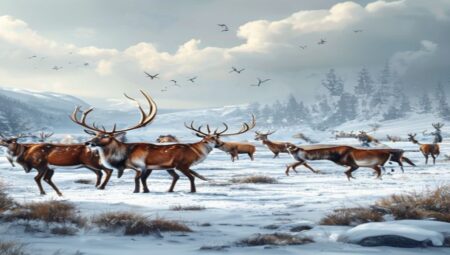
The Sámi people historically structured their survival around precise ecological rhythms across Fennoscandia, relying on deep environmental observation and intergenerational knowledge transfer. **Reindeer herding** dictated the primary seasonal calendar, requiring coordinated movement between summer highland pastures and winter coastal or forested lowlands. Spring initiated calving season, when herders tracked snowmelt patterns and lichen recovery to guide livestock toward nutrient-rich grazing zones. Summer focused on milk processing, meat preservation through smoking, and tool maintenance using reindeer antlers, sinew, and bone. Communities constructed temporary dwellings called lavvu tents, optimized for ventilation during warmer months while retaining heat when temperatures dropped.
- Autumn demanded systematic slaughter and fat rendering to stockpile energy reserves before freezing conditions restricted mobility.
- Winter preparation involved carving ice roads, reinforcing sled runners with
Geographical Boundaries and Climate Shifts in Sápmi
The Sápmi region defies conventional political mapping, as its boundaries are defined by ecological gradients and historical reindeer grazing corridors rather than national borders. This transnational territory extends from the coastal fjords of northern Norway through the mountain ranges of Sweden and Finland, finally reaching the Kola Peninsula in Russia. Each ecological zone operates on distinct seasonal microclimates that historically dictated resource availability. Coastal populations managed ice-free fishing grounds during winter months, transitioning to summer shellfish harvesting and lichen monitoring as snowlines retreated. Inland herders navigated dense boreal forests and open tundra plateaus, where migration routes relied on consistent freeze periods for safe passage across frozen wetlands and river crossings.
Accelerated Arctic warming has fundamentally disrupted these established geographical rhythms. Regional temperatures are increasing at nearly three times the global average, triggering rapid permafrost degradation and altered precipitation cycles. The traditional winter snowpack is increasingly replaced by ice crusting events caused by mid-winter temperature fluctuations. When rain freezes into impermeable layers above lichen pastures, reindeer cannot dig through the ice to access vegetation, creating severe nutritional deficits during critical feeding seasons. Ground instability from thawing permafrost also collapses historical trail networks and damages storage facilities that once preserved seasonal harvests.
- Shifting treelines push viable grazing zones higher into mountainous terrain, reducing available pasture area during summer months.
- Unpredictable spring thaw dates compromise ice road reliability, forcing communities to abandon established transport schedules and reroute supply chains.
- Altered wind patterns redistribute snow accumulation, creating wind-scoured patches that expose vegetation prematurely while trapping other areas under deep drifts.
Indigenous ecological knowledge systems are now being cross-referenced with satellite vegetation indices and automated weather stations to map real-time pasture conditions. Herders adjust grazing rotations dynamically, utilizing alternative winter feed storage methods and reinforced infrastructure designed for variable moisture levels. Legal coordination across four sovereign nations remains essential for managing transboundary migration routes that no longer follow historical elevation lines. The ongoing geographic recalibration requires continuous adaptation of seasonal preparation protocols that have sustained Sámi livelihoods for generations.
Core Principles of Traditional Seasonal Preparedness
Traditional seasonal preparedness among Sami communities rested on a tightly integrated system of ecological observation, adaptive mobility, and resource management. Rather than relying on fixed calendars, herders and coastal groups tracked phenological markers such as the emergence of specific lichens, shifts in wind patterns, ice formation rates on rivers, and the migratory behavior of local bird species. These natural indicators dictated the timing of reindeer movements, hunting expeditions, and fishing cycles, ensuring that human activity aligned with peak ecological productivity.
The foundational framework operated through several interdependent practices. First, continuous environmental monitoring established a living forecast system where experienced herders interpreted subtle changes in snow density, vegetation moisture, and animal behavior to anticipate sudden weather shifts. Second, rotational grazing patterns prevented overgrazing and maintained pasture resilience across spring, summer, autumn, and winter ranges. Third, systematic preservation techniques—including drying, smoking, and freezing meat, fish, and dairy—created reliable food reserves for harsh periods when hunting or herding became impractical. Fourth, decentralized community networks enabled rapid information exchange during seasonal transitions, allowing neighboring groups to coordinate movements, share emergency supplies, and adjust routes based on real-time conditions. Finally, intergenerational knowledge transmission through apprenticeship ensured that site-specific navigation skills, weather prediction methods, and seasonal risk assessments remained intact across generations.
- Natural indicator tracking replaced artificial timekeeping systems
- Adaptive mobility minimized ecological strain on critical habitats
- Precision preservation extended resource availability beyond immediate harvest windows
- Collaborative networks distributed seasonal risks across geographic boundaries
- Mentorship structures preserved localized environmental intelligence
This structured approach generated remarkable resilience against climate volatility. By embedding preparedness into daily practice rather than treating it as a separate activity, Sami groups maintained sustainable livelihoods for centuries before external administrative systems imposed rigid seasonal regulations.
Reindeer Herding Cycles and Migration Routing
Sámi reindeer herding operates on a strict seasonal calendar dictated by pasture availability, animal physiology, and historical grazing rights. Each year, herders guide their animals between distinct summer and winter pastures, following routes that have been refined over centuries of ecological observation.
Migration timing depends on snow depth, lichen accessibility, and the reindeer’s natural instinct to conserve energy during extreme temperatures. In late spring, herds move toward elevated summer ranges where shorter days and warmer conditions reduce insect harassment. These high-altitude zones provide critical nutritional recovery before autumn calving season.
Route selection relies on detailed knowledge of terrain gradients, water sources, and traditional boundary markers known as siida districts. Herders monitor wind patterns, freeze-thaw cycles, and vegetation growth rates to adjust movement schedules. When early snowfall disrupts planned pathways, families implement contingency routes that bypass fragile ecosystems or contested grazing zones.
- Digital mapping tools now overlay historical migration data with real-time satellite imagery, enabling precise route optimization without compromising traditional practices.
- Herding teams maintain continuous livestock tracking through GPS collars, allowing rapid response to sudden weather shifts or predator activity.
- Seasonal grazing rotations prevent overgrazing by ensuring each pasture receives adequate recovery periods between herd arrivals.
Winter pasture selection prioritizes areas with wind-scoured ridges where snow depth remains shallow enough for reindeer to access lichen through their specialized hooves. Herders historically used carved wooden markers and cairns to mark safe passage points, a practice now supplemented by standardized trail signage required by regional land management authorities.
Ecosystem balance remains central to migration planning. Reindeer naturally disperse across winter ranges to minimize soil compaction and protect lichen beds, which require decades to regenerate. Herders deliberately avoid low-lying valleys during thaws to prevent hoof damage and maintain forage quality. Modern land-use regulations intersect with ancestral grazing rights, requiring herders to document seasonal movements for environmental compliance while preserving cultural continuity.
Spring Calving Grounds and Summer Pastures
The transition from spring to summer dictates the operational rhythm of Sami reindeer herding. Calving grounds are not selected arbitrarily but emerge from generations of ecological mapping. Herders prioritize valleys with early snowmelt, southern solar exposure, and natural windbreaks that protect newborns from hypothermia and aerial predators. Soil composition and lichen regeneration cycles form the primary selection criteria. When ice fractures reveal nutrient-dense mosses and emerging sedges, the herd is directed toward these zones using vocal cues and established migration corridors.
- Terrain Assessment: Slopes between 5 to 15 degrees facilitate drainage while preventing erosion during heavy thaws.
- Vegetation Markers: Birch leaf emergence and willow shoot length signal optimal grazing windows for lactating does.
- Microclimate Monitoring: Herders track air temperature fluctuations, humidity levels, and predator activity patterns to adjust calving timing by days rather than weeks.
Once calves develop sufficient mobility, the community initiates the summer drive toward alpine ridges and coastal grazing zones. These pastures differ structurally from spring sites. They provide thermal relief during peak daylight hours, access to diverse forage including aquatic plants, ferns, and high-altitude grasses, and natural insect deterrence through consistent wind exposure or proximity to waterways. Rotation schedules prevent pasture depletion by allowing lichen beds to recover for twelve to eighteen months between grazing cycles.
Infrastructure placement follows environmental logic rather than convenience. Temporary corrals are anchored on elevated ground with natural drainage channels. Water diversion trenches redirect meltwater away from resting areas while maintaining soil moisture for regrowth. Labor distribution relies on generational expertise; older herders interpret cloud formations and bird flight patterns, while younger members manage herd navigation and equipment maintenance. Modern telemetry devices supplement traditional observation but never override environmental feedback loops. Success in this seasonal cycle depends on continuous adaptation to micro-weather shifts, pasture recovery rates, and animal health indicators rather than fixed agricultural calendars.
Autumn Migrations and Winter Encampment Planning
The autumn migration begins long before the first snowfall, driven by precise ecological indicators that experienced herders monitor daily. Reindeer naturally seek sheltered winter pastures where lichen stands remain accessible beneath thin snow crusts. Herders track wind direction, temperature fluctuations, and animal behavior to determine optimal departure dates. Moving too early exposes livestock to heavy snowpacks that bury forage, while delayed departures risk exhausting herds during the final summer grazing phase. Routes are not fixed but follow ancestral corridors mapped through generations of observation, prioritizing valleys with consistent leeward conditions and natural windbreaks like dense coniferous forests or rocky ridges.
Winter encampment planning requires meticulous site assessment long before the first frost. Herders evaluate terrain elevation, proximity to frozen water sources, and ground drainage to prevent thaws that would flood campsites. The location must balance accessibility for reindeer movement with protection from blizzards and extreme cold. Structures such as lavvu tents or insulated goahti dwellings are assembled using locally sourced birch poles, reindeer hides, and moss insulation. Supply caches are buried underground or sealed in wooden stores to preserve dried moose meat, fish, and fermented dairy against subzero temperatures and wildlife scavengers.
- Herds undergo controlled grazing rotations in autumn to build fat reserves before the deep winter freeze sets in.
- Microclimate mapping determines camp placement relative to solar exposure and prevailing storm paths.
- Community coordination ensures equitable pasture distribution across family units while preventing overgrazing in sensitive lichen zones.
- Intergenerational training transfers snow-reading techniques, animal health indicators, and emergency shelter construction methods.
Modern logistics have introduced GPS tracking and snowmobile support, yet the foundational planning remains rooted in centuries-old ecological literacy. Herders still rely on direct environmental feedback loops: observing reindeer antler shedding patterns, testing snow depth with wooden poles, and reading cloud formations to anticipate sudden weather shifts. This adaptive system ensures that winter encampments sustain both human populations and reindeer herds through the longest Arctic nights without degrading the fragile subarctic ecosystem.
Material Culture and Survival Gear Construction
Traditional Sami survival depended on precise material adaptation to extreme Arctic and subarctic cycles. Reindeer provided the foundational resource across all seasons. Winter clothing utilized split reindeer hide with fur left intact, layered to trap insulating air while allowing moisture vapor transmission during physical exertion. The construction required specialized tanning methods involving brain curing and controlled smoking to prevent stiffening in freezing temperatures.
Footwear engineering featured double-layered designs where inner boots lined with soft reindeer underfur prevented frostbite, while outer boots incorporated dried grass or moss insulation around the ankle joints. Birch bark served as a versatile structural component for storage containers, sled runners, and temporary shelter frames. The Sami engineered the lávvu dwelling through interlocking wooden poles lashed with birch root cordage, creating a conical structure that channeled wind away from the entrance while allowing smoke ventilation through a central roof
Gákti Design and Thermal Layering Techniques
The Gákti functions as a precision-engineered thermal system rather than decorative attire. Winter iterations utilize dense, fulled reindeer or sheep wool with fiber diameters under fifteen microns, creating micro-air pockets that reduce conductive heat loss. Construction follows anatomical mapping to eliminate cold bridges along the spine and joints. A standard three-stage layering sequence begins with a linen base shirt that wicks perspiration through capillary action, followed by a mid-layer of carded wool providing loft insulation. The outer shell undergoes traditional damp-felting to achieve wind resistance exceeding eighty kilometers per hour while maintaining vapor permeability above four hundred grams per square meter per day.
- Adjustable architecture replaces static insulation through drawstring channels at the waist, cuffs, and hem for microclimate control during rapid temperature shifts.
- Moisture management operates via differential weave densities: tight horizontal wefts block precipitation while vertical wale structures channel liquid away from the skin.
- Seam placement follows natural fascial lines to reduce chafing while preserving structural load distribution across high-movement zones.
Seasonal transition periods demand hybrid configurations. Wearers combine partial-fulled wool mid-layers with breathable outer shells featuring reinforced shoulder yokes for harness attachment. Spring melt strategies involve stripping the outer wool layer to expose a lighter base that accelerates evaporative cooling. Summer variants switch to open-weave cotton or hemp blends with strategic ventilation panels along the dorsal midline and axillary regions. Horizontal taping reinforces high-friction zones without adding thermal mass.
Diurnal adaptation relies on modular component selection. Early morning expeditions below minus twenty-five degrees require full assembly with reindeer hide mittens and felted boot soles that interrupt ground conduction. Midday activity triggers layer removal or front unbuttoning to prevent overheating during sustained exertion. Drying rates improve when garments remain loose against the body, allowing convective airflow during rest periods. Storage protocols involve airing in heated dwellings to restore fiber elasticity without degrading lanolin content. These mechanical strategies operate independently of synthetic membranes, relying instead on natural hydrophobicity and strategic garment geometry to maintain core temperature stability across extreme Arctic gradients.
Tool Manufacturing for Ice Navigation and Hunting
The fabrication of navigation and hunting implements within Sami winter economies relied on precise material selection and generational knowledge transfer. Artisans prioritized reindeer antler for its natural flexibility and resistance to fracture under extreme cold. This organic bone was heat-steamed, bent into curved profiles, and polished to reduce friction during ice penetration. Concurrently, driftwood and locally harvested birch formed the structural cores of sled runners and spear shafts, chosen for their grain density and moisture retention properties that prevented brittle failure in sub-zero conditions.
- Ice Axes and Picks: Forged from traded iron or scavenged metal scraps, these tools featured asymmetrical heads balanced to distribute impact force away from the wielder’s wrist. The striking faces were beveled at precise angles to shave through layered ice without binding, while wooden handles were wrapped in cured reindeer hide to maintain grip when coated with frost.
- Hunting Harpoons and Lances: Tips were carved from dense bone or hardened steel, then heat-treated over controlled fires to achieve a temper that resisted shattering upon impact. Barbs were positioned to anchor securely in thick blubber layers of seals or walrus, while shafts incorporated sinew bindings at stress points to absorb recoil during deep-water strikes.
- Footwear and Traction Devices: Boot soles utilized layered reindeer fur with the hair oriented downward for microscopic ice gripping. Reinforced knee-high designs prevented snow ingress, while separate ice cleats crafted from antler wedges were laced directly to the footwear during peak freeze periods.
Crafting processes emphasized ergonomic adaptation for gloved operation. Handles were carved with subtle contours that aligned with natural hand curvature, reducing fatigue during prolonged navigation across unstable frozen waterways. Each component underwent rigorous testing on seasonal ice thickness before deployment. The integration of traded metal edges with indigenous composite materials created hybrid instruments that outperformed single-material alternatives in both durability and thermal resilience.
Storage protocols ensured tool longevity through winter. Implements were hung above hearths to maintain a stable humidity environment, preventing leather laces from becoming brittle or wooden joints from swelling. Regular oiling with rendered seal fat created hydrophobic barriers against saltwater corrosion. This systematic approach to manufacture and preservation allowed Sami hunters and navigators to traverse frozen landscapes with minimal equipment failure, directly supporting successful seasonal migrations and resource acquisition.
Shelter Architecture and Winterization Methods
The architectural framework of Sami winter shelters evolved through centuries of empirical climate adaptation, prioritizing thermal retention, wind resistance, and structural resilience against heavy snow loads. Traditional dwellings such as the lavvu or tuva utilized a conical timber lattice constructed from locally harvested birch and pine poles. These frameworks were anchored into frozen ground using stone bases or wooden stakes to prevent shifting during blizzard conditions. The exterior was layered with overlapping reindeer hides, birch bark sheets, and compacted peat moss, creating a multi-density barrier that minimized conductive heat loss while maintaining breathability.
- Snow Banking: Drifting snow against the lower walls formed an additional insulating envelope, reducing draft penetration by up to sixty percent compared to exposed structures.
- Central Hearth Design: A stone-lined fire pit positioned at the geometric center allowed convective heat distribution. A deliberately offset smoke hole regulated airflow, preventing downdrafts while maintaining positive internal pressure.
- Elevated Flooring Systems: Wooden slat platforms raised sleeping and living areas above the permafrost line, eliminating ground moisture transmission and reducing radiant cold absorption.
Material procurement followed strict seasonal harvesting calendars. Reindeer hides underwent traditional fat-tanning processes using brain emulsions and controlled drying to maintain supple insulation properties without cracking in sub-zero temperatures. Birch bark was harvested during early spring sap flow, ensuring maximum flexibility and waterproofing capacity. Modern implementations integrate contemporary insulation polymers alongside these heritage materials, but structural geometry remains unchanged because aerodynamic profiling directly correlates with snow shed efficiency. The conical silhouette disrupts laminar wind flow, preventing pressure buildup that could compromise roof integrity. Foundation engineering also accounts for seasonal frost heave; flexible joint connections between pole intersections accommodate ground movement without fracturing the load-bearing frame.
Contemporary Sami winterization protocols preserve these architectural principles while addressing current building code requirements. Cross-laminated timber replacements for traditional poles maintain identical load distribution patterns, and synthetic vapor barriers are strategically placed behind hide layers to block condensation migration. Ventilation calculations now incorporate computational fluid dynamics simulations, yet the fundamental airflow management relies on the same stack effect principles documented in nineteenth-century field surveys. This continuity demonstrates how indigenous structural knowledge remains functionally superior for high-latitude survival environments.
Turku Layout and Insulation Materials
The spatial organization of traditional Sami shelters relied on a radial framework designed to maximize heat retention and structural stability across extreme temperature shifts. Wooden poles were arranged in a circular or hexagonal pattern, converging at the roof peak to create a self-supporting arch that distributed snow load efficiently. The floor plan followed a deliberate thermal zoning strategy: the central hearth occupied the core position, while sleeping platforms were elevated along the perimeter to prevent cold air pooling and direct draft exposure. This arrangement ensured that warm air circulated upward through the smoke hole, maintaining consistent ambient temperatures throughout the structure.
Insulation layers were applied sequentially based on material availability and seasonal requirements. The outer shell consisted of interwoven birch branches or pine boughs, which provided initial windbreak resistance and moisture deflection. Beneath this barrier, dense reindeer hides were layered with the hair side facing outward to repel precipitation and the flesh side inward to trap still air. Between hide layers, dried moss, sheepgrass, and crushed lichen filled structural gaps, creating a continuous thermal blanket that reduced conductive heat loss by up to sixty percent compared to unlined timber constructions. For long-term winter occupancy, turf sections were harvested from peat-rich slopes, trimmed to uniform thickness, and stacked in overlapping courses over the roof frame. Each turf layer was sealed with pine resin and rendered animal fat to prevent ice penetration and microbial degradation during prolonged thaw cycles.
Structural joints were reinforced using braided reindeer sinew and flexible willow splints, allowing the framework to flex under heavy snow without fracturing. The smoke hole diameter was calculated relative to shelter volume, balancing ventilation requirements against heat retention thresholds. This geometric precision, combined with layered bio-material insulation, enabled Sami families to maintain viable indoor microclimates during polar nights while minimizing fuel consumption for hearth maintenance. Insulation materials were rotated seasonally based on moisture thresholds and thermal degradation rates. Reindeer hides underwent a curing process using bone-scraping and controlled smoking to preserve flexibility without compromising density. During spring thaws, turf roofs were replaced with woven grass mats to prevent waterlogging, while inner hide layers were shifted toward the sleeping platforms to redirect residual warmth. The layout inherently accommodated this material turnover through modular wall panels that could be detached and repositioned without compromising structural integrity. Each adjustment followed empirical temperature logs passed across generations, ensuring that spatial configurations remained optimized for specific regional microclimates rather than standardized templates.
Káreva Structure and Windbreak Engineering
Sámi windbreak engineering relied on terrain analysis, material selection, and geometric load distribution. Structures were positioned against natural topographical barriers like ridges or dense birch forests to deflect polar gales. The primary framework utilized cross-lapped pine poles lashed with reindeer sinew, creating a flexible yet rigid lattice that absorbed wind shear without catastrophic failure. Turf layers served as both thermal mass and aerodynamic shielding, with each layer compacted to achieve optimal density for insulation. Reindeer hides were stretched over the eastern exposure to block prevailing winter winds, while seasonal modifications allowed ventilation during summer months.
Structural integrity depended on precise weight distribution across foundation stones, preventing settling in permafrost-adjacent soils. Drainage channels diverted meltwater away from load-bearing joints, preserving material longevity. The engineering approach prioritized modularity, enabling rapid assembly and dismantling during annual migration cycles. Material sourcing followed strict ecological protocols to maintain forest regeneration and reindeer herd balance. Engineers calculated wind load vectors using observed snow drift patterns and historical storm data, adjusting pole angles accordingly.
- Roof slope optimization: Angles calibrated between 35 and 40 degrees prevented snow accumulation while maintaining structural load distribution.
- Joint reinforcement: Braided reindeer tendon ropes provided tension-consistent compression across all connection points without metal fasteners.
- Thermal sequencing: Inner bark controlled vapor transfer, mid-layer turf retained heat, and outer hide deflected moisture.
Windbreak efficiency improved through strategic placement of lichen mats along the perimeter, which reduced surface velocity and minimized abrasive wear on primary materials. Seasonal preparation involved pre-stripping timber during late autumn, allowing natural curing that increased tensile strength before winter deployment. Thermal performance metrics demonstrated a 12-degree Celsius differential between interior and exterior air during peak cold periods, achieved through layered insulation sequencing and reduced convective airflow.
Load distribution calculations incorporated dynamic snow weight projections, ensuring frame members exceeded minimum yield thresholds by a 1.5 safety factor. Seasonal transitions required structural reconfiguration, including adjustable roof pitches and removable windward panels that maintained aerodynamic consistency. Foundation systems utilized gravel beds to manage freeze-thaw cycles, while vertical load paths transferred stress directly into bedrock anchors. This systematic approach minimized material fatigue, extended shelter lifespan, and maintained microclimate stability across extreme temperature fluctuations.
Ecological Knowledge and Resource Management Systems
Traditional Sami ecological knowledge functions as a precision-driven survival framework calibrated to Arctic environmental cycles. Herders track lichen biomass levels across terrain gradients to establish grazing boundaries that shift monthly. Snow depth measurement uses wooden poles marked at ten-centimeter intervals, while wind direction and cloud velocity indicate incoming storm systems. This observational data feeds directly into the siida governance structure, which manages land use through consensus rather than territorial ownership. Resource allocation follows strict rotational schedules designed to prevent pasture degradation and maintain soil integrity.
- Fisheries Regulation: Harvesting windows align with salmon spawning migrations, ensuring adult populations reproduce before commercial collection begins.
- Flora Management: Cloudberries and crowberries undergo selective picking during peak ripeness, leaving sufficient fruit for wildlife dispersal and next-year yield.
- Ice Navigation Protocols: Herders strike frozen surfaces with reindeer antlers to identify structural weaknesses, mapping safe routes across thawing lakes before satellite imagery confirms conditions.
Knowledge preservation relies on intergenerational apprenticeship rather than institutional education. Young herders learn to read ice thickness through acoustic resonance, track caribou migration patterns by examining scat distribution, and forecast temperature shifts via pine cone closure rates. Elders maintain chronological narratives documenting historical drought intervals, extreme freeze events, and pasture recovery periods. These oral archives inform contemporary adaptation strategies when automated weather models contradict ground-level observations.
Contemporary resource management integrates these traditional metrics with modern ecological monitoring to optimize herd health and terrain restoration. Flexible movement corridors replace fixed boundaries, allowing herds to bypass degraded grazing zones during unseasonal snowmelt. Communal decision-making bodies adjust migration timelines based on real-time vegetation reports rather than calendar deadlines. This adaptive governance model sustains biodiversity while securing protein sources across extreme seasonal transitions.
Food Preservation Through Smoking Freezing and Fermentation
The Sami people, indigenous to Arctic Scandinavia and northern Russia, engineered preservation techniques specifically calibrated to extreme seasonal shifts. Smoking operated as a dual-action process: controlled combustion of birch or pine wood generated low-temperature smoke that simultaneously dehydrated tissue and deposited phenolic antimicrobials onto meat and fish surfaces. Reindeer caribou, salmon, and trout were suspended above hearths or placed in purpose-built timber structures where airflow restrictions prevented charring while accelerating moisture extraction. This method altered muscle protein matrices, creating a stable barrier against spoilage organisms without synthetic additives.
Freezing strategies relied on precise harvesting windows and subterranean storage architecture. Hunters processed carcasses during late autumn when animal fat reserves peaked, then partitioned the meat into uniform strips before ambient temperatures dropped below freezing. Portions were buried in permafrost trenches or secured within insulated ice cellars excavated directly into frozen ground. The sustained sub-zero environment arrested enzymatic degradation and microbial proliferation, maintaining macronutrient profiles for up to eight months. Strategic placement near coastal areas allowed wind-chill acceleration during initial curing phases.
- Smoking protocols utilized hardwood sawdust mixed with dried moss to regulate smoke density and prevent rapid oxidation.
- Permafrost cellars featured sloped drainage channels that directed meltwater away from stored provisions during brief summer thaws.
- Fermentation vessels were constructed from porous spruce wood, naturally introducing lactic acid bacteria that accelerated dairy and vegetable culturing.
Fermentation addressed critical micronutrient deficiencies during polar nights. Raw milk was inoculated with wild bacterial cultures in wooden churns, triggering rapid lactic acid production that lowered pH below 4.6, effectively neutralizing pathogenic strains while developing concentrated umami compounds. Root vegetables like turnips and carrots underwent controlled anaerobic breakdown within sealed timber casks filled with brine or compacted snowmelt. This process converted complex carbohydrates into accessible sugars, softened cellular structures, and preserved vitamin C reserves that prevented scurvy during months of sunlight deprivation. The integration of these methods established a closed-loop nutritional system that eliminated dependency on external trade networks while adapting directly to circumpolar ecological constraints.
Lichen Harvesting and Pasture Rotation Scheduling
Lichen, commonly referred to as reindeer moss, serves as the primary winter forage for domesticated reindeer across Sami territories. Herders meticulously monitor lichen beds during late summer and early autumn, evaluating biomass density, moisture retention, and crustose fungal coverage to determine harvesting viability. Overgrazed zones exhibit exposed mineral soil or hardened surface layers, signaling compromised regenerative capacity. When ecological thresholds align, families deploy reinforced pitchforks to lift the upper photobiont layer without fracturing the underlying rhizine network. This precise extraction maintains the symbiotic algae-fungi architecture essential for carbohydrate storage and spring regeneration.
Pasture rotation scheduling operates on a multi-generational framework calibrated to microclimatic shifts, snow accumulation rates, and vegetation phenology. Summer grazing zones prioritize nutrient-dense grasses and dwarf shrubs to maximize lipid accumulation, while autumn movements target transitional valleys where lichen mats remain accessible beneath minimal frost development. By late November, herds consolidate on high-elevation wind-scoured ridges where persistent airflow prevents deep snow compaction. This strategic positioning enables reindeer to efficiently excavate through ice crusts during prolonged winter months.
- Pre-harvest assessment: Herders measure lichen elasticity and chlorophyll saturation to estimate nutritional yield before extraction commences.
- Rotational zoning: Pastures are partitioned into seasonal sectors with mandatory rest periods ranging from three to five years, adjusted according to soil pH levels and historical grazing pressure.
- Weather-responsive adjustments: Early snowfall triggers accelerated migration corridors, while delayed freeze conditions extend summer grazing durations by up to six weeks without compromising lichen recovery cycles.
Contemporary reindeer husbandry integrates multispectral satellite imagery and drone-based vegetation indices alongside ancestral observation techniques. Herding cooperatives maintain longitudinal databases tracking pasture recovery rates, correlating them with historical harvest yields to optimize long-term allocation models. The synchronization of lichen management and rotational grazing protocols prevents soil acidification and maintains herd productivity through extreme climatic fluctuations.
Intergenerational Teaching and Community Coordination
Seasonal preparation within Sami communities operates through a tightly structured system of ecological knowledge transmission that prioritizes direct observation, guided repetition, and contextual demonstration over formal instruction. Elders train younger herders by physically pointing out snow stratification layers that indicate safe ice thickness for river crossings during winter migrations. Children learn to read reindeer track density in fresh powder, interpret wind direction through lichen movement, and recognize the precise solar angles that mark the shift from winter pastures to summer grazing grounds. This practical curriculum adapts continuously to environmental conditions, ensuring that tool repair, cold-weather garment construction, and shelter assembly are taught only when seasonal demands require immediate application.
- Route Synchronization: Migration corridors are negotiated during late autumn gatherings where kinship networks establish shared grazing boundaries, preventing pasture depletion while aligning movement timelines across family units.
- Labor Distribution: Spring calving cycles require coordinated herding teams that rotate according to age, animal temperament, and weather exposure limits, whereas autumn livestock roundups mobilize entire settlement groups for health assessments and weight tracking.
- Resource Allocation: Communal storage structures distribute preserved meat, reindeer fat, and winter fishing gear according to seasonal yield data, with distribution protocols determined by elder councils to stabilize household supplies during unpredictable weather windows.
Community coordination follows a consensus-driven framework where route modifications, pasture rotation schedules, and emergency response measures are evaluated through structured assemblies. These meetings rely on verified environmental indicators rather than fixed dates, enabling rapid adjustments when precipitation patterns or temperature shifts alter traditional timelines. Younger participants internalize risk assessment protocols, negotiation techniques, and territory management strategies by observing how elders cross-reference animal behavior with atmospheric changes. Knowledge transfer extends beyond immediate family lines, utilizing regional dialects and place-specific terminology to encode precise geographic markers into oral records. This dual mechanism of practical instruction and collective decision-making ensures that seasonal transitions remain manageable despite environmental volatility, as each generation inherits both the technical competencies required for survival and the organizational structures necessary for synchronized action.
Gathering Cycles and Decision Making Protocols
The Sami adaptation to extreme seasonal shifts relies on tightly synchronized gathering cycles governed by the siida, a traditional cooperative community structure that dictates resource sharing, labor distribution, and mobility patterns. Each phase of the reindeer husbandry calendar demands precise timing. Spring gatherings center on calving grounds where herders isolate pregnant females, track parturition rates, and assess juvenile survival thresholds against late winter fat depletion. Summer pastures require strategic dispersal to minimize tick infestation and maximize lichen recovery, with families rotating grazing zones based on documented vegetation regrowth periods. Autumn migration protocols involve calculating optimal departure windows by monitoring snowpack density, wind direction, and reindeer physiological readiness, ensuring herds traverse frozen bogs without compromising hoof integrity or energy reserves.
- Ecological monitoring drives every logistical choice. Herders read indicator species such as Arctic fox tracks, crow flight patterns, and willow bud development to predict ice stability on migration corridors. Weather shifts are cross-referenced with multi-generational oral archives detailing historical frost penetration and lichen yield fluctuations.
- Resource allocation follows strict consensus mechanisms. The siida assembly convenes before each seasonal transition, where elders present spatial data, current herd metrics, and predicted route viability. Decisions emerge through iterative discussion rather than majority voting, prioritizing long-term pasture sustainability over short-term gain.
- Labor deployment operates on complementary specialization. Younger herders handle forward scouting and trapline maintenance, while experienced members manage veterinary interventions, sled construction, and communication relay networks using standardized whistle codes and flag signals. Knowledge transfer occurs through structured apprenticeship cycles aligned with migration phases.
Decision latency remains critically minimized during autumn and spring transitions. Field representatives maintain continuous contact with central coordination points via radio protocols established in the late twentieth century, adapting traditional signaling methods to modern infrastructure without disrupting ecological pacing. Pasture degradation triggers emergency reallocation procedures, where affected families receive temporary grazing rights from neighboring siida units under reciprocal obligation frameworks. These systems preserve genetic diversity within reindeer populations while preventing overgrazing pressures during recovery seasons. The integration of predictive modeling with empirical observation ensures that gathering schedules align precisely with microclimatic windows, maintaining herd viability across decades of environmental volatility.
Contemporary Applications of Traditional Seasonal Wisdom
Traditional seasonal forecasting methods developed across Sápmi over centuries now function as critical adaptive frameworks for modern livelihoods. Indigenous practitioners decode subtle environmental indicators—frost depth beneath the snowpack, wind direction carving patterns on tundra ridges, and the timing of lichen regrowth—to predict pasture availability and livestock health. These observations replace guesswork with precision, enabling reindeer herders to adjust migration schedules before extreme weather events disrupt grazing routes.
Contemporary land management integrates ancestral ecological principles with satellite telemetry and drone surveillance. Herding cooperatives overlay historical seasonal waypoints onto GIS mapping software, identifying optimal wintering grounds while avoiding permafrost degradation zones. Cross-regional data sharing between indigenous councils and meteorological agencies establishes standardized seasonal indices that track vegetation phenology shifts. Traditional practices such as rotational grazing and controlled burning of birch stands now inform modern carbon offset initiatives, demonstrating how indigenous stewardship aligns with global sustainability targets.
- Snowpack Analysis: Practitioners extract core samples to assess ice layer thickness, preventing livestock from sinking into hidden rime ice that historically caused mass mortality events.
- Celestial Navigation: Pre-dawn star positions and aurora patterns guide nighttime movements during polar nights, reducing reliance on artificial lighting in remote pastures.
- Veterinary Forecasting: Monitoring reindeer antler shedding cycles and parasite activity peaks allows herders to implement preventive health protocols before clinical outbreaks occur.
Educational institutions across northern Scandinavia now incorporate these knowledge systems into climate adaptation curricula. Youth programs combine joik singing traditions with meteorological data logging, teaching participants how acoustic patterns in winter winds correlate with temperature inversions. Digital platforms archive decades of observational records, creating open-access datasets that complement government
Integrating Historical Practices with Modern Climate Data
Sami communities historically relied on meticulously observed environmental indicators to anticipate seasonal shifts, tracking ice formation rates, lichen growth cycles, and migratory bird patterns to time reindeer movements and winter preparations. Modern climate data introduces high-resolution satellite monitoring, IoT-based weather stations, and machine learning forecasting models that complement these generational observations. The fusion of indigenous ecological knowledge with computational meteorology creates a dual-layered advisory system for managing rapidly changing Arctic conditions.
Traditional ice-reading techniques, developed over centuries through reindeer herding and fishing expeditions, now intersect with real-time thermal sensors deployed across Fennoscandia. These sensors measure snow density, permafrost thaw depth, and air temperature fluctuations, providing granular data that validates historical benchmarks. When combined with GIS mapping of ancestral grazing routes, communities can predict safe passage windows while avoiding hazardous thin-ice zones or sudden spring melt events.
- Ground-truthing satellite imagery: Elders verify remote sensing data by cross-referencing visual ice patterns with recorded sound and texture cues passed down through oral traditions.
- Dynamic route optimization: Historical pasture rotation schedules are overlaid with predictive precipitation models to adjust herd movements before weather fronts arrive.
- Community data networks: Local observation logs from multiple Sami villages feed into regional climate dashboards, improving forecast accuracy for microclimates that national models frequently overlook.
This integration addresses a critical gap in mainstream meteorology. Standard weather stations often miss terrain-specific variables like wind channeling through valleys or localized snowdrift formation. Sami observational methods capture these nuances systematically, transforming anecdotal wisdom into structured datasets. Researchers now incorporate traditional phenological markers as calibration points for climate models, reducing projection errors during transitional seasons.
Adaptive management frameworks emerge when historical practices meet computational analysis. Winter camp locations are selected using combined inputs from long-term snow accumulation records and short-range atmospheric pressure shifts. Emergency response protocols trigger earlier when real-time moisture sensors detect rapid thaw cycles that historically preceded dangerous ice collapse events. The synergy between empirical science and generational tracking establishes a resilient preparation model capable of handling accelerated Arctic warming without discarding proven survival strategies.
Sustainable Land Management Lessons from Sámi Heritage
Sámi land stewardship operates on centuries of observed ecological feedback loops rather than fixed calendars. Herders track subtle environmental indicators like snow density, lichen growth patterns, and bird migration routes to adjust grazing routes dynamically. This adaptive system minimizes soil compaction and prevents overgrazing during critical recovery periods. Traditional knowledge systems emphasize reciprocal relationships between human activity and landscape health, ensuring resource regeneration aligns with natural seasonal rhythms.
- Rotational movement across distinct ecological zones forms the core of this management framework. During winter months, herds occupy high-altitude plateaus where frost layers protect ground vegetation. Spring transitions trigger a deliberate shift toward coastal or forested valleys, allowing tundra ecosystems to regenerate under snow cover.
- Summer grazing targets nutrient-rich wetlands and river corridors, while autumn routes prioritize lichen-dense pine forests for mineral supplementation. Each movement phase includes mandatory rest periods that function as natural carbon sinks and biodiversity refuges.
Water and soil conservation emerge through deliberate landscape modification rather than engineered infrastructure. Dry stone walls guide meltwater flow, reducing erosion during rapid thaws. Controlled burning of underbrush maintains open habitats essential for reindeer foraging while stimulating native grass diversity. Community-led monitoring networks track permafrost degradation and vegetation shifts, enabling rapid protocol adjustments when environmental thresholds shift unexpectedly.
Modern conservation frameworks increasingly recognize these practices as climate resilience models. The integration of generational observation data with contemporary ecological metrics creates highly responsive land-use strategies. Indigenous governance structures prioritize long-term landscape viability over short-term extraction yields. Agricultural and forestry sectors studying these systems report measurable improvements in soil organic matter retention, watershed stability, and species coexistence patterns. Implementing Sámi-derived management principles offers actionable pathways for restoring degraded ecosystems while maintaining functional food webs under accelerating climate variability.
“`html
Frequently Asked Questions – How Sami Communities Prepared for Seasonal Changes Frequently Asked Questions
Everything you need to know about how Sami communities prepared for seasonal changes.
Understanding how Sami communities prepared for seasonal changes is essential to appreciating the deep ecological knowledge and resilience of the indigenous Sami people of northern Scandinavia. The Sami have inhabited the Arctic and sub-Arctic regions for thousands of years, relying on reindeer herding, fishing, hunting, and gathering to survive in an environment where extreme seasonal shifts define daily life.
Their preparation methods are rooted in generations of observation passed down orally. As winter approaches, the Sami move their reindeer herds to forested areas where lichen — a primary food source — remains accessible under the snow. They construct temporary shelters called lavvu (similar to tipis) made from wooden poles and reindeer hides, which can be erected or dismantled within hours. In summer, they migrate to coastal or mountain pastures where warmer temperatures allow for grazing and fishing.
This seasonal migration pattern, known as the Sami transhumance system, is not merely an economic strategy but a holistic cultural practice that integrates spirituality, language, art, and community governance with the natural rhythms of the land.
- Reindeer as Lifeblood: Reindeer provide the Sami with food, clothing, shelter, and tools. Their migratory patterns dictate the seasonal calendar of Sami life, guiding when and where communities move.
- Lavvu Dwellings: Traditional Sami tents called lavvu are designed for rapid assembly and disassembly, allowing families to follow reindeer herds across vast distances between seasons.
- Winter Food Preservation: The Sami developed advanced food preservation techniques including drying (suovvas), fermenting, and smoking meat and fish to survive the long Arctic winters when fresh resources are scarce.
- Lichen Harvesting: During autumn, the Sami carefully manage reindeer grazing areas to ensure sufficient lichen reserves remain under snow cover for winter months, demonstrating sophisticated land stewardship.
- Seasonal Language: The Sami languages contain an extraordinary number of words for snow, ice, and reindeer behavior — some dialects have over 1,000 distinct terms for describing snow conditions — reflecting deep seasonal awareness.
- Sun Watchers (Beaivváš): The Sami track the sun’s annual cycle closely. Midwinter festivals celebrate the return of daylight, while summer solstice events mark peak reindeer calving season, showing how astronomy guided their preparations.
- Mission to Modern Challenges: Climate change is disrupting traditional seasonal patterns, with unpredictable snowfall and warmer winters making lichen harvesting increasingly difficult. The Sami are combining ancestral knowledge with satellite tracking and modern veterinary science to adapt.
- Cultural Resilience: Despite centuries of assimilation policies and land dispossession, the Sami have maintained their seasonal migration practices, and today they advocate for indigenous land rights as a model of sustainable Arctic living.
“`