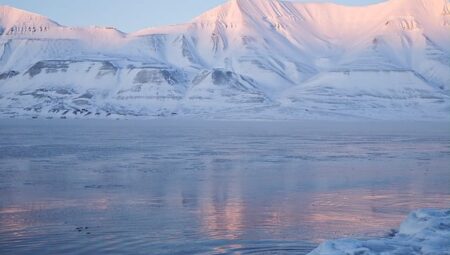
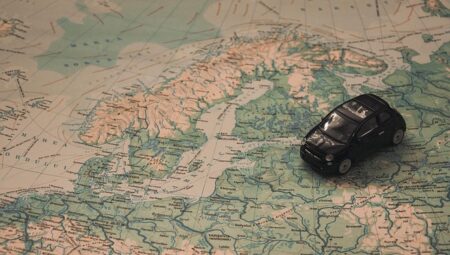
Think about it: each river and lake has its own story, every ripple a whisper from the past. The Sami have lived in tune with these waters for centuries, relying on them for fishing, drinking, and even transportation. It’s like they’ve woven their lives into the very fabric of the landscape. When they fish in these icy waters, it’s more than just a meal; it’s a connection to their ancestors, a tradition passed down through generations.
Moreover, these lakes and rivers are bursting with biodiversity, serving as home to countless species. For the Sami, the health of these waterways is essential. They understand the vital role these ecosystems play, much like a heartbeat for a living being. Climate change, though, has started to threaten this delicate balance, causing concern. Can you imagine losing a part of your identity? That’s what many Sami feel as shifts in weather patterns and water levels pose challenges to their way of life.
Flow of Tradition: How Arctic Rivers and Lakes Shape Sami Cultural Identity
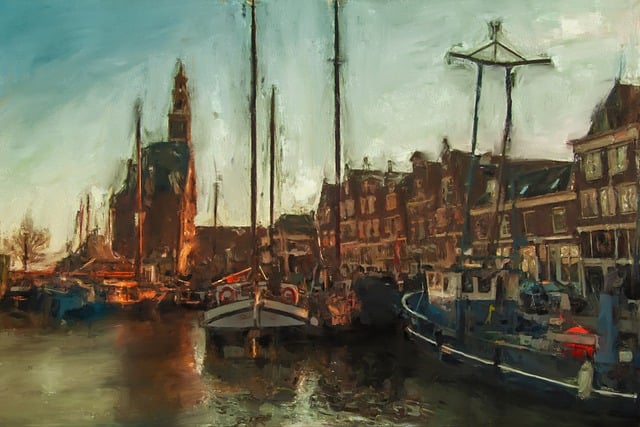
Just think about it: rivers are more than just channels of water. For the Sami, these waterways are like the veins of their heritage, carrying stories and traditions as they wind their way through the landscape. Each bend and ripple holds ancestral knowledge, teaching the Sami about fishing, hunting, and seasonal rhythms. How amazing is it that a simple act of casting a net or gathering around a fire can connect generations, bridging the gap between past and present?
The lakes, too, play a starring role. They serve as communal gathering spots where families come together, sharing meals and laughter while creating bonds as strong as the Arctic ice. It’s as if the shimmering surface reflects not just the sky but the spirit of togetherness that defines Sami culture. Can you picture families telling stories around a campfire, the flickering flames dancing to the rhythm of ancient tales?
Beyond Borders: The Sami’s Spiritual Connection with the Arctic Waters
The Arctic waters are more than just a backdrop for their lives; they’re woven into the very fabric of Sami culture and spirituality. These waters are viewed as living entities, offering sustenance and joy. Can you picture the Sami guiding their reindeer across the icy landscapes, or casting their nets into the crystal-clear depths? Every ripple tells a story—a legacy of hunting, fishing, and respect for nature.
But it’s not just about survival; it’s about reverence. The Sami have rich spiritual traditions that celebrate the spirit of the water, believing it holds ancient wisdom. It’s like how we cherish grandmother’s old stories—full of lessons and love. They recognize that each wave carries echoes of their ancestors, who navigated these waters long before modern technologies took over.
There’s something magical about seeing how the Sami incorporate these beliefs into their daily rituals, transforming simple acts into sacred experiences. Whether it’s through traditional songs or seasonal festivals, they honor the waters, reminding us all of our responsibility to protect what gives us life. So, next time you’re near a body of water, stop for a moment. Listen closely. You might just catch a whisper of that deep, spiritual connection that transcends borders, joining us all in an intricate dance with nature.
The Heart of the Arctic: Sami Communities Advocate for River Conservation
You see, the Sami don’t just see the rivers as flowing water; they perceive them as lifelines. They’re like veins that pump life into the environment, nurturing the various species that call the Arctic home. But here’s the catch: these pristine waters are facing threats from climate change and industrial projects. The Sami have stepped up, sounding the alarm and advocating for river conservation like guardians of their heritage.
Picture a group of passionate individuals standing together, their voices echoing against the backdrop of towering snow-capped mountains. They’re not just battling for fish populations; they’re fighting for future generations to enjoy the same rights to their rivers. It’s a bit like trying to protect a treasured family recipe—if you let it fade away, you lose a piece of who you are.
Their advocacy isn’t just vocal; it’s rooted in practical knowledge passed down through centuries. Sami elders share stories of how overfishing and pollution have changed the landscape. It’s a tale that resonates with anyone who’s watched their hometown evolve in ways they never intended. By pushing for sustainable practices, the Sami are crafting a path toward healing, ensuring that the rivers continue to flow with life.
Echoes of the Past: Sami Stories Woven into the Fabric of Arctic Lakes
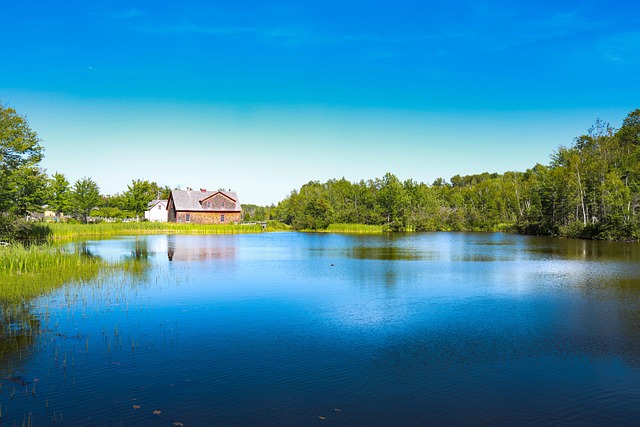
Have you ever considered how a place can hold memories? For the Sami, every lake is a living narrative, a storyteller whispering the echoes of the past. These waters bear witness to the resilience and spirituality of a people whose identity is intertwined with nature. Imagine sitting by a serene lake, listening to an elder recount how reindeer herding isn’t just a job; it’s a way of life steeped in history. It’s akin to reading a well-worn book where each chapter reveals a new layer of existence, and you become part of the unfolding story.
The Sami tales often feature the enigmatic forces of nature. They tell of mythical creatures lurking beneath the water’s surface, guardians of the lakes that teach respect for the environment. This is more than folklore; it’s a blueprint for living harmoniously with nature. When you delve into these stories, you find yourself pondering: how do we honor these sacred spaces in our modern world?
Just as a quilt gathers patches of different colors, the Sami stories create a rich tapestry of culture and tradition, reminding us that the past isn’t lost—it’s alive in the smiles of the Sami and the whispers of the Arctic breeze. Each visit to these lakes is an invitation to connect with that profound legacy, assuring us that the echoes of the past continue to shape our present.
Navigating Change: The Impact of Climate Change on Sami Access to Freshwater Resources
As the climate warms, glaciers that once formed the lifeblood of rivers are shrinking. Picture a water fountain slowly running dry—it’s the same picture for the Sami communities dependent on these glacial streams for sustenance. Altered precipitation patterns mean that rivers that used to swell with fresh water during the melt are now uncertain, sometimes flooding and sometimes parched. How can a community thrive when the very source of life teeters on the brink?

Moreover, shifting weather patterns affect fish populations, an essential resource for the Sami. Their traditional fishing practices, passed down through generations, rely on knowledge of how seasons influence aquatic life. With climate change muddling this rhythm, it’s like learning a new song that doesn’t quite fit the melody they’ve known forever.
The impact reaches far beyond immediate access to water; it affects cultural identity and traditional livelihoods. The Sami people have always seen themselves as part of the land—like an intricate tapestry where every thread matters. When climate change pulls at these threads, it unravels the fabric of their existence.
With these changes, it’s essential to rethink how resources are managed. Collaboration between indigenous voices and policymakers can lead to innovative solutions. The Sami’s resilience and deep connection to the land are vital in navigating these turbulent waters, ensuring their future remains as vibrant as their past.
Frequently Asked Questions
What Traditional Knowledge Do Sami People Have About Arctic Water Bodies?
The Sami people possess profound traditional knowledge about Arctic water bodies, integrating techniques for fishing, hunting, and gathering from these ecosystems. Their understanding includes seasonal patterns, ecological relationships, and sustainable practices that have been passed down through generations, empowering them to manage resources in harmony with the environment.
How Are Sami Fishing Practices Impacted by Climate Change?
Climate change significantly affects Sami fishing practices by altering fish migration patterns, changing water temperatures, and affecting ice cover. These environmental shifts can lead to reduced fish stocks, impacting traditional fishing methods and the cultural practices of the Sami. Adaptation strategies are necessary to sustain their livelihoods and maintain cultural heritage.
How Do Sami Communities Rely on Arctic Rivers and Lakes?
Sami communities depend on Arctic rivers and lakes for essential resources such as fish, water, and transportation. These freshwater bodies play a critical role in their traditional lifestyle, supporting subsistence fishing, cultural practices, and providing habitats for wildlife that are integral to their diet and heritage.
How Do Arctic Rivers and Lakes Influence Sami Livelihoods Today?
Arctic rivers and lakes provide essential resources for the Sami people, supporting fishing, reindeer herding, and traditional practices. These water bodies play a crucial role in sustaining biodiversity, offering food sources and facilitating transportation. Their health is vital for maintaining cultural heritage and adapting to climate change, as they influence seasonal patterns and the availability of natural resources.
What Cultural Significance Do Arctic Waterways Hold for the Sami?
Arctic waterways are vital for the Sami, serving as traditional routes for transportation, fishing, and gathering resources. They play a key role in maintaining cultural practices, fostering community identity, and preserving the Sami’s connection to their ancestral lands. These waterways are crucial for sustenance and cultural heritage, reflecting the deep bond between the Sami people and their environment.