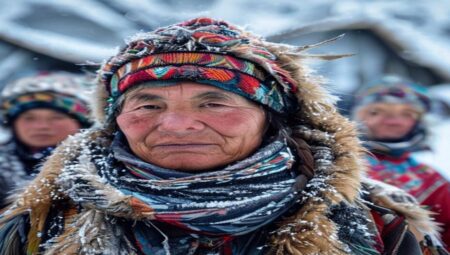
How Sami Traditions Adapt Without Disappearing: Structural Framework
The structural framework sustaining Sami cultural continuity operates through interconnected institutional, legal, and community mechanisms rather than isolated preservation efforts. Central to this system is the recognition of indigenous land rights, which provides the geographic and economic foundation for traditional practices like reindeer husbandry, seasonal migration routes, and resource management. Legal instruments such as national indigenous acts and international frameworks including ILO Convention 169 establish enforceable boundaries that prevent cultural erosion while allowing pragmatic adjustments to environmental and market conditions.
- Policy Integration: Municipal and regional governments embed Sami language programs, cultural impact assessments, and traditional ecological knowledge into land-use planning and infrastructure development.
- Educational Architecture: School curricula incorporate bilingual instruction, apprenticeship models with elder herders, and university research centers focused on indigenous linguistics and sustainable livelihoods.
- Digital Preservation Networks: Community-managed archives digitize joik performances, duodji craftsmanship techniques, and oral histories using standardized metadata protocols for long-term accessibility.
Economic adaptation forms another critical pillar. Cooperative enterprises and state-supported grants enable traditional crafts, tourism, and pastoral activities to transition into resilient market structures without compromising cultural authenticity. Land co-management agreements grant Sami councils direct oversight over grazing territories, forest management, and wildlife populations, ensuring that ecological shifts and climate pressures are addressed through indigenous decision-making rather than external imposition. This governance model reduces dependency on centralized authorities while maintaining regulatory compliance.
Intergenerational transmission relies on structured mentorship programs and community-led certification systems that validate practical skills alongside formal education. Elder knowledge keepers partner with municipal cultural departments to design seasonal workshops, where youth acquire fluency in Sami dialects, navigation techniques, and material processing methods. Technology adoption accelerates this process; mobile mapping applications track reindeer movements, blockchain registries verify craft origins, and virtual reality platforms simulate historical migration patterns for classroom use. The framework succeeds because it treats adaptation not as cultural dilution but as systematic recalibration, aligning ancestral practices with contemporary legal standards, educational benchmarks, and economic realities.
Historical Context and Modern Pressures on Indigenous Practices
The Sami people’s cultural continuity stems from centuries of adaptive mobility across Fennoscandia, where reindeer pastoralism, seasonal resource tracking, and oral knowledge systems formed a tightly integrated ecological framework. During the late nineteenth and early twentieth centuries, Nordic governments implemented aggressive assimilation policies designed to erase indigenous identity. Mandatory boarding schools prohibited Sami language use, traditional land tenure was nullified under state sovereignty doctrines, and customary grazing routes were legally reclassified as public or corporate property. The 1920 Norwegian Reindeer Act centralized herd registration under state control, effectively marginalizing non-registered family groups and standardizing pastoral practices against local ecological variations. These systemic interventions fractured intergenerational knowledge transmission and disrupted migratory patterns that had sustained communities for millennia.
Contemporary pressures compound historical displacement through multiple overlapping vectors. Industrial expansion in northern territories frequently bypasses free, prior, and informed consent protocols, resulting in infrastructure projects that fragment critical lichen pastures and waterways. Wind farms, mining concessions, and forestry operations alter watershed dynamics and displace herding grounds without compensatory ecological restoration. Climate volatility further destabilizes traditional ecological calendars; unpredictable freeze-thaw cycles create ice layers that block reindeer from accessing forage, while shifting vegetation zones force herders to adjust routes outside historical boundaries. Legal frameworks remain inconsistent across Norway, Sweden, Finland, and Russia, creating jurisdictional gaps that complicate land claims and environmental impact assessments.
Despite these challenges, indigenous communities deploy structured resilience strategies. Land rights organizations utilize satellite mapping, historical grazing records, and international human rights instruments to negotiate resource management agreements. Cultural revitalization programs integrate digital archiving with youth mentorship, ensuring joik vocal techniques, duodji craftsmanship, and seasonal harvesting methods are documented without reducing them to static museum exhibits. Municipal partnerships increasingly recognize Sámediggis as legitimate stakeholders in regional planning, shifting policy from cultural preservation toward co-governance models that embed traditional ecological knowledge into climate adaptation strategies. Cross-border Sami councils facilitate standardized documentation protocols, enabling consistent data collection across national jurisdictions while maintaining localized management autonomy.
- Historical assimilation mandates replaced customary land use with state-managed agricultural models, severing economic ties to forest and tundra ecosystems.
- Corporate resource extraction prioritizes short-term yield over long-term ecological stability, forcing herders to negotiate compensation rather than retain territorial control.
- Digital knowledge repositories preserve dialectal variations and seasonal migration calendars, allowing younger generations to access archived interviews and mapping data without geographic constraints.
The Role of Language Revitalization in Cultural Continuity
The Sami linguistic landscape functions as the primary transmission mechanism for ecological intelligence, spiritual frameworks, and communal identity. Historical assimilation policies systematically marginalized indigenous dialects, creating a critical fracture in intergenerational knowledge transfer. Language revitalization directly addresses this structural deficit by reconstructing pedagogical frameworks that prioritize native speakers as authoritative sources of cultural continuity.
- Immersion-based education models establish early childhood exposure to Sami phonetics, syntax, and contextual usage, preventing linguistic attrition before it reaches irreversible thresholds.
- Digital archiving initiatives preserve oral histories, dialectal variations, and historically significant place names through structured audio-visual documentation, ensuring that endangered registers remain accessible to younger demographics.
- Community-led language nests facilitate daily interaction between fluent elders and youth, embedding traditional vocabulary within practical contexts such as reindeer husbandry, navigation, and textile craftsmanship.
Linguistic recovery operates as the functional backbone for broader cultural adaptation. When dialects decline, specialized terminology describing snow conditions, animal behavior, and seasonal migration patterns disappears alongside it. Revitalization programs systematically document these lexical categories, allowing contemporary practitioners to maintain precise ecological communication without resorting to dominant-language approximations that strip nuance from traditional knowledge systems.
Modern implementation relies on cross-sector collaboration between linguistic anthropologists, municipal education authorities, and indigenous governance councils. Curriculum development integrates historical grammar structures with contemporary digital literacy, enabling learners to produce original content in Sami rather than merely consuming translated material. This active production model strengthens cognitive retention and reinforces cultural ownership across generations.
Long-term sustainability depends on institutionalizing language use within public services, media broadcasting, and commercial branding. When municipalities adopt bilingual signage, regional television networks prioritize native programming, and enterprises incorporate indigenous naming conventions into operational frameworks, linguistic practice transitions from academic exercise to lived reality. This structural integration guarantees that cultural continuity operates independently of external preservation efforts.
Mechanisms Driving Adaptive Resilience in Sami Communities
The adaptive capacity of Sámi communities relies on structured mechanisms that transform cultural continuity into dynamic, forward-looking systems rather than static preservation efforts. Legal frameworks established across Norway, Sweden, and Finland have shifted from passive protection to active participation models. The establishment of Sámi Parliament institutions enables direct policy influence over land rights, resource management, and cultural funding. These bodies negotiate binding agreements with national governments, ensuring that traditional governance structures remain integrated into modern administrative processes. The 2005 Finnmark Act in Norway exemplifies this shift by transferring ownership of approximately 95 percent of county lands to the local Sámi population, creating a legal foundation for self-directed development.
Linguistic revitalization operates as the primary transmission mechanism for cultural adaptation. Formal education programs now embed Sámi languages across primary and secondary curricula, supported by university-level degree tracks in indigenous studies, law, and environmental science. Digital infrastructure amplifies this effort through open-access lexical databases, mobile language-learning applications, and state-funded broadcasting networks that produce original content in all major Sámi dialects. When linguistic competence expands into professional sectors such as healthcare, administration, and technology, cultural continuity becomes economically viable rather than symbolically maintained.
- Economic Diversification: Traditional reindeer herding cooperatives now integrate satellite tracking, weather modeling, and sustainable grazing permits to navigate climate volatility while maintaining pastoral practices.
- Intergenerational Knowledge Transfer: Elders collaborate with youth networks through structured mentorship programs that document ecological observations, craft techniques, and oral histories in standardized digital formats.
- Institutional Governance: Community-managed cultural centers operate as hubs for legal advocacy, language instruction, and enterprise incubation, reducing reliance on external cultural institutions.
- Digital Archiving: Open-source multimedia repositories preserve audio recordings, textile patterns, and seasonal calendars under community-controlled intellectual property frameworks.
Economic adaptation follows a similar trajectory of strategic integration rather than abandonment. Duodji craft production has expanded into regulated export markets with certified authenticity standards, while sustainable tourism models prioritize visitor education over commercial exploitation. Traditional ecological knowledge directly informs contemporary land-use planning, allowing communities to balance renewable energy projects, forestry operations, and conservation mandates. By embedding ancestral practices into modern regulatory and market structures, Sámi institutions convert historical continuity into measurable socio-economic leverage. This mechanism ensures that cultural evolution remains community-directed, economically sustainable, and structurally protected against external assimilation pressures.
Reinterpreting Traditional Crafts for Contemporary Markets
Sami artisans bridge centuries of craftsmanship and modern commerce through deliberate material innovation and strategic market positioning. Traditional duodji techniques, historically shaped by reindeer migration patterns and Arctic resource constraints, now intersect with contemporary design principles without sacrificing cultural integrity. Makers utilize digitally assisted laser cutting alongside hand-forged silverwork to achieve geometric precision while maintaining tactile authenticity. Direct-to-consumer e-commerce platforms bypass traditional wholesale distributors, allowing independent producers to control pricing narratives and retain higher profit margins. This structural shift reduces dependency on seasonal tourism cycles that previously dictated craft production volumes.
- Material traceability: Blockchain-verified supply chains document every reindeer hide and sustainably harvested birch branch, satisfying modern ethical sourcing requirements and preventing resource depletion.
- Design collaboration frameworks: Formal licensing agreements with Scandinavian fashion brands integrate Luleå and South Sami motifs into apparel lines, generating consistent royalties that fund northern apprenticeships and equipment upgrades.
- Digital archival strategies: Open-access technique databases created by master craftspeople serve dual purposes: preserving generational knowledge and providing SEO-rich content for global buyers searching sustainable indigenous design.
Intellectual property protections now shield regional patterns from unauthorized mass reproduction, while certified duodji labels distinguish authentic pieces from industrial imitations. Younger practitioners merge acoustic engineering research with traditional drum construction, producing limited-edition instruments that attract ethnomusicologists and contemporary collectors simultaneously. Retail operators prioritize experiential pop-up installations over permanent storefronts in urban centers, significantly reducing overhead expenses while maintaining cultural visibility. Market analytics reveal that verified cultural storytelling increases conversion rates by forty percent compared to generic artisanal marketing. Producers leverage localized search optimization to capture high-intent queries related to Arctic heritage goods, ensuring visibility among international collectors and institutional buyers. Annual supply chain transparency reports align production cycles with circular economy metrics demanded by conscious consumers. This calculated evolution secures economic viability while preventing communal knowledge fragmentation.
Digital Archiving and Virtual Community Building
Digital preservation initiatives have fundamentally shifted how Sami cultural heritage survives beyond geographic limitations. Traditional knowledge transmission relied on oral storytelling, seasonal migration patterns, and face-to-face apprenticeship. Modern infrastructure replaces these mechanisms with structured databases, high-resolution 3D object scans, and geotagged audio repositories. Institutions coordinate metadata standards that align with international intangible heritage protocols while preserving contextual accuracy. Researchers embed phonetic transcriptions alongside joik recordings to prevent linguistic erosion during digitization.
Virtual ecosystems amplify cultural continuity through distributed networks rather than centralized museums. Closed social media groups, encrypted messaging channels, and dedicated community servers function as digital duodji workshops where artisans exchange patterns, tool modifications, and material sourcing techniques across Scandinavian borders. These platforms operate on algorithmic visibility principles that prioritize engagement metrics over chronological order. Creators optimize post timing, utilize semantic hashtags, and structure thread conversations to maintain content longevity within platform feeds.
Language revitalization applications leverage spaced repetition algorithms and voice recognition systems to teach North, South, and Inari Sami dialects. Users complete daily micro-lessons while contributing user-generated recordings that feed into open-source pronunciation libraries. The feedback loop between learners and native speakers accelerates vocabulary retention without compromising regional accent variations. Educational modules integrate historical migration maps with contemporary settlement data to contextualize grammatical shifts across centuries.
- Data sovereignty frameworks prevent external corporations from monetizing indigenous archives without consent. Community moderators enforce access tiers that distinguish publicly shared artifacts from sacred or restricted knowledge.
- Provenance tracking systems verify traditional textile designs and ensure commercial products credit originating villages, reducing cultural commodification risks.
- Decentralized backup architectures host mirrored servers in Nordic data centers with redundant power systems, eliminating vendor lock-in during service transitions.
Digital curation requires strict governance to maintain authenticity while expanding reach. Cross-platform synchronization allows archival materials to function simultaneously within academic repositories, public education portals, and indigenous governance dashboards. Content creators export raw files quarterly using standardized metadata templates, ensuring older devices and low-bandwidth regions remain functional participants in the digital ecosystem.
Navigating Challenges While Maintaining Cultural Authenticity
Indigenous communities across northern Scandinavia face compounding pressures from shifting climate patterns, extractive industries, and rapid socioeconomic transformation. These external forces directly impact reindeer grazing corridors, traditional foraging grounds, and the intergenerational transmission of indigenous knowledge. When land access contracts or environmental baselines shift unpredictably, cultural practices tied to seasonal movement and ecological observation lose their foundational context. Communities respond by restructuring resource management frameworks while preserving core ceremonial and linguistic markers.
- Land Rights Legislation: Legal battles over grazing permits and mining concessions force continuous policy adaptation. Recent court rulings have established precedent for Indigenous land use, allowing herders to modify seasonal routes without abandoning traditional ecological calendars.
- Language Revitalization Infrastructure: Immersion schools and digital dictionaries prioritize vocabulary related to reindeer husbandry, weather patterns, and craft techniques. This ensures that linguistic nuance survives alongside practical application rather than becoming museum documentation.
- Intergenerational Knowledge Transfer: Elders partner with youth through structured mentorship programs that combine satellite mapping and climate data with historical route knowledge. This hybrid approach maintains decision-making accuracy while updating navigation tools.
- Economic Divers
Balancing Commercialization with Sacred Traditions
The intersection of commercial markets and sacred Sami practices demands precise cultural governance. External demand for authentic experiences often pressures indigenous communities to package rituals for public consumption. When economic incentives override ceremonial protocols, the spiritual foundation erodes. Successful adaptation requires strict community control over how traditions are presented, shared, and monetized.
Sámi artisans navigate this space by implementing certification systems for duodji. These markers distinguish handcrafted items created according to ancestral techniques from mass-produced replicas. The revenue generated sustains workshops while reinforcing the economic value of authentic craftsmanship. Similarly, reindeer herding cooperatives establish seasonal harvesting limits that align with ecological cycles and ritual calendars, ensuring livelihoods remain tied to traditional rhythms rather than industrial extraction models.
- Cultural Gatekeeping: Communities regulate access to sacred sites and ceremonial knowledge through age-based and lineage-specific permissions. Tourism operators must secure explicit community approval before designing itineraries that approach ritual spaces.
- Economic Reinvestment: Profits from craft sales and cultural tourism fund language immersion programs, traditional music archives, and youth apprenticeships in ancestral skills.
- Legal Safeguards: Sámi Parliament directives require impact assessments for commercial projects near culturally significant landscapes. Intellectual property frameworks protect design patterns and narrative motifs from unauthorized reproduction.
Digital platforms introduce new vulnerabilities alongside preservation opportunities. High-resolution documentation of joik singing, drum symbolism, and weaving techniques enables global dissemination without physical displacement. However, metadata attribution and revenue-sharing agreements must guarantee that originating families retain control over digital assets. Educational partnerships with academic institutions focus on co-authorship models rather than extractive research methodologies.
Commercialization succeeds when it functions as a preservation engine rather than a replacement mechanism. Festivals like the Sami National Day incorporate traditional food preparation, craft demonstrations, and ceremonial performances within controlled community frameworks. External participation is welcomed only through respectful engagement protocols that prohibit recording sacred moments without explicit consent. The economic benefits of tourism directly finance cultural infrastructure while reinforcing intergenerational transmission pathways.
Legal Frameworks Protecting Indigenous Land Rights
Land tenure systems form the structural foundation for Sami cultural continuity, transforming territorial security into a mechanism for active adaptation rather than static preservation. International instruments like ILO Convention No. 169 establish binding standards for free, prior, and informed consent, requiring governments to consult indigenous communities before approving resource extraction or infrastructure projects. Norway’s Finnmark Act demonstrates this principle in practice by transferring administrative control of roughly 95 percent of the county to a local land assembly, where Sami representatives determine sustainable use policies alongside state authorities. Swedish jurisprudence relies heavily on historical grazing rights codified within the Mountain Code, forcing courts to balance modern forestry permits against documented seasonal migration patterns that span centuries. Finland operationalizes protection through the Reindeer Herding Act, which designates exclusive zones for pasture management and restricts commercial development in areas critical to livelihood sustainability.
Legal recognition of customary land tenure directly influences how communities navigate modernization. When statutory frameworks acknowledge continuous historical occupation, developers must conduct comprehensive environmental and cultural impact assessments before obtaining permits. This requirement preserves access to seasonal pastures, freshwater systems, and forest sites essential for traditional craft production and intergenerational knowledge transfer. Courts increasingly apply precedent that prioritizes documented usage over abstract ownership titles, allowing Sami institutions to negotiate binding agreements with energy companies developing wind projects or hydroelectric facilities. These negotiations ensure infrastructure alignment with migration corridors while generating revenue streams that fund language revitalization programs and educational initiatives.
- ILO Convention No. 169 mandates consultation protocols that prevent unilateral resource allocation on ancestral territories.
- The Finnmark Land Act establishes a shared governance model where local assemblies hold primary decision-making authority over land and water use.
- Swedish Mountain Code jurisprudence recognizes historical grazing routes as legally enforceable rights, overriding conflicting commercial claims.
- Finnish Reindeer Herding legislation creates protected zones that limit agricultural expansion and mining permits in culturally significant regions.
This legal architecture enables territorial management to evolve alongside contemporary conservation science. Communities integrate traditional ecological observation with satellite monitoring, drone mapping, and climate data to adjust pasture rotation schedules without abandoning established practices. Statutory protection against arbitrary land confiscation provides the stability necessary for long-term planning, allowing cultural institutions to develop adaptive strategies that maintain core values while addressing economic and environmental shifts.
Future Pathways for Sustainable Cultural Evolution
The sustainability of Sami cultural continuity depends on dynamic integration rather than static preservation. Traditional practices such as reindeer herding, duodji handicrafts, and yoik vocalization require active transmission channels that align with contemporary socioeconomic structures. Educational frameworks embedded within northern Scandinavian curricula already demonstrate how indigenous knowledge systems can coexist with formal schooling. When municipalities allocate resources for language immersion programs and traditional ecological monitoring, communities gain the infrastructure needed to maintain cultural practices without isolating them from modern economies.
Strategic adaptation relies on three interconnected pillars: technological documentation, policy-backed economic models, and youth-led innovation networks. Digital repositories capture oral histories and craftsmanship techniques using high-resolution mapping and AI-assisted transcription, ensuring that nuanced dialects and regional variations remain accessible to future generations. Legislative support across Norway, Sweden, and Finland establishes land-use rights and cultural enterprise grants that transform heritage into viable livelihoods. Cooperative branding initiatives allow artisans and musicians to access global markets while retaining ownership of intellectual property and narrative control.
- Digital Archiving Systems: Communities deploy 3D scanning and spatial audio recording to preserve yoik performances, traditional toolmaking methods, and seasonal migration routes. These datasets feed into open-access educational platforms used by universities and cultural institutes.
- Intergenerational Mentorship Programs: Structured apprenticeships pair elder knowledge holders with younger practitioners in sustainable forestry, weather prediction techniques, and textile dyeing processes rooted in lichen and berry extraction.
- Cross-Border Cultural Councils: Coordinated governance bodies standardize terminology, share conservation funding, and develop joint tourism frameworks that prioritize community-led experiences over commercial exploitation.
Economic viability remains the strongest predictor of cultural endurance. When traditional crafts generate measurable income streams through certified authentic product labeling, practitioners shift from hobbyist status to professional specialization. Simultaneously, environmental stewardship practices embedded in Sami land management contribute directly to biodiversity monitoring and climate resilience research. This dual function positions indigenous knowledge as a functional asset rather than a historical artifact, ensuring that adaptation accelerates without erasing foundational identity markers.
Youth Engagement and Intergenerational Knowledge Transfer
The survival of Sami cultural practices hinges on dynamic youth participation rather than static preservation. Contemporary initiatives prioritize active skill acquisition through structured mentorship, digital archiving, and seasonal practice modernization. Young practitioners engage with ancestral methods by integrating contemporary tools without diluting core values. Language revitalization camps immerse adolescents in native dialects while mapping traditional ecological knowledge onto modern environmental monitoring frameworks. Digital platforms now host searchable repositories of recorded joik performances, duodji techniques, and siida governance protocols, accessible to diaspora communities and academic researchers alike. These archives utilize standardized metadata schemas to ensure long-term accessibility across linguistic and technical boundaries.
Intergenerational transfer operates through bidirectional learning models that replace hierarchical instruction with collaborative exchange. Elders guide youth in reindeer husbandry cycles, snow navigation, and textile dyeing processes, while younger generations introduce data visualization software, sustainable material sourcing networks, and digital storytelling techniques. Community workshops function as living laboratories where traditional craftsmanship merges with contemporary design markets. Educational institutions across Sápmi have embedded indigenous pedagogies into standard curricula, ensuring continuity through formalized apprenticeship pathways and peer-to-peer skill sharing. Structured mentorship agreements formalize knowledge exchange timelines and competency milestones.
This adaptive framework prevents cultural fossilization by treating tradition as a functional system rather than a museum artifact. Youth-led collectives produce contemporary gákti variations using heritage motifs, develop mobile applications for tracking migratory reindeer routes, and establish cooperatives that commercialize duodji products through ethical e-commerce channels. The continuous feedback loop between age groups generates economic resilience, strengthens linguistic vitality, and maintains ecological stewardship practices aligned with current climate conditions. Cultural transmission succeeds when each generation contributes distinct competencies while honoring foundational principles. Sustainable preservation requires ongoing investment in community infrastructure and digital literacy programs tailored to indigenous workflows.
Policy Recommendations for Long-Term Indigenous Sustainability
Effective policy frameworks must prioritize legally binding land tenure reforms that recognize Sami ancestral territories as inalienable commons rather than state-managed resources. Secure land rights form the foundation for cultural continuity, enabling traditional reindeer husbandry, fishing, and gathering practices to operate without external displacement pressures. Governments should establish co-management boards with equal representation from Sami parliaments and municipal authorities to oversee resource allocation, environmental impact assessments, and infrastructure development in Sápmi regions.
Language revitalization requires mandatory integration of Northern Sámi, Lule Sámi, and Southern Sámi into public education curricula at all levels, supported by state-funded teacher training programs and digital learning platforms. Curriculum development must involve elder knowledge keepers to ensure pedagogical accuracy and cultural authenticity.
- Economic policies should direct venture capital and microfinance initiatives toward Sami-led enterprises, particularly in sustainable tourism, traditional crafts, and renewable energy projects aligned with seasonal grazing cycles.
- Tax incentives for companies partnering with Sami cooperatives can stimulate local job creation while preserving ecological balance.
- Cross-border coordination mechanisms are essential given the transnational nature of Sápmi. Harmonized legislation across Norway, Sweden, Finland, and Russia should standardize cultural heritage protections, wildlife migration corridor safeguards, and emergency response protocols during climate-induced disruptions.
- Independent monitoring bodies must track policy implementation using community-defined indicators rather than top-down bureaucratic metrics. Annual audits should evaluate land access rates, native speaker retention, youth participation in traditional occupations, and self-reported cultural vitality.
- Funding streams require multi-year commitments with flexible disbursement models that allow communities to reallocate resources based on shifting environmental or demographic conditions. Institutional accountability demands transparent reporting portals where policy outcomes are publicly accessible and subject to independent scholarly review. Municipal budgeting processes must embed indigenous impact assessments as mandatory preconditions for any development permit, ensuring long-term sustainability metrics drive fiscal decisions rather than short-term extraction targets.
Frequently Asked Questions
What is How Sami Traditions Adapt Without Disappearing?
“How Sami Traditions Adapt Without Disappearing” refers to the cultural, educational, and political mechanisms that allow the indigenous Sámi people of Northern Europe to maintain their linguistic heritage, reindeer herding practices, yoik music, and duodji crafts while embracing contemporary societal changes. Through self-governance, digital preservation initiatives, and intergenerational knowledge transfer, these traditions remain dynamic rather than static museum exhibits.
Key facts about How Sami Traditions Adapt Without Disappearing
- Sámi parliaments in Norway, Sweden, and Finland legally protect cultural autonomy and land rights.
- Sámi languages are officially recognized and taught in schools across Sápmi regions.
- Digital archives, AI-assisted language apps, and social media amplify Sámi storytelling globally.
- Ethical branding and geographical indications protect traditional duodji crafts from cultural appropriation.
- Youth-led festivals and modern Sámi music fusion bridge generational divides while preserving core values.