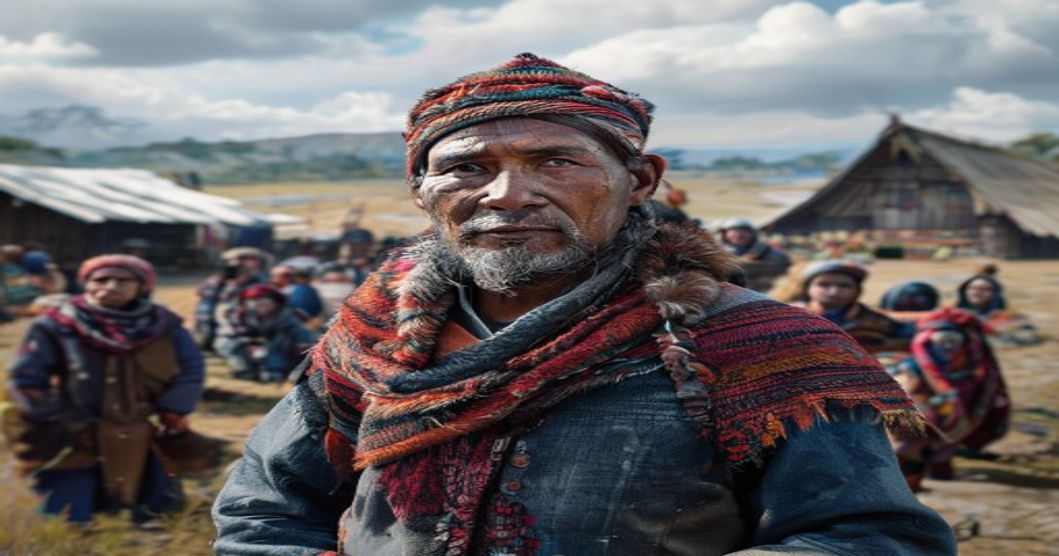
The Evolution of the Modern Sámi Economic Landscape
The Modern Sámi Economy has transitioned from a historically subsistence-based system to a complex, multi-sectoral framework that balances cultural preservation with contemporary market demands. Spanning across Norway, Sweden, Finland, and Russia, this economic model leverages indigenous governance structures, cross-border policy coordination, and targeted regional development grants. The foundation of Sámi economic development relies on transforming traditional knowledge into scalable commercial assets while maintaining strict environmental stewardship.
Traditional Livelihoods in a Contemporary Context
Reindeer husbandry, fishing, and seasonal hunting remain the cultural backbone of Sápmi, yet modern operations utilize GPS telemetry, drone monitoring, and blockchain-tracked supply chains to optimize herd management and resource allocation. Climate volatility has forced adaptive migration patterns, prompting the integration of meteorological data with ancestral weather forecasting. These technological synergies reduce operational costs and increase yield stability for Sámi employment in rural cooperatives.
Shift Toward Diversified Income Streams
Economic diversification is driven by European Union LEADER programs, national indigenous policy reforms, and strategic public-private partnerships. Municipalities are actively redirecting subsidies toward knowledge-intensive sectors, including renewable energy microgrids, data center development in geothermal zones, and digital content creation. This structural pivot reduces dependency on volatile commodity markets while establishing resilient revenue pipelines for remote communities.
Employment Dynamics and Workforce Development
The labor market within Sápmi exhibits distinct characteristics shaped by demographic distribution, linguistic requirements, and specialized industry demands. Sámi employment opportunities are increasingly concentrated in administrative, educational, and cultural sectors, though private sector participation continues to expand through targeted startup incubators.
Public Sector and Administrative Roles
Government institutions, including Sámi parliaments, regional development boards, and bilingual municipal services, serve as primary employers. These organizations require fluent professionals in North, South, and Eastern Sámi dialects alongside administrative expertise. Civil service positions mandate strict compliance with indigenous language legislation, creating stable, long-term career pathways for degree-holding locals.
Private Sector Integration and Indigenous Entrepreneurship
Sámi-led enterprises are rapidly penetrating technology, logistics, and sustainable resource management markets. Venture funding mechanisms specifically designed for indigenous founders have lowered capital barriers, enabling the launch of fintech platforms, cold-chain distribution networks, and eco-material manufacturing units. These ventures prioritize profit reinvestment into community infrastructure rather than external shareholder extraction.
Education, Training, and Skill Alignment
Vocational academies and Sámi higher education institutions align curricula with market needs through apprenticeship pipelines and industry-certified modules. STEM programs incorporate indigenous ecological research methodologies, while business degrees emphasize cooperative ownership models. Continuous upskilling initiatives address digital literacy gaps, ensuring the workforce remains competitive in automated and remote-operated industries.
Sámi Tourism as an Economic Catalyst
The Sámi tourism industry has evolved from passive cultural exhibitions into immersive, high-value experiential travel. Visitors increasingly seek authentic wilderness interactions, linguistic workshops, and sustainable accommodation models that directly support local economies.
Cultural and Eco-Tourism Models
Operators utilize certified low-impact frameworks, including solar-powered lavvu camps, guided reindeer trekking routes with strict herd welfare protocols, and joik performance spaces designed for acoustic preservation. Carrying capacity limits prevent ecological degradation, while seasonal programming mitigates dependency on winter peak months.
Community-Based Revenue Distribution
Tourism cooperatives ensure that guest expenditures circulate within Sápmi through locally owned hospitality networks, regional food supply chains, and artisanal retail partnerships. Profit-sharing agreements mandate that a fixed percentage of booking fees fund language revitalization programs and youth mentorship initiatives.
Seasonality and Infrastructure Constraints
Remote municipalities face persistent challenges regarding high-speed internet reliability, all-weather transportation routes, and standardized health facilities. Strategic public investments in fiber-optic expansion and electrified transit corridors are essential to sustain year-round occupancy rates and attract digital nomad demographics.
Handicrafts: Revitalization and Global Market Integration
Duodji handicrafts represent both cultural heritage and a high-margin export commodity. Artisanal workshops operate under strict material sourcing regulations, utilizing ethically harvested reindeer antler, birch wood, moose leather, and hand-spun wool.
The Economic Significance of duodji
Regional stylistic variations drive product differentiation in international markets. Contemporary artisans adapt traditional geometries for modern utility, creating premium goods ranging from functional outdoor equipment to luxury fashion accessories. This adaptation preserves technical heritage while expanding commercial reach beyond domestic borders.
Certification, Authenticity, and Ethical Sourcing
The official duodji certification process requires rigorous verification of origin, material legality, and maker lineage. Certified products command premium pricing through anti-counterfe
Main Jobs in Sami Communities Today
Reindeer Husbandry and Agricultural Employment
Modern reindeer herding relies on GPS tracking collars and digital mapping to monitor migration corridors across national borders. Herders manage climate-resilient grazing zones while navigating strict veterinary regulations for caribou health monitoring. Cooperatives handle meat processing logistics and distribute products through direct-to-consumer supply chains. European agricultural grants subsidize infrastructure upgrades for winter housing and feed storage facilities.
Indigenous Tourism and Hospitality Operations
Guided expeditions require Sámi cultural interpreter licenses and strict adherence to eco-certification standards. Operators negotiate seasonal labor caps to prevent workforce saturation during peak winter months. Accommodation providers implement revenue-sharing agreements with local land-owning families. Tourism boards enforce carrying capacity limits to protect fragile tundra ecosystems from overuse.
Traditional Crafts and Commercial Design Sales
Artisans must obtain Duodji certification to verify authentic handcrafting methods and material sourcing. Retailers navigate intellectual property protections that restrict unauthorized reproduction of traditional Sámi motifs. Digital storefronts utilize royalty distribution systems to compensate origin communities for commercial licensing. Wholesale distributors coordinate cross-border customs documentation for textile exports and woodwork shipments.
Public Administration and Educational Roles
Civil service positions prioritize Sámi Parliament employment quotas for municipal governance and policy implementation. Educational institutions require bilingual curriculum developers to maintain Sámi University of Applied Sciences accreditation standards. Administrators manage grant allocation workflows for cultural preservation and language revitalization programs. Legal advisors handle land use disputes and indigenous rights litigation on behalf of community stakeholders.
Government Funding and Employment Subsidies
Regional development agencies distribute wage subsidy grants to employers who hire indigenous candidates. Startup programs provide seed capital allocations for community-led commercial ventures and cooperative formations. Compliance officers conduct financial audits to verify that subsidized positions meet local hiring thresholds. Tax incentive structures reward businesses that maintain year-round operations in remote northern municipalities.
Remote Work and Digital Economy Integration
Satellite internet deployments enable digital nomad residency in previously isolated Sápmi villages. Co-working facilities install high-bandwidth fiber connections to support freelance developers and remote consultants. Freelancers navigate tax residency implications when establishing permanent bases in cross-border regions. Platform algorithms prioritize indigenous content creators for specialized e-commerce and consulting marketplaces.
Legal Frameworks and Community Hiring Policies
ILO Convention 169 mandates free prior informed consent for all commercial projects impacting ancestral territories. Municipal hiring policies enforce indigenous employment targets to balance demographic representation across departments. Procurement regulations grant preference scoring to community-owned enterprises during public bidding processes. Legal mediators resolve resource extraction conflicts through structured negotiation protocols and binding arbitration.
Required Skills and Certification Pathways
Vocational centers deliver language proficiency assessments to qualify candidates for bilingual administrative positions. Apprenticeship programs pair young workers with master herders and certified craftspeople for practical skill transfer. Digital literacy courses cover blockchain supply chain tracking and smart contract management for transparent revenue distribution. Continuing education mandates require annual compliance training for all roles handling indigenous cultural data.
Economic Challenges and Sector Forecasting
Climate volatility disrupts permafrost stability and forces herders to relocate grazing pastures at accelerated intervals. Supply chain bottlenecks increase import costs for essential agricultural machinery and veterinary pharmaceuticals. Youth migration trends strain labor retention models across tourism and hospitality sectors. Diversification strategies prioritize carbon credit markets and blue economy initiatives to secure long-term financial stability.
Frequently Asked Questions
What is Main Jobs in Sami Communities Today?
The main jobs in Sami communities today include reindeer herding, fishing, crafting traditional textiles (duodji), tourism guiding, and various roles in education, administration, and cultural preservation.
Key facts about Main Jobs in Sami Communities Today
Reindeer herding remains a central economic and cultural activity; traditional crafts are highly valued and sold globally; tourism focused on Sami culture is growing; modern Sami people work in diverse professional sectors beyond traditional livelihoods; language and cultural revitalization efforts create new opportunities in media and education.