Origins of Sámi Shamanism
The spiritual framework of Sámi shamanism emerged from the ancient hunter-gatherer and reindeer-herding communities that inhabited Sápmi, spanning northern Fennoscandia for millennia. Prior to extensive Christianization efforts in the 17th century, Sámi cosmology was deeply rooted in animism, where every natural element—mountains, rivers, stones, and weather phenomena—possessed a conscious spirit. These early beliefs were not organized into a centralized religion but functioned as a localized, oral tradition passed through generations of spiritual practitioners known as noaidi. The geographical isolation of the Arctic tundra and boreal taiga regions preserved these practices far longer than in southern Europe, allowing Sámi shamanism to develop unique syncretic elements that blended indigenous Nordic mythology with early Uralic spiritual concepts.
Pre-Christian Beliefs and Animist Foundations
Sámi ancestral spirituality operated on a strict ecological reciprocity model. The community did not worship distant deities but engaged in direct negotiation with nature spirits that governed hunting success, reindeer migration patterns, and seasonal fertility. Sacred geography played a central role, with sieidi stones or carved wooden shrines serving as physical portals for spiritual communication. These sites were typically located near waterfalls, prominent rock formations, or ancient birch trees, marking territories where the veil between the human and spirit worlds was considered thin. Early ethnographic records indicate that these beliefs were highly adaptive, shifting alongside reindeer domestication cycles and Arctic climate variations.
The Role of the Noaidi in Ancient Sámi Society
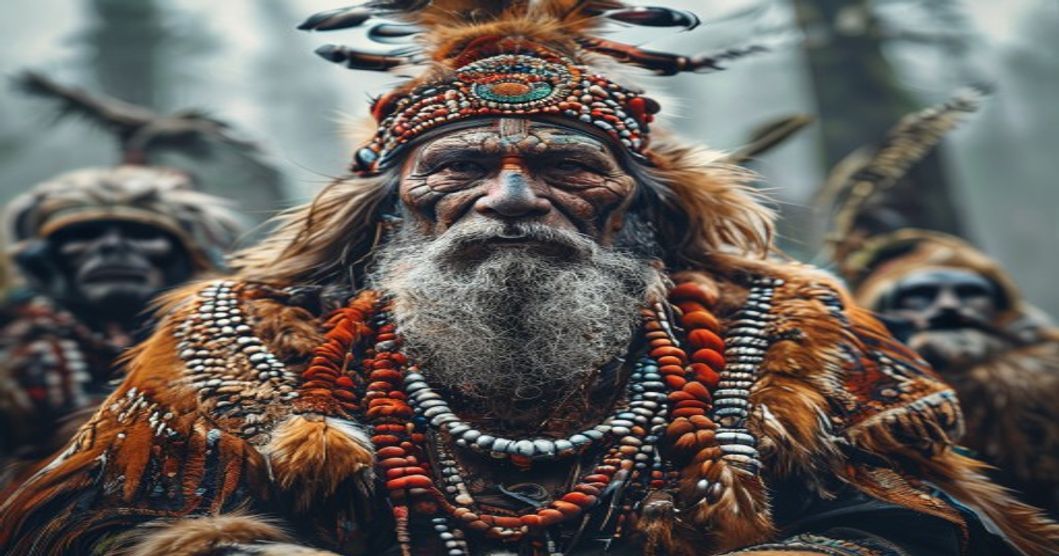
The noaidi functioned as a mediator, healer, and diviner who underwent rigorous apprenticeship to master spiritual navigation. Unlike modern conceptions of shamanism that emphasize trance states alone, the noaidi relied on structured knowledge of celestial movements, animal behavior, and herbal pharmacology. Their authority was not inherited but earned through proven efficacy in healing illnesses, locating lost livestock, and interpreting omens. The community consulted the noaidi during crises such as famine, warfare threats, or sudden environmental shifts. Historical documentation from church records and explorer accounts reveals that noaidi rituals were strictly regulated by communal consensus, preventing spiritual practices from becoming tools of political coercion.
Core Traditions and Cosmological Framework
Sámi cosmology divides existence into three interconnected layers, each governed by distinct spiritual forces and accessible only through specialized ritual preparation. This tripartite structure influenced every aspect of Sámi life, from architectural design to ethical codes regarding resource extraction. The framework was not static but evolved through centuries of cultural exchange with neighboring Finnic and Norse populations, resulting in a highly resilient belief system that maintained its core principles despite external pressures.
The Three Realms of Sámi Cosmology
The upper realm, Alla-Guovllus, housed celestial deities and storm spirits responsible for weather patterns and cosmic balance. The middle realm represented the tangible world of humans, animals, and plants, where daily survival depended on maintaining harmony with local spirit guardians. The lower realm, governed by Eana-Áhčči (Earth Father) and Máttaráhčča (Mother Ancestors), contained subterranean waters, mineral deposits, and the souls of the deceased. Successful shamanic practice required navigating these layers without spiritual contamination, a process achieved through ritual purification, dietary restrictions, and precise use of ceremonial objects.
Spiritual Practices and Daily Rituals
Daily Sámi spirituality integrated seamlessly into economic activities rather than existing as separate religious observances. Hunters performed silent offerings before entering hunting grounds, while herders conducted brief rites at sieidi sites to ensure herd safety during seasonal migrations. The joik tradition served as a primary spiritual technology, functioning not merely as song but as a
Frequently Asked Questions
What is Sami Shamanism History and Traditions?
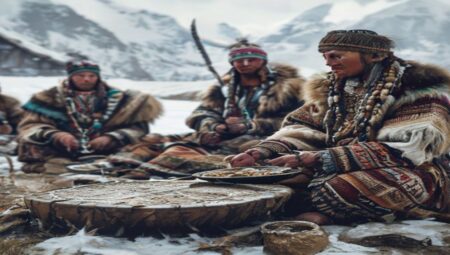
Sami Shamanism History and Traditions refer to the indigenous spiritual practices of the Sami people, who inhabit the northern regions of Norway, Sweden, Finland, and Russia’s Kola Peninsula. Rooted in animism and a deep connection to nature, it involves the use of a shaman (known as a noaidi) who acts as an intermediary between the physical and spiritual worlds. The noaidi used sacred drums, chants, and rituals to heal, predict the future, and communicate with spirits controlling natural forces and reindeer herds.
Key facts about Sami Shamanism History and Traditions
Key facts about Sami Shamanism History and Traditions include: (1) The practice dates back thousands of years, predating Christianization in the region. (2) The noaidi used a sacred drum (goavddis) made of reindeer wood and skin, inscribed with symbolic imagery for divination. (3) Rituals were closely tied to reindeer herding, hunting, and seasonal cycles. (4) Despite centuries of suppression by Christian missionaries, core elements survived and have seen a cultural revival in modern times. (5) The spiritual worldview emphasizes balance, respect for nature, and the interconnectedness of all living things.