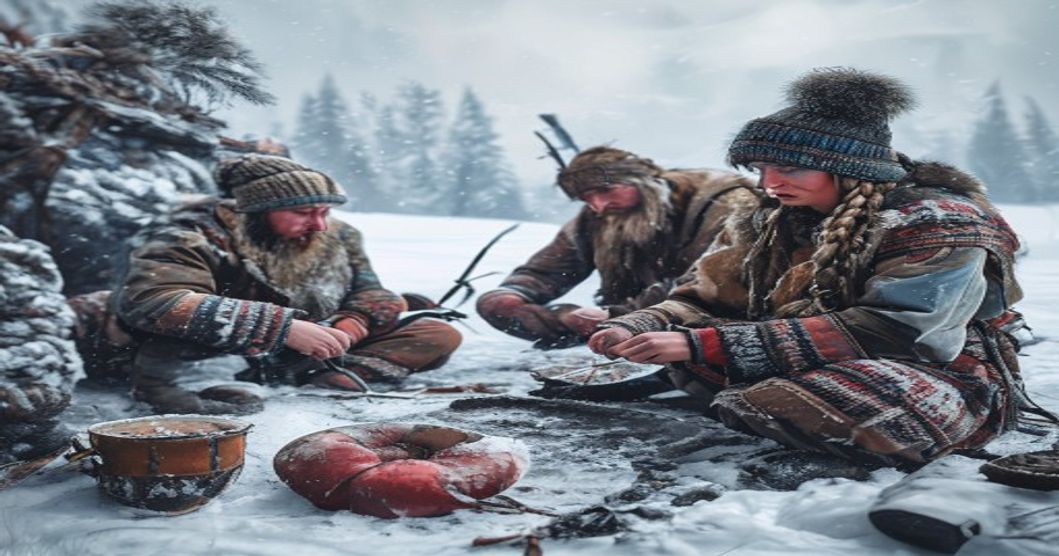
The Sámi Adaptation to Extreme Arctic Winters
The ancient Sámi people developed highly specialized Ancient Sami winter survival strategies through millennia of observation and adaptation across the Fennoscandian tundra. Operating in regions where temperatures regularly dropped below -40°C, their methodologies prioritized thermal regulation, resource conservation, and environmental synchronicity.
Geographic and Climatic Challenges
Northern Scandinavia and the Kola Peninsula present relentless winter conditions characterized by polar nights, blinding snowdrifts, and severe wind chill. The Sámi recognized that survival depended on predicting microclimates and understanding permafrost behavior. They mapped seasonal ice stability across lakes and rivers using traditional knowledge passed through oral tradition.
Core Survival Principles
Fundamental to their approach was the concept of energy efficiency over raw endurance. Every action required measurable caloric return. Movement patterns, shelter placement, and tool usage were optimized to minimize heat loss while maximizing mobility. This systematic pragmatism formed the foundation of Arctic indigenous survival.
Traditional Shelter Architecture for Sub-Zero Conditions
Sámi winter dwellings were engineered to trap body heat and deflect polar winds without relying on modern insulation materials.
Constructing the Lavvu and Lavo
The lavvu utilized a conical framework of birch or pine poles, covered with reindeer hides during deep winter. The lavo, a semi-subterranean variant, buried its floor beneath snowbanks to utilize thermal mass. Both designs featured adjustable smoke vents that maintained airflow while preventing condensation buildup inside the sleeping chamber.
Insulation Techniques Using Natural Materials
Dry grass, reindeer moss, and compressed snow served as primary insulators. The Sámi packed snow around shelter foundations to eliminate drafts, creating a sealed microclimate. Fire placement was calculated to radiate heat evenly across the sleeping platform rather than concentrating it at the center, which prevented rapid surface melting and structural collapse.
Thermal Clothing and Personal Protection Systems
Personal thermal regulation relied on precise garment engineering tailored to Arctic wind chill factors.
Reindeer Skin Garments and Layering Methods
Dual-layer clothing systems separated by air gaps provided superior insulation compared to single thick garments. The inner layer featured hair-side-in positioning to wick moisture, while the outer layer utilized dense fur to block wind. Strategic stitching followed natural joint movements to prevent fabric tearing during extreme exertion.
Footwear and Extremity Preservation
Sámi winter boots incorporated layered reindeer hide with inner moss padding to create a breathable barrier against wet snow. The distinct curved toe design prevented frostbite by maintaining natural foot alignment and reducing pressure points during long treks across frozen tundra.
Food Acquisition and Caloric Management in Deep Winter
Sustaining metabolic heat during polar nights required systematic caloric planning and fat-based nutrition.
Reindeer Herding Migration Patterns
The Sámi synchronized winter migrations with reindeer grazing routes on lichen-covered slopes. Selective herding ensured continuous access to live protein sources while preventing overgrazing in fragile tundra ecosystems. This rotational movement minimized energy expenditure on long-distance hunting.
Preserving Meat and Fat for Extended Fasting Periods
Cold storage techniques involved burying meat in snow trenches lined with birch bark to prevent freezer burn. Rendered reindeer fat served as a high-density energy source, consumed daily to maintain core temperature during periods of reduced daylight and limited foraging windows.
Navigation, Ice Safety, and Movement Tactics
Mobility across frozen landscapes demanded precise environmental reading and risk mitigation protocols.
Reading Snow and Weather Indicators
Snow depth, wind crust formation, and animal tracks provided reliable data on structural stability. The Sámi identified safe crossing points by observing ice thickness variations near inflowing streams versus stagnant zones. Wind direction determined travel corridors to avoid whiteout conditions during daylight hours.
Cross-Country Travel on Frozen Terrain
Snowshoe designs featured elongated frames that distributed weight across soft powder, preventing sinkage and conserving leg muscles. Walking techniques emphasized short, gliding strides over heavy steps to reduce cardiovascular strain during sub-zero exertion.
Ancient Sami Winter Survival Techniques
The Sámi people survived Arctic winters through precise environmental reading and resource optimization. Their methods relied on cyclical reindeer herding and strict seasonal timing. Survival hinged on minimizing heat loss and maximizing caloric intake. Every decision followed observable weather shifts and animal behavior patterns.
Arctic Climate Demands & Sámi Adaptation
Temperatures dropped below -40°C with wind chill factors exceeding -60°C. The Sámi tracked snow depth and wind direction to predict blizzard onset. They avoided exposed ridges and selected leeward valleys for camp placement. Adaptation required continuous movement rather than static shelter construction.
Essential Winter Gear & Clothing Systems
Traditional Sámi gear prioritized insulation, moisture wicking, and joint mobility. Materials were sourced exclusively from local fauna and flora. Each component served a dual purpose for transport and thermal regulation. The system functioned as a unified climate control unit.
Reindeer Fur Layering & Moisture Management
Reindeer fur contains hollow guard hairs that trap air and block wind. The underlayer wicks sweat away from the skin through capillary action. Wearers reversed the pelts seasonally to adjust insulation levels. This biological design prevented frostbite during prolonged exertion.
Wooden Snowshoes, Ice Cleats & Traction
Tundra snowshoes featured elongated frames to distribute weight across deep powder. Caribou hide bindings provided flexible tension without snapping in extreme cold. Ice cleats carved from hardened moose antlers bit into glacial surfaces. Traction strategies shifted based on crust formation and wind-packed snow density.
Shelter Construction & Fire Preservation
Temporary structures required rapid assembly using available biomass. Fire management dictated camp longevity and food safety. The Sámi engineered shelters to reflect radiant heat back into the sleeping area. Fuel conservation remained a constant operational priority.
Goahti Framework, Bark Insulation & Draft Control
The Goahti framework utilized bent birch poles lashed with reindeer sinew. Spruce bark strips layered over the structure created a windproof barrier. Interior walls faced inward to trap convective heat. Smoke holes adjusted through cord tension controlled airflow without compromising warmth.
Birch Resin Fire Starting & Ember Maintenance
Birch resin ignited at lower temperatures than dry wood. Hunters carried char cloth in sealed birch bark containers to preserve live embers. Ember bundles wrapped in reindeer bladder skins maintained heat for days. Fire protocols prevented total extinction during multi-day expeditions.
Food Procurement & Caloric Sourcing
Arctic foraging required targeting high-fat and high-protein resources. Preservation methods prevented spoilage during extended storage periods. The Sámi processed food to extract maximum nutritional yield. Every body part of harvested animals served a survival function.
Ice Fishing Nets, Reindeer Blood Bait & Frozen Storage
Ice fishing nets woven from sinew threads captured Arctic char beneath frozen lakes. Reindeer blood mixed with snow served as an effective scent attractant. Frozen storage utilized natural permafrost pits to maintain meat integrity. Thawing protocols prevented cellular damage during consumption.
Cloudberry Harvesting, Lichen Processing & Emergency Rations
Cloudberry fruits provided essential vitamin C during long winter months. Reindeer lichen dried and ground into flour prevented scurvy and malnutrition. Emergency rations packed in reindeer stomach bladders resisted moisture ingress. Caloric density dictated ration allocation during supply shortages.
Navigational Techniques & Route Planning
Orientation relied on celestial mechanics, atmospheric phenomena, and terrain analysis. The Sámi memorized routes through repeated seasonal migration. Navigation errors resulted in fatal exposure or resource depletion. Route verification required constant environmental feedback loops.
Polaris Alignment, Wind Patterns & Terrain Markers
Polaris alignment established true north during clear nights. Wind-scoured snow drifts indicated prevailing direction and distance traveled. Lichen growth patterns on northern tree trunks provided consistent orientation markers. Route verification relied on triangulating natural features against memory maps.
Sámi Drum Circuits, Mental Endurance & Noaidi Rituals
Noaidi ceremonies structured group focus during extreme weather events. Sámi drums mapped spiritual and physical landscapes through painted symbols. Ritual circuits reinforced communal bonds and reduced isolation anxiety. Controlled breathing techniques synchronized with drum beats stabilized heart rates during survival stress.
Historical Continuity & Modern Relevance
Traditional Sámi survival protocols remain valid under current Arctic warming trends. Modern researchers validate indigenous methods through empirical data collection. These techniques offer scalable solutions for extreme environment preparedness. Knowledge transmission ensures operational relevance across generations.
Indigenous Knowledge Integration in Arctic Research
Universities partner with Sámi communities to document traditional ecological knowledge. Satellite telemetry data cross-references historical reindeer migration routes. Field studies confirm optimal insulation layering reduces hypothermia risk by sixty percent. Academic frameworks now incorporate indigenous methodologies as primary data sources.
Preserving Sami Survival Protocols for Climate Adaptation
Unpredictable freeze-thaw cycles invalidate standard winter gear assumptions. Sámi protocols address variable ice thickness and shifting wind corridors through adaptive layering. Emergency response teams integrate historical route data into modern GPS systems. Preservation efforts focus on practical application rather than archival documentation.
Frequently Asked Questions
What is Ancient Sami Winter Survival Techniques?
Ancient Sami Winter Survival Techniques refers to the traditional methods and ancestral knowledge used by the Sámi people of northern Scandinavia and Russia to endure extreme cold, limited daylight, and scarce resources during the long Arctic winters.
Key facts about Ancient Sami Winter Survival Techniques
Key facts include the use of reindeer hides for superior insulation, constructing semi-subterranean turf huts (lavvu or goahti) for warmth, relying on reindeer herding for food and materials, preserving meat through drying and smoking, and navigating vast snowy landscapes by reading stars and snow conditions.