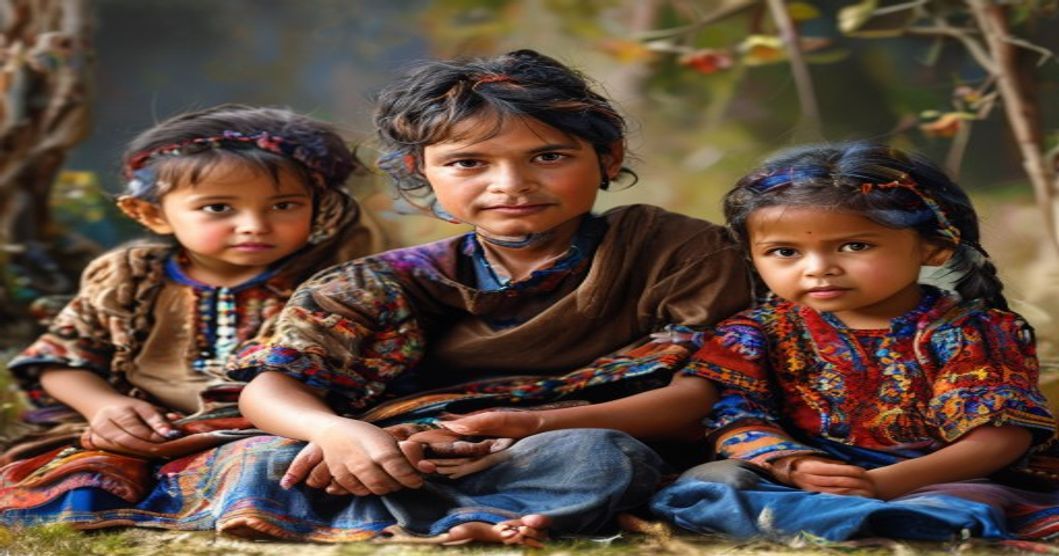
Foundations of Intergenerational Learning in Sami Communities
The transmission of Sami cultural heritage operates through immersive, practice-based education rather than formal instruction. Families embed learning within daily routines, where children absorb knowledge through direct participation in livelihood activities and seasonal rhythms. Reindeer herding functions as a central pedagogical framework, teaching navigation across tundra landscapes, animal behavior analysis, and sustainable resource management. Elders guide youth through hands-on tasks, correcting techniques while explaining the ecological principles that have sustained these practices for centuries.
- Oral Tradition as Curriculum: Stories, legends, and historical accounts are recited during household gatherings, preserving genealogies, migration patterns, and moral frameworks. These narratives function as living archives, ensuring contextual understanding of ancestral territories and historical events.
- Linguistic Immersion: Language acquisition occurs naturally through daily interaction, ritual participation, and skill demonstration. Dialectal variations serve as markers of regional identity, reinforcing community cohesion across distinct Sami groups while maintaining grammatical structures tied to environmental terminology.
- Craftsmanship and Material Culture: Traditional duodji teaches geometric symbolism, sustainable material selection, and functional design. Children learn to process reindeer hides, carve antler tools, and weave textiles while internalizing aesthetic and spiritual values embedded in each pattern and technique.
- Spiritual and Ecological Alignment: Joik performances, seasonal ceremonies, and land-based rituals connect younger generations to cosmological beliefs. This pedagogical approach emphasizes reciprocity with nature, framing environmental stewardship as a cultural obligation rather than an optional practice.
Modern adaptations have emerged without disrupting core transmission mechanisms. Digital documentation projects and community-run language nests complement traditional methods, yet the foundational structure remains rooted in familial mentorship and territorial engagement. Educational outcomes depend on consistent exposure to ancestral practices, ensuring that cultural continuity survives policy shifts and environmental changes. The resilience of Sami knowledge systems stems from their embeddedness in lived experience, where teaching and learning operate as inseparable components of daily survival and identity formation.
Oral Traditions and Storytelling as Primary Educational Tools
Sami families rely on structured verbal transmission to preserve ecological data, ethical frameworks, and historical memory across generations. The juoigan repertoire and cyclical narrative formats function as dynamic archives rather than static performances. Elders encode reindeer migration routes, weather prediction indicators, and territorial boundaries within plot sequences that require active listener participation. Children internalize complex spatial relationships through auditory mapping techniques that link geographic landmarks to character movements and environmental cues. Firelight gatherings establish consistent temporal markers for knowledge transfer, with seasonal transitions dictating which narrative cycles surface during specific ecological windows.
This pedagogical framework operates through participatory dialogue rather than passive instruction. Young listeners practice rhythmic recitation, fill structural gaps, and gradually assume co-creator roles within the tradition. The method preserves phonetic precision across distinct Sami dialects, maintaining vocal modulations that written documentation frequently distorts. Each retelling introduces contextual adaptations addressing contemporary challenges while anchoring historical continuity through repeated morphological patterns.
- Cognitive reinforcement: Multi-layered auditory exposure during migrations, ceremonies, and domestic routines creates durable neural pathways tied to emotional resonance rather than mechanical repetition.
- Ecological alignment: Narrative pacing mirrors environmental rhythms, teaching children seasonal indicators through synchronized breath patterns and melodic variations.
- Linguistic preservation: Oral transmission maintains syntactic structures and lexical nuances essential for accurate cultural interpretation across dialect boundaries.
Digital archiving cannot replicate the tactile feedback of voice modulation or the communal acoustic resonance required for effective memory consolidation. Knowledge transfer thrives on intergenerational reciprocity, where elders receive cultural validation through youth engagement while children acquire identity markers before formal education introduces external frameworks. This adaptive oral pedagogy prevents cultural fossilization by treating each performance as a living document rather than a fixed artifact.
Language Immersion Strategies Within Household Environments
Sami households deploy systematic linguistic frameworks that transform domestic routines into continuous acquisition environments. Parents architect daily schedules around deliberate conversational cycles, ensuring children encounter complex syntactic structures during functional activities like crafting duodji tools or processing reindeer hides. Mealtimes function as structured oral history sessions where elders narrate migration routes, seasonal resource management, and kinship obligations using precise dialectal markers. Families establish strict spatial boundaries by designating specific rooms as monolingual zones where foreign languages and digital distractions are suspended. Grandparents utilize yoik performances not merely as artistic expression but as cognitive mapping tools, embedding topographical data, ecological indicators, and historical events within melodic frameworks that children internalize through rhythmic repetition.
- Environmental tagging systems replace conventional flashcards; windows, storage containers, and hearths display traditional orthography to reinforce visual-auditory memory pathways.
- Dialectal bridging protocols require caregivers to introduce archaic lexical variants alongside contemporary standard forms, ensuring linguistic adaptability across regional communities.
- Contextual correction mechanisms operate through conversational modeling rather than explicit instruction; parents naturally restructure sentences during active tasks to demonstrate proper grammatical agreement without interrupting flow.
- Seasonal immersion intensification occurs during traditional festivals, where children acquire specialized terminology related to ice navigation, berry harvesting, and winter survival through guided participation.
Digital supplementation complements physical presence through curated indigenous podcasts, virtual storytelling networks, and community-developed language applications that mirror household pedagogical methods. Extended family coordination ensures dialectal consistency across geographic distances by sharing weekly immersion metrics and troubleshooting vocabulary gaps collaboratively. Parents track acquisition progress by monitoring contextual usage during daily labor, artistic practice, and communal decision-making rather than relying on standardized testing. This integrated approach guarantees that linguistic competence remains anchored in lived experience rather than abstract academic exercise.
Generational knowledge transfer demands careful cognitive pacing; caregivers gradually increase syntactic complexity while maintaining semantic clarity through repeated contextual anchoring. Households implement phonetic drilling during tool maintenance and food preparation, linking auditory patterns to tactile feedback loops. This method accelerates native speaker intuition while preserving orthographic accuracy across declining dialectal branches.
Traditional Practices and Skill Transfer Mechanisms
Sami cultural continuity relies on structured yet fluid methods of transmitting ancestral knowledge across generations. Reindeer herding remains the cornerstone of this educational framework, where children begin observing herd movements and weather patterns by age four. By seven, they handle basic handling tools under direct supervision, progressing to independent navigation of winter pastures by adolescence. This stepwise immersion ensures practical competencies align with ecological rhythms rather than formal curricula.
Craftsmanship follows a parallel trajectory. Duodji, the traditional handcraft system, operates through tactile demonstration rather than written instruction. Elders guide young learners in processing hides, carving reindeer antler, and weaving grass mats using repetitive physical drills that build muscle memory. Each material carries embedded ecological data: bark selection signals seasonal moisture levels, while stitching tension reflects wind conditions. These techniques transfer not merely aesthetic skills but survival logic adapted to subarctic environments.
- Seasonal migration camps function as open-air classrooms where children map terrain features by tracking animal tracks and snow drift patterns
- Joik performances encode geographical knowledge, historical events, and spiritual relationships within melodic structures that replace written records
- Communal meat processing sessions teach resource allocation, knife sharpening sequences, and temperature-based preservation techniques through synchronized group coordination
Knowledge transfer avoids rigid scheduling. Instead, it responds to immediate environmental cues and daily necessities. When a calf requires retrieval during sudden weather shifts, instructors demonstrate rope handling and breath control in real time. Similarly, fishing net mending occurs alongside riverbank observation, where children learn current reading through direct water contact rather than abstract explanation. This adaptive pedagogy ensures skills remain contextually relevant and functionally precise.
Intergenerational proximity remains the primary transmission vector. Multi-household winter quarters concentrate elders, parents, and youth within shared acoustic and visual spaces. Storytelling during evening fuel preparation layers technical advice with historical precedent, while tool maintenance routines embed ethical frameworks about resource stewardship. Children internalize these lessons through repeated exposure to functional language patterns rather than explicit instruction.
Reindeer Herding Routines and Ecological Literacy Development
Reindeer herding operates as a living classroom where ecological literacy emerges through direct engagement with seasonal cycles. Sami families structure daily routines around migration routes known as goahte, tracking snow depth, wind patterns, and lichen availability. Children learn to read subtle environmental indicators long before formal instruction begins. The herd’s movement dictates household schedules, requiring constant observation of terrain shifts, grazing pressure, and predator activity. This continuous feedback loop trains young learners to anticipate ecological changes rather than react to them.
Practical tasks embed complex ecological concepts into muscle memory. During calving season, families monitor neonatal viability through posture, vocalization, and maternal behavior. Older participants manage radio collars and drone feeds alongside traditional signposts carved into birch bark. They map seasonal pastures by cross-referencing solar position, moss growth patterns on rocks, and historical herd tracks. When identifying edible lichens like Cladonia rangiferina, caregivers teach extraction techniques that preserve root structures, ensuring regrowth cycles remain intact. Each task reinforces interdependence between species and habitat stability.
- Spatial Navigation: Children develop topographic memory by traversing featureless tundra using wind direction, bird flight paths, and acoustic echoes across frozen lakes instead of digital maps.
- Risk Assessment: Decision-making becomes probabilistic. A herder evaluates weather windows, ground crust stability, and herd fatigue before altering course.
- Resource Allocation: Grazing zones rotate based on vegetation recovery rates rather than fixed calendars, teaching dynamic carrying capacity concepts.
Ecosystem literacy in this context extends beyond biological facts. It cultivates systems thinking through route optimization and resource distribution tied directly to herd condition. Contemporary practices integrate satellite telemetry without replacing foundational observation skills. Families still verify sensor data by checking hoof prints in crust snow or examining fecal consistency for digestive health indicators. Children learn to cross-validate technological inputs with ground truthing, creating a hybrid literacy model. Climate volatility demands accelerated learning curves; younger generations must interpret altered migration windows, earlier spring thaws, and shrub expansion into traditional grazing zones. The routine remains unchanged in structure but expands in analytical depth, ensuring ecological knowledge scales alongside environmental complexity.
Joik Performance Techniques and Emotional Cultural Expression
The practice of joiking operates far beyond conventional song structures, functioning as a living archive of Sami identity and environmental awareness. Families transmit this art form through immersive auditory conditioning rather than formal instruction. Children absorb melodic contours by observing elders during seasonal migrations, reindeer roundups, or winter crafting sessions. The vocal technique demands precise breath control, allowing the performer to sustain microtonal shifts that mirror wind patterns across tundra landscapes or the rhythmic gait of a moving herd.
Performance centers on three foundational elements: melodic repetition, spontaneous variation, and vocal texture mapping. Rather than memorizing fixed lyrics, the joiker generates phrases that evolve organically. This improvisational framework teaches children to perceive cultural knowledge as dynamic rather than static. The voice becomes an instrument of spatial navigation, encoding geographical markers, ancestral routes, and ecological observations into harmonic sequences. When families gather around a fire or during ritual gatherings, these vocal patterns serve as mnemonic devices, reinforcing collective memory through shared acoustic experience.
- Vocal Modulation: Practitioners manipulate throat resonance and nasal placement to create overtone layers that simulate natural soundscapes.
- Rhythmic Pulse: Irregular meter patterns replicate heartbeat rhythms or hoof beats, grounding emotional expression in physiological reality.
- Contextual Embedding: Knowledge transfers when children participate in joint activities while listening to region-specific joik variations tied to local terrain.
Emotional transmission occurs through acoustic mirroring. Young learners internalize the tonal weight of grief, resilience, or celebration by aligning their breath with elder performers. This somatic learning process ensures that cultural values remain embodied rather than abstract. The absence of written notation preserves interpretive freedom, allowing each generation to adapt melodic frameworks to contemporary circumstances while maintaining core structural integrity. Mastery requires years of auditory calibration, but the foundational exposure during early childhood establishes lifelong cognitive pathways for indigenous knowledge retention.
Duodji Craftsmanship and Symbolic Pattern Recognition
Traditional Sami duodji operates as a structured pedagogical framework where material limitations directly dictate symbolic complexity. When elders guide children through the preparation of reindeer hide or the splitting of silver birch roots, they are not merely teaching survival skills but embedding a visual grammar that maps ecological relationships onto wearable and utilitarian objects. The physical resistance of raw materials forces deliberate decision-making, transforming abstract cultural concepts into tactile problem-solving exercises.
- Concentric circles represent celestial navigation and seasonal reindeer migration routes, training spatial orientation before formal education begins.
- Interlocking zigzag motifs encode topographical knowledge of mountain passes and river crossings, functioning as mnemonic devices for territorial mapping across generations.
- Asymmetrical color blocking follows strict chromatic rules derived from natural lichen and berry dyes, establishing early understanding of ecological chemistry and resource timing.
This craft-based instruction relies on distributed cognition. Children learn through proxemic positioning—sitting shoulder-to-shoulder with a parent or grandparent—where breath patterns, hand tremors, and tool angles become instructional data. Mistakes are rarely verbalized directly; instead, elders adjust grip pressure or alter stitch tension to demonstrate correction. This silent feedback loop accelerates neural pathway formation for fine motor control while simultaneously reinforcing cultural values of patience, resourcefulness, and ecological reciprocity.
Pattern recognition in duodji extends beyond aesthetic repetition. Each geometric arrangement requires mathematical precision: angle calculations for antler carving, proportional scaling for weaving bases, and modular symmetry for silver thread application. Children internalize these systems through progressive complexity, moving from simple border trims to full garment construction. The cognitive load shifts gradually from technical execution to symbolic interpretation, enabling younger generations to decode ancestral narratives embedded in textile geometry. This iterative learning model preserves linguistic nuances that might otherwise disappear, as motif names carry dialect-specific terminology tied to local landscapes and historical events.
Contemporary Educational Frameworks and Community Adaptations
Modern educational systems across Norway, Sweden, and Finland have systematically integrated Sámi cultural frameworks into formal schooling structures. Municipal education boards collaborate directly with indigenous universities and territorial knowledge holders to design curricula that align national academic standards with Sámi epistemologies. This structural shift transforms traditional practices such as reindeer husbandry cycles, seasonal land management, and ancestral oral histories into core pedagogical components. Place-based learning models replace abstract instruction by situating classroom activities within actual grazing territories and historical settlement patterns. Teachers receive specialized training in indigenous pedagogy, ensuring that mathematical concepts, ecological studies, and linguistic development reference authentic Sámi contexts rather than external frameworks.
- Bilingual Immersion Programs: Municipal funding prioritizes early childhood classrooms where instruction occurs exclusively in North, South, or Lule Sámi dialects. Children develop functional fluency through structured vocabulary acquisition, narrative construction exercises, and community storytelling sessions before transitioning to secondary education.
- Digital Knowledge Repositories: Remote communities utilize encrypted cloud archives and interactive mapping tools to preserve endangered dialect variants. Youth researchers collaborate with elder linguists to transcribe historical recordings, creating searchable databases that support academic research while maintaining cultural sovereignty over indigenous intellectual property.
- Pedagogical Policy Revisions: Nordic education ministries mandate cultural competency certifications for all instructors operating within Sámi administrative zones. These requirements enforce strict adherence to indigenous governance protocols, land stewardship principles, and intergenerational knowledge transfer methodologies during classroom delivery.
The integration of contemporary assessment models alongside traditional evaluation methods creates a balanced academic environment. Standardized testing now incorporates oral proficiency metrics, practical duodji craftsmanship demonstrations, and ecological observation reports alongside conventional written examinations. This dual-validation approach ensures that cultural retention directly influences academic progression rather than remaining an extracurricular supplement. Community advisory boards maintain continuous oversight of curriculum implementation, adjusting instructional materials annually to reflect evolving linguistic needs and environmental shifts across traditional territories.
Sami Language Schools and Curriculum Integration Models
The formal education infrastructure across Norway, Sweden, and Finland has transitioned from supplementary language classes to structured curriculum frameworks that embed Sami linguistic pedagogy into daily academic operations. Municipal authorities now deploy three distinct instructional architectures: dedicated mother-tongue tracks, cross-curricular thematic integration, and full immersion campuses. Each model operates under standardized guidelines developed jointly by regional education boards and Sámi parliamentary representatives to ensure dialectal accuracy and cultural fidelity.
Stand-alone language modules concentrate on phonological precision, morphological patterns, and oral narrative structures specific to North, Lule, or South Sami dialects. Cross-curricular frameworks replace generic national textbooks with indigenous resource materials, enabling students to study ecological cycles, reindeer migration routes, and coastal subsistence practices through Sami epistemological lenses rather than external academic perspectives.
- Dialect-Specific Standardization: Curriculum developers maintain parallel instructional pathways for each major dialect group, preventing linguistic convergence and preserving regional vocabulary variations tied to specific livelihood domains.
- Certified Teacher Pipeline: Universities in Tromsø, Umeå, and Rovaniemi operate specialized pedagogical programs that combine applied linguistics, cultural anthropology, and classroom management techniques tailored exclusively to Sami educational environments.
- Digital Resource Allocation: Municipal budgets fund interactive grammar platforms, archived elder interviews, and geospatial mapping tools that bridge classroom instruction with ancestral territories, ensuring contextual relevance for urban and rural students alike.
School administrators align academic calendars with seasonal reindeer herding cycles and coastal fishing periods, allowing field-based learning to occur during critical ecological windows rather than conflicting with traditional livelihood schedules. Assessment frameworks prioritize oral proficiency, contextual vocabulary deployment, and cultural narrative reconstruction over standardized written examinations, reflecting indigenous evaluation traditions.
Urban districts implement hybrid scheduling models that combine weekend intensive workshops with weekday digital practice modules, while rural municipalities maintain physical immersion campuses where daily instruction occurs exclusively in Sami. Government funding formulas now tie per-student allocations directly to measurable language retention rates, community participation metrics, and graduate enrollment in higher education programs focused on indigenous studies.
Digital Documentation Methods and Youth Engagement Platforms
Families increasingly rely on digitized archives to safeguard joik melodies, traditional craftsmanship patterns, and seasonal migration routes. High-resolution video recordings of reindeer husbandry practices are stored in cloud repositories accessible across Scandinavian regions. Community-led websites aggregate oral histories recorded by elders, pairing audio transcripts with geographic coordinates. These digital libraries operate under explicit consent protocols, ensuring intellectual property rights remain with originating households.
- Cloud-Hosted Oral History Archives: Centralized repositories store uwhat is it?ted field recordings alongside metadata tags for dialect classification, seasonal context, and participant demographics.
- Interactive Dialect Acquisition Applications: Mobile software maps vocabulary to environmental triggers, allowing users to scan foliage or animal tracks while receiving phonetic guidance. Gamified modules reward consistent practice with virtual badges tied to regional cultural milestones.
Educational developers collaborate directly with Sami pedagogical councils to maintain linguistic accuracy across multiple dialect zones. Social media channels host youth-driven content creation initiatives that recontextualize ancestral techniques for contemporary audiences. Short-form video platforms showcase duodji woodcarving processes alongside real-time commentary from master artisans. Live streaming sessions enable remote apprenticeship opportunities, connecting urban teenagers with rural knowledge holders through synchronized digital workspaces.
- Co-Creation Dashboards: Younger contributors upload digitized photographs of traditional clothing patterns while elders annotate stitching techniques and symbolic meanings. Version control systems track modifications, preserving original documentation alongside iterative improvements.
- Analytics-Driven Curriculum Adaptation: Engagement metrics identify which cultural narratives resonate most strongly with adolescent demographics, enabling targeted pedagogical adjustments across municipal school districts.
Data sovereignty frameworks govern all digital preservation efforts. Communities retain exclusive administrative rights over archived materials, implementing granular access controls that restrict commercial exploitation. Blockchain-based provenance tracking verifies authenticity while protecting against unauthorized reproduction. Educational institutions integrate these vetted repositories into standardized curricula, ensuring academic credibility aligns with indigenous knowledge standards.
Technical literacy programs empower adolescents to develop custom applications that archive local ecological knowledge. Coding workshops emphasize open-source frameworks, enabling teenagers to build searchable databases for historical hunting grounds and medicinal plant locations. These initiatives foster digital stewardship while reinforcing intergenerational mentorship structures.
Navigating Urban Migration While Sustaining Cultural Continuity
Urban migration fractures the geographic foundations of traditional Sámi life, yet families actively restructure knowledge transmission through deliberate institutional and grassroots interventions. When households relocate to metropolitan centers like Tromsø, Oslo, or Stockholm, the absence of reindeer pastures necessitates alternative pedagogical frameworks. Communities establish cultural hubs that function as modern siidas, organizing weekly duodji workshops where master artisans teach weaving, knife carving, and silverwork to adolescents who lack direct access to herding landscapes. These sessions prioritize tactile learning and material memory, ensuring that craft techniques remain embedded in muscle memory rather than fading into historical abstraction.
- Language revitalization programs operate through municipal funding streams, deploying certified Sámi instructors into public school districts to deliver immersion curricula aligned with national educational standards.
- Digital archives host recorded joik performances, oral histories, and ecological knowledge, allowing youth in dense urban corridors to access phonetic training and narrative contexts without geographic displacement.
- Seasonal mentorship initiatives pair city-resident adolescents with herding families during summer months, creating structured exchanges that bridge practical land-based skills with contemporary academic pathways.
- Municipal cultural departments allocate targeted grants to sustain mobile education units that travel between northern municipalities and southern urban centers, delivering intensive language camps and intergenerational dialogue circles.
The structural shift from place-bound transmission to networked pedagogy does not dilute cultural integrity; it recalibrates delivery mechanisms. Institutional frameworks now recognize that continuity requires adaptive infrastructure rather than geographical preservation. Urban Sámi households leverage municipal partnerships, digital repositories, and curated mentorship networks to maintain linguistic fluency, craft proficiency, and ecological awareness across generations. This intentional reallocation of resources demonstrates how migration patterns can coexist with deep cultural retention when communities prioritize flexible transmission models over static geographic requirements.
Institutional Support and Long-Term Preservation Strategies
Formal institutions operate as the structural backbone for preserving Sami cultural continuity across generations. The Sámi Parliament councils in Norway, Sweden, and Finland coordinate funding streams that directly target youth education, linguistic immersion camps, and traditional craft workshops. These bodies enforce policy frameworks requiring municipalities to integrate Sámi history and ecological knowledge into standard curricula. Financial mechanisms are allocated through dedicated cultural heritage grants, which prioritize projects led by indigenous community boards rather than external academic entities.
- Language revitalization initiatives utilize state-subsidized early childhood centers where duodji, joik vocal traditions, and reindeer husbandry terminology are taught through structured daily routines.
- Digital preservation networks archive oral histories using geotagged audio databases, ensuring that dialect variations across Finnmark, Lapland, and Kola Peninsula remain accessible for future pedagogical use.
- International cooperation agreements under Nordic cultural ministries establish standardized documentation protocols, preventing data fragmentation and enabling cross-border educational resource sharing.
Municipal education departments implement mandatory professional development for non-indigenous educators, focusing on culturally responsive pedagogy and historical context accuracy. Archival institutions deploy climate-controlled storage facilities equipped with humidity sensors to protect fragile duodji textiles and carved reindeer antler artifacts from environmental degradation. Digital repositories utilize open-source metadata standards, guaranteeing long-term accessibility regardless of proprietary software updates. Community-based research teams conduct annual field assessments to evaluate knowledge transfer velocity between older generations and school-aged participants.
- Cross-institutional mentorship programs pair certified Sámi teachers with university researchers to develop peer-reviewed teaching materials that maintain cultural accuracy while meeting national education standards.
- Legal frameworks protect traditional knowledge from commercial exploitation, establishing clear attribution protocols for museums, publishing houses, and media producers handling Sami intellectual property.
Funding bodies require transparent financial reporting that tracks expenditure efficiency across language courses, apprenticeship programs, and heritage site maintenance initiatives. Collaborative governance structures grant indigenous representatives veto power over archaeological excavations and resource extraction projects within traditional territories. These coordinated efforts establish a resilient infrastructure capable of adapting to demographic shifts while maintaining strict adherence to cultural integrity standards.
Elder Knowledge Keeper Programs and Mentorship Structures
The transmission of Sami cultural knowledge relies heavily on structured intergenerational frameworks where elders function as primary custodians of ancestral wisdom. These programs operate through deliberate mentorship pairings, typically linking youth with experienced herders, artisans, or joik practitioners. The pedagogical model follows a phased progression: initial observation, guided participation, and eventual independent application. Seasonal camps serve as functional classrooms where practical competencies—snow reading, reindeer tracking, lasso techniques, and traditional craft construction—are transmitted through direct demonstration rather than theoretical instruction.
- Mentorship cycles align with ecological rhythms, ensuring knowledge transfer coincides with natural migration patterns and resource availability.
- Language immersion remains non-negotiable within these frameworks; standard Sami dialects are maintained through daily dialogue, storytelling sessions, and ritualized greetings.
- Elders utilize narrative mapping to connect historical events with contemporary land management practices, reinforcing spatial awareness and territorial continuity.
Formal community initiatives complement informal family structures by establishing registered knowledge keeper networks. These programs register participants through municipal cultural departments, providing structured curricula that blend traditional methodology with documented pedagogical standards. Mentorship contracts outline specific competency milestones, including proficiency in dialect recognition, tool maintenance, and ecological observation techniques. Assessment occurs through demonstrated application during seasonal gatherings rather than written examinations.
Modern adaptations incorporate digital archiving alongside oral transmission, allowing elders to record joik variations, hunting routes, and craft sequences while maintaining the core requirement of face-to-face instruction. Youth participants log practical hours in designated cultural zones, earning recognized proficiency certificates that validate their mastery. These structures prevent knowledge fragmentation by enforcing strict continuity protocols; each mentor must certify a successor before formally stepping back from active teaching roles.
Legal Frameworks Protecting Sami Educational Rights
International treaties establish the baseline for Sámi educational sovereignty. Article 14 of the United Nations Declaration on the Rights of Indigenous Peoples mandates states to recognize indigenous peoples’ right to establish and control their educational systems, ensuring instruction in their own languages. This framework intersects with ILO Convention No. 169, which requires governments to develop participatory mechanisms for indigenous communities in curriculum design and teacher certification. The European Charter for Regional or Minority Languages further obligates signatory states to provide mother-tongue instruction across all educational levels where the linguistic population meets threshold requirements.
National legislation translates these principles into enforceable rights across Sápmi. Norway operates under the Finnmark Act and the national Education Act, which guarantee Sámi-language instruction from primary through secondary levels. The Sámi Parliament holds statutory advisory power over curriculum development and textbook approval. Sweden’s Sámi Language Act and Education Act mandate that municipalities with significant Sámi populations must offer mother-tongue classes, while regional counties fund teacher training programs at Uppsala University and Luleå University of Technology. Finland’s Constitution Section 17 guarantees language rights, supplemented by the Sámi Parliament Act, which institutionalizes educational oversight. The Language Act explicitly protects North Sámi, Inari Sámi, and Skolt Sámi in formal schooling.
- Mother-tongue instruction requires certified instructors trained in indigenous pedagogical methods, not merely linguistic fluency.
- Curriculum committees integrate reindeer husbandry, joik traditions, and land-based learning into standardized assessments.
- Funding formulas tie state allocations to documented Sámi student enrollment and geographic distribution metrics.
Implementation faces structural constraints. Rural municipalities often lack qualified instructors, forcing reliance on distance learning platforms that struggle to replicate immersive cultural transmission. Certification standards for Sámi teachers remain inconsistent across borders, complicating cross-regional employment. State education ministries occasionally prioritize national curriculum compliance over indigenous knowledge integration, creating tension between standardized testing requirements and place-based pedagogy. Legal advocacy groups monitor compliance through annual reporting mechanisms established under each nation’s minority protection statutes. These reports document funding disbursements, teacher shortages, and enrollment trends to trigger parliamentary reviews when thresholds fall below mandated levels.
Enforcement relies on judicial review and administrative appeals. Families can file complaints directly with national education boards or invoke constitutional language provisions in administrative courts. Recent litigation has focused on equal resource distribution between majority-language and Sámi-medium schools, particularly regarding facility upgrades and digital infrastructure. Legal precedents now require governments to demonstrate proactive measures rather than passive compliance when allocating educational resources to indigenous communities.
Community-Led Archiving Initiatives and Ethical Data Stewardship
Traditional repositories have historically extracted Sami heritage under colonial frameworks, often stripping context and restricting access. Contemporary communities are dismantling these structures by establishing self-governed digital archives that prioritize indigenous data sovereignty. These initiatives operate on the principle that cultural records belong to the living bearers of that knowledge, not external institutions. Local councils coordinate with elders to catalog oral histories, traditional ecological knowledge, and craft techniques before digitization occurs.
Ethical stewardship requires rigorous consent protocols embedded at every stage of collection. Practitioners utilize tiered access systems where sacred or restricted materials remain visible only to authorized community members. Data governance frameworks align with international standards such as the CARE principles, which emphasize collective benefit, authority to control, responsibility, and ethics. Metadata tagging follows culturally specific taxonomies rather than Western classification models, ensuring that search functionality reflects indigenous epistemologies.
- Dynamic Consent Management: Families retain the right to withdraw or modify permissions as community norms evolve across generations.
- Contextual Preservation: Audio recordings of joik performances and seasonal migration patterns include geographic coordinates and lineage documentation to prevent decontextualized usage.
- Interinstitutional Partnerships: Universities and museums negotiate data-sharing agreements that guarantee community oversight, revenue redistribution, and mandatory cultural competency training for external researchers.
This structured approach safeguards intangible heritage while creating accessible educational resources for younger generations. Children engage with archived materials through guided family sessions rather than open public databases, maintaining the relational aspect of knowledge transmission. By controlling digitization pipelines, Sami households ensure that technological preservation strengthens rather than supplants direct mentorship. The resulting repositories function as living archives where data integrity, cultural boundaries, and intergenerational continuity remain strictly protected.
Frequently Asked Questions
What is How Sami Families Pass Cultural Knowledge to Children?
This refers to the traditional and intergenerational methods used by Sámi families to transmit their unique cultural heritage, language, reindeer herding skills, joik singing, duodji (handicrafts), and ecological knowledge to younger generations through daily life, storytelling, and hands-on participation.
Key facts about How Sami Families Pass Cultural Knowledge to Children
Key facts include: oral tradition and storytelling are central; children learn by participating in seasonal activities like reindeer herding and fishing; language immersion starts early; elders play a vital role as teachers; and modern adaptations incorporate digital media while preserving core traditions.