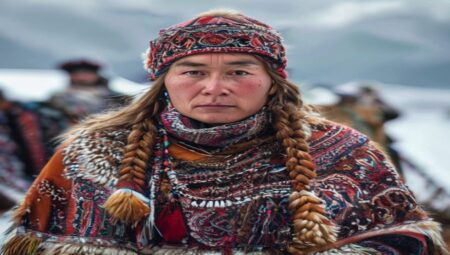
Growth of Sami Cultural Movements
The expansion of Sami cultural movements stems from decades of organized advocacy focused on land sovereignty, linguistic preservation, and political representation across Norway, Sweden, Finland, and Russia. Indigenous communities in Sápmi historically faced assimilation policies that suppressed traditional practices, prompting grassroots mobilization during the late twentieth century. Key catalysts included the Alta Dam controversy in 1979, which galvanized transnational solidarity and attracted international attention to territorial rights. Legal frameworks shifted following landmark court decisions recognizing customary land use, while institutional structures like the Sámi Council provided a unified platform for policy coordination.
- Establishment of Sámi Parliaments (1989 in Norway, 1996 in Finland, 2003 in Sweden) granted legislative advisory authority over education, language, and
Historical Roots and Early Resistance
The Sami people’s historical trajectory is deeply intertwined with centuries of state-driven assimilation campaigns across Fennoscandia. Prior to the seventeenth century, Sami communities maintained autonomous socio-economic systems centered on reindeer pastoralism, coastal fishing, and seasonal migration routes that spanned modern-day Norway, Sweden, Finland, and Russia. These territories were not formally integrated into centralized kingdoms until Scandinavian monarchies began standardizing borders, taxation, and land ownership in the 1600s. The introduction of fixed parish boundaries, missionary activities, and agricultural expansion directly disrupted traditional grazing patterns and resource access.
State authorities increasingly viewed Sami livelihoods as obstacles to national development. Beginning in the eighteenth century, governments implemented systematic policies aimed at eradicating indigenous languages, replacing traditional governance structures with municipal councils, and enforcing Christian schooling. The Norwegianization campaign (1902–1940) exemplifies this period, mandating Norwegian as the sole language in education and administration while penalizing Sami speech in schools and public institutions. Similar pressures emerged under Swedish fiscal policies that reclassified communal grazing lands as state property, and Finnish legislation that tied citizenship to agricultural settlement.
Early resistance did not manifest as organized political mobilization but rather through adaptive survival strategies. Communities preserved oral histories, joik vocal traditions, and duodji craft techniques outside official scrutiny. The 1852 Sami delegation to King Charles XV of Sweden marked one of the first formal appeals for land rights, arguing that reindeer herding required cross-border mobility recognized by historical treaties. In 1906, the Skibladnen incident in Norway saw Sami representatives publicly denounce discriminatory taxation and housing policies during a royal tour, triggering national press coverage and laying groundwork for future advocacy.
Educational suppression fueled underground cultural preservation. Teachers who enforced language bans faced community isolation, while Sami parents increasingly withdrew children from schools that punished native speech. By the 1920s, indigenous intellectuals founded regional cultural associations in Tromsø and Karasjok, publishing periodicals that documented grammar, folklore, and land use rights. These early initiatives established the institutional framework that later evolved into formal political organizations like the Sami Parliament. The convergence of legal appeals, cultural documentation, and cross-border solidarity during this era created the structural foundation for twentieth-century indigenous rights movements across Scandinavia.
Key Milestones in Cultural Revival
The resurgence of Sámi identity accelerated through coordinated political and linguistic initiatives during the late twentieth century. Early organizing efforts culminated in the first International Sámi Conference held in Umeå in 1971, which unified communities across Norway, Sweden, Finland, and Russia under a shared framework for land rights and educational autonomy.
- 1977 Oslo Congress: Established the first permanent Sámi political council, directly challenging Nordic assimilation laws and demanding constitutional recognition of indigenous status.
- 1986 Institutionalization: Norway adopted the Sámi flag and declared February 6 as Sámi National Day, creating unified cultural markers that standardized identity across fragmented dialect regions.
- 1989–1996 Legislative Milestones: The founding of the Sámediggi in Norway (1989), followed by Sweden (1993) and Finland (1996), transformed cultural advocacy into formal policy authority over language planning, education curricula, and reindeer husbandry regulations.
Linguistic revival formed another critical pillar. The establishment of the Sámi Language Centre in 2005 standardized orthography across dialects and supported teacher training programs that reintroduced mother-tongue instruction in northern schools. Prior to this, state assimilation policies had suppressed Sámi languages for over a century, but grassroots documentation projects—such as the Sámi Oral History Archive launched in the 1980s—preserved thousands of hours of recorded narratives, joik performances, and traditional ecological knowledge. Digital transformation accelerated access: the creation of the Sámi National Library’s online repository in 2012 enabled global distribution of manuscripts, legal texts, and academic research on indigenous governance.
Symbolic and institutional recognition further solidified the movement. Legal victories also reshaped territorial rights, notably the Norwegian Supreme Court’s 2007 ruling affirming customary grazing lands under indigenous usage principles. Media representation expanded through NRK Sápmi’s establishment in 2008, which produced daily programming in six Sámi languages and trained the first generation of indigenous journalists. Contemporary initiatives now focus on intergenerational knowledge transfer, climate adaptation strategies rooted in traditional land management, and cross-border Sámi academic networks that maintain continuous policy coordination.
Drivers Behind the Expansion of Sami Identity
The acceleration of Sami identity consolidation stems from interconnected socio-political, linguistic, and technological catalysts that transformed historical marginalization into organized cultural assertion.
- Institutional Political Frameworks: The establishment of Sámi parliaments in Norway, Sweden, and Finland created formal legislative platforms for policy advocacy. International instruments like the UN Declaration on the Rights of Indigenous Peoples provided legal leverage for land rights claims and resource management negotiations. Cross-border coordination through the Sámi Council unified legislative demands regarding grazing rights, mining permissions, and freshwater allocation.
- Language Revitalization Infrastructure: Systematic immersion schools, standardized orthographic reforms, and digital dictionaries reversed decades of forced assimilation policies. State-funded broadcasting networks now transmit daily programming across multiple Sámi languages, establishing linguistic prestige in public spheres. Mobile applications featuring real-time translation and phonetic training accelerate fluency acquisition among urban youth and diaspora communities.
- Digital Archiving & Networked Connectivity: Open-access repositories, satellite-based community radio, and decentralized social media collectives bypass geographic fragmentation. Younger generations document joik traditions, reindeer husbandry practices, and contemporary artisanal techniques without institutional gatekeeping. Cloud-storage protocols preserve oral histories and ecological knowledge against climate-induced displacement.
- Educational Curriculum Integration: Mandatory indigenous history modules in Nordic school systems shifted pedagogical narratives from peripheral folklore to central historical agency. University programs specializing in Sámi studies produce researchers who directly feed into policy formulation and cultural enterprise development. Teacher certification pathways ensure accurate transmission of seasonal knowledge and environmental monitoring methods.
- Cultural Tourism & Economic Valuation: Community-controlled tourism initiatives transform traditional livelihoods into sustainable revenue streams. Authentic representation in craft markets, culinary heritage projects, and eco-tourism ventures generates financial independence while reinforcing intergenerational knowledge transfer. Blockchain verification systems authenticate traditional duodji craftsmanship, protecting against cultural appropriation and ensuring economic sovereignty.
Land Rights and Indigenous Sovereignty
Core to the resurgence of Sami cultural activism is the persistent struggle over territorial jurisdiction and traditional resource management. Historically colonized by Nordic states, the Sami people maintain a legal framework anchored in customary grazing patterns and seasonal migration routes that predate modern national boundaries. Contemporary land rights advocacy operates through multiple channels: legislative reform, international human rights mechanisms, and direct engagement with state authorities.
ILO Convention 169 remains the primary international instrument protecting Sami territorial claims in Norway and Sweden. Despite ratification gaps in Finland, domestic courts have increasingly referenced customary land use as evidence of ongoing sovereignty. The 2010 Skattefjäll ruling by Sweden’s Supreme Court established that reindeer husbandry constitutes a protected economic activity under indigenous law, setting precedent for broader jurisdictional recognition. Similar legal battles continue across the Barents region, where state licensing of mining concessions frequently overrides ancestral land claims.
- Rare earth element extraction projects in northern Norway face sustained resistance from Sami governing bodies citing environmental contamination risks to pastures and water systems.
- Wind energy infrastructure development conflicts center on noise pollution disrupting reindeer movement patterns, directly threatening food security and cultural continuity.
- Sámediggi institutions exercise advisory veto powers in regional planning processes, though enforcement remains inconsistent across municipal jurisdictions.
Sovereignty extends beyond legal recognition into practical governance. Traditional ecological knowledge informs contemporary conservation strategies, particularly in peatland restoration and biodiversity monitoring. Cross-border coordination among Sami organizations strengthens collective bargaining power against extractive industries. The ongoing negotiation of land use agreements demonstrates a shift from passive consultation to active co-management frameworks, though full jurisdictional autonomy remains legally unresolved. Municipal zoning disputes frequently require intervention from national ministries, highlighting the fragmented nature of indigenous territorial authority.
Language Preservation Initiatives
Historical assimilation policies systematically marginalized Sámi languages across Norway, Sweden, and Finland, yet grassroots mobilization has reconstructed preservation frameworks around community autonomy and linguistic sovereignty. Contemporary efforts prioritize functional revitalization through structured immersion networks that bypass institutional bottlenecks. Language nests operate in Finnmark, Lapland, and Kautokeino, pairing fluent elders with children aged three to seven for daily communicative practice. These micro-communities generate naturalistic acquisition environments where oral tradition, reindeer herding terminology, and seasonal ecological knowledge transfer simultaneously.
- Digital corpus projects document dialectal variations across eight recognized Sámi languages, creating searchable databases that support computational linguistics research and real-time pronunciation guides.
- Open-source mobile applications leverage speech recognition algorithms to correct grammatical structures during active conversation, reducing dependency on formal classroom settings.
- University partnerships establish teacher certification pathways specifically designed for heritage speakers who possess native fluency but lack pedagogical training.
Funding architectures have transitioned from state-controlled cultural budgets to indigenous-managed foundations that allocate resources directly to village-level documentation teams. Radio broadcasts, satellite streaming, and encrypted messaging groups maintain daily lexical exposure in remote settlements where standardized curricula previously failed to reach. Academic institutions now integrate Sámi morphological patterns into computational linguistics frameworks, enabling machine translation models to process agglutinative syntax with greater accuracy. Community archivists digitize handwritten genealogical records, folk narratives, and ecological observations, ensuring that vocabulary tied to land management survives institutional memory loss.
Legal advocacy continues to secure municipal language service mandates, requiring public administration offices to provide documentation in active Sámi varieties. Cultural festivals function as living laboratories where neologisms emerge naturally through craft production, music composition, and ecological monitoring. These initiatives operate without centralized coordination, relying instead on decentralized networks that prioritize linguistic authenticity over standardized orthography. The resulting ecosystem demonstrates how localized preservation strategies outperform top-down standardization when addressing complex dialectal landscapes.
Institutional Recognition and Political Influence
The formal institutionalization of Sami political structures began with the establishment of Sámediggi institutions across Norway, Sweden, and Finland during the late 1980s and early 1990s. These legislative bodies were constructed as legally mandated entities rather than advisory forums, designed to administer cultural affairs, manage traditional livelihoods, and exercise statutory consultation rights over national policy. The Norwegian Sámi Parliament, inaugurated in 1989 under the Sami Act of 1987, operates with explicit authority to safeguard language use, reindeer husbandry regulations, and heritage preservation. Sweden established its counterpart in 1993, followed by Finland in 1996, each adapting to distinct constitutional frameworks while maintaining synchronized objectives: securing autonomous decision-making within existing state architectures and aligning domestic practice with UN Declaration on the Rights of Indigenous Peoples provisions.
Land sovereignty and resource governance represent the most consequential achievements of institutional recognition. The European Court of Human Rights ruling in the Scandinavian Reindeer Grazing Case (1998) compelled Nordic governments to acknowledge historical Sami land tenure as legally binding indigenous ownership. This precedent directly enabled Norway’s Finnmark Act of 2005, which transferred roughly 96 percent of county-level state territories to the Finnmark Estate, a regional trust governed jointly by national authorities and elected Sami representatives. Similar legal frameworks in Sweden and Finland have progressively restricted industrial expansion on ancestral grazing lands, mandating impact assessments that prioritize traditional ecological knowledge over commercial development priorities.
- Legislative Review Mandate: Statutory requirement for all parliamentary bills affecting indigenous language, education, or livelihoods to undergo formal Sámediggi evaluation before legislative voting.
- Linguistic Service Obligations: Municipal funding guarantees for public administration, healthcare, and schooling in Sami languages where demographic thresholds are met across three nations.
- Constitutional Elevation: Norway’s 2013 constitutional revision formally enshrined indigenous self-determination as a foundational state principle, elevating policy status beyond ordinary statutory law.
- Cross-Border Coordination: The Nordic Sami Council standardizes cultural grants, curriculum development, and heritage documentation protocols across sovereign borders, eliminating jurisdictional fragmentation.
Political influence now extends into bureaucratic implementation rather than remaining confined to symbolic representation. Sami delegates hold permanent voting positions on national environmental agencies, education boards, and healthcare committees, ensuring that traditional knowledge systems directly shape public policy formulation. Financial autonomy operates through direct parliamentary appropriations rather than discretionary grant programs, guaranteeing sustained funding for language revitalization initiatives, archival digitization, and ecological research projects. Operational limitations persist, including annual budget renegotiations and uneven municipal compliance with service requirements. Nevertheless, the institutional architecture has permanently shifted from peripheral consultation to structured governance participation, embedding Sami political authority into the administrative core of Nordic states.
Formation of Sami Parliaments
The institutional framework for Sami political representation emerged during the late twentieth century, driven by decades of grassroots activism and shifting national policies. Norway established the first Sámi Parliament in 1989, followed by Sweden in 1993 and Finland in 1996. These legislative bodies were not created through top-down administrative design but rather through sustained pressure from indigenous organizations demanding formal recognition of self-governance. The foundational principle centered on transferring authority over cultural affairs, language policy, and reindeer husbandry regulations to elected Sami representatives.
International frameworks played a decisive role in accelerating this structural transformation. The ratification of ILO Convention 169 by Norway in 1990 established binding obligations regarding indigenous consultation and land rights. Domestic constitutional amendments across Scandinavia gradually removed assimilationist mandates that had previously restricted Sami language use in public institutions. Electoral systems were specifically designed to prioritize Sami voter registration, ensuring that parliamentary seats reflected actual community demographics rather than proportional national party lists. This targeted approach guaranteed authentic representation without diluting indigenous voting power through mainstream political coalitions.
Institutionalized parliaments now operate as centralized decision-making entities for funding distribution, educational curriculum development, and heritage documentation. Each body maintains distinct jurisdictional boundaries based on national legal frameworks yet collaborates through the Sámi Parliament Council to coordinate cross-border initiatives. Resource allocation directly supports reindeer herding cooperatives, language immersion schools, and traditional craft preservation programs. Policy advocacy has shifted from reactive cultural defense to proactive legislative drafting, enabling direct influence over environmental licensing, tourism development, and natural resource extraction permits within recognized Sami territories.
Despite structural progress, jurisdictional limits remain a persistent constraint. National governments retain ultimate authority over land ownership and mineral rights, creating recurring friction between parliamentary recommendations and state-approved development projects. Electoral eligibility criteria continue to undergo legal scrutiny across all three jurisdictions, particularly regarding historical residency requirements and cultural competency definitions. Nevertheless, the institutionalization of Sami parliaments fundamentally altered the trajectory of indigenous advocacy by transforming scattered cultural initiatives into coordinated political infrastructure. This structural foundation now supports broader economic development strategies, judicial recognition of customary law, and international diplomatic engagement through Arctic Council mechanisms.
International Advocacy and UN Frameworks
The expansion of Sami cultural movements has increasingly intersected with multilateral diplomatic channels, transforming regional heritage preservation into a globally recognized policy issue. Indigenous representatives from Norway, Sweden, and Finland now operate through coordinated advocacy networks that align domestic cultural claims with established international human rights instruments. This strategic pivot relies heavily on institutional frameworks that recognize collective land tenure, linguistic sovereignty, and traditional ecological knowledge as legally binding standards rather than discretionary cultural grants.
Central to this diplomatic architecture is the United Nations Declaration on the Rights of Indigenous Peoples, which provides the primary reference point for Sami organizations when challenging state-level restrictions on reindeer husbandry, land use planning, and media broadcasting rights. The declaration establishes clear benchmarks for free, prior, and informed consent, forcing Nordic governments to recalibrate resource extraction permits and infrastructure projects near ancestral territories. Parallel to UNDRIP, International Labour Organization Convention 169 continues to function as a ratified treaty in select jurisdictions, enabling direct legal challenges against administrative decisions that undermine cultural continuity or restrict access to sacred sites.
- UN Special Procedures: Sami delegates submit shadow reports and participate in Universal Periodic Review sessions, directly influencing state compliance assessments.
- Expert Mechanism on Indigenous Rights: Provides technical guidance for drafting legislation that protects joik traditions, handicraft intellectual property, and language immersion schooling.
- Cultural Diversity Conventions: UNESCO frameworks enable cross-border funding streams for digital archiving of dialects and migration mapping of seasonal grazing routes.
Diplomatic engagement extends beyond treaty ratification into active standard-setting. Sami parliamentary councils maintain permanent observer status at international forums, allowing direct input on climate adaptation policies, bioprospecting regulations, and indigenous knowledge protection protocols. This institutional presence generates measurable outcomes: revised education curricula in northern counties, expanded broadcasting quotas for indigenous languages, and binding arbitration clauses in natural resource agreements. The cumulative effect shifts cultural preservation from discretionary welfare programs to enforceable rights-based obligations, ensuring long-term institutional funding and cross-border policy harmonization across Arctic jurisdictions.
Contemporary Expressions of Sami Culture
Contemporary Sami cultural expression operates through interconnected artistic, digital, and institutional channels that transform ancestral practices into modern frameworks.
Music continues to evolve beyond traditional joik into electronic, jazz, and hip-hop compositions. Artists such as Mari Boine, Wimme Saari, and the collective AURA merge vocal techniques with synthesizers and sampling, creating soundscapes that address land sovereignty and environmental degradation. Independent labels across Norway, Sweden, and Finland distribute these recordings globally, while streaming platforms amplify youth-driven playlists that normalize Sami languages in mainstream listening habits.
- Visual arts feature textile installations, sculpture, and digital photography that interrogate colonial boundaries and climate impacts on reindeer grazing routes.
- Literature expands through poetry collections, graphic novels, and bilingual publications released by Sámi publishing houses like Davvi Girji.
- Fashion design incorporates duodji craftsmanship into contemporary apparel, with designers partnering with sustainable brands to produce outerwear and accessories that carry linguistic motifs and traditional dye techniques.
Digital infrastructure has accelerated cultural preservation and economic independence. Community-led podcasts archive elder interviews across nine distinct dialects, while social media campaigns coordinate transnational protests against mining permits and pipeline expansions across Sápmi. Online dialect workshops and mobile language applications enable younger generations to reconstruct grammatical structures that faced decline during assimilation policies. Cross-border collaborations between Sámi artists, Indigenous technologists, and European cultural institutes generate open-source archives that store recording equipment, textile patterns, and oral histories in encrypted repositories. Institutional backing from the Sámi Parliaments and UNESCO intangible heritage frameworks provides funding for cultural centers, exhibition spaces, and academic research programs. These resources shift Sami expression from peripheral folklore to structured cultural policy, ensuring economic viability for artists while maintaining linguistic precision. The ongoing synthesis of ancestral knowledge with modern production methods demonstrates how Sami communities negotiate visibility without compromising territorial or intellectual sovereignty.
Art, Music, and Media Representation
Traditional Sami artistic practices faced centuries of assimilation policies that systematically marginalized indigenous visual and auditory expression. Contemporary movements have reclaimed these mediums as precise instruments of cultural sovereignty and political visibility. Visual creators now reinterpret historic duodji techniques, reindeerskin patterning, and drum iconography through large-scale installations, contemporary textile design, and digital illustration. This aesthetic evolution intersects directly with the sustainable fashion sector, where ancestral motif recognition meets modern material science, generating commercial pathways that fund community-led initiatives. Independent exhibition spaces in Kiruna, Tromsø, and Kautokeino curate rotating showcases that document this transition from ethnographic cataloging to autonomous creative economies.
Musical innovation operates as the primary vehicle for cross-generational knowledge transfer. The joik, fundamentally structured as a vocal method that embodies place, animal, or historical figure rather than describing it externally, has expanded into hybrid sonic landscapes. Practitioners layer traditional modal melodies with ambient production, electronic sequencing, and contemporary percussion frameworks. Artists including Mari Boine, Wimme Saari, and Låvva utilize direct-to-consumer distribution models to bypass mainstream industry gatekeepers, establishing sustainable audience networks across Nordic territories and global indigenous circuits. Event platforms like Sámi Grand Prix and RiddoRiđđu function as critical infrastructure for technical training, dialect preservation, and cross-border artistic exchange.
- Documentary Filmmaking: Indigenous directors employ narrative architectures that reject external gaze, centering land-based epistemologies and intergenerational conflict resolution.
- Digital Archives: High-fidelity acoustic repositories host historical joik recordings alongside newly composed works, ensuring preservation standards align with modern accessibility requirements.
- Social Media Activism: Creator-led channels dismantle reductive stereotyping by broadcasting daily cultural practices, language instruction modules, and resource sovereignty campaigns in real time.
Educational frameworks across Northern Europe increasingly integrate these artistic outputs as primary analytical sources for understanding indigenous governance models and ecological stewardship strategies. This structural shift transforms passive observation into active academic engagement, securing long-term institutional support for cultural reproduction.
Educational Programs and Youth Engagement
Modern Sámi educational initiatives prioritize language revitalization as the architectural foundation of cultural continuity. Regional schools across Norway, Sweden, and Finland have systematically integrated Sámi pedagogies into mandatory curricula, transitioning from peripheral electives to core instructional frameworks in early childhood through secondary education. These programs deploy mother-tongue immersion models where mathematics, natural sciences, and historical analysis are delivered entirely in Northern Sámi, Lule Sámi, or Southern Sámi. Government-backed linguistic committees continuously publish standardized textbooks that reconcile dialectal variations while preserving phonetic authenticity. Digital repositories now host interactive conjugation engines, dialect mapping tools, and archival audio recordings captured directly from fluent elders, allowing geographically dispersed learners to access native pronunciation patterns without institutional dependency.
Youth participation mechanisms extend well beyond conventional classroom boundaries through structured mentorship networks and peer-driven cultural workshops. Higher education institutions in Tromsø, Umeå, and Rovaniemi partner with regional Sámi parliaments to develop credit-bearing modules focused on reindeer husbandry ecology, traditional joik harmonic structures, and contemporary indigenous land rights litigation. Seasonal field programs operated by indigenous NGOs combine land-based survival training with digital media production, enabling teenagers to document family migration routes using GIS cartography and documentary podcasting. These frameworks actively reposition youth as knowledge architects rather than passive cultural consumers. Targeted scholarship allocations specifically fund advanced degrees in environmental governance, linguistic anthropology, and indigenous broadcasting, guaranteeing sustained professional representation within cultural institutions.
- Digital Immersion Platforms: Interactive language applications utilize spaced repetition algorithms tailored to Sámi grammatical structures, tracking user progress across three major dialect groups.
- Intergenerational Mentorship Networks: Certified elders collaborate with secondary students to co-create community archives, ensuring oral histories receive archival-grade preservation standards.
- Cross-Border Academic Consortia: Joint degree pathways between Nordic universities streamline credit recognition, removing administrative barriers for students pursuing comparative indigenous studies.
Curriculum standardization has generated quantifiable improvements in Sámi proficiency metrics across municipal education boards. Administrative mandates now require bilingual public documentation and mandatory staff dialect training, establishing immersive environments that normalize daily linguistic practice. Teacher certification pathways emphasize decolonized pedagogical frameworks, preparing educators to navigate historical marginalization while cultivating institutionalized cultural resilience. The systematic incorporation of traditional ecological knowledge into national science standards has also attracted comparative academic research, positioning Sámi educational structures as benchmark models for other indigenous movements pursuing linguistic sovereignty and curriculum autonomy.
Challenges and Future Trajectories
The expansion of Sami cultural movements encounters structural barriers rooted in historical land dispossession and contemporary resource extraction policies. Municipal zoning laws across Norway, Sweden, and Finland frequently prioritize commercial forestry, mining operations, and renewable energy infrastructure over traditional reindeer grazing corridors and sacred sites. This territorial fragmentation directly undermines the ecological foundation of Sami livelihoods and ritual practices. Language revitalization programs face similar institutional friction. While state-funded immersion schools exist in Finnmark and Lapland, curriculum standardization often dilutes dialectal variations critical to cultural identity. Youth retention in remote municipalities continues to decline due to limited economic infrastructure, accelerating intergenerational knowledge loss in craft techniques, oral historiography, and seasonal navigation systems.
Future trajectories depend on strategic digital integration and transnational advocacy frameworks. Indigenous data sovereignty initiatives are emerging as primary tools for territorial documentation. Blockchain-based land registries enable communities to map historical grazing routes with verifiable timestamps, creating legally defensible evidence for court proceedings. Machine learning models trained on archived dialect recordings now generate interactive pronunciation engines, allowing diaspora descendants to reconstruct linguistic competencies independently of geographic proximity.
- Cross-border Sami parliamentary coordination establishes unified lobbying protocols for EU environmental directives and Arctic council negotiations.
- Youth-led multimedia production networks distribute documentary series and podcast archives through decentralized streaming platforms, bypassing traditional media gatekeepers.
- Municipal education mandates increasingly incorporate Sámi pedagogical frameworks into standard curricula, securing funding streams for elder-teacher apprenticeship programs.
Policy implementation gaps remain the primary bottleneck. Legislative recognition of Sámi as official languages in municipal administration lacks enforcement mechanisms, resulting in bureaucratic resistance during permit hearings and infrastructure approvals. Economic dependency models require restructuring to transition from state subsidies to culturally integrated enterprises. Tourism monetization strategies must shift toward community-controlled heritage centers rather than external concession operators. Climate adaptation research now incorporates traditional ecological knowledge into permafrost monitoring networks, demonstrating how indigenous forecasting methods complement satellite telemetry data. Sustainable growth requires continuous legal advocacy, algorithmic documentation systems, and generational mentorship structures operating outside conventional institutional frameworks.
Climate Change and Traditional Livelihoods
The accelerating pace of climate change directly threatens the ecological foundations that sustain Sami traditional livelihoods across Fennoscandia. Unpredictable weather patterns, altered precipitation cycles, and rapid temperature fluctuations disrupt the delicate balance between human activity and Arctic ecosystems. Reindeer herding, the cornerstone of Sami pastoral culture, faces compounding stressors as winter icing events increase due to rain-on-snow phenomena. These ice layers block access to lichen pastures, forcing herders to rely on supplemental feeding or relocate entire herds across international borders.
Coastal and inland fishing communities encounter parallel disruptions. Warmer water temperatures shift fish migration routes, while reduced sea ice cover compromises safe travel corridors for hunting and trapping expeditions. Traditional knowledge systems, refined over centuries, now operate against rapidly shifting baselines of environmental data. Local herders monitor vegetation phenology, permafrost thaw rates, and snowpack density to adjust grazing schedules, yet these adaptive measures require continuous investment in infrastructure and cross-regional coordination.
- Vegetation shifts alter lichen availability and force earlier spring pasturing schedules.
- Ice reliability deteriorates, increasing travel hazards for hunters navigating frozen lakes and coastal waters.
- Pasture fragmentation expands due to infrastructure development and changing hydrological cycles.
- Intergenerational knowledge transfer accelerates as elders document rapid ecological changes for younger practitioners.
Cultural movements have responded by integrating traditional ecological knowledge with modern climate modeling. Sami organizations establish community-led weather stations, publish localized grazing forecasts, and lobby for policy frameworks that recognize Indigenous land rights in environmental planning. These initiatives transform vulnerability into structured resilience, ensuring that livelihood adaptation remains rooted in cultural continuity rather than external intervention.
Digital Preservation and Global Networking
The transition from localized knowledge transmission to digital archiving has fundamentally reshaped how Sami cultural heritage is documented, accessed, and sustained across borders. Traditional reliance on oral storytelling and regional dialects faced significant fragmentation during the twentieth century, prompting communities to leverage web-based repositories that now serve as centralized hubs for linguistic data, historical photographs, and audio recordings. Institutions such as the Saami Digital Archives utilize metadata-driven cataloging systems, enabling researchers and community members alike to retrieve rare manuscripts, folk tales, and joik performances through standardized search protocols. These platforms operate under open-access frameworks, ensuring that intellectual property rights remain with originating communities while expanding global visibility.
Digital revitalization strategies extend beyond static archiving into interactive educational tools. Mobile applications now deliver real-time grammar exercises and vocabulary drills tailored to North Sami, Lule Sami, and South Sami dialects, directly addressing fluency decline among younger demographics. Virtual reality experiences reconstruct ancestral reindeer herding routes and seasonal migration patterns, transforming abstract historical data into immersive learning environments. Educational partnerships between universities in Tromsø, Umeå, and Oulu have further standardized these digital curricula, creating scalable modules for secondary schools across Sápmi.
- Transnational data sharing protocols allow researchers in Finland, Sweden, Norway, and Russia to synchronize archival updates without duplicating efforts or compromising cultural sensitivity.
- Social media campaigns coordinate youth-led initiatives that amplify indigenous policy advocacy, linking local language preservation goals with international frameworks such as the UN Declaration on the Rights of Indigenous Peoples.
- Collaborative mapping projects integrate geospatial data with traditional place names, reinforcing territorial claims and environmental stewardship narratives in global forums.
Cross-border digital coalitions amplify these efforts by establishing standardized tagging systems that align Sami terminology with international archival standards. This interoperability ensures that cultural materials remain discoverable within global academic databases while preserving community-controlled attribution metrics. Streaming platforms dedicated to indigenous media now distribute documentaries, music archives, and live-streamed cultural festivals, bypassing traditional gatekeepers and enabling direct audience engagement. The resulting network effect accelerates resource allocation, as funding bodies prioritize projects demonstrating measurable digital outreach and intergenerational participation rates.
“`html
Frequently Asked Questions
What is Growth of Sami Cultural Movements?
The growth of Sámi cultural movements refers to the resurgence and strengthening of indigenous Sámi identity, language, political representation, and artistic expression across Sápmi (the traditional Sámi homeland spanning northern Norway, Sweden, Finland, and Russia). Beginning in earnest during the 1960s and 1970s, this movement emerged as Sámi people resisted assimilation policies and fought for land rights, cultural preservation, and self-determination. Key milestones include the establishment of the Sámi Council in 1956, the founding of the Sámi Parliament in Norway in 1989, and the increasing global recognition of Sámi rights through instruments like ILO Convention 169. Today, the movement continues to expand through contemporary art, music (such as the popular joik tradition), literature, media, and environmental activism.
Key facts about Growth of Sami Cultural Movements
- The Sámi are the only indigenous people in the European Union with their own recognized political institutions and parliaments.
- Sámi languages belong to the Uralic language family and are distinct from Finnish, Estonian, and Hungarian, despite some geographic proximity.
- The Sámi flag was adopted in 1986 at the Sámi Conference in Stockholm; its colors (red, green, blue, and yellow) represent elements of Sámi shamanic drum symbolism.
- ILO Convention No. 169, ratified by Norway in 1990, is a landmark international treaty that recognizes Sámi land rights and cultural autonomy.
- Joik, the traditional form of Sámi singing, was inscribed on UNESCO’s Intangible Cultural Heritage list in 2017.
- The Sámi population is estimated at approximately 80,000 to 100,000 people worldwide, with significant communities in Norway, Sweden, Finland, and Russia.
- Modern Sámi activism played a critical role in halting the construction of hydroelectric dams on the Alta River in the 1970s–1980s, catalyzing pan-Sámi political unity.
“`
“`json
{
“@context”: “https://schema.org”,
“@type”: “FAQPage”,
“mainEntity”: [
{
“@type”: “Question”,
“name”: “What is Growth of Sami Cultural Movements?”,
“acceptedAnswer”: {
“@type”: “Answer”,
“text”: “The growth of Sámi cultural movements refers to the resurgence and strengthening of indigenous Sámi identity, language, political representation, and artistic expression across Sápmi (the traditional Sámi homeland spanning northern Norway, Sweden, Finland, and Russia). Beginning in earnest during the 1960s and 1970s, this movement emerged as Sámi people resisted assimilation policies and fought for land rights, cultural preservation, and self-determination. Key milestones include the establishment of the Sámi Council in 1956, the founding of the Sámi Parliament in Norway in 1989, and the increasing global recognition of Sámi rights through instruments like ILO Convention 169. Today, the movement continues to expand through contemporary art, music (such as the popular joik tradition), literature, media, and environmental activism.”
}
},
{
“@type”: “Question”,
“name”: “Key facts about Growth of Sami Cultural Movements”,
“acceptedAnswer”: {
“@type”: “Answer”,
“text”: “- The Sámi are the only indigenous people in the European Union with their own recognized political institutions and parliaments.
- Sámi languages belong to the Uralic language family and are distinct from Finnish, Estonian, and Hungarian, despite some geographic proximity.
- The Sámi flag was adopted in 1986 at the Sámi Conference in Stockholm; its colors (red, green, blue, and yellow) represent elements of Sámi shamanic drum symbolism.
- ILO Convention No. 169, ratified by Norway in 1990, is a landmark international treaty that recognizes Sámi land rights and cultural autonomy.
- Joik, the traditional form of Sámi singing, was inscribed on UNESCO’s Intangible Cultural Heritage list in 2017.
- The Sámi population is estimated at approximately 80,000 to 100,000 people worldwide, with significant communities in Norway, Sweden, Finland, and Russia.
- Modern Sámi activism played a critical role in halting the construction of hydroelectric dams on the Alta River in the 1970s–1980s, catalyzing pan-Sámi political unity.
”
}
}
]
}
“`