Ever wondered why the Sami perceive the Northern Lights as spirits of their ancestors? To them, these beams of light are not merely atmospheric phenomena; they are a bridge connecting the past with the present. When the auroras flicker overhead, Sami families gather, sharing tales of those who’ve passed, turning night into a sacred storytelling session. Picture this: a gentle gust of wind is not just wind; it’s a voice whispering secrets, guiding them through the harsh Arctic landscapes.
Then, there’s the symbolism of the reindeer. In Sami culture, reindeer aren’t just animals; they represent survival, community, and identity. When a reindeer wanders off, it signals a shift in the environment, a reminder to the Sami to adapt and respect the land. They interpret animal behaviors as indicators of weather changes—like a deer resting under a tree often warns of an approaching storm.
Have you ever looked at the stars and felt a sense of wonder? For the Sami, the constellations hold a treasure trove of wisdom. Each star maps out stories that guide their seasonal activities, from fishing in the summer to hunting in the winter. It’s like they have a celestial calendar in the night sky, helping them navigate life in the unforgiving Arctic. So, the next time you gaze up, think of the Sami and how they’ve mastered the art of reading the universe around them.
“Whispers of the Wind: How the Sami Interpret the Language of Nature”
Imagine walking through the serene landscapes of Lapland, the air crisp and alive with the sounds of nature. Each rustling leaf and fluttering bird sings a song, telling stories of the seasons, weather changes, and even the moods of the animals that roam the land. The Sami have an intimate relationship with their environment, reading these signs like a map that guides their lives as reindeer herders and artisans.

Think of it as a cosmic conversation between the earth and its inhabitants. When the wind howls fiercely, it’s not just a weather phenomenon; it’s often seen as a signal of coming storms or seasonal shifts. Sami culture teaches that the elements are alive and should be treated with respect, creating a profound sense of responsibility. It’s like deciphering a secret code that reveals the very essence of existence itself.
“From the Aurora Borealis to the Midnight Sun: Sami Legends that Illuminate the Night Sky”

According to Sami lore, the dancing lights of the Aurora are the spirits of the ancestors, celebrating and guiding the living. Picture this: a flicker of green and purple above, as if the sky itself were a canvas painted by divine hands. The Sami believed that if you were quiet and respectful, you could hear the whispers of the past echoing through the chilly night air. Isn’t that a poetic thought?
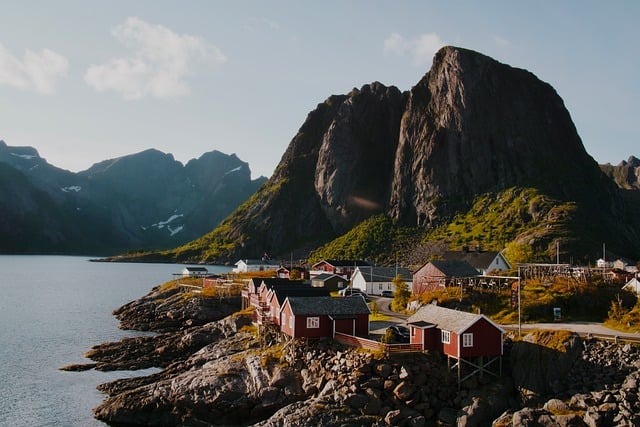
And then there’s the Midnight Sun—a phenomenon where the sun refuses to set, bathing the land in eternal light. This isn’t just a natural occurrence; it’s a source of inspiration and life for the Sami. They tell tales of reindeer herders who’d stay awake under the sun’s radiant glow, their eyes sparkling with the same brightness. It’s a reminder of resilience and joy, just like how the sun turns darkness into a playground of possibilities.
“Nature’s Palette: The Sami Cultural Lens on Seasonal Changes and Phenomena”
The Sami have a profound connection to their environment, and their cultural lens brings a unique perspective on seasonal transformations. Have you ever noticed how the world seems to shift in the blink of an eye? One moment, the land is blanketed in snow, and the next, the sun spills golden light, awakening the earth with blossoms. To the Sami, these seasons are not merely cycles; they are stories that tell of survival, hope, and harmony.
In spring, vibrant greens burst forth, as though the earth itself is exhaling after a long winter. That’s when the reindeer herders rejoice, as their herds return from the snowy landscapes to munch on fresh grass. It’s a celebration of rebirth! Then there’s summer, where the days stretch endlessly, and nature seems to hum with life. Can you feel the excitement? The Sami immerse themselves in the land, fishing, foraging, and embracing the bounty of the season—living art in the making.
Autumn, however, feels like a cozy blanket being draped over the landscape. The trees turn a fiery orange, ushering in a moment of reflection before winter’s stark embrace. Each change in nature mirrors the rhythm of Sami life, weaving together tradition and modernity in a seamless tapestry. Isn’t it fascinating how this cultural perspective opens a door to understanding nature in its purest form? Nature isn’t just seen; it’s felt in every fiber of their existence.
“The Sami Perspective: Unlocking Ancient Wisdom About Weather Patterns”
The Sami have honed their understanding of the environment over centuries, akin to seasoned storytellers who unravel tales from the whispers of the wind. They observe minute details—like the behavior of animals or the color of the sky—that often go unnoticed in our modern hustle. Isn’t it incredible how they can predict storms or milder days simply by tuning into their surroundings? It’s like they have a weather app built into their intuition!
Their ancient wisdom emphasizes a harmonious existence with nature, reminding us that everything is interconnected. Just as a musician hears melodies in silence, the Sami sense weather patterns that could elude the average observer. Think of it as a dance; they follow the rhythm of the seasons, interpreting nature’s cues with an artist’s flair.
“Reindeer and Rain: Traditional Sami Views on Nature’s Ecosystem”
Reindeer are at the heart of this connection. They’re not just animals; they’re the lifeblood of Sami culture, providing food, clothing, and tools. The way the Sami interact with reindeer reflects profound respect for nature. They know that when the rain falls, it transforms the land, revitalizing their food sources and guiding the herds toward fresh pastures. Have you ever thought about how a simple rain shower can create such a ripple effect in the ecosystem? For the Sami, it’s not just weather; it’s a vital force that nurtures life, underscoring their belief that every drop of rain has a purpose.
But it’s not only rain that speaks. The Sami interpret the seasons, the behavior of animals, and even the winds as signs from nature. The way reindeer graze or migrate tells them stories about the health of their environment. It’s like nature’s own language—a dialogue between humans and their surroundings where every detail matters. Just as we listen to friends to understand their feelings, the Sami listen to nature to thrive.
In this intimate dance with the ecosystem, the Sami have honed a worldview that respects and honors the gifts of nature, embracing the cycles of life with open arms. It’s a beautiful reminder that we, too, can cherish the world around us. After all, aren’t we all part of this grand tapestry?
“Tales of the Tundra: Sami Folklore Explains the Mysteries of Natural Events”
Picture this: the vivid colors of the Aurora Borealis paint the night sky, shimmering like a painter’s palette. According to Sami legends, these enchanting lights were believed to be the spirits of ancestors playing a cosmic game of ball with a walrus skull. Isn’t that a delightful twist? Rather than seeing the lights as mere scientific phenomena, the Sami view them as a connection to their heritage, infusing the natural world with spirituality.
And what about the changing seasons? Instead of just marking time on a calendar, the Sami see them as a powerful cycle of life. Each season has its own personality, from the blustery winds of winter, which symbolize endurance, to the warmth of summer, representing growth. These tales not only keep traditions alive but also teach respect for nature and its rhythms.
Curious about the reindeer? Sami folklore tells of a deep bond between the Sami people and these majestic creatures, almost as if they share a symbiotic relationship. When reindeer migrate, it’s more than just instinct; it’s a dance of survival that has been narrated through generations.
So, next time you gaze upon a snowy tundra or marvel at the sky, remember the Sami tales that bring these wonders to life. They are more than stories; they are the heartbeat of a culture that sees magic in the mundane and meaning in the mysteries of the natural world.
“Celestial Stories: Sami Beliefs Surrounding Stars, Moons, and Solar Seasons”
In Sami shamanism, the night sky is a grand tapestry filled with vibrant tales. The stars, often seen as ancestors watching over the living, play a crucial role in guiding both the spiritual and physical journeys of the Sami. Picture the Northern Lights dancing in the sky, creating a celestial stage for ancestral gatherings, a breathtaking sight that ignites the imagination and invigorates the soul. How could one not feel a connection to worlds beyond?
Take, for example, the moon, which holds a special place in Sami lore. It’s not just a glowing orb; it’s believed to have emotions and moods, influencing everything from hunting to healing. When the full moon rises, Sami traditions suggest it’s a potent time for rituals and reflecting on the cycles of life. The moon’s phases are like a heartbeat, guiding the rhythms of daily activities.
And let’s not forget about solar seasons! The Sami people tie their way of life to the sun’s journey across the sky, tracking seasonal changes that dictate when to migrate, fish, and celebrate. These solar shifts are akin to the turning of a page in a beloved book, where each chapter unfolds with new adventures and challenges.
With each glance at the heavens, the Sami weave their stories into the fabric of the universe, connecting the present with the ancient, reminding us that the cosmos is alive with meaning and wonder.
Frequently Asked Questions
How Do Sami Interpret Weather Changes?
Sami people utilize traditional ecological knowledge to interpret weather changes, observing natural indicators such as animal behavior, plant growth, and seasonal patterns. This understanding helps them adapt to their environment, making informed decisions about activities like herding reindeer and fishing.
How Do Sami Beliefs Explain Northern Lights?
Sami beliefs interpret the Northern Lights as manifestations of the spirits of ancestors or a bridge between the living and the dead. These ethereal lights are viewed as cosmic events imbued with cultural significance, where they are associated with ancestral connections and natural phenomena that reflect the spiritual essence of the Sami people.
What Natural Phenomena Are Significant in Sami Culture?
In Sami culture, natural phenomena such as the Northern Lights, seasonal changes, and the midnight sun hold deep significance. The Northern Lights are often seen as spiritual messages, while the changing seasons dictate traditional practices and livelihoods, such as reindeer herding. The midnight sun, occurring in summer, symbolizes renewal and vibrant life, reflecting the close relationship between the Sami people and their natural environment.
How Are Sami Traditions Passed Down Through Generations?
Sami traditions are passed down through generations primarily through oral storytelling, rituals, and hands-on practices. Elders play a crucial role by sharing knowledge, cultural practices, and languages with younger members during seasonal gatherings and community events. This transmission fosters a strong sense of identity and continuity within the Sami culture.
What Role Do Animals Play in Sami Natural Interpretations?
Animals are integral to Sami natural interpretations, serving as symbols of connection to the land and embodying cultural, spiritual, and practical elements of Sami life. Their behaviors and roles in nature help inform traditional knowledge, guiding sustainable practices and deepening the understanding of the ecosystem.