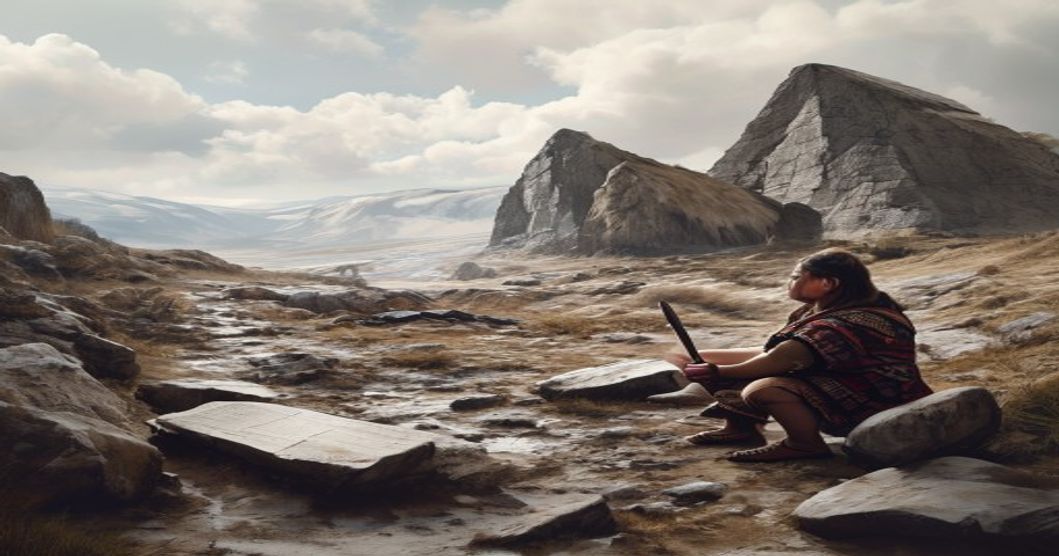
Origins and Historical Trajectory of Sami Culture
The Sami people, recognized as the only indigenous population within the European Union, have inhabited the vast region known as Sápmi for millennia. Archaeological evidence suggests continuous occupation dating back to at least 9000 BCE, following the retreat of post-glacial ice sheets. Early hunter-gatherer communities adapted to Arctic and subarctic ecosystems, developing sophisticated survival strategies that would later evolve into a distinct cultural identity. Radiocarbon dating from sites in Finnmark, Tromsø, and Lapland confirms that reindeer domestication began during the late Iron Age, fundamentally transforming subsistence patterns and social organization.
Prehistoric Settlement Patterns and Environmental Adaptation
Spatial analysis of archaeological site distributions reveals a pronounced seasonal mobility model. Summer settlements typically clustered near coastal fjords and river valleys, facilitating fishing and bird hunting, while winter camps shifted inland to dense boreal forests where reindeer herds congregated. Soil stratigraphy from excavations in Kautokeino demonstrates layered occupation sequences, indicating uninterrupted cultural continuity despite climatic fluctuations during the Medieval Warm Period and Little Ice Age. The Sami archaeological record remains uniquely characterized by ephemeral dwellings constructed from turf, wood, and reindeer hides, which complicate preservation but yield exceptional organic artifacts when waterlogged or permafrost conditions prevail.
Pivotal Archaeological Discoveries in Sápmi
Recent excavations have radically reshaped academic understanding of Sami material culture. The discovery of a 3,000-year-old boathouse in Kvalsund, Finnmark, provided direct evidence of early maritime adaptation among coastal Sami groups. Within its preserved timber framework, researchers recovered bronze age artifacts, including Nordic-style spearheads and Baltic amber beads, confirming extensive long-distance exchange networks well before medieval trade routes formalized. Similarly, the excavation at Røros in central Norway uncovered a multi-period settlement containing iron smelting slag, charred reindeer bone fragments, and ritual stone alignments, demonstrating that metallurgy and spiritual practice coexisted within the same communal space.
Tromsø University Expeditions and Radiocarbon Breakthroughs
Systematic fieldwork conducted by Scandinavian institutions has employed accelerator mass spectrometry (AMS) dating to resolve chronological ambiguities. A landmark 2018 excavation near Alta revealed a necropolis containing over forty cremation burials, each accompanied by distinct grave goods: copper alloy belt buckles, bone combs, and carved antler tools. The stratigraphic sequence placed these interments between the 7th and 10th centuries CE, aligning with the Viking Age but predating widespread Christianization. Isotopic analysis of human remains further indicated dietary reliance on both marine mammals and terrestrial reindeer, challenging earlier assumptions that coastal and inland Sami populations remained culturally isolated.
Material Culture and Traditional Settlement Architecture
The Sami dwelling typology evolved in direct response to ecological constraints and seasonal migration cycles. The lavvu (goahti) functioned as the primary winter structure, engineered with a conical wooden lattice framework covered in reindeer hides and insulated
Frequently Asked Questions About Archaeological Discoveries About Sami Culture
What is Archaeological Discoveries About Sami Culture?
Archaeological discoveries about Sami culture refer to the material remains, artifacts, and sites uncovered through excavation and research that shed light on the ancient and historical life, traditions, and adaptations of the Sami people, the indigenous population of northern Fennoscandia.
Key facts about Archaeological Discoveries About Sami Culture
Key facts include the identification of ancient semi-subterranean dwellings, evidence of reindeer domestication dating back millennia, unique stone and wooden artifacts reflecting a hunter-gatherer-fisher lifestyle, and findings that demonstrate the Sami’s long-standing relationship with the Arctic environment and their distinct spiritual and cultural practices.