Exploring Sami Traditions Around Hospitality
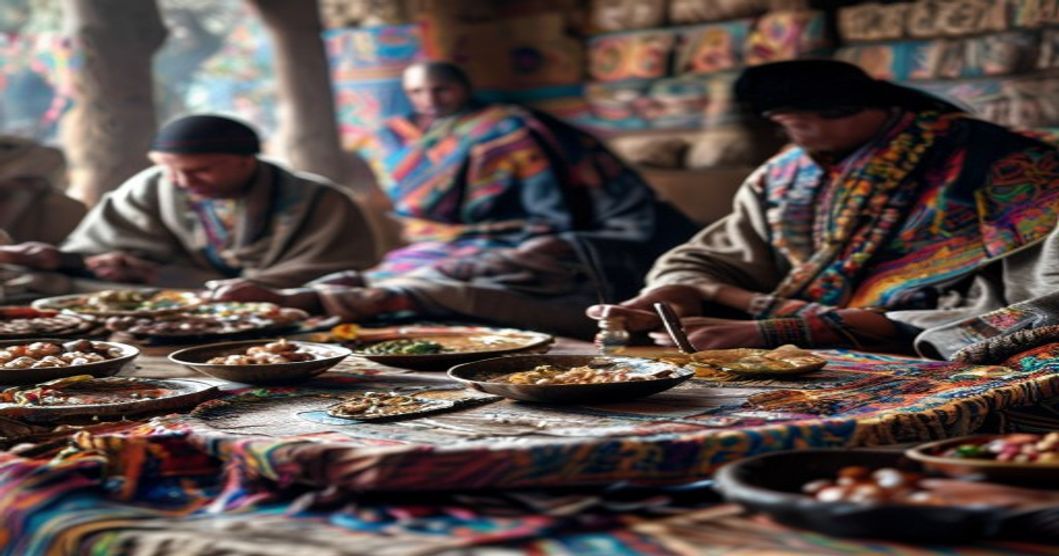
The foundational concept of Sami hospitality emerged from Arctic survival requirements rather than ceremonial display. Travelers encountering sudden blizzards or exhausted reindeer herds received immediate shelter regardless of social status or ethnic background. This practice operated within a reciprocal framework where every community member understood they might eventually require assistance during seasonal migrations. Reindeer husbandry dictated spatial arrangements in traditional lavvu structures, with the central fire pit serving as both thermal regulator and communal gathering point. Guests occupied designated areas near heat sources while elders maintained control over resource distribution.
Food protocols followed precise cultural guidelines that prioritized nutritional efficiency during long winters. Smoked reindeer meat provided essential proteins, while dried fish and preserved clouberries delivered vital vitamins lacking in frozen landscapes. Fermented dairy products like viili and sour cream supported digestive adaptation to high-fat diets. Communities avoided wasting any animal components, ensuring guests received nutritionally complete meals without compromising herd sustainability. Hospitality extended beyond physical sustenance into systematic knowledge exchange. Experienced herders taught visiting families weather prediction techniques through cloud formations and wind patterns. Navigation skills relied on understanding moss growth directions and animal migration corridors across tundra ecosystems.
- Shelter Adaptation: Lavvu tents utilized reindeer hides layered for insulation, with adjustable ventilation flaps preventing condensation buildup during extreme temperature shifts.
- Resource Sharing: Communities maintained emergency supply caches near migration routes, guaranteeing immediate provisions for stranded travelers without depleting primary food stores.
- Ethical Framework: Refusing hospitality constituted severe social transgression, reinforcing communal interdependence across fragmented family networks spanning national borders.
Modern preservation efforts integrate traditional practices into contemporary cultural tourism while maintaining ecological balance. Younger generations document regional variations through audio archives and interactive mapping projects, capturing distinctions between northern Norwegian duodji craftsmanship techniques and eastern Finnish storytelling traditions. Digital repositories now store video recordings of elder-guided foraging expeditions, demonstrating sustainable berry harvesting methods that prevent soil disruption. These initiatives address commercialization pressures by establishing community-controlled tourism frameworks that allocate revenue directly to language revitalization programs and reindeer grazing land protection.
The philosophical core remains anchored in environmental reciprocity rather than transactional exchange. Contemporary practitioners emphasize that genuine hospitality requires understanding seasonal resource cycles, respecting wildlife migration boundaries, and maintaining intergenerational responsibility for territorial stewardship. This approach transforms historical survival mechanisms into sustainable cultural frameworks addressing modern climate challenges while preserving indigenous sovereignty over traditional practices.
The Cultural Significance of Guest Reception
Guest reception among the Sami people operates as a foundational social contract rather than a mere courtesy. Historically, survival in the Arctic and sub-Arctic environments dictated that hospitality functioned as a critical infrastructure for community resilience. When travelers entered a lavvu or goahti, they immediately crossed into a protected social space where host obligations superseded personal convenience. This protocol extended beyond food provision to encompass shelter, warmth, and navigation guidance. The act of receiving guests carried spiritual weight, rooted in animistic beliefs that viewed strangers as potential messengers from the ancestral realm. Disregarding this duty risked ecological imbalance and communal isolation.
The physical preparation of reception spaces involved precise cultural sequencing. Hosts cleared interior pathways, arranged reindeer hides in specific patterns, and positioned hearths to maximize heat distribution while maintaining smoke ventilation. Offering coffee became a non-negotiable cornerstone, though historically replaced by boiled lichen tea or reindeer marrow broths during harsh seasons. The pouring sequence followed strict gendered and age-based protocols, reinforcing social hierarchy while ensuring equitable treatment. Small woven textiles, known as gákti accessories, were frequently presented to visitors as markers of regional identity and protective blessings.
- Reception rituals transformed individual encounters into information exchange corridors that prevented ecological mismanagement during winter months.
- Elders utilized hospitality frameworks to assess newcomers’ cultural literacy through observation of bowing angles, gift presentation timing, and speech cadence.
- Young hosts learned negotiation tactics, weather prediction vocabulary, and conflict de-escalation methods through direct participation in these ceremonies.
The coffee ceremony itself functions as a temporal boundary marker. Hosts measure beans using traditional wooden scoops, grinding them with stone mortars before boiling in copper vessels over open flames. The first three cups carry distinct names and purposes: the initial serving cleanses travel dust, the second establishes conversational parity, and the third seals mutual obligation contracts. Refusing these offerings historically signaled hostile intent or spiritual contamination. Contemporary practitioners maintain these exact measurements and vessel specifications to preserve acoustic resonance patterns that historically amplified storytelling across frozen landscapes.
This intergenerational transmission ensured that guest reception remained a functional survival strategy rather than a decorative tradition. Customary law historically codified these obligations, establishing clear penalties for hospitality neglect. Modern adaptations preserve these structures while integrating contemporary logistical requirements. The underlying principle persists across Sápmi communities: welcoming strangers operates as a mandatory ecological and social reset mechanism that maintains territorial harmony. Indigenous governance frameworks continue referencing these protocols when designing cultural preservation programs and community-based tourism initiatives.
Traditional Foods Served to Visitors
Food serves as the foundational pillar of Sámi hospitality, reflecting centuries of adaptation to Arctic environments and a deep respect for natural resources. When guests arrive in traditional Sámi households or lavvu tents, the immediate offering is never casual but rather a carefully prepared meal designed to restore warmth and energy after long journeys across tundra and forests. The host’s duty extends beyond mere sustenance; it embodies an unspoken covenant of trust where sharing food signifies acceptance into the community’s daily rhythm.
Central to these repasts is reindeer, utilized in multiple traditional forms depending on the season and occasion. Smoked reindeer sausage known as suovas provides a smoky, preserved protein that withstands harsh winters, while fresh cuts prepared as gáhkku are often pan-fried with butter and served alongside wild berries. Fish remains equally vital, with Arctic char, trout, and salmon caught during spring runs being either fried whole, boiled in mineral-rich broths, or lightly salted for immediate consumption. These proteins are consistently paired with foraged ingredients that define Sámi culinary identity, particularly cloudberries and bilberries, which contribute essential vitamins and natural sweetness to balance the rich, game-forward flavors.
- Govdas: A dense, unleavened flatbread cooked on iron plates over open fires, traditionally sliced thin and layered with reindeer tallow or cloudberries for sustained energy during long travels.
- Lihavichka & Fish Broths: Clear, nutrient-dense soups made from reindeer bones and freshwater fish, simmered with root vegetables and wild herbs to combat extreme cold.
- Berries & Lichen Preparations: Cloudberries are fermented in honey or boiled into syrups, while reindeer lichen undergoes leaching processes to create edible pastes during famine periods that later evolved into ceremonial dishes.
Serving protocols follow strict cultural guidelines that prioritize respect and hierarchy. The eldest members of the household receive portions first, followed by honored guests who are offered the finest cuts or largest fish fillets. Communal eating vessels replace individual plates in traditional settings, reinforcing collective responsibility and shared survival. Coffee and black tea brewed over campfires accompany meals throughout the evening, with continuous refills symbolizing ongoing hospitality. Every element of the meal, from the smoking wood used to prepare meats to the reindeer hide mats beneath dishes, communicates reverence for the land and acknowledges the guest’s role within the broader Sámi social fabric.
Accommodation Practices in Lapland and Finnmark
Traditional Sami hospitality centers on the lavvu, a conical dwelling engineered for rapid assembly and thermal efficiency across subarctic terrain. Constructed from birch or pine poles lashed together at the apex, the structure relied on tightly woven reindeer hides during winter months to block wind, while summer variants utilized open frameworks with moss insulation. Inside, spatial hierarchy dictated guest placement: elders and honored visitors occupied the warmer rear section near the central fire pit, while hosts managed cooking and resource distribution near the entrance. The floor typically featured layered reindeer pelts arranged with antlers facing downward to prevent skin damage and ensure even heat retention. Modern adaptations retain this layout but integrate insulated flooring and ventilation systems that maintain humidity balance without compromising traditional airflow principles.
Hospitality protocols within these accommodations operate on strict reciprocity norms. Upon arrival, guests automatically receive dried reindeer meat, cloudberries, and hot coffee prepared over the hearth, regardless of prior arrangements. This immediate provisioning signals acceptance into the household economy. Sleeping quarters rarely separate by gender; instead, family units share communal mats arranged in a circular pattern around the fire, reinforcing collective responsibility for warmth and security. In Finnmark’s coastal settlements, turf-roofed cottages supplement the lavvu during extreme weather, featuring stone foundations that absorb daytime solar radiation to stabilize nighttime temperatures. Contemporary cultural lodges preserve these mechanics while introducing sustainable timber framing and rainwater harvesting, yet they deliberately omit individual climate controls to maintain experiential continuity with ancestral practices.
- Material Sourcing: Every component derives from local ecosystems, including sinew for stitching, birch bark for waterproofing, and rendered fat for seam sealing.
- Thermal Regulation: Adjustable charcoal beds beneath cooking vessels allow precise heat modulation, while reindeer hide layers trap rising warmth without creating oxygen-depleted environments.
- Guest Integration: Visitors participate in roof snow removal, fuel rotation, and hide maintenance, transforming stays into collaborative survival exercises rather than passive consumption.
Resource management inside Sami accommodations reflects deep ecological literacy. Cooking vessels sit directly over adjustable charcoal beds, allowing precise heat modulation for boiling broth or smoking fish. Visitors actively maintain structural integrity by brushing snow from roof covers and rotating fuel logs, ensuring consistent thermal output throughout polar nights. These operational routines persist because they align with indigenous worldview principles where shelter functions as a living extension of kinship networks rather than a transient refuge.
Historical Evolution of Sami Traditions Around Hospitality
The historical foundation of Sami hospitality emerges directly from the extreme climatic realities of Sápmi, where survival depended on resource sharing across vast tundra and taiga landscapes. Early nomadic communities developed implicit social contracts that mandated shelter, fire, and sustenance for travelers regardless of origin. The traditional lavvu served not merely as a dwelling but as a communal node where reindeer herders, fishers, and hunters exchanged knowledge about seasonal migration routes and weather patterns. Food distribution followed strict customary laws; portions of smoked reindeer meat, dried whitefish, and fermented dairy were divided according to kinship ties and guest status, ensuring no individual faced starvation during harsh winters.
Medieval and early modern periods introduced external influences through established fur trading networks connecting Scandinavian settlements, Russian Pomors, and indigenous groups. Sami hospitality adapted to these interactions by formalizing guest reception protocols. Host families prepared dedicated sleeping areas near the central fire pit, often constructing temporary partitions using reindeer hides. Travelers received hot beverages brewed from birch bark or pine needles, a practice that reinforced warmth and trust during prolonged Arctic nights. These encounters facilitated linguistic borrowing in trade terminology while preserving core values of reciprocity and mutual aid.
The nineteenth and twentieth centuries marked a decisive rupture as state-led assimilation policies systematically restricted traditional movement patterns and land use rights. Government restrictions on reindeer herding corridors disrupted seasonal gathering sites that historically functioned as hospitality hubs. Missionary establishments frequently condemned indigenous guest customs as primitive, replacing communal hearth gatherings with individualized domestic structures. Despite institutional pressure, rural communities maintained clandestine practices of welcoming displaced persons and maintaining food-sharing networks that operated outside official documentation.
Late twentieth-century cultural reclamation efforts restored documented hospitality frameworks through oral history archives and intergenerational knowledge transfer. Contemporary Sami households reference historical guest management systems when designing cultural tourism initiatives and educational programs. Traditional protocols now emphasize preparedness for unexpected visitors, seasonal gift exchange, and structured storytelling sessions that preserve ecological monitoring techniques alongside spiritual narratives. These reconstructed practices demonstrate how survival-driven hospitality evolved into a recognized element of intangible cultural heritage.
Reindeer Herding and Nomadic Hosting Customs
The Sami relationship with reindeer (boaz) extends far beyond livestock management; it forms the structural backbone of their nomadic hospitality traditions. Across Fennoscandia, seasonal migration routes dictate both herd movement and the placement of temporary camps where guests are welcomed. Hospitality in these contexts emerged from ecological necessity rather than mere custom. Arctic survival demands resource sharing, making the offering of shelter, warmth, and sustenance to strangers a non-negotiable social contract.
When travelers encountered a herding family during spring calving or autumn slaughter periods, they were directed to the goahti (traditional turf and pole dwelling) or later the canvas lavvu. These structures functioned as communal hubs where fire management followed strict protocols. Guests received immediate access to heat and dried reindeer hides for bedding. Firewood gathering followed seasonal restrictions, with visitors contributing only when explicitly invited. Bedding arrangements prioritized wind direction and insulation layers, demonstrating technical adaptation to subzero conditions.
- Reindeer meat was prepared through smoking, air-drying, or fermentation, while dairy products like goaskin (milk) and clotted cream provided essential calories.
- Berries harvested from tundra slopes—cloudberries, lingonberries, and bilberries—complemented meals alongside game fowl and fish caught in regional waterways.
- The act of serving food carried symbolic weight; refusing hospitality historically risked disrupting ecological balance and social cohesion.
Guests were expected to participate in camp routines without demanding immediate explanations, respecting the herders’ focus on animal welfare and route safety. Language barriers were navigated through gesture, shared meals, and the universal recognition of reindeer tracking patterns. The siida system governed resource distribution, ensuring that hospitality practices aligned with herd health metrics and grazing capacity. Modern herding communities maintain these protocols while adapting to infrastructure changes and regulated tourism. Contemporary Sami hosts often document migration calendars, share traditional cooking methods like muohtogáhkku (snow soup), and explain communal governance structures to visitors. This continuity preserves indigenous knowledge systems that link animal husbandry, land stewardship, and reciprocal exchange. The hospitality framework remains embedded in daily herding operations, reinforcing cultural resilience against assimilation pressures.
Impact of Modernization on Indigenous Welcoming Practices
Modern infrastructure development has systematically altered the rhythm of traditional indigenous hospitality. Extended transportation networks and instant digital communication have reduced reliance on spontaneous guest exchanges that once defined seasonal gatherings and migratory routes. Communities now navigate an environment where standardized commercial accommodations compete with deeply rooted customs of shared meals, fire-side storytelling, and reciprocal resource distribution. Hospitality frameworks historically operated on unspoken social contracts governing territorial stewardship and mutual obligation. Contemporary adaptations must reconcile these foundational principles with accelerated economic cycles and transient visitor patterns.
Economic transitions have introduced measurable shifts in ceremonial practices and spatial organization. Younger practitioners increasingly utilize hybrid methodologies, documenting preparation techniques through digital archives while preserving core ethical guidelines regarding guest treatment. Local enterprises report consistent demand for authentic cultural exchange, prompting structured initiatives such as community-managed guesthouses and guided immersion programs. These models prioritize direct knowledge transfer over passive observation, ensuring hospitality functions as an active practice rather than a static performance.
Key structural transformations include:
- Relocation of seasonal gathering points due to climate-driven landscape modifications
- Integration of digital platforms for intergenerational knowledge preservation and ritual scheduling
- Evolving gift-exchange customs that align with contemporary economic realities while maintaining ancestral reciprocity protocols
- Shift from nomadic hosting networks to centralized cultural centers operating year-round
Environmental alterations directly influence traditional welcoming protocols. Changed migration patterns and altered seasonal markers disrupt established meeting locations, requiring communities to adjust timelines or establish fixed hospitality venues. Despite these disruptions, cultural continuity persists through deliberate separation of functional logistics from symbolic gestures. Hosts maintain ceremonial greetings, specific seating arrangements, and traditional food preparation sequences regardless of physical setting changes. Educational institutions now incorporate indigenous hospitality frameworks into formal curricula, fostering structured dialogue that strengthens rather than replaces oral transmission systems.
Commercialization presents measurable risks alongside documented opportunities. Unregulated tourism can fragment community cohesion and dilute ceremonial intent. Strategic partnerships enable elders to establish interpretation standards and revenue distribution models. Digital networks amplify practitioner voices, allowing direct control over narratives surrounding welcoming customs. Sustainable frameworks implement strict capacity limits, transparent cultural consent mechanisms, and localized economic reinvestment. These structured approaches ensure hospitality evolves as a living tradition rather than a commodified display.
Regional Variations Across Sápmi
The Sápmi region spans across four nations, and its hospitality customs adapt directly to local ecosystems, historical trade routes, and seasonal survival strategies. In the northern reindeer-herding communities of Finnish Lapland and Swedish inland districts, guests are traditionally welcomed into a lavvu or goahti. Hosts prioritize warmth and sustenance over formal ceremony. A meal typically features smoked reindeer meat, cloudberries, and fresh milk from the previous night’s milking. Guests are expected to share stories about weather patterns, grazing routes, and wildlife sightings, reinforcing communal knowledge transfer. The act of giving a small bundle of birch branches or a carved antler piece upon departure symbolizes gratitude and future reciprocity.
Coastal Sámi populations in Northern Norway and the Kola Peninsula developed distinct protocols rooted in maritime survival. Hospitality here centers on shared fishing harvests rather than pastoral goods. Visitors are offered salted cod, seal oil, and fermented fish stews prepared in clay pots or wooden troughs. The seating arrangement inside a traditional rafter house follows strict spatial logic: elders occupy the heated corner near the central hearth, while travelers receive the outer bench closest to the entrance. This placement ensures quick access to outdoor tools without disturbing household routines. Coastal hosts also practice conditional generosity, offering extra supplies only after verifying a guest’s travel purpose and seasonal alignment with local fish runs.
- Inland mountain groups utilize smokehouses for long-term preservation, meaning winter guests receive aged reindeer fat and dried lichen bread instead of fresh provisions.
- Eastern Sámi communities maintain Slavic-influenced tea rituals alongside traditional berry infusions, reflecting centuries of cross-border exchange.
- Western coastal villages prioritize acoustic hospitality; silence during meals is replaced by rhythmic drumming and yoik chants that orient outsiders to local cosmology.
Modern adaptation has not erased these regional markers. Contemporary Sámi hosts still reference terrain-specific etiquette when hosting researchers, tourists, or neighboring herders. The underlying principle remains consistent: hospitality functions as a survival network first, and a cultural display second. Recognizing these variations prevents homogenization of Sámi practices and preserves the ecological knowledge embedded in each locality’s welcoming rituals.
Eco-Tourism and Authentic Sami Hospitality Experiences
Authentic Sami hospitality intersects directly with sustainable eco-tourism through community-managed wilderness programs that prioritize ecological balance alongside cultural exchange. Visitors engage in low-impact accommodations such as reinforced lavvu structures, which use locally sourced timber and reindeer hides while maintaining strict thermal efficiency standards. These stays operate under seasonal rotation protocols aligned with traditional reindeer grazing cycles, preventing soil compaction and preserving fragile tundra vegetation.
Local operators enforce wildlife distance guidelines, carbon-neutral transport routes, and leave-no-trace camping techniques that mirror historical Sami land stewardship. Meals feature foraged cloudberries, smoked reindeer protein, and fermented dairy, all sourced within a five-kilometer radius to minimize supply chain emissions. Guides hold certified indigenous knowledge credentials, translating ancestral navigation methods into modern wilderness safety practices while documenting climate adaptation strategies.
- Community-led tourism frameworks direct 70% of revenue toward land restoration and youth cultural training programs.
- Seasonal access limits prevent overvisitation during calving periods and critical migratory windows.
- Traditional duodji workshops utilize fallen birch, sustainable leather tanning, and plant-based dyes to reduce chemical runoff.
- Real-time ecological monitoring tracks vegetation recovery rates and reindeer herd interactions for adaptive management.
Participatory travel models replace passive observation with active skill transfer. Guests learn snow-shoe construction from willow frames, practice traditional fire-building without metal tools, and participate in morning milking routines that follow lunar grazing patterns. Operators require strict group size caps, mandate waste segregation, and integrate GPS tracking to ensure route compliance with protected zone boundaries. These protocols preserve both cultural integrity and ecosystem resilience while generating measurable economic benefits for participating Sámi families.
Connecting with Indigenous Hosts Today
Modern engagement with Sami hospitality traditions requires deliberate preparation and a structured approach to cultural exchange. Travelers seeking authentic interaction must move beyond surface-level tourism and establish genuine contact through community-approved channels. The foundation of successful connection lies in understanding the historical context of indigenous hosting, where warmth and resource-sharing emerged from survival strategies in Arctic ecosystems. Today, these practices translate into structured homestays, guided reindeer safaris, and craft workshops that prioritize mutual respect over transactional experiences.
Effective preparation begins with verifying the operational status of local hosting networks. Many Sami communities manage hospitality through cooperatives or family-run enterprises registered under regional tourism boards. Consulting official cultural directories ensures that engagements support legitimate indigenous businesses rather than third-party operators. Learning basic greeting phrases and recognizing seasonal activity cycles demonstrates foundational respect. Seasonal variations dictate available experiences, with summer focusing on mountain hiking and berry foraging, while winter centers around snowmobile expeditions and traditional fire-side storytelling.
- Research community-managed platforms before booking accommodation or guided activities
- Verify host credentials through regional indigenous tourism associations
- Adapt schedules to seasonal operational windows and weather dependencies
- Prioritize small-group interactions that limit environmental strain on grazing lands
- Document exchanges only with explicit written consent from hosting families
Economic participation directly influences the sustainability of indigenous hospitality networks. Allocating funds toward locally sourced meals, handcrafted duodji items, and community-led cultural presentations strengthens regional self-determination. Visitors should approach photography and recording as negotiated agreements rather than automatic privileges. Establishing clear boundaries around sacred sites and reindeer herding routes preserves operational integrity while preventing unauthorized interference with livelihood activities.
Digital connectivity now bridges geographical separation without compromising traditional values. Verified online portals facilitate advance consultations regarding dietary requirements, accessibility needs, and cultural expectations. Video conferences with community coordinators allow travelers to align their itineraries with actual host availability. These pre-arrival interactions reduce friction upon physical arrival and establish transparent communication channels. Long-term relationships develop when visitors return during different seasons, participate in educational workshops, or contribute to language preservation initiatives. Consistent engagement transforms isolated encounters into sustained cultural dialogue.
“`html
Frequently Asked Questions
What is Sami Traditions Around Hospitality?
Sami traditions around hospitality are deeply rooted in the nomadic and reindeer-herding culture of the Indigenous Sami people, who inhabit the northern regions of Norway, Sweden, Finland, and Russia. Hospitality in Sami culture is considered a sacred duty; guests are warmly welcomed into lavvu (traditional tents) or modern homes and offered food such as reindeer meat, fish, smoked products, and cloudberries. Sharing meals and resources with visitors reflects the core Sami values of community, respect for nature, and mutual support.
Key facts about Sami Traditions Around Hospitality?
Here are the key facts about Sami hospitality traditions: (1) Guests are always treated as blessings, and refusing food or shelter is considered impolite. (2) Traditional Sami cuisine includes reindeer meat, salmon, bread baked on hot stones, and berry-based drinks served to honor visitors. (3) The lavvu, a portable cone-shaped tent, serves as the primary gathering space for hosting guests during nomadic life. (4) Hospitality extends beyond food—Sami hosts often share stories, joik singing, and reindeer-sledding experiences with travelers. (5) These traditions have been preserved over centuries despite external influences and remain a proud part of Sami cultural identity today.
“`
“`json
{
“@context”: “https://schema.org”,
“@type”: “FAQPage”,
“mainEntity”: [
{
“@type”: “Question”,
“name”: “What is Sami Traditions Around Hospitality?”,
“acceptedAnswer”: {
“@type”: “Answer”,
“text”: “Sami traditions around hospitality are deeply rooted in the nomadic and reindeer-herding culture of the Indigenous Sami people, who inhabit the northern regions of Norway, Sweden, Finland, and Russia. Hospitality in Sami culture is considered a sacred duty; guests are warmly welcomed into lavvu (traditional tents) or modern homes and offered food such as reindeer meat, fish, smoked products, and cloudberries. Sharing meals and resources with visitors reflects the core Sami values of community, respect for nature, and mutual support.”
}
},
{
“@type”: “Question”,
“name”: “Key facts about Sami Traditions Around Hospitality?”,
“acceptedAnswer”: {
“@type”: “Answer”,
“text”: “Here are the key facts about Sami hospitality traditions: (1) Guests are always treated as blessings, and refusing food or shelter is considered impolite. (2) Traditional Sami cuisine includes reindeer meat, salmon, bread baked on hot stones, and berry-based drinks served to honor visitors. (3) The lavvu, a portable cone-shaped tent, serves as the primary gathering space for hosting guests during nomadic life. (4) Hospitality extends beyond food—Sami hosts often share stories, joik singing, and reindeer-sledding experiences with travelers. (5) These traditions have been preserved over centuries despite external influences and remain a proud part of Sami cultural identity today.”
}
}
]
}
“`