The Heart of Sápmi: Understanding Authentic Sami Culture
Sápmi, the ancestral homeland spanning northern Norway, Sweden, Finland, and Russia, remains one of the last untamed cultural landscapes in Europe. At its core lies the Sami culture, a resilient indigenous heritage shaped by millennia of adaptation to extreme Arctic environments. Unlike conventional tourism narratives, experiencing the Sami way of life requires moving beyond staged performances and engaging with living traditions that continue to evolve.
Reindeer Herding and Nomadic Traditions
Approximately 80,000 people identify as Sami today, with reindeer herding serving as the economic and cultural backbone for roughly 20% of the community. Regulated by national laws in Norway, Sweden, and Finland, reindeer husbandry follows ancient seasonal migration routes known as siida territories. These pathways dictate winter grazing in boreal forests, summer pastures in alpine tundra, and spring calving grounds near coastal lowlands. Modern logistics now include snowmobiles and helicopters, yet the underlying knowledge of animal behavior, weather patterns, and terrain navigation remains deeply rooted in generational oral transmission.
Language, Oral History, and the Art of Joik
The Sami linguistic family comprises nine distinct languages, with Northern Sami being the most widely spoken. Historically suppressed through assimilation policies, these tongues have undergone legal revitalization and now hold official status in their respective regions. Central to this linguistic preservation is the joik, a non-linear vocal tradition that does not merely describe but embodies landscapes, people, or animals. Modern Sami musicians blend joik harmonics with contemporary genres, ensuring the practice remains dynamic rather than museum-bound.
Duodji Crafts and Traditional Knowledge
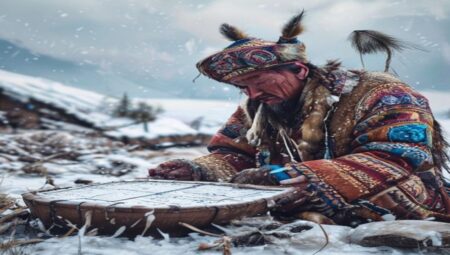
Duodji, recognized by UNESCO as intangible cultural heritage, encompasses handcrafted tools, clothing, and decorative items made from reindeer antler, birch root, fur, and silver. Each region displays distinct stitching patterns and metalwork techniques that function as visual dialects. Contemporary artisans balance commercial production with strict adherence to sustainable sourcing, often utilizing fallen antlers and ethically harvested materials to maintain ecological equilibrium.
Planning Your Arctic Journey: Destinations and Seasons
Successful Arctic travel demands strategic timing and geographic precision. Sápmi’s vast expanse encompasses diverse microclimates, requiring travelers to align their itinerary with specific cultural sites and natural phenomena.
Key Regions Across Norway, Sweden, Finland, and Russia
Northern Norway concentrates around Karasjok, Tana, and Kautokeino, where the Sami Parliament buildings and annual Duodji exhibitions anchor cultural tourism. Swedish Lapland centers on Kiruna, Jokkmokk (hosting the famous winter market), and Abisko National Park for wilderness access. Finnish Sápmi revolves around Inari, Utsjoki, and Levi, offering integrated heritage trails and Sami-guided safaris. Russian Kola Peninsula remains accessible but requires specialized permits due to restricted indigenous zone policies.
Seasonal Shifts: Winter Darkness vs. Midnight Sun
December through March delivers polar night conditions, providing optimal darkness for aurora borealis viewing and extensive snow cover for dog sledding or reindeer-pulled sleds. Conversely, May to August brings the midnight sun, melting snowpack, and accessible hiking trails across mountain plateaus. Shoulder months like April and September offer transitional landscapes with fewer tourists but unpredictable weather patterns.
Sustainable Travel Practices in the High North
Eco-conscious Arctic tourism prioritizes low-impact transportation, carbon offset programs, and strict adherence to Leave No Trace principles. Travelers must avoid disturbing reindeer grazing corridors during migration seasons, utilize certified Sami-owned tour operators, and respect photography restrictions in sacred duodji-making workshops. Supporting local economies through authentic guesthouses and cultural centers directly funds language revitalization projects.
Immersive Experiences: Beyond the Tourist Trail
Authentic engagement with Sápmi requires shifting from passive observation to participatory learning. The following frameworks maximize cultural depth while minimizing environmental disruption.
Guid
“`html
Frequently Asked Questions about Sami Tourism Businesses and Arctic Travel
What is Sami Tourism Businesses and Arctic Travel?
What is Sami Tourism Businesses and Arctic Travel?
Sami Tourism Businesses and Arctic Travel refers to a collective network of tourism enterprises operating in the Arctic regions of Scandinavia and Sápmi (the traditional Sámi homeland spanning northern Norway, Sweden, Finland, and parts of Russia). These businesses specialize in offering authentic cultural experiences rooted in Sámi heritage, including reindeer safaris, dog sledding, ice fishing, traditional lavvu (tent) stays, and guided nature tours led by indigenous Sámi guides. The focus is on sustainable, culturally respectful Arctic travel that immerses visitors in the traditions, cuisine, and storytelling of the Sámi people while showcasing the breathtaking Arctic landscapes of the midnight sun and northern lights.
Key facts about Sami Tourism Businesses and Arctic Travel
Key facts about Sami Tourism Businesses and Arctic Travel
- The Sámi are the only officially recognized indigenous people within the European Union.
- Sámi tourism businesses are predominantly small, family-owned enterprises that prioritize sustainability and cultural preservation.
- Popular Arctic travel experiences include reindeer-pulled sleigh rides, dog sledding across snow-covered fells, and overnight stays in traditional lavvus.
- The best time to visit for northern lights tourism is from late September to March, while the midnight sun can be experienced from late May to July.
- Sámi culture is deeply connected to reindeer herding, which remains a central livelihood and cultural symbol for many Sámi communities.
- Many Arctic travel operators adhere to eco-friendly practices, including Leave No Trace principles and low-impact transportation methods.
- Sámi cuisine, featuring dishes like reindeer meat, cloudberries, and smoked fish, is increasingly featured as a unique culinary tourism draw.
“`