Understanding Sápmi Territory and Indigenous Cultural Foundations
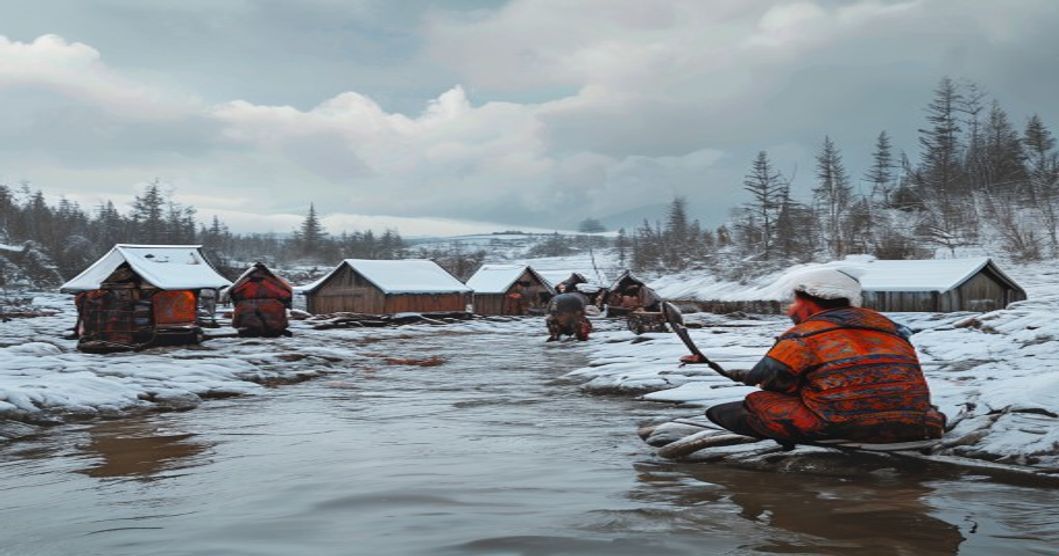
Sápmi spans across northern Norway, Sweden, Finland, and the Kola Peninsula of Russia, representing the ancestral homeland of the Sámi people, Europe’s only recognized indigenous population. Visiting these regions requires a fundamental shift from conventional tourism to culturally grounded stewardship. The Sámi maintain distinct languages, governance structures, and ecological knowledge systems that have sustained arctic and subarctic ecosystems for millennia. Travelers must recognize that Sápmi is not a monolithic tourist destination but a living indigenous territory where sovereignty, seasonal livelihoods, and spiritual practices dictate the rhythm of daily life. Acknowledging this reality forms the foundation for all respectful engagement.
Key Principle: Approaching Sápmi as a cultural landscape rather than a scenic backdrop ensures your visit aligns with indigenous self-determination and historical continuity.
Navigating Reindeer Herding Corridors and Seasonal Movements
Reindeer herding remains the cornerstone of Sámi economic and cultural identity, requiring vast seasonal migration routes that cross modern municipal boundaries. When traveling through reindeer grazing zones, always observe posted signage, avoid blocking fences or gateways, and never approach herds or handlers without explicit permission. Herders operate on tight ecological and logistical timelines; vehicle interference during calving (spring) or slaughter seasons (autumn) disrupts critical livelihood cycles. Use designated roads, keep dogs leashed, and yield to herding vehicles immediately. Understanding that grazing rights are legally protected under national indigenous frameworks transforms passive passage into active respect.
Practical Application: Consult local Sámi tourism offices for seasonal migration calendars before planning off-road excursions or wildlife photography trips in Lapland and Finnmark regions.
Engaging with Duodji Crafts and Joik Oral Traditions
Duodji encompasses traditional Sámi handicrafts, including knife-making, reindeer leatherwork, and silver smithing, each piece carrying lineage-specific patterns and functional purpose. Purchasing duodji directly from certified Sámi artisans supports cultural transmission; counterfeit or mass-produced “Sámi-style” goods undermine indigenous intellectual property rights. Similarly, the joik (traditional vocal singing) functions as a spiritual and mnemonic practice rather than performative entertainment. Do not request joiks in casual settings, record unauthorized audio, or treat the practice as folkloric spectacle. Attend documented cultural workshops where elders intentionally share knowledge under controlled, consensual conditions.
Ethical Boundary: Avoid wearing gákti (traditional dress) unless formally invited to participate in a cultural ceremony; misuse of sacred attire constitutes cultural appropriation and diminishes its ceremonial weight.
Environmental Stewardship in Arctic Ecosystems
Sápmi’s fragile tundra, peatlands, and boreal forests require strict adherence to leave-no-trace principles amplified by indigenous ecological awareness. The region experiences extended growing seasons that make vegetation recovery exceptionally slow; driving off designated trails destroys moss layers that regulate permafrost stability and reindeer forage quality. Winter tourism must account for snowpack sensitivity, while summer visits should avoid wetland compression near traditional camps. Indigenous land management practices emphasize reciprocal relationship with nature, meaning visitors should prioritize low-impact transit, pack out all waste, and respect seasonal access restrictions designed to protect breeding grounds.
Conservation Directive: Utilize GPS-guided public trails, refrain from collecting stones or plants, and report unauthorized logging or mining activity to local Sámi land councils.
Adapting to Arctic Conditions Through Indigenous Knowledge
Navigating Sápmi safely requires integrating traditional meteorological indicators with modern forecasting. Sámi elders historically read ice thickness, wind direction, and bird migration patterns to predict weather shifts; these observations remain relevant for hikers and drivers alike. Always register itineraries with local authorities, carry satellite communication devices, and acknowledge that rapid temperature fluctuations can render trails impassable within hours. Climate vulnerability in the Arctic accelerates permafrost thaw and alters reindeer migration timing, making respectful travel directly tied to environmental monitoring. Support guided expeditions led by Sámi naturalists who contextualize ecological changes within indigenous adaptation strategies.
Preparation Standard: Equip yourself with layered insulation, waterproof navigation tools, and emergency shelter; never rely on cellular networks as primary safety infrastructure in remote Sámi territories.
Ethical Engagement with Sámi Communities
Sámi land rights remain actively contested across national borders, with indigenous councils asserting jurisdiction over resource extraction, tourism development, and heritage preservation. Visitors must recognize that commercial resorts or adventure operators operating without Sámi consultation often perpetuate colonial tourism models. Prioritize accommodations and tour providers owned by Sámi cooperatives, verify their certification through the Sámi Duodji trademark authority, and allocate travel budgets toward community-managed cultural centers. Economic leakage undermines indigenous sovereignty; directing revenue to Sámi enterprises strengthens language revitalization, youth education, and land defense initiatives.
Economic Protocol: Request transparent pricing breakdowns, avoid haggling over culturally significant items, and understand that fair compensation reflects historical labor exploitation and ongoing self-determination efforts.
Photography Ethics and Digital Representation Standards
Visual documentation in Sápmi demands strict photography consent norms. Capture personal or ceremonial moments only after verbal agreement, respect privacy boundaries around private homesteads and sacred sites, and avoid framing Sámi individuals through stereotypical or impoverished lenses. When publishing content online, credit specific Sámi communities, use accurate linguistic terms (e.g., Northern Sámi vs. Lule Sámi), and contextualize images within contemporary indigenous life rather than historical romanticization. Digital cultural respect requires algorithmic awareness: viral travel posts often trigger unmanaged tourism surges that strain local infrastructure and erode community autonomy.
Disclosure Requirement: Include geographic coordinates only for publicly accessible areas, omit precise locations of sensitive cultural sites, and link to Sámi-led educational resources in all captions.
Frequently Asked Questions
What is Respectful Travel Tips for Visiting Sami Areas?
Respectful travel tips for visiting Sami areas refer to guidelines and practices designed to honor the culture, traditions, and environment of the indigenous Sami people across northern Scandinavia and Russia. These tips emphasize seeking permission before entering private lands, avoiding drone usage in reindeer grazing areas, supporting local Sami-owned businesses, and learning basic cultural etiquette to ensure a meaningful and ethical visit.
Key facts about Respectful Travel Tips for Visiting Sami Areas
Key facts include the importance of recognizing Sami land rights and reindeer herding seasons, respecting sacred sites and duodji (traditional crafts), using certified Sami tour operators, adhering to “leave no trace” principles, and understanding that some areas require specific permits for photography or filming. Travelers are encouraged to prioritize cultural sensitivity and environmental stewardship throughout their journey.