Firstly, let’s think of Sápmi as a beautiful mosaic rather than a standalone nation. While the Sámi have their own unique culture, language, and traditions that stretch back thousands of years, they exist within the borders of these four nations. Imagine a rich tapestry where each thread represents a different culture and nation; that’s exactly what we have with Sápmi woven into the Nordic landscape.
Another aspect to consider is the political landscape. The Sámi, while a distinct indigenous group, have faced historical hurdles, including colonialism and assimilation policies that aimed to erase their identity. Surprisingly, there hasn’t been a strong push for Sápmi to become a sovereign state. Instead, many Sámi leaders focus on preserving their culture and securing rights within the existing nations. It’s like gardening; they’re more about nurturing the roots of their community rather than uprooting it to plant elsewhere.
Sápmi: The Nation Without Borders — Exploring the Reasons Behind Its Status
Sápmi sprawls across northern Norway, Sweden, Finland, and even parts of Russia, creating a cultural mosaic that is both rich and diverse. It’s as if nature itself decided to create a shared canvas for the Sámi, the Indigenous people living in this enchanting region. Unlike any traditional nation, Sápmi isn’t defined by political boundaries or flags; it’s about a shared identity, history, and way of life deeply rooted in the land.
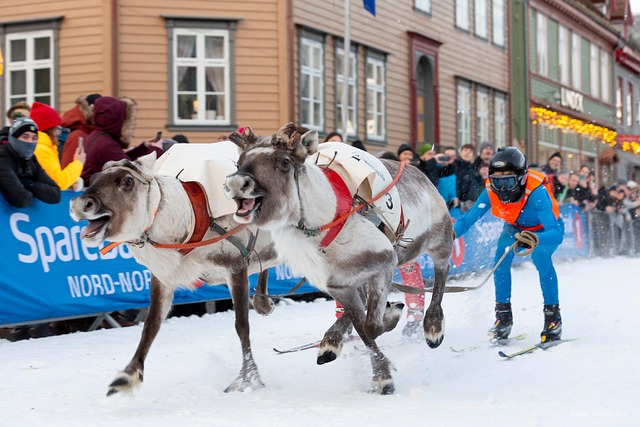
The Sámi people pride themselves on their deep connection to nature—think of them as custodians of the Arctic. Their traditions, including reindeer herding, joiking (a unique form of song), and crafting beautiful handicrafts, showcase their profound respect for the environment. When you hear a joik, it’s not just a song; it’s a story that travels through time, echoing the Sámi’s relationship with the earth.
So, why doesn’t Sápmi get the recognition it deserves as a nation? One reason lies in the complex interplay of national policies. The Sámi have fought for autonomy and recognition within the borders of the countries they inhabit, yet challenges remain. With the winds of globalization sweeping across the region, maintaining cultural integrity becomes a delicate balancing act. It’s like dancing on a tightrope—one misstep could lead to losing touch with their ancestral roots.
From Indigenous Heritage to Political Aspirations: Why Sápmi Remains Unrecognized
The Sámi people, who inhabit portions of Norway, Sweden, Finland, and Russia, have thrived for centuries, living off the land, practicing reindeer herding, and maintaining their languages and beliefs. Their enduring connection to this rugged landscape is like a lifeline, a thread that weaves together a colorful tapestry of traditions. But here’s the kicker: despite this rich heritage, Sápmi’s political aspirations are often overshadowed by national borders and bureaucratic red tape.
So, what’s holding Sápmi back? For starters, the lack of international recognition as an independent political entity means that Sámi voices often go unheard in discussions about resource management, climate change, and territorial rights. It’s like shouting into a void—important concerns are raised, yet the response feels distant and hollow. And let’s not forget the ongoing battle for autonomy and governance, which can be as convoluted as tangled fishing nets in a storm.
The Sámi continue to advocate for their rights, striving for visibility in a world that seems intent on ignoring their plight. The reality is that as global conversations shift towards inclusivity and recognition of indigenous rights, the narrative about Sápmi needs to change as well. If we can reflect on the past and embrace the present, maybe, just maybe, the Sámi can finally carve out a space where their culture and aspirations are respected and celebrated.
Decolonizing the North: The Case for Recognizing Sápmi as an Official Country
Decolonizing the North isn’t just a trendy phrase; it’s a movement rooted in respect and recognition. The Sámi have lived in this stunning region long before modern borders were drawn. They possess a unique culture, language, and identity that deserves to be celebrated. Picture this: a world where local voices govern their destiny instead of distant bureaucrats making decisions that impact their lives. Doesn’t that sound fair?
When we talk about recognizing Sápmi, we’re not just discussing autonomy; we’re diving into the very essence of justice. It’s like giving a long-overdue apology to someone who has felt erased from history. The Sámi people have endured centuries of marginalization, their traditions overwhelmed by external pressures. Isn’t it about time we acknowledge their right to self-governance and the stewardship of their ancestral lands?
Cultural Identity vs. Sovereignty: The Complex Status of Sápmi in the Arctic
Cultural identity for the Sámi is about more than just traditional clothing and vibrant festivals; it’s a resilient spirit that has thrived for centuries. Picture this: a community where the language, songs, and even the landscape tell stories of perseverance against colonization, climate change, and globalization. They have preserved their customs, maintaining a unique identity that calls back to their ancestors, creating a sense of belonging that feels as vast as the Arctic sky.
However, while the Sámi celebrate their vibrant culture, the question of sovereignty casts a long shadow. Their traditional lands are entwined with their identity, yet, political boundaries often disregard that deep connection. It’s a bit like trying to fit a square peg into a round hole; their needs don’t always align with national policies. The Sámi are often left navigating a maze of governance systems that don’t fully recognize their rights or their voice.
The contrast between cultural identity and sovereignty isn’t just a theoretical debate—it affects daily life, hunting rights, and even representation. How can one fully express their identity when external forces constantly challenge their autonomy? The struggle for recognition continues, making the Sámi experience a fascinating case study of resilience, identity, and the quest for self-determination in a world that often forgets them.
Sápmi: A Rich Tapestry of Culture Striving for Official Nationhood
The Sámi, often dubbed the ‘people of the reindeer,’ hold a deep connection with nature that surpasses mere survival. Their culture thrives on storytelling, traditional music, and artisanal crafts, each thread of the tapestry telling tales of their forebears. When you hear the soulful sounds of a joik—a traditional Sámi song—it’s like time travel; you can almost feel the whispers of their ancestors echoing through the valleys.
Yet, this unique heritage is facing a modern conundrum. Even as globalization sweeps in, threatening to dilute these cultural landmarks, the Sámi stand resolutely at the crossroads. Picture them as gardeners in a fragile ecosystem, tending to their traditions while navigating the wild winds of change. They’re not content to stay in the shadows; they seek official nationhood, striving for recognition and rights that align with their identity and history.
Frequently Asked Questions
What challenges does Sápmi face in gaining official status?
Sápmi faces various challenges in achieving official status, including political resistance from national governments, legal and bureaucratic hurdles, and the complexities of defining and recognizing indigenous rights. Additionally, there are socio-economic issues, such as poverty and cultural preservation, that complicate the pursuit of greater autonomy and representation for the Sámi people.
Why isn’t Sápmi recognized as an independent country?
Sápmi is not recognized as an independent country due to a combination of historical, political, and legal factors. The region, traditionally inhabited by the Sámi people, spans across parts of Norway, Sweden, Finland, and Russia, which are all sovereign states. As these countries maintain their territorial integrity and jurisdiction, the Sámi people’s quest for self-determination is pursued through cultural preservation and political representation rather than full independence.
What is the role of Nordic countries in Sápmi’s recognition?
The Nordic countries play a crucial role in promoting the recognition and rights of the Sámi people in Sápmi, which spans northern parts of Norway, Sweden, Finland, and Russia. These nations engage in efforts to ensure Sámi culture, language, and land rights are preserved and acknowledged through policies, legislation, and collaborative frameworks that empower Sámi communities and enhance their visibility on national and international platforms.
What is Sápmi and its significance?
Sápmi is the cultural region traditionally inhabited by the Sámi people, spanning parts of northern Norway, Sweden, Finland, and Russia. It is significant as it represents the unique heritage, language, and traditions of the Sámi, who are known for their reindeer herding, handicrafts, and rich folklore. The region emphasizes the importance of indigenous rights and environmental stewardship, highlighting the interplay between culture, land, and sustainability.
How do the Sami people advocate for their rights?
The Sami people advocate for their rights through various means, including political representation, legal action, and cultural preservation efforts. They engage with national and international bodies to promote recognition of their rights to land, natural resources, and cultural heritage. Advocacy also involves grassroots mobilization and raising awareness about Sami issues, often leveraging traditional knowledge and practices to strengthen their claims.